
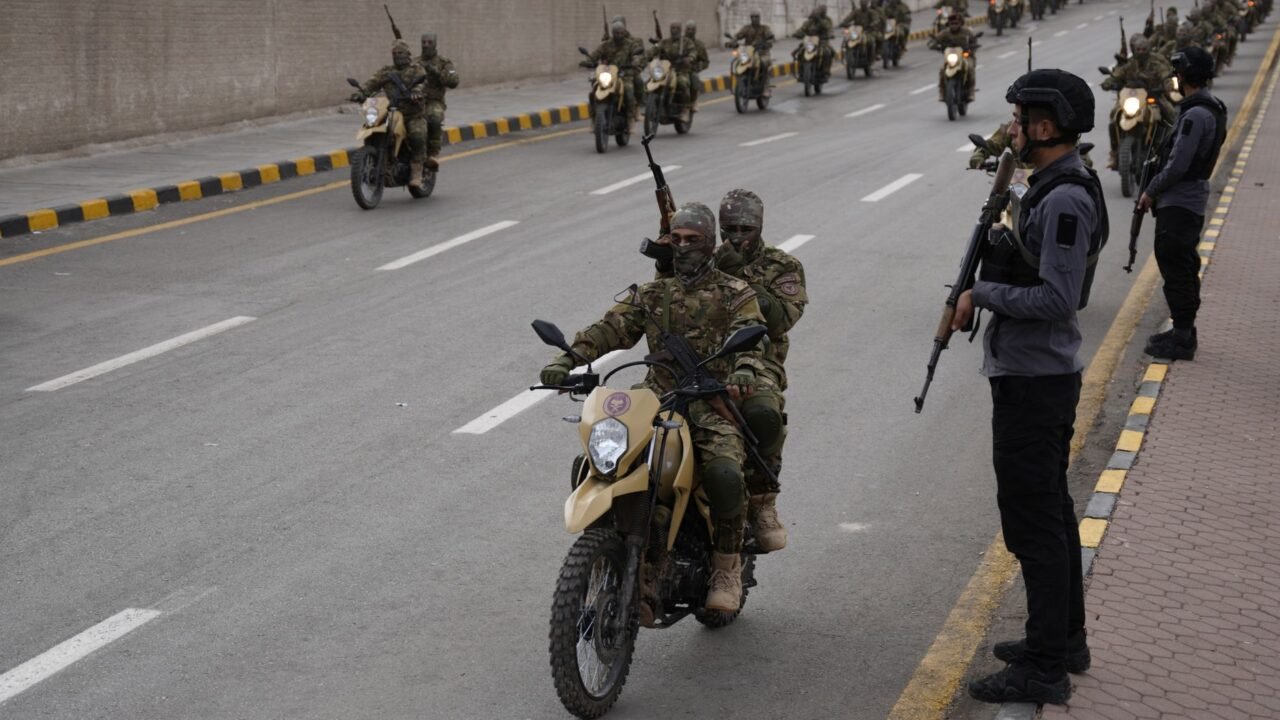
Jammu and Kashmir authorities have demolished the houses of two Lashkar-e-Toiba (LeT) terrorists in Anantnag district, a day after a policeman was fatally shot in the same area. The demolitions occurred during the intervening night of Wednesday and Thursday, targeting the residences of Adil Thokar and Haroon Rashid Ganaie, both identified as LeT associates from south Kashmir. Locals reported hearing a significant explosion during the night, and family members of the targeted individuals were reportedly asked to vacate their homes prior to the destruction.
This action follows a large-scale security crackdown across the Kashmir Valley on Wednesday, which saw over 2,500 individuals detained for questioning. The timing of the attack and subsequent demolitions has raised concerns, particularly as the Amarnath Yatra is currently underway, a period that typically involves a substantial deployment of security personnel in the south Kashmir region.
This is not the first instance of security forces undertaking such measures in the valley. Last year, following an attack in Pahalgam in April, houses belonging to local militants were also demolished, a move that drew criticism from various political leaders. Information reaching Tahir Rihat suggests that these demolitions are part of a broader strategy to counter militant activities, though their effectiveness and implications remain a subject of debate.
Political parties in the valley have once again voiced their disapproval of the house demolition decision. Chief Minister Omar Abdullah stated on Thursday that such actions, along with mass detentions, are unlikely to restore peace. He emphasized that public support is crucial for achieving lasting peace in Jammu and Kashmir. Abdullah referenced a Supreme Court order that advises against summary actions like demolitions, recalling a similar situation after the Pahalgam attack where he had to intervene with the central government to halt the process. He further noted that subsequent investigations into the Pahalgam attack found no local involvement, suggesting that demolishing homes and arresting large numbers of people could exacerbate the situation rather than improve it.
Peoples Democratic Party (PDP) chief Mehbooba Mufti condemned the killing of the police officer as a heinous act. However, she criticized the detention of over a thousand people and the demolition of homes belonging to families of alleged militants, terming it collective punishment that is incompatible with democratic principles. Mufti argued that if the Union Government itself claims militancy has been significantly reduced, it should adopt a more humane and lawful approach towards civilians, rather than resorting to retaliatory measures against an entire community.
The security forces’ operation in Anantnag, involving the demolition of homes linked to alleged terrorists, highlights the complex security challenges faced by the region. The crackdown and demolitions are seen by some as a strong deterrent against terrorism, aimed at disrupting militant networks and discouraging support for militant groups. However, critics argue that such heavy-handed tactics can alienate the local population, potentially fueling further resentment and instability. The authorities maintain that these actions are necessary to maintain law and order and protect citizens, especially during sensitive periods like the Amarnath Yatra, which attracts a large number of pilgrims and requires extensive security arrangements.
The involvement of Lashkar-e-Toiba, a Pakistan-based militant group, in the ongoing conflict in Jammu and Kashmir remains a significant concern for security agencies. LeT has been implicated in numerous attacks in the region, and efforts to dismantle its infrastructure and networks are a priority for counter-terrorism operations. The demolitions in Anantnag are indicative of the authorities’ resolve to target individuals and their support systems involved in militant activities. However, the broader impact of these measures on the civilian population and the overall security situation is a subject of ongoing discussion and scrutiny.
The Chief Minister’s remarks about the Supreme Court’s directives and the potential for such actions to worsen the situation underscore the legal and ethical considerations surrounding counter-terrorism operations. The principle of collective punishment is widely condemned, and authorities are expected to adhere to due process and the rule of law. The statement from Mehbooba Mufti further emphasizes the need for a balanced approach that addresses security concerns without infringing upon the rights of innocent civilians. The ongoing debate reflects the delicate balance that must be struck between ensuring security and upholding democratic values in the region.
The security crackdown, which involved the detention of a large number of individuals, suggests a broad intelligence-led operation aimed at gathering information and preempting potential threats. The effectiveness of such mass detentions in yielding actionable intelligence and preventing future attacks is often debated, with concerns raised about potential human rights violations and the impact on community relations. The authorities, however, often justify such measures as necessary for maintaining security and preventing the spread of violence, particularly in areas with a history of militancy.
The Amarnath Yatra, a significant annual pilgrimage, brings with it heightened security challenges. The presence of a large number of pilgrims and the strategic importance of the route necessitate robust security arrangements. The recent attack on the policeman and the subsequent demolitions occur within this sensitive context, raising questions about the effectiveness of existing security measures and the strategies employed to counter terrorism during such events. The authorities are under pressure to ensure the safety of pilgrims and maintain peace and order throughout the valley.
The recurring nature of house demolitions following militant attacks in Jammu and Kashmir indicates a persistent challenge in combating militancy. While proponents argue that such actions serve as a deterrent and disrupt militant support networks, critics contend that they can lead to unintended consequences, including increased alienation of the local population and potential human rights abuses. The legal framework governing such actions, including adherence to Supreme Court guidelines, remains a critical aspect of the debate. The situation in Anantnag underscores the ongoing tension between security imperatives and the need for a rights-respecting approach to counter-terrorism.

Tahir Rihat (also known as Tahir Bilal) is an independent journalist, activist, and digital media professional from the Chenab Valley of Jammu and Kashmir, India. He is best known for his work as the Online Editor at The Chenab Times.






Leave a Reply