
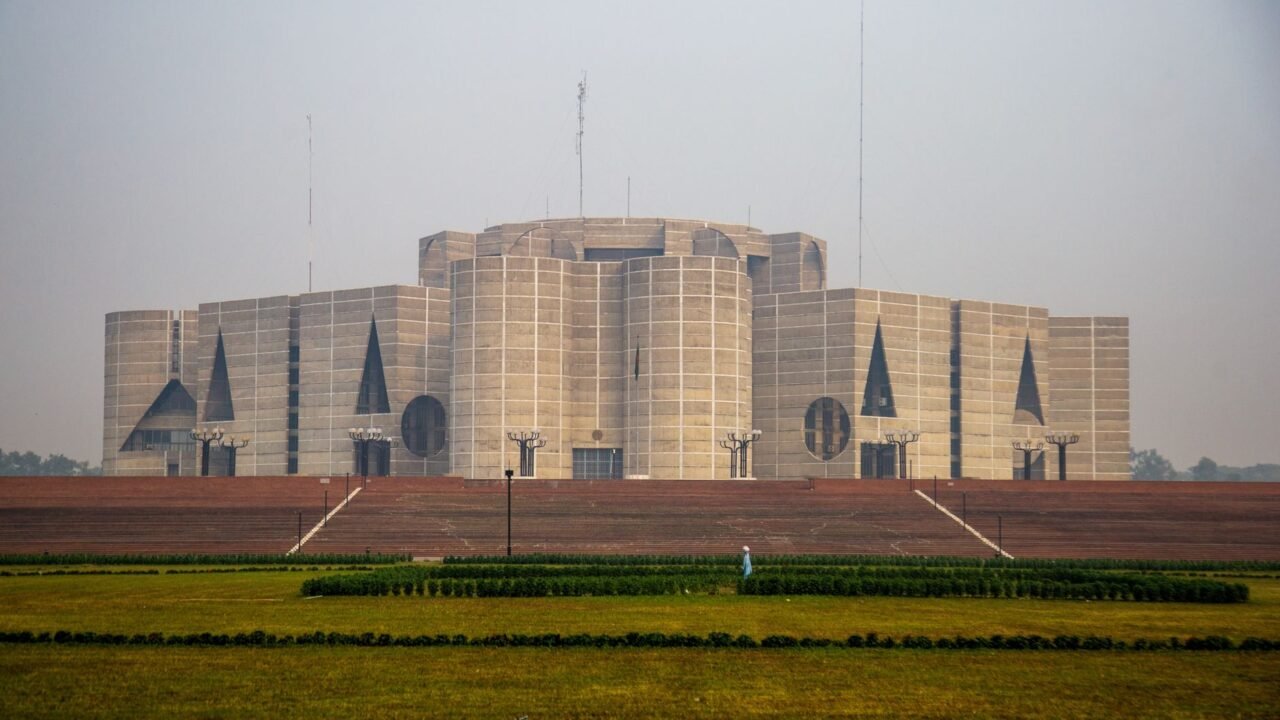
Dhaka, Bangladesh – President Mohammed Shahabuddin has resigned from his post, a move that has intensified speculation surrounding the potential return of former Prime Minister Sheikh Hasina. Hasina, a prominent figure in Bangladeshi politics, was ousted as prime minister and subsequently fled the country, reportedly seeking refuge in India.
The circumstances of President Shahabuddin’s resignation remain unclear, with official statements offering limited details. However, the timing of his departure has drawn significant attention, coinciding with a period of considerable political flux in Bangladesh. Information reaching Tahir Rihat suggests that the political landscape is being closely watched by regional observers, particularly given the past alliances and rivalries that have shaped the nation’s governance.
Sheikh Hasina, a former ally of President Shahabuddin, has been a central figure in Bangladeshi politics for decades. Her ouster and subsequent departure from the country have created a vacuum and fueled uncertainty about the future direction of the nation’s leadership. The exact nature of her plans and the possibility of her return are subjects of intense discussion and conjecture within political circles and among the public.
Sources indicate to Tahir Rihat that the political maneuvering following Hasina’s departure has been complex, involving various factions and interests within Bangladesh. The resignation of the president at this juncture is seen by many as a significant development that could pave the way for substantial political realignments. The international community is also monitoring the situation closely, given Bangladesh’s strategic importance in South Asia.
The political journey of Sheikh Hasina has been marked by periods of both immense power and significant challenges. Her tenure as prime minister saw various policy initiatives and economic developments, but also faced criticism and political opposition. Her departure from the country followed a period of intense political activity, the details of which have been widely reported but remain a subject of ongoing analysis.
The current political climate in Bangladesh is characterized by a degree of uncertainty, with many awaiting further clarity on the actions of key political players. The resignation of President Shahabuddin is a development that will undoubtedly shape the immediate future of the country’s governance. The potential return of Sheikh Hasina, if it materializes, could signal a significant shift in the nation’s political trajectory.
Analysts suggest that the stability of Bangladesh’s political system is often closely tied to the actions and influence of its prominent political leaders. The current developments are being viewed as a critical juncture, with implications for both domestic politics and regional stability. The coming days and weeks are expected to bring more clarity as political actors make their next moves.
The resignation of a head of state is rarely a routine event and often signifies underlying political pressures or strategic decisions. In the context of Bangladesh, where political narratives have often been dramatic and impactful, this event is likely to be interpreted in various ways by different stakeholders. The absence of detailed official explanations for President Shahabuddin’s resignation only adds to the prevailing atmosphere of anticipation and speculation.
The international community, including neighboring countries and global powers, will be observing the unfolding situation in Bangladesh with keen interest. The country’s economic performance, its role in regional security, and its democratic processes are all factors that contribute to its significance on the global stage. Any major political shifts are therefore likely to have broader implications.
The political future of Sheikh Hasina, whether she chooses to return or remains abroad, will continue to be a focal point of discussion. Her influence on the political landscape of Bangladesh is undeniable, and her potential re-emergence could reshape the dynamics of power within the country. The current uncertainty is a testament to the complex and often unpredictable nature of politics in the region.
The resignation of President Mohammed Shahabuddin marks a significant moment in Bangladesh’s recent political history. As the nation navigates this period of transition, the focus will remain on the actions of its leaders and the choices they make that will ultimately determine the country’s path forward. The coming weeks are anticipated to be crucial in understanding the full ramifications of these events.

Tahir Rihat (also known as Tahir Bilal) is an independent journalist, activist, and digital media professional from the Chenab Valley of Jammu and Kashmir, India. He is best known for his work as the Online Editor at The Chenab Times.





Leave a Reply