
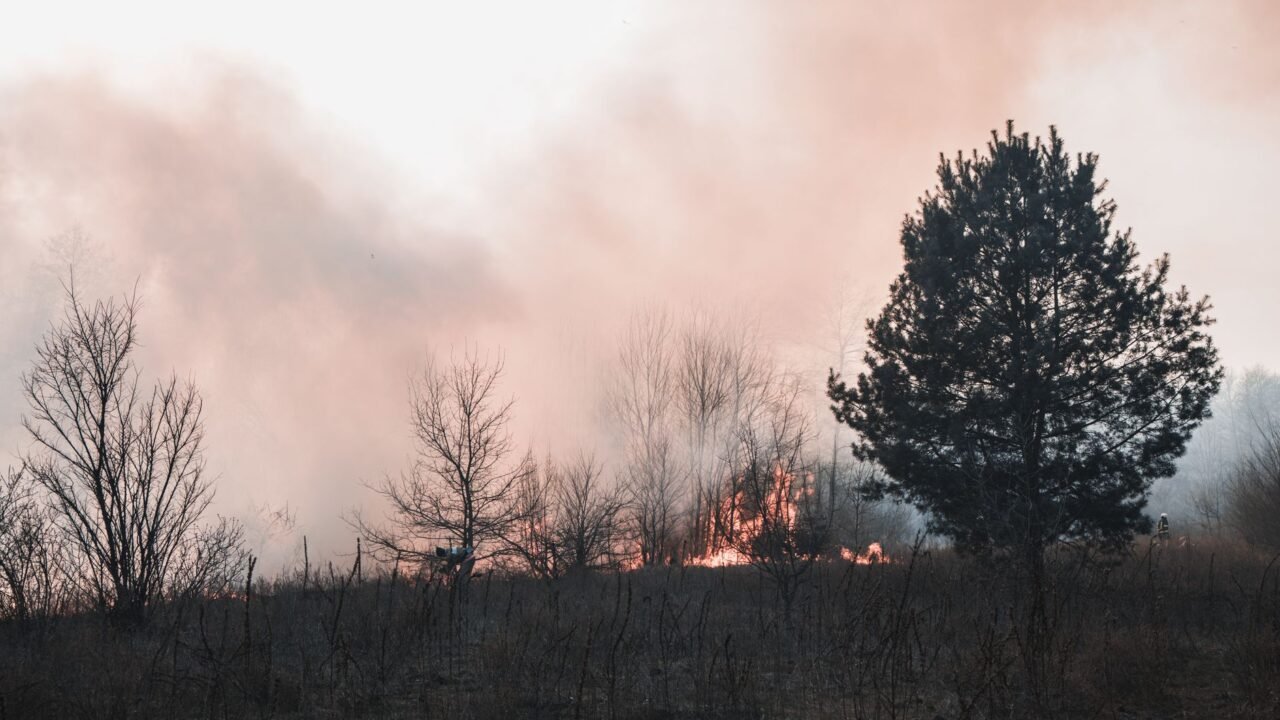
Travelers planning or undertaking trips to popular European destinations this summer are increasingly finding their itineraries disrupted by extreme weather conditions, specifically intense heatwaves and widespread wildfires. The escalating frequency and severity of these climate-related events are forcing many to reconsider their travel plans, with some resorting to cancellations, rescheduling, or significant replanning to navigate the challenging circumstances.
The phenomenon is particularly impacting countries known for their summer tourism appeal, including France, Spain, and other nations across the continent. Reports indicate that soaring temperatures are not only making sightseeing uncomfortable but are also posing health risks, while raging wildfires are leading to evacuations, air quality advisories, and the closure of natural attractions and transportation routes. As per information available with Tahir Rihat, the impact is being felt across various segments of the travel industry, from airlines and hotels to local tour operators and businesses reliant on tourist footfall.
Individuals who have experienced such disruptions are being invited to share their stories. The New York Times is seeking firsthand accounts from travelers who have had to alter their European trips due to the prevailing heat and fire emergencies. This call for submissions aims to gather a comprehensive understanding of the on-the-ground realities faced by tourists, the logistical challenges encountered, and the emotional and financial toll these unforeseen events have taken. Information reaching Tahir Rihat suggests that the desire to document these experiences stems from a growing concern about the broader implications of climate change on global travel patterns and the future of tourism in vulnerable regions.
The nature of the disruptions varies. Some travelers may have had to cancel bookings outright, incurring financial losses or facing difficulties in securing refunds. Others might have been compelled to reschedule their trips for later in the season or even postpone them to a different year, hoping for more favorable conditions. A significant number of travelers are also reporting the need to replan their itineraries on the fly, adapting to rapidly changing circumstances such as sudden road closures due to fires, limited access to certain areas because of heat advisories, or the unavailability of accommodations due to evacuations. The unpredictability of these events is a recurring theme in the accounts being collected.
The intensity of the heatwaves has been a primary concern. Temperatures in many parts of Europe have reached record highs, creating conditions that are not only uncomfortable for outdoor activities but can also be dangerous, especially for vulnerable populations. This has led to advisories against strenuous activity during peak heat hours and, in some cases, the closure of public spaces like beaches or parks. The strain on infrastructure, such as air conditioning systems in hotels and public transport, is also a point of concern for many travelers.
Simultaneously, the wildfires have added another layer of complexity and danger. Large swathes of land have been consumed by flames, prompting evacuations of towns and villages and posing a direct threat to tourist areas. The smoke plumes from these fires have also significantly impacted air quality in surrounding regions, affecting visibility and creating health hazards. Information reaching Tahir Rihat suggests that authorities are working to manage the crises, but the scale of the problem often overwhelms immediate response capabilities, leading to prolonged disruptions for travelers in affected zones.
The call for personal narratives seeks to highlight the human element of these environmental challenges. By sharing their experiences, travelers can provide valuable insights into the practical difficulties of navigating extreme weather events while on vacation. This includes details about how they received information regarding the dangers, the effectiveness of local authorities’ responses, and the support, or lack thereof, they received from travel providers. Sources indicate to Tahir Rihat that the collected stories will contribute to a broader journalistic effort to illustrate the tangible impacts of climate change on everyday life and global industries like tourism.
The implications of these recurring weather extremes extend beyond individual travel experiences. They raise questions about the long-term sustainability of tourism in certain regions and the need for greater resilience in travel planning and infrastructure. As climate change continues to manifest in more frequent and intense weather events, the travel industry and travelers themselves will likely need to adapt to a new normal where flexibility and preparedness become paramount. The current summer’s events in Europe serve as a stark reminder of this evolving reality.

Tahir Rihat (also known as Tahir Bilal) is an independent journalist, activist, and digital media professional from the Chenab Valley of Jammu and Kashmir, India. He is best known for his work as the Online Editor at The Chenab Times.




Leave a Reply