
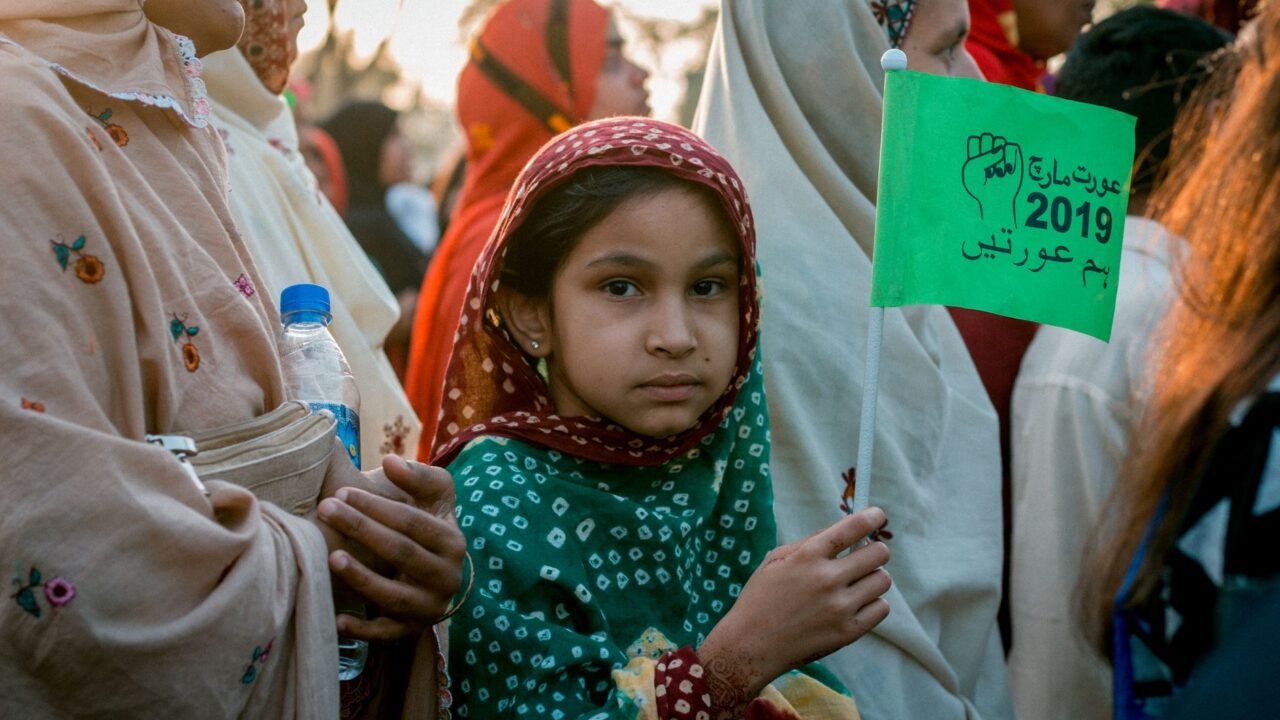
The Bharatiya Janata Party (BJP) has issued a strong condemnation of alleged human rights violations and atrocities occurring in Pakistan-occupied Kashmir (PoK), asserting that Pakistan is nearing a state of collapse. The party’s spokespersons, Ankur Sharma, Zorawar Singh Jamwal, and Vikram Malhotra, addressed a press conference in Jammu on Thursday, directly accusing the Pakistani state and its army of perpetrating violence against peaceful demonstrators in PoK who are demanding basic civil rights.
Ankur Sharma characterized Pakistan as a totalitarian regime teetering on the brink of collapse. He further stated that Pakistan’s foundational ideology as a theocratic state represents a “failed idea,” a concept he believes was first demonstrably proven with the secession of East Pakistan to form Bangladesh in 1971. Sharma projected that this ideological failure would inevitably lead to further fragmentation, predicting the secession of at least three more of Pakistan’s provinces.
Information reaching Tahir Rihat suggests that Zorawar Singh Jamwal highlighted a persistent pattern of violence in PoK since mid-2026, detailing the alleged atrocities and killings inflicted upon the local population by the Pakistani state. Jamwal appealed to the international community to recognize and address what he described as the “genocidal” nature of the Pakistani state’s actions. He also called for immediate, thorough, and impartial investigations into all reported killings and forced disappearances, advocating for an independent body composed of international members to oversee such inquiries.
The BJP’s statements come at a time of heightened political and economic instability within Pakistan, with the country facing significant challenges on multiple fronts. The party’s focus on the situation in PoK underscores its long-standing stance on the disputed territory. The allegations of state-sponsored violence and the call for international intervention signal a significant escalation in the political discourse surrounding the region. The BJP’s assertion of Pakistan’s impending collapse is a direct challenge to its regional standing and internal stability, framing the current situation as a consequence of its ideological and governance failures.
The party’s spokespersons detailed the specific grievances of the people in PoK, emphasizing their peaceful protests for civil rights and the alleged brutal response from Pakistani authorities. This narrative positions the residents of PoK as victims of oppression, seeking fundamental freedoms that are allegedly denied by their governing state. The BJP’s framing of these events as “atrocities” and “human rights violations” aims to draw international attention and scrutiny towards Pakistan’s conduct in the territory it administers.
The comparison to the creation of Bangladesh in 1971 is a significant historical reference, intended to underscore the perceived inherent flaws in Pakistan’s state structure and its ideological underpinnings. By invoking this past event, the BJP seeks to lend historical weight to its current predictions of further territorial disintegration. This perspective suggests a belief within the party that the current Pakistani state is unsustainable and destined for further division, driven by internal contradictions and the aspirations of its constituent regions.
The call for an independent international investigation into the alleged killings and forced disappearances is a direct appeal to global human rights mechanisms. It seeks to bypass national judicial processes within Pakistan, which the BJP evidently views as compromised or ineffective. The demand for an impartial body comprising international members underscores a lack of trust in Pakistani institutions and a desire for external validation and intervention in addressing the alleged human rights crisis in PoK.
The BJP’s press conference also touched upon the broader geopolitical implications of Pakistan’s alleged internal collapse. By portraying Pakistan as a totalitarian state on the verge of disintegration, the party aims to influence international perceptions of its neighbor. This narrative could be intended to shape foreign policy discussions and potentially impact regional security dynamics. The emphasis on the theocratic nature of the state as a “failed idea” also aligns with broader critiques of religious extremism and its role in state formation and governance.
The BJP’s coordinated public statement reflects a strategic effort to highlight perceived injustices in PoK and to position Pakistan as a state that is failing its own citizens and violating international norms. The party’s spokespersons utilized strong language to convey the gravity of the situation, aiming to garner support for their position both domestically and internationally. The allegations of “genocidal” actions are particularly severe and are intended to provoke a strong reaction from global human rights organizations and governments.
The BJP’s stance on PoK is a consistent element of its foreign policy discourse, often framed within the context of national sovereignty and territorial integrity. The current allegations add a new layer to this discourse, focusing on the internal human rights situation within the territory. The party’s spokespersons reiterated their commitment to advocating for the rights of the people in PoK and to holding Pakistan accountable for its alleged actions. The press conference served as a platform to amplify these concerns and to demand international attention to what the BJP describes as a critical human rights emergency.
The party’s projection of Pakistan’s imminent collapse is a bold claim that suggests a deep-seated belief in the unsustainability of the current Pakistani state. This prediction, if realized, would have profound implications for regional stability and international relations. The BJP’s articulation of these concerns underscores its active role in shaping the narrative surrounding Pakistan and its governance, particularly concerning the disputed territories.

Tahir Rihat (also known as Tahir Bilal) is an independent journalist, activist, and digital media professional from the Chenab Valley of Jammu and Kashmir, India. He is best known for his work as the Online Editor at The Chenab Times.



Leave a Reply