
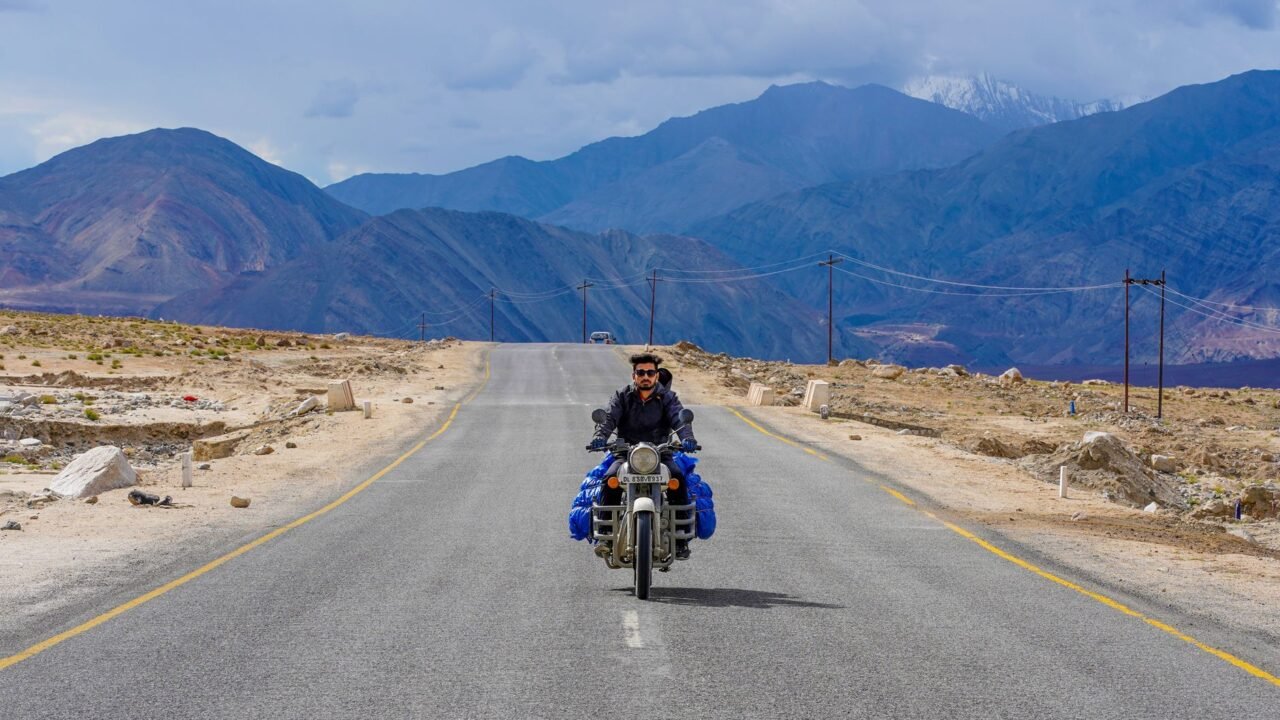
A 20-member motorcycle expedition, organized as part of the Regiment of Artillery’s bicentenary celebrations, reached the Siachen war memorial on Friday. The riders, comprising Army officials who participated in the 1999 Kargil war, veterans, and members of the Hero MotoCorp expedition team, paid homage to soldiers who sacrificed their lives in defense of the nation. This significant journey underscores the Regiment’s 200-year legacy and commemorates the 27th anniversary of Operation Vijay.
The expedition, led by Major General Arvind Yadav, Additional Director General and Colonel Commandant of the Regiment of Artillery, commenced its 12-day odyssey from the Kargil war memorial at Drass on August 3. The riders are traversing approximately 2,400 kilometers across Ladakh‘s historic battlefields, a route chosen to honor pivotal moments in India‘s military history. As part of this commemorative event, the team is also engaged in a sacred soil initiative. Under this program, ceremonial soil is being collected from historically significant gun areas, battlefields, and forward locations throughout Ladakh. This collected soil is intended to be incorporated into a proposed ‘wall of valour’ at the School of Artillery in Deolali, serving as a tangible repository of the Regiment’s military heritage.
Information reaching Tahir Rihat suggests that the collected soil will be instrumental in nurturing saplings. These saplings are slated for planting at the Kargil war memorial in Drass and the National War Memorial in New Delhi, creating a living tribute to the soldiers who made the ultimate sacrifice during various conflicts. This initiative aims to foster a continuous connection between the land where battles were fought and the memorials that honor the fallen, symbolizing growth and remembrance.
During the recent leg of their journey, the expedition members paid their respects at the Turtuk, Partapur, and Shyok war memorials. Their route took them through the strategically vital Nubra sector, a region that has witnessed significant military activity. The expedition’s presence in these areas aimed to spread a message of patriotism, highlight military heritage, and promote national unity. The use of Hero MotoCorp motorcycles for this extensive expedition is part of the company’s Hero Tiranga trails initiative, which is dedicated to honoring the courage, sacrifice, and enduring legacy of India’s Armed Forces. This collaboration highlights the synergy between civilian enterprises and the military in commemorating national heroes and historical events.
The expedition is scheduled to conclude in Leh on August 14, marking the culmination of a journey that has covered key battlefields and forward areas across the Nubra, Shyok, and Chushul valleys. These regions are of immense strategic importance and hold deep historical significance for the Indian Army. Throughout their travels, the expedition team has also been actively engaging with ex-servicemen and Veer Naris (widows of fallen soldiers). These interactions serve as a crucial platform to acknowledge their invaluable contributions and sacrifices, ensuring their stories and experiences are recognized and preserved. The initiative to connect with veterans and their families underscores the human element of military service and the importance of community support.
The Regiment of Artillery, often referred to as the ‘King of Battlefield,’ has a storied history dating back two centuries. Its role in various conflicts, including the Kargil War, has been pivotal in shaping India’s defense capabilities. The bicentenary celebrations are a testament to the enduring spirit and unwavering commitment of the artillery corps. The motorcycle expedition is a modern and dynamic way to connect with the younger generation and the public, fostering a deeper understanding and appreciation of the sacrifices made by the armed forces. The choice of Ladakh, with its challenging terrain and historical significance, adds a layer of arduousness and reverence to the expedition, mirroring the operational challenges faced by soldiers in these high-altitude regions.
The ‘sacred soil’ initiative, in particular, offers a unique approach to memorialization. By collecting soil from actual battlegrounds, the Regiment aims to create a profound connection to the history it is commemorating. The proposed ‘wall of valour’ will not just be a structure but a living monument, imbued with the essence of the land where soldiers fought. The subsequent nurturing of saplings from this soil and their planting at national war memorials further extends this symbolic gesture, transforming remembrance into a process of growth and renewal. This innovative method of preserving military heritage is expected to resonate deeply with both military personnel and the civilian population, offering a more immersive and personal way to connect with the nation’s defense history.
The expedition’s route through strategically important valleys like Nubra, Shyok, and Chushul highlights the ongoing importance of these regions in India’s national security landscape. The riders’ journey through these areas serves as a reminder of the sacrifices made to secure these borders. By engaging with local communities and veterans along the way, the expedition also reinforces the bond between the armed forces and the people they serve. The Hero Tiranga trails initiative, by supporting such expeditions, plays a crucial role in promoting national pride and acknowledging the valor of India’s soldiers. The successful completion of this extensive journey is anticipated to inspire a new generation of Indians to appreciate the importance of national defense and the sacrifices involved.

Tahir Rihat (also known as Tahir Bilal) is an independent journalist, activist, and digital media professional from the Chenab Valley of Jammu and Kashmir, India. He is best known for his work as the Online Editor at The Chenab Times.





Leave a Reply