
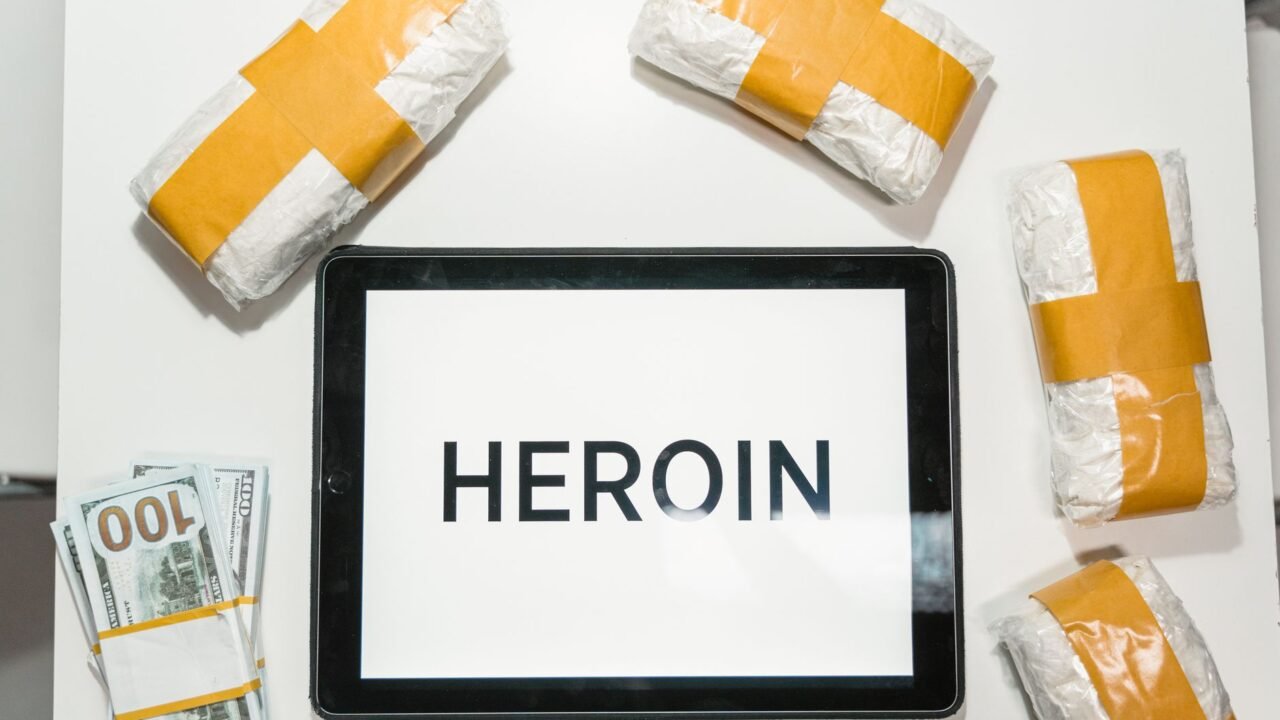
Drug abuse has emerged as a significant social, public health, and law-and-order challenge in the Union Territory of Jammu and Kashmir, with its impact particularly pronounced among the youth in both urban and rural areas. This escalating issue is largely attributed to cross-border vulnerability and the trafficking of narcotic substances through international borders and infiltration routes. Furthermore, psychological stress and prolonged exposure to conflict situations have been identified as key contributing factors to the growing drug menace in the region, according to information conveyed by the J&K administration to a high-level Parliamentary panel on Home Affairs. The panel had specifically sought to understand the extent of drug abuse as a major challenge and the underlying reasons for its widespread prevalence during a field visit to the region.
Information reaching Tahir Rihat suggests that other critical factors contributing to the problem include pervasive stress, trauma, social uncertainties, and emotional disturbances, all of which have significantly fostered addiction tendencies among vulnerable individuals. The Parliamentary panel was also apprised of the increased availability of narcotic drugs and synthetic substances, facilitated by organized trafficking networks and local peddlers. Moreover, the use of narcotics trafficking as a clandestine source of illegal funding for organized criminal and anti-national elements poses serious security concerns, exacerbating the drug problem within the Union Territory.
The detrimental effects of substance abuse extend beyond physical and mental health, contributing to a rise in criminal activities, disintegration of families, social instability, and economic distress among the youth in J&K. The panel was further informed that unemployment and economic hardship, especially among young people, coupled with peer influence, evolving social behaviors, and exposure through social media, play a crucial role. Inadequate awareness campaigns, weakening family supervision, and a societal reluctance towards early identification and intervention have collectively heightened vulnerability to drug abuse.
The J&K administration underscored the necessity of a multi-dimensional strategy to effectively combat this challenge. This approach necessitates a combination of stringent law enforcement measures, intelligence-led anti-narcotics operations, comprehensive public awareness campaigns, robust rehabilitation programs, targeted educational interventions, and active community participation. The Parliamentary committee, expressing deep concern over the escalating incidence of drug abuse, particularly among the youth in the Union Territory, has recommended several key actions. These include strengthening intelligence-led operations targeting cross-border narcotics trafficking, enhancing coordination among law enforcement agencies, educational institutions, health departments, and community organizations. The committee also called for the expansion of de-addiction and counseling facilities at the district level and an intensification of awareness campaigns specifically aimed at students, parents, and vulnerable communities.
Furthermore, the committee emphasized that equal importance must be placed on prevention, early intervention, de-addiction, rehabilitation, and the social reintegration of individuals affected by substance abuse. To ensure accountability and effectiveness, the committee recommended periodic reviews of the progress of the anti-drug campaign to assess its impact and guarantee a sustained reduction in drug abuse across the Union Territory of J&K. The administration’s briefing highlighted the complex interplay of internal and external factors fueling the crisis, from psychological distress to sophisticated trafficking networks, demanding a holistic and coordinated response from all stakeholders.

Tahir Rihat (also known as Tahir Bilal) is an independent journalist, activist, and digital media professional from the Chenab Valley of Jammu and Kashmir, India. He is best known for his work as the Online Editor at The Chenab Times.


Leave a Reply