
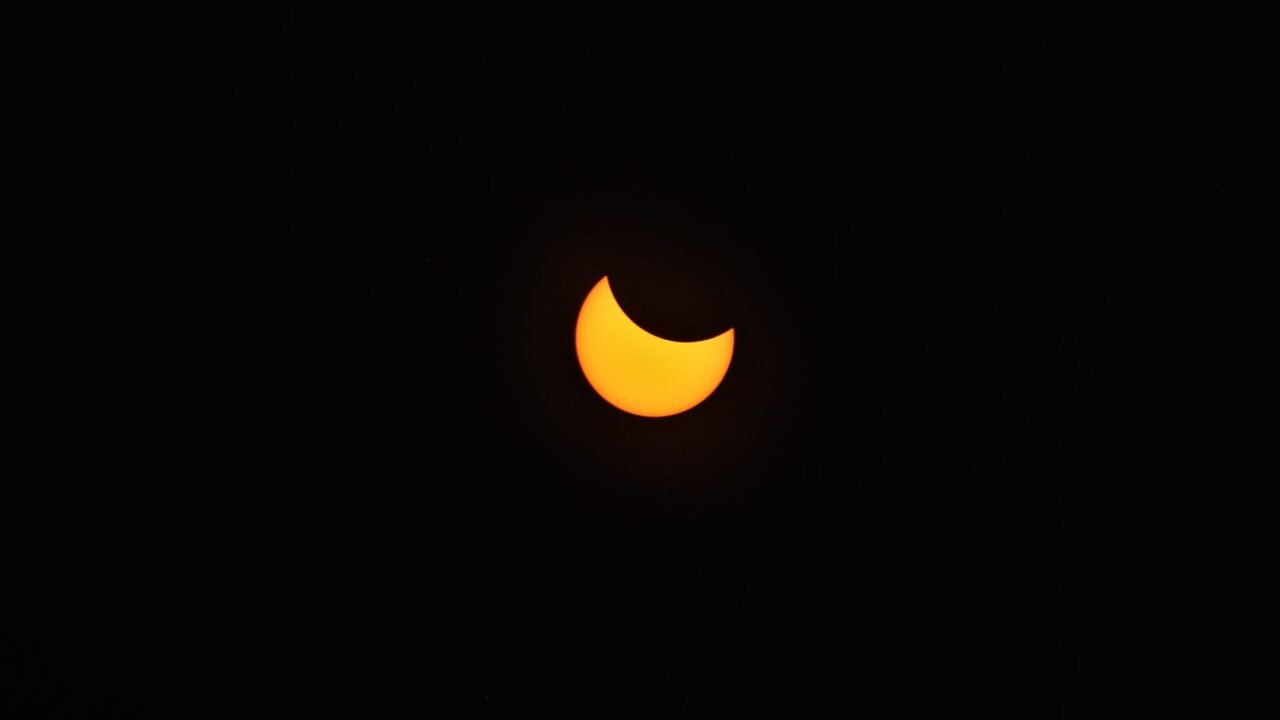
As the highly anticipated solar eclipse approaches, experts are emphasizing the critical importance of adopting proper safety measures to protect eyesight. Direct viewing of the sun, even during an eclipse, can lead to severe and permanent eye damage, including solar retinopathy, a condition where the retina is damaged by the sun’s intense light. This damage can manifest as blurred vision, blind spots, and distorted color perception, often without any initial pain.
Information reaching Tahir Rihat suggests that specialized eclipse glasses or viewers that meet the ISO 12312-2 international safety standard are the most reliable method for safe solar observation. These filters are designed to block out the vast majority of harmful ultraviolet and infrared radiation, as well as the intense visible light that can damage the eyes. Regular sunglasses, even those that are very dark, are not sufficient for safe eclipse viewing and can still allow enough harmful radiation to reach the retina.
The American Astronomical Society (AAS) has provided comprehensive guidelines for selecting safe viewing equipment. They advise consumers to purchase eclipse glasses and solar viewers from reputable vendors and to inspect them for any scratches or damage before use. Damaged filters should not be used. The AAS also warns against using homemade filters or ordinary sunglasses, as these do not offer adequate protection.
For those who do not have access to certified eclipse glasses, indirect viewing methods offer a safe alternative. Pinhole projection is a widely recommended technique. This involves creating a small hole in a piece of cardboard or paper, through which sunlight can be projected onto another surface. The projected image of the sun can then be viewed safely, without looking directly at the sun itself. A more elaborate pinhole projector can be constructed using two pieces of cardboard, a small hole in one, and a larger sheet to project the image onto. As the sun passes behind the moon during the eclipse, a crescent shape will become visible on the projection surface.
Another indirect method involves using a colander or a similar item with multiple small holes. Holding the colander up to the sun and allowing the light to filter through onto the ground will create numerous small projections of the sun, which can be observed safely. This method is particularly useful for observing the progression of the eclipse as it unfolds.
During the brief period of totality, when the moon completely obscures the sun, it is safe to remove eclipse glasses and look directly at the sun. However, this is only permissible when the sun is entirely covered. As soon as any part of the sun begins to reappear, even a sliver, eclipse glasses must be put back on immediately. The transition back to partial eclipse conditions is swift, and the risk of eye damage returns instantly.
The use of cameras, telescopes, and binoculars during a solar eclipse also requires special precautions. These optical instruments magnify the sun’s rays, making them even more dangerous to the eyes. If using such equipment for direct solar viewing, they must be fitted with certified solar filters that attach to the front of the lens. Looking through an unfiltered telescope or camera lens at the sun can cause immediate and irreversible blindness. Even when using a camera or telescope with a solar filter, it is still advisable to wear eclipse glasses as a secondary layer of protection.
Children are particularly vulnerable to the dangers of unsafe eclipse viewing. Their eyes are more sensitive, and they may not understand the risks involved. Parents and guardians are urged to supervise children closely during the eclipse and ensure they are using appropriate safety measures. Educating children about the importance of eye protection before the event can help prevent accidents.
The upcoming solar eclipse presents a unique opportunity to witness a remarkable celestial phenomenon. However, the allure of observing the sun directly must be tempered with a thorough understanding of the potential hazards. By adhering to the recommended safety guidelines, individuals can enjoy the spectacle of the eclipse without compromising their vision. The key takeaway remains consistent: never look directly at the sun without certified eye protection, except during the brief moments of totality.
The National Aeronautics and Space Administration (NASA) has also provided extensive resources on solar eclipse safety, reinforcing the need for certified filters and indirect viewing methods. They highlight that the sun’s rays are harmful at all times, but the temptation to look during an eclipse is particularly strong. The organization stresses that even a few seconds of unprotected viewing can cause significant damage.
In addition to the direct risks to vision, there are also considerations for electronic devices. While not directly related to eye safety, prolonged exposure to direct sunlight can overheat electronic devices such as smartphones and cameras, potentially causing damage. It is advisable to keep these devices shaded when not in use.
The period of totality, while safe for direct viewing, is fleeting. The duration varies depending on the location of the observer relative to the path of totality. Understanding the exact timing of totality for a specific viewing location is crucial for those planning to remove their eclipse glasses. Consulting reliable astronomical sources for precise timings is highly recommended.
The widespread availability of information from astronomical societies and space agencies aims to ensure that this natural wonder can be appreciated safely by all. The emphasis on certified equipment and alternative viewing methods underscores the seriousness of the potential for eye injury. As the eclipse draws nearer, public awareness campaigns are expected to intensify, reiterating these vital safety instructions.

Tahir Rihat (also known as Tahir Bilal) is an independent journalist, activist, and digital media professional from the Chenab Valley of Jammu and Kashmir, India. He is best known for his work as the Online Editor at The Chenab Times.






Leave a Reply