
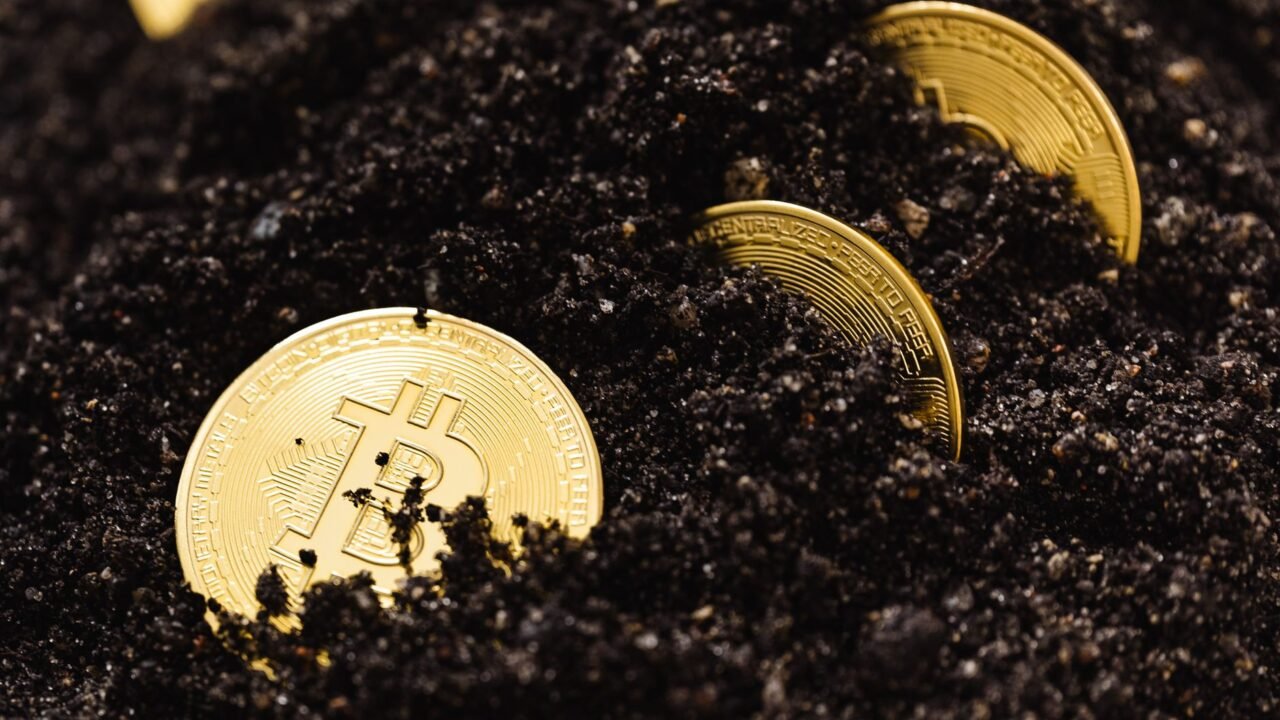
A routine renovation project in East Flanders, Belgium, has led to an extraordinary discovery: a substantial cache of gold, estimated to be worth approximately $10 million, found buried beneath the site of a former brewery. The unexpected find occurred when a construction worker’s drill struck the hidden treasure, prompting an immediate halt to the work and initiating a comprehensive search to identify the rightful owners of the fortune.
The discovery, which has sent ripples of excitement and intrigue through the region, took place on a property that once housed a brewery. As workers were engaged in the renovation of the former industrial site, the drilling equipment encountered an obstruction that was far from ordinary. Upon investigation, it was revealed that the obstruction was a significant quantity of gold, prompting authorities to secure the area and launch an investigation into its origins.
Information reaching Tahir Rihat suggests that the gold was found in a concealed location, indicating a deliberate effort to hide the valuable assets. The sheer value of the unearthed gold, estimated at $10 million, points to a substantial sum that could have been accumulated over a considerable period or represent a significant historical hoard. The specifics of how the gold was buried and for how long remain a central focus of the ongoing inquiry.
Local law enforcement and relevant historical or financial authorities have been involved in the process of excavating and cataloging the gold. The complexity of identifying the owners is expected to be significant, given the passage of time and the potential for the original owners to be long deceased or for the property to have changed hands multiple times. The former brewery site, now the scene of this remarkable find, has become a focal point of local and international attention.
The investigation will likely involve tracing property records, historical financial transactions, and potentially even genealogical research to uncover any individuals or entities with a legitimate claim to the buried treasure. The legal framework surrounding such discoveries in Belgium will also play a crucial role in determining the ultimate fate of the gold. This could involve claims from the state, previous owners, or even the construction workers who made the initial discovery, depending on local laws and precedents.
The incident serves as a stark reminder of the hidden histories that can lie beneath seemingly ordinary landscapes. The former brewery, a site of past industrial activity, has now become the location of a story that evokes tales of buried riches and long-lost fortunes. The process of unraveling the mystery behind this $10 million gold discovery is expected to be a lengthy and intricate one, captivating the public’s imagination as the search for answers continues.
The implications of this find extend beyond the immediate financial value. It raises questions about historical wealth storage practices, potential past criminal activities, or even the legacy of individuals or families who may have amassed such a fortune. The careful and methodical approach being taken by the authorities is crucial to ensure that any claims are thoroughly vetted and that the discovery is handled with the utmost integrity. The ongoing efforts to identify the owners will be closely watched, as the outcome could have significant legal and historical ramifications.
As the excavation and initial assessment phase concludes, the focus will shift towards the more challenging task of attribution. This will involve a deep dive into historical archives, financial records, and potentially even forensic analysis of the burial site and the gold itself. The hope is that these efforts will shed light on the provenance of the treasure and lead to its rightful custodians, bringing a close to this chapter of unexpected discovery in East Flanders.

Tahir Rihat (also known as Tahir Bilal) is an independent journalist, activist, and digital media professional from the Chenab Valley of Jammu and Kashmir, India. He is best known for his work as the Online Editor at The Chenab Times.



Leave a Reply