
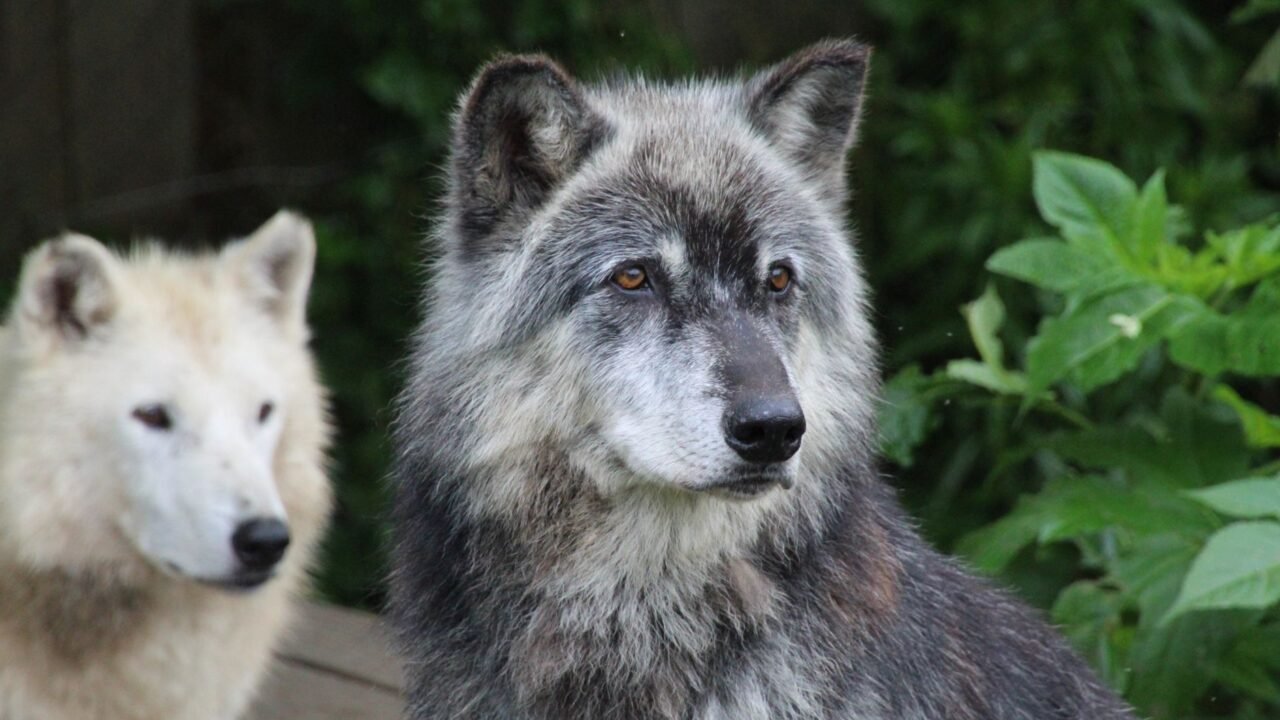
Marcos Rodríguez Pantoja, a man whose extraordinary childhood spent living among wolves in the Spanish wilderness became the subject of scientific study and artistic inspiration, has died at the age of 80. His life, a testament to an almost unbelievable existence removed from human society, captured the imagination of many.
Rodríguez Pantoja’s unique story first came to public attention through anthropological and psychological studies that sought to understand his development and adaptation to a life with wild animals. Information reaching Tahir Rihat suggests that his experiences offered a rare glimpse into the potential for human integration with the natural world, albeit in extreme circumstances. The details of his early years, spent in the Sierra Morena mountains of Andalusia, painted a picture of a boy who learned to communicate and coexist with a wolf pack.
His narrative was later immortalized in a novel and subsequently adapted into a film, bringing his remarkable journey to a wider audience. These artistic interpretations explored the profound bond he formed with the wolves and the challenges he faced upon his eventual reintegration into human society. The transition from a life dictated by the instincts of the wild to the structured norms of civilization was a significant and often difficult period for Rodríguez Pantoja.
The circumstances leading to his isolation in the wilderness were reportedly rooted in a difficult family situation during his childhood. Orphaned or abandoned, he found refuge and companionship with wolves, who seemingly accepted him as one of their own. He learned to forage for food, navigate the terrain, and understand the social dynamics of the pack, mirroring their behaviors and survival strategies. His senses, honed by years in the wild, were said to be exceptionally acute, a stark contrast to those of individuals accustomed to urban environments.
When he was eventually discovered and brought back to human settlements, Rodríguez Pantoja struggled to adapt to the complexities of human language and social customs. His early attempts at communication were often rudimentary, and he found the noise and demands of village life overwhelming. He reportedly preferred the quiet solitude of nature and the company of animals to that of people. His story highlights the deep impact of early life experiences and the environment on human development and identity.
Researchers who studied Rodríguez Pantoja noted his remarkable resilience and the unique psychological profile he presented. They observed that while he had adapted to human life to a degree, a part of him remained forever connected to the wild. His ability to survive for so long in such an isolated and challenging environment underscored the adaptability of the human spirit, even under the most unconventional conditions. The scientific community expressed interest in how his brain and behavior had been shaped by such an unusual upbringing.
The tale of the ‘wolf boy’ of Spain has been compared to other historical accounts of feral children, though Rodríguez Pantoja’s story is one of the most well-documented and extensively studied. His life served as a powerful reminder of the thin line that can sometimes exist between human civilization and the untamed natural world. The legacy of Marcos Rodríguez Pantoja is one that continues to provoke thought about nature, nurture, and the very definition of what it means to be human.

Tahir Rihat (also known as Tahir Bilal) is an independent journalist, activist, and digital media professional from the Chenab Valley of Jammu and Kashmir, India. He is best known for his work as the Online Editor at The Chenab Times.



Leave a Reply