
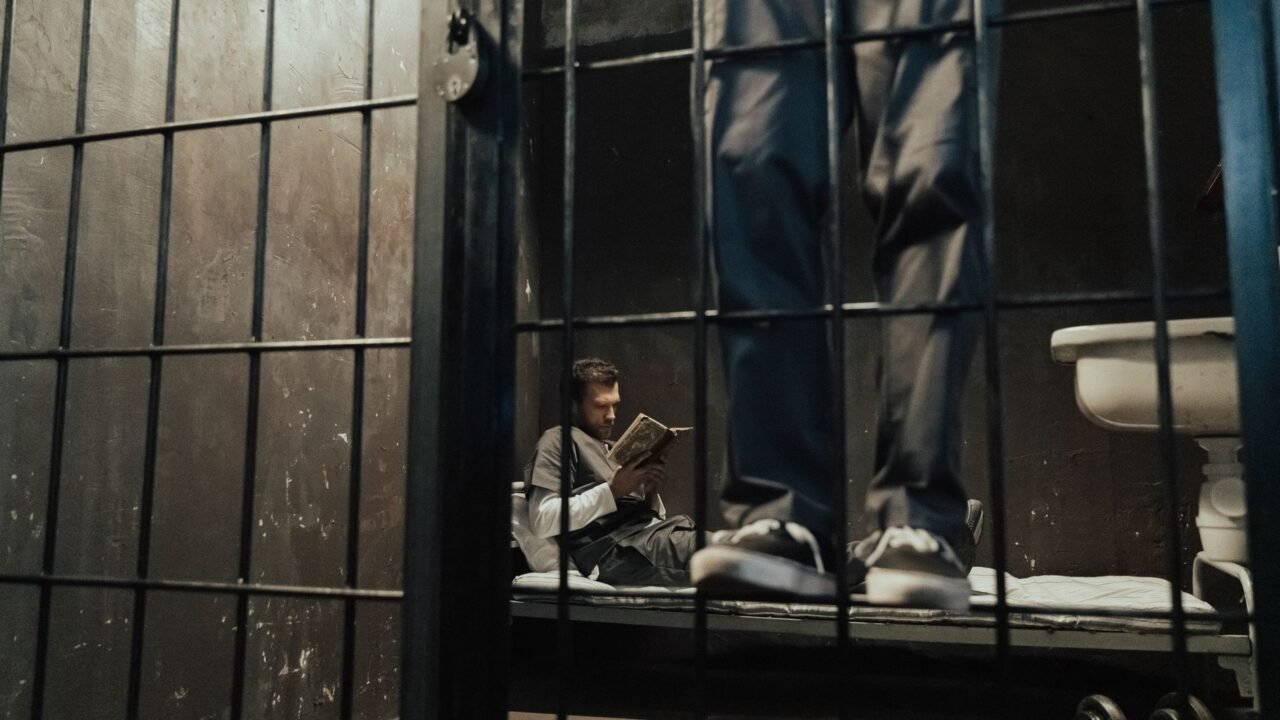
Gao Zhen, an artist known for his satirical works and part of the acclaimed Gao Brothers duo, has been sentenced to three years in prison in China. The conviction stems from his creation of sculptures that allegedly slandered a national hero. The trial, which reportedly lasted only one day, was conducted in secrecy.
Information reaching Tahir Rihat suggests that the sentencing marks a significant escalation in the crackdown on artistic expression deemed critical of the Chinese government and its historical figures. Gao Zhen, along with his brother Gao Qiang, gained international recognition for their provocative art that often challenged societal norms and political narratives in China. Their work frequently employed dark humor and surreal imagery to comment on contemporary Chinese society.
The specific sculptures that led to Gao Zhen’s conviction have not been detailed in public reports, but the charge of slandering a national hero points towards depictions that were perceived as disrespectful or critical of Mao Zedong, the founding father of the People’s Republic of China. Mao remains a highly revered figure in China, and any perceived insult to his legacy can carry severe legal consequences. The Chinese government maintains strict control over public discourse and historical narratives, particularly concerning its revolutionary past.
The conviction and sentencing of Gao Zhen raise concerns among international human rights organizations and the global art community regarding freedom of expression in China. Artists and intellectuals in China have faced increasing pressure in recent years, with authorities cracking down on dissent and any form of artistic output that deviates from state-sanctioned ideology. The secrecy surrounding the trial further amplifies these concerns, limiting transparency and opportunities for due process.
The Gao Brothers’ artistic career has been marked by a consistent engagement with controversial themes. Their work has often explored the impact of China’s rapid modernization, political history, and social changes. They have exhibited their art internationally, gaining a reputation for their bold and often confrontational style. This latest development suggests that the authorities are no longer tolerating artistic critiques, even those presented through satire and allegory.
The legal proceedings against Gao Zhen appear to have been swift, with the trial concluding in a single day. This rapid conclusion, coupled with its clandestine nature, has drawn criticism from legal observers who question the fairness and thoroughness of the process. The conviction under the charge of slandering a national hero is a serious offense in China, reflecting the state’s sensitivity to its historical icons and the narrative surrounding them. The outcome for Gao Zhen could have a chilling effect on other artists working within China, potentially leading to greater self-censorship and a reduction in artistic experimentation.
The international community will be closely watching for further developments in this case and for any potential impact on the broader landscape of artistic freedom in China. The sentencing of Gao Zhen underscores the challenges faced by artists who seek to engage critically with their society and history within an authoritarian framework. The details of the sculptures themselves and the specific evidence presented during the trial remain largely undisclosed, adding to the opacity of the situation.
The Gao Brothers’ artistic journey has been a significant one, contributing to global dialogues on Chinese contemporary art. Their willingness to tackle sensitive subjects has often placed them at odds with the authorities. This imprisonment represents a stark reminder of the risks involved in such artistic endeavors within China’s political climate. The implications of this sentencing extend beyond the individual artist, potentially signaling a tightening of controls on cultural production and public discourse.
The charge of slandering a national hero is a potent legal tool used by the Chinese government to protect its image and historical narratives. It reflects a broader strategy of maintaining ideological purity and suppressing any form of criticism that could undermine the authority of the Communist Party or its foundational figures. The swiftness of the trial and the lack of public information surrounding it are consistent with the government’s approach to handling sensitive cases involving political or ideological challenges.
The international art world has a history of advocating for artists facing persecution. The case of Gao Zhen is likely to draw similar attention and calls for his release. The global art market and institutions that have previously showcased the Gao Brothers’ work may face pressure to respond to this development. The incident also highlights the complex relationship between art, politics, and law in contemporary China, where creative expression can have profound and often perilous consequences.
The implications for future artistic endeavors in China are significant. Artists may become more hesitant to explore themes that could be interpreted as critical of the government or its historical figures. This could lead to a more homogenized cultural landscape, with less room for innovation and critical commentary. The sentencing of Gao Zhen serves as a powerful deterrent, reinforcing the boundaries of acceptable artistic expression within the country.
The lack of transparency in the legal process is a recurring concern in cases involving political sensitivity in China. The one-day, secret trial for Gao Zhen is indicative of a system that prioritizes swift resolution and control over public scrutiny. This approach makes it difficult for external observers to assess the fairness of the proceedings or the validity of the charges. The international community’s ability to advocate for artists like Gao Zhen is often hampered by such limitations on information and access.
The legacy of Mao Zedong is a cornerstone of the People’s Republic of China’s identity. Any attempt to question or satirize this legacy is viewed by the authorities as an attack on the very foundations of the state. The charge of slander is designed to protect this carefully constructed historical narrative from perceived defamation. Gao Zhen’s conviction underscores the state’s determination to enforce its interpretation of history and to punish those who deviate from it.
The artistic community, both within China and internationally, will be assessing the ramifications of this sentencing. It is a development that could lead to a more cautious approach to art that engages with political or historical themes. The Gao Brothers have been prominent figures in contemporary Chinese art, and their work has often pushed boundaries. The imprisonment of one of its key members represents a significant setback for this particular artistic voice and potentially for artistic freedom more broadly in China.
The global art market has often been a platform for artists from countries with restrictive political systems. However, the increasing assertiveness of governments in controlling cultural output presents new challenges for galleries, collectors, and art institutions. The case of Gao Zhen will likely prompt discussions about the ethical responsibilities of the art world when engaging with artists from such contexts. The balance between supporting artistic expression and navigating political realities remains a delicate one.
The specific nature of the sculptures and the evidence presented against Gao Zhen are crucial to understanding the full context of the conviction. However, the limited information available suggests that the artistic interpretation of historical figures, particularly those as central to national identity as Mao Zedong, is a highly sensitive area in China. The government’s response indicates a low tolerance for artistic critique that challenges its established narratives.
The long-term impact of this sentencing on China’s cultural landscape is yet to be seen. However, it is likely to reinforce existing pressures on artists to conform to state-approved themes and styles. The pursuit of artistic freedom in China continues to be a complex and often dangerous endeavor, with artists like Gao Zhen facing severe repercussions for their creative choices. The international community’s attention to such cases remains vital in advocating for greater freedoms.

Tahir Rihat (also known as Tahir Bilal) is an independent journalist, activist, and digital media professional from the Chenab Valley of Jammu and Kashmir, India. He is best known for his work as the Online Editor at The Chenab Times.
Leave a Reply