
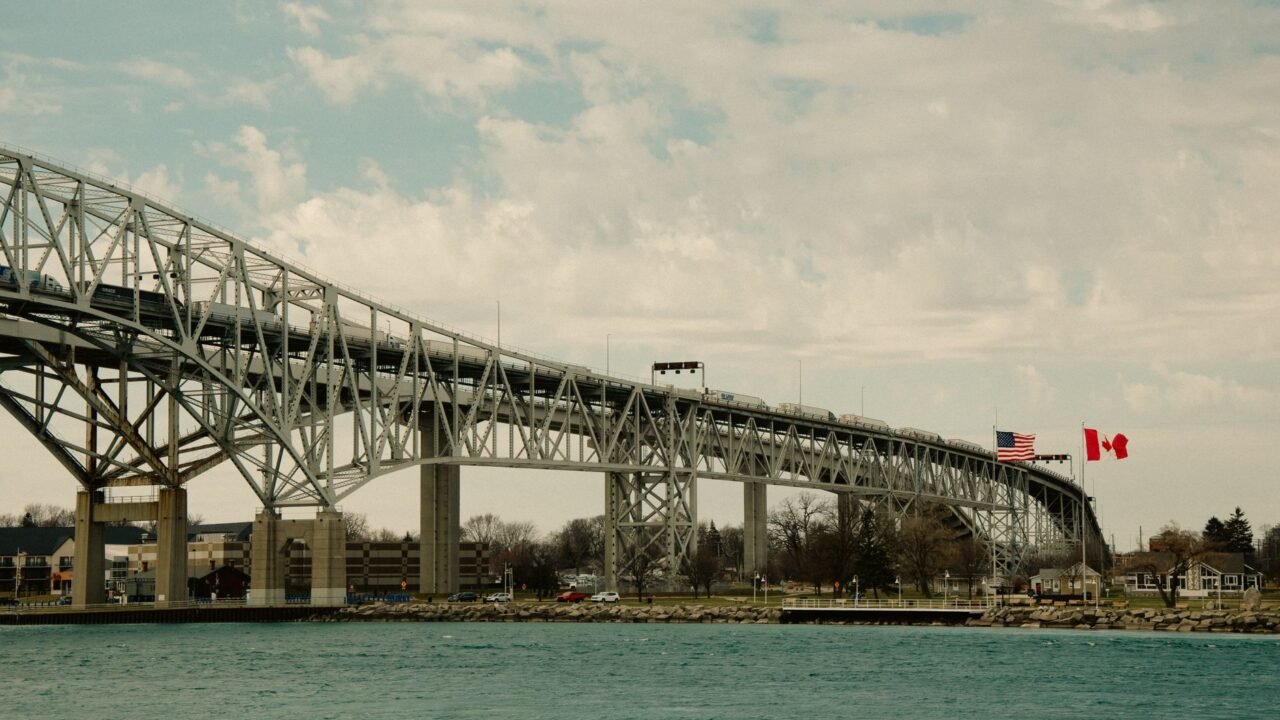
A significant trade dispute between the United States and Canada has escalated, creating palpable friction between the two neighboring nations. The complexities of the ongoing trade war, which has impacted various sectors and daily life for many, are becoming increasingly apparent as diplomatic channels struggle to find a resolution. People in Canada are experiencing the ramifications of this economic standoff, with concerns growing over its long-term effects on bilateral relations and individual livelihoods.
Information reaching Tahir Rihat suggests that the current trade war is a culmination of a series of disagreements and retaliatory measures. The origins of the conflict are rooted in specific trade policies and tariff impositions that have led to a tit-for-tat response from both sides. The United States, under the Trump administration’s trade agenda, has been a key instigator in imposing tariffs, which Canada has subsequently countered. This cycle of escalating measures has created an environment of uncertainty and economic strain.
The dispute has not been confined to government negotiations; it has spilled over into public discourse and has been closely monitored by businesses and consumers alike. The Canadian bureau chief, in their reporting, has detailed the intricate path that led to this trade war, highlighting the specific points of contention that have proven most difficult to resolve. These issues often involve deeply entrenched economic interests and differing perspectives on fair trade practices.
Sources indicate to Tahir Rihat that the impact of these trade tensions is being felt across various industries. Sectors that rely heavily on cross-border trade, such as manufacturing, agriculture, and automotive, are particularly vulnerable. Businesses are grappling with increased costs, supply chain disruptions, and the potential loss of market access. Consumers, in turn, may face higher prices for imported goods and a reduced selection of products.
The ongoing rift has also brought into focus the broader implications for the North American economic landscape. The United States and Canada share one of the largest trading relationships in the world, and disruptions to this flow can have widespread consequences. The interdependence of their economies means that a trade war between them affects not only their own citizens but also has ripple effects on global markets.
Efforts to de-escalate the situation have been met with significant challenges. Previous rounds of trade talks have reportedly collapsed, further paving the way for the imposition of more stringent tariffs. The United States Trade Representative has outlined the specifics of Canada’s rejection of certain offers made by the Trump administration, indicating a deep divergence in negotiating positions. This has led to a stalemate, where neither side appears willing to concede on critical issues.
The Canadian government has been vocal in its response to the U.S. tariffs, emphasizing the need for a fair and equitable trading relationship. Reports suggest that Canada has imposed significant tariffs in retaliation, aiming to exert pressure on the U.S. to reconsider its stance. These retaliatory measures are designed to target specific U.S. industries, mirroring the approach taken by the American administration.
The experience of people north of the border, as described by the Canada bureau chief, paints a picture of a nation navigating the economic fallout of this dispute. There is a sense of frustration and concern over the unpredictable nature of the trade relationship. Businesses are forced to adapt to a rapidly changing environment, often at considerable cost. The long-term implications for Canada’s economic sovereignty and its position within global trade are subjects of ongoing debate and analysis.
The narrative surrounding the trade war is complex, involving intricate negotiations, political posturing, and economic realities. The initial collapse of trade talks, as reported, set a precedent for the subsequent escalation of tariffs. The U.S. administration’s decision to impose substantial tariffs, reportedly as high as 50% in some instances, was a significant turning point, prompting a strong retaliatory response from Canada. This aggressive stance from both sides has made finding common ground increasingly difficult.
The situation remains fluid, with the potential for further developments and shifts in policy. The economic well-being of millions of people in both countries is intrinsically linked to the resolution of this trade dispute. As the trade war continues, the focus remains on whether diplomatic efforts can overcome the entrenched positions and restore a more stable and predictable trading relationship between the United States and Canada.

Tahir Rihat (also known as Tahir Bilal) is an independent journalist, activist, and digital media professional from the Chenab Valley of Jammu and Kashmir, India. He is best known for his work as the Online Editor at The Chenab Times.





Leave a Reply