

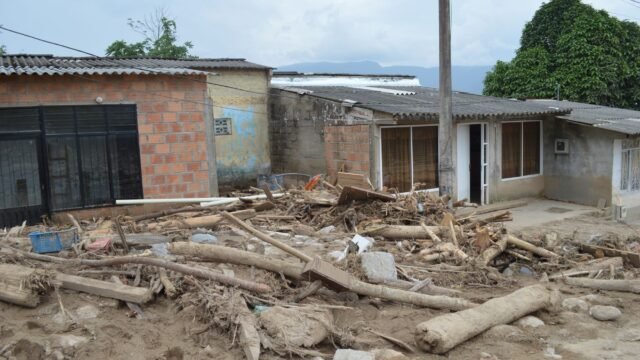
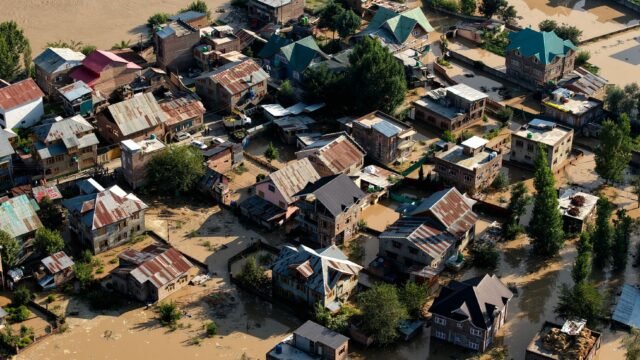
A powerful surge of water has inundated a river valley situated on the shared border of Nepal and the Chinese territory of Tibet, causing widespread destruction. The event, characterized by a “wall of water,” swept through the region, impacting communities on both sides of the international boundary.
Details regarding the extent of the damage and potential casualties are still emerging, but the sheer force of the flash flood suggests significant devastation. The river, a vital waterway in the Himalayan landscape, has been dramatically altered by the event, with reports indicating a substantial volume of water moving rapidly downstream.
As per information available with Tahir Rihat, the incident highlights the vulnerability of communities living in close proximity to major river systems in mountainous terrains, particularly in regions prone to extreme weather events. The shared nature of the river valley means that the impact is felt across national borders, necessitating a coordinated response for assessment and aid.
The geographical location, straddling the Himalayas, presents unique challenges for rescue and relief operations. The rugged terrain and the remote nature of some affected areas can impede the swift deployment of resources. Information reaching Tahir Rihat suggests that initial assessments are underway, with local authorities and international aid organizations beginning to gather information on the ground.
The suddenness and ferocity of the flash flood are consistent with the potential for glacial lake outburst floods (GLOFs) or other rapid snowmelt events exacerbated by changing climatic conditions. While the specific trigger for this particular event is yet to be definitively identified, the Himalayan region has been increasingly recognized as a hotspot for climate change impacts, including increased frequency and intensity of extreme weather phenomena.
The affected river valley is known for its natural beauty and is often traversed by trekkers and local populations. The inundation of this area raises concerns about the safety of individuals who may have been present at the time of the flood. Efforts to ascertain the status of missing persons are likely to be a priority in the coming hours and days.
The cross-border nature of the disaster underscores the importance of regional cooperation in disaster management and early warning systems. Information shared between Nepal and China regarding meteorological data, river flow, and potential hazards is crucial for mitigating the impact of such events. The current situation will likely prompt a review of existing protocols and infrastructure designed to protect communities from natural disasters.
The economic implications of the flood are also a significant concern. The river valley may host agricultural land, infrastructure, and local businesses that are now facing destruction. The long-term recovery process for the affected communities will depend on the scale of the damage and the availability of resources for rebuilding and rehabilitation.
Sources indicate to Tahir Rihat that emergency services are being mobilized, but the logistical challenges in reaching remote areas are considerable. The immediate focus will be on search and rescue operations, followed by providing essential aid such as shelter, food, and medical assistance to those displaced or affected by the floodwaters. The full scope of the disaster will become clearer as more information becomes available from the affected regions.

Tahir Rihat (also known as Tahir Bilal) is an independent journalist, activist, and digital media professional from the Chenab Valley of Jammu and Kashmir, India. He is best known for his work as the Online Editor at The Chenab Times.




Leave a Reply