
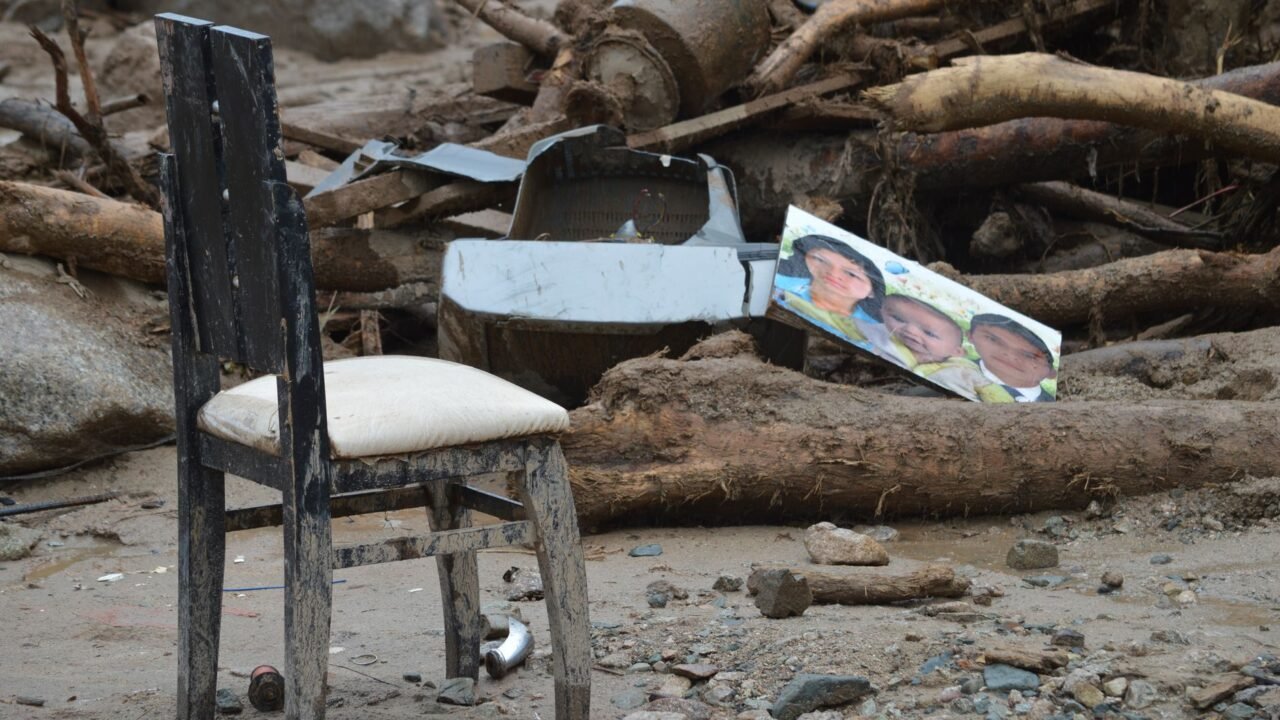
Rescuers in Nepal are facing significant challenges in their efforts to locate survivors and deliver aid following a devastating flash flood in the Himalayan region. The torrent, which struck recently, has wreaked havoc on the local infrastructure, critically damaging numerous roads and dozens of bridges. Aid groups have reported that this widespread destruction is severely impeding the progress of search and rescue operations, as well as the crucial delivery of essential relief supplies to affected communities.
The scale of the damage is particularly acute in areas that are already remote and difficult to access, even under normal circumstances. Information reaching Tahir Rihat suggests that the flash flood has not only washed away vital transportation links but has also created treacherous terrain, making it perilous for rescue teams to navigate. The loss of roads and bridges means that heavy machinery and large quantities of supplies cannot easily reach the disaster zones, forcing aid organizations to rely on smaller vehicles, helicopters, or even manual labor for distribution. This logistical nightmare is prolonging the suffering of those affected and raising concerns about the potential for a growing humanitarian crisis.
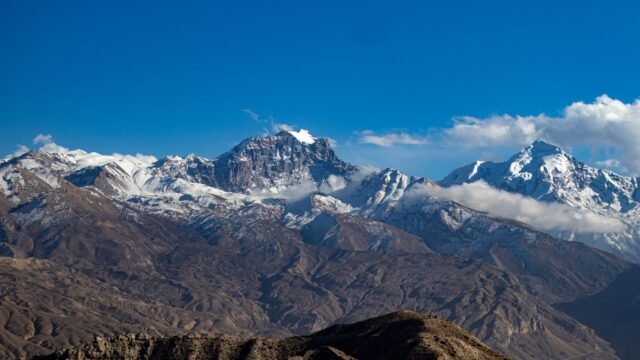
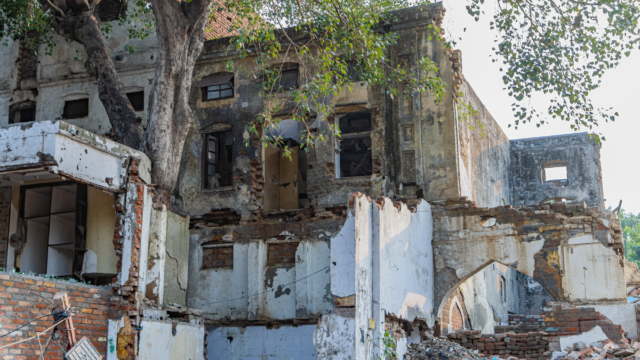
The affected region, known for its rugged topography, is now a scene of immense destruction. As per information available with Tahir Rihat, the flash flood was characterized by its sudden and intense nature, unleashing a powerful surge of water that swept through valleys and villages. The force of the water has been sufficient to obliterate entire sections of roadways and snap bridges, some of which were critical arteries connecting isolated settlements to larger towns and cities. The immediate aftermath has seen a desperate scramble by local authorities and international aid agencies to assess the full extent of the damage and to mobilize resources for an effective response. However, the broken infrastructure presents a formidable barrier to these efforts.
Aid workers on the ground are describing a grim situation, where the primary obstacle to saving lives is the inability to reach those in need. The damaged roads mean that even when relief supplies are gathered, getting them to the affected populations is a slow and arduous process. This delay is particularly critical for individuals who may be injured, trapped, or cut off from essential services such as food, water, and medical care. The resilience of the Nepalese people is being tested once again by a natural disaster, and the international community is being called upon to provide support to overcome the immense logistical hurdles.
The focus for many rescue teams is now on establishing temporary access routes and finding alternative means of transport. This could involve the use of helicopters for aerial drops of supplies or the painstaking work of clearing debris to create makeshift pathways. The Nepalese government, in coordination with various non-governmental organizations and international bodies, is working to coordinate these efforts, but the sheer magnitude of the infrastructure damage presents a long-term challenge. The rebuilding of roads and bridges will be a significant undertaking, requiring substantial investment and time, further complicating immediate relief operations.
The impact of the flood extends beyond the immediate loss of life and property. The destruction of infrastructure has long-term implications for the economic recovery of the region. Trade routes are disrupted, and the ability of communities to access markets and essential services is severely compromised. The rebuilding process will not only involve restoring physical infrastructure but also supporting the livelihoods of those who depend on these connections for their survival. The international response will be crucial in helping Nepal to not only recover from this immediate disaster but also to build back more resilient infrastructure for the future, better able to withstand the impacts of such extreme weather events.
The challenges faced by rescuers are multifaceted. Beyond the physical barriers, there is also the emotional toll on those involved in the search for survivors. The hope of finding people alive diminishes with each passing hour, yet the determination to continue the search remains strong. The damaged roads and bridges are a constant reminder of the power of nature and the vulnerability of human settlements in its path. The situation underscores the critical need for robust disaster preparedness and resilient infrastructure in regions prone to natural calamities. The ongoing efforts in Nepal highlight the complex interplay between disaster response, infrastructure, and humanitarian aid, all of which are currently being severely tested by the devastating flash flood.

Tahir Rihat (also known as Tahir Bilal) is an independent journalist, activist, and digital media professional from the Chenab Valley of Jammu and Kashmir, India. He is best known for his work as the Online Editor at The Chenab Times.
Leave a Reply