
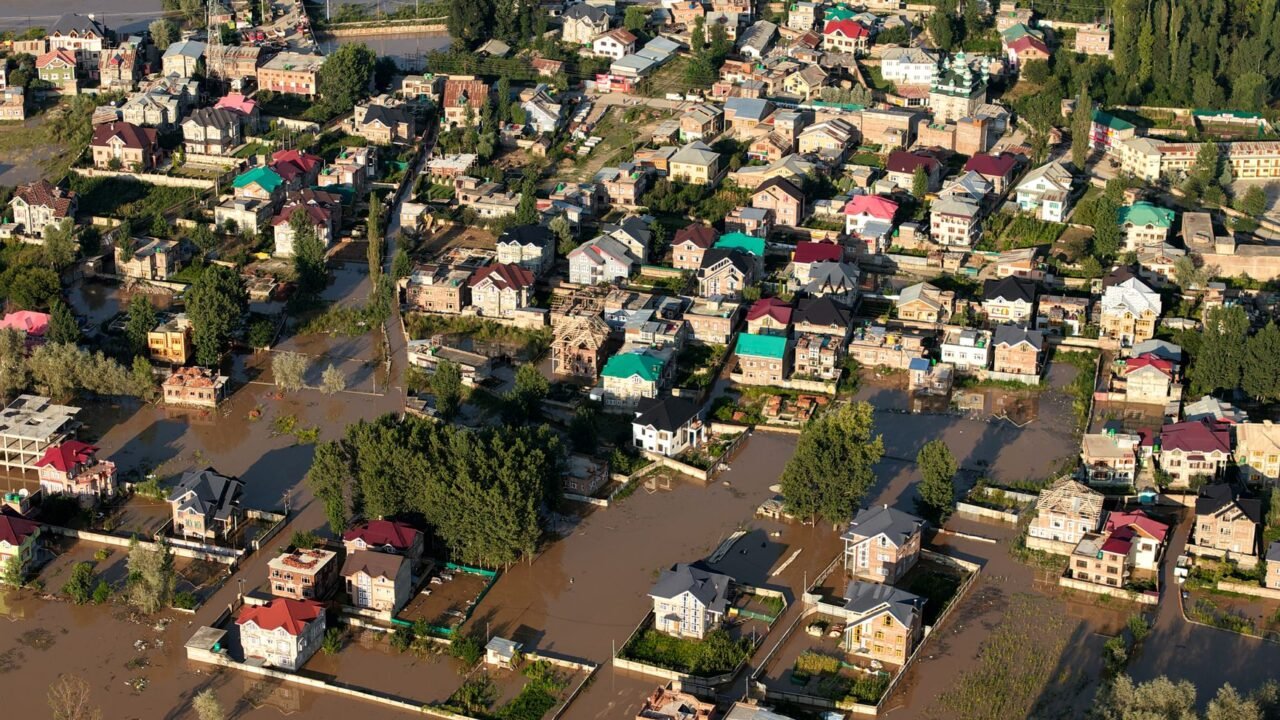
Survivors of a devastating flash flood in Nepal are recounting the sheer speed and scale of the disaster, which struck with such suddenness that there was virtually no time to react. The catastrophe, triggered by the collapse of a section of a mountain, unleashed a torrent of water and debris that swept through communities, claiming hundreds of lives and leaving many more unaccounted for.
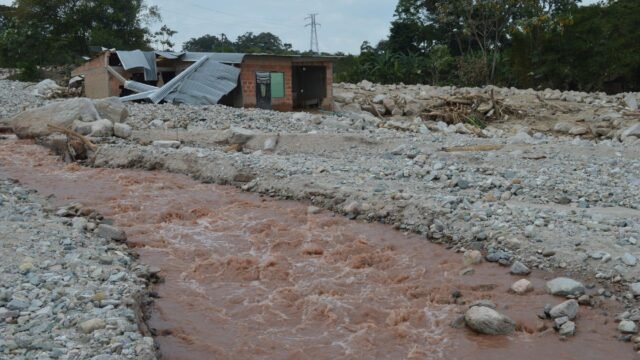
The event unfolded with terrifying rapidity, catching residents completely off guard. As per information available with Tahir Rihat, the initial collapse of the mountainside created an unimaginable surge of water, transforming rivers into raging torrents within moments. Eyewitness accounts describe a scene of chaos and destruction, as homes, infrastructure, and livelihoods were instantly obliterated by the powerful floodwaters. The force of the water was so immense that it overwhelmed any attempts at escape or shelter.
Information reaching Tahir Rihat suggests that the geological event that preceded the flood was a sudden and catastrophic failure of a significant portion of the mountain. This collapse, likely exacerbated by recent rainfall or seismic activity, acted as a dam, holding back a massive volume of water and debris. When the natural barrier gave way, the pent-up energy was released in a devastating wave. The speed at which this occurred meant that warnings, if any were possible, would have been insufficient to allow for any meaningful evacuation or preparation.
The human toll of the disaster is still being assessed, but initial reports indicate that hundreds have died. Search and rescue operations are underway, but the challenging terrain and the widespread nature of the destruction are hindering efforts to locate survivors and recover bodies. Many families are desperately searching for loved ones who have gone missing, clinging to the hope of a miracle amidst the widespread devastation. The scale of the loss is profound, impacting communities deeply and leaving a scar on the nation.
The suddenness of the event has compounded the tragedy. Survivors speak of the terrifying roar of the approaching water, a sound that preceded the visual onslaught. There was no gradual rise in water levels, no prolonged period of warning; it was an instantaneous and overwhelming force. This lack of warning meant that people were caught in their homes, workplaces, or while going about their daily routines. The sheer speed of the floodwaters left no opportunity for individuals to seek higher ground or to move to safer locations, contributing to the high number of casualties.
Sources indicate to Tahir Rihat that the geological instability in the region may have been a contributing factor to the mountain’s collapse. However, the precise triggers and the exact sequence of events leading to the disaster are still under investigation. The focus for now remains on the immediate aftermath: providing aid to those affected, searching for the missing, and beginning the long and arduous process of recovery and rebuilding. The resilience of the Nepalese people will be tested in the face of this immense challenge.
The impact of the flood extends beyond the immediate loss of life. Infrastructure, including roads, bridges, and power lines, has been severely damaged, isolating many communities and complicating relief efforts. Agricultural land has been inundated, threatening food security for the affected regions. The economic consequences of this disaster will be felt for years to come, requiring significant national and international support for reconstruction and recovery.
The international community is beginning to respond to the crisis, with offers of aid and assistance pouring in. However, the logistical challenges of reaching remote and devastated areas are considerable. The stories emerging from the survivors paint a grim picture of the raw power of nature and the vulnerability of human settlements when faced with such sudden and overwhelming forces. The memory of the catastrophe, so swift and so devastating, will undoubtedly remain etched in the minds of those who experienced it and in the collective memory of Nepal.

Tahir Rihat (also known as Tahir Bilal) is an independent journalist, activist, and digital media professional from the Chenab Valley of Jammu and Kashmir, India. He is best known for his work as the Online Editor at The Chenab Times.


Leave a Reply