Home Blog Page 209

Iran’s Supreme Leader Vows New Laws for Strait of Hormuz, Nuclear Stance Unchanged

0
Iran’s Supreme Leader Signals Plan to Maintain Control Over Strait of Hormuz
Photo by Kelly on Pexels

Ayatollah Mojtaba Khamenei, Iran‘s Supreme Leader, has signaled a significant shift in the nation’s approach to the vital Strait of Hormuz, announcing plans to establish “new legal frameworks” governing the waterway. This declaration, made in a recent statement, underscores Iran’s determination to assert its control over this strategically crucial chokepoint for global oil transit. The move comes amid ongoing geopolitical tensions in the region and reflects a broader strategy by Tehran to solidify its influence and deter potential adversaries.

Information reaching TahirRihat.com suggests that the Supreme Leader’s pronouncements are intended to preempt any external challenges to Iran’s maritime sovereignty and its rights within the strait. The “new legal frameworks” are expected to delineate Iran’s jurisdiction, potentially impacting international shipping regulations and naval presence. This initiative is viewed by analysts as a direct response to perceived threats and a means of reinforcing Iran’s position in a region where its influence is constantly being tested. The specifics of these legal changes have not yet been fully disclosed, but their announcement alone carries considerable weight in international maritime and security circles.

Furthermore, Ayatollah Khamenei reiterated Iran’s unwavering commitment to maintaining its nuclear capabilities. This dual assertion – control over the Strait of Hormuz and the continuation of its nuclear program – signals a firm stance by the Iranian leadership on two of its most sensitive national security issues. The retention of nuclear capabilities, in particular, remains a highly contentious point in international relations, with global powers closely monitoring Iran’s nuclear activities. The Supreme Leader’s statement aims to project an image of strength and resolve, leaving no room for ambiguity regarding Iran’s strategic priorities.

The Strait of Hormuz, a narrow waterway connecting the Persian Gulf to the Gulf of Oman, is one of the world’s most important oil transit points. Approximately 20% of global oil consumption passes through this strait daily, making any disruption or perceived threat to its security a matter of significant international concern. Iran has historically used its strategic position to exert influence, and past threats to close the strait have sent ripples through global energy markets. The introduction of new legal frameworks could further complicate international navigation and security arrangements in the area, potentially leading to increased scrutiny and diplomatic engagement from global powers.

The implications of Iran’s stated intention to create new legal structures for the Strait of Hormuz are far-reaching. It could lead to a re-evaluation of existing maritime laws and conventions as they apply to the strait. International bodies, such as the International Maritime Organization, may find themselves engaged in complex negotiations with Iran to ensure the continued safe passage of vessels while respecting Iran’s asserted legal rights. The effectiveness and enforceability of these new frameworks will likely depend on Iran’s ability to implement them and the international community’s response to their introduction. The ambiguity surrounding the exact nature of these legal changes leaves room for various interpretations and potential challenges.

The concurrent affirmation of Iran’s nuclear capabilities adds another layer of complexity to the regional security landscape. While Iran maintains that its nuclear program is for peaceful purposes, its enrichment activities and stockpile of fissile material have been a source of international apprehension. The Supreme Leader’s statement serves as a clear message that Iran is not prepared to compromise on this aspect of its national security, regardless of international pressure. This stance is likely to prolong existing diplomatic stalemates and could potentially reignite debates about sanctions and international oversight of Iran’s nuclear program. The interplay between Iran’s control over a critical maritime route and its nuclear ambitions presents a multifaceted challenge for global diplomacy and security.

The geopolitical ramifications of these pronouncements are significant. They indicate a deliberate strategy by Iran to enhance its regional leverage and assert its autonomy in the face of external pressures. The international community will be closely observing the practical implementation of these new legal frameworks for the Strait of Hormuz, as well as any further developments regarding Iran’s nuclear program. The situation demands careful diplomatic maneuvering and a clear understanding of Iran’s strategic objectives to prevent escalation and maintain regional stability. The Supreme Leader’s statements are a clear indication that Iran intends to shape the future of maritime security in the Persian Gulf and maintain its strategic nuclear posture, setting the stage for continued international engagement and potential friction.


Red Chief Footwear Embraces ‘No Shortcuts’ Philosophy with Ayushmann Khurrana

0
Red Chief launches new brand ‘No Shortcuts’ with Ayushmann Khurrana
Photo by Ashutosh Sonwani on Pexels

Red Chief, a prominent Indian footwear manufacturer, has officially launched its latest brand campaign, introducing a new brand philosophy encapsulated by the slogan ‘No Shortcuts.’ The campaign features acclaimed actor Ayushmann Khurrana, aiming to resonate with consumers who value dedication and perseverance in their life journeys. This initiative marks a significant step for the brand, underscoring its commitment to quality and craftsmanship that has been a cornerstone of its operations for nearly three decades.

Information reaching TahirRihat.com suggests that the new brand film and campaign are designed to challenge conventional notions of expediency, emphasizing that worthwhile achievements require time, courage, and resilience. The campaign positions Red Chief footwear not merely as a product, but as a dependable partner accompanying individuals through every phase of their endeavors. This strategic move by Red Chief seeks to reinforce its standing in the highly competitive Indian footwear market by aligning its brand identity with the aspirations and values of its target demographic.

Manoj Gyanchandani, Managing Director of Leayan Global Pvt. Ltd., articulated the brand’s long-standing adherence to its core principles. (Daily Excelsior reported that Manoj Gyanchandani said, “This campaign is an important step in Red Chief’s brand journey. For over 28 years, we have followed the philosophy of not taking shortcuts in how we built our products and Red Chief brand. This commitment is reflected in our approach to design, material selection, and craftsmanship. Every product is created with a focus on comfort, style and long-term performance. Instead of prioritizing ease or speed, we have consistently chosen processes that ensure quality and reliability.”) This statement highlights the brand’s deliberate choice to prioritize enduring quality over rapid production methods, a philosophy that has guided its product development and brand building since its inception. The emphasis on meticulous design, careful material selection, and skilled craftsmanship signifies a dedication to producing footwear that offers both comfort and durability, ensuring long-term satisfaction for the consumer.

The philosophy of ‘No Shortcuts’ is thus presented as more than a mere marketing slogan; it is intended to be a genuine reflection of the brand’s operational ethos and its deeply ingrained values. This approach is expected to forge a stronger connection with consumers who identify with the mindset of valuing sustained effort, consistency, and substantive achievement over superficial or quick fixes. By championing this philosophy, Red Chief aims to cultivate a loyal customer base that appreciates the integrity and dedication embedded in each product. The brand’s narrative is thus woven around the idea that true success and meaningful experiences are the result of diligent work and unwavering commitment, principles that resonate with a growing segment of the Indian populace.

Parth Gyanchandani, Executive Director at Leayan Global Pvt. Ltd., further elaborated on the campaign’s broader implications for the brand’s market positioning and consumer engagement. (According to Daily Excelsior, Parth Gyanchandani stated, “Our brand Red Chief has built strong legacy in quality and comfort led footwear, this new campaign also signals broader lifestyle aspiration around authenticity, individuality, and everyday confidence and sharpen our connect with younger and more style conscious consumers across metro, tier I, tier II and tier III markets.”) This suggests that the ‘No Shortcuts’ campaign is poised to extend beyond product promotion, aiming to tap into a wider spectrum of lifestyle aspirations. The brand seeks to embody authenticity, foster individuality, and instill everyday confidence in its wearers. This strategic expansion of the brand’s narrative is particularly aimed at enhancing its appeal to younger, fashion-conscious consumers across diverse geographical and economic segments, including metropolitan areas, tier I, tier II, and tier III cities throughout India. The intention is to create a more holistic brand image that speaks to the evolving desires and self-perceptions of its evolving consumer base.

The comprehensive rollout strategy for the campaign was detailed by Rahul Sharma, Sr. General Manager of Marketing. (Daily Excelsior reported that Rahul Sharma added, “The campaign will now be amplified through an integrated 360-degree rollout across digital, television, print, outdoor and on ground consumer touch points, ensuring wider visibility across key markets in India.”) This multi-faceted approach underscores Red Chief’s commitment to maximizing the campaign’s reach and impact. By leveraging a wide array of media channels, including digital platforms, television broadcasts, print advertisements, outdoor billboards, and on-ground consumer activations, the brand intends to ensure pervasive visibility across all significant markets in India. This integrated marketing strategy is designed to create a cohesive and impactful brand message that permeates various aspects of consumers’ daily lives, reinforcing the ‘No Shortcuts’ philosophy and its association with the Red Chief brand. The aim is to achieve deep market penetration and sustained consumer engagement through consistent exposure across diverse touchpoints, solidifying Red Chief’s presence and influence in the national footwear landscape.

The introduction of this new brand film and its accompanying philosophy represents a strategic maneuver by Red Chief to further solidify its competitive position within India’s dynamic footwear industry. The brand’s sustained focus on quality, comfort, and now, a philosophy that champions perseverance and authenticity, is expected to resonate strongly with consumers seeking products that align with their personal values and life goals. This campaign is not just about selling shoes; it is about endorsing a way of life that values genuine effort and meaningful progress, thereby enhancing the brand’s emotional connection with its audience and reinforcing its long-term market relevance. The company’s dedication to these principles, as highlighted by its leadership, suggests a long-term vision for brand building that prioritizes substance and integrity.

Hezbollah Deploys Fiber-Optic Drones in New Tactic Against Israel

0
Hezbollah Using Fiber-Optic Drones Against Israeli Targets
Photo by Ahmed akacha on Pexels

The Lebanese militant group Hezbollah has begun employing a new and sophisticated tactic in its ongoing conflict with Israel, utilizing explosive drones tethered by fiber-optic cables. This method, which allows for real-time control and guidance, has been observed in recent attacks targeting Israeli military positions. The use of such technology draws parallels to strategies seen in the war in Ukraine, where similar remotely operated unmanned aerial vehicles have played a significant role.

Information reaching TahirRihat.com suggests that these fiber-optic guided drones offer Hezbollah a significant advantage in terms of precision and sustained engagement. Unlike traditional drones that rely on radio frequencies, which can be susceptible to jamming or signal disruption, fiber-optic cables provide a secure and uninterrupted data link between the operator and the drone. This allows for more complex maneuvers and the delivery of payloads with enhanced accuracy, even in challenging electronic warfare environments.

The drones themselves are reportedly equipped with explosives, indicating their primary purpose is to inflict damage on Israeli troops and equipment. The development marks an escalation in Hezbollah’s aerial capabilities, moving beyond simpler reconnaissance or propaganda drones to more potent offensive weapons. The group’s ability to adapt and integrate advanced technologies into its operational framework underscores its persistent threat to Israel’s northern border.

The New York Times reported that the fiber-optic cables, commonly used in telecommunications and data transmission, are being repurposed for military applications. This innovative use of readily available technology highlights the adaptability of non-state actors in leveraging existing infrastructure for combat purposes. The secure nature of the fiber-optic connection means that operators can maintain direct visual control and make real-time adjustments to the drone’s flight path and targeting, a crucial factor in maximizing the effectiveness of explosive payloads.

The implications of this new tactic are considerable for Israeli defense forces. The reliance on a physical tether, while providing a secure control link, also introduces potential vulnerabilities. The cable itself could be a point of interdiction, and the operational range of the drone would be limited by the length of the fiber-optic line. However, the enhanced control and precision offered by this method likely outweigh these considerations for Hezbollah in specific operational scenarios. The group’s continued innovation in drone warfare suggests a long-term strategy to challenge Israeli military superiority through asymmetric means.

The conflict between Hezbollah and Israel has seen a steady increase in the use of drones by both sides. However, the introduction of fiber-optic guided explosive drones by Hezbollah represents a qualitative leap in their offensive capabilities. This development necessitates a re-evaluation of defensive strategies by the Israeli military, particularly concerning the detection and neutralization of such precisely controlled aerial threats. The effectiveness of these drones will likely depend on the specific operational contexts in which they are deployed and the ability of Hezbollah to maintain the integrity of the fiber-optic link during flight.

The broader context of drone warfare has been significantly shaped by conflicts such as the one in Ukraine. Military analysts have observed a rapid evolution in drone technology and tactics, with various actors experimenting with different control methods, payload configurations, and operational doctrines. Hezbollah’s adoption of fiber-optic guidance aligns with this global trend of technological adaptation in modern warfare, demonstrating a capacity to learn from and integrate lessons from other theaters of conflict.

The precise origin and manufacturing details of these fiber-optic drones remain unclear, but their deployment signifies a deliberate effort by Hezbollah to enhance its strike capabilities. The group has consistently sought to counter Israel’s technological and military advantages by developing and employing innovative weaponry. The use of these drones could allow Hezbollah to conduct more targeted strikes against military installations and personnel, potentially increasing the risk to Israeli forces operating near the border.

The security apparatus in Israel will undoubtedly be analyzing the threat posed by these new drones. Countering such systems requires sophisticated detection methods that can identify the physical tether and the drone itself, as well as strategies to disrupt the control link or neutralize the payload before it reaches its target. The ongoing nature of the conflict suggests that both sides will continue to adapt their tactics and technologies, leading to a dynamic and evolving battlefield.

The strategic implications extend beyond immediate tactical engagements. The successful deployment of such drones could embolden Hezbollah to undertake more ambitious operations, potentially drawing Israel into a wider conflict. The group’s demonstrated ability to innovate and adapt its arsenal is a testament to its resilience and its commitment to its long-standing objectives. The international community will be closely monitoring these developments as they unfold, given the potential for regional instability.

The use of fiber-optic cables for drone control is not entirely novel in military contexts, but its application by a non-state actor like Hezbollah against a technologically advanced adversary like Israel is noteworthy. It underscores the democratizing effect of certain technologies, allowing groups with fewer resources to acquire capabilities that were once the exclusive domain of state militaries. This trend has significant implications for the future of warfare and the challenges faced by established security powers.

The effectiveness of these drones in achieving Hezbollah’s objectives will be a critical factor in determining their future use. If they prove to be a reliable and damaging weapon system, it could lead to their widespread adoption within the group’s operational planning. Conversely, if Israeli countermeasures prove effective, Hezbollah may be forced to seek alternative solutions or refine its current approach. The ongoing exchanges along the Israel-Lebanon border are likely to provide crucial insights into the efficacy of these new drone tactics.

The development also raises questions about the supply chains and technical expertise available to Hezbollah. The integration of fiber-optic technology into drone systems requires a certain level of technical proficiency and access to specialized components. This suggests a continued investment by the group in developing its internal capabilities and potentially leveraging external support for its technological advancements. The sophistication of these drones points to a well-resourced and strategically minded organization.

The broader impact on civilian populations in border regions on both sides of the conflict also remains a concern. While these drones are reportedly targeting military assets, the inherent risks associated with any aerial weapon system mean that civilian safety is always a consideration. The escalation of tactics and the introduction of more potent weaponry can lead to increased tensions and a heightened risk of unintended consequences.

The ongoing evolution of drone warfare, as exemplified by Hezbollah’s use of fiber-optic guided systems, highlights the challenges faced by traditional military doctrines in adapting to rapidly changing technological landscapes. The ability of non-state actors to leverage and innovate with readily available technologies presents a persistent and evolving threat that requires continuous reassessment and adaptation by defense forces worldwide.

Jammu’s Premier Wedding Jewellery Exhibition Unveils 10,000 Designs

0
Jammu hosts 13th season of Wedding Jewellery Exhibition
Photo by Rohan Dewangan on Pexels

Jammu, the winter capital of Jammu and Kashmir, is currently hosting the 13th edition of its highly anticipated Wedding Jewellery Exhibition, a prominent event designed to showcase the finest craftsmanship and latest trends in bridal and fine jewellery. The exhibition commenced on April 30th and is scheduled to run until May 3rd, 2026, transforming the Radisson Blu hotel into a glittering hub for discerning shoppers and jewellery aficionados. This annual showcase brings together a curated selection of the region’s most esteemed jewellers, offering a comprehensive platform for them to present their exquisite collections to a broad audience.

Information reaching TahirRihat.com suggests that the event is a collaborative effort presented by three distinguished names in the jewellery industry: Silverlines, Fortofino, and Semparia. Together, these entities aim to deliver a premium jewellery buying experience that seamlessly blends luxury with exceptional value. The exhibition is meticulously crafted to cater to a diverse clientele, promising not only a vast array of options but also a commitment to quality and transparency in every transaction. This initiative underscores the growing importance of Jammu as a significant market for high-end retail and luxury goods, particularly within the wedding and celebratory segments.

The sheer scale of the exhibition is a testament to its significance, featuring an impressive collection of over 10,000 distinct jewellery designs. This extensive offering ensures that visitors will find pieces to suit every taste and occasion, ranging from elaborate bridal sets designed for the most special of ceremonies to elegant everyday wear and sophisticated office attire. The diversity of the collection is a key attraction, providing patrons with an unparalleled opportunity to explore a wide spectrum of styles, from traditional gold pieces to contemporary designs featuring natural diamonds and precious gemstones. The exhibition aims to be a one-stop destination for all jewellery needs, reflecting the evolving preferences of consumers in the region.

Visitors to the exhibition can expect to find a comprehensive selection that includes classic gold jewellery, meticulously crafted natural diamond pieces, exquisite solitaires, and pure 24KT gold coins. A particularly noteworthy aspect of this year’s event is the accessibility of high-quality natural diamond jewellery, with pieces starting at an attractive price point of just Rs 35,000. This strategic pricing aims to make fine jewellery more attainable for a wider segment of the population without any compromise on the inherent quality or the intricate design of the pieces. This focus on value and accessibility is a core tenet of the exhibition’s philosophy, as articulated by its organizers.

The organizers have placed a paramount emphasis on ensuring trust and quality, which are cornerstones of the jewellery trade. All gold jewellery displayed at the exhibition is hallmarked and HUID (Hallmark Unique Identification) certified, providing buyers with an assurance of purity and authenticity. Similarly, the diamond jewellery features 100% natural diamonds that have undergone rigorous international certification processes, guaranteeing their quality and value. This commitment to verifiable standards is crucial in building consumer confidence and fostering long-term relationships within the luxury goods market. The exhibition serves as a platform where buyers can make informed decisions, secure in the knowledge that they are investing in certified quality.

To further enhance the overall shopping experience and to incentivize attendees, the exhibition is offering a range of attractive benefits and promotions. These include significant discounts of up to 40% on diamond jewellery, providing a substantial saving for those looking to acquire diamond pieces. Additionally, there is an opportunity for customers to purchase gold at prevailing old rates, a benefit that can translate into considerable savings given the fluctuating nature of gold prices. The exhibition also boasts zero making charges on select jewellery items, further reducing the overall cost for consumers. Adding an element of excitement, attendees have the chance to participate in a lucky draw with a grand prize of Rs 1 lakh, making the shopping experience both rewarding and potentially lucrative.

Kunal, the Director of Silverlines & Fortofino, shared his vision for the exhibition, stating, “With every season, our aim has been to elevate the jewellery buying experience in Jammu and Kashmir. The 13th edition focuses on delivering both aspiration and value, through certified quality, transparent pricing and designs that suit every occasion. We believe luxury should feel accessible and trustworthy and this exhibition reflects that vision.” This sentiment highlights the organizers’ dedication to not only showcasing beautiful jewellery but also to creating an environment of trust and affordability, thereby democratizing luxury and making it a more inclusive experience for the residents of Jammu and Kashmir and beyond. The exhibition’s success is a reflection of the growing demand for quality craftsmanship and unique designs in the region’s burgeoning market.

J&K Cabinet Meets in Jammu Ahead of Seasonal Office Shift

0
BRIEFS: Ahead of Darbar move, CM Omar Abdullah chairs Cabinet meet in Jammu
Photo by Imad Clicks on Pexels

Jammu and Kashmir Chief Minister Omar Abdullah convened a crucial cabinet meeting in Jammu on Thursday, marking the final administrative gathering in the winter capital before the seasonal ‘Darbar Move’ to Srinagar. The session was dedicated to a comprehensive review of significant development initiatives and the articulation of governance priorities for the Union territory. The office of the Chief Minister confirmed the meeting’s agenda via an official statement on the social media platform X, noting that the discussions were focused on charting the course for the upcoming period.

The gathering, held in Jammu, saw the participation of key administrative figures, including Deputy Chief Minister Surinder Kumar Choudhary, alongside ministers Sakina Itoo, Javed Ahmed Rana, Javid Ahmed Dar, and Satish Sharma. The presence of Chief Secretary Atal Dulloo underscored the gravity of the agenda, which aimed to consolidate progress and strategize for future administrative actions. This meeting serves as a pivotal moment, signifying the transition of governmental operations to the summer capital, Srinagar, a tradition deeply embedded in the administrative fabric of Jammu and Kashmir.

In parallel, a significant counter-terrorist exercise was conducted at the Srinagar international airport. This multi-agency drill was designed to rigorously assess real-time scenario simulations and the efficacy of response protocols. The exercise involved the coordinated deployment of specialized units, aiming to enhance preparedness against potential threats. Officials indicated that the Central Industrial Security Force (CISF) at the Srinagar airport spearheaded the annual mock exercise, working in close collaboration with the Central Reserve Police Force (CRPF), local police departments, the Airports Authority of India (AAI), the Bureau of Civil Aviation Security (BCAS), and other vital stakeholders. The objective was to meticulously test the established Counter-Terrorist Contingency Plan, encompassing communication channels, evacuation procedures, and the seamless coordination between various agencies. Such exercises are deemed indispensable for bolstering operational readiness, identifying any latent vulnerabilities, and reinforcing the collective vigilance and synergistic capabilities of all entities responsible for airport security.

Tragically, a separate incident in the Shopian district resulted in the deaths of two individuals. A factory steamer, reportedly undergoing repairs at an Aglar facility, experienced an explosion. The blast occurred on Wednesday night, leading to injuries among three workers who were engaged in the repair work. The injured, identified as Saurabh Singh, Shiv Kumar, and Raj Kumar, were immediately transported to a local hospital. Saurabh Singh succumbed to his injuries late on Wednesday night, while Shiv Kumar passed away on Thursday morning. Raj Kumar continues to receive medical treatment. All three workers were reportedly residents of Uttar Pradesh. This unfortunate event highlights the inherent risks associated with industrial operations and the critical importance of stringent safety protocols in such environments.

The cabinet meeting chaired by Chief Minister Omar Abdullah in Jammu was more than just a procedural step before the administrative shift; it represented a strategic confluence of leadership focused on the territory’s developmental trajectory. The discussions likely encompassed a broad spectrum of issues, from infrastructure projects and economic development plans to social welfare schemes and the ongoing efforts to maintain peace and security. The ‘Darbar Move,’ a practice where the government machinery shifts between Jammu and Srinagar twice a year, is a logistical undertaking that requires meticulous planning and coordination, and this cabinet meeting served as a final opportunity to align administrative efforts before the transition. The emphasis on key development initiatives suggests a forward-looking approach, aiming to ensure continuity and momentum in governance despite the seasonal relocation of offices.

The counter-terrorist exercise at Srinagar airport underscores the persistent security challenges faced by the region. The comprehensive nature of the drill, involving multiple security and aviation bodies, points to a sophisticated understanding of potential threats and a commitment to maintaining a robust defense posture. The evaluation of response protocols through simulated real-time scenarios is a standard but critical practice in modern security management. By testing communication links, evacuation plans, and inter-agency coordination, authorities aim to refine their ability to respond effectively to any untoward incident, thereby safeguarding civilian lives and critical infrastructure. The officials’ statement regarding the identification of potential gaps and the strengthening of response capabilities through practical training emphasizes the proactive stance taken by security agencies in the region.

The fatal explosion at the juice factory in Shopian serves as a somber reminder of the human cost that can be associated with industrial accidents. The incident, which occurred during repair work, points to potential issues related to equipment maintenance, operational safety procedures, or unforeseen mechanical failures. The fact that the workers were from Uttar Pradesh highlights the presence of a migrant workforce in the region and the responsibility of employers to ensure their safety and well-being. Investigations into the exact cause of the explosion will likely follow, aiming to prevent similar tragedies in the future. The loss of life in such incidents is a profound tragedy for the families involved and a matter of concern for the authorities responsible for industrial safety regulations.

The confluence of these events—a high-level administrative meeting, a critical security exercise, and a tragic industrial accident—paints a multifaceted picture of the current situation in Jammu and Kashmir. The administrative focus on development and governance, coupled with the ongoing efforts to bolster security, reflects the complex challenges and priorities of the region. The industrial accident, while a localized tragedy, also brings to the fore broader issues of labor safety and regulatory oversight. As the administration prepares for its move to Srinagar, the outcomes of the cabinet deliberations and the lessons learned from the security exercise will undoubtedly shape the governance agenda in the coming months, while the Shopian incident serves as a stark reminder of the need for unwavering attention to safety across all sectors.

Nigeria Military Accused of Running Fulani Detention Camp

0
Nigerian Military Runs a Fulani ‘Concentration Camp,’ Group Says
Photo by Adedire Abiodun on Pexels

Amnesty International has leveled serious accusations against the Nigerian military, alleging the operation of a de facto detention camp where approximately 1,500 people, primarily of Fulani ethnicity, have been held for three months. The human rights organization stated that a significant number of detainees, including children, have succumbed to disease and starvation within the confines of this facility. The allegations paint a grim picture of human rights abuses and raise urgent questions about the conduct of military operations in Nigeria.

Information reaching TahirRihat.com suggests that the military’s actions have drawn sharp criticism from international observers and human rights advocates, who are calling for immediate independent investigations into the alleged detention center. The scale of the detentions and the reported fatalities underscore the gravity of the situation, with concerns mounting over the welfare and legal status of those held. The military has not yet issued a comprehensive response to these specific allegations, though it has previously defended its counter-insurgency operations as necessary for national security.

The detentions are reportedly linked to broader military efforts to combat armed groups and ethnic violence that have plagued parts of Nigeria. However, Amnesty International’s report highlights a stark departure from due process, with individuals allegedly held without charge or trial for extended periods. The organization’s findings are based on interviews with former detainees, their families, and other sources, providing a detailed account of the conditions within the alleged camp. The report details a pattern of severe overcrowding, inadequate sanitation, and a lack of basic medical care, contributing to the high mortality rate.

According to Amnesty International, the military’s justification for these detentions often revolves around suspected links to banditry and farmer-herder conflicts, which have intensified in recent years. The Fulani, a nomadic pastoralist group, have frequently been at the center of these disputes, often accused of retaliatory violence against farming communities. However, the rights group argues that collective punishment and mass detention of an entire ethnic group are unacceptable and violate international human rights law. The report emphasizes that individuals suspected of crimes should be apprehended, charged, and tried through fair legal processes, not subjected to prolonged extrajudicial detention.

The alleged camp’s existence and the reported conditions raise profound concerns about accountability within the Nigerian military. Amnesty International has urged the Nigerian government to immediately close the facility, release all detainees who have not been formally charged and are not facing trial, and to investigate the alleged abuses. The organization also called for reparations for the victims and their families. The implications of these allegations extend beyond the immediate humanitarian crisis, potentially impacting Nigeria’s international standing and its efforts to secure foreign aid and partnerships.

The report further details harrowing accounts of individuals who have survived the detention, describing the extreme hardship they endured. These testimonies include instances of severe malnutrition, the spread of infectious diseases like cholera and malaria due to poor hygiene and lack of medical attention, and the psychological trauma inflicted by the prolonged confinement. The deaths of children are particularly distressing, highlighting the vulnerability of the most defenseless within the alleged camp. The lack of transparency surrounding the facility has made independent verification challenging, but the consistency of accounts gathered by Amnesty International lends significant weight to their claims.

Nigeria’s military has been engaged in a protracted struggle against various insurgencies and criminal activities across the country, including the Boko Haram insurgency in the northeast and widespread banditry in the northwest. While these operations are often framed as essential for restoring order and protecting civilians, human rights organizations have consistently raised concerns about the conduct of security forces. Past reports have documented instances of arbitrary arrests, extrajudicial killings, and torture. The current allegations of a detention camp, however, represent a particularly egregious accusation, suggesting a systematic violation of fundamental human rights on a significant scale.

The Nigerian government has, in the past, acknowledged some instances of misconduct by its security forces and has pledged to address them. However, critics argue that progress in holding perpetrators accountable has been slow. The international community has often urged Nigeria to improve its human rights record, particularly in the context of its counter-terrorism and counter-insurgency efforts. The findings by Amnesty International are likely to intensify these calls for greater oversight and accountability, potentially leading to increased international pressure on the Nigerian government to take decisive action.

The economic and social fabric of the regions affected by conflict and military operations is already fragile. The alleged detention of a large segment of the Fulani population, even if suspected of involvement in criminal activities, could further destabilize communities and exacerbate ethnic tensions. The long-term consequences of such practices, if proven true, could include deep-seated resentment, further radicalization, and a breakdown of trust between the government and its citizens. The report serves as a critical reminder of the delicate balance between security imperatives and the protection of human rights, a balance that appears to have been severely compromised in this instance.

The international legal framework, including the Geneva Conventions and various human rights treaties to which Nigeria is a signatory, strictly prohibits arbitrary detention and inhumane treatment of individuals. The allegations made by Amnesty International suggest a potential violation of these fundamental principles. The organization’s detailed documentation and calls for independent investigation are crucial steps in ensuring that any abuses are brought to light and that justice is served for the victims. The response of the Nigerian government and its military to these grave accusations will be closely watched by human rights organizations and the international community alike.

J&K Police File Case Over Video of Late Separatist Leader Geelani

0
J&K Police lodge FIR as Syed Ali Shah Geelani’s video surfaces online
Photo by Gautham Reghu on Pexels

The cyber wing of the Jammu and Kashmir Police has registered a First Information Report (FIR) against unidentified individuals following the circulation of a video featuring the late hardline separatist leader Syed Ali Shah Geelani on social media platforms. Officials stated that the action was taken on Thursday, with the allegation that the video glorifies separatist content. This development occurred a day after Peoples Democratic Party leader Iltija Mufti shared a video of Geelani on the social media platform X. Mufti, in her post, acknowledged a potential divergence in ideology but highlighted the video’s emphasis on the importance of the Urdu language, suggesting it held merit beyond other considerations and was worth viewing.

The context for Mufti’s engagement with Geelani’s video emerged from her participation in a protest on Tuesday, which was organized by her party. The protest was against the decision to remove the Urdu language as a mandatory prerequisite for recruitment within the Revenue Department. The cyber wing’s action on Thursday involved the registration of a case under Section 152 of the Bharatiya Nyaya Sanhita, a legal framework that addresses offenses related to the dissemination of content deemed to promote separatism or sedition. An investigation into the matter has been initiated, according to police officials. The move has drawn criticism from various political figures, including former Srinagar Mayor Junaid Azim Mattu. Mattu publicly condemned the registration of the FIR, calling for its immediate revocation. He expressed his strong and unequivocal disapproval of the legal action taken against Iltija Mufti, stating that while he might not agree with the content of the video, the individual featured, or the message conveyed, the filing of an FIR was an excessive response. Mattu emphasized that the FIR should be withdrawn, particularly considering the circumstances and context in which the video was posted. Information reaching TahirRihat.com suggests that the police are actively working to identify the individuals responsible for uploading and disseminating the video, aiming to ascertain the full extent of the alleged glorification of separatist narratives. The legal ramifications for those found responsible could be significant, depending on the findings of the ongoing investigation. The incident underscores the sensitive nature of political discourse and historical narratives in the region, particularly concerning figures associated with the separatist movement. The authorities’ swift action reflects a broader concern about the use of social media to promote ideologies that challenge the established political order. The legal framework invoked, the Bharatiya Nyaya Sanhita, is designed to maintain public order and national security, and its application in this instance highlights the government’s stance on content deemed detrimental to these objectives. The debate surrounding the video and the subsequent FIR is likely to continue, with various political factions and civil society groups weighing in on the implications for freedom of expression and the management of historical and political legacies in Jammu and Kashmir. The involvement of a prominent political figure like Iltija Mufti in sharing the video has amplified the public discourse, drawing attention to the underlying issues of language policy and political expression. As the investigation progresses, further details regarding the specific content deemed objectionable and the identities of the accused are expected to emerge, providing a clearer picture of the legal and political dimensions of this developing story. The authorities’ commitment to a thorough investigation signals their intent to address what they perceive as a challenge to the region’s stability and national integrity. The broader implications of such actions for online speech and political commentary in Jammu and Kashmir remain a subject of ongoing discussion and scrutiny, with observers closely monitoring the developments and their potential impact on the region’s socio-political landscape. The police’s decision to file an FIR, based on the alleged glorification of separatist content, sets a precedent for how such material will be handled in the future, potentially influencing the boundaries of public discourse on sensitive historical and political matters. The case also brings into focus the role of social media platforms in the dissemination of information and the challenges faced by law enforcement agencies in regulating online content, especially when it involves figures and ideologies that have shaped the region’s complex history.

Banksy’s New London Statue Sparks Debate Near Colonial Monuments

0
New Banksy Statue Causes Stir in Central London
Photo by Mingyang LIU on Pexels

A new artwork by the elusive street artist Banksy has appeared in central London, drawing immediate attention and sparking discussion. The piece, a statue, depicts a figure in the act of marching, with a flag obscuring its face. This striking imagery materialized in a prominent area of the city, situated in close proximity to historical statues that commemorate 19th-century British military and colonial figures. The juxtaposition of Banksy’s contemporary commentary with these entrenched symbols of the past has ignited a flurry of interpretations and reactions.

The statue’s placement is particularly significant, inviting a dialogue about history, representation, and the evolving narrative of public space. Banksy, known for his politically charged and often provocative street art, has once again utilized a public setting to deliver a message that resonates with current societal conversations. The choice of a marching figure, its identity concealed by a flag, can be interpreted in numerous ways, ranging from a commentary on protest and dissent to a critique of nationalistic fervor or the anonymity of those involved in historical conflicts. As per information available with TahirRihat.com, the artwork’s sudden appearance has led to considerable speculation regarding its precise meaning and the artist’s intentions.

The area where the statue has been installed is rich with historical context, featuring monuments that represent a significant period in British history, often associated with empire and expansion. The presence of Banksy’s work in this specific locale suggests a deliberate engagement with this historical legacy. Art critics and the public alike are now debating whether the statue serves as a critique, a recontextualization, or a simple artistic intervention within this historically charged environment. The anonymity of the marching figure, a common theme in Banksy’s oeuvre, further complicates any definitive interpretation, encouraging viewers to project their own understandings onto the artwork.

This latest intervention by Banksy is not the first time the artist has engaged with the public art landscape of London. His previous works have often addressed social and political issues, using irony and subversion to challenge established norms and provoke thought. The material and form of this new piece, a statue, represent a departure from his more ephemeral street art, lending it a sense of permanence and gravitas that amplifies its potential impact. The decision to place it near monuments of historical figures, many of whom are associated with periods of conquest and colonial rule, is seen by many as a direct commentary on the ongoing reevaluation of such historical narratives in contemporary society.

The reaction from the public has been varied, with some hailing the artwork as a powerful statement and others expressing confusion or disapproval. Social media platforms have been abuzz with images of the statue and diverse opinions on its significance. Local authorities have yet to issue a formal statement regarding the artwork, though its presence in a public thoroughfare is likely to prompt official consideration. The debate surrounding the statue highlights the enduring power of art to engage with complex historical and social issues, prompting citizens to confront and question the narratives embedded in their urban environment. Information reaching TahirRihat.com suggests that the artwork has become an instant focal point for discussions on heritage, identity, and the role of public art in shaping collective memory.

Banksy’s artistic practice often involves an element of surprise and a keen understanding of the cultural and political landscape. The strategic placement of this new statue, adjacent to symbols of Britain’s imperial past, suggests a deliberate attempt to provoke a dialogue about the legacy of colonialism and its impact. The marching figure, its face hidden, could symbolize the countless individuals whose stories have been marginalized or erased in the grand narratives of history, or it could represent a more generalized critique of unchecked ambition and the often-unseen human cost of historical expansion. The ambiguity inherent in the work allows for a multiplicity of readings, ensuring its continued relevance and discussion.

The statue’s material and its placement within a context of established historical monuments also raise questions about the nature of art and its role in public discourse. While traditional monuments often serve to celebrate and memorialize, Banksy’s work frequently challenges these conventions, using art as a tool for critique and social commentary. The contrast between the weathered bronze or stone of the surrounding historical figures and the likely contemporary materials of Banksy’s statue further emphasizes the dialogue between past and present. Sources indicate to TahirRihat.com that the artwork has already become a significant point of interest for tourists and London residents alike, drawing crowds eager to witness and interpret the latest offering from the world-renowned artist.

The ongoing conversation surrounding the Banksy statue underscores the dynamic relationship between art, history, and public space. As more people encounter the artwork and engage with its surroundings, the interpretations are likely to evolve. The artist’s ability to consistently generate such widespread discussion and debate solidifies his position as a significant voice in contemporary art, capable of using his platform to address pressing societal issues and encourage critical reflection on the world around us. The statue’s presence near monuments of figures like Lord Nelson or Queen Victoria, who are central to Britain’s imperial narrative, ensures that the artwork will continue to be a subject of intense scrutiny and varied opinion for the foreseeable future.

Kailash Mansarovar Yatra Set to Resume in June via Lipulekh Pass

0
Kailash Mansarovar Yatra Through Lipulekh Pass To Begin In June
Photo by Xiang Keyi on Pexels

The revered Kailash Mansarovar Yatra is slated to recommence in June of this year, with authorities permitting approximately 500 pilgrims to undertake the spiritual journey to the sacred site located in Tibet. This significant pilgrimage, which was suspended for several years, will proceed through the Lipulekh pass in Uttarakhand, a route that has historically facilitated access to this important destination. Officials confirmed on Thursday that the yatra will be conducted in ten distinct batches, each comprising fifty individuals, a detail provided by Pithoragarh District Magistrate Ashish Bhatgain. The decision to reinstate the yatra was finalized following a crucial meeting held in Delhi on April 27. This high-level deliberation was presided over by the joint secretary of the Ministry of External Affairs (MEA), bringing together officials from various departments tasked with overseeing the pilgrimage’s logistical and administrative framework. As per information available with TahirRihat.com, the MEA is expected to formally announce the precise dates for the commencement of the pilgrimage in the coming weeks. District Magistrate Bhatgain indicated that preparations for the yatra have already been initiated, signaling a concerted effort to ensure a smooth and organized undertaking for the devotees. However, the ministry is still in the process of determining the designated nodal agency responsible for the yatra’s management and is yet to finalize the specific conduct protocols that will govern the pilgrimage. These protocols are expected to address various aspects of pilgrim safety, health, and adherence to local regulations at the sacred site and along the transit route. The Kailash Mansarovar Yatra, a pilgrimage of profound religious significance for Hindus, Buddhists, Jains, and Sikhs, had previously resumed last year after an extended hiatus of nearly five years. Its earlier suspension was attributed to the global COVID-19 pandemic, which brought international travel to a standstill. Subsequently, the yatra’s resumption was further complicated by the military standoff that emerged between India and China in the eastern Ladakh region, creating geopolitical complexities that impacted cross-border movements. The re-establishment of this yatra route signifies a positive development in diplomatic and cultural exchanges between the two nations, particularly concerning religious tourism. The Lipulekh pass, a strategically important mountain pass on the border between Uttarakhand and Tibet, has been a traditional route for pilgrims undertaking the journey to Mount Kailash, considered the abode of Lord Shiva, and the sacred Mansarovar Lake. The logistical arrangements for such a pilgrimage involve meticulous planning, including transportation, accommodation, medical support, and security measures, especially given the high-altitude terrain and the remote nature of the destination. The involvement of the Ministry of External Affairs underscores the diplomatic and international dimensions of this pilgrimage, requiring coordination with Chinese authorities for access and passage. The finalization of conduct protocols will likely draw upon lessons learned from previous yatras and incorporate any new guidelines necessitated by the current global health landscape or regional security considerations. The anticipation surrounding the yatra’s commencement is palpable among devotees who have long awaited the opportunity to undertake this spiritual journey. The successful organization of the yatra will not only cater to the religious aspirations of the pilgrims but also contribute to local economies through tourism-related activities. The Ministry of External Affairs’ role in coordinating the yatra highlights the government’s commitment to facilitating such significant religious and cultural endeavors, while also ensuring the safety and well-being of all participants. The announcement of exact dates and detailed protocols is eagerly awaited by prospective pilgrims and tour operators alike, as it will enable them to finalize their travel plans and make necessary arrangements. The resumption of the Kailash Mansarovar Yatra through the Lipulekh Pass represents a step towards normalcy and the revival of cultural and religious ties, albeit with necessary precautions and adherence to established guidelines.

US Direct Flights to Venezuela Resume After Seven-Year Hiatus

0
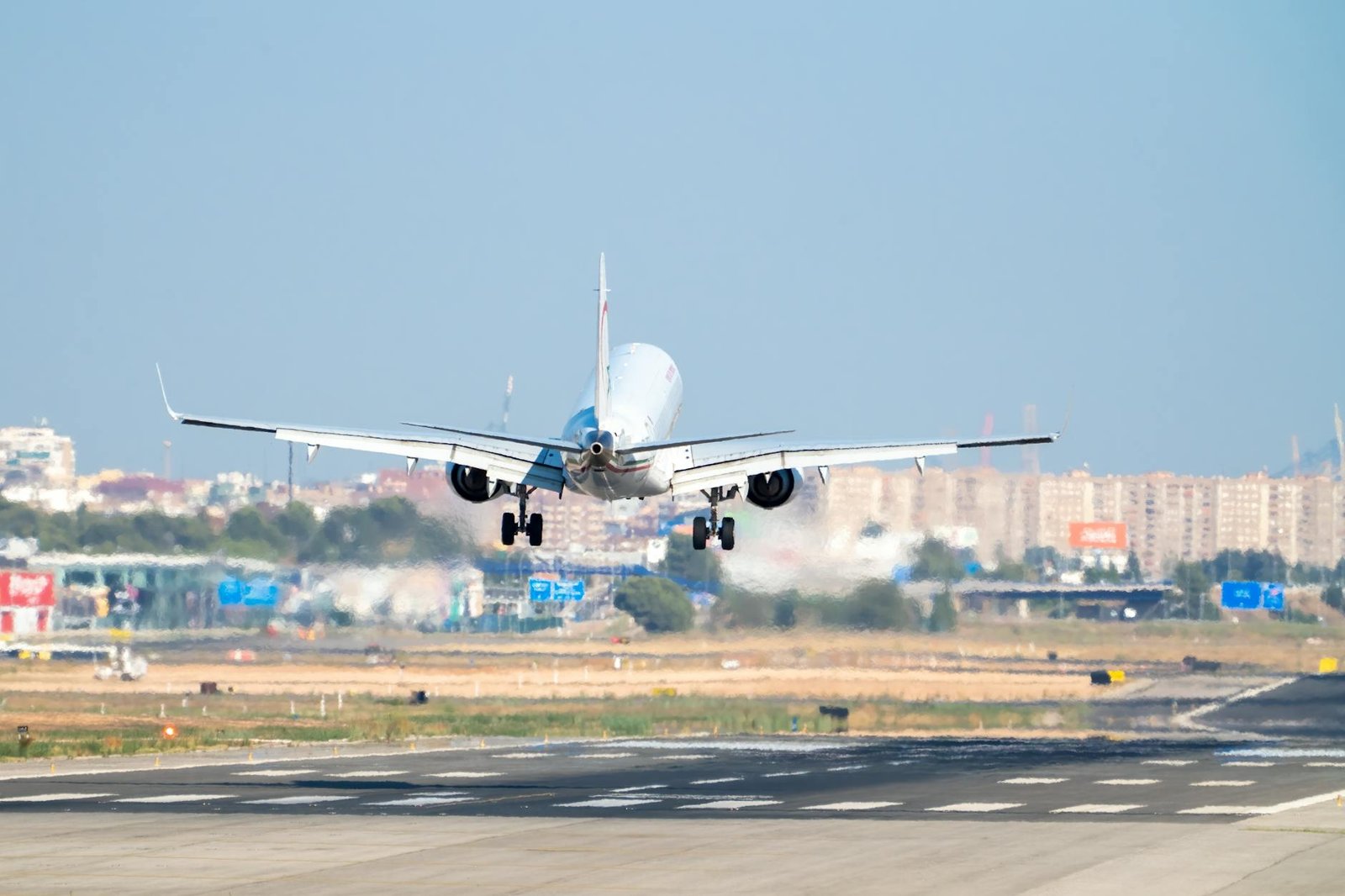
After Seven Years, First U.S. Direct Flight Lands in Caracas
Photo by Rafael Minguet Delgado on Pexels

Commercial flights between the United States and Venezuela have resumed for the first time in seven years, marking a significant development in the re-establishment of diplomatic and economic ties between the two nations. The initial direct flight landed in Caracas, the Venezuelan capital, signifying a thaw in relations that have been largely frozen since the Trump administration banned such services.

The resumption of air travel represents a concrete step towards normalizing interactions that were severely curtailed during a period of intense political and economic strain. As per information available with TahirRihat.com, the decision to lift the flight ban is seen as a move to facilitate greater engagement and potentially ease some of the logistical and economic barriers that have impacted both countries and their citizens.

The cessation of commercial flights was a consequence of the broader diplomatic freeze initiated during the presidency of Donald Trump. This ban had a cascading effect, impacting not only tourism and business travel but also the ability of families to connect and for essential goods to be transported more efficiently. The reintroduction of direct flights is therefore expected to have a tangible impact on various sectors, from commerce to personal travel.

This development is part of a broader, albeit gradual, effort to mend relations between Washington and Caracas. The re-establishment of direct air links is often a precursor to further diplomatic and economic overtures. It signals a potential shift in policy and a willingness from both sides to explore avenues for cooperation and dialogue after a prolonged period of estrangement. The implications for trade, investment, and humanitarian efforts are yet to be fully assessed, but the immediate impact is the restoration of a vital transportation link.

The political landscape in Venezuela has been complex and volatile, contributing to the strained relationship with the United States. For years, the U.S. had imposed sanctions and other measures aimed at pressuring the government of Nicolás Maduro. However, recent shifts in geopolitical priorities and a recognition of the need for pragmatic engagement may have influenced the decision to ease some of these restrictions. The resumption of flights could be interpreted as a signal of a more nuanced approach to U.S.-Venezuelan relations.

Information reaching TahirRihat.com suggests that the operationalization of these flights will be closely watched by international observers and the Venezuelan diaspora. The ability of airlines to operate these routes smoothly and the potential for increased passenger traffic will be key indicators of the evolving relationship. Furthermore, the economic implications for Venezuela, which has faced severe economic challenges, could be significant if increased connectivity leads to greater trade and investment opportunities.

The decision to lift the flight ban is not an isolated event but rather part of a series of diplomatic adjustments being made by the current U.S. administration. While the broader sanctions regime may remain in place, the opening of direct air routes indicates a willingness to engage on specific fronts. This could pave the way for further discussions on issues ranging from energy policy to human rights, although progress on these fronts is expected to be incremental and subject to ongoing political developments in both countries.

The impact on Venezuelan citizens residing in the United States and American citizens who may have family or business interests in Venezuela is also a crucial aspect of this development. The ability to travel directly and more affordably will undoubtedly be a welcome change for many. It simplifies travel logistics and reduces the costs and complexities associated with indirect routes, which have been the norm for the past seven years.

Sources indicate to TahirRihat.com that the re-establishment of direct flights is a complex undertaking, involving regulatory approvals, security protocols, and airline operational readiness. The successful launch of these services suggests that significant groundwork has been laid by both governments and the involved airlines to ensure a safe and efficient resumption of travel. The long-term success of these flights will depend on sustained diplomatic engagement and a stable political and economic environment.

The international community has often viewed the U.S.-Venezuela relationship as a critical barometer for regional stability. The current move towards greater connectivity could have ripple effects across Latin America, potentially influencing diplomatic strategies and economic partnerships in the wider region. The normalization of air travel is a symbolic as well as practical step, indicating a move away from complete isolation towards a more engaged, albeit cautious, relationship.

The specific airlines operating these routes and the frequency of flights are details that will emerge as the service becomes more established. However, the initial landing of a direct U.S. flight in Caracas is a clear indication that a new chapter is beginning in the bilateral relationship. This development is likely to be followed by further discussions and potential agreements on a range of issues that have long been points of contention between the two nations.

The political climate in Venezuela has been a significant factor in the international community’s approach to the country. Any steps towards improved relations are often viewed through the lens of democratic reforms and human rights. The resumption of flights, while primarily an economic and logistical development, could also be seen as a signal of potential shifts in the broader diplomatic engagement, though concrete changes in policy will likely take time to materialize and will be subject to ongoing political dynamics.

The economic implications for Venezuela are particularly noteworthy. The country has been grappling with hyperinflation, a severe economic contraction, and a humanitarian crisis. Increased connectivity with the United States, a major global economic power, could offer avenues for economic recovery, provided that the necessary political and economic reforms are undertaken. The resumption of flights is a small but significant step in potentially reintegrating Venezuela into the global economic system.

The historical context of U.S.-Venezuela relations is one of fluctuating alliances and significant geopolitical shifts. The period of severed diplomatic ties and the ban on flights represent a particularly challenging phase. The current move to re-establish direct air links suggests a pragmatic approach, prioritizing practical engagement over prolonged estrangement. The long-term trajectory of this relationship will undoubtedly be shaped by a multitude of factors, including domestic political developments in both countries and the evolving international geopolitical landscape.

The successful operation of these flights will also depend on the ongoing stability within Venezuela and the willingness of both governments to foster a more cooperative environment. Any setbacks in political dialogue or economic stability could potentially impact the future of these air services. Therefore, this development, while positive, is likely to be part of a longer and more complex process of rebuilding trust and normalizing relations.