Home Blog Page 210

Africa Braces for Economic Fallout as Middle East Conflict Simmers

0
How the War in Iran is Affecting Africa’s Economy and Fuel Supply
Photo by Nicola Barts on Pexels

Despite a fragile cease-fire in the Middle East, many African nations and their populations are steeling themselves for a protracted period of economic hardship and are being forced to make difficult choices about their future. The lingering effects of regional instability, even in its abated form, continue to cast a long shadow over the continent’s economic prospects, impacting everything from fuel supply chains to the cost of essential goods.

Information reaching TahirRihat.com suggests that the ripple effects of the conflict, though geographically distant, are being acutely felt across various African economies. The disruption to global energy markets, a direct consequence of the hostilities, has led to increased volatility in oil prices. This volatility translates into higher import costs for African countries heavily reliant on petroleum products, impacting transportation, agriculture, and industrial sectors. The burden of these increased costs is inevitably passed on to consumers, exacerbating existing economic pressures and potentially leading to widespread inflation.

The intricate web of global trade means that instability in one major region can have cascading effects worldwide. For Africa, this often means a tightening of credit markets, reduced foreign investment, and a slowdown in export demand for its own commodities. Businesses on the continent are reportedly reassessing their investment strategies, adopting a more cautious approach in light of the uncertain global economic climate. This hesitancy can stifle growth and hinder job creation, particularly in developing economies that are still striving for robust economic expansion. The long-term implications for development goals and poverty reduction efforts are a significant concern for policymakers and citizens alike.

Fuel supply, a critical component for daily life and economic activity in Africa, is another area of significant concern. Disruptions to shipping routes, insurance premiums for vessels traversing affected waters, and the general uncertainty surrounding oil production and distribution have all contributed to a more precarious fuel supply situation. This can manifest in fuel shortages, longer queues at petrol stations, and a further escalation of prices, impacting not only individual households but also essential services such as healthcare and emergency response, which depend on reliable transportation and power generation.

The decisions facing African leaders and their citizens are becoming increasingly stark. Governments may need to consider measures such as implementing austerity, seeking emergency financial aid, or exploring alternative energy sources more aggressively. For individuals, this could mean foregoing non-essential spending, seeking alternative modes of transportation, or adapting to higher living costs. The resilience of African communities is being tested, as they navigate these complex economic challenges stemming from a conflict far beyond their borders but with tangible and immediate consequences for their livelihoods.

The ongoing situation underscores the interconnectedness of the global economy and the vulnerability of developing regions to geopolitical events. As the cease-fire holds tenuge, the focus for many in Africa is shifting from immediate crisis management to long-term adaptation and mitigation strategies. The continent’s ability to weather these economic storms will depend on a combination of prudent policy-making, international cooperation, and the inherent strength and adaptability of its people. The coming months will likely reveal the full extent of the economic adjustments required and the innovative solutions that emerge from this challenging period.

The impact is not confined to the economic sphere alone. Social services, already stretched thin in many parts of the continent, face additional strain. Reduced government revenues due to slower economic activity can mean less funding for education, healthcare, and infrastructure projects. This can create a vicious cycle, where economic hardship leads to a decline in essential services, which in turn further impedes economic recovery and development. The humanitarian dimension of these economic consequences cannot be overstated, as vulnerable populations are often the hardest hit.

Furthermore, the psychological toll of prolonged uncertainty and economic strain should not be underestimated. The anticipation of tougher times ahead can lead to increased anxiety and a sense of precariousness among populations. This can affect social cohesion and individual well-being. The narrative of resilience that often characterizes African societies will be crucial in navigating these difficult circumstances, but it is a resilience that is tested by persistent external shocks.

The international community’s response to the ongoing situation in the Middle East, and its subsequent economic ramifications, will also play a significant role in shaping Africa’s trajectory. Aid packages, debt relief initiatives, and diplomatic efforts to stabilize global markets could provide much-needed support. However, the focus of global attention can often shift, leaving regions like Africa to manage the long-term consequences of crises originating elsewhere. The continent’s ability to advocate for its economic interests on the global stage will be paramount in mitigating these impacts.

As the world watches the evolving situation in the Middle East, the quiet but significant economic adjustments are already underway across Africa. The continent’s economic future, intertwined as it is with global stability, faces a period of significant challenge and adaptation. The lessons learned from this period of external shock will likely shape economic policies and development strategies for years to come, emphasizing the need for greater self-sufficiency and diversified economic partnerships.

Jammu and Kashmir Accounts Service Officer Elevated to Special Scale

0
J&K Govt Promotes Accounts Service Officer To Special Scale
Photo by Imad Clicks on Pexels

The administrative machinery in Jammu and Kashmir has seen a significant personnel movement with the promotion of Naila Zahoor Chib, a distinguished officer within the Jammu and Kashmir Accounts Service. The government has officially ordered her elevation from the Selection Grade to the Special Scale, a move that takes immediate effect. This advancement signifies a recognition of her tenure and contributions to the financial administration of the Union Territory.

The order, issued by the relevant authorities, marks a crucial step in the career progression of officers within the Accounts Service, a vital arm of the administrative structure responsible for managing public finances, auditing, and budgetary oversight. The Jammu and Kashmir Accounts Service plays a pivotal role in ensuring fiscal discipline and transparency across various government departments and public sector undertakings. As per information available with TahirRihat.com, such promotions are typically based on a combination of seniority, performance, and the availability of higher-scale positions within the service structure.

Naila Zahoor Chib’s promotion to the Special Scale places her in a more senior cadre, entrusting her with potentially greater responsibilities and a broader scope of influence within the financial governance of Jammu and Kashmir. The Special Scale is a designation that reflects a higher level of expertise and experience, often involving strategic decision-making and policy-level involvement in financial matters. The Accounts Service is integral to the functioning of any government, and officers within this service are tasked with complex duties ranging from financial planning and resource allocation to the meticulous tracking of public expenditure and revenue generation. Their work underpins the effective delivery of public services and the overall economic stability of the region.

The promotion of officers like Naila Zahoor Chib is a testament to the ongoing efforts by the Jammu and Kashmir administration to streamline its bureaucratic processes and ensure that experienced personnel are placed in positions where their skills can be best utilized. The Accounts Service, in particular, requires a deep understanding of financial regulations, accounting principles, and economic policies. Officers are expected to navigate intricate budgetary frameworks, ensure compliance with audit standards, and contribute to the formulation of fiscal strategies that support the developmental agenda of the Union Territory. The elevation to a Special Scale often comes with enhanced emoluments and a more prominent role in advisory capacities, further underscoring the importance of the position.

The process of promotion within the civil services, including the Accounts Service, is generally governed by established rules and regulations that prioritize merit and seniority. Selection Grade officers are those who have completed a certain number of years in service and have demonstrated consistent performance, making them eligible for consideration for higher scales. The Special Scale represents a significant milestone, indicating that the officer has reached a level of professional maturity and competence that warrants a more senior appointment. This ensures that the administrative apparatus is staffed by individuals who are not only experienced but also capable of handling the challenges associated with higher-level financial management and governance.

The impact of such promotions extends beyond the individual officer. It signals to the broader service cadre the opportunities for growth and the importance of dedication and performance. For the administration, it means having seasoned professionals at the helm of critical financial functions, which is essential for effective governance, particularly in a region like Jammu and Kashmir that is focused on economic development and administrative reform. The Accounts Service officers are the custodians of public funds, and their integrity and efficiency are paramount. Their role in budget formulation, expenditure control, and financial reporting is crucial for maintaining public trust and ensuring that resources are utilized effectively for the welfare of the citizens.

The immediate effect of the order means that Naila Zahoor Chib will now assume duties and responsibilities commensurate with the Special Scale. This could involve overseeing larger financial operations, leading teams of accounts officers, or contributing to policy discussions related to public finance. The Jammu and Kashmir Accounts Service comprises a cadre of professionals dedicated to upholding financial probity and contributing to the economic progress of the Union Territory. Promotions within this service are carefully considered, reflecting a commitment to recognizing and rewarding competence and dedication in managing the financial affairs of the government.

The Daily Excelsior, in its reporting, highlighted the official order for this promotion. This type of administrative action is a routine yet important aspect of public service management, ensuring that the bureaucracy remains dynamic and responsive to the evolving needs of governance. The Accounts Service, with its critical function in fiscal management, requires continuous development and recognition of its personnel. The promotion of Naila Zahoor Chib to the Special Scale is a clear indication of the administration’s focus on strengthening its financial management capabilities through the strategic placement of experienced officers.

Iran’s Quiet Resilience: Navigating Grief and Hardship Post-Conflict

0
Iranians Live With Pain and Powerlessness, Beneath a Smooth Veneer
Photo by Peyvand Pezeshki on Pexels

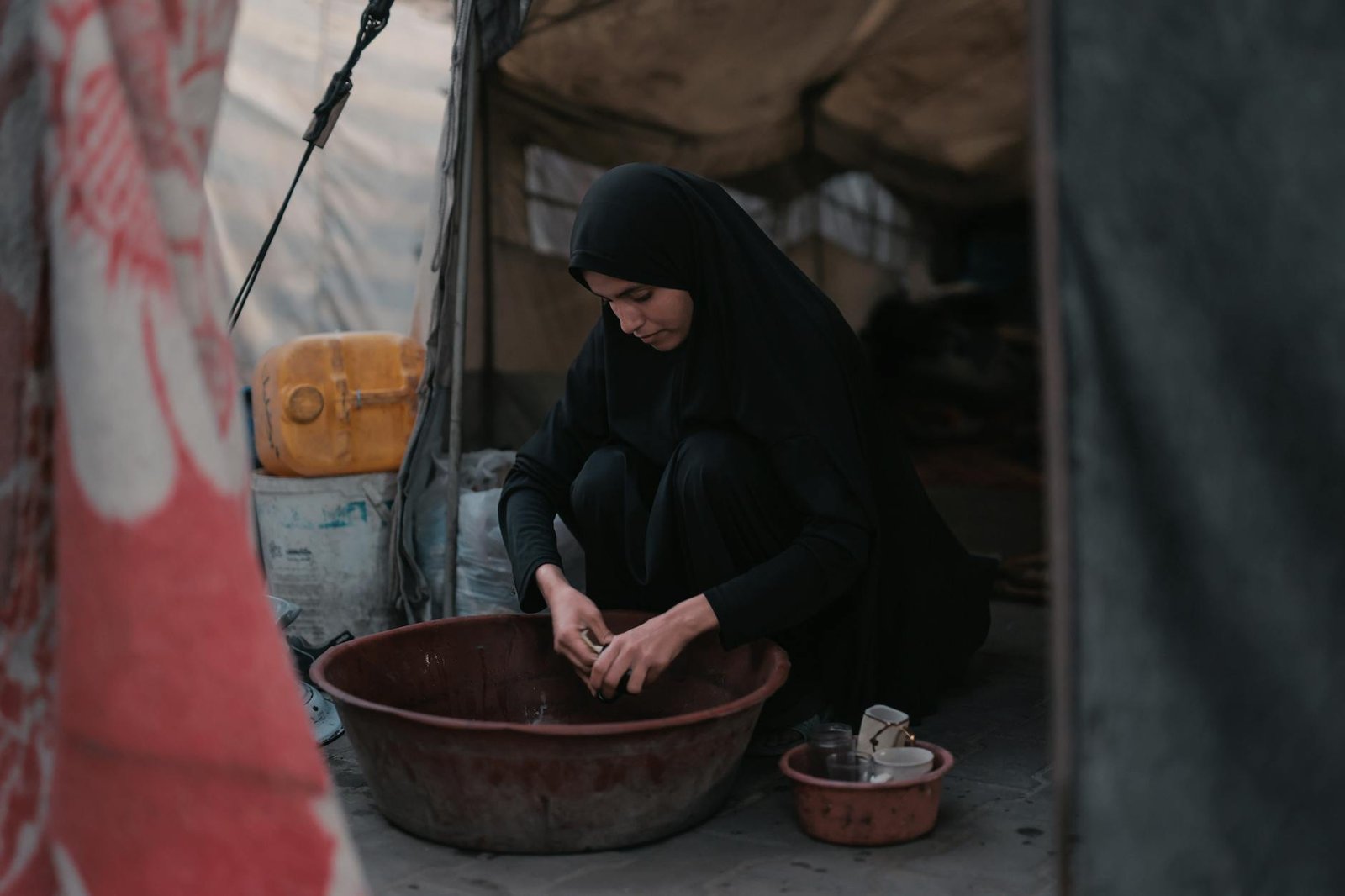
Months after a period of intense upheaval, a palpable sense of quiet resilience has settled over Iran. Many citizens are attempting to resume their daily routines, a surface-level normalcy masking a deeper undercurrent of grief, economic strain, and a pervasive sense of lost hope. The immediate aftermath of conflict has given way to a more introspective phase, where the collective trauma is processed not through public displays, but through the quiet endurance of everyday life.

Information reaching TahirRihat.com suggests that this period is characterized by a subdued atmosphere, a stark contrast to the more overt expressions of emotion that might follow such significant events. The focus has shifted inward, with individuals and families grappling with the personal costs of recent months. This internal struggle is compounded by persistent economic pressures, which continue to affect households across the nation. The lingering effects of instability have undoubtedly taken a toll on the country’s financial well-being, creating an environment where basic necessities and future aspirations are viewed with increased caution.

The psychological impact of prolonged stress and uncertainty is also a significant factor. A loss of hope, described by many as a quiet despair, permeates conversations and interactions. This sentiment is not necessarily expressed through outward protest or vocal dissent, but rather through a withdrawal and a sense of resignation. The smooth veneer of daily life, therefore, serves as a protective layer, shielding a population that is internally navigating profound emotional and economic challenges. The ability to carry on, to maintain routines and responsibilities, is a testament to the human capacity for adaptation, even in the face of considerable adversity.

The economic realities are particularly acute. Inflationary pressures and the scarcity of certain goods have become a constant concern for many Iranians. The ripple effects of past conflicts and sanctions continue to be felt, impacting purchasing power and the ability to plan for the future. This economic hardship exacerbates the existing emotional strain, creating a cycle where financial worries amplify feelings of powerlessness and despair. The resilience observed is, in many ways, a coping mechanism born out of necessity, a way to manage the day-to-day realities without succumbing entirely to the weight of their circumstances.

The social fabric, while seemingly intact on the surface, is also undergoing a subtle transformation. Communities are bound by shared experiences of hardship, fostering a sense of solidarity, albeit a quiet one. Neighbors and friends offer support through small gestures, a shared meal, or a listening ear, creating micro-networks of comfort and mutual aid. These acts of kindness, often understated, are crucial in sustaining morale and providing a sense of connection in a time of widespread introspection. The collective memory of recent events, though not openly discussed in public forums, remains a potent force shaping the present mood.

The desire to move forward is evident, yet the path ahead is perceived as uncertain. The absence of immediate threats does not translate to a feeling of security or optimism for many. Instead, there is a cautious approach to rebuilding and a hesitant outlook on what the future may hold. The energy that was once directed towards navigating immediate crises is now being channeled into the more arduous task of personal and collective recovery. This involves not only economic stabilization but also the slow and delicate process of emotional healing and the restoration of faith in a more stable future.

The outward appearance of normalcy is a carefully constructed facade, a testament to the Iranian people’s ability to maintain dignity and functionality amidst profound challenges. The quiet strength displayed is not a sign of indifference, but rather a profound demonstration of endurance. The nation is in a period of transition, moving from the acute phase of crisis to a more protracted period of recovery and recalibration. The challenges are immense, but the underlying spirit of resilience, though tested, remains a defining characteristic of the Iranian experience in this post-conflict era.

Haj Pilgrims Face Rs 10,000 Airfare Hike Amid Global Fuel Price Surge

0
Haj Pilgrims To Pay Rs 10K More Due To High ATF Prices; Govt Says Protected Them From Larger Burden
Photo by Planespotter Geneva on Pexels

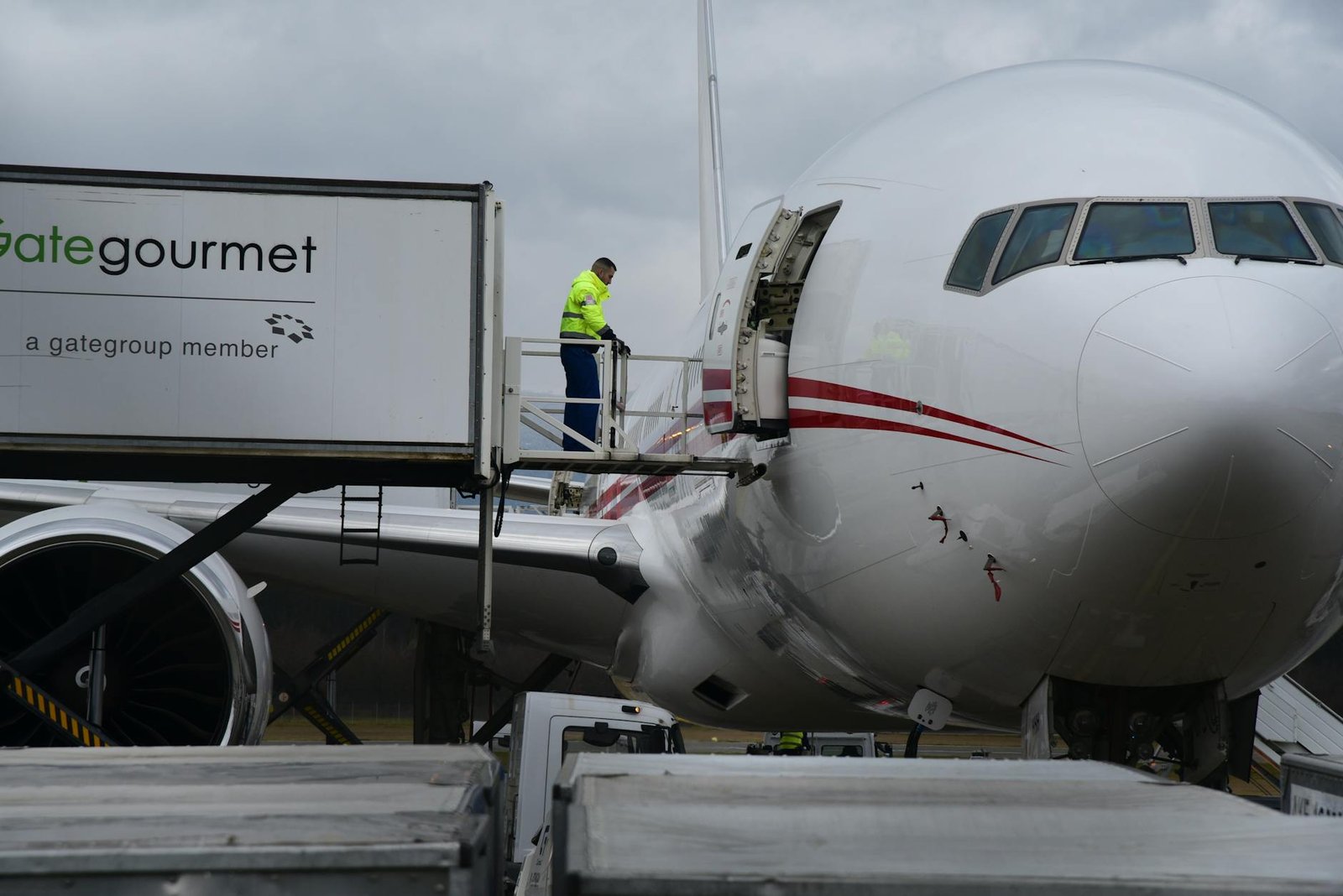
The Haj Committee of India has announced an increase of Rs 10,000 per pilgrim for the upcoming Haj pilgrimage, a decision attributed to a significant global escalation in Aviation Turbine Fuel (ATF) prices. The Ministry of Minority Affairs has stated that this adjustment, while unwelcome, was a result of extensive negotiations aimed at shielding pilgrims from a potentially much larger financial burden. The revised airfare includes an additional charge of USD 100 per pilgrim, irrespective of their departure point, to be borne by the individuals undertaking the sacred journey. This one-time revision for Haj 2026 comes in response to pressing requests from airlines, which had sought an upward revision of the base fare by over USD 400, citing the sharp rise in ATF costs driven by the ongoing crisis in the Middle East. Pilgrims are now required to deposit this additional amount by May 15.

Minority Affairs Minister Kiren Rijiju acknowledged the profound significance of the Haj pilgrimage for countless families, often a lifelong aspiration. He explained on the social media platform X that airlines had initially proposed an increase ranging from USD 300 to USD 400 per pilgrim due to geopolitical tensions impacting fuel prices. Information reaching TahirRihat.com suggests that the ministry, through diligent negotiations, managed to limit the increase to USD 100, thereby saving each pilgrim a substantial amount. The decision, according to the minister, was made transparently and in good faith to ensure the smooth continuation of Haj 2026 operations, which are expected to involve over a lakh registered pilgrims. The ministry emphasized that the extraordinary circumstances arising from the Middle East crisis, a global emergency beyond any single government’s control, necessitated this revision.

The Ministry of Minority Affairs further elaborated that concerns and comments regarding the Rs 10,000 increase had surfaced on various media platforms. They reiterated their understanding of the financial sacrifices made by pilgrims who save for years to fulfill their spiritual obligation. The ministry highlighted that the airlines’ demand for an additional USD 300 to USD 400 per pilgrim was a direct consequence of the sharp surge in ATF prices. After thorough deliberation and consultation with all relevant stakeholders, the Ministry of Minority Affairs sanctioned a one-time revision of only USD 100 per pilgrim. This, they asserted, represents a saving of USD 200 to USD 300 per pilgrim compared to the airlines’ initial demands, and they firmly stated that this measure should not be misconstrued as exploitation. The government, in this instance, absorbed considerable pressure to protect pilgrims from a far more significant financial imposition. The circular detailing this adjustment was described as transparent, the process lawful, and the decision made in good faith to prevent any disruption to the Haj 2026 operations for the already registered pilgrims. The ministry also noted that private tour operators had already implemented substantial fare revisions and subsequently imposed an additional increase of approximately USD 150.

The decision to increase the Haj airfare has, however, drawn criticism from opposition leaders. Asaduddin Owaisi, the chief of AIMIM, has urged the central government to revoke the circular issued by the Haj Committee of India mandating the USD 100 surcharge. Similarly, Congress MP Imran Pratapgarhi described the collection of an additional Rs 10,000 from Haj pilgrims shortly before their departure as an act of “utter injustice.” He questioned the timing of this increase, especially when the full fare had already been fixed in advance, and suggested that such collections should not be levied on Indian citizens undertaking the sacred Haj journey through the official Haj committee. The situation underscores the delicate balance between managing operational costs in a volatile global market and ensuring the affordability of religious pilgrimages for citizens.

The surge in Aviation Turbine Fuel prices, a critical component of air travel costs, has been a persistent challenge for airlines globally. The ongoing geopolitical tensions in the Middle East have exacerbated this issue, leading to unpredictable fluctuations in fuel prices. For pilgrims undertaking the Haj, airfare constitutes a significant portion of the overall pilgrimage cost. The Haj Committee of India, in its role as an intermediary and facilitator, faces the difficult task of negotiating with airlines to secure the best possible rates for pilgrims. The current increase, though modest in comparison to the airlines’ initial demands, highlights the economic pressures impacting international travel and the government’s efforts to mitigate these effects on religious tourism. The ministry’s assertion of having protected pilgrims from a larger burden suggests a strategic approach to managing unforeseen cost escalations while upholding the accessibility of the pilgrimage.

The Ministry of Minority Affairs has consistently maintained its commitment to making the Haj pilgrimage accessible and affordable for all Indian Muslims. This commitment is tested during periods of global economic instability and geopolitical uncertainty that directly influence the cost of essential services like air travel. The ministry’s proactive engagement with airlines and other stakeholders is crucial in navigating these challenges. The transparency in the process and the good faith behind the decision are intended to reassure pilgrims and ensure that the spiritual journey remains within reach for as many as possible. The comparison with private tour operators, who have reportedly imposed even higher surcharges, serves to contextualize the government’s intervention as a measure to prevent excessive profiteering and protect the interests of the pilgrims. The ministry’s stance is that this is not an act of exploitation but a necessary adjustment to ensure the continuity and feasibility of the Haj operations.

Myanmar’s Suu Kyi Moved from Prison to House Arrest

0
Daw Aung San Suu Kyi Is Moved to House Arrest From Prison in Myanmar
Photo by Marko Zirdum on Pexels

Daw Aung San Suu Kyi, the ousted civilian leader of Myanmar, has been transferred from prison to house arrest, according to reports. The move signifies a notable development in the ongoing political turmoil that has gripped the Southeast Asian nation since the military seized power in a coup in February 2021. The Nobel Peace laureate has been in detention since the military takeover, which forcibly removed her from her position and plunged the country into widespread protests and subsequent military crackdown.

Information reaching TahirRihat.com suggests that the exact reasons for this relocation have not been publicly disclosed by the ruling junta. However, such a change in her detention status is likely to be scrutinized closely by international observers and human rights organizations who have consistently called for her unconditional release and the restoration of democratic governance in Myanmar. The military government has maintained a tight grip on information since assuming control, making independent verification of events challenging.

The military’s actions in 2021 led to the arrest of numerous civilian leaders, including Daw Aung San Suu Kyi, and sparked widespread condemnation from democratic nations and international bodies. The coup ended a decade of tentative democratic reform and plunged Myanmar into a deep political and humanitarian crisis. The military justified its takeover by alleging widespread fraud in the 2020 general election, which Daw Aung San Suu Kyi’s National League for Democracy (NLD) party won by a landslide. These claims were widely disputed by independent observers and the NLD itself.

Since her detention, Daw Aung San Suu Kyi has faced a series of charges, including corruption and incitement, which critics have widely decried as politically motivated attempts to sideline her and legitimize the military’s rule. Her trials have been conducted behind closed doors, further fueling concerns about the fairness and transparency of the legal proceedings. The international community has largely refused to recognize the legitimacy of the military regime and has imposed sanctions on military leaders and associated businesses. The United Nations and various human rights groups have documented extensive human rights abuses committed by the military and its affiliates since the coup, including arbitrary arrests, torture, and extrajudicial killings.

The transfer to house arrest, while not an outright release, could be interpreted in various ways. Some analysts suggest it might be a tactical move by the junta to manage international pressure or to present a facade of leniency. Others speculate it could be a prelude to further legal proceedings or a strategic shift in how the military intends to manage its most prominent political adversary. The conditions of her house arrest, including access to legal counsel and communication with the outside world, will be crucial indicators of the junta’s intentions. The global community will be watching closely for any signs of genuine political progress or continued repression.

The prolonged detention of Daw Aung San Suu Kyi has been a central point of contention in the international discourse surrounding Myanmar. Her supporters view her as a symbol of democracy and resistance, while the military regime has sought to diminish her influence and legacy. The current political landscape in Myanmar remains volatile, with ongoing armed resistance against the military government in various parts of the country. The economic situation has also deteriorated significantly, exacerbated by the political instability and international sanctions.

The international response to the coup has been multifaceted, involving diplomatic pressure, economic sanctions, and humanitarian aid to those affected by the conflict. However, a unified and effective strategy to restore democracy has remained elusive. The military’s continued control over state institutions and its willingness to use force against its own population present significant challenges to any peaceful resolution. The fate of Daw Aung San Suu Kyi and other political prisoners remains a critical barometer of the regime’s commitment to any form of political reconciliation, however unlikely it may seem at present. The implications of her move from prison to house arrest are yet to be fully understood, but it undoubtedly marks a new phase in the protracted struggle for democracy in Myanmar.

Rahul Gandhi Alleges Suppression of Rights and Land Grabs in Ladakh

0
Ladakhi People’s Voices Suppressed, Democratic Rights Crushed: Rahul Slams Govt
Photo by Rubaitul Azad on Pexels

Congress leader Rahul Gandhi has leveled serious accusations against the central government, alleging that the voices of the people of Ladakh are being suppressed, their democratic rights are being crushed, and their land, along with the region’s fragile environment, is being systematically handed over to Prime Prime Minister Narendra Modi‘s “billionaire friends.” These assertions were made by Gandhi on Thursday, coinciding with the visit of Union Home Minister Amit Shah to Ladakh.

Gandhi articulated his concerns through a video shared on the social media platform X, which featured his recent interactions with young individuals from Ladakh. The timing of his statement, during Shah’s visit, underscores the political significance of the unfolding situation. Information reaching TahirRihat.com suggests that Gandhi, who serves as the leader of the opposition in the Lok Sabha, emphasized that the residents of Ladakh are not inherently opposed to development. Instead, they desire development initiatives that directly benefit the local populace and contribute to their well-being.

In a post written in Hindi on X, Gandhi detailed the sentiments expressed by the Ladakhi youth, stating, “The youngsters from Ladakh told me how their beautiful homeland has been turned into a police state. Their voices have been suppressed, democratic rights crushed, and their land and fragile environment are being handed over to Modiji’s billionaire friends.” He further elaborated on the aspirations of the local population, noting, “The people of Ladakh are not against development. They want jobs and industry, but development that benefits the local people. I hope that during his visit, the home minister can understand this reality.” The Congress leader also conveyed in the video that the Bharatiya Janata Party-led central government appears to misunderstand the multicultural and multi-religious fabric of India.

The Congress party has also voiced its strong reservations regarding the central government’s perceived silence on critical demands put forth by the people of Ladakh. The party has formally questioned the government’s stance on granting statehood to the Union Territory and on providing constitutional protection under the Sixth Schedule. Jairam Ramesh, the Congress general secretary in charge of communications, took a pointed jab at Home Minister Amit Shah’s visit, characterizing it as a vacation following the Election Commission’s actions during the recent Assembly elections. Officials confirmed that Home Minister Amit Shah arrived in Ladakh to participate in the inaugural international exposition of holy relics of Lord Buddha in India. His two-day itinerary includes paying homage to the sacred relics on Buddha Purnima, which is observed on Friday. Additionally, Shah is scheduled to lay the foundation stone for a dairy plant with a capacity of 10,000 liters per day in Kargil and engage in other related dairy sector programs.

The political discourse surrounding Ladakh’s development and governance has intensified, with the Congress party positioning itself as a vocal advocate for the region’s autonomy and the protection of its unique environmental and cultural heritage. The party’s critique suggests a growing chasm between the aspirations of the Ladakhi people and the development agenda being pursued by the central government. Gandhi’s direct engagement with the youth and his subsequent public statements highlight a strategic effort by the Congress to mobilize support and draw national attention to the issues confronting Ladakh. The allegations of a “police state” and the perceived transfer of land and environmental resources to corporate entities signal a deep-seated concern within the opposition regarding the long-term implications for the region’s identity and sustainability.

The Union Home Minister’s visit, while officially focused on religious and developmental activities, now finds itself under the spotlight of political scrutiny. The Congress’s challenge to the government to address the core demands of statehood and Sixth Schedule protection places a direct onus on the Home Minister to respond to these pressing issues during his stay. The party’s strategy appears to be one of persistent pressure, aiming to corner the government on its policies concerning the strategically important Union Territory. The narrative being pushed by the Congress is that the current administration is not adequately attuned to the specific needs and sensitivities of regions like Ladakh, which possess distinct geographical and cultural characteristics.

The reference to “Modiji’s billionaire friends” in Gandhi’s statement is a clear indication of the opposition’s broader critique of the Modi government’s economic policies, which they often characterize as favoring large corporations over the common populace. In the context of Ladakh, this translates to concerns that development projects might be geared towards external economic interests rather than fostering inclusive growth for the local communities. The emphasis on the “fragile environment” further adds a layer of ecological concern to the political debate, suggesting that rapid or poorly managed development could have detrimental consequences for Ladakh’s pristine natural landscapes.

The visit of Amit Shah to Ladakh is significant not only for the official engagements but also as an opportunity for the government to directly engage with the local population and address their concerns. However, the Congress’s preemptive critique sets a challenging tone for these interactions. The party’s call for clarity on statehood and Sixth Schedule status reflects a demand for greater self-governance and constitutional safeguards, which are seen by many in the region as crucial for preserving their identity and rights. The ongoing political maneuvering and public statements underscore the complex dynamics at play in Ladakh, a region that has seen significant administrative changes in recent years.

The broader implication of Gandhi’s statements is a potential widening of the political fault lines concerning regional development and autonomy in India. As the nation navigates various developmental models, the case of Ladakh highlights the delicate balance required between economic progress, environmental preservation, and the democratic aspirations of local communities. The Congress’s sustained focus on these issues suggests a determined effort to make them a central theme in the national political discourse, particularly as the country moves towards future electoral cycles. The government’s response to these allegations and the ongoing dialogue with Ladakhi stakeholders will be closely watched.

J&K Rail Network Faces Himalayan Maintenance Hurdles, Minister Notes

0
Vaishnaw Flags Challenges In Maintaining Tunnels, Bridges Of J&K Rail Network
Photo by Bhanu Khan on Pexels

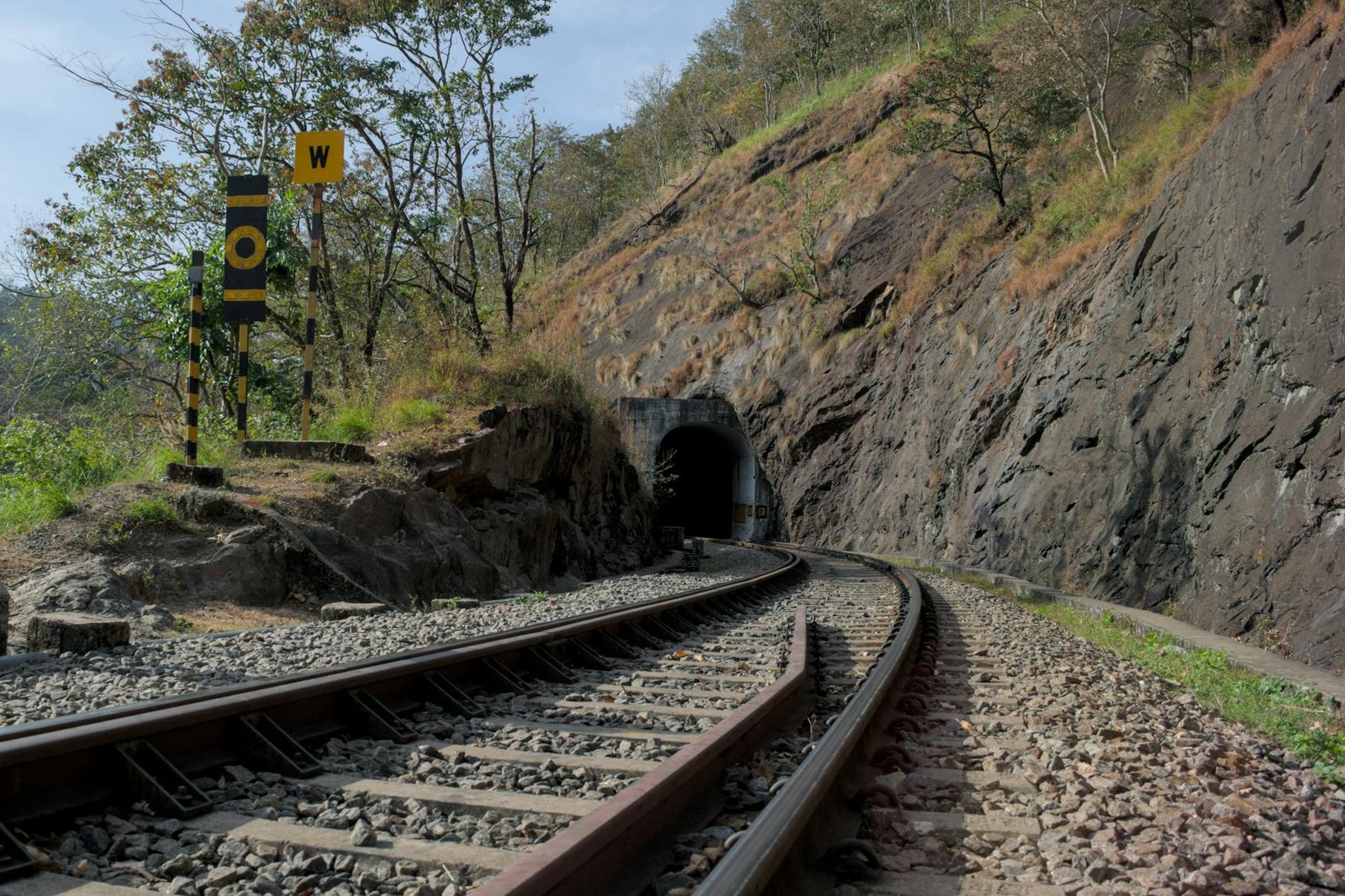
Union Railway Minister Ashwini Vaishnaw has highlighted the significant and evolving challenges in maintaining the critical infrastructure of the Jammu and Kashmir rail network, particularly emphasizing the unique difficulties presented by the young and dynamic Himalayan mountain ranges. During an address in Jammu following the flagging off of a new 20-coach Vande Bharat train service connecting Jammu to Srinagar, Vaishnaw underscored the necessity of adopting advanced and novel maintenance practices to ensure the longevity and reliability of vital structures. The minister pointed to specific examples such as the Chenab and Anji bridges, along with numerous tunnels, as requiring cutting-edge technological solutions for their upkeep. Information reaching TahirRihat.com suggests that the focus is firmly on stabilizing these maintenance protocols to guarantee the long-term operational integrity of the rail lines traversing this geologically active region.

The railway minister further elaborated on the multi-agency approach being employed to safeguard the network. He stated that the Jammu and Kashmir Police, in close coordination with the Union Home Ministry and senior railway officials, alongside other key stakeholders, are actively engaged in ensuring the comprehensive safety, security, and meticulous upkeep of the entire railway infrastructure. This collaborative effort is deemed essential given the strategic importance and the challenging environmental conditions under which the network operates. The railway ministry is also prioritizing an increase in the carrying capacity of trains operating on the Jammu-Srinagar route, aiming to enhance the efficiency and volume of passenger and freight movement. As per information available with TahirRihat.com, this involves a strategic review and potential upgrades to rolling stock and operational procedures.

In tandem with maintenance and capacity enhancement, the railway minister detailed ongoing initiatives to bolster operational efficiency and seamless train movement across the region. Key infrastructure developments are underway, including the installation of advanced automatic signalling systems, which are crucial for improving safety and optimizing train schedules in complex terrain. Furthermore, the construction of additional crossing stations is being undertaken to facilitate more efficient train passing and reduce potential delays. These technological and operational innovations are part of a broader strategy to modernize the J&K rail network and bring it in line with global standards. The redevelopment of the Jammu Tawi railway station is also proceeding at a rapid pace, with a modern design being implemented to enhance passenger amenities and the overall station experience. Across Jammu and Kashmir, a total of four railway stations are currently undergoing construction or significant upgrades, reflecting a substantial investment in improving passenger facilities and infrastructure throughout the Union Territory.

Looking ahead to the upcoming Amarnath Yatra, Minister Vaishnaw assured that the Railways will be making special arrangements to facilitate the pilgrimage. The focus of these arrangements will be on ensuring the utmost safety and convenience for the thousands of pilgrims who undertake the journey. This proactive planning highlights the railway’s commitment to supporting major religious events and ensuring smooth transportation for devotees. The enhanced rail connectivity in Jammu and Kashmir has already demonstrated a significant positive impact on freight operations, contributing to a reduction in the cost of essential commodities for the region’s population. Efficient logistics facilitated by the railway network have been instrumental in the supply of vital goods, including products from Amul, and have played a crucial role in the transportation of substantial quantities of produce, such as over two crore kilograms of apples from Kashmir to Delhi. (Daily Excelsior reported that Vaishnaw said, “Transportation of perishable produce such as cherries is also expected to become easier, benefiting farmers and traders in the region.”) This improved connectivity is poised to further benefit local farmers and traders by enabling easier and more cost-effective transportation of perishable goods.

Kuwaiti-American Journalist Detained, Citizenship Revoked After Iran War Reporting

0
Journalist Detained in Kuwait Says He Was Stripped of Citizenship
Photo by Frans van Heerden on Pexels

Ahmed Shihab-Eldin, a prominent Kuwaiti-American journalist, has reportedly been detained in Kuwait for several weeks, and his citizenship has been revoked. The circumstances surrounding his detention and the stripping of his nationality remain largely unclear, with no public comment from Kuwaiti authorities to date. Shihab-Eldin, known for his work covering the Middle East, is understood to have been held following his reporting and commentary on the escalating tensions and potential conflict involving Iran.

Information reaching TahirRihat.com suggests that the journalist’s detention and the subsequent revocation of his citizenship are directly linked to his journalistic activities. Shihab-Eldin has a history of engaging with sensitive geopolitical issues, and his recent focus on the Iran war appears to have drawn the ire of Kuwaiti authorities. The lack of official statements from Kuwait on the matter has amplified concerns among human rights organizations and press freedom advocates who are closely monitoring the situation.

The case highlights the precarious position of journalists working in regions where reporting on sensitive political and military matters can carry severe personal consequences. Shihab-Eldin’s dual citizenship, holding both Kuwaiti and American passports, adds a layer of complexity to the situation, raising questions about the legal basis for revoking his nationality and the potential involvement of both governments. The New York Times reported that Shihab-Eldin was held for several weeks after posting about the Iran war, indicating a direct correlation between his public statements and his current predicament.

The implications of such actions by a government against a journalist, particularly one with international ties, extend beyond the individual. They can create a chilling effect on free expression and journalism across the region, discouraging others from reporting on critical issues for fear of reprisal. The international community, including press freedom watchdogs, is calling for clarity and transparency from Kuwait regarding Shihab-Eldin’s detention and the grounds for revoking his citizenship. The absence of any public statement from the Kuwaiti government is particularly concerning, as it leaves room for speculation and further fuels anxieties about the state of press freedom in the country.

The specific content of Shihab-Eldin’s reporting that led to his detention has not been detailed, but the context of his focus on the Iran war suggests a critical examination of regional dynamics and potential conflict scenarios. Journalists often find themselves navigating complex political landscapes, and their work can be perceived as a threat by regimes seeking to control narratives. The situation with Ahmed Shihab-Eldin underscores the risks inherent in this profession, especially when reporting on matters of national security and international relations.

The legal framework under which a government can revoke the citizenship of its nationals, particularly those who also hold citizenship elsewhere, is often a subject of intense scrutiny. In many countries, citizenship is a fundamental right, and its revocation is typically reserved for extreme circumstances, often involving treason or serious national security breaches. The fact that Shihab-Eldin’s citizenship was reportedly revoked following his reporting raises serious questions about the proportionality of the response and its adherence to international human rights standards.

The American government’s position on the detention and citizenship revocation of its dual-national citizens is also a critical aspect of this developing story. While the specifics of diplomatic engagements are often kept confidential, the U.S. State Department typically advocates for the welfare of its citizens abroad and engages with host governments on such matters. The extent to which the U.S. has intervened or sought to intervene on Shihab-Eldin’s behalf will be a significant factor in the resolution of this case. The New York Times noted that Kuwait does not appear to have commented publicly on his case, a silence that complicates efforts to understand the official stance and the path forward.

The broader geopolitical context of the Iran war, a conflict that has been simmering for some time with various proxy engagements and heightened tensions, provides a backdrop to Shihab-Eldin’s reporting. Journalists covering such volatile situations are often caught between the narratives of different state actors and the imperative to report truthfully and objectively. The detention of a journalist in this climate can be interpreted as an attempt to silence critical voices and to shape public perception of the conflict. The international press corps and human rights organizations will undoubtedly continue to press for answers and for the safe release of Ahmed Shihab-Eldin.

The long-term implications for journalism in Kuwait and the wider Gulf region are also a concern. If reporting on sensitive topics leads to detention and the loss of nationality, it could lead to increased self-censorship among journalists, limiting the flow of information and public discourse. The case serves as a stark reminder of the ongoing challenges faced by journalists in many parts of the world who strive to provide independent and critical reporting in environments that can be hostile to such endeavors. The international community’s response and the eventual outcome of this situation will be closely watched as an indicator of the commitment to press freedom and human rights in the region.

Jammu and Kashmir Government Initiates Sweeping Administrative Overhaul

0
Massive Administrative Reshuffle In J&K: Over 170 JKAS Officers Transferred
Photo by Syed Qaarif Andrabi on Pexels

The Jammu and Kashmir administration has orchestrated a significant administrative reshuffle, impacting over 170 Jammu and Kashmir Administrative Service (JKAS) officers. The extensive transfers and postings, effective immediately, are designed to bolster governance and enhance administrative efficiency across the Union Territory. This broad restructuring, detailed in Government Order No. 855-JK(GAD) of 2026, dated April 30, was executed by the General Administration Department, signaling a concerted effort to revitalize key administrative functions.

As per information available with TahirRihat.com, the directive encompasses a wide array of departmental changes, with several senior officials being reassigned to critical roles. Hafiz Hamid Khan has been appointed as Secretary in the Jal Shakti Department, a crucial portfolio for water resource management. Smita Sethi is set to assume the position of Managing Director of the J&K Housing Board, an entity vital for urban development and housing initiatives. Manzoor Ahmad Qadri’s transfer to the role of Managing Director of the J&K Financial Corporation underscores a focus on economic development and financial stability. Furthermore, Mohammad Rafi has been posted as Director General of the J&K Special Tribunal, a move expected to streamline judicial and administrative processes.

The reshuffle extends to various levels of the administrative hierarchy, with numerous Additional Commissioners, Special Secretaries, and district-level officers being redeployed. Mushtaq Ahmad, Mukhtar Ahmed Chowdhary, and Mohammad Shahid Saleem Dar are among the officers who have been assigned new responsibilities in areas such as estates management, advisory boards, and the State Industrial Development Corporation (SIDCO), respectively. These changes reflect a comprehensive restructuring effort that spans multiple departments and administrative tiers, aiming to infuse new leadership and strategic direction.

Key sectors such as Rural Development, Power Development, Industries and Commerce, Housing and Urban Development, and Health and Medical Education are slated to experience significant personnel shifts. The government has also implemented a strategy of assigning additional charges to several officers, a measure intended to ensure the continuity of administrative functions and maintain operational momentum during this period of transition. The comprehensive nature of these appointments, detailed across 26 pages of the official order, indicates one of the most substantial administrative overhauls witnessed in recent times, affecting officers from senior administrative ranks down to junior-scale positions.

Beyond these direct postings, a substantial number of officers have been deputed or placed at the disposal of departments including Mining, Finance, Transport, and Social Welfare for subsequent assignments. This strategic deployment highlights the administration’s commitment to optimizing the utilization of its human resources and ensuring that administrative talent is aligned with the evolving needs of governance. The directive, issued under the authority of the Commissioner/Secretary to the Government, explicitly states that these transfers are being undertaken in the “interest of administration” and are to be implemented with immediate effect, underscoring the urgency and importance attached to this administrative recalibration.

Officials privy to the decision-making process believe that this extensive reshuffle is a strategic move aimed at improving the delivery of public services, fostering enhanced coordination among various government departments, and ultimately strengthening the overall governance framework across Jammu and Kashmir. The proactive approach taken by the administration in reassigning personnel suggests a clear objective to enhance operational effectiveness and responsiveness in public administration, thereby contributing to the developmental goals of the Union Territory. The scale of the reshuffle points towards a deliberate strategy to inject fresh perspectives and expertise into critical administrative roles, with the ultimate aim of achieving greater administrative synergy and public service excellence. This broad-based restructuring is expected to have a ripple effect across the administrative landscape, influencing policy implementation and service delivery mechanisms throughout the region.

Israel Blocks Gaza Aid Flotilla in International Waters

0
Israel Intercepts Aid Flotilla Heading to Breach Naval Blockade of Gaza
Photo by Hosny salah on Pexels

The Israeli military has intercepted and disabled a flotilla of boats carrying humanitarian aid destined for the Gaza Strip. Activists involved in the operation reported that the boarding and disabling of the vessels occurred in international waters, in close proximity to Greece, as the ships attempted to breach the naval blockade imposed on the territory.

Details emerging from the scene indicate that the Israeli forces took control of the boats, effectively halting their journey. The activists, who were aboard the vessels, stated that the military’s actions were carried out while the ships were navigating international waters, a claim that could raise significant legal and diplomatic questions. Information reaching TahirRihat.com suggests that the aid convoy was comprised of multiple vessels, all dedicated to delivering essential supplies to the beleaguered population of Gaza.

The interception marks another contentious chapter in the ongoing blockade of Gaza, which Israel maintains is a necessary security measure. However, international humanitarian organizations and activists have consistently argued that the blockade severely restricts the flow of essential goods, including food, medicine, and construction materials, exacerbating the humanitarian crisis in the strip. The activists involved in this particular flotilla had aimed to draw global attention to the dire conditions in Gaza and to challenge the legality and effectiveness of the blockade.

The precise nature of the disabling actions taken by the Israeli military has not yet been fully detailed. However, reports from the activists suggest that the boats were rendered inoperable, preventing them from continuing their voyage. The fate of the aid itself and the individuals on board remains a key point of concern. International maritime law typically governs actions taken in international waters, and the circumstances of this interception will likely be scrutinized by various international bodies and governments.

This incident is part of a broader pattern of attempts by activists to deliver aid to Gaza by sea, often facing opposition from Israeli naval forces. Previous flotillas have also been intercepted, leading to confrontations and international condemnation. The stated objective of these maritime missions is to circumvent the land crossings, which are subject to strict Israeli and Egyptian control, and to highlight the perceived injustice of the blockade.

The Israeli government has not yet issued a comprehensive statement detailing the operation, but typically, its actions are justified on grounds of preventing the entry of prohibited materials, including weapons, into Gaza. The military’s stated aim is to ensure that aid reaches the intended recipients without compromising Israel’s security. However, the activists involved in the flotilla assert that their cargo was purely humanitarian and that their mission was peaceful.

The international community has long expressed concern over the humanitarian situation in Gaza, a densely populated territory that has been under blockade for many years. The ongoing conflict and the restrictions on movement and goods have led to widespread poverty and a reliance on external aid. The effectiveness of such aid, however, is often hampered by the very blockade it seeks to overcome. This latest interception is likely to reignite debates about the blockade’s impact on civilian lives and the methods employed by both sides to assert their objectives.

The activists involved are part of various international solidarity movements that advocate for the rights of Palestinians and seek to challenge policies they deem oppressive. Their efforts, while often symbolic, serve to keep the issue of Gaza on the international agenda and to pressure governments to intervene. The success of such missions is often measured not just by the delivery of aid, but by the global discourse they generate.

The incident also brings into focus the role of international waters as a space for humanitarian action and the potential for conflict when national security interests clash with humanitarian imperatives. The legal ramifications of boarding vessels in international waters and the potential consequences for those involved will likely be a significant aspect of the aftermath. As more information becomes available, the full scope of the incident and its implications will become clearer.