Home Blog Page 211

London Police Treat Stabbing of Two Jewish Men as Terrorism

0
What to Know About the Stabbing Attack Against 2 Jewish Men in London
Photo by cottonbro studio on Pexels

British authorities are treating a stabbing incident that occurred on Wednesday, resulting in injuries to two Jewish men, as an act of terrorism. The attack has prompted concerns about a potential rise in antisemitic hate crimes across the United Kingdom.

Details surrounding the incident remain under investigation, with law enforcement agencies working to establish the full circumstances and motivations behind the assault. The Metropolitan Police, responsible for policing Greater London, confirmed their classification of the event as terrorism, signaling the gravity with which they are approaching the case. This designation suggests that the attack may be linked to extremist ideologies or groups, and investigators are exploring all possible avenues to identify and apprehend any individuals involved.

As per information available with TahirRihat.com, the police have issued a stark warning regarding the escalating threat of antisemitic incidents. This warning underscores a broader societal concern about the resurgence of hate crimes targeting religious and ethnic minorities. The classification of the London stabbing as terrorism amplifies these concerns, suggesting a potential for organized or ideologically driven violence against the Jewish community.

The immediate aftermath of the attack saw a swift response from emergency services, with the injured men receiving medical attention. While the extent of their injuries has not been fully disclosed, their condition is being closely monitored. The area where the stabbings took place has been secured by police as they conduct their forensic investigations and gather evidence. This process is crucial for understanding the sequence of events and for building a case against any perpetrators.

The British government and various community leaders have condemned the attack, expressing solidarity with the victims and the wider Jewish community. Statements of outrage and calls for unity have been issued, emphasizing the need to stand against all forms of hatred and extremism. The incident is likely to trigger further discussions about security measures in place to protect minority communities and about strategies to counter radicalization and hate speech.

The classification of the attack as terrorism means that national security agencies are likely to be heavily involved in the investigation. This could include intelligence gathering and analysis to determine if there are any wider threats or networks at play. The police will be working to ascertain whether the attacker acted alone or as part of a larger conspiracy. The focus will be on gathering intelligence, identifying suspects, and preventing any further attacks.

The warning about rising antisemitic hate crimes is not an isolated concern. Reports from various organizations monitoring hate speech and discrimination have indicated an upward trend in anti-Jewish incidents in recent years. This trend has been attributed to a complex interplay of factors, including the spread of extremist propaganda online, political polarization, and the resurgence of far-right ideologies in some parts of the world. The London stabbing serves as a grim reminder of the tangible consequences of such trends.

Law enforcement agencies are under pressure to not only bring those responsible for this specific attack to justice but also to address the underlying issues that contribute to antisemitism and other forms of hate. This includes fostering better community relations, promoting education about tolerance and diversity, and implementing robust measures to combat online hate speech. The effectiveness of these measures will be crucial in preventing future incidents and in ensuring the safety and security of all communities.

The investigation is expected to be thorough and protracted, involving the collection of witness statements, CCTV footage analysis, and forensic examination of the crime scene. The police will also be liaising with international partners if there is any indication of cross-border connections or influences. The outcome of this investigation will be closely watched, both domestically and internationally, as it could have significant implications for security policies and for the ongoing fight against extremism.

The incident has cast a shadow over London, a city known for its multicultural fabric and its commitment to diversity. The attack is seen by many as an assault on these values, and there is a strong resolve within the community to reject such acts of violence and hatred. The coming days and weeks will be critical as the investigation unfolds and as the authorities work to provide answers and reassurance to the public.

The police have appealed to the public for any information that might assist their investigation. They have urged anyone who may have witnessed the incident or who has any relevant information to come forward. This collaborative approach between the police and the community is often vital in solving complex cases and in ensuring accountability.

The broader context of rising hate crimes globally adds a layer of urgency to the police’s efforts. The incident in London is not occurring in a vacuum, and understanding its connections, if any, to international extremist movements will be a key part of the investigation. The police’s commitment to treating this as terrorism underscores their recognition of the potential for such attacks to destabilize communities and to sow fear.

The impact of such attacks extends beyond the immediate victims. They can create a climate of fear and anxiety within targeted communities, leading to increased self-censorship and a reluctance to engage in public life. Addressing these psychological and social impacts will be as important as bringing the perpetrators to justice. The response from community leaders and the public will play a significant role in mitigating these effects and in reinforcing the resilience of the affected communities.

The investigation into the stabbing of the two Jewish men in London is a developing story, and further details are expected to emerge as law enforcement agencies continue their work. The classification of the attack as terrorism highlights the serious nature of the incident and the ongoing concerns about extremist violence and hate crimes in the United Kingdom.


Jal Shakti Department Reassigns Executive Engineer in Jammu and Kashmir

0
Jal Shakti Dept Transfers Executive Engineer
Photo by Abhishek Shekhawat on Pexels

The Jammu and Kashmir Government has initiated a significant administrative reshuffling within its Jal Shakti Department, ordering the transfer and subsequent posting of an Executive Engineer. This move, aimed at optimizing departmental operations and potentially addressing specific project needs, underscores the ongoing efforts by the administration to ensure efficient service delivery across key sectors. The order, issued by the department, signals a strategic deployment of personnel to critical areas requiring specialized engineering expertise.

As per information available with TahirRihat.com, Nasir Ahmad Wani, who held the position of In-charge Executive Engineer, has been officially transferred from his previous assignment within the Jammu and Kashmir Power Development Corporation. His new role will see him posted in the Irrigation and Flood Control Division located in Ganderbal. This reassignment is expected to bring his experience and capabilities to bear on the vital functions of water management and flood mitigation in the Ganderbal district, an area that often faces challenges related to its natural water resources and susceptibility to flooding. The transition from the power sector to irrigation and flood control signifies a broad application of engineering principles across different but interconnected infrastructural domains.

The Jal Shakti Department plays a pivotal role in the Union Territory’s development, overseeing the provision of clean drinking water, managing irrigation systems crucial for agriculture, and implementing flood control measures to protect lives and property. Transfers and postings within such a department are typically based on a combination of factors, including the need to fill vacancies, reward meritorious service, address administrative exigencies, and ensure that experienced engineers are placed in positions where their skills can be most effectively utilized. The movement of an In-charge Executive Engineer from a prominent corporation like the Jammu and Kashmir Power Development Corporation to a division focused on irrigation and flood control suggests a recognition of Wani’s technical acumen and leadership potential. His tenure in the Power Development Corporation likely provided him with valuable insights into large-scale infrastructure projects, project management, and resource allocation, all of which are transferable skills to his new responsibilities.

The Irrigation and Flood Control Division in Ganderbal is tasked with a range of critical responsibilities. These include the maintenance and development of irrigation canals to support the region’s agricultural productivity, the monitoring of river systems and water bodies to prevent and manage floods, and the implementation of infrastructure projects designed to enhance water security and resilience. Ganderbal, situated along the Sindh River, is particularly sensitive to hydrological changes, making the role of the Irrigation and Flood Control Division paramount. The appointment of an experienced engineer like Nasir Ahmad Wani to lead this division is likely intended to bolster the department’s capacity to tackle these challenges proactively and efficiently. Information reaching TahirRihat.com suggests that such transfers are part of a broader administrative strategy to enhance the operational effectiveness of government departments across Jammu and Kashmir, ensuring that key personnel are deployed to areas where their expertise can yield the greatest impact.

The Jammu and Kashmir Power Development Corporation, from which Wani is being transferred, is responsible for the generation, transmission, and distribution of electricity across the Union Territory. His experience there would have involved complex engineering challenges related to power infrastructure, grid management, and the development of new power projects. The transition to the Jal Shakti Department, specifically to the Irrigation and Flood Control Division, indicates a strategic move to leverage his engineering background in a different but equally vital area of public infrastructure. This cross-sectoral experience can often bring fresh perspectives and innovative solutions to the challenges faced by the new department. The administrative order formalizing this transfer is a standard procedure in government departments, ensuring transparency and accountability in personnel management. The specific details of the order, including the effective date of the transfer and any associated allowances or responsibilities, are typically outlined in the official communication from the department.

The implications of such transfers extend beyond the individual engineer. They can signal shifts in departmental priorities, a response to emerging needs, or an effort to revitalize leadership within specific divisions. For the residents of Ganderbal, the arrival of a new Executive Engineer in the Irrigation and Flood Control Division might be seen as a positive development, potentially leading to improved management of water resources and enhanced flood preparedness. The effectiveness of this transfer will ultimately be measured by the tangible improvements in the services provided by the Jal Shakti Department in the region. The administrative decision reflects the government’s commitment to ensuring that its departments are staffed with competent professionals capable of addressing the complex developmental and environmental challenges facing Jammu and Kashmir. The ongoing process of administrative adjustments within key departments like Jal Shakti is a continuous effort to align human resources with strategic objectives, thereby contributing to the overall progress and well-being of the region.

Germany’s Defense Boost Eases Concerns Over Potential US Troop Withdrawal

0
Trump May Pull Troops From Germany. That Isn’t as Scary as It Once Was.
Photo by Leon Aschemann on Pexels

Germany’s significant increase in military spending and its growing strategic autonomy are mitigating the potential impact of any decision by former President Donald Trump to withdraw U.S. troops from the country. This shift in defense posture, aimed at reducing dependence on Washington, has been underway for some time and is now positioning Germany to be a more self-reliant security partner in Europe.

The substantial rise in Germany’s defense budget, a move spurred by evolving geopolitical realities and a desire for greater European security sovereignty, is a key factor in this evolving dynamic. Information reaching TahirRihat.com suggests that this increased investment is not merely a symbolic gesture but represents a tangible commitment to enhancing its military capabilities and readiness. This strategic pivot allows Germany to absorb the shock of a potential troop reduction more effectively than in previous years, when such a move would have been viewed with far greater alarm across the continent.

Furthermore, Germany’s willingness to support U.S. actions, particularly in sensitive regions like the Middle East, may provide it with additional leverage in its relationship with the United States. This support, demonstrated through various diplomatic and potentially logistical channels, underscores a commitment to transatlantic security that extends beyond the physical presence of American forces on German soil. The implications of this evolving security architecture are significant for both European defense and the broader NATO alliance, suggesting a future where burden-sharing and strategic alignment are redefined.

The historical context of U.S. troop presence in Germany is deeply rooted in the post-World War II era, serving as a cornerstone of American security policy in Europe and a deterrent against Soviet aggression. Over the decades, these forces have become an integral part of the German security landscape, contributing to local economies and fostering deep military-to-military ties. However, the geopolitical chessboard has dramatically changed since the Cold War, prompting a re-evaluation of military deployments and strategic priorities by successive U.S. administrations.

During his presidency, Mr. Trump frequently voiced criticism of Germany’s defense spending, arguing that the nation was not contributing its fair share to collective security within NATO. He often pointed to the agreed-upon NATO target of spending 2 percent of GDP on defense, which Germany had historically struggled to meet. This pressure, coupled with a broader “America First” foreign policy, laid the groundwork for discussions about troop redeployments, including those stationed in Germany.

The current German government, under Chancellor Olaf Scholz, has acknowledged these concerns and has embarked on a significant modernization and expansion of its armed forces. This initiative, often referred to as a “Zeitenwende” or turning point, involves a substantial increase in defense spending, including a special €100 billion fund to upgrade the Bundeswehr. This financial commitment is intended to address long-standing deficiencies in military equipment and readiness, making the German military a more capable and credible force.

The strategic implications of a U.S. troop withdrawal from Germany are multifaceted. For Germany, it would necessitate an even greater assumption of responsibility for its own defense and the security of Eastern Europe. This could lead to closer military cooperation with other European nations, potentially strengthening the European Union’s own defense initiatives and its capacity for independent action. The absence of a large U.S. contingent could also free up resources and allow Germany to pursue a more distinct foreign policy, less constrained by the immediate security concerns of its American ally.

For the United States, a troop withdrawal could signal a strategic recalibration, potentially shifting focus towards other regions or consolidating forces in different parts of Europe. It might also be seen as a move to exert greater pressure on European allies to increase their own defense spending and take on more responsibility for regional security. However, such a decision would not be without its critics, who would argue that it could weaken NATO’s collective defense posture and embolden adversaries.

The German government’s proactive approach to defense reform suggests a recognition of these potential shifts. By investing heavily in its military, Germany is not only preparing for a scenario with fewer U.S. troops but also enhancing its role as a security provider within Europe. This includes strengthening its contributions to NATO missions, participating more actively in EU defense cooperation, and developing its own expeditionary capabilities.

The support for U.S. actions in Iran, as mentioned in the source, highlights a complex diplomatic and security landscape. While specific details of this support are not elaborated upon, it suggests a willingness by Germany to engage in sensitive international security matters, potentially aligning its interests with those of the United States on critical issues. This alignment, even in the face of potential troop withdrawals, indicates a shared understanding of certain global threats and a commitment to addressing them collaboratively.

The long-term consequences of a U.S. troop reduction in Germany will depend on a variety of factors, including the specific terms of any withdrawal, the response of other NATO allies, and Germany’s continued commitment to its defense modernization efforts. However, the current trajectory suggests that Germany is increasingly positioning itself as a key security actor in its own right, capable of playing a more significant role in European and global security, regardless of the exact footprint of American forces on its territory.

The narrative surrounding U.S. troop presence in Germany has evolved considerably. What was once a symbol of American commitment to European security is now being viewed through the lens of evolving national interests and the growing capacity of European nations to manage their own defense. Germany’s substantial investment in its military and its strategic engagement on international issues demonstrate a clear intention to be a more independent and influential player in the global security arena.

Jammu and Kashmir Launches Security Operations Centre to Bolster Cyber Defenses

0
CS Atal Dulloo Inaugurates SOC To Strengthen Cyber Security Framework Across J&K
Photo by Imad Clicks on Pexels

Jammu and Kashmir has taken a significant stride in fortifying its digital defenses with the inauguration of the Jammu and Kashmir Security Operations Centre (JK SOC). This advanced facility is poised to enhance the Union Territory’s cyber security infrastructure, providing round-the-clock monitoring, sophisticated threat detection, and rapid incident response capabilities. The establishment of the JK SOC marks a pivotal moment in the administration’s commitment to safeguarding its critical digital assets and sensitive data from the ever-evolving landscape of cyber threats.

The inauguration ceremony, held in Jammu, was presided over by Chief Secretary Atal Dulloo. He underscored the critical importance of robust cyber security in an era characterized by the rapid digitization of government services. The Chief Secretary emphasized that the JK SOC will function as the central nervous system for protecting the Union Territory’s digital infrastructure, ensuring the secure and uninterrupted delivery of e-governance services to its citizens. Information reaching TahirRihat.com suggests that the initiative is a direct response to the increasing reliance on digital platforms for public service delivery and the corresponding rise in cyber risks.

The JK SOC is equipped with state-of-the-art tools designed for real-time threat intelligence gathering, comprehensive vulnerability assessments, and in-depth security analytics. This technological arsenal will enable the centre to proactively identify and neutralize potential cyber threats before they can compromise government systems. Furthermore, the centre is mandated to collaborate closely with national agencies, including the Indian Computer Emergency Response Team (CERT-In), to ensure a coordinated and effective approach to managing cyber incidents across the Union Territory. The presence of senior officials from various departments, including the IT Department, Divisional Administration Jammu, and technical experts, at the inauguration highlighted the multi-agency commitment to this critical security initiative.

Among the dignitaries present were Additional Chief Secretary (Financial Commissioner) Revenue, Shaleen Kabra; Principal Secretary, Home, Chandraker Bharti; Divisional Commissioner, Jammu, Ramesh Kumar; Secretary, IT Department, Dr. Piyush Singla; Director General, National Informatics Centre, VTV Ramana; CEO, Jammu and Kashmir e-Governance Agency, Mahima Madan; and SIO, NIC J&K, J. S. Modi. Each of these officials plays a crucial role in the governance and technological advancement of Jammu and Kashmir, underscoring the high-level support for the JK SOC. The establishment of such a dedicated centre is a testament to the administration’s foresight in addressing the complex challenges posed by the digital age.

The need for a dedicated Security Operations Centre has become increasingly apparent as government services transition online. This digital transformation, while offering convenience and efficiency, also opens up new avenues for malicious actors to exploit vulnerabilities. The JK SOC’s mandate extends beyond mere detection; it is designed to provide a comprehensive security ecosystem that can anticipate, prevent, and respond to cyber attacks. This proactive stance is crucial for maintaining public trust in digital governance and ensuring the integrity of sensitive data, ranging from personal citizen information to critical infrastructure controls. The centre’s operational framework is built upon the principles of continuous monitoring and adaptive defense mechanisms, allowing it to evolve alongside emerging cyber threats.

The advanced capabilities of the JK SOC include the integration of artificial intelligence and machine learning algorithms to analyze vast amounts of network traffic and identify anomalous patterns that could indicate a security breach. This sophisticated approach allows for the detection of even the most subtle threats, which might otherwise go unnoticed by traditional security measures. The centre’s ability to conduct real-time vulnerability assessments means that potential weaknesses in government networks and applications can be identified and patched promptly, thereby reducing the attack surface available to cybercriminals. The security analytics component will provide valuable insights into threat trends and attack vectors, enabling the administration to refine its security strategies and allocate resources more effectively.

The coordination with national agencies like CERT-In is a critical aspect of the JK SOC’s operational strategy. CERT-In, the national nodal agency for cyber security, provides expertise, guidance, and support in responding to cyber incidents. By working in tandem with CERT-In, the JK SOC can leverage national-level intelligence and best practices, enhancing its ability to manage large-scale or complex cyber threats. This collaborative approach ensures that Jammu and Kashmir is not only building its internal capabilities but also integrating itself into the broader national cyber security framework, creating a more resilient and unified defense against digital adversaries. The synergy between local and national efforts is expected to significantly bolster the overall security posture of the Union Territory.

The establishment of the JK SOC is a strategic investment in the future of Jammu and Kashmir’s digital governance. It reflects a clear understanding that in the 21st century, cyber security is not merely an IT issue but a fundamental pillar of national and regional security. By creating a dedicated centre of excellence for cyber security, the administration is demonstrating its commitment to protecting its citizens, its infrastructure, and its economy from the pervasive threat of cybercrime. The successful implementation and operation of the JK SOC will be crucial in fostering a secure and trustworthy digital environment for all stakeholders.

The presentation on the functioning and capabilities of the JK SOC, delivered by Senior Director, NIC, Anil Kumar Sharma, provided a detailed overview of the centre’s operational architecture and its planned activities. This comprehensive briefing likely covered the technological infrastructure, the human resources involved, and the protocols for incident management. Such detailed planning and execution are indicative of a well-thought-out strategy to address the complex challenges of cyber security in a modern governance framework. The ongoing efforts to enhance cyber security underscore the administration’s dedication to innovation and its proactive approach to safeguarding the digital future of Jammu and Kashmir.

Tragic End to Search for Missing Girl Near Alice Springs

0
Missing Indigenous Girl in Australia Is Found Dead After 5-Day Search
Photo by Israyosoy S. on Pexels

A five-year-old Indigenous girl who had been the subject of an extensive five-day search near Alice Springs in Australia‘s Northern Territory has been found deceased. The discovery marks a somber conclusion to a widespread operation that had captured national attention and sparked deep concern within the community.

Authorities confirmed the heartbreaking news on Saturday, bringing an end to the anxious wait for her family and the wider public. The police had been actively seeking a man who was last seen with the young girl on Saturday night in the vicinity of Alice Springs. This individual was reportedly holding hands with the child shortly before she was reported missing, a detail that had been central to the ongoing investigation.

Information reaching TahirRihat.com suggests that the search effort involved a significant deployment of resources, including police officers, community members, and volunteers. The vast and often challenging terrain surrounding Alice Springs presented considerable difficulties for search teams. The remote nature of the area, coupled with its unique environmental conditions, added layers of complexity to the operation. The community had rallied together, demonstrating a collective sense of urgency and a shared hope for the girl’s safe return. Social media platforms and local news outlets had been abuzz with appeals for information and expressions of solidarity with the grieving family.

The police have indicated that their investigation is continuing, with a focus on identifying and locating the man seen with the child. Details regarding the circumstances of her disappearance and the subsequent discovery of her body are still emerging, and law enforcement officials have urged the public to come forward with any relevant information. The Northern Territory Police Force has been leading the investigation, coordinating efforts with various agencies and community groups. The initial report of the girl’s disappearance triggered an immediate and intensive response, reflecting the gravity of the situation and the deep impact such events have on close-knit communities.

The Alice Springs region, known for its stark beauty and its significant Indigenous population, has been enveloped in a cloud of sorrow following the confirmation of the tragic outcome. The cultural significance of the area and the deep connections Indigenous communities have to the land often play a crucial role in search and rescue operations, with elders and local residents providing invaluable knowledge of the terrain and traditional practices. The loss of a child is a profound tragedy, and the circumstances surrounding this incident are likely to prompt further reflection on child safety and community support systems in remote Australian regions. The police have not yet released further details about the cause of death or the specific timeline of events leading up to the discovery.

As the investigation progresses, the focus will undoubtedly shift towards understanding the full picture of what transpired. The involvement of a man seen with the child shortly before she went missing is a critical element that investigators are pursuing. The police have appealed for anyone who may have seen the man or the child on Saturday night, or who has any information that could assist their inquiries, to contact them immediately. The remote nature of the area means that eyewitness accounts can be scarce, making every piece of information potentially vital to the investigation. The psychological impact on the community, particularly on Indigenous families and children, is also a significant concern, and support services are expected to be made available.

The Northern Territory, with its vast distances and unique demographic makeup, often faces distinct challenges in responding to emergencies and ensuring the safety of its residents. The incident serves as a stark reminder of the vulnerabilities that can exist, especially in remote areas where resources may be stretched. The collaborative efforts between law enforcement, community organizations, and the public were evident throughout the search, highlighting the importance of a united front in times of crisis. The outcome, however, has cast a dark shadow over these efforts, underscoring the devastating reality that sometimes, despite the best intentions and most dedicated efforts, the result is not the one hoped for.

The police statement regarding the ongoing search for the man seen with the girl indicates that this aspect of the investigation remains a high priority. Understanding his identity and his movements on the night of the disappearance is crucial for piecing together the events. The community’s trust in law enforcement and their willingness to cooperate are vital in such sensitive cases, and the police have likely been working to maintain that trust while conducting their inquiries with the utmost discretion and professionalism. The cultural sensitivities involved in cases concerning Indigenous children are also paramount, and investigators are expected to be working closely with community leaders and elders to ensure a respectful and culturally appropriate approach to the investigation and its aftermath.

The tragedy has resonated beyond the immediate community, drawing national attention to the challenges faced in remote parts of Australia and the vulnerability of its youngest citizens. The extensive search operation, while ultimately ending in sorrow, also showcased the resilience and compassion of the Australian people, who came together in a shared effort to find the missing child. The coming days and weeks will likely see further developments as the police continue their work, and the community grapples with this profound loss. The focus remains on bringing closure to the family and ensuring that any responsible parties are held accountable.

Jailed MP Engineer Rashid Granted Interim Bail to See Ailing Father

0
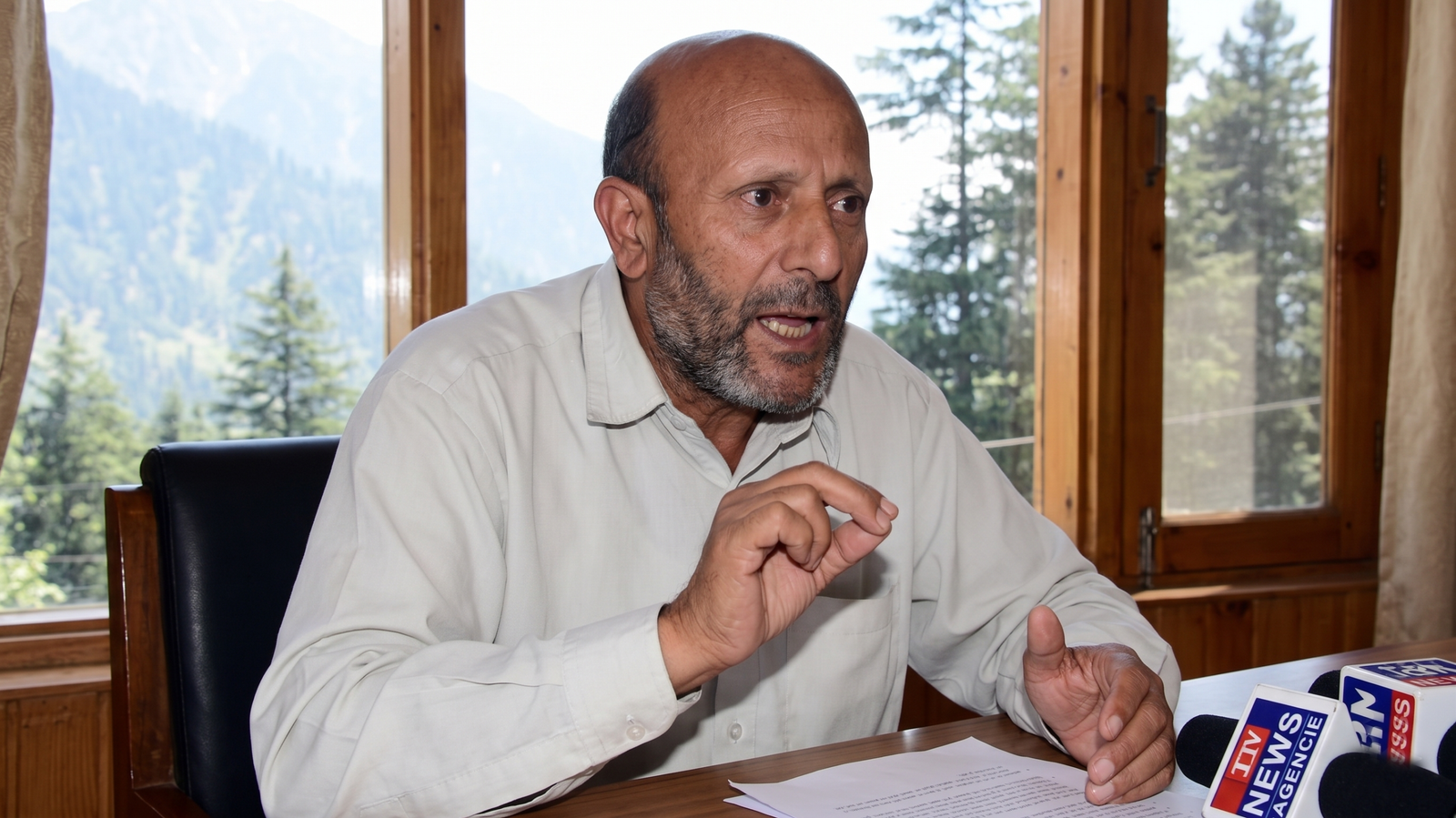
MP Engineer Rashid
Engineer Rashid

Jailed Lok Sabha member Sheikh Abdul Rashid, widely known as Engineer Rashid, arrived in Srinagar on Thursday to visit his ailing father, who is currently receiving medical treatment at the SMHS hospital. This visit is made possible by a week-long interim bail granted by the Delhi High Court, according to officials familiar with the matter. Rashid, the Member of Parliament representing Baramulla in Jammu and Kashmir, landed at the Srinagar airport on Thursday afternoon and proceeded directly to the hospital to be with his father.

The Delhi High Court had, on Tuesday, issued the order for one week’s interim bail, specifically to allow the incarcerated Member of Parliament to attend to his father’s health needs. A bench comprising Justices Prathiba M Singh and Madhu Jain stipulated that during this period of liberty, Rashid, who is serving a jail term in connection with a terror-funding case, would have the option to either remain at the hospital where his father is undergoing treatment or to stay at his home. Information reaching TahirRihat.com suggests that the court’s directive also included stringent security measures, mandating that at least two police officials, dressed in plainclothes, accompany Rashid at all times. Furthermore, the court clarified that Rashid would not be required to bear any expenses related to the travel of these accompanying officers. The interim bail order also imposed restrictions on visitors, stating that during Rashid’s time with his father, only immediate family members would be permitted, with no other “undue visitors” allowed.

This judicial decision came in response to an appeal filed by Rashid against a trial court’s ruling on April 24, which had previously denied his request for interim bail. The Baramulla MP, who achieved a significant electoral victory in the 2024 Lok Sabha polls by defeating prominent political figures Chief Minister Omar Abdullah and Sajad Lone, is currently facing trial in a complex terror-funding case. The allegations against him center on accusations of providing financial support to separatist elements and terror organizations operating within Jammu and Kashmir. He has been held in Delhi’s Tihar Jail since 2019, following his arrest by the National Investigation Agency (NIA) in connection with a terror-funding investigation that originated in 2017. The legal proceedings have advanced, with Rashid being named in a charge sheet filed in October 2019. Subsequently, a special NIA court formally framed charges against Rashid and other co-accused in March 2022. These charges include serious offenses such as criminal conspiracy under section 120B of the Indian Penal Code, waging war against the government under section 121, and sedition under section 124A. Additionally, he faces charges related to terrorist acts and terror-funding under the stringent Unlawful Activities (Prevention) Act (UAPA). The case has garnered considerable attention due to Rashid’s political stature and the gravity of the charges he faces, highlighting the ongoing legal scrutiny of individuals accused of involvement in activities deemed detrimental to national security.

The interim bail, though temporary, offers a brief respite for Engineer Rashid to fulfill familial obligations during a critical period for his father’s health. The court’s decision underscores the balancing act between legal proceedings and humanitarian considerations, particularly when family members are involved in serious legal entanglements. The conditions set by the Delhi High Court reflect a cautious approach, aiming to ensure that the purpose of the bail is strictly adhered to while maintaining necessary security protocols. The presence of plainclothes police officers and the restriction on visitors are standard measures in such sensitive cases to prevent any potential misuse of the granted liberty. The case against Rashid is part of a broader crackdown on alleged terror financing networks in the region, a focus of the NIA’s investigative efforts. The framing of charges by the special NIA court signifies that the prosecution has presented sufficient evidence to proceed to trial, where Rashid will have the opportunity to defend himself against the serious allegations leveled against him. The legal battle is expected to be protracted, with significant implications for the political landscape of Jammu and Kashmir and the broader national security discourse. The interim bail period will allow Rashid to attend to his father, but his legal challenges remain ongoing, with the trial in the terror-funding case set to continue upon his return to custody. This development brings a human element to the high-profile legal case, as Rashid navigates both his political responsibilities and his personal circumstances while facing severe legal accusations.

The legal framework surrounding terror financing cases in India is robust, designed to dismantle networks that support militant activities. The NIA has been instrumental in pursuing such cases, often leading to the prosecution of individuals accused of channeling funds to proscribed organizations. Engineer Rashid’s case is a prominent example of this legal framework in action. His election as a Member of Parliament while facing such charges has been a subject of political debate and public discussion. The court’s decision to grant interim bail for a humanitarian reason, albeit with strict conditions, demonstrates a procedural flexibility that acknowledges personal circumstances without compromising the integrity of the ongoing legal process. The appeal against the trial court’s refusal highlights the judicial review process, where higher courts can reassess decisions based on new arguments or circumstances. The specific charges under the IPC and UAPA indicate the severity of the allegations, which carry significant penalties if proven in court. The trial will involve presenting evidence, cross-examination of witnesses, and legal arguments from both the prosecution and the defense. The outcome of this case will likely have far-reaching consequences, impacting not only Rashid’s political career but also the broader narrative surrounding separatism and militancy in Jammu and Kashmir. The interim bail is a temporary measure, and the focus will soon return to the substantive legal proceedings that will determine Rashid’s fate. The situation underscores the complex interplay between politics, law, and security in the region, where individuals with political influence can find themselves entangled in serious criminal investigations. The coming days will see Rashid spending time with his father, a period likely marked by personal reflection amidst the ongoing legal storm. The court’s careful consideration of the bail conditions reflects the sensitive nature of the case and the need to balance competing interests, ensuring that the pursuit of justice does not overlook fundamental human needs, such as caring for a sick parent, while simultaneously upholding the rule of law and national security imperatives.

Korean Air Grounds Roosters Amidst Illegal Cockfighting Smuggling Allegations

0
Korean Air Bans Roosters on U.S. Flights to the Philippines
Photo by Tuan Vy Spotter on Pexels

Korean Air has implemented a ban on the transport of roosters on its flights bound for the Philippines, a move prompted by allegations of the airline being used to illegally smuggle the birds for use in cockfighting. The decision comes after an animal welfare group brought these concerns to light, highlighting a clandestine operation that has been utilizing air cargo services for illicit purposes. This development raises significant questions about the oversight and security protocols in place for animal transport by major carriers.

Information reaching TahirRihat.com suggests that the airline’s cargo services were allegedly exploited by individuals involved in the breeding of chickens, particularly in Texas, to facilitate the clandestine movement of roosters. These birds were reportedly destined for the Philippines, a country where cockfighting, though controversial and subject to varying legal statuses, remains a prevalent activity. The animal welfare organization, whose findings have been instrumental in prompting this policy change, has been actively monitoring and campaigning against animal cruelty and illegal trafficking operations.

The specifics of how these roosters were being concealed or misrepresented in cargo manifests remain unclear, but the scale of the alleged operation indicates a sophisticated network. The ban by Korean Air is a direct response to the findings presented by the animal welfare group, which has been vocal about the ethical and welfare concerns associated with the practice of cockfighting. This practice, which involves pitting specially bred roosters against each other in fights, often results in severe injury or death for the birds and is considered by many to be a form of animal abuse.

The implications of this ban extend beyond just Korean Air. It is likely to trigger a review of animal transport policies by other airlines and international shipping companies. The potential for animals to be used in illegal activities, whether for sport, trade, or other illicit purposes, necessitates robust verification processes and stricter adherence to international animal welfare standards. The involvement of breeders from Texas suggests a cross-border element to this smuggling ring, underscoring the complexities of international law enforcement when dealing with such issues.

Cockfighting has a long history in various cultures, but its legality and social acceptance vary widely. In the Philippines, while it is a traditional pastime, there have been ongoing debates and efforts to curb its more brutal aspects and to address concerns about animal welfare. The illegal transport of animals for such purposes circumvents not only animal protection laws but also customs and import regulations, potentially posing biosecurity risks as well. The involvement of a major international carrier like Korean Air in such a controversy could lead to reputational damage and increased scrutiny from regulatory bodies.

The animal welfare group that brought the issue to the forefront has not yet released detailed public statements regarding the specific evidence they presented to Korean Air. However, their advocacy work typically involves extensive research and monitoring of animal trafficking and abuse. Their intervention in this case highlights the crucial role that non-governmental organizations play in uncovering and addressing illegal activities that might otherwise go unnoticed by authorities or corporations. The group’s efforts are likely to continue, focusing on ensuring that such loopholes in transportation systems are permanently closed and that perpetrators are held accountable.

The ban is expected to disrupt the operations of those involved in the illegal trade of roosters for cockfighting. It also serves as a stark reminder of the challenges faced by airlines and logistics companies in verifying the contents of cargo, especially when dealing with live animals. The potential for misuse of their services for illegal and unethical purposes requires constant vigilance and adaptation of security and screening procedures. The airline’s swift action, however, demonstrates a commitment to addressing the issue once it was brought to their attention, prioritizing ethical considerations and regulatory compliance.

Further investigations may be required to determine the full extent of the smuggling network and the individuals involved. The cooperation between animal welfare organizations, law enforcement agencies, and the aviation industry will be crucial in combating such illicit activities. The incident also brings to the fore the broader debate surrounding animal sports and the ethical treatment of animals in various cultural contexts. As the world becomes more interconnected, the challenges of regulating and preventing the illegal movement of animals across borders become increasingly complex, demanding international collaboration and stringent enforcement of existing laws and conventions.

Elite Commandos Deployed to Secure Vande Bharat Trains in Jammu and Kashmir

0
CORAS commandos among 21 security personnel to guard Vande Bharat trains in J-K: PCSC Jammu
Photo by Tauseef Khaliq on Pexels

A significant security reinforcement has been implemented for the newly launched Vande Bharat Express service connecting Jammu and Srinagar, with 21 specialized security personnel, including highly trained RPF commandos, tasked with safeguarding the high-speed train. This deployment is part of a comprehensive security strategy designed to ensure the safety of passengers and the integrity of the railway infrastructure along the crucial 327-kilometer Jammu-Katra-Srinagar-Baramulla route. The Vande Bharat Express, which commenced its regular service on May 2nd, promises to dramatically reduce travel time between the two major cities of Jammu and Srinagar to approximately five hours, marking a new era of connectivity for the region.

Information reaching TahirRihat.com suggests that the initiative to bolster security for this vital transport link underscores the importance placed on seamless and secure travel in Jammu and Kashmir. The train was officially flagged off by Union Railway Minister Ashwini Vaishnaw on Thursday, with the presence of dignitaries including Chief Minister Omar Abdullah and Union Minister Dr. Jitendra Singh. Pankaj Gangwar, the principal chief security commissioner of the Indian Railway Protection Force Service, elaborated on the multi-layered security apparatus. He stated that the initial security arrangement involves a ‘one plus twenty’ guard system, led by an inspector and comprising eight Railway Protection Force (RPF) commandos. These commandos are equipped with advanced weaponry to effectively manage any security challenges that may arise along the route.

Further enhancing the security grid, a pilot vehicle will precede the Vande Bharat Express each morning. This advance vehicle is intended to conduct a thorough assessment of the track and address any potential shortcomings or security vulnerabilities before the train commences its journey. This proactive measure is designed to preempt any incidents and ensure a smooth operational flow. The extensive security framework also includes the establishment of guard posts strategically positioned every two kilometers. These posts are manned by quick reaction teams composed of personnel from the Government Railway Police and civil police. Their mandate is to respond immediately to any information regarding security breaches and to secure the affected areas without delay, thereby maintaining a constant state of readiness.

The security arrangements extend to the critical tunnel sections of the railway line, which spans a considerable length and complexity. A sophisticated tunnel control system has been put in place, a joint operation managed by engineering teams and the Government Railway Police. This system incorporates advanced sensors designed to detect any unusual activity, including potential fire hazards or unauthorized intrusions. Upon detection, these sensors immediately trigger alarms, alerting the authorities. Furthermore, both entrances to all tunnels are under constant guard, ensuring a secure passage for the trains. The railway line itself is a testament to significant infrastructure development, constructed at an estimated cost of around Rs 43,780 crore. It features 36 tunnels, collectively spanning 119 kilometers, and is supported by 943 bridges, highlighting the engineering prowess involved in its creation.

In a bid to further safeguard passengers during emergencies, escape tunnels have been integrated into the tunnel infrastructure. These escape routes are crucial for the safe evacuation of stranded passengers in the event of unforeseen circumstances, providing a critical safety net. Gangwar emphasized the robustness of the security measures, stating, “You will see that there is complete and robust security throughout the route.” He also acknowledged the crucial role of the local populace, adding, “Moreover, the affection and support of the people of Kashmir itself serve as a strong assurance for the safety of this service.” This sentiment highlights the collaborative approach to ensuring the success and security of the Vande Bharat service.

The deployment of RPF commandos, widely known as CORAS (commandos for railway safety), is not entirely new to the Vande Bharat operations in the region. These elite units were previously deployed last year to provide security for Vande Bharat trains operating on the Katra-Srinagar rail link. This link is particularly significant as it connects the Kashmir Valley with Katra, the base camp for pilgrims visiting the revered Mata Vaishno Devi shrine. The establishment of this railway line represents a monumental achievement in infrastructure development, providing all-weather, seamless rail connectivity between the Kashmir Valley and the rest of the country. The project is envisioned to be a catalyst for transforming regional mobility, fostering socio-economic integration, and opening up new avenues for development and tourism.

The inaugural Vande Bharat train service between Katra and Srinagar was flagged off by Prime Minister Narendra Modi on June 6th of the previous year. This event marked a historic milestone, establishing the first direct rail link between the Kashmir Valley and the Jammu region. The introduction of the Vande Bharat Express on this route is expected to further consolidate this connectivity, making travel more efficient, comfortable, and secure for the residents and visitors alike. The comprehensive security measures, encompassing elite commandos, advanced technology, and vigilant ground personnel, are designed to instill confidence and ensure the uninterrupted operation of this vital transportation artery.

Europe Grapples with Suspected Hybrid Warfare Targeting Jewish Sites

0
Attacks on Jewish Targets in Europe Suggest Hybrid Warfare
Photo by Mehmet Turgut Kirkgoz on Pexels

European authorities are intensifying their scrutiny of a series of attacks targeting Jewish communities across the continent, with investigators exploring the possibility that these incidents are part of a coordinated hybrid warfare campaign. The attacks, while varying in their methods and scale, share a common thread: they have all been claimed by a nebulous Islamist group that appears to be employing low-cost, unsophisticated tactics designed to instill widespread fear and anxiety among Jewish populations.

The shadowy nature of the group responsible, coupled with the seemingly opportunistic yet strategically impactful nature of the attacks, has raised significant concerns among security agencies. Officials are meticulously examining the patterns and connections between these incidents, which have occurred in multiple European nations over a period of time. Information reaching TahirRihat.com suggests that the perpetrators may be leveraging readily available means to achieve maximum psychological impact, a hallmark of asymmetric or hybrid warfare strategies. This approach aims to destabilize societies and undermine confidence in security measures without necessarily requiring large-scale, resource-intensive operations.

The investigations are reportedly focusing on how a relatively unknown entity can orchestrate and claim responsibility for such acts across different jurisdictions. The group’s online presence, though often ephemeral, has been instrumental in disseminating claims of responsibility, further complicating efforts to identify and apprehend those involved. Security analysts are pointing out that the effectiveness of such campaigns lies not only in the physical damage caused but also in the pervasive sense of insecurity they foster. The psychological toll on targeted communities can be profound, leading to increased self-censorship, emigration, and a general erosion of the feeling of safety.

European intelligence services are collaborating closely, sharing intelligence and best practices in an effort to counter this evolving threat. The challenge lies in distinguishing between isolated acts of extremism and a more sophisticated, state-sponsored or well-funded non-state actor employing hybrid tactics. The use of low-cost methods, such as vandalism, minor incendiary devices, or online harassment campaigns, can be difficult to attribute definitively and can be replicated by a wide range of actors. However, when these incidents occur in a coordinated fashion and are amplified by claims of responsibility from a single source, the possibility of a larger, more organized effort becomes a significant concern.

The nature of hybrid warfare often involves a combination of conventional and unconventional methods, including disinformation, cyberattacks, economic pressure, and the use of proxies or non-state actors to carry out disruptive actions. In this context, the attacks on Jewish targets could be seen as a component of a broader strategy to sow discord, exploit existing societal tensions, and project power or influence without direct confrontation. The targeting of Jewish communities is particularly sensitive, given the historical context of antisemitism in Europe and the heightened security measures already in place at many Jewish institutions.

The group’s ability to consistently claim responsibility for attacks across different countries suggests a degree of organizational capacity, even if the methods employed are rudimentary. This raises questions about the group’s funding, leadership, and operational capabilities. Security officials are reportedly exploring all avenues, including potential links to established extremist networks or even state actors seeking to destabilize European democracies. The digital footprint of such groups is also under intense scrutiny, with cyber units working to track online communications and propaganda efforts.

The impact of these attacks extends beyond the immediate victims. They create a climate of fear that can affect entire communities and strain interfaith relations. The constant threat, even if the attacks themselves are relatively minor, can lead to a state of perpetual vigilance and anxiety. This is precisely the outcome that hybrid warfare aims to achieve: to disrupt normal life and erode social cohesion through persistent, low-level threats.

The European Union and individual member states are reportedly reviewing their security protocols and counter-terrorism strategies to better address this type of threat. The emphasis is on improving intelligence sharing, enhancing the security of vulnerable targets, and developing more effective methods for countering online radicalization and propaganda. The complexity of hybrid warfare means that a multi-faceted approach is necessary, involving not only law enforcement and intelligence agencies but also civil society organizations and educational institutions working to promote tolerance and understanding.

The investigation into these attacks is ongoing, and officials have cautioned against premature conclusions. However, the consistent claims of responsibility and the geographical spread of the incidents have led many to believe that a more organized and potentially coordinated effort is at play. The effectiveness of such campaigns, even with low-cost methods, underscores the evolving nature of security threats in the 21st century and the challenges faced by democratic societies in maintaining safety and stability in the face of asymmetric aggression.

Australia Police Warned of Terror Threat Before Bondi Attack, Report Claims

0
Police in Australia Were Warned of Terror Risk Before Bondi Attack, Report Says
Photo by Macourt Media on Pexels

Australian police received a warning about a potential terror attack targeting the Jewish community just days before the mass shooting in Sydney, according to a report.

A Jewish security group had informed law enforcement that an attack was “likely” due to a rise in antisemitism, the report stated. This intelligence emerged in the period leading up to the December incident that claimed multiple lives and injured several others in the Bondi Junction area.

Information reaching TahirRihat.com suggests that the specific nature of the threat and the timing of the warning are now under scrutiny following the attack. The report indicates that the security group’s concerns were communicated to the police, highlighting an elevated risk environment for the community. The details of this communication and any subsequent actions taken by the police are expected to be a focal point of any official reviews or investigations into the security failures, if any, that may have preceded the tragedy.

The Bondi Junction attack, which occurred on a Saturday afternoon, sent shockwaves across Australia and internationally. Six people were killed, and at least twelve others were injured when a lone attacker went on a stabbing spree in a busy shopping center. The perpetrator was subsequently shot and killed by a police officer. Early investigations and public statements from authorities had pointed towards the attacker’s mental health as a primary factor, but the revelation of a specific terror warning adds a new dimension to the understanding of the events.

The report, citing the Jewish security group, emphasized the escalating climate of antisemitism as the basis for their heightened alert. This suggests that the threat was not perceived as random but as a targeted act driven by ideological motives. The group’s proactive engagement with law enforcement underscores the seriousness with which they viewed the situation and their efforts to prevent a potential catastrophe. The effectiveness of this warning and the police’s response are now questions that require thorough examination.

The implications of such a warning, if confirmed and fully investigated, could lead to significant reviews of counter-terrorism intelligence gathering and dissemination processes within Australia. It raises questions about how such specific threats are assessed, prioritized, and acted upon by security agencies. The report’s findings, if substantiated, could also fuel broader discussions about the adequacy of measures in place to protect minority communities from religiously or ideologically motivated violence.

The Bondi Junction attack itself was characterized by its indiscriminate nature, with victims including women and children. The perpetrator, identified as a 40-year-old man, had a history of mental health issues. However, the reported warning from the Jewish security group suggests that the threat landscape may have been more complex than initially presented, with a potential for religiously motivated violence being a significant concern. The report’s emphasis on heightened antisemitism as a precursor to the attack aligns with global trends of increasing anti-Jewish sentiment, which has been a growing concern for Jewish communities worldwide.

The precise timeline of the warning and the police’s actions in response remain critical details. If the warning was indeed received days before the attack, understanding the gap between the intelligence received and the eventual incident is paramount. This includes examining the protocols for threat assessment, the resources allocated to investigating such warnings, and the communication channels between community security groups and law enforcement. The report’s assertion that an attack was considered “likely” implies a level of specific concern that warrants detailed scrutiny of the police’s operational response.

The aftermath of the attack saw widespread condemnation and an outpouring of support for the victims and the affected community. However, the latest report introduces a layer of complexity, suggesting that authorities may have been aware of a heightened risk that was not fully averted. This could lead to calls for greater transparency and accountability in the handling of security intelligence, particularly when it pertains to potential acts of terrorism against specific communities.

The role of community security groups in providing intelligence to law enforcement is often crucial, especially in identifying emerging threats that might not be immediately apparent through traditional intelligence channels. Their proximity to the community allows them to observe and report on shifts in sentiment, rhetoric, and potential radicalization. The report highlights the importance of these partnerships and the need for effective mechanisms to ensure that such vital information is acted upon decisively.

As investigations into the Bondi Junction attack continue, the focus is likely to broaden beyond the immediate actions of the perpetrator to encompass the broader security apparatus and its preparedness. The report’s claims about the prior warning will undoubtedly shape the narrative and the demands for answers from the public and the affected communities. The Australian Federal Police and the New South Wales Police are expected to be under pressure to provide clarity on their handling of the intelligence provided by the Jewish security group.

The broader context of rising antisemitism globally, as mentioned in the report, cannot be understated. This phenomenon has been documented by various international organizations and has led to increased security measures for Jewish institutions and communities in many countries. The Bondi Junction attack, if linked to this trend as suggested by the security group’s warning, underscores the real-world consequences of unchecked hate speech and extremist ideologies. The report’s revelations are therefore not just about a specific incident but also about the broader challenges of combating religiously motivated extremism.

The coming days and weeks are likely to see further developments as more details emerge from the report and any official inquiries. The focus will remain on ensuring that lessons are learned from this tragic event to prevent future attacks and to safeguard all communities in Australia from the scourge of terrorism and hate-motivated violence.