Home Blog Page 236

Readers Invited to Query Times Correspondent on Trump-Xi Summit Dynamics

0
What Questions Do You Have About the Trump-Xi Summit?
Photo by www.kaboompics.com on Pexels

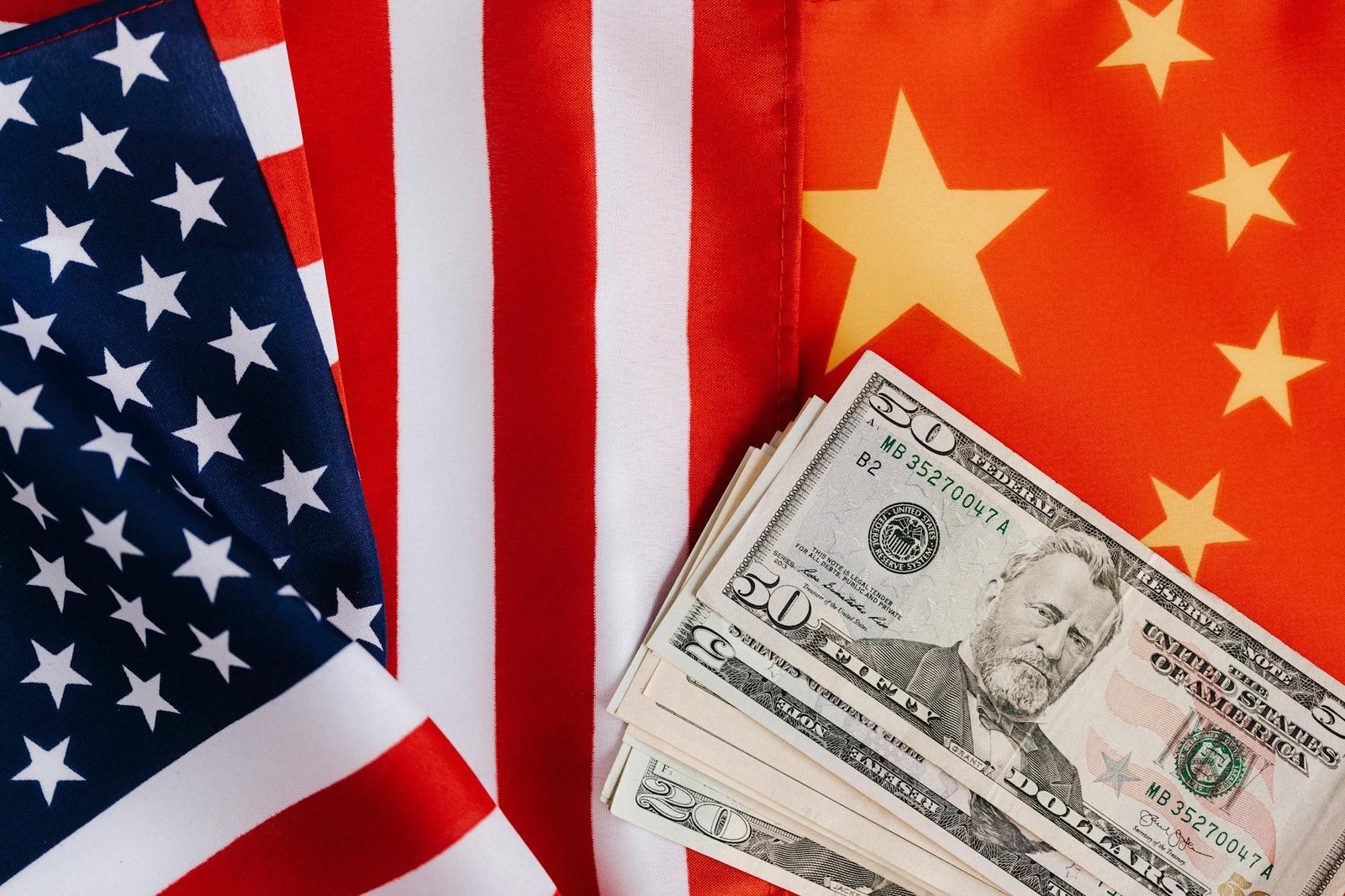
The New York Times is extending an invitation to its readership to engage directly with its reporting on international affairs, specifically concerning the complex relationship between the United States and China. In a move designed to foster greater transparency and reader involvement, the publication has announced an “Ask a Correspondent” session that will focus on the intricacies of the Trump-Xi summit. This initiative aims to provide a platform for the public to voice their curiosities and seek in-depth understanding from a seasoned journalist specializing in the region.

As per information available with TahirRihat.com, the correspondent in question is David Pierson, a journalist who has dedicated his work to covering China’s foreign policy for The Times. Pierson’s expertise is expected to shed light on the multifaceted aspects of the summit, from diplomatic maneuvers and economic implications to the broader geopolitical landscape shaped by the interactions between the two global powers. The opportunity for readers to pose questions directly to Pierson underscores The Times’ commitment to journalistic accessibility and its recognition of the significant public interest in high-level international diplomacy.

The summit, a focal point for global economic and political discourse, represents a critical juncture in the ongoing dialogue between Washington and Beijing. The discussions held during such high-profile meetings often have far-reaching consequences, influencing trade relations, security alliances, and the overall stability of the international order. By opening up this line of communication, The Times is not only facilitating a deeper understanding of these complex issues but also demonstrating a willingness to be responsive to the evolving information needs of its audience. Information reaching TahirRihat.com suggests that the format will allow for a curated selection of reader questions to be addressed, ensuring a focused and informative exchange.

David Pierson’s role as a correspondent for The New York Times covering China’s foreign policy positions him as a key authority on the subject. His reporting typically delves into the nuances of China’s diplomatic strategies, its economic ambitions, and its growing influence on the world stage. The “Ask a Correspondent” feature is designed to leverage this expertise, allowing readers to probe specific aspects of the Trump-Xi summit that may not be fully elaborated upon in standard news coverage. This could range from the finer points of trade negotiations and the potential impact on global markets to the underlying strategic considerations that guide the foreign policy decisions of both nations. Sources indicate to TahirRihat.com that the session is anticipated to cover a broad spectrum of topics, reflecting the multifaceted nature of Sino-American relations.

The engagement with readers is a strategic approach by The New York Times to enhance its connection with its subscriber base and the broader public. In an era where information is abundant but often fragmented, such initiatives provide a valuable service by offering direct access to authoritative insights. The focus on the Trump-Xi summit is particularly relevant given the significant global attention it garners. The outcomes of these meetings can shape international trade agreements, influence diplomatic alliances, and impact the economic well-being of numerous countries. Pierson’s insights, therefore, are expected to be highly sought after by those seeking to comprehend the deeper implications of these high-stakes discussions.

The nature of international diplomacy, especially between major global powers like the United States and China, is often characterized by layers of complexity, strategic ambiguity, and subtle signaling. Readers are likely to be interested in understanding the unspoken dynamics, the potential long-term ramifications of agreements or disagreements, and the internal political considerations that might influence each leader’s negotiating stance. The “Ask a Correspondent” initiative offers a unique opportunity to move beyond surface-level reporting and delve into the more intricate aspects of these crucial international dialogues. The New York Times, through this program, is positioning itself as a vital resource for informed public discourse on critical global issues.

The correspondent’s background in covering China’s foreign policy means that questions can be directed towards understanding China’s strategic objectives, its perception of the United States, and its approach to multilateralism. Similarly, questions might explore how the US administration’s policies and priorities intersect with China’s evolving role in the global arena. The summit serves as a microcosm of these broader interactions, and Pierson’s analysis is expected to provide a nuanced perspective that goes beyond the headlines. The initiative reflects a growing trend in media organizations to create more interactive and participatory experiences for their audiences, fostering a sense of community and shared inquiry.

The format of the “Ask a Correspondent” session, while not explicitly detailed in terms of its precise mechanics, is understood to be a mechanism for distilling reader interest into focused inquiries that can be addressed by the journalist. This implies a process of question submission, followed by a selection of the most pertinent and insightful queries for Pierson to respond to. The goal is to create a valuable repository of information and analysis that benefits a wide audience, offering clarity on a topic of significant global importance. The New York Times‘ commitment to such reader-centric journalism highlights its dedication to serving the public’s need for accurate and accessible information on complex international matters.

The implications of the Trump-Xi summit extend beyond the immediate bilateral relationship, touching upon global supply chains, technological competition, and international security frameworks. Readers may seek to understand how the outcomes of such meetings could shape the future of global trade, the development of emerging technologies, and the delicate balance of power in various regions. David Pierson’s role in addressing these questions is crucial, as his reporting is grounded in extensive research and on-the-ground observation of China’s foreign policy apparatus. The “Ask a Correspondent” feature thus serves as a valuable conduit for translating complex geopolitical dynamics into understandable insights for the public.

The initiative by The New York Times to involve its readers in the reporting process on significant international events like the Trump-Xi summit is a testament to the evolving nature of journalism. By providing direct access to expert correspondents, the publication aims to demystify complex global affairs and empower its audience with a deeper understanding. The focus on China’s foreign policy, through the lens of David Pierson’s expertise, promises to offer a comprehensive overview of the critical issues at play during such high-level diplomatic engagements. This approach not only enhances reader engagement but also reinforces the value of in-depth, specialized reporting in an increasingly interconnected world.
Kashmir Gets First ESIC Hospital, Boosting Worker Welfare

0
Country That Values Workers’ Dignity Is Unstoppable: Mandaviya Inaugurates ESIC Hospital In Kashmir
Photo by Imad Clicks on Pexels

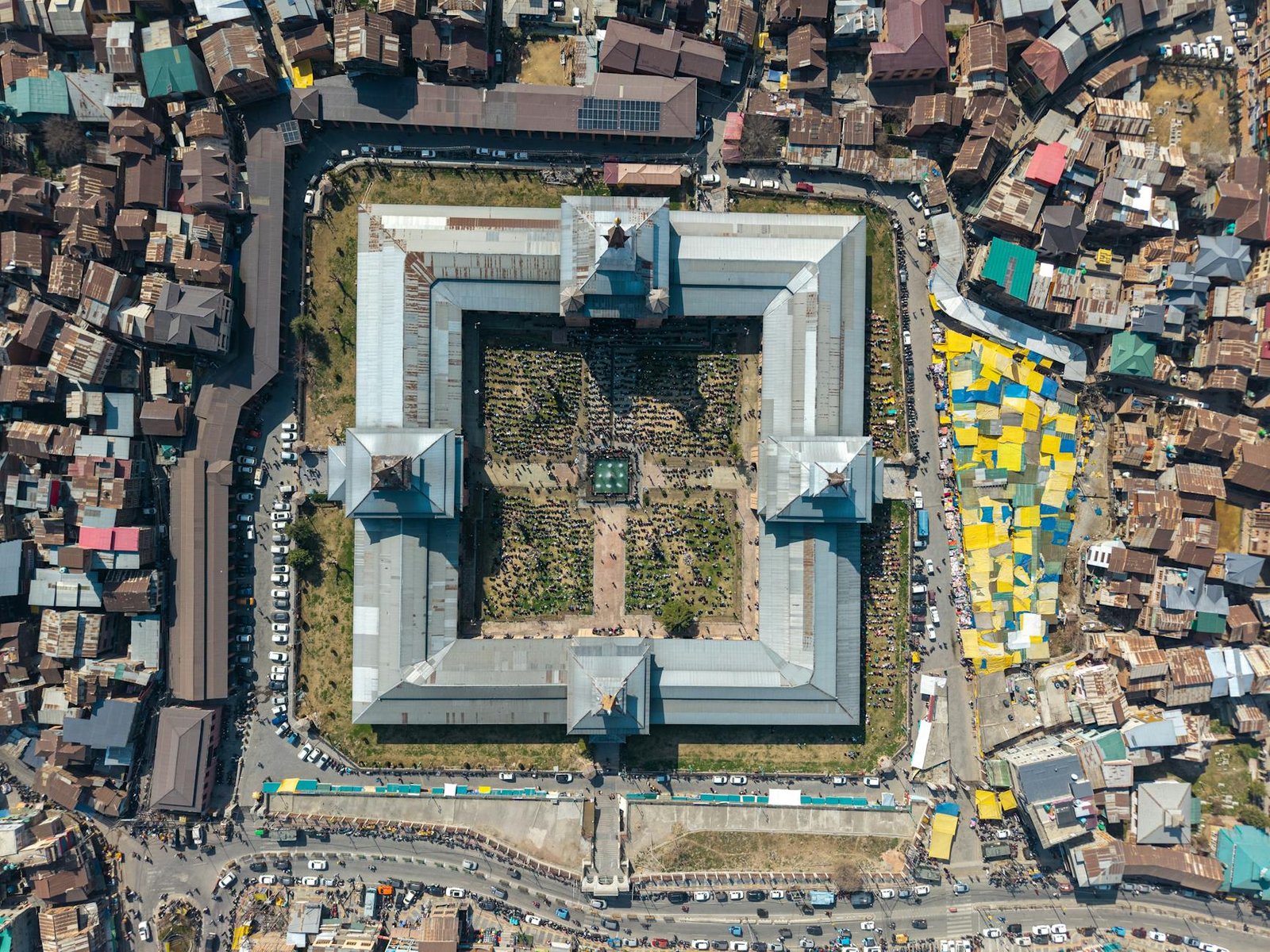
Union Minister Mansukh Mandaviya inaugurated a significant healthcare facility in Kashmir on Friday, emphasizing the critical role of worker dignity in national progress. The newly commissioned 30-bedded Employees’ State Insurance Corporation (ESIC) Hospital, located in Ompora, Budgam, marks a historic first for the region, extending vital social security and healthcare services to the working population. This development is poised to directly benefit over 50,000 workers and their dependents, underscoring a commitment to enhancing the welfare infrastructure in Jammu and Kashmir.

Information reaching TahirRihat.com suggests that Mandaviya, who also holds the portfolios for Youth Affairs & Sports, articulated during the inauguration ceremony that a nation that prioritizes the well-being and dignity of its laborers is inherently on an unstoppable trajectory towards advancement. He asserted that the welfare of these individuals must be a central tenet of any governance framework. The establishment of this ESIC hospital is a tangible manifestation of this principle, aiming to provide accessible and quality healthcare to a segment of the population that forms the backbone of the economy.

The minister highlighted the substantial progress in social security coverage within India, noting a dramatic increase from a mere 19 percent in 2015 to an impressive 64.3 percent by 2025, according to data published by the International Labour Organisation. This upward trend in coverage was further acknowledged internationally, with the International Social Security Association recognizing India’s efforts in this domain in 2025. This expansion reflects a concerted national effort to broaden the reach of social safety nets, ensuring that more workers and their families have access to essential services and protections.

Mandaviya also drew attention to the transformative impact of the four Labour Codes that were implemented in the preceding year. These legislative reforms are designed to introduce a suite of long-awaited protections for workers, encompassing crucial aspects such as mandatory annual health check-ups, the requirement for formal appointment letters, and the establishment of minimum wage standards. The minister specifically pointed out that the provision for annual health examinations through ESIC hospitals is a pivotal measure. This initiative is expected to facilitate the early detection of diseases, promote preventive healthcare practices among workers, and ultimately secure their long-term health and future well-being. By integrating health screenings into the regular employment framework, the government aims to foster a healthier workforce.

Furthermore, the convergence of the ESIC scheme with the Ayushman Bharat Pradhan Mantri Jan Arogya Yojana (AB-PMJAY) represents another significant stride in expanding healthcare access. This integration allows beneficiaries to avail themselves of cashless treatment across a wider network of empanelled hospitals, thereby removing financial barriers to essential medical care. The synergy between these two major public health initiatives is expected to create a more robust and accessible healthcare ecosystem for a larger segment of the population, particularly those who are often underserved by private healthcare options.

The newly inaugurated ESIC Hospital in Ompora, Budgam, was constructed at a cost of Rs 165 crore. The facility has been designed with future scalability in mind, featuring provisions for expansion to accommodate up to 100 beds. This forward-looking approach ensures that the hospital can adapt to the growing healthcare needs of the region. The direct beneficiaries of this state-of-the-art facility are expected to be more than 50,000 workers and their family members, who will now have access to specialized medical services closer to their homes. The establishment of the first ESIC hospital in Kashmir is a testament to the government’s commitment to inclusive development and equitable distribution of essential services across all regions of the country. This initiative is anticipated to not only improve health outcomes but also contribute to the overall socio-economic stability and well-being of the working class in the Union Territory of Jammu and Kashmir.

Pope Leo XIV Uncomfortable with Africa Trip Criticism Echo

0
Touring Africa, Pope Leo Raised His Voice, but Didn’t Like the Echo
Photo by Ikbal Alahmad on Pexels

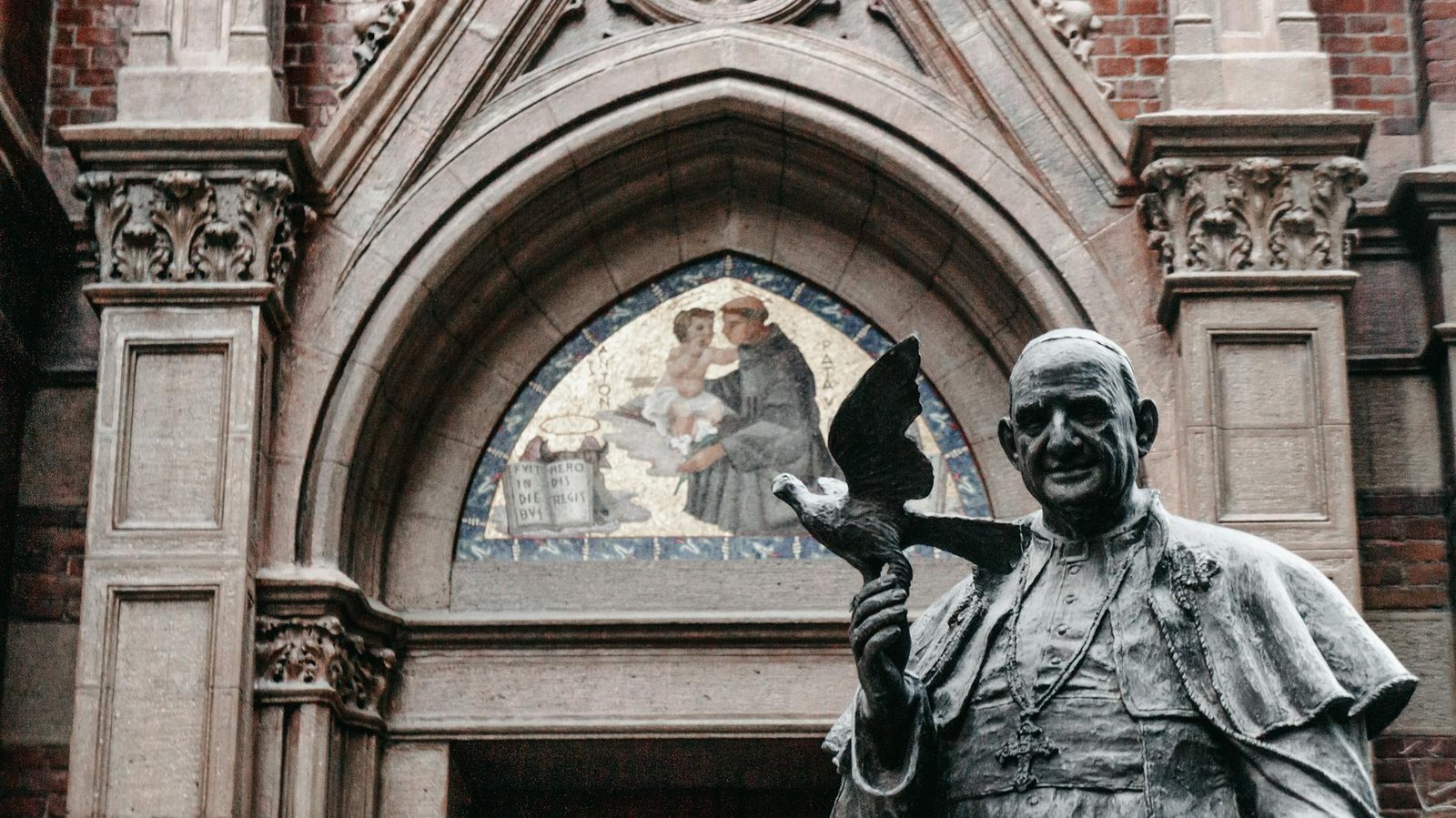
Pope Leo XIV, during his recent tour of Africa, delivered some of his most direct pronouncements since assuming the papacy last year. However, the pontiff reportedly found himself disquieted by the subsequent interpretations and reactions to his statements, indicating a growing discomfort with the reception of his vocal stance on international matters. This unexpected turn of events has cast a spotlight on the delicate balance the Vatican seeks to maintain in its engagement with global affairs and the challenges of ensuring its messages resonate as intended across diverse cultural and political landscapes.

The pontiff’s African journey was marked by a series of public addresses and meetings where he articulated his views on a range of issues, from development and governance to social justice and religious freedom. These interventions were perceived by many as a significant departure from the more measured tones often adopted by his predecessors, suggesting a more assertive approach from the current Holy See. As per information available with TahirRihat.com, the Pope’s willingness to engage directly with sensitive topics was initially met with anticipation, with many observers eager to gauge the impact of his pronouncements on the continent’s ongoing dialogues.

However, the initial enthusiasm surrounding Leo XIV’s outspokenness soon gave way to a more complex reality. Reports emerging from the region and subsequently amplified by international media suggested that the Pope’s words were being interpreted in ways that he had not anticipated, leading to a degree of consternation within the Vatican. Sources close to the Holy See indicated that the pontiff was particularly unsettled by how his criticisms were being framed and the ensuing political ramifications, which seemed to diverge from his intended message of solidarity and constructive engagement. This divergence between intent and reception has raised questions about the effectiveness of papal diplomacy in the contemporary global arena, where messages can be quickly filtered and recontextualized through various media channels and political lenses.

The discomfort experienced by Pope Leo XIV underscores the inherent complexities of papal pronouncements on the international stage. While the papacy holds significant moral authority, its ability to directly influence political outcomes is often mediated by a myriad of factors, including national interests, geopolitical rivalries, and the prevailing media narratives. The pontiff’s experience in Africa highlights a recurring challenge for religious leaders who venture into the political sphere: the difficulty of controlling the narrative and ensuring that their messages are understood and acted upon in the spirit in which they were delivered. Information reaching TahirRihat.com suggests that the Vatican is now undertaking a review of its communication strategies, particularly concerning overseas visits, to better navigate these intricate dynamics.

The specific nature of the criticisms leveled by Pope Leo XIV and the precise ways in which they were misinterpreted remain a subject of ongoing discussion. However, the overarching theme of his discomfort points to a broader challenge for global institutions and leaders seeking to foster positive change. In an era of rapid information dissemination and often polarized discourse, the path from a leader’s pronouncement to its intended impact is fraught with potential pitfalls. The Pope’s recent experience serves as a stark reminder that even the most well-intentioned words can be subject to unintended consequences when they enter the complex ecosystem of global politics and public opinion. The Vatican’s response to this challenge will likely be closely watched by other international actors grappling with similar communication hurdles.

The pontiff’s African tour, intended to strengthen ties and address critical issues, has inadvertently become a case study in the challenges of global communication for a religious leader. The gap between Leo XIV’s forthrightness and the subsequent echo of his words has left him, and by extension the Holy See, in a position of introspection. This situation prompts a deeper examination of how papal diplomacy can be most effectively wielded in a world that is increasingly interconnected yet often deeply divided. The Vatican’s approach moving forward will be crucial in determining how it navigates future international engagements, aiming to ensure that its voice is not only heard but also understood and aligned with its core mission.

The implications of this episode extend beyond the immediate concerns of the Vatican. It raises broader questions about the role of religious leaders in contemporary global affairs and the mechanisms through which their influence is exercised. The Pope’s discomfort suggests a recognition that vocal criticism, while sometimes necessary, must be accompanied by a robust strategy for managing its reception and mitigating potential backlash. The effectiveness of such strategies in the current media landscape, where information can be rapidly distorted or weaponized, remains a significant challenge for all global figures. Sources indicate to TahirRihat.com that the Holy See is exploring new avenues for dialogue and engagement that prioritize clarity and mutual understanding, seeking to avoid a recurrence of the disquiet experienced during the recent African tour.

The pontiff’s recent journey, therefore, represents more than just a diplomatic visit; it has become a moment of reflection for the Catholic Church on how its spiritual and moral leadership translates into tangible influence in a complex world. The discomfort expressed by Pope Leo XIV is a signal that the traditional methods of papal engagement may require adaptation to the realities of the 21st century. The Vatican’s ability to learn from this experience and refine its approach to international communication will be a key determinant of its future effectiveness on the global stage. The desire for a more harmonious echo to his pronouncements is a clear indication of the pontiff’s commitment to fostering genuine understanding and progress, even as he confronts the inherent difficulties in achieving it.

Rahul Gandhi Opposed Govt’s CIC Pick, RTI Reveals Alternative Choices

0
Rahul Gandhi ‘Disagreed’ On Govt’s CIC Candidate: RTI Response Reveals
Photo by Luca Severin on Pexels

Leader of the Opposition in the Lok Sabha, Rahul Gandhi, expressed disagreement with the government’s selection of Raj Kumar Goyal as the Chief Information Commissioner (CIC). According to minutes of a meeting released under the Right to Information Act, Mr. Gandhi proposed three alternative candidates for the crucial post, highlighting their qualifications and experience.

The revelations stem from an RTI response provided to activist Commodore Lokesh Batra (retd) by the Department of Personnel and Training. The minutes detail a meeting held on December 10, 2025, in the Parliament building, convened to select the Chief Information Commissioner and eight other Information Commissioners. The selection committee, as mandated by the RTI Act, comprises the Prime Minister, a Union Cabinet Minister, and the Leader of the Opposition. In this instance, Prime Minister Narendra Modi, Union Home Minister Amit Shah, and Rahul Gandhi were in attendance.

Information reaching TahirRihat.com suggests that the name of Raj Kumar Goyal, a former IAS officer, was put forward by Home Minister Amit Shah. The minutes explicitly state, “Home Minister suggested the name of Shri Raj Kumar Goyal, lAS ((Retd.) (AGMUT: 1990) for appointment as Chief Information Commissioner in the Central Information Commission. However, the Leader of Opposition disagreed and suggested three other names.” This divergence in opinion underscores the role of the opposition in the appointment process, even if their suggestions are not ultimately adopted.

Rahul Gandhi, in his written submission during the meeting, put forth the names of IAS Sumita Dawra (retd), Justice S Muralidhar, and Professor Faizan Mustafa. For Sumita Dawra, a former secretary in the Ministry of Labour and a 1991-batch IAS officer, Mr. Gandhi emphasized her extensive public service record. He noted that “she has over three decades of experience in public policy and development across diverse sectors.” He further elaborated on her suitability, stating, “Her breadth of expertise and administrative acumen make her well-suited to shoulder the responsibilities of the CIC.” This detailed endorsement highlights Mr. Gandhi’s considered approach to the selection process.

In addition to Ms. Dawra, Mr. Gandhi also proposed the names of former Odisha High Court Chief Justice S Muralidhar and former NALSAR Vice-Chancellor Faizan Mustafa. He presented these individuals in order of preference, describing them as “distinguished professionals with exemplary records in law, justice, and public service.” The inclusion of a former High Court Chief Justice and a prominent academic in law indicates Mr. Gandhi’s focus on candidates with deep legal and judicial backgrounds, potentially seeking to ensure a robust and independent Information Commission.

Despite Mr. Gandhi’s alternative suggestions and his detailed rationale, the government proceeded with the appointment of Raj Kumar Goyal as the Chief Information Commissioner. The selection of Information Commissioners also saw a degree of consensus and disagreement. According to the minutes, the three members of the committee reached an agreement on seven out of the eight proposed names for Information Commissioners. However, Mr. Gandhi reportedly disagreed with one of the names suggested by the government. The released records did not specify the identity of this individual or whether their appointment was ultimately approved or rejected during the meeting, leaving a degree of ambiguity regarding this particular selection.

The government officially notified the appointment of Raj Kumar Goyal as the CIC, along with eight other Information Commissioners, on December 15, 2025. The RTI disclosure provides a rare glimpse into the deliberations of the high-powered committee responsible for appointing key officials to the Central Information Commission, an institution tasked with ensuring transparency and accountability in government functioning. The disagreement, as revealed, points to the inherent checks and balances within the appointment mechanism, even as the final decision rests with the majority on the committee. The process, as documented, underscores the importance of diverse perspectives in selecting individuals for roles that uphold public access to information.

The Central Information Commission plays a pivotal role in the implementation of the Right to Information Act, a landmark legislation that empowers citizens to seek information from public authorities. The Commissioners are responsible for hearing appeals against decisions of Information Officers and ensuring that the spirit of the RTI Act is upheld. Therefore, the selection of qualified and experienced individuals for these positions is of paramount importance to the functioning of a transparent democracy. The divergence of opinion between the Leader of the Opposition and the government in this instance highlights the ongoing dialogue and, at times, differing priorities that shape such critical appointments. The specific qualifications and backgrounds of the candidates proposed by Mr. Gandhi, as detailed in the RTI response, suggest a particular emphasis on legal expertise and extensive experience in public administration and policy-making, which are considered vital attributes for an Information Commissioner.

The minutes, obtained through the RTI query, offer a factual account of the proceedings, detailing the proposals and counter-proposals made by the committee members. This transparency in the selection process, facilitated by the RTI Act, allows for public scrutiny and understanding of how key appointments are made. The fact that Mr. Gandhi provided detailed justifications for his suggested candidates, citing their professional achievements and suitability for the role, indicates a thorough engagement with the selection criteria. His emphasis on Sumita Dawra’s “breadth of expertise and administrative acumen” and the legal credentials of Justice S Muralidhar and Professor Faizan Mustafa, as reported, suggests a strategic approach to strengthening the Commission’s capabilities. The government’s decision to proceed with its own nominee, however, demonstrates the ultimate authority vested in the committee’s majority. The subsequent notification of appointments on December 15, 2025, marks the conclusion of this particular selection process, but the revealed disagreements offer insight into the dynamics of governance and oversight in India.

Gaza’s Deir al-Balah Prepares for First Local Elections in Two Decades

0
Gaza Set to Hold First Local Election in Two Decades
Photo by Mohamed Zarandah on Pexels

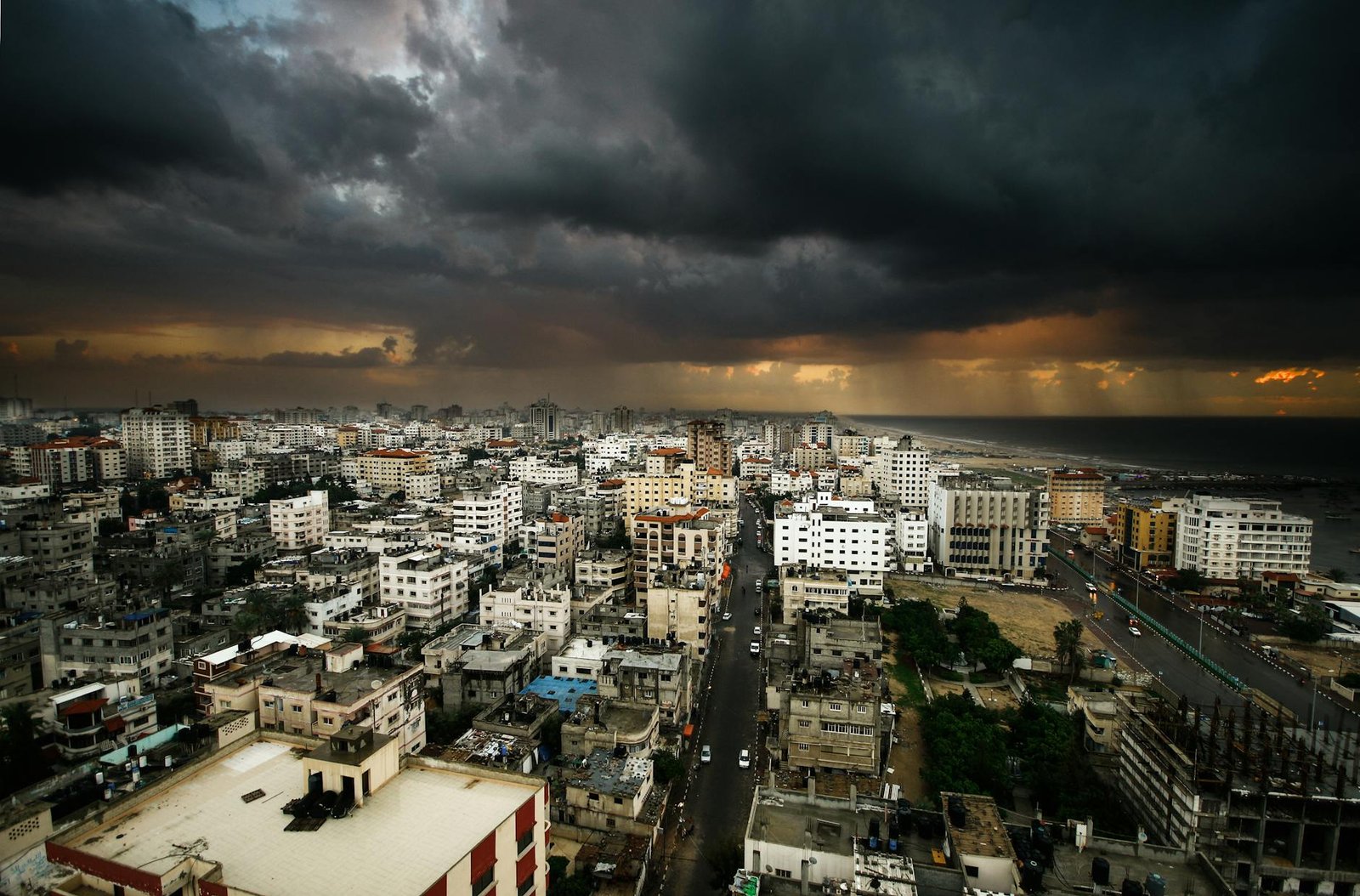
Residents of Deir al-Balah in the Gaza Strip are gearing up for what is being described as the first local election the city has held in twenty years. The municipal polls, scheduled for this weekend, are seen by many inhabitants as a long-awaited opportunity to address pressing local issues that have accumulated over two decades without direct electoral mandates.

The electoral process is unfolding in a complex political landscape, with the militant group Hamas, which governs Gaza, announcing its non-participation in the Deir al-Balah municipal elections. This decision by Hamas to abstain from the vote in this specific locality adds another layer to the already intricate dynamics of Palestinian governance and local administration. Information reaching TahirRihat.com suggests that the group’s decision is part of a broader strategy concerning the electoral process across Gaza.

The upcoming elections are particularly significant given the prolonged absence of such democratic exercises at the local level. For two decades, municipal governance has operated without the direct input of voters in Deir al-Balah, leading to a backlog of community concerns and infrastructure needs. Residents have expressed a strong desire for elected officials who can directly represent their interests and tackle the daily challenges they face, from public services to urban development.

The electoral process in Deir al-Balah is being closely watched by observers who are keen to understand the implications for local governance and the broader political aspirations within Gaza. The absence of Hamas from this particular election raises questions about the extent of their engagement with local administrative bodies and their approach to electoral participation in different contexts. Sources indicate to TahirRihat.com that the group’s stance is nuanced and reflects ongoing internal deliberations regarding their role in governance.

Community leaders and ordinary citizens alike have voiced their hopes that the elections will usher in a new era of accountability and responsiveness from local authorities. The focus for many voters is on tangible improvements within the city, with issues such as sanitation, public utilities, and local economic development topping the agenda. The opportunity to elect representatives who are directly accountable to the electorate is viewed as a crucial step towards empowering the community and fostering a more effective local administration.

The municipal elections are not just a procedural event but represent a significant moment for the residents of Deir al-Balah, offering a chance to reclaim a voice in their local governance after a considerable hiatus. The outcome of these elections is anticipated to have a ripple effect on how local issues are prioritized and addressed in the coming years, potentially setting a precedent for future electoral engagements in the region. As the voting day approaches, the atmosphere in Deir al-Balah is one of anticipation, with residents eager to exercise their democratic rights and influence the future of their city.

Modi Declares ‘Wave of Change’ in Bengal Post Phase-1 Polls

0
Modi Says Phase-1 Polling Signals ‘Wave Of Change’, BJP’s Victory In Bengal
Photo by Yash Patel on Pexels

Prime Minister Narendra Modi asserted on Friday that the initial phase of polling in West Bengal has unequivocally signaled a significant “wave of change” across the state. He further contended that the demonstrated support for the Bharatiya Janata Party (BJP) during this first phase has effectively heralded the party’s victory in the ongoing assembly elections. Addressing a large gathering at Panihati, situated within the Dum Dum Lok Sabha constituency in North 24 Parganas, Mr. Modi leveled strong accusations against the ruling Trinamool Congress (TMC), alleging that the party had systematically undermined the democratic fabric of Bengal through authoritarian rule. He posited that the electorate’s mandate in the first phase represented a conscious effort to begin the “reconstruction” of this democratic foundation.

The Prime Minister elaborated on his assessment, stating, “The wave of change that had been visible in Bengal for a long time — yesterday’s first phase of voting has put its seal on it. The support shown yesterday in favour of the BJP has sounded the conch shell of its victory,” as reported by the Daily Excelsior. This sentiment was echoed by information reaching TahirRihat.com, which indicates a heightened political discourse following the initial voting. The first phase of the West Bengal assembly polls on Thursday witnessed a substantial turnout, with nearly 92 percent of the 3.60 crore eligible electors participating in the democratic process. Mr. Modi continued his critique, remarking, “In Bengal, where the TMC had crushed the temple of democracy with its dictatorship, people have started reconstructing the temple of democracy. Now, in the second phase, you have to unfurl the victory flag over this temple.”

Further intensifying his offensive, Prime Minister Modi claimed that the TMC appeared “extremely rattled” in the aftermath of the first phase of polling. He alleged that the ruling party had engaged in mobilizing its supporters, whom he described as “goons,” throughout the night following the voting. The Prime Minister also issued a stern warning, suggesting that after the election results are declared on May 4, “TMC’s goons” would find themselves with “no place to hide.” According to the Daily Excelsior, he characterized the first phase of polling as marking the definitive end of what he termed the TMC’s “maha jungle raj.” This strong rhetoric underscores the escalating political tensions in the state.

Mr. Modi also directed pointed criticism at the TMC concerning issues of women’s safety, labeling the party as “anti-women.” In contrast, he presented the BJP’s ideology as one that champions a “women-led development model.” He highlighted the BJP’s commitment to providing opportunities to women, particularly those who have allegedly faced injustice. The Prime Minister cited specific instances, referring to a candidate fielded by the BJP who is the mother of a victim in a rape-murder case, stating, “This mother helped her daughter become a doctor. But that daughter was taken away from her by the TMC. We have made that mother a candidate.” This reference was to the party’s candidate in Panihati. Furthermore, he mentioned the Sandeshkhali incident, asserting that the BJP had offered a leadership role to a victim from that area. He accused the TMC of discouraging women from seeking justice, alleging that when the women of Bengal ask for justice, the TMC advises them “not to step out of their homes.”

The political landscape of West Bengal has been characterized by intense campaigning and sharp exchanges between the major political parties. The Prime Minister’s pronouncements reflect a strategic effort to galvanize support for the BJP by framing the election as a critical juncture for the state’s democratic future and women’s empowerment. The TMC, meanwhile, has consistently refuted these allegations, often accusing the BJP of divisive politics and external interference. The high voter turnout in the first phase suggests a keen public interest in the electoral process, with citizens actively participating in shaping the state’s governance. The subsequent phases of polling are expected to witness continued aggressive campaigning and a focus on key issues that resonate with the diverse electorate of West Bengal.

The electoral battle in West Bengal is widely seen as a crucial test for both the ruling TMC, led by Chief Minister Mamata Banerjee, and the BJP, which is seeking to expand its footprint in the eastern state. The Prime Minister’s rhetoric, particularly his emphasis on a “wave of change” and the alleged “dictatorship” of the TMC, aims to consolidate anti-incumbency sentiments and present the BJP as a viable alternative. The focus on women’s safety and empowerment, exemplified by the specific candidate mentioned, is a calculated move to appeal to a significant demographic segment. The TMC’s response to these allegations and its strategy for the remaining phases will be critical in determining the outcome of this closely watched election. Information reaching TahirRihat.com indicates that political analysts are closely monitoring the impact of such public statements on voter sentiment and the overall electoral trajectory.

The electoral dynamics in West Bengal are complex, with historical political affiliations, regional issues, and national narratives all playing a role. The BJP’s aggressive campaign, spearheaded by its top leadership, including Prime Minister Modi, aims to breach the TMC’s stronghold. The TMC, on the other hand, is banking on its regional appeal and welfare schemes to retain power. The allegations of “dictatorship” and “goons” leveled by the Prime Minister are part of a broader strategy to portray the ruling party as undemocratic and prone to violence, thereby creating an environment conducive to a political shift. The reference to the “temple of democracy” serves as a potent metaphor, suggesting a need for restoration and purification of the political system. The outcome of these elections will have significant implications for the political future of West Bengal and the broader national political landscape, as the BJP seeks to consolidate its position and the TMC strives to maintain its dominance.

The narrative constructed by Prime Minister Modi, emphasizing a “wave of change” and the “reconstruction” of democracy, is designed to resonate with voters disillusioned with the incumbent government or seeking a new political direction. The specific examples cited, particularly concerning women’s safety and the alleged injustices faced by victims, are intended to evoke strong emotional responses and highlight the perceived failures of the TMC administration. The BJP’s emphasis on a “women-led development model” positions the party as a champion of gender equality and empowerment, a theme that could prove influential in an election where women voters are expected to play a decisive role. The political discourse is thus characterized by a battle of narratives, with each party attempting to frame the election in a manner that best serves its interests and appeals to the aspirations of the electorate. The Daily Excelsior‘s reporting on these statements provides a direct insight into the campaign strategies being employed by the leading political figures.

Tanzania Election Report Cites ‘Outside Forces’ Amid Violence Discrepancies

0
Tanzania Report Blames ‘Outside Forces’ for Deadly Election Violence
Photo by Edmond Dantès on Pexels

A government-appointed commission in Tanzania has released a report attributing recent deadly election violence to “outside forces.” This assertion, however, stands in stark contrast to the estimates provided by human rights organizations, which suggest that the actual death toll could range into the hundreds, and potentially even thousands.

The commission’s findings, as detailed in a new report, have ignited debate regarding the true scale and origins of the unrest that marred the electoral process. The official narrative, emphasizing external interference, offers a specific framework for understanding the events, yet it sidesteps the more extensive and grim figures presented by independent monitors and advocacy groups. These organizations have been diligently documenting the human cost of the violence, painting a far more devastating picture than that acknowledged by the government-appointed body.

As per information available with TahirRihat.com, the discrepancy between the government’s report and the accounts of human rights groups highlights a significant challenge in establishing a universally accepted truth about the election-related violence. The commission’s mandate was to investigate the causes and circumstances surrounding the fatalities, and its conclusion points to a deliberate destabilization effort orchestrated from beyond Tanzania’s borders. This perspective, if validated, would imply a coordinated external campaign to disrupt the nation’s democratic processes.

However, the gravity of the situation, as perceived by human rights advocates, suggests a more complex and perhaps more internal dynamic at play, or at least a failure of state mechanisms to contain localized or widespread dissent. The sheer volume of reported deaths, far exceeding any figures that might typically be associated with isolated incidents of external meddling, raises serious questions about the thoroughness and impartiality of the government’s investigation. These groups have often relied on extensive fieldwork, interviews with victims’ families, and local testimonies to compile their casualty figures, providing a ground-level view of the violence.

The report’s focus on “outside forces” could be interpreted as an attempt to deflect responsibility from domestic actors or to frame the violence within a geopolitical context. Such framing can have significant implications for international relations and the perception of governance within Tanzania. The commission’s work, while officially sanctioned, now faces scrutiny from those who believe its conclusions do not fully capture the extent of the tragedy or the potential complicity of internal elements. The New York Times reported that the findings in a new report by a commission appointed by the government were at odds with details from human rights groups, which estimate that hundreds and possibly thousands of people were killed.

The differing accounts underscore the critical role of independent verification and transparent investigation in post-election periods, particularly when significant violence has occurred. Human rights organizations typically operate with a mandate to protect and promote fundamental rights, and their reporting often serves as a crucial counterpoint to official narratives, especially in contexts where state institutions may be compromised or perceived as biased. Their detailed documentation of casualties, often involving meticulous cross-referencing of information from various sources, provides a vital, albeit often grim, record of events on the ground.

The implications of the commission’s report extend beyond the immediate aftermath of the election. It shapes public discourse, influences policy decisions, and can impact the country’s standing on the international stage. If the government chooses to fully embrace the “outside forces” narrative, it may lead to specific diplomatic actions or security measures aimed at perceived external threats. Conversely, if the human rights groups’ figures are given greater credence, it could necessitate a more profound reckoning with internal governance issues and security sector accountability.

The challenge for Tanzania now lies in reconciling these divergent perspectives and ensuring that justice is served for all victims of the violence. A comprehensive understanding of what transpired requires acknowledging the full spectrum of evidence, including the detailed accounts provided by human rights bodies. The commission’s report, while offering an official perspective, must be weighed against the on-the-ground realities documented by those who have been working tirelessly to give voice to the victims and to hold perpetrators accountable, regardless of their origin.

The process of healing and rebuilding trust in a democratic system that has been shaken by violence is a long and arduous one. It necessitates an open and honest dialogue about the events that have transpired, free from political manipulation or the suppression of inconvenient truths. The differing figures on casualties alone represent a chasm in understanding that needs to be bridged for any meaningful reconciliation to occur. The report’s emphasis on external actors might serve to unify the nation against a common enemy, but it risks obscuring the potential for internal failures or abuses that also contributed to the tragic loss of life.

Furthermore, the credibility of future elections and the stability of Tanzania’s democratic institutions will depend on the government’s willingness to address the root causes of the violence, whatever they may be. This includes fostering an environment where dissent can be expressed peacefully and where all citizens feel their voices are heard and respected. The international community will undoubtedly be watching closely to see how Tanzania navigates this complex period and whether it prioritizes truth, accountability, and the protection of human rights in its response to the findings of the commission and the ongoing documentation by human rights organizations.

India Eyes Top 5 Sporting Nation Status by 2047, Minister Claims

0
India To Be Top-10 Sporting Nation By 2036, Top-5 By 2047: Mandaviya
Photo by Vijay Richhiya on Pexels

Union Sports Minister Mansukh Mandaviya articulated an ambitious vision for India’s athletic future, asserting that the nation is poised to ascend into the top ten sporting powerhouses globally by the year 2036. Furthermore, he projected an even more significant leap, placing India within the elite top five nations by 2047, a testament to the current government’s strategic initiatives in sports governance and development. These pronouncements were made following the inauguration of a new Employees’ State Insurance Corporation (ESIC) hospital in Ompora, located in the central Kashmir district of Budgam.

Speaking to reporters at the event, Mandaviya attributed the anticipated rise in India’s sporting stature to the streamlined governance and structured systems implemented under the leadership of Prime Minister Narendra Modi. He emphasized that the government is actively fostering an environment that provides ample opportunities for the nation’s youth to excel in various sporting disciplines. “I am sure that in the days to come, in the next ten years by 2036, India will be among the 10 best sporting nations in the world and by 2047, India will emerge among the top five sporting nations,” Mandaviya stated, as reported by the Daily Excelsior. Information reaching TahirRihat.com suggests that this optimistic outlook is underpinned by a sustained governmental focus on strengthening the national sports ecosystem.

The minister further elaborated on the government’s commitment to enhancing the sporting framework across India, highlighting key initiatives such as the ‘Fit India’ movement and the ‘Khelo India’ program. These programs, he noted, are instrumental in identifying and nurturing talent from grassroots levels, thereby providing young athletes with the necessary platforms to showcase their potential on national and international stages. The strategic push also extends to India’s bid to host major global sporting events. The nation has successfully secured the hosting rights for the Commonwealth Games in 2030 and is actively pursuing the opportunity to host the 2036 Olympic Games. The process for the Olympic bid, according to Mandaviya, involves meticulous preparation to meet all the stringent demands and expectations set forth by the International Olympic Committee. This dual approach of domestic development and international event hosting is seen as crucial for India’s ascent in the global sporting hierarchy.

The inauguration of the 30-bedded ESIC hospital in Ompora marked another significant development, with Mandaviya detailing its benefits for the local workforce. The facility, constructed at an investment of Rs 165 crore, is designed to cater to the healthcare needs of over 50,000 workers and their families, offering them access to free medical treatment. This healthcare infrastructure development is part of a broader strategy to support the well-being of the working population, which indirectly contributes to the nation’s overall productivity and development, including its sporting aspirations. In a forward-looking statement regarding the hospital, Mandaviya also revealed plans to establish a nursing college adjacent to the facility. This educational wing aims to provide specialized training to the youth of Jammu and Kashmir, equipping them with employable skills in the healthcare sector and potentially creating a new avenue for career development within the region.

The minister’s remarks underscore a comprehensive approach to national development, where advancements in healthcare infrastructure are seen as complementary to the nation’s ambitions in sports. By investing in both the physical well-being of its citizens and the structured development of its sporting talent, India aims to build a robust foundation for future success. The government’s strategy appears to be multifaceted, focusing on policy reforms, infrastructure development, talent promotion, and the cultivation of a sporting culture. The successful hosting of major international events is also viewed as a catalyst for inspiring a new generation of athletes and enhancing the country’s global standing. The ongoing efforts to improve the sports ecosystem, coupled with the proactive engagement of the youth through various government-backed programs, are expected to yield significant results in the coming years, propelling India towards its ambitious sporting goals.

The commitment to developing sports in India is not merely about winning medals; it is also about fostering a healthier, more disciplined, and globally competitive populace. The ‘Khelo India’ initiative, for instance, has been instrumental in identifying and supporting young athletes, providing them with financial assistance, training facilities, and exposure to international competitions. Similarly, the ‘Fit India’ movement encourages physical activity and healthy lifestyles among all age groups, recognizing that a fit nation is a strong nation. These programs are designed to create a virtuous cycle where increased participation in sports leads to better health outcomes, enhanced national pride, and a stronger economy. The government’s vision extends beyond traditional sports, encompassing a wide range of athletic disciplines and encouraging innovation in sports science and technology. The aspiration to become a top sporting nation by 2047 is a long-term goal that requires sustained effort, strategic planning, and continuous investment in the sporting ecosystem. The current administration’s focus on these areas suggests a deliberate and concerted effort to achieve this objective, transforming India into a formidable force on the global sporting stage.

The successful bid for the Commonwealth Games in 2030 and the pursuit of the 2036 Olympics are critical milestones in this journey. Hosting such prestigious events not only provides a platform for Indian athletes to compete on home soil but also significantly boosts sports infrastructure, tourism, and economic activity. It also offers a unique opportunity to showcase India’s organizational capabilities and cultural heritage to the world. The meticulous preparation required for these bids, as mentioned by Minister Mandaviya, involves aligning national standards with international best practices, ensuring that the country is well-equipped to deliver world-class sporting spectacles. This process is expected to drive further improvements in sports management, athlete welfare, and the overall spectator experience, contributing to the holistic development of sports in India.

The emphasis on improving the sports ecosystem is a recognition that success in sports is a complex interplay of various factors, including coaching, infrastructure, sports science, and athlete support systems. By addressing these elements systematically, India aims to create a sustainable model for sporting excellence. The integration of sports into the national development agenda reflects a broader understanding of its potential to contribute to social cohesion, national integration, and youth empowerment. The journey towards becoming a top sporting nation is thus intertwined with the nation’s overall progress and its aspirations on the global stage. The ambitious targets set for 2036 and 2047 are not just statistical benchmarks but represent a profound commitment to harnessing the power of sports for national advancement and global recognition.

Lebanon Cease-Fire Extended by Three Weeks, Trump Announces

0
Iran War Live Updates: Trump Says Lebanon Cease-Fire Is Extended by 3 Weeks
Photo by Jo Kassis on Pexels

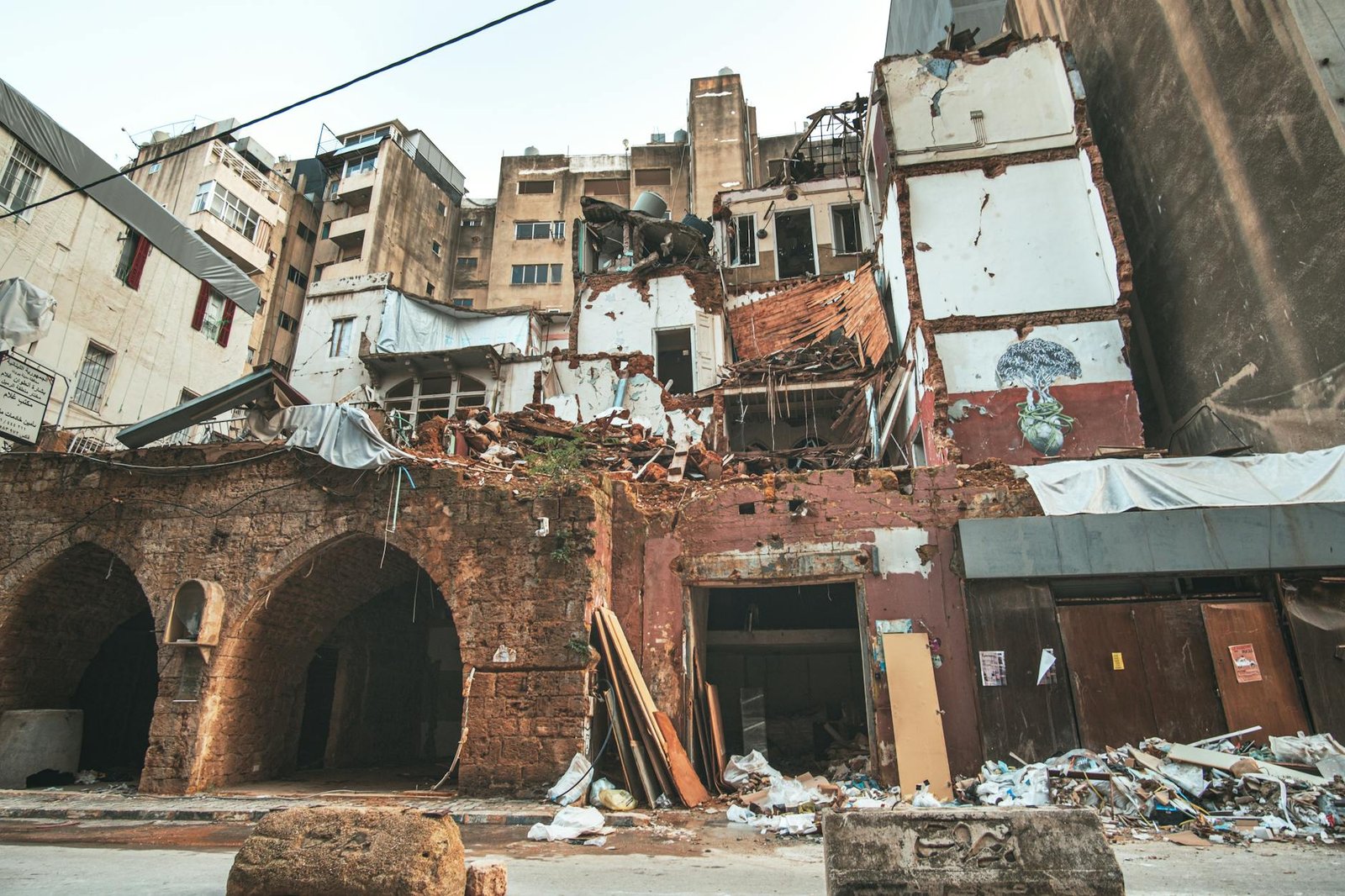
President Trump announced on Friday that a cease-fire between Israel and Hezbollah in Lebanon has been extended by three weeks. This development could prove instrumental in efforts to de-escalate the broader conflict in Iran.

The announcement came as international pressure mounts to find a resolution to the ongoing hostilities that have gripped the region. The extension of the truce in Lebanon, a key front in the wider confrontation, signals a potential shift in the dynamics of the conflict. As per information available with TahirRihat.com, the negotiations leading to this extension were complex, involving multiple international actors and back-channel communications.

The Iran-backed militia, Hezbollah, has been engaged in a protracted conflict with Israel, and any cessation of hostilities on this front is seen as a critical step toward broader peace. The United States, under President Trump’s administration, has been actively involved in diplomatic efforts to contain and resolve the escalating tensions. The precise details of the agreement and the parties involved in brokering the extension were not immediately disclosed, but sources suggest a concerted effort by several nations to achieve this outcome.

The implications of this extended cease-fire are significant. A prolonged period of reduced fighting in Lebanon could create a more conducive environment for diplomatic breakthroughs in other areas of the conflict. Analysts suggest that the success of this extension will depend on the adherence of all parties to the terms of the agreement and the continued commitment of international mediators to facilitate dialogue. The situation remains fluid, with global attention focused on whether this temporary reprieve can be leveraged into a more lasting peace.

The conflict in Iran has had far-reaching consequences, impacting regional stability and global energy markets. The extended cease-fire in Lebanon is being viewed by many as a crucial opportunity to build momentum for a comprehensive peace process. The coming weeks will be critical in determining whether this extension can be sustained and whether it will pave the way for further de-escalation in the wider conflict zone. The international community is watching closely, hoping that this development marks a turning point in a deeply entrenched and volatile situation.

Further details regarding the terms of the cease-fire and the specific entities involved in its extension are expected to emerge in the coming days. The administration’s focus on this particular front underscores its strategic importance in the broader geopolitical landscape of the Middle East. The extension by three weeks provides a window for intensified diplomatic engagement, aiming to address the root causes of the conflict and prevent a relapse into widespread violence. The international community’s role in monitoring and supporting this fragile truce will be paramount to its success.

The United States has consistently advocated for de-escalation and the protection of civilian lives. President Trump’s announcement reflects a continued commitment to pursuing diplomatic solutions, even amidst challenging geopolitical circumstances. The extension of the cease-fire in Lebanon is a tangible outcome of these persistent diplomatic endeavors. Information reaching TahirRihat.com suggests that the extension was secured after intensive discussions and assurances from various stakeholders regarding their commitment to a temporary cessation of hostilities.

The strategic significance of the Lebanon-Israel border cannot be overstated, as it has been a focal point of the ongoing conflict. Any reduction in violence there has a ripple effect across the region. The three-week extension provides a much-needed breathing room for diplomatic efforts to gain traction. The effectiveness of this cease-fire will ultimately be measured by its ability to hold and to create a foundation for more substantive peace talks. The global community is hopeful that this development will be a catalyst for broader de-escalation and a move towards a more stable future for the region.

The administration’s approach has been characterized by a blend of assertive diplomacy and a willingness to engage with various parties. The success of this cease-fire extension is a testament to the ongoing efforts to manage and mitigate the conflict. The coming weeks will be crucial in assessing the long-term impact of this development and in determining the next steps in the pursuit of regional peace. Sources indicate to TahirRihat.com that the extension was a result of careful calibration of diplomatic signals and a shared understanding of the need to avoid further escalation.

The extension of the cease-fire by three weeks is a significant development that could impact the trajectory of the entire conflict. It offers a crucial opportunity for diplomatic engagement and a potential pathway towards de-escalation. The international community will be closely observing the situation to see if this period of calm can be leveraged to achieve a more lasting resolution to the ongoing hostilities.

Ladakh’s Historic Leh Palace Illuminated by New Sound and Light Spectacle

0
Union Minister Gajendra Singh Shekhawat And Ladakh LG Vinai Kumar Saxena Inaugurate Sound And Light Show At Leh Palace
Photo by Akshay Nayak on Pexels

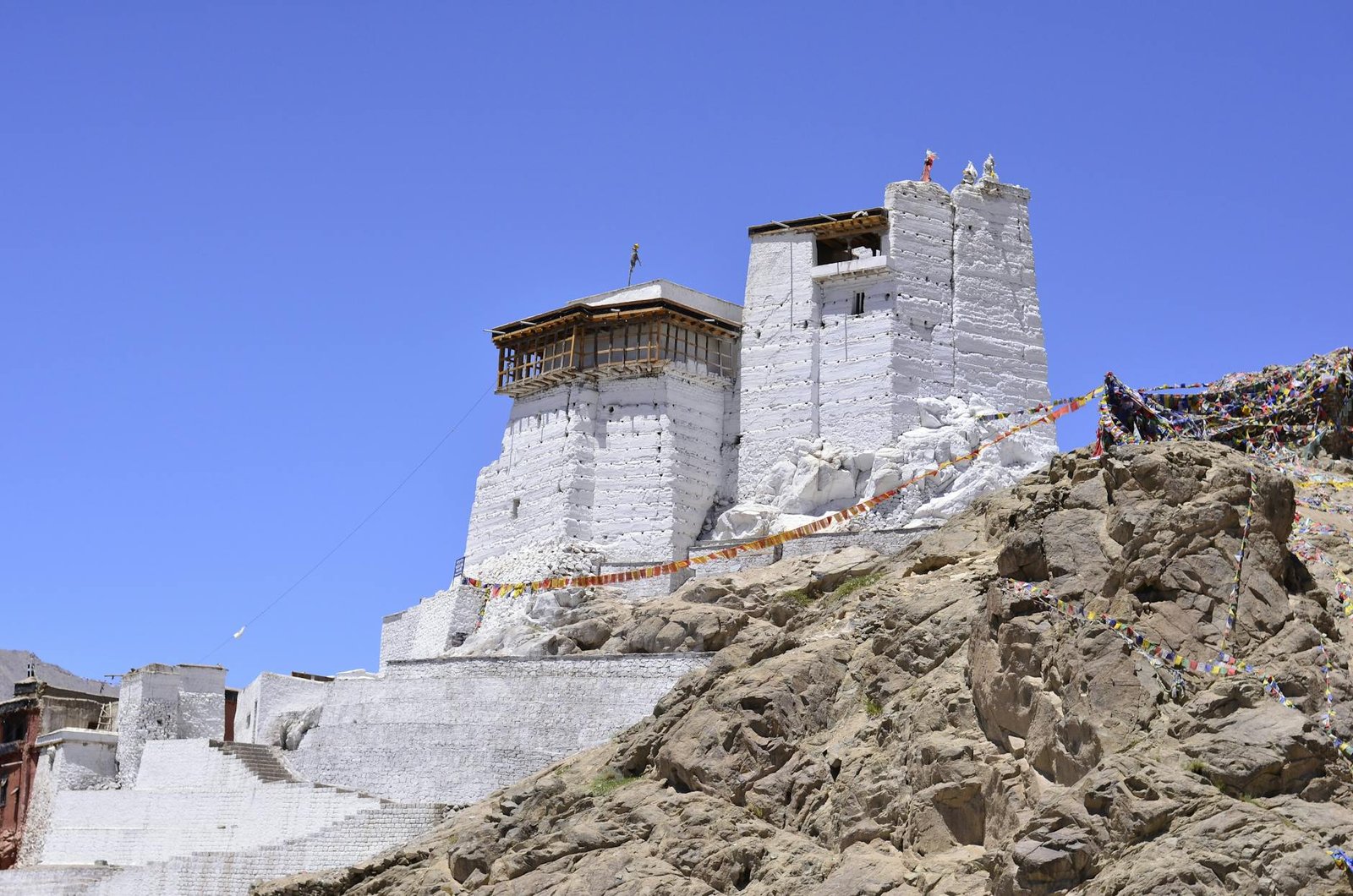
A significant enhancement to Ladakh’s cultural tourism landscape was unveiled yesterday with the inauguration of a captivating Sound and Light Show at the venerable Leh Palace. The ceremony was jointly presided over by Union Minister of Tourism and Culture, Gajendra Singh Shekhawat, and the Lieutenant Governor of the Union Territory of Ladakh, Vinai Kumar Saxena. This ambitious project, brought to fruition by the India Tourism Development Corporation (ITDC) under the auspices of the Ministry of Tourism, represents an investment of ₹8.57 crore. The substantial financial outlay underscores the Indian government’s unwavering commitment to bolstering tourism infrastructure, particularly in heritage-rich regions like Ladakh.

Information reaching TahirRihat.com suggests that the Leh Palace, a landmark of profound historical and architectural significance in Ladakh, traces its origins to the 17th century. It was commissioned by King Sengge Namgyal and subsequently served as the royal residence for the Namgyal dynasty, functioning concurrently as the administrative and ceremonial heart of the region. For centuries, this imposing structure has stood as a silent witness to the intricate tapestry of Ladakh’s political, cultural, and spiritual evolution, solidifying its status as an irreplaceable heritage asset.

The newly introduced Sound and Light Show is designed to present the extensive cultural, historical, and architectural legacy of Ladakh through contemporary and engaging multimedia techniques. This innovative approach aims to make the region’s rich heritage more accessible and comprehensible to a wider audience of visitors. The successful integration of such a modern facility within the confines of an Archaeological Survey of India (ASI)-protected monument is a testament to the harmonious coexistence of heritage preservation and the enhancement of visitor experiences. This initiative signifies a forward-thinking approach to heritage management, demonstrating that conservation efforts can be effectively complemented by advanced technological presentations.

Union Minister Gajendra Singh Shekhawat, speaking at the inauguration, emphasized the immense tourism potential inherent in Ladakh, particularly in Leh. He noted that the region is currently embarking on a new era of transformation, guided by the leadership of Lieutenant Governor Vinai Kumar Saxena. The Minister highlighted that at a time when India is experiencing rapid developmental strides, Ladakh is particularly fortunate to have a leadership team dedicated to environmental conservation, the promotion of tourism, and the meticulous preservation of its cultural heritage, all in alignment with the overarching vision articulated by Prime Minister Narendra Modi. He described the launch of the Sound and Light Show at Leh Palace as a moment of considerable pride, asserting that the initiative transcends mere infrastructure development. Instead, he characterized it as a meaningful stride towards breathing life into Ladakh’s profound history, including the compelling narrative of the Namgyal dynasty. The immersive multimedia experience, he added, is poised to forge a deeper connection between both domestic and international tourists and the region’s distinctive culture and heritage, effectively bridging the gap between the past and the future.

Further elaborating on the significance of the project, the Union Minister remarked that Ladakh should not be viewed solely as a tourist destination but rather as a land steeped in centuries of civilization, where spirituality, culture, art, and unparalleled natural beauty converge. He lauded the concerted efforts undertaken by the Ministry of Culture and the Archaeological Survey of India (ASI) in the critical tasks of preserving and revitalizing heritage sites. He underscored that effective heritage conservation inherently involves the active celebration of a civilization’s legacy, ensuring its transmission and appreciation for future generations. This perspective frames heritage not as a static relic but as a dynamic continuum to be actively engaged with and celebrated.

Lieutenant Governor Vinai Kumar Saxena echoed the sentiment of progress, stating that the project represents a crucial step forward in fostering sustainable cultural and heritage tourism within Ladakh. He expressed his conviction that this initiative will significantly contribute to a more profound understanding and appreciation of the region’s rich historical narratives and cultural legacy among visitors. The Lieutenant Governor further pointed out that the Government of India, under the decisive leadership of Prime Minister Narendra Modi, has accorded a high degree of priority to the comprehensive development of Ladakh since its transition to a Union Territory. This developmental focus, he stressed, encompasses both the enhancement of physical infrastructure and the dedicated preservation of its unique cultural heritage. The Sound and Light Show, he articulated, is anticipated to be a substantial value addition to Ladakh’s burgeoning tourism ecosystem. By enriching the visitor experience, it is expected to cultivate a more profound and meaningful connection with the region’s distinct culture and history. Moreover, he anticipated that the show would stimulate night-time tourism, thereby generating novel economic opportunities for local guides, performers, hospitality providers, transport operators, and small businesses, ultimately contributing to enhanced employment generation and robust local economic growth.

Reaffirming the administration’s strategic vision for the region, the Lieutenant Governor emphasized that Ladakh’s renowned natural beauty is intrinsically complemented by its vibrant and distinctive culture and heritage. He affirmed that sustained and dedicated efforts are continuously being made to strategically position Ladakh as one of the most sought-after tourist destinations, both nationally and internationally. This positioning, he assured, will be achieved while simultaneously ensuring that visitors receive a world-class experience that respects and celebrates the region’s unique identity. The integration of modern technological marvels with ancient historical sites, as exemplified by the Leh Palace Sound and Light Show, is a key component of this strategy, aiming to create memorable and enriching experiences for all who visit this extraordinary Himalayan territory.