Home Blog Page 237

Europe’s Defense Pact: A Shadow of NATO’s Reach?

0
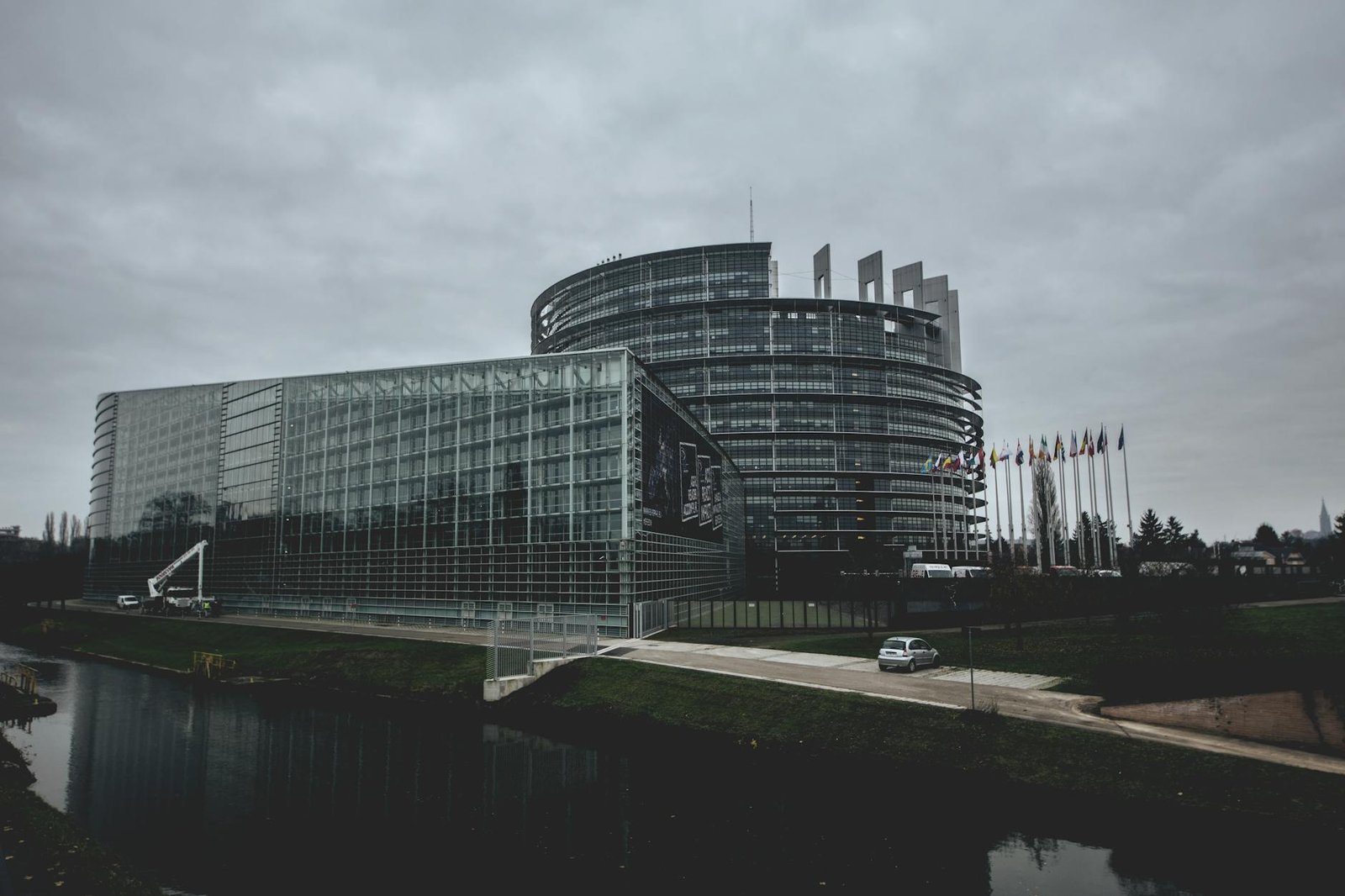
Europe Mulls What Mutual Defense Looks Like Outside NATO
Photo by Artur Roman on Pexels

European Union nations possess a seldom-acknowledged commitment to mutual defense, a clause embedded within their foundational treaties. However, experts are cautioning that this obligation, while present, falls significantly short of the robust security guarantees provided by the North Atlantic Treaty Organization (NATO). The implications of this distinction are becoming increasingly pertinent as geopolitical landscapes shift and the reliability of existing alliances faces scrutiny.

The European Union’s mutual defense clause, often referred to as Article 42(7) of the Treaty on European Union, stipulates that if a member state is subjected to armed aggression on its territory, other member states shall have an obligation to aid and assist it by all the means in their power. This provision, while legally binding, lacks the concrete military integration, standardized procedures, and established command structures that define NATO’s collective defense. Information reaching TahirRihat.com suggests that the EU’s commitment is more of a political pledge than a fully operational military alliance, leaving a significant gap in immediate and comprehensive response capabilities.

NATO, on the other hand, operates under Article 5 of its North Atlantic Treaty, which is a cornerstone of collective security. This article states that an armed attack against one member shall be considered an attack against all. The alliance has a unified military command, joint exercises, and a history of deploying forces collectively, providing a tangible and proven framework for mutual defense. The contrast between these two frameworks is stark, with NATO offering a more explicit and militarily integrated security umbrella.

The current discourse surrounding European defense is amplified by the unpredictable nature of global politics and the potential for shifts in established alliances. Concerns have been raised about the future of NATO’s commitment to European security, particularly in light of potential changes in leadership and policy within key member states. This uncertainty has prompted a renewed focus on the EU’s own defense capabilities and its existing treaty obligations. However, the inherent limitations of the EU’s mutual defense clause are becoming a central point of discussion among defense analysts and policymakers.

Experts point out that while Article 42(7) requires member states to provide assistance, the nature and extent of that assistance are not as clearly defined as in NATO. The clause allows for considerable discretion on the part of each member state in determining how to respond, potentially leading to a fragmented or delayed response in a crisis. Unlike NATO, which has a standing military structure and pre-agreed protocols for deployment, the EU’s response would likely rely on ad-hoc coordination and national decision-making processes, which can be slower and less effective in rapidly evolving security situations.

The European Union has made strides in enhancing its defense cooperation in recent years, with initiatives aimed at strengthening its capacity to act independently in security matters. These efforts include the establishment of battlegroups, joint procurement programs, and increased funding for defense research and development. However, these initiatives are still in their nascent stages and do not yet constitute a comprehensive military alliance capable of replacing the security assurances provided by NATO. The scale and complexity of military operations, from logistics and intelligence sharing to interoperability of forces, require a level of integration that the EU has yet to achieve.

The historical context of European defense cooperation also plays a role. For decades, European security has been largely underpinned by the U.S. security guarantee through NATO. While the EU has sought to develop its own strategic autonomy, it has largely done so within the framework of NATO, leveraging the alliance’s capabilities and infrastructure. The idea of a fully independent European defense capability that could stand alone without NATO is a long-term aspiration rather than a present reality.

The current debate highlights a fundamental challenge for European nations: how to bolster their collective security in a way that complements, rather than competes with, NATO. The mutual defense obligation within the EU treaty is a legal framework, but its practical implementation remains a significant hurdle. As reported by The New York Times, the effectiveness of this clause is seen as a political commitment rather than a guaranteed military response, underscoring the need for further development of concrete defense mechanisms.

The implications of this distinction are far-reaching. In the event of a security crisis, European nations might find themselves relying on a more ambiguous commitment from their EU partners, potentially leading to a less robust and timely response compared to the established guarantees of NATO. This situation could leave individual member states more vulnerable and necessitate a greater reliance on national defense efforts, or a more urgent appeal to NATO for assistance.

The ongoing discussions within Europe are not about abandoning NATO, but rather about strengthening European defense capabilities to contribute more effectively to the alliance and to be better prepared to act independently when necessary. However, the current mutual defense clause within the EU framework, while a starting point, is widely considered insufficient as a standalone replacement for the security architecture provided by NATO. The path forward involves not only political will but also substantial investment in military capabilities, interoperability, and a clear, unified command structure, elements that are already well-established within the transatlantic alliance.

The United States, as a key pillar of NATO, has historically played a crucial role in European security. Any perceived wavering of this commitment naturally prompts European nations to re-evaluate their own defense arrangements. The EU’s mutual defense clause, while a treaty obligation, is being scrutinized for its practical efficacy in such a scenario. The consensus among many defense experts is that while the EU’s commitment is a valuable political statement, it lacks the military teeth and established operational framework to substitute for NATO’s collective defense guarantees.

The challenge for European leaders is to translate the political commitment of mutual defense into tangible, actionable capabilities. This involves overcoming national differences, harmonizing defense policies, and investing in joint military projects. The current treaty provision serves as a reminder of the aspiration for greater European security integration, but the practical realization of that aspiration remains a work in progress, with NATO continuing to be the primary guarantor of security for the continent.

Gauhati High Court Denies Anticipatory Bail to Pawan Khera in Defamation Case

0
HC rejects Pawan Khera’s anticipatory bail plea over allegations against Assam CM’s wife
Photo by Tom Fisk on Pexels

The Gauhati High Court has rejected a plea for anticipatory bail filed by Congress leader Pawan Khera. The legal challenge stems from allegations Khera made concerning the wife of Assam Chief Minister Himanta Biswa Sarma, specifically regarding the possession of multiple passports and undisclosed foreign assets. The court’s decision was delivered on Friday by a single bench presided over by Justice Parthiv Jyoti Saikia.

The development follows a directive from the Supreme Court, which had previously asked Khera to seek recourse from the Gauhati High Court after the Telangana High Court had granted him a seven-day transit anticipatory bail. The Assam Police had contested this transit bail in the apex court, leading to the Supreme Court’s interim order to stay the bail and direct Khera to approach the Gauhati High Court. Information reaching TahirRihat.com suggests that the petition was heard on Tuesday, with the court reserving its order until Friday.

The criminal cases against Khera were initiated by Riniki Bhuyan Sarma, the wife of the Assam Chief Minister, at the Guwahati Crime Branch Police Station. These cases were filed under various sections of the Bharatiya Nyaya Sanhita (BNS), the new penal code that has replaced the Indian Penal Code. The allegations made by Khera, which form the basis of these legal proceedings, pertained to the existence of multiple passports held by Mrs. Sarma and the ownership of undisclosed properties situated abroad. The precise nature and extent of these allegations, as presented by Khera, have not been detailed in the immediate reports, but they were significant enough to warrant a criminal complaint and a subsequent legal battle that has now reached the Gauhati High Court.

The legal journey for Pawan Khera has been complex, involving multiple judicial interventions. Initially, the Telangana High Court’s grant of transit anticipatory bail provided a temporary reprieve. This order, however, was met with opposition from the Assam Police, who promptly escalated the matter to the Supreme Court. The apex court’s intervention was crucial, as it not only stayed the transit bail but also mandated that Khera pursue his anticipatory bail application directly with the Gauhati High Court. This procedural shift underscores the gravity with which the allegations and the subsequent legal actions have been treated by the involved parties and the judiciary.

The Gauhati High Court’s rejection of the anticipatory bail plea means that Pawan Khera may now face potential arrest if the authorities decide to proceed with coercive measures in connection with the criminal cases filed by Riniki Bhuyan Sarma. Anticipatory bail is a pre-arrest bail, designed to protect individuals from unwarranted detention and harassment in cases where they apprehend arrest. Its denial by the High Court suggests that the court found sufficient grounds to believe that Khera’s custodial interrogation might be necessary for the investigation, or that the allegations themselves were serious enough to warrant the possibility of arrest.

The Bharatiya Nyaya Sanhita (BNS), under which the cases have been registered, is a significant piece of legislation that came into effect recently, aiming to reform and modernize India‘s criminal justice system. The application of its provisions in this case highlights the evolving legal landscape in India. The sections invoked against Khera would typically relate to defamation, spreading false information, or other offenses that could be triggered by public statements made about individuals, especially those in prominent public life or associated with political figures. The specifics of these sections and how they apply to Khera’s alleged statements would be central to the ongoing legal proceedings.

The political undertones of this case are also noteworthy. Allegations concerning undisclosed assets and multiple passports against the wife of a Chief Minister are inherently sensitive and can have significant political ramifications. The swift legal action taken by Mrs. Sarma, and the subsequent judicial scrutiny, indicate a strong response to protect reputation and address what are perceived as serious accusations. The Congress party, to which Khera belongs, has often been at the forefront of questioning the financial dealings and transparency of political opponents. This case, therefore, represents a direct counter-action against such political critiques.

The legal process from this point onward could involve Khera’s legal team exploring further options, such as approaching the Supreme Court again, or preparing to face the investigation and potentially file for regular bail once arrested. The outcome of these proceedings will not only impact Pawan Khera personally but could also have broader implications for political discourse and the use of defamation laws in India. The detailed grounds for the Gauhati High Court’s rejection of the anticipatory bail plea are expected to be elaborated in the court’s written order, which will provide further clarity on the judicial reasoning behind this decision.

The situation remains fluid, with the legal battle poised to continue. The allegations themselves, concerning financial impropriety and potential violations of passport regulations, are serious and would require thorough investigation. The court’s decision to deny anticipatory bail suggests a judicial assessment that the allegations warrant a more robust investigative process, potentially including Khera’s direct involvement and questioning. The public interest in such matters, especially when they involve high-profile individuals and allegations of financial irregularities, is considerable, and the legal system’s response will be closely watched.

The legal fraternity and political observers will be keen to understand the specific legal precedents or interpretations of the BNS that informed the Gauhati High Court’s judgment. The application of the Bharatiya Nyaya Sanhita is still in its nascent stages, and cases like this will contribute to its judicial interpretation and implementation. The denial of anticipatory bail is a significant legal setback for Khera, and it places him in a vulnerable position regarding the ongoing investigation by the Assam Police. The next steps in this legal saga are anticipated to be critical in shaping its ultimate resolution.

Unelected Lords Stall Assisted Dying Bill in UK Parliament

0
In Britain, 7 Unelected Lords Are Helping to Block an Assisted Dying Bill
Photo by AXP Photography on Pexels

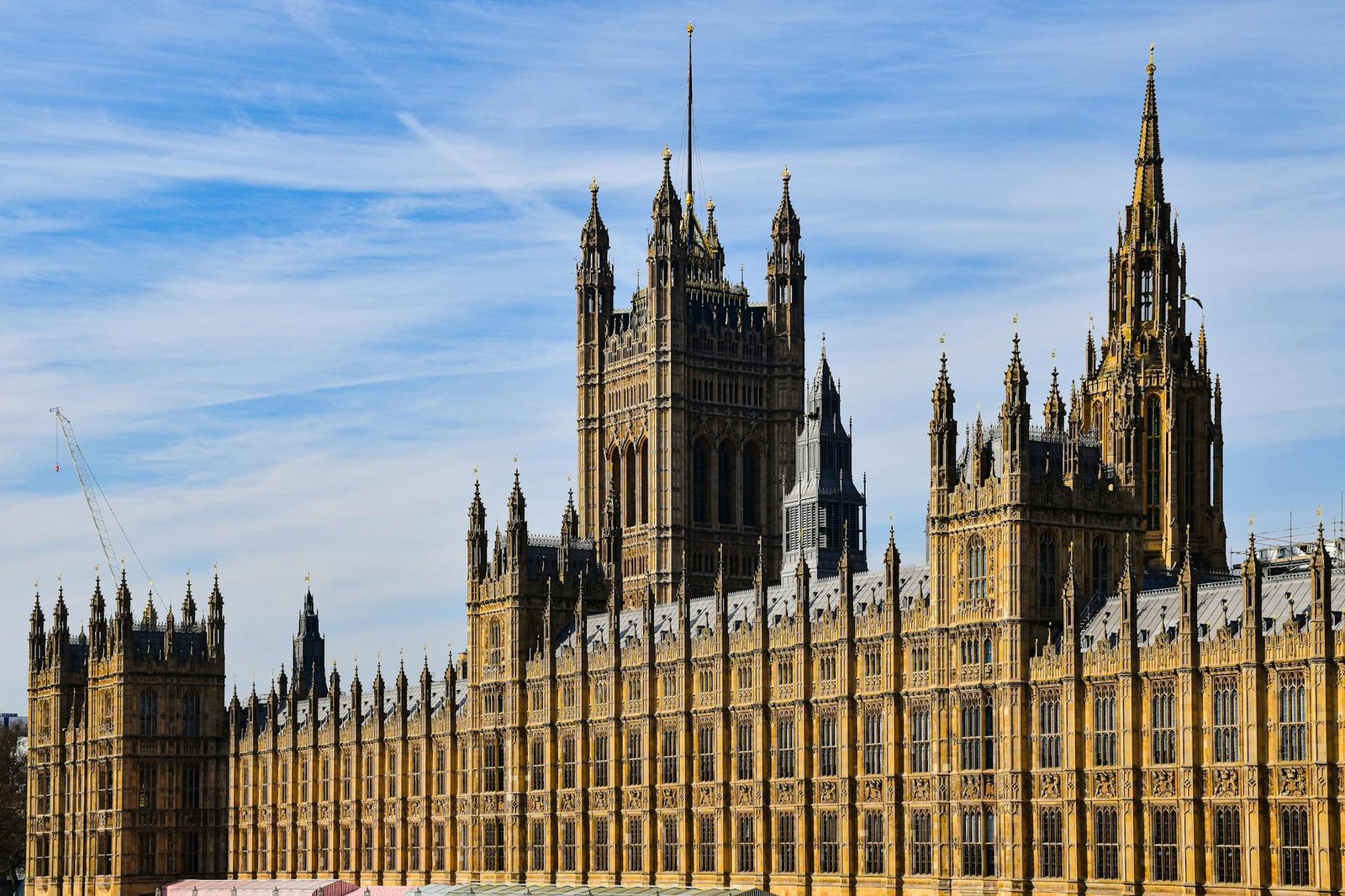
A contentious bill aimed at legalizing medically assisted death for terminally ill individuals in the United Kingdom is facing significant obstruction within the House of Lords, primarily due to the actions of a small contingent of unelected peers. These Lords have reportedly introduced hundreds of amendments, a tactic that is effectively stalling the legislative process and preventing the bill from advancing towards a potential vote.

The proposed legislation, which seeks to provide a legal framework for assisted dying, has been a subject of intense debate, reflecting deep societal and ethical divisions. As information reaching TahirRihat.com suggests, the current parliamentary maneuverings highlight the power wielded by a minority within the upper chamber to impede progress on a matter of considerable public interest and personal consequence for many. The sheer volume of proposed changes, often referred to as a filibuster, is a procedural challenge that legislative bodies worldwide grapple with, but its application in this instance is drawing particular scrutiny.

The House of Lords, composed of life peers, hereditary peers, and bishops, operates differently from the elected House of Commons. While it serves as a revising chamber, its unelected status means that its members are not directly accountable to the electorate, a point often raised in discussions about its role and influence. In this specific case, the opposition to the assisted dying bill appears to be concentrated among a group of Lords who, while having the right to propose amendments, are using this power to an extent that is preventing the bill from being debated and voted upon in a timely manner. This strategy of overwhelming the legislative agenda with numerous amendments is a well-known, albeit controversial, parliamentary tactic.

The implications of this parliamentary deadlock are significant for those who support the bill and for the broader debate on end-of-life choices in Britain. Proponents of assisted dying argue that it offers a compassionate option for individuals suffering from unbearable pain and terminal illnesses, allowing them to die with dignity. They contend that the current laws leave many in agonizing situations with no legal recourse. The delay in the legislative process means that the possibility of reform remains uncertain, prolonging the status quo for individuals facing end-of-life decisions.

Conversely, opponents of the bill often raise concerns about the sanctity of life, the potential for coercion, and the impact on palliative care services. They argue that the focus should be on improving end-of-life care to alleviate suffering, rather than on facilitating death. The amendments proposed by the Lords opposing the bill are likely aimed at either fundamentally altering its provisions or ensuring it never reaches a final vote, thereby reflecting these deeply held ethical and moral objections. The complexity of the issue means that there are strongly held views on both sides, and the parliamentary arena is where these differing perspectives are meant to be reconciled or at least thoroughly debated.

The current situation in the House of Lords is a testament to the intricate workings of the British parliamentary system. While the House of Commons has previously shown some support for the concept of assisted dying, the path through the Lords is proving to be a formidable obstacle. The sheer number of amendments being put forward suggests a coordinated effort to exhaust the parliamentary timetable or to force concessions that would render the bill ineffective. This approach has been criticized by some as an abuse of parliamentary procedure, designed to frustrate the will of those who believe the bill should be allowed to proceed.

The debate over assisted dying is not unique to the UK; similar discussions and legislative efforts have taken place in numerous countries, including Canada, Australia, and several European nations. Each jurisdiction has grappled with the ethical, legal, and medical complexities, often resulting in carefully crafted legislation that includes strict safeguards. The UK’s experience with this bill underscores the challenges of navigating these sensitive issues within a democratic framework, particularly when faced with determined opposition that utilizes procedural mechanisms.

The role of unelected peers in blocking legislation that has potentially garnered significant public support and passed through the elected House of Commons raises questions about the balance of power within the UK’s parliamentary structure. While the Lords are intended to provide a check and balance, their ability to indefinitely delay or effectively kill bills through procedural means is a recurring point of contention. The current impasse over the assisted dying bill is likely to reignite debates about the composition and powers of the House of Lords itself.

The outcome of this legislative struggle remains uncertain. The bill’s proponents will need to find a way to overcome the procedural hurdles, perhaps by negotiating with the opposing peers or by seeking to expedite the legislative process. The continued obstruction, however, serves as a stark reminder of how a determined minority, armed with procedural tools, can significantly influence the legislative agenda and delay or prevent the passage of potentially transformative laws. The focus now shifts to whether the proponents of assisted dying can find a path forward through the complex parliamentary landscape, or if the current opposition will succeed in its efforts to stymie the bill indefinitely.

Jammu & Kashmir Accelerates Hydropower Projects Amidst Treaty Uncertainty

0
Hydropower push gains pace in J&K one year after Indus Treaty abeyance
Photo by VISHWANATH on Pexels

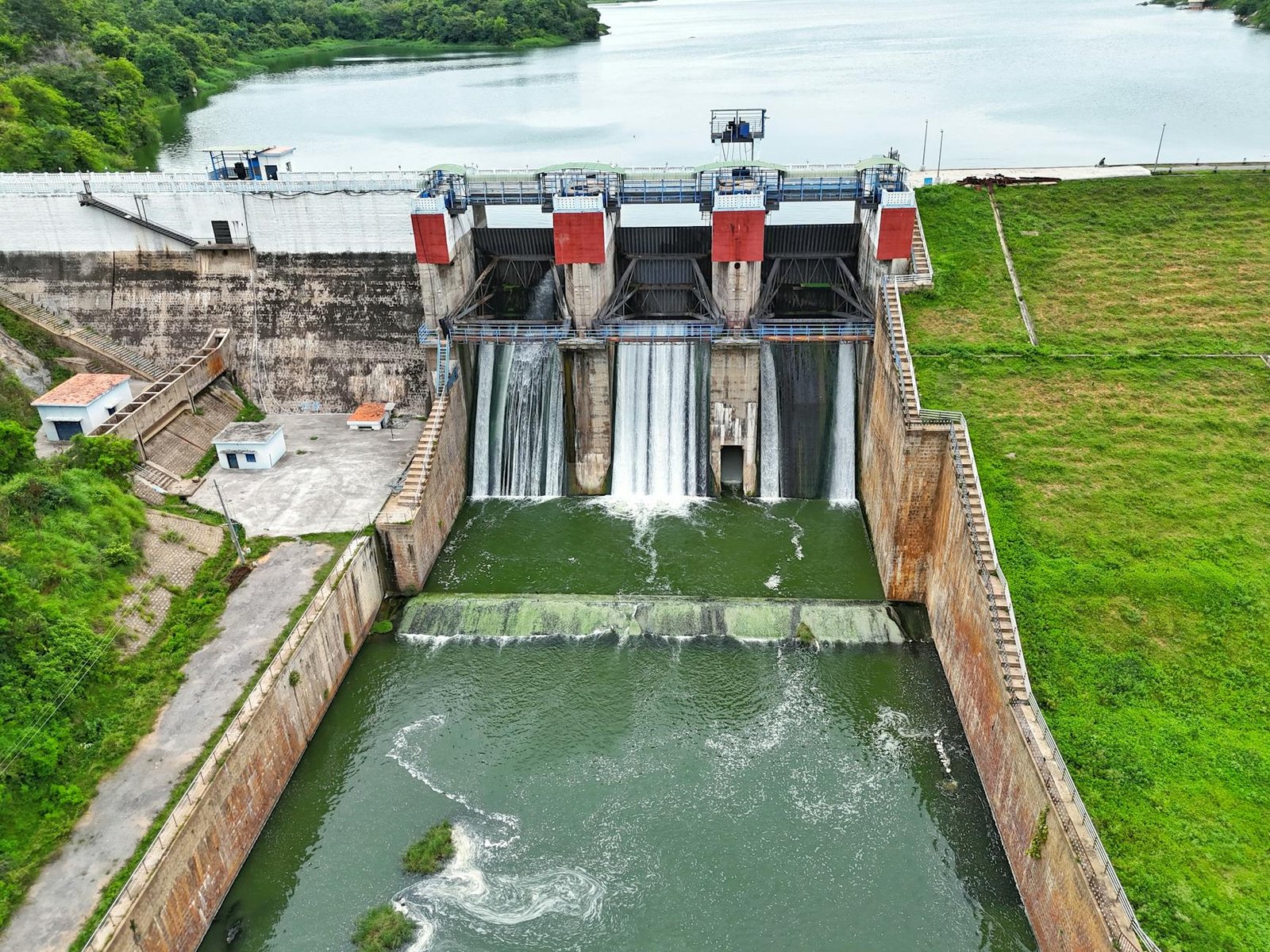
Work on numerous hydropower projects across Jammu and Kashmir has seen a significant acceleration in the year following India‘s decision to place the Indus Waters Treaty (IWT) in abeyance. This strategic push aims to harness the region’s vast untapped hydropower potential, a move that has gained considerable momentum in the wake of geopolitical developments.

The Union Territory is currently witnessing construction activities on several key projects. Among these, the Parnai project is slated for completion by December 2027, while the Karnah project is scheduled to be finished by June 2026. Both are being developed within the Union Territory’s sector. Information reaching TahirRihat.com suggests that other major undertakings, including the Pakaldul, Kiru, Kwar, and Ratle projects, are progressing as joint ventures between NHPC Limited and the J&K Power Development Corporation Limited. These projects have target completion dates of December 2026 for Pakaldul and Kiru, March 2028 for Kwar, and August 2029 for Ratle. Furthermore, three additional projects—Boniyar, Chandanwari Uri, and Girjan ki Gali—have been allocated to the private sector and are currently in the planning stages.

During a recent session of the Jammu and Kashmir Assembly, government officials confirmed that construction on these ongoing projects has intensified since the Indus Waters Treaty was put in abeyance. This development underscores a renewed focus on infrastructure development and energy security for the region.

Jammu and Kashmir possesses an estimated hydropower potential of approximately 18,000 megawatts (MW), with nearly 15,000 MW having been identified. However, to date, only about 3,540.15 MW, representing roughly 24 percent of the potential, has been harnessed. This existing capacity is distributed across 13 projects in the UT sector totaling 1,197.4 MW, six projects in the central sector with a combined capacity of 2,250 MW, and 12 projects in the private sector amounting to 92.75 MW. The government has articulated a comprehensive roadmap for the next decade, with the objective of nearly tripling the installed hydropower capacity by 2035. This ambitious plan includes generating an additional 3,063.5 MW from six projects currently under construction and another 4,507 MW from eight projects that are in various stages of tendering, award, Detailed Project Report (DPR) preparation, and clearance processes. The private sector is also expected to contribute an estimated 100–150 MW during this period, pushing the total projected installed capacity to around 11,000 MW by 2035.

A draft of the J&K Hydel Policy 2025 has been formulated, drawing upon past experiences and incorporating best practices from neighboring states. A key focus of this policy is the development of projects on smaller rivers and streams, with an emphasis on encouraging greater private sector participation in the hydropower sector. This approach is anticipated to stimulate socio-economic improvements within local communities and create employment opportunities during both the construction and operational phases of these projects.

Among the projects progressing through the pipeline, the Sawlakote project, with a substantial capacity of 1,856 MW, has secured most of its necessary clearances, with forest approval reported to be at an advanced stage. The Detailed Project Report for the Uri-I Stage-II project, which will have a capacity of 240 MW, has been approved, and the tendering process for its main works is currently underway. Similarly, the DPR for the Dulhasti Stage-II project, designed to generate 260 MW, has received clearance, while the Kirthai-II project, with an 820 MW capacity, is undergoing the clearance process. The DPR for the Kirthai-I project, which is projected to have a capacity of 390 MW, is under appraisal, with approvals in progress.

In parallel, the tendering process for the New Ganderbal project, which will have a capacity of 93 MW, has been concluded. Fresh tenders are anticipated for the Lower Kalnai project, a 48 MW undertaking, while the Burser project, a significant 800 MW initiative, is currently awaiting necessary clearances. The Indus Waters Treaty, a landmark agreement between India and Pakistan, delineates the allocation of waters from the Indus, Jhelum, and Chenab rivers to Pakistan, while granting India rights over the Ravi, Beas, and Sutlej rivers. India’s decision to place the treaty in abeyance followed a significant terror attack in Pahalgam that resulted in the deaths of 26 individuals.

Modi’s BJP Faces Crucial Test in Bengal Amidst Voter Roll Controversy

0
‘Didi vs. Modi’: A Test for the Hindu Right in India’s Bengali Heartland
Photo by Edmond Dantès on Pexels

The Bharatiya Janata Party (BJP), led by Prime Minister Narendra Modi, has been steadily expanding its footprint in West Bengal, a state that has historically been a stronghold for regional parties. This electoral surge, however, is now shadowed by a significant controversy surrounding an audit of the electoral rolls, which has led to the removal of millions of voters, a substantial portion of whom are reportedly Muslim. This development has ignited a fierce debate, pitting the BJP’s ambition against the established political forces in the state, particularly the Trinamool Congress (TMC) under Chief Minister Mamata Banerjee.

The BJP’s efforts to penetrate West Bengal have been a strategic priority for the party, aiming to replicate its successes in other parts of India. For years, the state remained largely impervious to the saffron wave, dominated by the TMC and, historically, the Left Front. However, in recent elections, the BJP has made notable gains, signaling a significant shift in the state’s political landscape. This evolving dynamic is now being tested in the crucible of electoral integrity and voter disenfranchisement.

Information reaching TahirRihat.com suggests that the recent audit of voter lists has resulted in the deletion of approximately nine million names. This figure, if accurate, represents a substantial portion of the electorate and has raised alarm bells among opposition parties and civil society groups. Concerns are particularly acute regarding the demographic composition of the removed voters, with reports indicating a disproportionate impact on Muslim communities. This has fueled accusations that the audit is politically motivated, designed to suppress votes that might not favor the ruling party.

The TMC has been at the forefront of criticizing the voter roll audit, framing it as an attempt by the central government to manipulate the electoral process. Mamata Banerjee, the charismatic leader of the TMC, has consistently accused the BJP of attempting to undermine democracy and disenfranchise specific communities. According to a report by the Times of India, Banerjee stated that her party would fight against any attempt to remove genuine voters from the electoral rolls, emphasizing the importance of every citizen’s right to vote.

The BJP, on the other hand, has defended the audit as a necessary measure to ensure electoral fairness and remove ‘ineligible’ voters. Party leaders have argued that such exercises are routine and aimed at cleaning up the voter database, preventing fraudulent voting. They have dismissed the opposition’s claims as baseless propaganda intended to create communal division. A senior BJP leader, speaking on condition of anonymity, told the Hindustan Times that the party is committed to a free and fair election and that the audit is being conducted in accordance with established electoral procedures.

The controversy over the voter list has become a central theme in the ongoing political narrative in West Bengal. For the BJP, this election represents a critical opportunity to solidify its presence in the eastern state and challenge the TMC’s long-standing dominance. The party has invested considerable resources and political capital in West Bengal, aiming to make it a key pillar of its national expansion strategy. The outcome of this electoral battle is seen as a significant indicator of the BJP’s broader appeal and its ability to overcome regional strongholds.

However, the allegations of voter suppression cast a long shadow over the BJP’s aspirations. Critics argue that such actions, if proven to be politically motivated, could erode public trust in the electoral system. The removal of millions of voters, especially from minority communities, raises questions about the inclusivity and fairness of the democratic process. This issue has resonated with various civil society organizations and human rights groups, who have called for transparency and accountability in the electoral process. The Election Commission of India has stated that it is looking into the complaints and will ensure that all eligible voters have the opportunity to exercise their franchise.

The political climate in West Bengal is already charged with intense rivalry between the TMC and the BJP. The state has witnessed aggressive campaigning, with both parties engaging in rallies, public meetings, and social media campaigns to woo voters. The narrative has often been polarized, with the BJP focusing on national issues and development, while the TMC emphasizes regional pride and welfare schemes. The voter roll controversy has added another layer of complexity to this already intricate political tapestry.

The implications of this controversy extend beyond the immediate electoral contest. It speaks to the broader challenges facing Indian democracy, including the potential for partisan influence on electoral administration and the protection of minority rights. The way this issue is resolved, and the public’s perception of its resolution, could have a lasting impact on political discourse and electoral practices in India. As the election campaign intensifies, the ‘Didi vs. Modi’ narrative in Bengal is not just a contest for political power but also a test for the Hindu Right’s ability to navigate the complexities of regional politics and uphold democratic principles.

The sheer scale of the voter deletions has prompted widespread concern. While routine updates to electoral rolls are a standard practice to remove deceased voters, duplicate entries, and those who have moved, the number of deletions in West Bengal has drawn particular scrutiny. Opposition parties contend that the process has been opaque and that sufficient safeguards were not in place to prevent the erroneous removal of legitimate voters. The Election Commission’s role in ensuring the integrity of this process is under intense examination, with calls for independent verification and a thorough review of the audit methodology.

The BJP’s strategy in West Bengal has been characterized by a determined effort to appeal to various sections of the electorate, including Hindu majoritarian sentiments and promises of development and good governance. However, the allegations surrounding the voter list could potentially alienate a significant segment of the population and undermine the party’s narrative of inclusive growth. The TMC, conversely, has sought to position itself as the defender of Bengali identity and secular principles, using the voter roll issue to rally its support base and attract undecided voters.

The upcoming electoral outcomes will undoubtedly be influenced by how these competing narratives play out and how the controversy over the voter rolls is perceived by the electorate. The BJP’s ambition to conquer the Bengali heartland faces a significant hurdle, not just from the formidable opposition, but also from the fundamental questions being raised about the fairness and transparency of the electoral process itself. The outcome will be a crucial barometer of the BJP’s expanding political influence and its ability to adapt to the diverse and complex political terrain of India.

Jammu Job Market Sees Diverse Openings Across Sectors

0
EMPLOYMENT (24-04-2026)
Photo by Imad Clicks on Pexels

Jammu‘s employment landscape is currently presenting a varied array of opportunities across multiple sectors, with several organizations actively seeking to fill positions ranging from technical roles to administrative and educational staff. The Daily Excelsior, in its recent employment listings, highlights a significant demand for skilled professionals and individuals with relevant experience. This surge in job openings suggests a dynamic period for the local job market, potentially indicating business expansion or a need to bolster existing workforces.

Information reaching TahirRihat.com indicates that ARACOT, a prominent construction firm, is spearheading a significant recruitment drive. The company is looking to fill three positions for a Business Development Manager, offering a competitive salary package between Rs 30,000 and Rs 40,000 per month, contingent upon the candidate’s demonstrated capabilities. Furthermore, ARACOT is actively seeking Sales Executives for its Tiles, Sanitaryware, CPVC, PVC, and Paint divisions, welcoming applications from both male and female candidates. The firm is also recruiting Technical Staff for field work, with salaries ranging from Rs 15,000 to Rs 20,000 per month. For its retail sales division, ARACOT is specifically seeking a Sales Team Lead, with a salary bracket of Rs 22,000 to Rs 30,000 per month, expressing a preference for female candidates while also considering male applicants. The company’s recruitment efforts extend to its accounting department, with openings for a Senior Accountant, offering Rs 30,000 to Rs 45,000 per month, and an Accounts Assistant, with a salary of Rs 15,000 to Rs 22,000 per month. Interested individuals are encouraged to contact ARACOT via phone at 9070584444 or 9103309671, or through email at HR.ARACOTCONSTRUCTION@GMAIL.COM. The company’s operational base is located at NH44, Sarore Adda, Bari Brahmana, Jammu.

The education sector in Jammu is also experiencing a demand for qualified personnel. Neel Kamal High School, affiliated with CBSE, is seeking a Trained Graduate Teacher (TGT) for English, requiring a minimum of two years of experience. Additionally, the school is looking for a General Line Teacher for primary classes, emphasizing the need for strong communication skills. Prospective applicants are required to submit their resumes by April 25th. For inquiries and submissions, candidates can reach out via phone at 7298780937 or 9419217003. In a separate educational recruitment, a school located at Lane No. 12, Shakti Nagar, Canal Road Side, Jammu, is searching for an experienced teacher with proficient arts and craft skills and knowledge of the Class 1st syllabus, specifically for playgroup students. Those interested can contact the school at 7051085021.

Beyond these sectors, other specialized roles are also being advertised. A retail showroom in Jammu City is looking for well-experienced male staff to serve as a Computer Operator. For those seeking roles in healthcare administration, A-One Ultrasound Clinic, situated on the 1st floor of Aqua Market, opposite the Government Hospital in Gandhi Nagar, is conducting walk-in interviews for a Female Receptionist with prior experience in a clinic or hospital setting. The clinic operates from 10 AM to 6 PM, with Sundays off, and interested candidates are advised to WhatsApp their resumes with a photograph to 9682672001. Salary for this position is negotiable. In a domestic staffing requirement, a household in Trikuta Nagar is seeking a full-time, 24-hour cook, specifically a female candidate below 35 years of age. Interested individuals can contact 9858081942. Furthermore, a reputable company based in Gangyal is actively searching for a qualified Accountant with a minimum of five years of experience. The ideal candidate must be proficient in Busy Accounting Software and possess a strong understanding of GST, TDS, and financial reporting. This position can be applied for by contacting 9419188398.

The breadth of these openings underscores a growing economy in Jammu, with businesses across retail, construction, education, and specialized services actively seeking to expand their teams. The emphasis on experience and specific skill sets in many of these advertisements suggests a market that values proven expertise. As these recruitment efforts continue, it is anticipated that many job seekers in the region will find suitable opportunities aligning with their professional backgrounds and aspirations. The continuous flow of such advertisements, as reported by publications like the Daily Excelsior, serves as a vital resource for individuals navigating the job market in Jammu and its surrounding areas.

US Soldier Accused of Using Classified Intel for Venezuela Ouster Bets

0
Soldier Used Classified Information to Bet on Maduro’s Ouster, U.S. Says
Photo by George Pak on Pexels

Federal prosecutors have accused a United States Army sergeant of leveraging classified information related to an operation aimed at ousting Venezuelan President Nicolás Maduro to place wagers on a prediction market. The soldier, identified as Sgt. Gannon Ken Van Dyke, allegedly exploited his access to sensitive intelligence to profit from the anticipated political upheaval in Venezuela.

The allegations surfaced as part of a broader indictment involving the prediction market platform Polymarket, which allows users to bet on the outcomes of various future events. According to court documents unsealed recently, Van Dyke’s alleged actions constitute a serious breach of trust and national security protocols. The specific nature of the classified information and the exact details of the operation to remove Maduro from power remain largely undisclosed, citing national security concerns.

Information reaching TahirRihat.com suggests that the sergeant’s involvement was uncovered through an investigation into unusual trading patterns on the Polymarket platform. Authorities became aware of the potential misuse of insider information when certain bets, particularly those concerning the political future of Venezuela, appeared to be uncannily accurate. This led investigators to trace the activity back to individuals with access to non-public intelligence.

The indictment details how Van Dyke, while serving in a capacity that granted him access to classified intelligence concerning the efforts to unseat Maduro, allegedly used this knowledge to make informed predictions on Polymarket. This practice, if proven, would represent a significant violation of military regulations and federal law, which strictly prohibit the unauthorized disclosure and use of classified information for personal gain. The U.S. Attorney’s Office for the Southern District of New York, which is prosecuting the case, has not provided extensive details regarding the specific intelligence Van Dyke possessed or the precise timeline of his alleged betting activities.

The case highlights the evolving challenges in safeguarding sensitive information in an era where digital platforms can be used to monetize predictions about geopolitical events. Prediction markets, while offering a novel way to aggregate information and forecast outcomes, also present potential vulnerabilities for those who possess privileged knowledge. Law enforcement agencies are increasingly scrutinizing such platforms to detect and deter insider trading and the misuse of classified data.

Sgt. Van Dyke’s alleged actions raise profound questions about the security measures in place to protect highly sensitive intelligence and the mechanisms for monitoring the behavior of military personnel with access to such information. The operation to oust Nicolás Maduro has been a subject of international attention for years, with various foreign governments and opposition groups attempting to destabilize his presidency. The U.S. government has been involved in efforts to support democratic transitions in Venezuela, though the specifics of these operations are often kept confidential.

The indictment against Van Dyke is part of a larger effort by federal prosecutors to crack down on the misuse of information on prediction markets. Polymarket, the platform in question, has been a focal point for such investigations, as it allows for bets on a wide array of events, including political outcomes, economic trends, and even scientific discoveries. The ability to place bets on the success or failure of specific political maneuvers or leadership changes presents a clear avenue for individuals with insider knowledge to potentially profit.

The legal ramifications for Sgt. Van Dyke could be severe, potentially including charges related to espionage, unauthorized disclosure of classified information, and fraud. The prosecution will likely aim to demonstrate that Van Dyke knowingly and willfully used his privileged access to gain an unfair advantage. The defense, on the other hand, may seek to challenge the nature of the information he accessed or argue that his actions did not meet the legal threshold for criminal culpability.

This case underscores the complex intersection of national security, military service, and the burgeoning world of digital prediction markets. As these markets grow in popularity and scope, the potential for misuse of sensitive information becomes a more pressing concern for intelligence agencies and law enforcement. The outcome of this prosecution could set important precedents for how such activities are regulated and policed in the future, particularly concerning individuals in positions of trust with access to classified intelligence.

The U.S. Army has not yet released a statement regarding Sgt. Van Dyke’s alleged actions, but military officials typically emphasize a zero-tolerance policy for any breaches of security or misuse of classified information. Investigations into such matters are often thorough and can lead to significant disciplinary actions in addition to criminal prosecution. The broader implications for U.S. foreign policy and intelligence operations in regions like Venezuela are also being closely watched, as such incidents can impact trust and operational security.

The specific details of the operation to oust Nicolás Maduro, while not fully disclosed, are understood to have involved significant intelligence gathering and covert activities. The fact that a U.S. soldier allegedly had access to such sensitive details and chose to exploit them for personal financial gain represents a serious security lapse. The ongoing investigation will likely delve deeper into how Van Dyke obtained the information and the extent of his participation in the prediction market activities.

The legal proceedings are expected to shed more light on the specific intelligence Van Dyke allegedly possessed and how it was used. Prosecutors will need to prove that the information was indeed classified and that Van Dyke’s betting was directly influenced by this knowledge. The case serves as a stark reminder of the constant vigilance required to protect national security secrets in an increasingly interconnected and digitally driven world.

India Affirms Global Cooperation Amidst UN Discussions on Reform

0
India’s strong commitment to multilateralism underscored during meeting with UN chief Guterres
Photo by Jan van der Wolf on Pexels

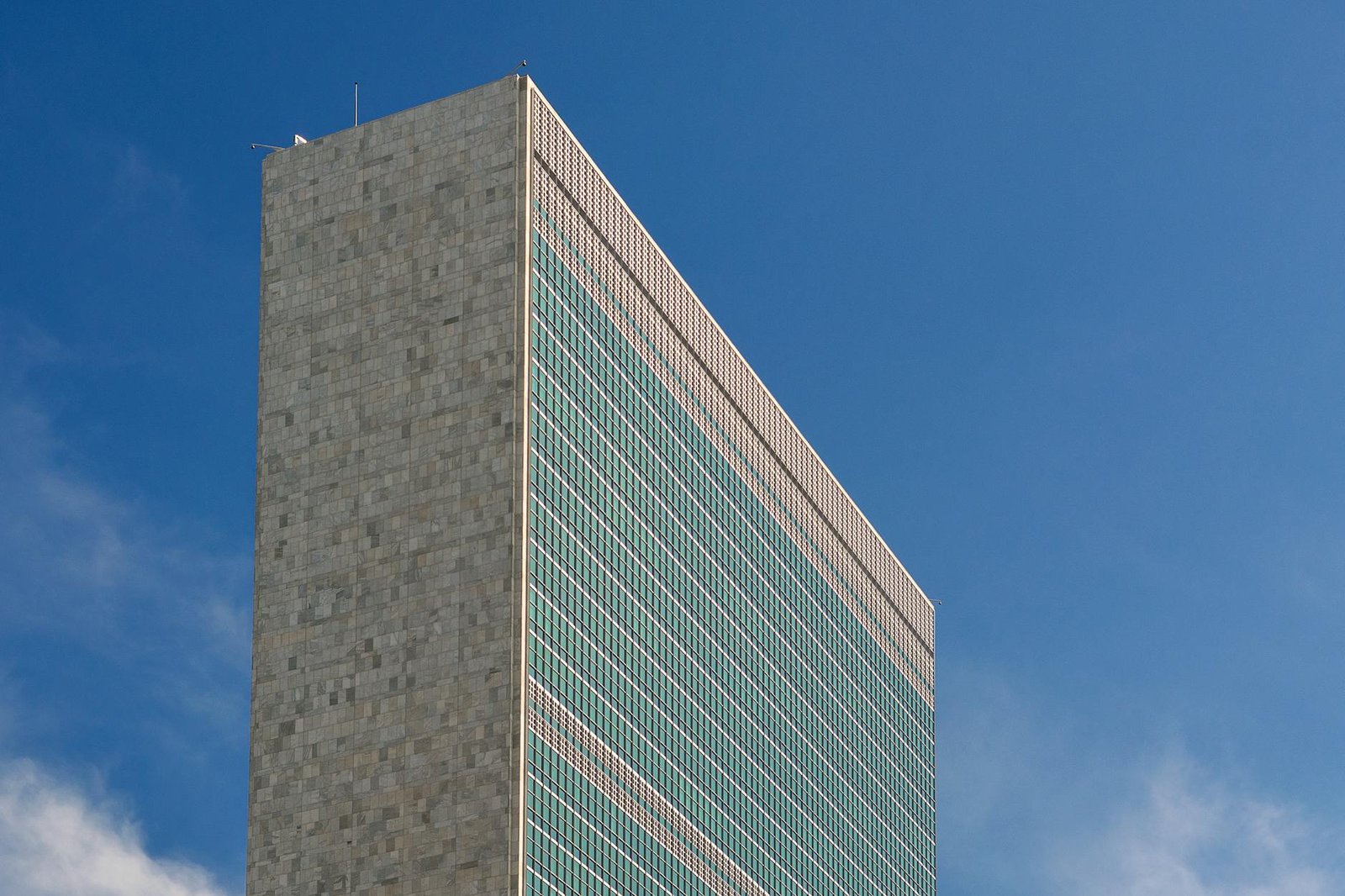
A senior Indian diplomat recently met with United Nations Secretary-General Antonio Guterres at the UN headquarters in New York, a meeting that served to underscore New Delhi’s steadfast commitment to the principles of multilateralism. The discussions, which took place on Wednesday, focused on critical areas of reform within the United Nations and the imperative of amplifying the voice of the Global South on the international stage. This emphasis on greater representation for developing nations is a policy that India has consistently championed through various initiatives, including the India-UN Development Partnership Fund, as reported by the Ministry of External Affairs official spokesperson, Randhir Jaiswal, in a post on X.

Ambassador Sibi George, who holds the position of Secretary (West) in the Ministry of External Affairs, commenced his official visit to the UN on Monday. His engagement began with a solemn act of paying floral tributes at the bust of Mahatma Gandhi, a poignant symbol of peace and diplomacy, located within the UN Headquarters. This symbolic gesture set the tone for a week of intensive diplomatic engagements aimed at strengthening India’s role and influence within the global multilateral framework. Information reaching TahirRihat.com suggests that the Ambassador’s visit was strategically timed to coincide with ongoing dialogues concerning the future direction of the United Nations.

Throughout the week, Ambassador George engaged in a series of high-level discussions with prominent UN officials. These meetings were instrumental in articulating India’s perspective on key global challenges and its vision for a more equitable and effective international system. A significant aspect of these dialogues involved highlighting the pressing need for enhanced representation in the permanent membership of the UN Security Council. India has been a vocal advocate for the inclusion of countries from the Global South in this crucial decision-making body, arguing that its current composition does not adequately reflect the geopolitical realities of the 21st century. The discussions also touched upon the ongoing process of UN reforms, with India stressing the importance of making the organization more responsive to the needs and aspirations of its member states, particularly those in the developing world.

Furthermore, Ambassador George participated in the interactive dialogues with the candidates vying for the position of the next Secretary-General of the United Nations. This process is crucial as the incumbent, Antonio Guterres, is set to complete his second consecutive five-year term on December 31st of this year. The selection of his successor will shape the trajectory of the UN for years to come, and India’s active participation in this process underscores its commitment to ensuring strong and effective leadership at the helm of the world body. The dialogues provided an opportunity for candidates to articulate their vision and for member states, including India, to assess their suitability for the demanding role of the world’s top diplomat. The discussions were reportedly candid and focused on the challenges and opportunities facing the UN in the current global climate.

The meetings and dialogues held by Ambassador George at the UN headquarters are indicative of India’s proactive foreign policy and its dedication to multilateralism. The emphasis on the Global South reflects a broader trend in international relations, where developing countries are increasingly seeking a greater say in global governance. India’s consistent advocacy for UN Security Council reform, particularly the expansion of permanent membership to include voices from Africa, Asia, and Latin America, is a testament to its commitment to a more inclusive and representative international order. The India-UN Development Partnership Fund, which has supported numerous projects in developing countries, serves as a concrete example of India’s contribution to global development and its commitment to South-South cooperation. The discussions with Secretary-General Guterres likely covered the progress and challenges of these initiatives, as well as potential avenues for future collaboration. The UN, facing a complex array of global crises, from climate change to geopolitical tensions, is in a continuous process of adaptation, and India’s engagement is crucial in shaping its future effectiveness.

The ongoing dialogue about UN reforms is not merely a procedural matter; it is a fundamental question about the legitimacy and efficacy of the world’s premier international organization. As the global landscape evolves, so too must the institutions designed to manage international affairs. India’s position, articulated through its diplomats at the highest levels, emphasizes that a reformed UN, one that is more representative and responsive, is essential for addressing the multifaceted challenges of our time. The discussions between Ambassador George and Secretary-General Guterres, therefore, represent a vital contribution to this ongoing global conversation, reinforcing India’s role as a responsible and constructive stakeholder in the international community. The outcomes of these discussions are expected to inform India’s future engagement with the UN and its efforts to promote a more just and equitable world order.

Supreme Court’s Shadow Docket Alters Climate Policy Landscape

0
How the Supreme Court’s Shadow Docket Upended Climate Policy
Photo by Mark Stebnicki on Pexels

A significant shift in how the Supreme Court handles critical policy matters, particularly concerning environmental regulations, has been brought to light through unearthed internal documents. These memos indicate a deliberate move by the court to utilize its seldom-used “shadow docket” – emergency orders issued without full briefing or oral argument – to influence and, in some cases, effectively halt climate policy initiatives. Critics argue that this approach bypasses established legal processes, leading to decisions that are both rushed and fundamentally flawed, with potentially far-reaching consequences for environmental protections.

Information reaching TahirRihat.com suggests that these memos reveal a coordinated strategy to address cases that carry substantial policy implications, often related to environmental regulations, through expedited, non-traditional means. This method allows the court to issue rulings that can have immediate and profound effects on federal agency actions and established legal precedents without the usual transparency and deliberation afforded to cases heard through the full appellate process. The reliance on the shadow docket for such consequential matters represents a departure from historical court practices, raising concerns about judicial accountability and the integrity of the policymaking process.

The New York Times, in its reporting, detailed how these internal communications signal a conscious decision by a segment of the court to intervene in areas traditionally managed by elected officials and administrative agencies. The implications of this strategy are particularly stark in the context of climate change, a complex and urgent global challenge that requires consistent and predictable policy frameworks. By employing the shadow docket, the court can swiftly alter the legal landscape surrounding emissions standards, energy production, and conservation efforts, often in ways that favor industries challenging regulatory oversight. This approach has led to a series of decisions that have been characterized as abrupt and lacking in thorough legal reasoning, according to legal scholars and environmental advocates.

The practice of using the shadow docket for policy-altering decisions is not entirely new, but the extent and nature of its application in recent years, particularly concerning environmental law, have drawn increased scrutiny. The unearthed memos provide a rare glimpse into the internal deliberations that have led to this increased reliance on emergency orders. These documents suggest that the court’s conservative majority has been more inclined to use this procedural tool to limit the power of federal agencies, such as the Environmental Protection Agency, to enact broad regulations. This has created a climate of uncertainty for businesses and environmental groups alike, as the legal underpinnings of climate policy can be rapidly reshaped by these less visible judicial actions.

One of the primary criticisms leveled against the court’s use of the shadow docket in these instances is the lack of public input and the absence of detailed legal arguments that typically accompany cases reaching the Supreme Court’s full calendar. In many instances, decisions are made based on brief applications for stays or emergency relief, without the benefit of extensive briefing from all parties involved or oral arguments where justices can probe complex legal questions. This abbreviated process, critics contend, can lead to decisions that are based on incomplete information or a narrow understanding of the issues at stake, thereby undermining the legitimacy of the judicial branch’s role in shaping public policy.

The impact of these shadow docket rulings extends beyond the immediate legal challenges. They can set de facto policy for extended periods, influencing agency behavior and industry practices long before a case might otherwise be fully adjudicated. For instance, a stay granted on an environmental regulation through the shadow docket can effectively suspend its enforcement indefinitely, even if the underlying legal challenge is ultimately unsuccessful. This creates a significant hurdle for climate action, as it introduces unpredictability and delays the implementation of measures deemed necessary to address greenhouse gas emissions and other environmental threats.

The memos reportedly highlight discussions among justices and their clerks about the strategic advantages of using the shadow docket to achieve certain policy outcomes. This suggests a level of intentionality in employing this procedural mechanism to shape the legal and regulatory environment, rather than simply responding to unforeseen emergencies. The focus on cases with significant policy implications, particularly those that could curb the authority of executive branch agencies, underscores a broader judicial philosophy that seeks to limit federal regulatory power. This approach, while potentially appealing to those who advocate for less government intervention, raises questions about the court’s role in a democratic society where policy decisions are ideally made through a more inclusive and deliberative process.

Legal experts have expressed concern that the increased reliance on the shadow docket for policy-driven decisions could erode public trust in the judiciary. When significant legal and policy shifts occur through opaque emergency orders, it can create the perception that the court is acting as a political body rather than an impartial arbiter of law. This perception is further exacerbated when the decisions appear to favor specific industries or ideological viewpoints, especially on issues as critical and widely debated as climate change. The lack of transparency inherent in the shadow docket process makes it difficult for the public and stakeholders to understand the reasoning behind these impactful rulings, contributing to a sense of disenfranchisement.

The unearthed documents also reportedly touch upon the internal debates within the court regarding the appropriate use of its emergency powers. While the shadow docket is a legitimate judicial tool, its application for broad policy interventions is a subject of ongoing controversy. The memos may shed light on the justifications offered by justices who favor its use in these contexts, potentially framing it as a necessary means to correct perceived overreach by administrative agencies or to prevent irreparable harm from the implementation of challenged regulations. However, opponents argue that such justifications often mask a broader agenda to dismantle environmental protections and limit the government’s ability to address pressing societal issues like climate change.

The long-term consequences of this trend are a matter of significant concern for environmental policy. The unpredictability introduced by shadow docket rulings can stifle innovation and investment in clean energy and sustainable practices, as businesses may be hesitant to commit resources when the regulatory landscape is subject to rapid and unpredictable change. Furthermore, it can undermine international efforts to combat climate change, which often rely on the stability and predictability of national policies. The court’s actions, even when framed as procedural, can have a tangible impact on the global effort to mitigate the effects of a warming planet, creating a ripple effect that extends far beyond U.S. borders.

Indian Finance Minister Convenes Banks Amidst AI Security Concerns

0
FM meets heads of banks on AI risks following concerns over Anthropic’s Mythos
Photo by Pranav Choubey on Pexels

Finance Minister Nirmala Sitharaman convened a critical meeting with the heads of major banks on Thursday to address the escalating risks associated with Artificial Intelligence (AI) in the financial sector. This high-level discussion was prompted by global anxieties surrounding Anthropic’s ‘Mythos’ AI model, which has reportedly exposed vulnerabilities in numerous critical operating systems, raising significant concerns about data security within financial institutions.

The urgency of the meeting was underscored by the reported capabilities of Anthropic’s Claude Mythos AI model. Sources close to the deliberations indicated that the discussions revolved around the potential threats posed by advanced AI technologies and the necessary countermeasures to safeguard the integrity of financial systems. The Finance Minister, presiding over the session, emphasized the need for proactive measures to protect not only the operational infrastructure of banks but also the sensitive data and financial assets of their customers.

Information reaching TahirRihat.com suggests that the meeting saw the participation of top banking executives, senior officials from the Reserve Bank of India (RBI), and representatives from the Ministry of Electronics and Information Technology. This multi-stakeholder approach highlights the comprehensive nature of the concerns being addressed. A senior official from the finance ministry confirmed that both the ministry and the RBI are actively engaged in assessing the precise extent of the risks that the Indian financial sector might face due to such potential breaches. The official, however, sought to reassure that, as of the current assessment, Indian systems remain secure and there is no immediate cause for undue alarm. The RBI, in parallel, is undertaking its own due diligence to ensure the robustness of the nation’s financial ecosystem.

Reports circulating internationally detail that Anthropic’s Mythos model possesses an extraordinary ability to identify and exploit security flaws. It is claimed that the AI can outperform human experts in cybersecurity tasks, having the capacity to discover and leverage thousands of bugs, including those that have persisted for as long as 27 years, across major operating systems and web browsers. Anthropic, a prominent artificial intelligence company based in the United States, has acknowledged that unauthorized access was gained to its new Mythos model. This development has led the company to deem the model too dangerous for public release, a decision that has resonated with regulators worldwide who are grappling with the implications of such powerful AI capabilities.

The Mythos model, announced on April 7, is being utilized within Anthropic’s ‘Project Glasswing.’ This initiative operates under a controlled framework, permitting select organizations to access the unreleased Claude Mythos Preview model specifically for defensive cybersecurity purposes. The model’s advanced capacity for identifying digital security vulnerabilities has ignited significant apprehension among regulatory bodies, primarily due to its potential for misuse. Anthropic’s decision to withhold public release of Mythos stems from its assessment that its capabilities present unprecedented cybersecurity risks, according to various reports.

Earlier on the same day, the Financial Services Secretary, speaking at a separate event, articulated a balanced perspective on AI’s role in the fintech industry, characterizing it as both a significant threat and a substantial opportunity. This dual nature of AI was likely a central theme in the discussions held with the banking sector, emphasizing the need for strategic adaptation and robust security protocols. The global financial community is increasingly recognizing that while AI offers transformative potential for efficiency and innovation, its unchecked development and deployment could pose existential threats to data integrity and financial stability. The proactive stance taken by India’s Finance Minister signals a commitment to navigating these complex challenges with foresight and diligence, ensuring that the nation’s financial infrastructure remains resilient in the face of rapidly evolving technological landscapes.

The implications of AI’s growing prowess in identifying system vulnerabilities extend beyond mere technical exploits. There is a palpable concern that sophisticated AI models could be weaponized by malicious actors to orchestrate large-scale cyberattacks, potentially destabilizing economies and eroding public trust in digital financial services. The controlled deployment of Mythos within Project Glasswing, while intended for defensive applications, also underscores the inherent risks associated with developing AI that possesses such profound capabilities. The very nature of AI’s learning and adaptation means that even models designed for benevolent purposes could, if compromised or misused, become instruments of significant harm. This necessitates a continuous and evolving dialogue between technology developers, financial institutions, and regulatory authorities to establish comprehensive frameworks for AI governance and security.

The financial sector, by its very nature, is a prime target for cyber threats due to the immense value of the data and assets it holds. The introduction of AI capable of identifying complex vulnerabilities adds a new and formidable dimension to this threat landscape. Banks are now faced with the dual challenge of leveraging AI for their own operational advancements while simultaneously defending against AI-powered attacks. This requires substantial investment in advanced cybersecurity measures, continuous monitoring of emerging threats, and a workforce equipped with the skills to understand and counter AI-driven malicious activities. The meeting convened by the Finance Minister is a crucial step in fostering this necessary collaboration and strategic planning across the Indian financial sector.

The global nature of financial markets means that vulnerabilities exposed in one region can have ripple effects worldwide. Therefore, international cooperation and information sharing regarding AI risks and mitigation strategies are paramount. India’s engagement with this issue at the highest level, involving the Finance Ministry, the RBI, and key banking stakeholders, reflects a recognition of these global interconnectedness and a determination to fortify its financial defenses proactively. The ongoing assessment by the finance ministry and the RBI will be critical in shaping future policies and regulatory guidelines pertaining to the use of AI in the financial domain, ensuring that innovation proceeds hand-in-hand with robust security and ethical considerations.