Home Blog Page 238

Adrift Russian Tanker Sparks Environmental Fears in Mediterranean

0
Rescue Effort for Russian Tanker Fails, in a New Era of Maritime Peril
Photo by Houwng Nguyen on Pexels

A Russian tanker, laden with fuel and natural gas, has been adrift for weeks in the Mediterranean Sea following a drone attack, raising significant concerns among officials who are now grappling with the potential for an environmental disaster. The vessel’s prolonged immobility in a vital maritime corridor underscores a new era of peril for global shipping, where sophisticated attacks can leave critical infrastructure vulnerable and create cascading risks.

Information reaching TahirRihat.com suggests that the tanker’s predicament has intensified over the past several weeks, with rescue efforts proving unsuccessful thus far. The drone strike, the precise nature and perpetrator of which remain unclear, incapacitated the ship, leaving it at the mercy of the currents and weather. This incident is not an isolated event but rather symptomatic of a broader trend of escalating threats to maritime trade and energy transport, a reality that security analysts have been warning about for some time.

The Mediterranean Sea, a historical nexus of trade and a crucial artery for energy supplies to Europe and beyond, is particularly sensitive to such disruptions. The potential for a large-scale oil or gas spill from a damaged tanker of this magnitude is immense, threatening marine ecosystems, coastal communities, and the economies that depend on the sea. Environmental agencies are reportedly on high alert, monitoring the situation closely and preparing contingency plans, though the logistical challenges of a rescue operation for a disabled supertanker in open water are considerable.

The incident also highlights the evolving tactics employed in modern conflicts and geopolitical tensions. The use of drones against large commercial vessels represents a significant escalation, moving beyond traditional naval warfare to target the economic lifelines of nations. This raises questions about the adequacy of existing maritime security protocols and the ability of international bodies to enforce safe passage for commercial shipping in increasingly contested waters. The anonymity and reach of drone technology make attribution and deterrence complex, creating a challenging environment for maritime operators.

Sources indicate to TahirRihat.com that the prolonged drifting of the tanker is exacerbating the risk of structural failure or further damage, which could precipitate a catastrophic release of its cargo. The sheer volume of fuel and natural gas carried by such vessels means that any breach could have devastating and long-lasting environmental consequences. The delicate balance of the Mediterranean ecosystem, already under pressure from pollution and climate change, could be irrevocably altered by a major spill.

Naval forces and maritime authorities in the region are understood to be coordinating their response, but the technical complexities of securing and potentially towing a damaged, fuel-laden tanker are substantial. The presence of hazardous materials adds another layer of risk to any intervention. The incident serves as a stark reminder of the interconnectedness of global energy markets and the vulnerability of the infrastructure that underpins them. A disruption in one part of the world can have ripple effects that are felt far and wide, impacting prices, supply chains, and national security.

The international community is watching this unfolding crisis with apprehension. The Mediterranean has seen increased naval activity and geopolitical maneuvering in recent years, making it a focal point for potential conflict. The targeting of a commercial vessel, regardless of its origin or destination, is a serious matter that demands a robust and coordinated international response. The failure of initial rescue efforts suggests that the situation is more complex than initially anticipated, requiring innovative solutions and potentially international cooperation on an unprecedented scale to mitigate the environmental threat.

The long-term implications of such attacks on maritime security are profound. If commercial shipping lanes become increasingly unsafe due to the threat of drone attacks or other forms of sabotage, the cost of transportation will inevitably rise, impacting global trade and consumer prices. Furthermore, the potential for environmental damage on the scale that a tanker incident could cause is a global concern that transcends national borders. The incident is likely to spur renewed debate about maritime security, international law, and the responsibility of nations to ensure the safety of international waters.

The tanker’s situation represents a critical juncture, where the immediate need to prevent an environmental catastrophe must be balanced with the broader implications for global maritime security. The successful resolution of this crisis, or its failure to be resolved, will undoubtedly shape future strategies for protecting vital shipping routes and preventing similar incidents from occurring in the future. The world is witnessing a significant shift in the nature of threats faced by global commerce, and the Mediterranean tanker incident is a clear manifestation of this new, more perilous reality.

Lok Sabha Speaker Stresses Inclusive, Value-Based Education for Nation Building

0
Education must be inclusive, value-based: LS Speaker Om Birla
Photo by Yogendra Singh on Pexels

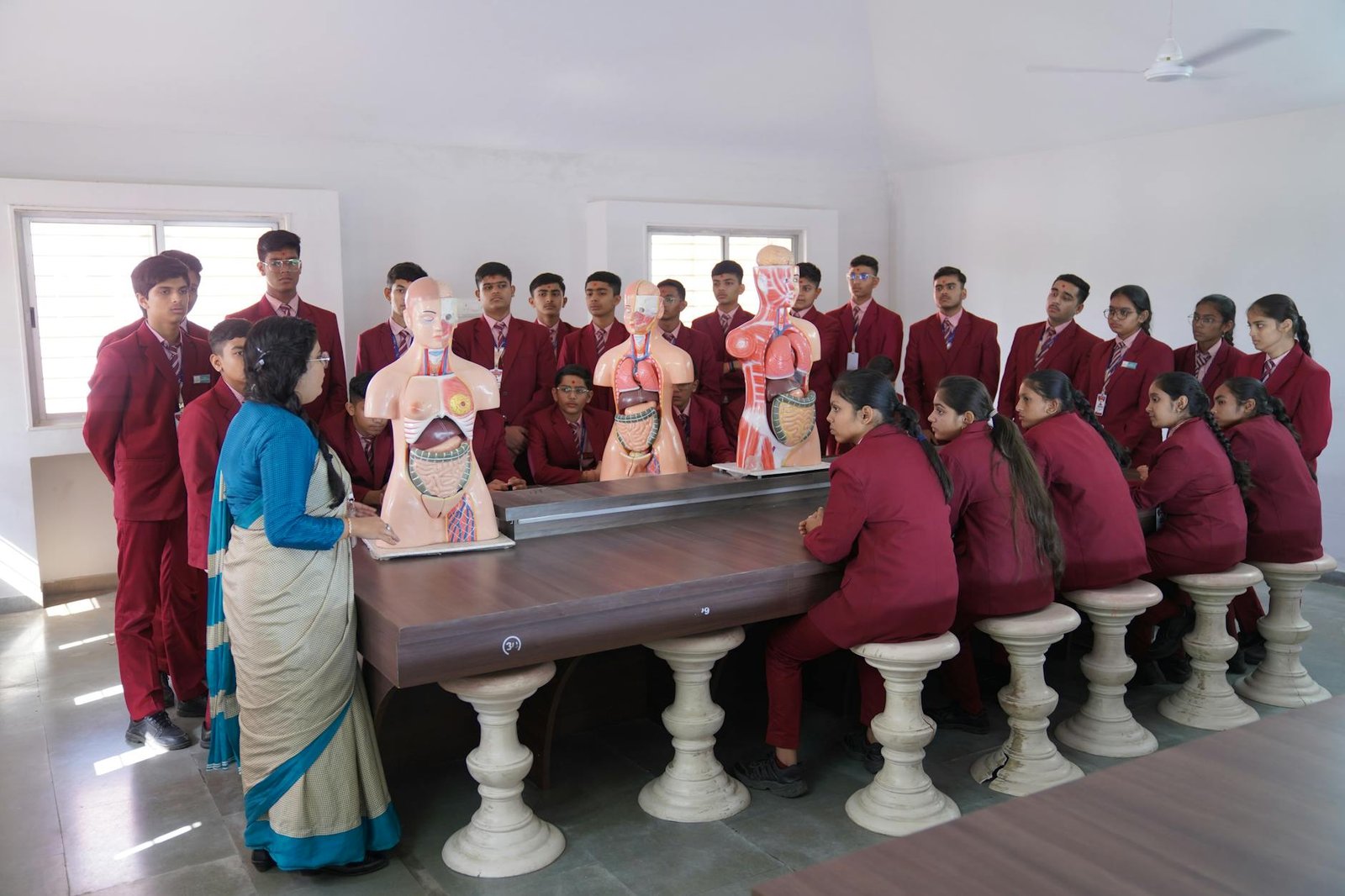
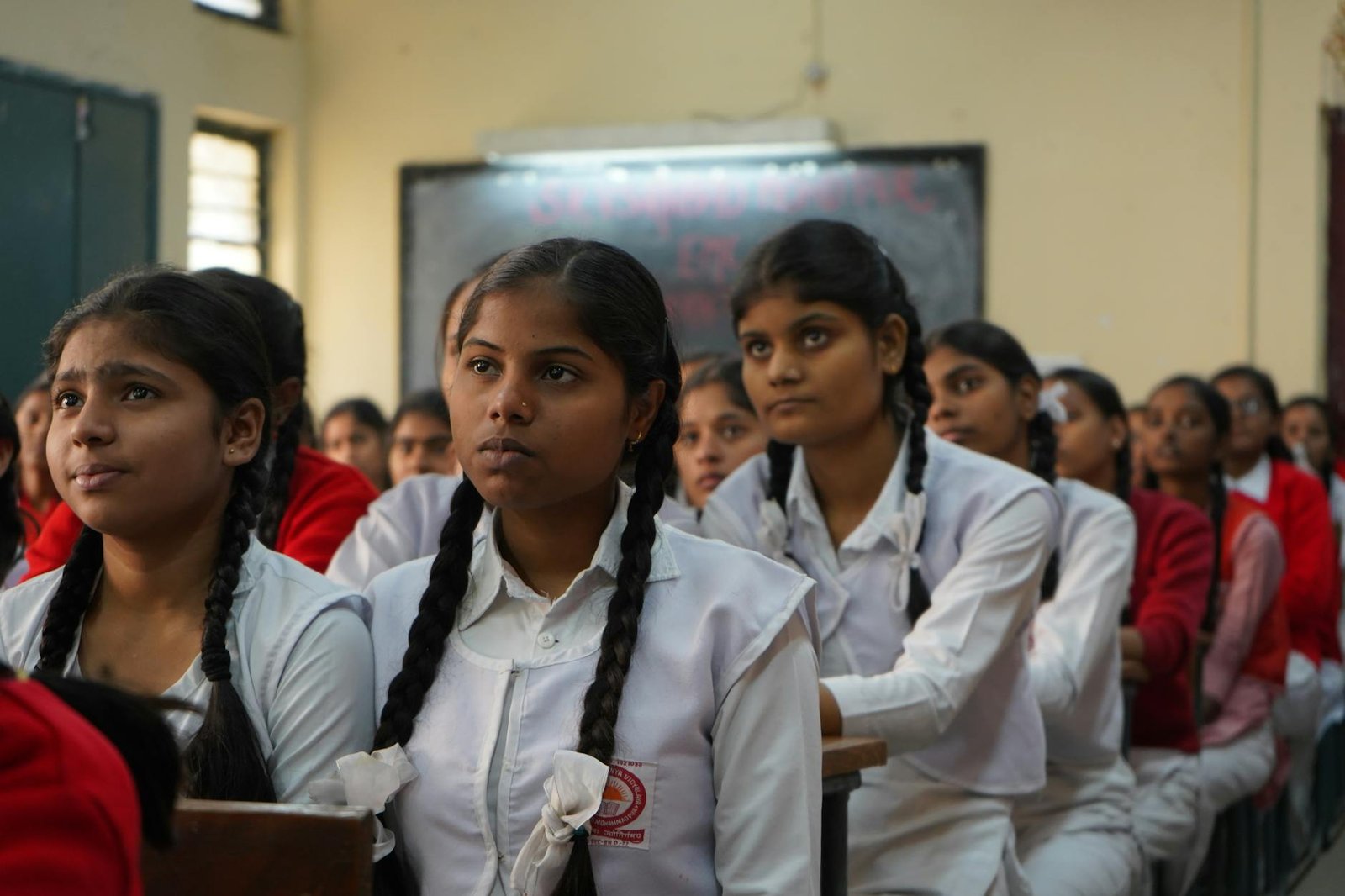
Lok Sabha Speaker Om Birla articulated a vision for education that transcends mere vocational training, emphasizing its crucial role in fostering social responsibility, inclusivity, and the development of strong character. Speaking at the annual day function of a government college in the capital on Thursday, Birla urged the nation’s youth to align their personal ambitions with the broader national aspirations and to actively engage in democratic processes. He posited that genuine societal progress is achieved only when opportunities and developmental benefits extend to every segment of the population, particularly those at the margins.

Information reaching TahirRihat.com suggests that Birla highlighted the transformative impact of India‘s National Education Policy (NEP) 2020, characterizing it as a catalyst for an era of profound change in the educational landscape. The policy, he noted, is designed to cultivate critical thinking skills and promote academic flexibility among students. While acknowledging the indispensable nature of knowledge and skills acquisition, the Speaker underscored that these must be intrinsically linked with robust moral values, unwavering integrity, and persistent perseverance to ensure that success is both meaningful and enduring. He stated that the true measure of education lies not just in the acquisition of information but in the cultivation of a well-rounded individual capable of contributing positively to society.

The pivotal role of educators was a significant theme in Birla’s address. He described teachers as the fundamental architects of society, whose influence extends far beyond the mere impartation of academic subjects. According to the Lok Sabha Speaker, teachers are instrumental in shaping individuals into responsible, aware, and nation-oriented citizens, instilling in them a sense of civic duty and a commitment to the collective good. This sentiment was echoed in an earlier address at a private school, where Birla reiterated that education serves as the most potent foundation for nation-building. He encouraged students to harbor ambitious dreams and to pursue their goals with unwavering dedication and hard work, framing their educational journey as a direct contribution to the country’s future prosperity and stability.

Birla further elaborated on the ultimate purpose of education, defining it as the process of creating sensitive and responsible citizens. He stressed the imperative of nurturing a deep understanding of democratic principles among the youth, urging them to actively participate in the ongoing efforts towards nation-building. This call to action is intrinsically linked to the national vision of ‘Viksit Bharat 2047,’ a comprehensive roadmap aimed at transforming India into a developed nation by the centenary of its independence. The Speaker’s remarks underscore a holistic approach to education, one that prioritizes not only intellectual development but also ethical grounding and active civic engagement, thereby ensuring that the next generation is equipped to meet the complex challenges of the future and to contribute meaningfully to India’s growth trajectory. The emphasis on inclusivity and value-based learning is seen as a critical component in building a cohesive and progressive society, where every individual is empowered and encouraged to reach their full potential. The NEP 2020, as highlighted by Birla, aims to facilitate this by creating a more adaptable and learner-centric educational framework that encourages holistic development. The Speaker’s consistent advocacy for these principles across various platforms signifies a strong governmental push towards redefining the educational paradigm in India, moving beyond traditional metrics of success to embrace a more comprehensive and socially conscious model of learning and development. This approach is expected to foster a generation of citizens who are not only skilled and knowledgeable but also deeply committed to the ethical and democratic values that underpin a thriving nation. The role of teachers as mentors and guides in this process is paramount, and their efforts are crucial in translating these educational ideals into tangible outcomes for the students and, by extension, for the nation as a whole. The overarching message is one of empowerment through education, where learning is viewed as a lifelong journey of personal and collective growth, contributing to the realization of a developed and equitable India.

Jammu Business Leaders Urge CM for Land to Establish Premier Business Club

0
JCCI team meets CM, seeks land for JCCI Business Club
Photo by Werner Pfennig on Pexels

A delegation from the Jammu Chamber of Commerce & Industry (JCCI), led by its president Arun Gupta, met with Chief Minister Omar Abdullah to present a comprehensive list of issues impacting the region’s industrial sector and the general public. The chamber emphasized the need for prompt government action on long-standing concerns, requesting that these matters be prioritized and addressed through the formation of dedicated committees to ensure their definitive resolution.

During the extensive discussions, the JCCI highlighted several critical points pertaining to the industrial landscape. These included the implementation of turnover incentives, the granting of freehold rights, the provision of power amnesty, and a freeze on power tariffs for a period of five years. Furthermore, the delegation advocated for subvention on working capital interest, a resolution to the complexities surrounding land allotment cancellations, and the establishment of a 20% cap on land allotments for local residents, often referred to as ‘sons of the soil’. Information reaching TahirRihat.com suggests that these proposals aim to foster a more stable and growth-oriented environment for businesses operating in Jammu and Kashmir.

The meeting also delved into the specifics of the Shahpur Kandi dam project agreement. President Arun Gupta urged Chief Minister Abdullah to expedite the development of essential transmission infrastructure. The objective, as articulated by Gupta, is to ensure that the region can effectively utilize its allocated share of electricity at more economical rates, thereby alleviating the persistent problem of power shortages within the Union Territory. This particular point underscores the interconnectedness of infrastructure development and economic well-being, a theme that resonated throughout the JCCI’s presentation.

Beyond the immediate industrial concerns, the JCCI brought forth a range of other significant issues. These encompassed the intricate processes of land use conversion, the renewal and execution of lease deeds for vital commercial hubs such as the Sabzi Mandi, Fruit Mandi, Bahu Plaza, and the Shiva Market Railway Station. A particularly pressing matter that garnered attention was the issue relating to ‘Gair Mumkin Khad,’ a term often associated with land classification and usage disputes. The chamber stressed the urgency of finding pragmatic solutions to these land-related challenges, which have a direct bearing on business operations and urban development.

A specific point of contention raised involved the cancellation of allotment notices issued to 32 shopkeepers located in Bahu Plaza by the Jammu Development Authority (JDA). The JCCI president presented factual details concerning the original allotment of these shops and implored the Chief Minister to establish a committee tasked with proposing remedial measures. The delegation further requested that the JDA be directed to place a hold on the notices issued to these shopkeepers pending the committee’s recommendations. This situation highlights the complexities of land management and tenant rights within the region, requiring careful consideration and a balanced approach to ensure fairness and stability.

In a significant request that underscored the need for enhanced business infrastructure, Arun Gupta articulated the business community’s long-felt need for a suitable and spacious venue outside the existing Chamber House. This facility, he explained, would serve as a crucial space for interaction, relaxation, and hosting dignitaries for professional engagements. To this end, the JCCI formally requested the allotment of at least 20 Kanals of land in and around Jammu City for the establishment of a dedicated JCCI Business Club. Such a club, it was argued, would significantly bolster networking opportunities and facilitate the growth of the business ecosystem.

Responding to the multifaceted concerns presented by the JCCI delegation, Chief Minister Omar Abdullah assured the members that all issues discussed would receive the government’s earnest attention and due consideration. This assurance, while general in nature, signals a willingness to engage with the business community’s grievances and work towards actionable solutions. The Chief Minister’s commitment to addressing these points is seen as a crucial step in fostering a more conducive environment for economic activity in Jammu and Kashmir.

Accompanying Arun Gupta in the delegation were several key office bearers of the JCCI, including Anil Gupta, the senior vice president; Rajeev Gupta, the junior vice president; Manish Gupta, the secretary general; Rajesh Gupta, the secretary; and Rajesh Gupta, the treasurer. Also present was Anil Gupta, the president of the Bahu Plaza Association, lending support to the specific issues raised concerning that commercial complex. The collective presence of these individuals underscored the broad spectrum of concerns that the JCCI represents within the Jammu business fraternity.

In a separate but concurrent development, another delegation, the Pir Panjal Welfare and Development Trust, led by Vivek Verma, also met with the Chief Minister. This group presented a distinct set of developmental priorities crucial for the Pir Panjal region. Their discussions centered on harnessing the immense tourism potential of the area sustainably, strengthening critical health and education infrastructure, ensuring a reliable supply of drinking water, and expanding employment opportunities, particularly for the youth residing in border areas. The delegation also raised concerns regarding the construction of community and individual bunkers, as well as the imperative to further fortify the administrative framework in these strategically important regions. These parallel meetings highlight the diverse developmental needs and aspirations across different regions of Jammu and Kashmir, requiring tailored governmental responses.

US Military Depletes Precision Weapons Amidst Iran Conflict Concerns

0
U.S. Blew Through Expensive Weapons in Iran War
Photo by Matthew Hintz on Pexels

The United States military has significantly expended its inventory of long-range precision weapons as a consequence of the ongoing conflict with Iran, prompting considerable concern within the Pentagon. This depletion has led to a strategic reallocation of these vital munitions, with a notable shift away from the Asia-Pacific region towards the Middle East. Congressional officials have voiced apprehension regarding the implications of this redeployment, particularly in light of escalating geopolitical tensions in the Indo-Pacific.

The strain on the Pentagon’s arsenal of advanced weaponry is a direct result of the sustained military operations and the high tempo of engagements in the Middle East. These precision-guided munitions, often characterized by their considerable cost and sophisticated technology, are crucial for conducting targeted strikes and maintaining a technological edge in modern warfare. Their extensive use in the Iran theater has created a substantial deficit, necessitating a reassessment of force posture and supply chain management.

Information reaching TahirRihat.com suggests that the decision to move these weapons from the Asia-Pacific theater was made to address immediate operational needs in the Middle East. This move, however, has raised questions about the readiness of U.S. forces in other strategic areas, especially given the ongoing territorial disputes and military build-ups in the Indo-Pacific. The Pentagon’s strategic calculus now appears to be heavily influenced by the demands of the current conflict, potentially at the expense of long-term deterrence in other critical regions.

The cost associated with the production and deployment of these advanced weapons is substantial, and their rapid expenditure places a significant financial burden on the U.S. defense budget. Commanders are reportedly grappling with the challenge of replenishing these depleted stocks while simultaneously maintaining operational readiness across multiple theaters. The logistics of producing and delivering such specialized armaments are complex and time-consuming, meaning that replenishing the current levels will be a protracted process.

Sources indicate to TahirRihat.com that the concern among congressional officials stems from the potential vulnerability that a reduced presence of long-range precision weapons in the Asia-Pacific could create. This region is a focal point of strategic competition, and any perceived weakening of U.S. military capabilities could embolden adversaries. The Pentagon’s leadership is under pressure to provide a clear strategy for addressing both the immediate needs in the Middle East and the long-term security commitments in the Indo-Pacific.

The implications of this weapons depletion extend beyond mere inventory levels. The reliance on such high-cost, high-precision systems highlights a broader trend in modern warfare, where technological superiority is paramount. However, the sustainability of such a strategy, particularly in prolonged or multi-front conflicts, is now being called into question. The Pentagon is reportedly exploring various options, including accelerating production lines, seeking alternative suppliers, and re-evaluating the necessity of certain weapon systems in different operational contexts.

The strategic shift of these munitions underscores the dynamic nature of global security challenges and the difficult choices faced by military planners. The conflict with Iran, while demanding immediate attention and resources, has inadvertently exposed potential fragilities in the broader U.S. defense strategy. The coming months will likely see intense debate and policy adjustments as the Pentagon seeks to balance its commitments and rebuild its depleted arsenals. The congressional oversight committees are expected to play a crucial role in scrutinizing these decisions and ensuring that national security interests are adequately protected across all strategic fronts.

The Pentagon’s internal assessments, as conveyed by congressional officials, point to a growing unease about the pace at which these expensive assets are being consumed. This situation necessitates not only a focus on immediate replenishment but also a strategic review of weapon acquisition policies and the overall doctrine governing the use of precision-guided munitions. The long-term consequences of this rapid expenditure could influence future defense spending priorities and the development of next-generation weaponry.

The ongoing situation in the Middle East, coupled with the strategic repositioning of military assets, presents a complex challenge for U.S. foreign policy and defense leadership. The effectiveness of precision weapons in achieving strategic objectives is undeniable, but their finite nature and high cost require careful consideration, especially when faced with protracted conflicts and multiple potential flashpoints around the globe. The reallocation of these critical resources is a clear indicator of the current strategic priorities, but it also raises pertinent questions about the long-term implications for global power dynamics and regional stability.

The concerns voiced by congressional officials are not merely about the quantity of weapons but also about the strategic message sent by such a significant shift. In a region as sensitive as the Asia-Pacific, any perceived reduction in military capability can have far-reaching consequences, potentially altering the strategic calculus of regional actors. The Pentagon’s leadership is tasked with navigating these delicate geopolitical waters while ensuring that the nation’s defense capabilities remain robust and adaptable to a wide range of threats.

The depletion of long-range precision weapons is a stark reminder of the immense costs associated with modern warfare. As the United States continues to engage in complex international security operations, the management of its advanced military assets becomes a critical component of its overall strategic effectiveness. The decisions made in response to the current situation will undoubtedly shape the future of U.S. military readiness and its ability to project power globally.

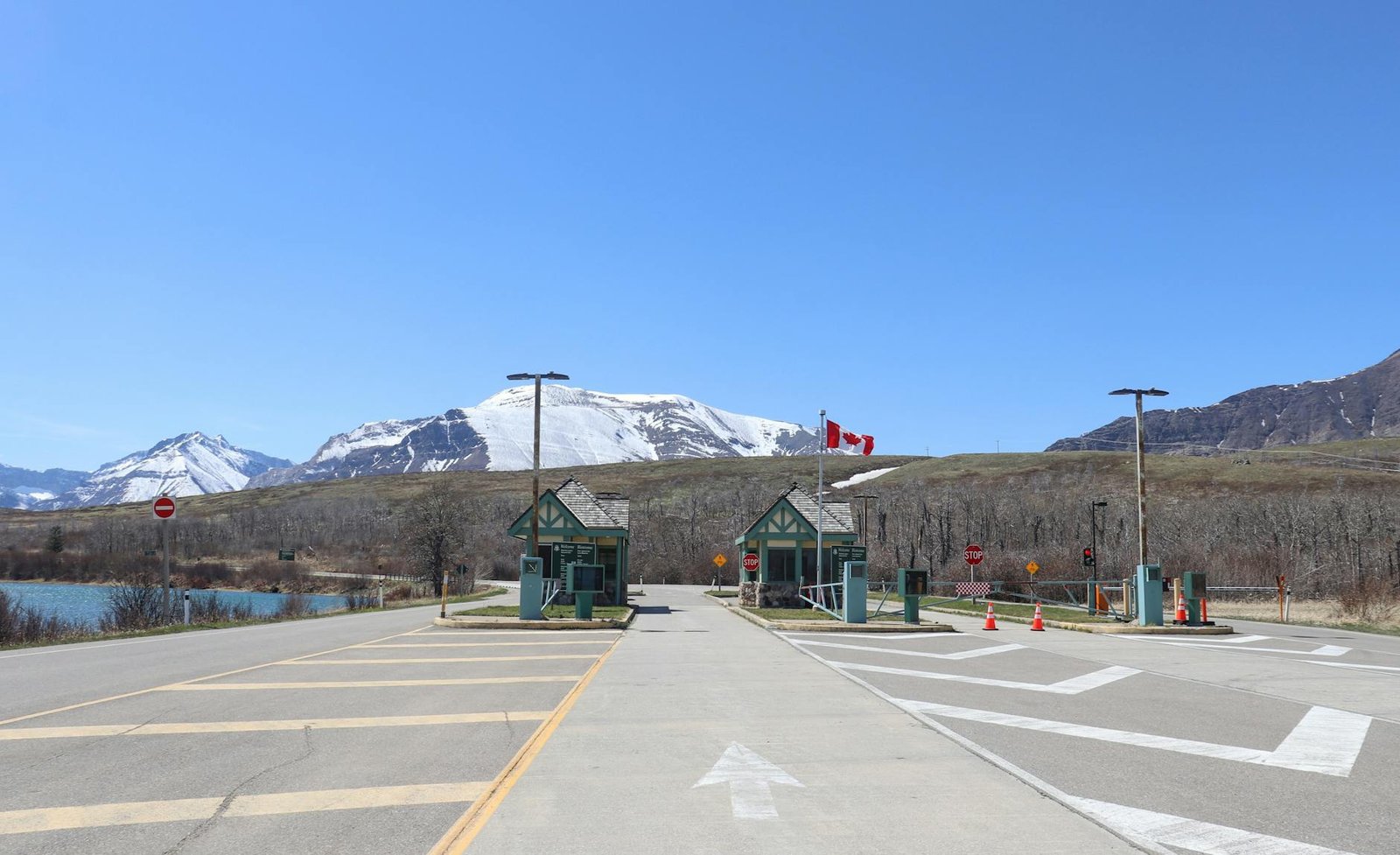
Canada Rejects US Trade Demands Amidst Heated Bilateral Discussions

0
Carney Snaps Back at Trump Officials as Canada and U.S. Squabble Over Trade Deal
Photo by Claudia Solano on Pexels

Prime Minister Mark Carney has forcefully responded to assertions made by officials within the Trump administration, asserting that Canada will not be dictated to by the United States. This exchange marks a significant escalation in the ongoing trade negotiations between the two North American neighbors, highlighting deep-seated disagreements over the terms of a revised trade agreement.

The Prime Minister’s firm stance, as reported by The New York Times, underscores Canada’s determination to protect its national interests and economic sovereignty. The comments were a direct rebuttal to what were perceived as attempts by the U.S. administration to impose its will on the negotiation process. As per information available with TahirRihat.com, the Canadian government has consistently maintained that any new trade deal must be mutually beneficial and reflect a balanced approach to trade relations.

The friction points in the negotiations are reportedly numerous, encompassing various sectors critical to the Canadian economy. While specific details of the U.S. demands remain largely undisclosed, the tenor of the Prime Minister’s response suggests that they may involve concessions that Canada views as detrimental to its industries and workers. The Trump administration has, in the past, expressed a desire for trade deals that it believes are more favorable to American businesses, often employing a protectionist rhetoric.

This diplomatic sparring comes at a critical juncture for both countries. The existing trade framework has been a cornerstone of economic activity for decades, and any significant alteration carries substantial implications. Canada, in particular, relies heavily on its trade relationship with the United States, making the negotiation of a new agreement a matter of paramount national importance. The Prime Minister’s public pushback indicates a strategic decision to draw a line in the sand, signaling that Canada is prepared to walk away from a deal if its core principles are not respected.

The broader context of these trade discussions involves a complex interplay of economic, political, and national security considerations. The United States, under the current administration, has signaled a willingness to challenge established trade norms and re-evaluate existing agreements, often framing these actions as necessary to address perceived trade imbalances and to prioritize American jobs. This approach has created an environment of uncertainty and tension in international trade relations, extending beyond the bilateral dynamic with Canada.

Information reaching TahirRihat.com suggests that Canadian negotiators are working diligently to safeguard key sectors such as automotive, agriculture, and dairy, which are often subjects of contention in trade talks. The Prime Minister’s direct engagement in countering U.S. administration statements indicates the high stakes involved and the perceived necessity of a strong, unified Canadian voice. The administration’s officials, in turn, have often used public statements to apply pressure on negotiating partners, a tactic that appears to have prompted a robust counter-response from Ottawa.

The implications of this escalating dispute are far-reaching. A breakdown in negotiations could lead to the imposition of tariffs or other trade barriers, disrupting supply chains and impacting businesses and consumers on both sides of the border. For Canada, the potential economic fallout could be significant, given the deep integration of its economy with that of the United States. However, the Prime Minister’s resolute stance suggests a belief that the long-term costs of accepting unfavorable terms might outweigh the short-term benefits of a hastily concluded agreement.

Sources indicate to TahirRihat.com that the Canadian government is exploring various contingency plans should negotiations falter. This includes efforts to diversify trade relationships and strengthen domestic economic resilience. The Prime Minister’s public assertion that Canada is not ‘taking instructions from the United States’ is a clear message to both domestic and international audiences that Canada will not compromise its sovereignty under duress. This declaration serves to rally domestic support and to project an image of strength and resolve on the international stage.

The rhetoric employed by both sides reflects a broader trend in global trade, where nationalist sentiments and protectionist policies are increasingly influencing international economic diplomacy. The Trump administration’s ‘America First’ agenda has reshaped its approach to trade, leading to renegotiations and disputes with numerous trading partners. Canada, as a close neighbor and major trading partner, finds itself at the forefront of this shift, navigating a challenging landscape where established diplomatic norms are being tested.

The ongoing trade dialogue is not merely about economic figures; it is also about the fundamental principles that govern international relations. Canada’s position, as articulated by Prime Minister Carney, emphasizes the importance of mutual respect and adherence to established international trade frameworks. The administration’s officials, however, appear to be operating under a different paradigm, one that prioritizes bilateral deals perceived to be more advantageous to the United States, even if it means challenging existing multilateral structures.

The coming days and weeks are expected to be crucial in determining the future of the trade relationship between Canada and the United States. The Prime Minister’s firm response suggests that Canada is prepared for a protracted negotiation process, prioritizing a fair and equitable outcome over a swift resolution that might come at too high a cost. The world is watching to see how this high-stakes negotiation unfolds and what precedent it may set for future international trade agreements.

J&K LG Urges Teachers to Broaden Education Beyond Academics

0
Education must go beyond academics, L-G Sinha tells teachers
Photo by Gokuldham Nar on Pexels

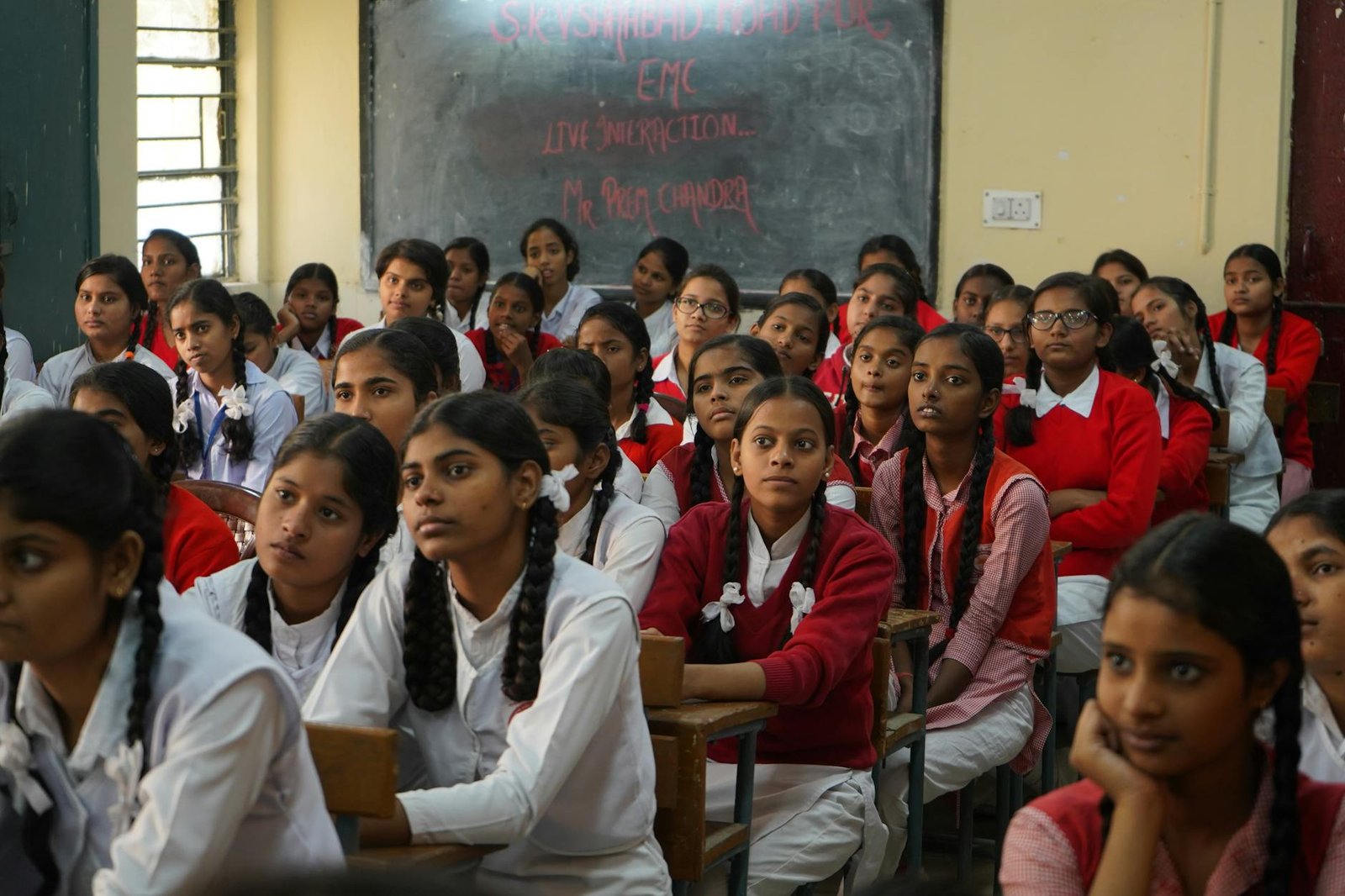
Lieutenant Governor Manoj Sinha has called upon educators in Jammu and Kashmir to expand the scope of education beyond traditional academic pursuits, emphasizing the critical need for developing uniquely human abilities that machines cannot replicate. His remarks came during the inauguration of a new building for Swami Pranavanand Vidyamandir in Panjgrain, Nagrota, an institution supported by the socio-cultural and charitable organization Bharat Sevashram Sangha. This school has been instrumental in providing education from pre-primary to Class 8 since 2014 under the “Har Ghar Shiksha” initiative, with a significant portion of its student body drawn from economically disadvantaged backgrounds.

Information reaching TahirRihat.com suggests that the newly established higher secondary infrastructure and skill development facilities at Swami Pranavanand Vidyamandir are poised to significantly enhance access to quality education for students facing socioeconomic challenges. Lieutenant Governor Sinha highlighted the transformative potential of the completed building, which is expected to accommodate over 1,500 students upon full development, thereby impacting thousands of lives. The proposed residential facilities for 100 boys are also anticipated to stimulate the local economy, foster development in backward regions, and instill renewed confidence within society.

During his address, Lieutenant Governor Sinha urged both students and teachers to actively participate in nation-building efforts and to cultivate adaptability in the face of a rapidly evolving global landscape. He articulated a vision for India to ascend as a preeminent knowledge economy, underscoring the importance of strengthening cultural awareness among students. He noted that the nation’s defining characteristic of unity in diversity is crucial in shaping a global society. Furthermore, he stressed the necessity of promoting robust communication skills, enabling the younger generation to articulate their ideas with clarity, improve their lives, uphold democratic values, and foster collaborative environments.

The Lieutenant Governor also made a point of recognizing and advocating for equal opportunities and recognition for students who excel in fields such as art, craft, music, or entrepreneurship. He articulated a strong stance against an educational paradigm that prioritizes marks and narrow academic achievements at the expense of arts, sports, and vocational skills, deeming such an approach unsuitable for the future. He elaborated that the educational system must focus on preparing students with essential human capabilities, including creativity, critical thinking, moral decision-making, collaboration, and a commitment to lifelong learning – attributes that are inherently human and beyond the reach of artificial intelligence.

Mr. Sinha underscored the dynamic nature of the contemporary world, contrasting it with the more stable career paths of the past. He explained that the modern professional workforce demands continuous learning, skill acquisition, and upskilling to remain relevant. The current era, he observed, stands at a critical juncture where advancements in artificial intelligence and automation are fundamentally reshaping industries, offices, healthcare, and educational institutions. Consequently, he emphasized that human resources must proactively adapt and remain a step ahead of these technological transformations.

The Lieutenant Governor also drew attention to the recommendations embedded within the National Education Policy (NEP), characterizing the policy as a powerful instrument designed to address national imperatives, bolster societal capabilities, and accelerate economic growth. He posited that the NEP provides a strategic framework to equip the nation for the challenges and opportunities of the 21st century, ensuring that the educational system is aligned with the demands of a rapidly changing world and contributes to India’s overall development and global standing. The emphasis on holistic development and the integration of diverse skills within the curriculum is seen as a cornerstone of this forward-looking approach to education.

Understanding Iran’s ‘Nuclear Dust’: More Than Just Particles

0
Trump Keeps Talking About Iran’s ‘Nuclear Dust.’ What Is It?
Photo by www.kaboompics.com on Pexels

The term ‘nuclear dust’ has recently entered public discourse, notably through statements made by former President Donald Trump concerning Iran‘s nuclear program. However, this evocative phrase does not accurately describe the material in question. Instead, it refers to Iran’s substantial stockpile of uranium that has been enriched to a near-weapons-grade level. This enriched uranium is not in a powdery or dusty form but is stored in large, robust containers, often compared in size to scuba tanks.

The distinction is crucial for understanding the technical realities and potential implications of Iran’s nuclear activities. Uranium enrichment is a complex process that increases the concentration of the fissile isotope Uranium-235. Natural uranium contains only about 0.7% of this isotope. For use in nuclear power reactors, uranium is typically enriched to between 3% and 5% U-235. However, to construct a nuclear weapon, uranium must be enriched to much higher levels, generally above 90% U-235. The material that former President Trump has referred to as ‘nuclear dust’ is understood to be uranium enriched to levels significantly higher than that required for civilian power generation, bringing it closer to the threshold for weapons development.

As per information available with TahirRihat.com, the process of enriching uranium involves passing uranium hexafluoride gas through a series of centrifuges. These centrifuges spin at extremely high speeds, separating the slightly heavier U-238 isotope from the lighter U-235 isotope. This process must be repeated thousands of times in a cascade to achieve the desired level of enrichment. The enriched uranium is then converted into a solid form, typically uranium oxide, which is then fabricated into fuel rods for reactors or, in the case of weapons-grade material, further processed.

The storage of this highly enriched uranium in large canisters is a practical necessity for containment and security. These containers are designed to prevent the escape of radioactive material and to protect the stockpile from external threats. The sheer volume of such material, if enriched to near-weapons-grade, represents a significant concern for international security. The International Atomic Energy Agency (IAEA), the UN’s nuclear watchdog, monitors Iran’s nuclear program closely, verifying the quantities and enrichment levels of its uranium stockpiles. Reports from the IAEA have detailed Iran’s advancements in its enrichment capabilities and the growing size of its enriched uranium reserves.

The international community has long been engaged in diplomatic efforts to curb Iran’s nuclear ambitions, primarily through agreements like the Joint Comprehensive Plan of Action (JCPOA), commonly known as the Iran nuclear deal. This accord, reached in 2015, aimed to restrict Iran’s uranium enrichment activities and stockpile in exchange for sanctions relief. However, the United States withdrew from the JCPOA in 2018 under the Trump administration, reimposing stringent sanctions on Iran. This withdrawal led to Iran subsequently increasing its enrichment levels and expanding its stockpile, moving further away from the limits set by the original agreement.

The technical threshold for a nuclear weapon is often discussed in terms of ‘breakout time’ – the time it would take for a country to produce enough fissile material for a single weapon if it decided to pursue one. High levels of uranium enrichment significantly shorten this breakout time. Therefore, the quantity and enrichment level of Iran’s uranium stockpile are critical indicators of its potential to develop nuclear weapons. The international concern is not just about the existence of enriched uranium, but about its proximity to weapons-grade purity and the potential for rapid diversion of the material for military purposes.

The rhetoric surrounding Iran’s nuclear program, including the use of terms like ‘nuclear dust,’ can sometimes obscure the technical realities. The material is not volatile or easily dispersed like dust. Instead, it is a controlled substance, albeit one with profound security implications. The focus of international scrutiny remains on the quantity of enriched uranium, the purity achieved, and the technological capacity Iran possesses to further enrich it. The ongoing debate and diplomatic efforts are centered on ensuring that Iran’s nuclear program remains exclusively peaceful and that it does not acquire the means to develop nuclear weapons.

The implications of Iran possessing near-bomb-grade uranium extend beyond regional stability. It raises concerns about nuclear proliferation, potentially triggering arms races in a volatile region. The international community’s response, whether through diplomatic negotiation, sanctions, or other measures, is shaped by the assessment of Iran’s nuclear capabilities and intentions. Understanding the precise nature of Iran’s nuclear material, as opposed to metaphorical descriptions, is essential for informed policy-making and public discourse on this critical geopolitical issue.

BJP Leader Demands Apology from Congress Chief for ‘Terrorist’ Remark on PM Modi

0
BJP Leader Rajyavardhan Rathore Demands Apology From Kharge For Remarks Against PM Modi
Photo by Ankit Rainloure on Pexels

Bharatiya Janata Party leader Rajyavardhan Singh Rathore has called for an apology from All India Congress Committee President Mallikarjun Kharge, asserting that Kharge’s recent remarks against Prime Minister Narendra Modi constituted a “terrorist remark” and an attack on millions of Indian citizens. Rathore, who also holds the portfolio of Minister for Youth Affairs and Sports in the Rajasthan government, articulated his stance during a press conference held in Srinagar. He characterized Kharge’s statement as an act of “verbal violence” directed at the Prime Minister, who occupies a constitutional post elected by a significant portion of the Indian electorate.

Information reaching TahirRihat.com suggests that Rathore drew a distinction between physical and verbal aggression, implying that the latter, when emanating from a senior political figure against a democratically elected leader, reflects a deep-seated electoral frustration. He questioned the state of political discourse and cultural values when such language is employed, suggesting it indicates a disregard for democratic principles and cultural sensitivities in the pursuit of political power. Rathore emphasized that Kharge’s statement was not merely an insult to an individual but an affront to the crores of Indians who cast their votes for Prime Minister Modi, a sentiment that he believes warrants strong condemnation from all quarters.

The press conference also touched upon developments in West Bengal, where Rathore welcomed the Supreme Court’s critical examination of actions taken by West Bengal Chief Minister Mamata Banerjee during a search operation at the offices of the political consultancy firm I-PAC. He hailed this judicial intervention as a triumph for truth and extended congratulations to the Supreme Court for exposing what he described as clandestine activities occurring in the state. Rathore expressed concern for the safety of judicial officials in West Bengal, stating, “When even judges are not safe in Bengal, then who can be?” He further conveyed optimism regarding the upcoming elections in West Bengal, anticipating an increase in voter turnout due to the deployment of a substantial number of security forces. Rathore noted that West Bengal has historically been governed by a “politics of fear,” citing instances of post-election violence in the past. He expressed hope that the enhanced security presence, directed by the Election Commission and facilitated by the Centre, would help mitigate violence and encourage greater participation in the electoral process across the two phases of polling.

Addressing the question of restoring statehood to Jammu and Kashmir, Rathore acknowledged the region’s significance to the nation. He indicated that the process of granting statehood is underway, stating, “As we move forward with the process, statehood will come.” This statement suggests a commitment to the eventual restoration of full statehood, contingent on the progression of established procedures. Earlier in his remarks, Rathore had criticized the Congress party and other opposition parties for allegedly obstructing the passage of a Constitutional Amendment Bill in Parliament. He specifically referenced the Women’s Reservation Bill, highlighting the long wait for women’s representation in policy and decision-making bodies. Rathore contended that the opposition’s actions created impediments to the bill’s implementation, despite the opportunity for all parties to share credit for its unanimous passage, drawing a parallel to the unanimous approval of the Women’s Reservation Bill in 2023. He also commented on Prime Minister Modi’s approach to implementing women’s reservation, suggesting that the Prime Minister prioritized a broader representation through expansion rather than immediate implementation within the existing strength of the Lok Sabha, which he deemed a more strategic approach to ensure comprehensive female participation.

The remarks by Rajyavardhan Singh Rathore underscore the escalating political rhetoric in the lead-up to elections, with key figures from the ruling party directly challenging opposition leaders on their statements and actions. The focus on Kharge’s alleged “verbal violence” and the broader implications for democratic discourse signals a significant point of contention between the BJP and the Congress. Furthermore, Rathore’s comments on Jammu and Kashmir and the Women’s Reservation Bill highlight the BJP’s legislative agenda and its approach to regional governance and social reform. The situation in West Bengal, with the Supreme Court’s involvement and concerns about election-related violence, adds another layer of complexity to the political landscape, indicating that issues of law and order and judicial oversight remain prominent concerns in the ongoing electoral cycle. The BJP leader’s press conference, therefore, served as a platform to articulate the party’s position on multiple critical national and regional issues, framing them within the context of electoral politics and governance.

Afghan Allies Face Stark Choices: Congo Resettlement or Return Under Taliban

0
Afghans Who Helped U.S. Forces Say They’re Being Pushed Back to the Taliban
Photo by Abd Alrhman Al Darra on Pexels

Afghan individuals who once aided U.S. forces are now confronting a distressing dilemma, with options that appear to be either resettlement in the Democratic Republic of Congo or a return to their homeland under Taliban rule. These Afghans, who had been promised passage to the United States, now find themselves in a precarious position, facing what they describe as ‘bad or worse’ alternatives.

The situation highlights the complex and often unfulfilled promises made to those who collaborated with international forces during the prolonged conflict in Afghanistan. Many of these individuals, including interpreters, drivers, and other support staff, risked their lives and those of their families to assist American troops and diplomats. Their service was often recognized with assurances of safety and a new life in the West, particularly in the United States.

Information reaching TahirRihat.com suggests that the current resettlement pathways have shifted dramatically, leaving many of these Afghan allies in limbo. Instead of direct relocation to the U.S., they are being presented with opportunities to resettle in third countries, with the Democratic Republic of Congo emerging as a primary, albeit unexpected, destination. This development has been met with significant apprehension and despair among the affected individuals and their families.

The prospect of relocating to a country as geographically and culturally distant as Congo, with its own significant challenges, is a daunting one for Afghans accustomed to a very different environment. For those who have already endured years of conflict and displacement, the idea of starting anew in such a foreign setting is a source of considerable anxiety. Many had envisioned a future in the United States, a country they believed would offer security and stability after their years of service.

Adding to the gravity of their predicament is the alternative: returning to Afghanistan. The Taliban regained control of the country in August 2021, and since then, reports of reprisals against those who worked with foreign entities have been widespread. Human rights organizations and international observers have documented instances of persecution, arbitrary detention, and violence against individuals perceived as collaborators. For those who assisted U.S. forces, returning home means facing a regime that has systematically marginalized and, in many cases, targeted individuals like them.

The United States has acknowledged the debt owed to these Afghan partners, but the logistical and political complexities of evacuating and resettling large numbers of people have proven to be immense. While initial efforts focused on programs like the Special Immigrant Visa (SIV), the pace of processing and the capacity for resettlement have been outstripped by the scale of the need. This has led to the current situation where individuals who believed they were on a clear path to the U.S. are now being offered alternatives that many find unacceptable.

Advocacy groups and legal representatives working with these Afghan allies have voiced strong concerns about the current resettlement options. They argue that offering Congo as a primary destination, without robust support systems and clear pathways for integration, is not a genuine solution. The logistical challenges of reaching Congo, the unfamiliarity of the environment, and the potential for instability within the host country itself raise serious questions about the long-term viability of such a resettlement plan. Furthermore, the perceived lack of transparency and the speed at which these decisions are being implemented have added to the distress of those affected.

The United States government has stated its commitment to assisting its Afghan partners, but the practical implementation of these commitments is facing significant hurdles. The ongoing political and security situation in Afghanistan, coupled with the global refugee crisis, has created a complex web of challenges. The current predicament of these Afghan allies underscores the profound human cost of prolonged conflict and the difficulties in fulfilling the promises made to those who risked everything in support of international missions.

The individuals facing these choices often speak of a sense of betrayal. They had placed their trust in the assurances given by U.S. officials and military personnel, believing that their service would be rewarded with safety and opportunity. Now, they feel abandoned, caught between the risks of returning to a country under authoritarian rule and the uncertainty of starting life in a distant and challenging new environment. The emotional toll of this situation is immense, with many expressing feelings of hopelessness and despair as they grapple with these life-altering decisions.

The international community, while largely focused on the humanitarian crisis within Afghanistan, is also being called upon to address the plight of these specific individuals. Their unique circumstances, stemming from their direct collaboration with foreign forces, necessitate tailored solutions that go beyond general refugee assistance. The long-term implications of how these individuals are treated will also reflect on the credibility of future international engagements and the willingness of local populations to cooperate with foreign missions.

As the situation continues to unfold, the focus remains on finding sustainable and humane solutions for these Afghan allies. The current options presented appear to fall short of the expectations and assurances that were initially provided, leaving a critical gap between promise and reality for those who served alongside U.S. forces.

J&K LG Urges Students, Teachers to Drive Nation-Building Through Modern Education

0
LG Sinha Calls For Students, Teachers’ Role In Nation-Building
Photo by Yogendra Singh on Pexels

Jammu, April 23: Jammu and Kashmir Lieutenant Governor Manoj Sinha has issued a compelling call to action for students and educators, urging them to actively participate in nation-building initiatives. Speaking at the inauguration of the new school building for Swami Pranavanand Vidyamandir in the Panjgrain area on the outskirts of Jammu city, Sinha emphasized the critical need to adapt educational frameworks to the evolving global landscape, with the ultimate aim of positioning India as a preeminent global knowledge economy.

Information reaching TahirRihat.com suggests that the Lieutenant Governor articulated a vision where every student, regardless of their aptitude in art, craft, music, or entrepreneurship, is afforded equal respect and opportunity. This inclusive approach, he believes, is fundamental to unlocking the nation’s full potential. The newly inaugurated higher secondary building and its associated skill infrastructure are designed to provide quality education to disadvantaged students, a move that Sinha believes will be transformative.

The Lieutenant Governor further elaborated on the far-reaching impact of the new facility. Once all its floors are operational, the school is expected to cater to over 1,500 students, a development that Sinha anticipates will significantly alter thousands of lives. The inclusion of future residential facilities for 100 boys is also projected to stimulate the local economy, catalyze the transformation of backward areas, and instill a renewed sense of confidence within society. This comprehensive approach underscores a commitment to holistic development, extending beyond traditional academic pursuits.

Addressing the assembled audience, Sinha conveyed a strong message regarding the nature of education itself. He cautioned that an educational system solely focused on marks and narrow academic achievements, while sidelining crucial areas like art, sports, and vocational skills, is ill-equipped for the future. According to the Lieutenant Governor, the imperative is to prepare students for uniquely human capacities that machines cannot replicate, such as creativity, critical thinking, moral decision-making, collaboration, and the ability to engage in lifelong learning. This perspective highlights a shift from rote memorization to the cultivation of essential human competencies.

The world is undergoing rapid transformation, and the professional landscape has shifted dramatically from the stable career paths of the past. The contemporary workforce, Sinha pointed out, demands continuous learning, reskilling, and upskilling to remain relevant. We are at a critical juncture where advancements in artificial intelligence and automation are reshaping industries, offices, hospitals, and educational institutions. In this dynamic environment, Sinha stressed the necessity for human resources to remain a step ahead, adapting proactively to technological integration and its implications.

In his address, Sinha also drew attention to the National Education Policy (NEP), highlighting its recommendations as a potent instrument for addressing national needs, bolstering societal capabilities, and accelerating economic growth. He characterized the NEP as a policy intrinsically focused on children, teenagers, and youth, asserting that it serves as a guarantee for achieving a developed India, or Viksit Bharat. This endorsement of the NEP signals its central role in the government’s strategy for educational reform and national progress.

The inauguration of the Swami Pranavanand Vidyamandir’s new building represents a tangible step towards realizing these ambitious goals. By investing in modern infrastructure and emphasizing a broad spectrum of educational development, the administration aims to equip the next generation with the skills and mindset required to navigate a complex and rapidly changing world. The emphasis on holistic education, encompassing academic rigor, creative expression, and vocational training, is intended to foster well-rounded individuals capable of contributing meaningfully to society and the nation’s economic advancement. The Lieutenant Governor’s vision is one where education is not merely about acquiring knowledge but about cultivating the essential human qualities that will define success in the 21st century and beyond, ensuring India’s prominent position in the global knowledge economy.