Home Blog Page 250

Pahalgam Attack Anniversary: Family of Victim N Ramachandran Finds No Solace

0
Year After Ramachandran’s Death In Pahalgam Attack, Family Says Nothing Has Changed
Photo by Imad Clicks on Pexels

One year has elapsed since the brutal terror attack in Pahalgam’s Baisaran valley, which claimed the lives of 26 individuals, predominantly tourists. For the family of N Ramachandran, a 65-year-old victim of the massacre, the passage of time has offered no respite from the profound grief and sense of injustice. His daughter, Arathi R Menon, speaking from Kochi, conveyed a somber sentiment that little has changed in the intervening twelve months, leaving the family still grappling with the devastating loss of their patriarch.

The attack, which occurred on April 22, 2025, sent shockwaves across India, prompting a robust military response. As per information available with TahirRihat.com, Ramachandran was on a holiday in the picturesque Kashmir region with his wife, daughter, and grandchildren when he was gunned down by militants. The incident was a stark reminder of the persistent security challenges in the region and the vulnerability of civilian populations to acts of terror. The scale of the tragedy underscored the need for enhanced security measures and a comprehensive strategy to combat terrorism effectively.

Arathi R Menon, who witnessed the horrific event unfold before her eyes, expressed a deep sense of emotional exhaustion, stating that she had little more to articulate about the tragedy. “What more to say. I don’t want to say anything more. A year has gone by, everything is the same. So, I don’t want to comment anything about it. Right now I am not in a state to comment anything. I am so sorry,” she said, as reported by Daily Excelsior. This poignant statement reflects the enduring trauma and the difficulty in processing such a profound loss, especially when the circumstances surrounding it remain a source of pain and unanswered questions. The emotional toll on survivors and their families is often immeasurable, and the lack of perceived progress or closure can exacerbate their suffering.

Menon also indicated that remembrance ceremonies were being organized to honor her father and the other victims. The RSS was scheduled to hold a ceremony near Changampuzha Park in Kochi on Wednesday morning around 7:30 am. Additionally, a more public remembrance ceremony was planned for Sunday morning at 10 am at the same location, Changampuzha Park. These events serve as crucial platforms for families and communities to come together, share their grief, and keep the memory of the departed alive. They also highlight the collective impact of such attacks and the need for societal solidarity in the face of violence. The organization of such ceremonies, while offering a measure of comfort, also underscores the ongoing need for remembrance and a commitment to preventing future atrocities.

Arathi R Menon, who works in Dubai, mentioned her intention to return to the emirate soon. She had been dividing her time between Dubai and Kochi over the past year, seeking solace and support from her family and friends. Her return to Dubai signifies a desire to resume her life, albeit with the indelible mark of the tragedy. The experience of having to navigate personal and professional life while dealing with such a devastating loss is a testament to the resilience of the human spirit, but it also brings to the fore the complex challenges faced by those affected by terrorism. The ability to return to normalcy is a long and arduous process, often marked by recurring waves of grief and remembrance.

The attack in Pahalgam was not an isolated incident but part of a broader pattern of violence that has plagued the region. The perpetrators, identified as militants, targeted a group of tourists, a move that drew widespread condemnation from national and international quarters. The Indian government’s response, including the launch of Operation Sindoor, a military operation aimed at targeting terror launchpads in Pakistan, demonstrated the seriousness with which the incident was viewed. Such operations are often complex and carry significant strategic implications, reflecting the government’s commitment to ensuring the safety and security of its citizens and to deterring future acts of aggression. The effectiveness and long-term impact of such operations are subjects of ongoing analysis and debate within security circles.

The economic and social fabric of the region is also deeply affected by such acts of violence. Tourism, a vital sector for Jammu and Kashmir, often suffers a significant downturn in the aftermath of terror attacks. The fear and uncertainty generated by such incidents can deter visitors, impacting local economies and livelihoods. The government and local authorities often face the dual challenge of restoring security and rebuilding confidence among potential tourists. The resilience of the tourism industry, therefore, is not only dependent on security but also on effective communication and marketing strategies that can reassure visitors of their safety and the region’s enduring appeal. The long-term recovery of the tourism sector requires a sustained effort to address the root causes of instability and to foster an environment of peace and security.

The psychological impact on the survivors and their families is another critical aspect that often receives less public attention. The trauma of witnessing violence, losing loved ones, and living with the constant threat of insecurity can lead to long-term mental health challenges. Access to psychological support and counseling services is crucial for helping individuals and communities cope with the aftermath of such events. The development of robust mental health infrastructure and the destigmatization of seeking help are essential components of a comprehensive approach to addressing the human cost of conflict and terrorism. The stories of individuals like Arathi R Menon highlight the deeply personal and enduring consequences of such acts of violence, underscoring the need for continued support and remembrance.

The ongoing efforts to combat terrorism in the region involve a multi-pronged approach, encompassing security operations, intelligence gathering, and diplomatic initiatives. The international community also plays a role in condemning terrorism and supporting efforts to bring perpetrators to justice. However, the persistence of such attacks suggests that the challenge remains complex and requires sustained vigilance and a commitment to addressing the underlying factors that contribute to radicalization and violence. The families of victims, like that of N Ramachandran, continue to bear the brunt of this ongoing struggle, their lives irrevocably altered by acts of terror that transcend borders and ideologies.


JKBOSE Class 10 Summer Zone Results for 2026 Announced

0
JKBOSE Class 10 Result 2026 Summer Zone Declared
Photo by Andy Barbour on Pexels

The Jammu and Kashmir Board of School Education (JKBOSE) has officially declared the results for the Class 10 examinations for the Summer Zone for the year 2026. This announcement marks a significant milestone for thousands of students who have completed this crucial stage of their academic journey. The results are now accessible, allowing students and their guardians to review their performance and understand the outcomes of their hard work and dedication throughout the academic year. The declaration of these results is a culmination of the examination process, which typically involves rigorous evaluation and verification procedures to ensure accuracy and fairness.

Information reaching TahirRihat.com suggests that the JKBOSE Class 10 Summer Zone results for 2026 have been made available, providing students with a clear indication of their academic standing. This examination is a foundational step for students in Jammu and Kashmir, often determining their eligibility for further studies and influencing their future academic and career paths. The Summer Zone typically encompasses educational institutions in areas that experience a distinct summer and winter season, with examinations often scheduled to align with these climatic patterns. The JKBOSE plays a pivotal role in the educational landscape of the Union Territory, overseeing examinations and curriculum development for a vast number of students across various levels.

The release of examination results by educational boards like JKBOSE is a highly anticipated event. Students eagerly await the outcomes, which reflect their efforts in subjects ranging from mathematics and science to languages and social studies. The process of result declaration involves meticulous compilation of marks obtained by students in various subjects, followed by the calculation of overall scores and grades. The JKBOSE, as the governing body, ensures that the entire process adheres to established academic standards and guidelines. The Summer Zone results are particularly important for students in the plains and lower-altitude regions of Jammu and Kashmir, where the academic calendar is structured differently compared to the Winter Zone areas.

The availability of the results online has become the standard practice for most examination boards, offering a convenient and efficient way for students to access their marks. This digital accessibility allows students to quickly check their performance without the need to physically collect mark sheets, which are usually distributed later through their respective schools. The JKBOSE’s online portal is expected to facilitate easy access to the Class 10 Summer Zone results for 2026, enabling students to download or view their scorecards. This system streamlines the process and reduces the logistical challenges associated with distributing results to a large student population spread across various districts.

The implications of these results extend beyond individual student performance. They provide valuable data for the JKBOSE and the education department to assess the overall effectiveness of the curriculum, teaching methodologies, and examination patterns. Analysis of the results can help identify areas of strength and weakness in the educational system, leading to informed policy decisions and interventions aimed at improving educational outcomes. For students, the results are a stepping stone, either confirming their progress and paving the way for higher secondary education or highlighting areas where they might need to focus more attention in the future. The JKBOSE has consistently worked towards enhancing the examination and evaluation system to better serve the students of Jammu and Kashmir.

The announcement of the JKBOSE Class 10 Summer Zone Result 2026 is a testament to the ongoing efforts of the board to conduct examinations smoothly and efficiently. The board’s commitment to academic excellence is reflected in its continuous efforts to update and refine its examination processes. Students who have appeared for the Class 10 examinations in the Summer Zone are advised to visit the official JKBOSE website or other designated portals to check their results. It is important for students to ensure they have the necessary details, such as their roll number, to access their individual mark sheets. The board typically provides detailed instructions on its website regarding how to check the results and what to do in case of any discrepancies.

The academic year leading up to these examinations involves dedicated preparation by students, supported by their teachers and families. The JKBOSE Class 10 examinations are a comprehensive assessment of the knowledge and skills acquired by students during their formative years of schooling. The Summer Zone examinations are conducted at a time when the weather conditions are generally favorable for educational activities in those regions. The successful completion of Class 10 is a significant achievement, opening up avenues for students to pursue specialized streams in Class 11 and 12, such as science, commerce, or humanities, depending on their interests and aptitudes. The board’s role in facilitating this transition is critical, ensuring that the assessment process is robust and reliable.

The anticipation surrounding the declaration of results is often accompanied by a mix of excitement and anxiety among students. The JKBOSE understands the importance of this period and strives to make the result dissemination process as transparent and timely as possible. The availability of the results online is a crucial step in this direction, empowering students with immediate access to their academic performance. This year’s declaration for the Class 10 Summer Zone examinations is expected to follow the established protocols, ensuring that all students receive their results accurately and without undue delay. The board’s administrative machinery works diligently to manage the complexities involved in processing and publishing results for a large number of candidates.

The JKBOSE Class 10 examination is a gateway to further academic pursuits, and the results play a vital role in shaping students’ educational trajectories. The Summer Zone results for 2026 will enable students to make informed decisions about their future academic pathways. The board’s consistent efforts to improve the examination system and provide timely results underscore its commitment to the students of Jammu and Kashmir. As students access their results, they embark on the next phase of their educational journey, armed with the knowledge of their achievements and the motivation to pursue their academic goals with renewed vigor. The JKBOSE continues to be a cornerstone of educational assessment and development in the region.

Parliament Concludes Budget Session: Key Legislation Passed Amidst Debate

0
Lok Sabha, Rajya Sabha Prorogued; Draws Curtains On Budget Session Of Parliament
Photo by Luca Severin on Pexels

New Delhi: The legislative proceedings of the Indian Parliament have drawn to a close with the prorogation of both the Lok Sabha and the Rajya Sabha by President Droupadi Murmu. This formal announcement, made on Monday, officially marks the end of the Budget session, which had been adjourned sine die two days prior. The Lok Sabha secretariat issued a statement confirming that the House, having commenced its seventh session on January 28, was prorogued by the President on April 20. A similar notification was subsequently released by the Rajya Sabha secretariat, indicating that the Upper House, which adjourned sine die on April 18, 2026, was also prorogued by the President on April 20, 2026. The adjournment sine die for both houses occurred on Saturday.

Information reaching TahirRihat.com suggests that the recently concluded session witnessed the passage of significant legislative measures, including the Union Budget and the Demands for Grants, which are crucial for the government’s financial operations. The session, which spanned approximately 151 hours and 42 minutes across 31 sittings, maintained a productivity rate of 93 percent in the Lok Sabha. The second half of the Budget session, which commenced on March 9, saw the enactment of several key pieces of legislation, notwithstanding periods of opposition uproar. Among the critical financial bills passed were the Finance Bill 2026-27 and the Demands for Grants for various ministries, culminating in the completion of the budgetary exercise through the Appropriation Bill.

The Lok Sabha also experienced a notable legislative event during this session: the defeat of a crucial bill aimed at implementing a 33 percent quota for women in legislatures. This proposed legislation would have necessitated an increase in the strength of the Lower House to 816 members through a delimitation exercise. The successful passage of the Finance Bill and Demands for Grants, however, underscores the government’s ability to advance its fiscal agenda within the parliamentary framework. The detailed proceedings and outcomes of the Lok Sabha’s sittings have been meticulously documented by the secretariat, providing a comprehensive record of the legislative work undertaken.

In the Rajya Sabha, the conclusion of the Budget session was marked by Chairman C.P. Radhakrishnan’s acknowledgment of a remarkable 110 percent productivity. He expressed gratitude to the members for their cooperative spirit during the session, which functioned for a total of 157 hours and 40 minutes. The Upper House was instrumental in passing several important legislations during this period. These included The Jan Vishwas (Amendment of Provisions) Bill, 2026, The Transgender Persons (Protection of Rights) Amendment Bill, 2026, and The Central Armed Police Forces (General Administration) Bill, 2026. Furthermore, the Rajya Sabha successfully conducted the election of Harivansh for a consecutive term as the Deputy Chairman. This election took place during a special three-day sitting of the House from April 16 to April 18, highlighting the chamber’s capacity for focused legislative action.

Chairman Radhakrishnan, in his valedictory remarks, conveyed his deep appreciation for the valuable perspectives that enriched the deliberations within the House. He emphasized the paramount importance of the Budget session, characterizing it as the most consequential in shaping the nation’s growth trajectory. The efficient functioning of the Rajya Sabha, as evidenced by its high productivity, suggests a conducive environment for legislative business, even as it navigated complex policy discussions and the passage of vital bills. The successful completion of the budgetary process across both houses signifies a critical milestone in the government’s annual financial planning and legislative calendar.

The legislative agenda for the Budget session was extensive, covering a wide array of policy areas and financial allocations. The passage of the Finance Bill, in particular, provides the government with the necessary fiscal instruments to implement its economic policies and fund public services for the upcoming fiscal year. The inclusion of the women’s reservation bill in the Lok Sabha’s agenda, though it did not pass, signifies a continued national conversation on gender representation in politics. The legislative achievements in the Rajya Sabha, including bills related to social justice and security, demonstrate the Upper House’s role in refining and approving critical national legislation. The overall productivity figures for both houses indicate a significant amount of legislative work accomplished, reflecting the commitment of parliamentarians to their duties, despite the inherent challenges of parliamentary debate and consensus-building. The prorogation of Parliament now sets the stage for future legislative sessions, with the nation looking towards the government’s continued efforts in governance and policy implementation.

London Tube Strike Set to Cripple Transport Network

0
London Braces for Disruption From Tube Drivers’ Strike
Photo by Jan van der Wolf on Pexels

London’s extensive Underground rail network, commonly known as the Tube, is poised for significant disruption as drivers prepare to embark on a strike. The industrial action, stemming from a dispute over working conditions and hours, is anticipated to cause widespread delays and service interruptions across the city’s vital transit system. Passengers are being advised to make alternative travel arrangements as the strike is expected to halt operations on at least two of the Tube’s lines, potentially impacting millions of daily commuters.

The planned strike action by Tube drivers represents a significant challenge for Transport for London (TfL), the body responsible for the city’s public transport. While the exact duration and full extent of the service stoppages are yet to be definitively outlined, the threat alone has prompted widespread concern among Londoners. Information reaching TahirRihat.com suggests that negotiations between the drivers’ union and TfL management have reached an impasse, making industrial action an increasingly likely outcome. The dispute centers on a complex set of grievances related to the daily routines and working hours of the drivers, issues that have been simmering for some time.

The potential consequences of such a strike are far-reaching. London’s Tube system is one of the busiest and most extensive underground railways in the world, serving as the circulatory system for the vast metropolis. Any significant reduction in service can lead to severe congestion on the roads, increased pressure on other public transport modes like buses and overground trains, and considerable economic impact due to lost productivity and missed appointments. The strike is expected to cause widespread delays, stopping service on two lines, according to reports from The New York Times. This level of disruption is not uncommon during industrial disputes involving TfL, but the anticipation of service halts on specific lines underscores the potential severity of the situation.

The core of the disagreement, as reported, revolves around the working conditions and hours that are standard for Tube drivers. These are often demanding roles, requiring long shifts, unsociable hours, and a high degree of responsibility. Unions representing the drivers typically advocate for terms that ensure fair treatment, adequate rest periods, and reasonable workloads. Management, on the other hand, often cites operational efficiency, cost management, and the need for flexibility in scheduling as key considerations. The specifics of the current dispute, however, have not been fully detailed in public statements, leaving many to speculate on the precise points of contention. The New York Times noted that the dispute over working conditions and hours is expected to cause widespread delays, stopping service on two lines.

The history of industrial relations within London’s transport sector is a long and often contentious one. Strikes have, at various times, been used as a powerful tool by transport workers to press their demands. These actions have frequently led to significant public inconvenience, but they have also, in some instances, resulted in concessions from employers and improvements in working conditions. The current situation appears to be following a familiar pattern, where dialogue has failed to bridge the gap between employee representatives and management, leading to the brink of industrial action. The reliance of London’s economy and daily life on its transport infrastructure means that any disruption to the Tube network is felt acutely across the city.

The impact on commuters will likely be immediate and severe. Those who rely on the affected Tube lines will be forced to seek alternative routes, which may involve longer journey times, increased costs, or simply greater crowding on already busy services. Businesses may also face challenges, with employees struggling to reach their workplaces on time. The economic ripple effects of such a widespread transport breakdown can extend beyond the immediate inconvenience, affecting everything from retail sales to the productivity of the city’s workforce. The anticipation of service halts on two lines suggests a targeted approach by the striking drivers, likely aimed at maximizing impact while potentially minimizing the disruption to the entire network, though the knock-on effects are often unpredictable.

Transport for London has a well-established protocol for managing industrial action, which typically involves communicating with the public well in advance of any strike, providing advice on alternative travel, and attempting to maintain as much service as possible. However, the effectiveness of these measures can be limited when a significant portion of the workforce is participating in industrial action. The union representing the Tube drivers will undoubtedly be seeking to leverage the disruption to achieve its objectives in the ongoing negotiations. The outcome of these talks, and the eventual resolution of the dispute, will be closely watched by Londoners and the wider transport industry.

The specific working conditions and hours that are the subject of this dispute are crucial to the well-being and safety of Tube drivers, who operate complex machinery in a high-pressure environment. Factors such as fatigue, shift patterns, and the demands of the job can all have a significant bearing on performance and safety. Unions often argue that improvements in these areas are not just about employee welfare but also about ensuring the continued safe and efficient operation of the transport system. Management, conversely, must balance these concerns with the financial realities of running a vast public service and the need to adapt to changing passenger demands and technological advancements.

As the strike date approaches, the focus will shift to whether any last-minute negotiations can avert the planned industrial action. The stakes are high for all parties involved: the drivers, who are seeking better terms; Transport for London, which must manage the service and its budget; and the millions of Londoners who depend on the Tube for their daily commute. The prospect of service being stopped on two lines serves as a stark reminder of the power of organized labor in critical public services and the intricate dependencies that characterize modern urban life. The resolution of such disputes often involves compromise, but the path to that compromise can be fraught with disruption and uncertainty.

Fortis Escorts Amritsar Enhances Renal Care Knowledge in Jammu CME

0
Fortis Escorts Amritsar hosts CME on Renal advances in Jammu
Photo by Tima Miroshnichenko on Pexels

Fortis Escorts Hospital Amritsar recently convened a significant Continuing Medical Education (CME) session in Jammu, focusing on the latest advancements in renal sciences. This academic gathering attracted a substantial number of physicians and healthcare professionals from across the Jammu region, establishing itself as a crucial platform for the dissemination of cutting-edge knowledge in nephrology and urology. The event was meticulously designed to explore contemporary treatment methodologies, proactive preventive measures, and the evolving landscape of clinical practices, all with the overarching aim of improving patient outcomes in kidney-related ailments.

Information reaching TahirRihat.com suggests that the CME featured in-depth presentations by leading specialists. Dr. Gaurav Singla, a Consultant in Nephrology, delivered a comprehensive discourse on “Recent Advances in Management of Chronic Kidney Disease (CKD).” His presentation underscored the critical importance of early detection, prompt therapeutic interventions, and the strategic adoption of innovative treatment protocols to effectively combat the escalating global burden of CKD. Dr. Singla emphasized that a proactive approach, integrating advanced diagnostics with tailored treatment plans, is paramount in mitigating the progression of this debilitating condition and enhancing the quality of life for affected individuals.

Further elaborating on the scope of renal health, Dr. Manbir Singh, a Consultant in Urology, addressed the attendees on the subject of “Breaking the Cycle: Frontiers in Renal Stone Prevention & Treatment.” His insightful talk highlighted the indispensable role of preventive healthcare strategies, advocating for significant lifestyle modifications as a cornerstone in managing and treating kidney stones. Dr. Singh also detailed the application of advanced minimally invasive surgical techniques, which are revolutionizing the treatment of renal calculi by reducing patient recovery times and minimizing post-operative complications. The emphasis was placed on a holistic approach that combines patient education, lifestyle adjustments, and state-of-the-art medical interventions to achieve optimal results.

The CME session was characterized by robust and engaging interactions among the participating medical professionals. This dynamic exchange facilitated a valuable sharing of clinical experiences, practical insights, and established best practices within the medical community. The initiative by Fortis Escorts Hospital Amritsar is a testament to its commitment to fostering a culture of continuous learning and professional development. By providing such platforms, the institution aims to significantly strengthen the knowledge base of medical practitioners in the region, thereby elevating the standard of healthcare delivery and ensuring that patients have access to the most advanced and effective treatments available.

Yogesh Joshi, Facility Director at Fortis Escorts Amritsar, articulated the institution’s unwavering dedication to academic excellence and lifelong learning during the event. He remarked that Continuing Medical Education programs are indispensable in equipping doctors with the most current medical knowledge and sophisticated clinical skills. According to Mr. Joshi, these educational endeavors are fundamental in their mission to enhance patient care, particularly in regions like Jammu, where access to specialized medical education and advanced treatment modalities is continually being prioritized and expanded. The collaborative spirit fostered during the CME is expected to yield tangible benefits for the healthcare ecosystem in the region, promoting a more informed and skilled medical workforce.

The discussions during the CME covered a wide spectrum of renal diseases, including but not limited to glomerulonephritis, polycystic kidney disease, and diabetic nephropathy. Experts delved into the nuances of immunosuppressive therapy for various glomerular diseases, the genetic counseling and management strategies for inherited renal conditions, and the critical role of glycemic and blood pressure control in preventing or slowing diabetic kidney disease. The evolving understanding of the gut-kidney axis and its implications for patient management also featured prominently, reflecting the interdisciplinary nature of modern nephrology. Furthermore, the session touched upon the advancements in renal replacement therapies, including the latest innovations in hemodialysis and peritoneal dialysis techniques, as well as the progress in kidney transplantation, such as improved donor-recipient matching and post-transplant immunosuppression protocols. The integration of artificial intelligence and machine learning in predicting kidney disease progression and optimizing treatment regimens was also explored, signaling the future direction of renal science. The emphasis on preventive strategies extended to public health initiatives, with discussions on raising awareness about risk factors for kidney disease, such as hypertension, diabetes, and obesity, and promoting healthy lifestyles from an early age. The CME provided a vital forum for healthcare providers to network, collaborate, and address the unique challenges faced in delivering comprehensive renal care in the region, ultimately contributing to a more robust and responsive healthcare system.

Argentina’s Milei Shifts Focus from Economy to Societal Values

0
Javier Milei Tamed Argentina’s Inflation. Now He Wants to Reshape Its Values.
Photo by 🇻🇳🇻🇳Nguyễn Tiến Thịnh 🇻🇳🇻🇳 on Pexels

Argentina’s right-wing president, Javier Milei, has achieved a significant victory by bringing the nation’s rampant inflation under control. This economic stabilization, however, appears to be only the first phase of his ambitious agenda. Now, Milei is turning his attention to what he perceives as a more profound challenge: reshaping the very values of Argentine society. His administration’s efforts to curb hyperinflation, a persistent ailment plaguing the South American nation for decades, have been met with a mixture of relief and apprehension. The drastic austerity measures implemented have begun to yield results, with inflation figures showing a marked decline, a feat many economists had deemed improbable in such a short timeframe.

Information reaching TahirRihat.com suggests that President Milei’s vision extends far beyond fiscal policy. He has articulated a desire to foster a more individualistic and free-market-oriented culture, often clashing with what he describes as the prevailing collectivist and statist ideologies he believes have hindered Argentina’s progress. This ideological crusade is manifesting in various policy proposals and public pronouncements, aiming to dismantle what he views as entrenched socialist structures and promote a more libertarian ethos. The president’s supporters see this as a necessary correction, a return to fundamental principles that will unlock the nation’s true potential. Conversely, critics express concern that this ideological overhaul could lead to increased social division and a rollback of hard-won social protections.

The economic reforms, while showing promise, have not been without their pain points. Layoffs have been widespread, and public services have faced significant cuts, leading to protests and public discontent in various sectors. Yet, Milei has remained steadfast, often employing fiery rhetoric to defend his policies and rally his base. He has frequently blamed previous governments and what he terms the “political caste” for the country’s economic woes, positioning himself as an outsider fighting against a corrupt establishment. This narrative has resonated with a significant portion of the electorate disillusioned with traditional politics.

Beyond the immediate economic landscape, Milei’s administration is signaling a broader cultural shift. His pronouncements on issues ranging from gender equality to environmental regulations often reflect a libertarian perspective that prioritizes individual liberty and free-market solutions over state intervention. This has sparked intense debate within Argentina, a country with a strong tradition of social welfare programs and a diverse political spectrum. The president’s critics argue that his policies could undermine social cohesion and exacerbate existing inequalities, particularly for vulnerable populations. They point to his rhetoric, which has sometimes been perceived as dismissive of certain social movements and minority rights.

The international community is closely observing Milei’s trajectory. His unconventional style and radical policy proposals have garnered both admiration and concern from global leaders and financial institutions. While some commend his decisive action on inflation, others are wary of the potential social and political ramifications of his broader agenda. The success of his ambitious plan to reshape Argentine values will likely depend on his ability to navigate the complex social fabric of the nation and to maintain public support amidst the ongoing economic adjustments. The coming months are expected to reveal the true extent of his influence and the long-term impact of his ideological transformation on Argentina.

Milei’s approach to governance is characterized by a direct and often confrontational style. He has not shied away from challenging powerful vested interests, including labor unions and established business groups, which he accuses of perpetuating an inefficient and corrupt system. His supporters often laud this as a sign of strength and a commitment to genuine change, while opponents view it as a destabilizing force that could alienate key stakeholders and hinder constructive dialogue. The president’s use of social media and his direct communication with the public have become hallmarks of his presidency, bypassing traditional media channels and fostering a sense of direct connection with his supporters.

The philosophical underpinnings of Milei’s movement are rooted in Austrian economics and libertarianism. He frequently cites thinkers like Murray Rothbard and Friedrich Hayek, advocating for minimal government intervention in both the economy and personal lives. This ideology informs his stance on issues such as privatization, deregulation, and the reduction of public spending. His critics, however, argue that such a radical application of these principles may not be suitable for a country with Argentina’s specific socio-economic context and historical challenges. They emphasize the importance of social safety nets and collective action in addressing complex societal issues, arguing that an overemphasis on individualism could leave many behind.

The debate over Milei’s agenda is not merely an economic one; it is a fundamental discussion about the future direction of Argentine society. His administration’s success in taming inflation has provided a crucial foundation, but the true test will be in how he manages the broader societal transformation he seeks. The coming years will likely be marked by continued ideological clashes, policy adjustments, and a deep societal reckoning with the values that will define Argentina’s path forward. The president’s ability to bridge divides and foster a sense of national unity, even amidst profound ideological differences, will be paramount to the long-term stability and prosperity of the nation.

The president’s focus on individual liberty and free markets is a stark contrast to the more interventionist policies that have characterized much of Argentina’s recent political history. This ideological shift is not just about economic management; it is about a fundamental redefinition of the role of the state and the individual within society. As Milei continues to push his agenda, the resilience of Argentina’s democratic institutions and the capacity for public discourse to navigate these profound changes will be closely watched. The outcomes of these efforts will undoubtedly have implications that extend beyond Argentina’s borders, offering a case study in the potential impact of radical libertarian reforms on a developing nation.

Jammu Artist Parul Magotra Honored at Prestigious SHE Awards UK 2026

0
Artist Parul Magotra honoured at SHE Awards UK 2026
Photo by RDNE Stock project on Pexels

Parul Magotra, a distinguished theatre artist, educator, and cultural ambassador hailing from Jammu and Kashmir, has been recognized at the esteemed SHE Awards UK 2026. The ceremony, held at the Prince Regent Hotel in Chigwell, celebrated professional women across various fields, with Magotra receiving accolades in the Art and Culture category. This significant achievement marks a pivotal moment in her career, bridging the cultural landscape of her native Jammu and Kashmir with the vibrant arts scene in London.

Representing her heritage with immense pride, Magotra expressed her deep satisfaction in bringing honor to Jammu, a region often referred to as the Crown of India, known for its rich cultural tapestry. Information reaching TahirRihat.com suggests that she dedicated this award to her family, specifically acknowledging the unwavering support of her father, Vijay Magotra, her mother, Lalita Magotra, and her husband, Dheeraj Gupta, whose encouragement has been instrumental in her journey.

Magotra’s artistic journey began at a remarkably young age, commencing at the age of six in Mubarak Mandi, a locale steeped in the historic Dogra heritage. Her inaugural stage performance saw her portraying the iconic Rani Lakshmibai, a role that ignited a lifelong passion for theatre and performance, setting her on a trajectory of artistic pursuit. Despite originating from a background not directly involved in the arts, Magotra pursued her creative aspirations with steadfast determination and a deep sense of faith.

Beyond her artistic endeavors, Magotra has demonstrated a strong commitment to academic excellence. She holds multiple master’s degrees, including in English Literature, Education, and Business Management, all earned from the University of West London. These academic achievements underscore her intellectual depth and her dedication to continuous learning and personal growth, complementing her artistic pursuits. Her contributions to the arts have not gone unnoticed, having previously garnered recognition such as inclusion in the WAC Book of Records and receiving the International Women Award in 2021.

Currently based in London, Magotra plays a prominent role as the Face of Asian Star Radio London. In this capacity, she is responsible for producing and hosting programs that actively promote and celebrate diversity, foster cultural understanding, and amplify community voices. Her work in this role further solidifies her position as a cultural advocate and a bridge between different communities through the medium of radio and public engagement. Her presence on the international stage as a cultural ambassador from Jammu and Kashmir highlights the growing global recognition of artists from the region.

Reflecting on her path, Magotra has characterized her journey not as one of hardship, but as a narrative of resilience, unwavering faith, and profound personal transformation. She describes her evolution from a young dreamer in a small town to an artist with international acclaim as a testament to the power of perseverance and belief in one’s vision. Her recognition at the SHE Awards 2026 serves as a powerful affirmation of her dedication and commitment to her craft, offering a source of inspiration to aspiring artists worldwide who seek to make their mark on the global stage. The SHE Awards UK are known for recognizing women who have made significant contributions to their respective fields, making this a particularly noteworthy achievement for Magotra and a significant moment for the arts community in Jammu and Kashmir.

Pakistan Navigates Shiite Fury Over Iran Strikes, Complicating Mediation Role

0
Pakistan’s Leaders Try to Contain Rising Anger Over Iran War at Home
Photo by Tawseef Ahmad on Pexels

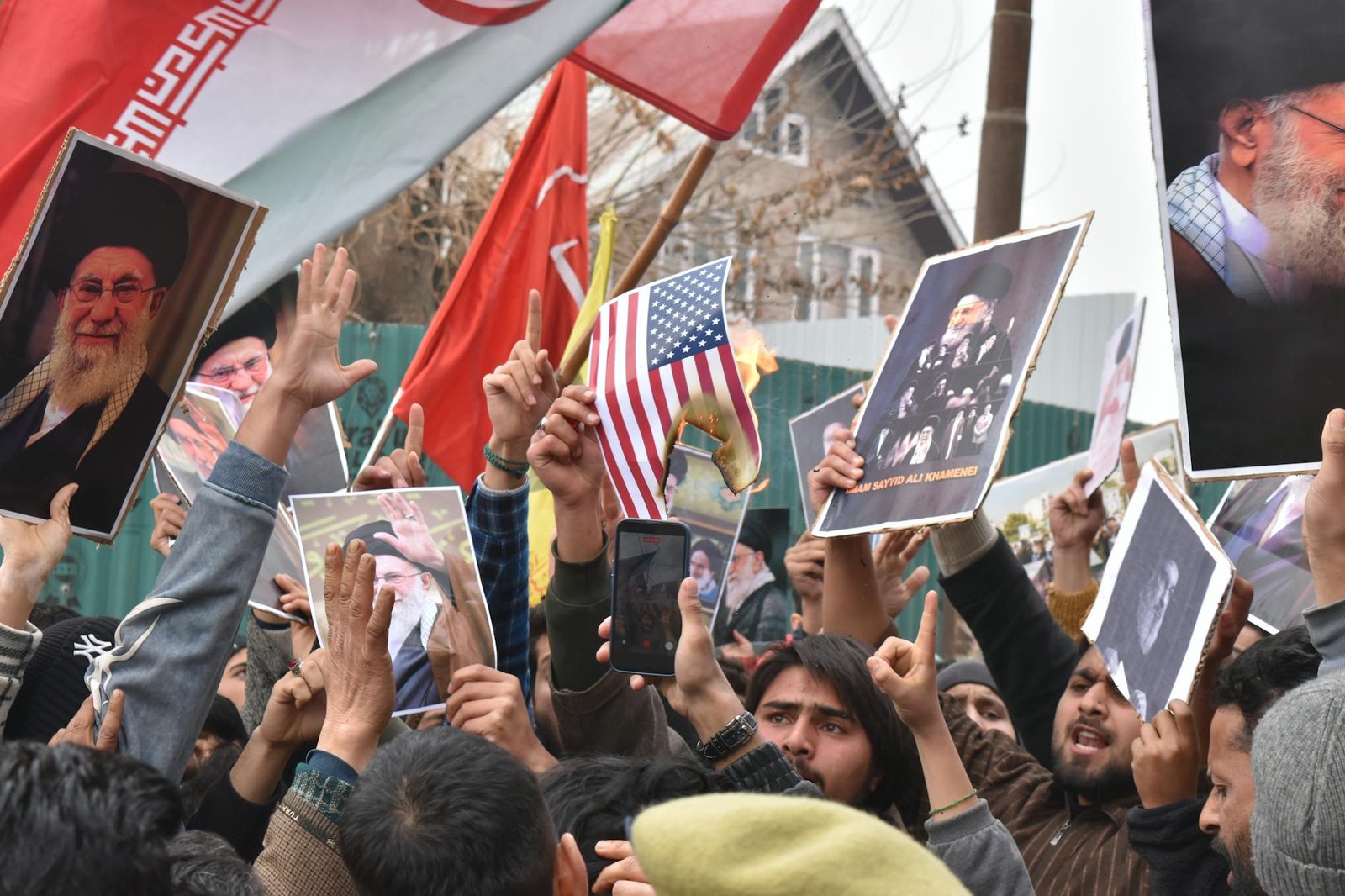
Pakistan’s government is grappling with a surge of anger among its minority Shiite population, a sentiment inflamed by recent U.S.-Israeli strikes that killed prominent Iranian clerics. This internal pressure is creating significant complications for Islamabad’s efforts to act as a mediator in the escalating regional tensions, particularly concerning the ongoing conflict involving Iran.

The deep spiritual and historical ties between Pakistan’s Shiite community and Iran have made the killings a particularly sensitive issue. Protests and public outcries have become increasingly visible across Pakistan, with demonstrators expressing solidarity with Iran and condemning the actions of the United States and Israel. These demonstrations, while largely peaceful, underscore a growing public sentiment that could impact diplomatic initiatives. Information reaching TahirRihat.com suggests that the government is concerned about the potential for these protests to escalate, potentially drawing in broader sectarian divides within Pakistan.

The Pakistani government has historically sought to maintain a delicate balance in its foreign policy, particularly regarding its relationships with both Iran and its Western allies. However, the current situation presents a formidable challenge. As per information available with TahirRihat.com, Pakistani officials are engaged in behind-the-scenes diplomacy, attempting to de-escalate the situation and prevent further bloodshed, while simultaneously trying to manage the domestic fallout from the anger directed at the perceived aggressors. The role of Pakistan as a potential mediator is further tested by the perception among some Shiite groups that the government is not adequately representing their concerns or condemning the actions in Iran forcefully enough.

Sources indicate to TahirRihat.com that the killings have intensified calls within Pakistan for a stronger stance against the United States and Israel. Religious leaders and community organizers among the Shiites have been vocal in their condemnation, using mosques and social media platforms to mobilize support and express their grief and outrage. This grassroots activism is creating a public relations challenge for the government, which must navigate international diplomacy without alienating a significant segment of its own population. The complex geopolitical landscape, with its interwoven religious and political dimensions, is making any diplomatic solution increasingly arduous.

The broader implications of these events extend beyond Pakistan’s borders. The region is already volatile, and any misstep in managing these sensitive issues could have far-reaching consequences. The Pakistani government’s ability to act as an effective mediator hinges on its capacity to address the legitimate grievances of its Shiite citizens while also maintaining diplomatic channels with all parties involved. The current climate of anger and distrust, however, makes such a balanced approach exceptionally difficult to achieve. The international community is closely watching how Pakistan, a nation with significant strategic importance, navigates this complex web of domestic sentiment and international diplomacy.

The U.S.-Israeli strikes, as reported by various international news outlets, have targeted high-profile clerics within Iran, a move that has been widely condemned by Tehran and its allies. The narrative emerging from these strikes has been one of retaliation and pre-emptive action, according to statements from U.S. and Israeli officials. However, for the Shiite community in Pakistan, the narrative is one of targeted assassination and an attack on religious sanctity. This divergence in perception is a key factor contributing to the heightened emotions and the pressure on the Pakistani government. The government’s official statements have generally called for de-escalation and respect for international law, but these pronouncements are often seen as insufficient by the more vocal segments of the Shiite population.

The historical context of Shiite-Sunni relations within Pakistan also adds another layer of complexity. While the current anger is primarily directed at the perceived perpetrators of the strikes in Iran, any significant sectarian mobilization could potentially have broader implications for internal stability. The government is, therefore, not only dealing with an international crisis but also with the potential for internal unrest. The effectiveness of Pakistan’s mediation efforts will likely depend on its ability to manage these multifaceted challenges simultaneously. The coming days and weeks will be crucial in determining whether Pakistan can successfully steer through this diplomatic minefield and contribute to a de-escalation of regional tensions.

The spiritual connection that Pakistani Shiites feel towards Iran is profound, often expressed through shared religious observances and a sense of common heritage. This connection means that events in Iran are not merely foreign policy matters but deeply personal and emotional issues for a significant portion of the Pakistani populace. The government’s response, therefore, must be sensitive to these emotional undercurrents. The international media has extensively covered the geopolitical fallout of the strikes, but the domestic repercussions within countries like Pakistan, with large Shiite populations, are equally significant for regional stability. The pressure on Pakistan to take a more assertive stance against the U.S. and Israel is mounting, creating a difficult tightrope for its foreign policy establishment to walk.

The efficacy of Pakistan’s mediation role is intrinsically linked to its ability to project neutrality and impartiality. However, when a significant segment of its population feels a strong emotional and spiritual connection to one of the parties involved, maintaining that perception of neutrality becomes a formidable task. The government’s challenge is to find a way to acknowledge and address the concerns of its Shiite citizens without compromising its diplomatic standing or its ability to engage with all relevant stakeholders in the region. The ongoing conflict in the Middle East, with its intricate network of alliances and rivalries, demands a nuanced and carefully calibrated approach from all actors, and Pakistan finds itself at a critical juncture.

India’s Cooling Action Plan Targets Global Warming Amidst Health and Economic Threats

0
‘India Cooling Action Plan’ rolled out to address global warming threat: Dr Jitendra
Photo by Markus Spiske on Pexels

India is significantly bolstering its efforts to combat global warming and enhance climate resilience through the comprehensive implementation of the ‘India Cooling Action Plan.’ This ambitious initiative has already been rolled out across more than 250 cities nationwide, underscoring the country’s commitment to sustainable cooling practices. Union Minister of State for Science & Technology, Earth Sciences, and other portfolios, Dr. Jitendra Singh, highlighted the pervasive threat posed by global warming to public health, the environment, and the overall economy on a worldwide scale.

Speaking at the Global Heat and Cooling Forum, Dr. Singh articulated that the escalating global temperatures are not merely an environmental concern but are intrinsically linked to a rise in health risks, encompassing both infectious and chronic diseases. He emphasized the critical need for research and the development of solutions tailored specifically to India’s unique context, noting that heat stress is exacerbating conditions ranging from dengue fever to cardiovascular ailments, thereby elevating climate response to a public health priority. Information reaching TahirRihat.com suggests that the forum brought together a distinguished assembly of experts from leading national and international institutions dedicated to climate action, disaster resilience, and sustainable development. Among the notable participants were Dr. Krishna Vatsa, Dr. Nisha Mendiratta, Manish Bapna, Dipa Singh Bagai, Dr. Adelle Thomas, and Dr. Radhika Khosla.

Dr. Jitendra Singh further elaborated on the global nature of climate change-induced heat, acknowledging its impact across all regions. However, he pointed out that India faces a particularly complex challenge due to its vast and diverse climatic conditions, which simultaneously experience extreme heat in some areas and severe cold in others. This geographical diversity, he stressed, necessitates the adoption of customized strategies rather than the imposition of uniform global models. The Minister also drew attention to the evolving patterns of diseases within India, noting that the nation is currently contending with both tropical diseases and lifestyle-related non-communicable diseases concurrently. He explained that rising temperatures are intensifying the prevalence and severity of both categories of illnesses, thereby increasing the vulnerability of populations, particularly those with pre-existing conditions such as heart disease and diabetes. This complex interplay of factors, as reported by the Daily Excelsior, underscores the imperative for integrated research that bridges the disciplines of climate science and healthcare systems.

The Minister also addressed the changing human adaptability to thermal conditions, observing that an increased reliance on modern cooling systems has, in turn, altered natural tolerance levels. He underscored the importance of striking a balance between ensuring access to cooling solutions and maintaining environmental sustainability. Dr. Singh cautioned against the excessive use of air conditioning, which leads to heightened energy consumption and places additional strain on both the environment and the national economy. He stressed that equitable access to cooling solutions is paramount, as disparities in access can exacerbate existing social inequalities. Concurrently, he advocated for responsible consumption practices, highlighting that optimizing temperature settings in cooling systems can significantly reduce energy demand and contribute to substantial national resource savings. The Daily Excelsior reported that Dr. Jitendra Singh emphasized India’s pivotal role in global climate action, given its population of over 1.4 billion people. He stated that the nation’s approach to managing heat and cooling will have far-reaching implications, not only domestically but also on a global scale.

The ‘India Cooling Action Plan’ is designed to address the multifaceted challenges posed by rising temperatures. It aims to reduce the cooling demand by improving energy efficiency in buildings and appliances, promoting the use of natural refrigerants, and developing passive cooling strategies. The plan also focuses on research and development to create innovative cooling technologies that are both affordable and environmentally friendly. The integration of climate science with public health initiatives is a key component, recognizing that heat stress is a significant public health issue that requires a coordinated response. The plan acknowledges that vulnerable populations, including the elderly, children, and those with chronic health conditions, are disproportionately affected by extreme heat. Therefore, it includes measures to protect these groups through early warning systems and access to cooling centers.

The broader implications of the ‘India Cooling Action Plan’ extend beyond environmental protection and public health. By promoting energy-efficient cooling, India aims to reduce its reliance on fossil fuels, thereby contributing to its climate mitigation goals and enhancing energy security. The development of a robust cooling sector also presents economic opportunities, fostering innovation and creating jobs in manufacturing, installation, and maintenance of cooling systems. The plan’s emphasis on sustainable cooling practices aligns with India’s commitment to the Paris Agreement and its broader agenda for sustainable development. The international collaboration fostered through forums like the Global Heat and Cooling Forum is crucial for sharing best practices, technological advancements, and financial resources to accelerate the transition to a sustainable cooling future. The diverse climatic conditions across India, from the scorching deserts of Rajasthan to the frigid Himalayas, necessitate a nuanced approach that considers regional specificities and local needs. The ‘India Cooling Action Plan’ seeks to address this by encouraging the development of region-specific cooling solutions that are both effective and sustainable.

The interconnectedness of climate change, health, and economic well-being is a central theme in the discourse surrounding the ‘India Cooling Action Plan.’ As global temperatures continue to rise, the demand for cooling services is expected to increase significantly, particularly in developing countries like India. Without a strategic and sustainable approach, this increased demand could lead to a surge in energy consumption, exacerbating greenhouse gas emissions and further accelerating climate change. The plan, therefore, aims to decouple the growth in cooling demand from energy consumption and emissions, ensuring that the pursuit of comfort does not come at the expense of planetary health or economic stability. The focus on India-specific research is critical, as generic solutions may not be effective in addressing the unique challenges posed by the country’s diverse climate and socio-economic landscape. The involvement of various stakeholders, including government agencies, research institutions, industry players, and international organizations, is vital for the successful implementation of the plan. This collaborative approach ensures that the plan is comprehensive, evidence-based, and responsive to the evolving needs of the country.

Japan Shifts Defense Stance, Easing Arms Export Restrictions

0
Japan to Sell More Weapons Abroad, Breaking With Postwar Pacifism
Photo by 貴彦 佐藤 on Pexels

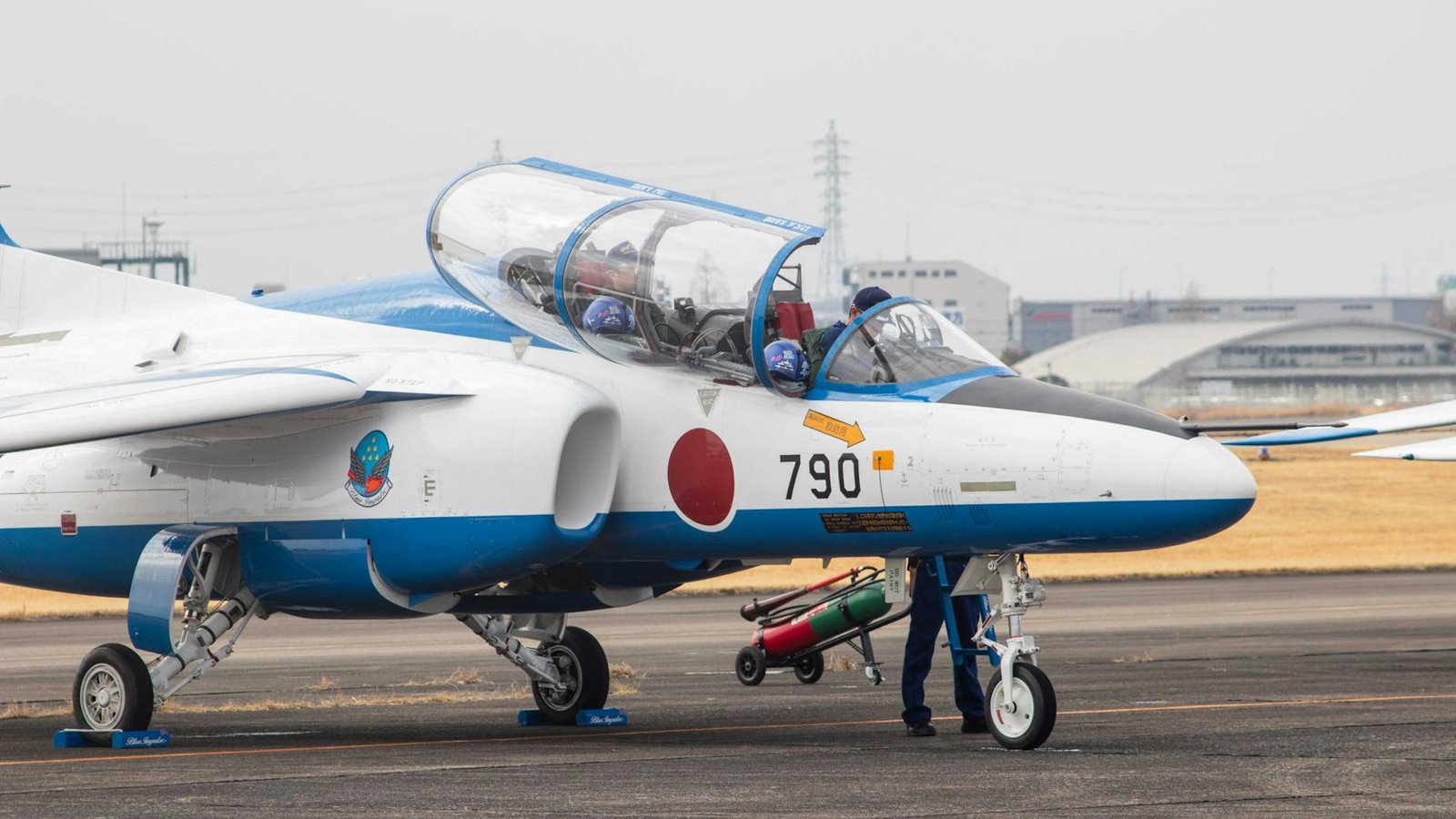
Japan is poised to significantly alter its postwar pacifist stance by loosening restrictions on arms exports, a move driven by escalating regional security concerns and a perceived unpredictability from its key ally, the United States. Prime Minister Sanae Takaichi’s administration has signaled a reversal of long-standing limitations on the sale of military equipment abroad, a policy shift that could reshape global defense dynamics and Japan’s role in international security.

The decision to relax export controls comes amid a backdrop of heightened tensions in the Indo-Pacific, particularly with the assertive military posture of China. Information reaching TahirRihat.com suggests that the Japanese government views these evolving geopolitical realities as necessitating a more robust and outward-looking defense industry. The administration’s rationale is rooted in the belief that by participating more actively in global defense markets, Japan can bolster its own security and contribute to the stability of its allies.

For decades, Japan has adhered to strict guidelines that largely prohibited the export of weapons, a legacy of its World War II defeat and subsequent commitment to pacifism enshrined in its constitution. These restrictions, however, have been gradually eroded over the years, with successive governments making incremental adjustments to allow for the transfer of defense technology and equipment under specific circumstances, often to countries with which Japan shares security interests. This latest proposed change represents a more substantial departure from that historical policy.

The administration’s calculus appears to be influenced by a dual concern: the growing military capabilities and assertiveness of China, which has been increasingly active in the East and South China Seas, and a perceived wavering of commitment from the United States, its principal security guarantor. The unpredictability of American foreign policy under various administrations has led Tokyo to consider ways to enhance its own defense self-reliance and to diversify its security partnerships. By enabling greater arms exports, Japan aims to strengthen its defense industrial base, which in turn could support its domestic rearmament efforts and its ability to cooperate more effectively with like-minded nations.

The implications of this policy shift are far-reaching. It could lead to Japan becoming a more significant player in the global arms trade, potentially competing with established Western defense contractors. This would not only have economic consequences but also strategic ones, as Japan’s military hardware could find its way into various conflict zones or regions of geopolitical sensitivity. The move is likely to be met with a mixed reaction internationally, with some allies welcoming Japan’s increased contribution to collective security, while others may express concerns about the proliferation of advanced Japanese weaponry.

The specifics of the new export policy are still being formulated, but sources indicate that the government is looking at ways to streamline the approval process for arms sales and to broaden the types of equipment that can be exported. This could include components for larger defense systems, as well as complete weapons platforms. The aim is to foster a more dynamic defense industry that can not only meet Japan’s own needs but also contribute to the defense capabilities of its partners, thereby enhancing regional stability.

The debate within Japan over this policy change is expected to be vigorous. Proponents argue that it is a necessary adaptation to the current security environment and a logical step for a nation that is increasingly shouldering greater responsibility for its own defense. They point to the need for Japan to have a strong industrial base to support its Self-Defense Forces and to contribute to the security of the Indo-Pacific region. Critics, however, may raise concerns about the potential for Japan to be drawn into international conflicts or to inadvertently arm nations that could pose a threat to regional peace.

The United States, while often advocating for its allies to increase their defense spending and capabilities, may view Japan’s move with cautious optimism. A stronger, more capable Japan could be a more effective partner in maintaining regional security, particularly in countering Chinese influence. However, the U.S. defense industry might also see Japan as a new competitor in the global arms market. The specifics of how Japan’s new export policy aligns with existing security alliances and frameworks will be crucial in determining its international reception.

As Japan navigates this significant foreign and defense policy recalibration, the world will be watching closely. The move signals a departure from a deeply ingrained postwar identity and reflects a pragmatic response to a rapidly changing global security landscape. The long-term consequences for regional stability, international arms control, and Japan’s own place in the world remain to be seen, but the direction of travel is clear: Japan is preparing to play a more assertive role on the global security stage.