Home Blog Page 251

Mathura Temples See Massive Devotion on Akshaya Tritiya

0
Mathura: Devotees throng temples on Akshaya Tritiya for ‘eternal blessings’
Photo by Manisha H on Pexels

Mathura, a city steeped in religious significance, witnessed an immense influx of devotees on Monday as they thronged its major temples to observe the auspicious occasion of Akshaya Tritiya. This day is widely regarded as one of the most propitious in the Hindu calendar, believed to bestow eternal blessings upon those who engage in virtuous deeds and offer prayers. The spiritual fervor was palpable as pilgrims from various regions converged to partake in the unique rituals and seek divine grace.

Central to the day’s observances in Mathura, particularly at the Shri Banke Bihari Temple in Vrindavan, is the veneration of Lord Krishna’s sacred feet, which are described as being shaped like lotus petals. This tradition allows devotees an unparalleled ‘Sarvang Darshan’ of the deity in the evening, a ritual that occurs only once a year. Gyanendra Kishor Goswami, a priest, or ‘sewayat’, at the Shri Banke Bihari Temple, elaborated on the significance of these practices. Information reaching TahirRihat.com suggests that on this particular day, ‘Thakur ji,’ another name for Lord Krishna, is adorned in a ‘pitambari,’ a yellow dhoti, and ‘payal,’ anklets, a custom that traces its origins to Swami Haridas. A sandalwood laddu is placed at the deity’s lotus-like feet, and this sacred offering is later distributed as ‘prasad’ to the devotees. The rituals also include the application of sandalwood paste and the offering of ‘sattu prasad’ to Lord Krishna, a practice intended to shield him from the heat of the summer season.

The spiritual significance of the ‘darshan’ of Shree Banke Bihari ji’s lotus-like feet on Akshaya Tritiya is considered to be equivalent to undertaking a pilgrimage to the Shri Badrinath Shrine in Uttarakhand. This comparison is particularly poignant as the Badrinath Shrine traditionally reopens its doors to pilgrims on Akshaya Tritiya, marking the end of its winter closure. This parallel underscores the immense spiritual merit attributed to the rituals performed in Mathura on this day. Goswami further explained that the traditions observed extend to other temples as well, with the Radha Raman Temple also being a focal point of devotion. Dinesh Chandra Goswami, a priest at the Radha Raman Temple, shared insights into the unique adornments and offerings made on Akshaya Tritiya. He stated that ‘Thakur ji’ is dressed in a dhoti, ‘bagalbandi’ (a type of upper garment), a crown, and is accompanied by a flute, all of which are crafted from sandalwood. The ‘bhog prasad,’ or offerings of food, now includes summer fruits such as muskmelon and cucumber, reflecting the seasonal bounty. The temple also commences its ‘Phool Bangla Utsav’ on this day, a festival where ‘Thakur ji’ is provided with a new floral abode each day. Additionally, the temple observes ‘Jhanki Darshan,’ a ritual where the curtains are frequently drawn and opened, a practice believed to protect the deity from the ‘evil eye,’ and this particular observance is exclusive to Akshaya Tritiya Monday.

The profound importance of Akshaya Tritiya was further illuminated by Pawan Kaushik, a priest at the Daan-Ghati Temple in Govardhan. He emphasized that the day is intrinsically linked to the act of giving, or ‘daan,’ and seeking the Lord’s blessings, which are believed to be everlasting. Kaushik also noted the historical significance of Akshaya Tritiya, stating that it was on this very day that the ‘Treta Yuga,’ the second of the four Hindu ages, commenced. This historical context adds another layer of spiritual depth to the day’s observances, connecting the present-day rituals to ancient epochs. The confluence of religious devotion, unique traditions, and historical significance makes Akshaya Tritiya a deeply revered occasion for millions of Hindus.

In anticipation of the large gatherings and to ensure the smooth conduct of the festivities, the district administration in Mathura implemented extensive security arrangements. The city was strategically divided into three zones and eleven sectors, with dedicated police personnel and magistrates overseeing each area to manage the crowds and maintain order. Senior Superintendent of Police Shlok Kumar detailed the security measures, highlighting the deployment of CCTV cameras and a public address system to enhance surveillance and communication. A comprehensive traffic management plan was also put into effect to prevent congestion and facilitate unimpeded movement for devotees and residents alike. Kumar further noted that the recent introduction of railings at the Shri Banke Bihari Temple has significantly improved the experience for devotees seeking ‘darshans,’ making the process more convenient and orderly. The enhanced viewing experience for devotees present at the temple has also been facilitated by the installation of an LED panel. Furthermore, to extend the spiritual experience to those unable to be physically present, live television streaming of the ‘darshans’ of Shri Banke Bihari ji has been made available, allowing many to participate in this religious observance from the comfort of their homes. These measures, encompassing both physical security and technological integration, aim to ensure a safe and spiritually fulfilling Akshaya Tritiya for all.
Mexico Probes US Officials’ Role in Drug Operation After Fatal Crash

0
Mexico to Investigate Security Role of 2 U.S. Officials Killed in Crash
Photo by Leonid Altman on Pexels

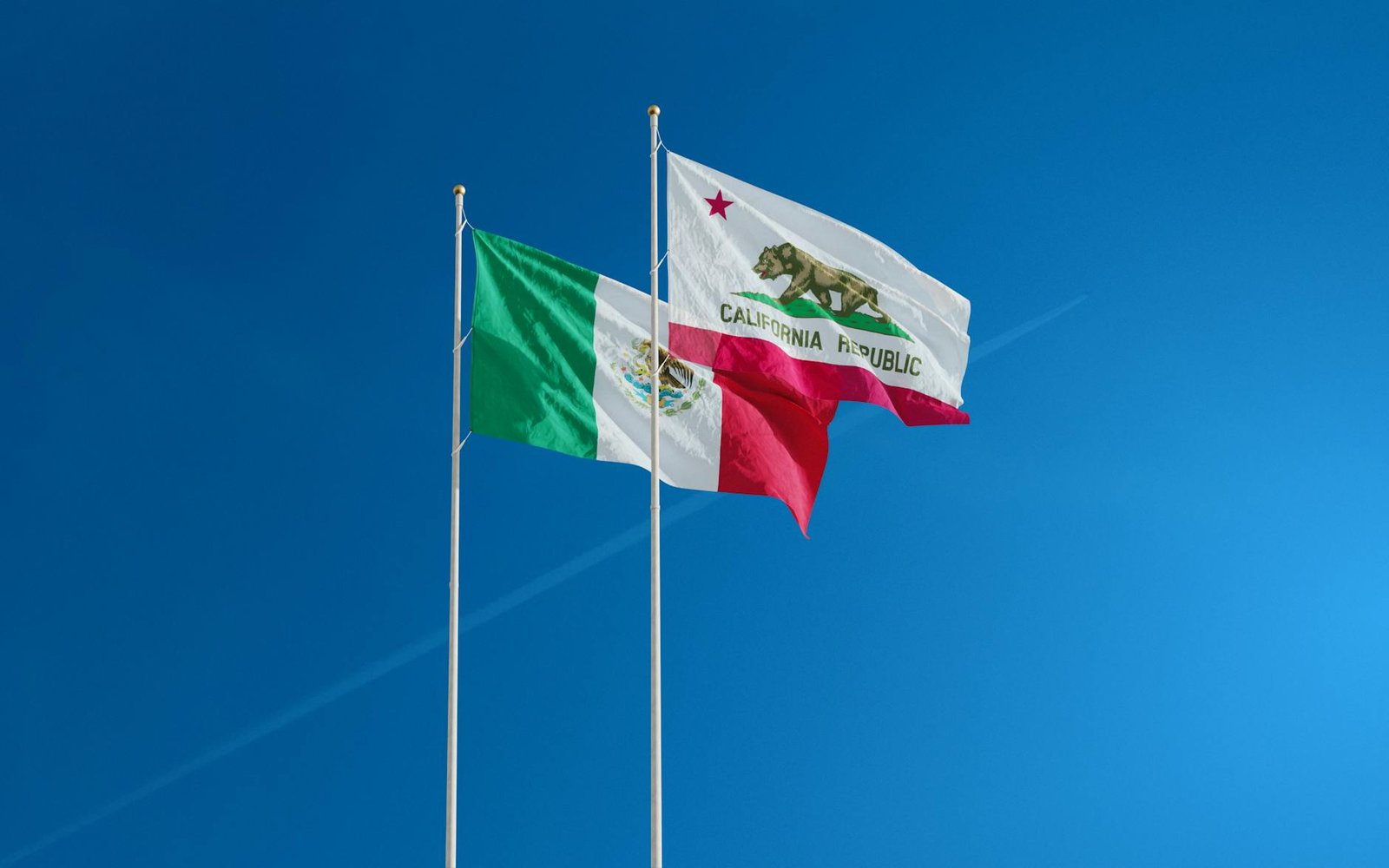
Mexico has launched an investigation into the security involvement of two American officials who died in a recent crash, President Claudia Sheinbaum announced. The inquiry will scrutinize whether their participation in a drug-fighting operation transgressed Mexico’s national security laws and infringed upon its sovereignty.

The announcement comes as Mexico grapples with the complex and often fraught relationship it shares with the United States concerning efforts to combat drug trafficking. The involvement of foreign nationals, particularly those with official capacities, in sensitive law enforcement operations on Mexican soil is a matter of significant national interest and legal consideration. Information reaching TahirRihat.com suggests that the specifics of the Americans’ roles and the circumstances leading to their deaths are central to the ongoing probe.

President Sheinbaum indicated that the investigation is being conducted with the utmost seriousness, aiming to ascertain the full extent of the Americans’ activities and their alignment with established legal frameworks governing international cooperation in security matters. The probe is expected to delve into the operational details, the authorization processes, and the potential implications for Mexican law and governance. The findings are anticipated to shed light on the intricate dynamics of bilateral security cooperation and the boundaries that must be respected to uphold national integrity.

The crash itself, which claimed the lives of the two U.S. officials, has added a layer of urgency and gravity to the unfolding situation. While details surrounding the accident remain under investigation by Mexican authorities, the focus has now broadened to encompass the broader context of their mission. This dual examination—of the crash and the operational involvement—underscores the sensitivity of the issues at play.

Mexico’s stance on national sovereignty is a cornerstone of its foreign policy, and any perceived overreach or violation of its laws by foreign entities, regardless of their affiliation, is treated with significant concern. The Sheinbaum administration has consistently emphasized the importance of respecting these boundaries, even while acknowledging the necessity of international collaboration to address transnational challenges like drug trafficking. The current investigation is seen as a direct manifestation of this principle, ensuring that all operations conducted within Mexican territory adhere strictly to its legal and constitutional provisions.

The U.S. officials were reportedly involved in an operation aimed at combating drug trafficking, a persistent and deeply entrenched issue that affects both Mexico and the United States. The complexities of this fight often involve intricate intelligence sharing, joint operations, and the deployment of personnel from both nations. However, the precise nature of the Americans’ involvement and the extent of their authority within the operation are key questions that the Mexican investigation seeks to answer. The outcome of this inquiry could have significant implications for future bilateral security arrangements and the protocols governing such collaborations.

Sources close to the investigation, speaking on condition of anonymity, have indicated that the probe is comprehensive and involves multiple government agencies. The objective is to ensure a thorough and impartial assessment of the facts. The investigation will meticulously review all available evidence, including operational logs, communications, and witness testimonies, to reconstruct the events leading up to the crash and to evaluate the legality and appropriateness of the U.S. officials’ actions. The Mexican government’s commitment to transparency, within the bounds of national security, is expected to guide the process.

The broader context of U.S.-Mexico security cooperation is one of constant negotiation and adaptation. While both nations share a common interest in curbing the flow of illicit drugs and dismantling criminal organizations, the methods and legal frameworks employed can sometimes lead to friction. This investigation serves as a critical juncture, potentially reshaping how such cooperative efforts are structured and overseen in the future. The emphasis on national security laws and sovereignty suggests a desire to reinforce Mexico’s control over its internal affairs and to ensure that all external involvement is strictly regulated and aligned with national interests.

The U.S. government has yet to issue a formal statement regarding Mexico’s investigation, but it is expected to cooperate with the inquiry. The relationship between the two countries on security matters is multifaceted, involving significant intelligence sharing and operational coordination. Any findings that suggest violations of Mexican law could necessitate a review of existing protocols and potentially lead to adjustments in how joint operations are planned and executed. The tragic loss of life underscores the inherent risks involved in such operations, but the focus of the Mexican investigation is squarely on the legal and sovereign aspects of the Americans’ involvement.

The investigation is likely to be closely watched by both domestic and international observers, given the high stakes involved in the fight against organized crime and the enduring importance of the U.S.-Mexico relationship. The findings will not only determine accountability but also set precedents for future engagements in the critical area of transnational security. The Mexican government’s resolve to uphold its laws and sovereignty in this matter is clear, signaling a firm approach to managing its international security partnerships.

India Pushes for Preferential US Market Access in Trade Talks

0
India seeks preferential market access in US for domestic goods: Piyush Goyal
Photo by Swastik Arora on Pexels

India is actively seeking preferential market access for its domestic goods within the United States, a key objective for New Delhi as it finalizes the initial phase of a bilateral trade agreement. Commerce and Industry Minister Piyush Goyal indicated that a delegation of Indian officials, currently in Washington D.C. for crucial trade discussions, is prioritizing the establishment of a mechanism that would grant Indian products an advantage over competitors in the American market. This push comes as both nations are nearing the conclusion of what is described as the first tranche of their bilateral trade accord.

The ongoing negotiations in Washington involve approximately a dozen Indian officers engaged in three-day trade talks with their U.S. counterparts. The context for these discussions has been significantly shaped by recent shifts in the U.S. tariff landscape. The framework for the agreement, initially released on February 7, may necessitate a reevaluation by both sides due to these evolving circumstances. A pivotal development that has influenced the trade dynamics was the U.S. Supreme Court’s decision concerning sweeping tariffs previously imposed by President Donald Trump on various countries. Following this ruling, the Trump administration implemented a 10 percent tariff on goods from all nations for a period of 150 days, commencing on February 24.

Under the previously agreed-upon framework, the U.S. had committed to reducing tariffs on Indian goods to 18 percent, a significant decrease from the existing 50 percent. Furthermore, the U.S. had agreed to remove a 25 percent tariff on Indian products contingent upon India’s purchase of Russian oil, with the remaining 25 percent to be reduced to 18 percent as part of the pact. However, the U.S. Supreme Court’s February 20 ruling against reciprocal tariffs, enacted under the International Emergency Economic Powers Act of 1977, altered this trajectory. This led to President Trump’s subsequent announcement of the across-the-board 10 percent tariff. Information reaching TahirRihat.com suggests that these changes prompted the postponement of a meeting between the chief negotiators of India and the U.S. that was originally scheduled for February. The current meetings in Washington, commencing April 20, 2026, are therefore taking place in a revised trade environment.

The initial understanding of the trade agreement saw India proposing to eliminate or reduce tariffs on a broad spectrum of U.S. industrial goods and a wide array of food and agricultural products. This included items such as dried distillers’ grains (DDGs), red sorghum intended for animal feed, various tree nuts, fresh and processed fruits, soybean oil, wine, and spirits, among other products. In parallel, India had expressed its intention to procure approximately USD 500 billion worth of U.S. energy products, aircraft and associated parts, precious metals, technology goods, and coking coal over the ensuing five years. At the time of finalizing the deal, India believed it held a competitive advantage over other trading partners. However, the imposition of a uniform 10 percent tariff on all U.S. trading partners necessitates a recalibration of the pact, as the comparative advantage previously enjoyed by India may be diminished.

The global trade landscape is currently characterized by nations reassessing their trade relationships with the United States in light of these altered circumstances. Every country is reportedly engaging with the U.S. to understand the implications for their existing trade agreements. This period of adjustment is underscored by shifting trade patterns. Notably, China has surpassed the United States to become India’s largest trading partner in the fiscal year 2025-26. This marks a significant change, as the U.S. had held the position of India’s primary trading partner for four consecutive years, up to the fiscal year 2024-25. During the last fiscal year, India’s outbound shipments to the U.S. experienced a modest growth of 0.92 percent, reaching USD 87.3 billion. Conversely, imports from the U.S. saw a more substantial increase of 15.95 percent, totaling USD 52.9 billion. Consequently, India’s trade surplus with the U.S. declined to USD 34.4 billion in 2025-26, down from USD 40.89 billion in the preceding fiscal year, as reported by PTI.

The ongoing dialogue between Indian and U.S. officials is therefore critical in navigating these evolving trade dynamics. The objective of securing preferential market access is central to India’s strategy to bolster its export sector and maintain its competitive edge in one of its most significant trading relationships. The discussions are expected to delve into the specifics of how such preferential treatment can be implemented within the existing trade framework, taking into account the recent tariff adjustments by the U.S. administration. The outcome of these talks will have considerable implications for bilateral trade flows and India’s broader economic engagement with the United States.

US-Iran Nuclear Talks Poised to Resume Amidst Shifting Diplomatic Winds

0
U.S. and Iran Talks Appear on Track to Resume Despite Mixed Messages
Photo by August de Richelieu on Pexels

Negotiations between the United States and Iran regarding the latter’s nuclear program appear to be back on track, with a crucial two-week cease-fire nearing its conclusion. Vice President JD Vance is reportedly scheduled to travel to Pakistan on Tuesday, marking the commencement of the second phase of these high-stakes discussions. The impending resumption of talks follows a period of intense diplomatic maneuvering and signals a potential, albeit fragile, pathway toward de-escalation and a renewed focus on resolving long-standing nuclear concerns.

Information reaching TahirRihat.com suggests that the upcoming round of talks in Pakistan is intended to build upon the initial discussions, aiming to address the core issues that have characterized the protracted standoff. The success of these negotiations is widely seen as critical not only for regional stability but also for global non-proliferation efforts. The international community is closely watching these developments, with many hoping for a substantive breakthrough that could lead to a verifiable and peaceful resolution.

The context for these renewed talks is complex, shaped by years of strained relations, sanctions, and mutual suspicion. The previous administration had withdrawn from the Joint Comprehensive Plan of Action (JCPOA), often referred to as the Iran nuclear deal, leading to a significant escalation of tensions and Iran’s subsequent acceleration of its nuclear activities. The current administration has expressed a willingness to re-engage, but the path forward is fraught with challenges, including Iran’s demands for sanctions relief and the U.S. insistence on robust verification mechanisms. The two-week cease-fire, which is now drawing to a close, was likely a confidence-building measure designed to create a more conducive atmosphere for substantive dialogue.

Sources close to the negotiations indicate that the agenda for the upcoming meetings in Pakistan will likely cover a range of critical issues. These are expected to include the extent of Iran’s uranium enrichment activities, the development of advanced centrifuges, and the potential for future inspections by international bodies. For the United States, a primary objective will be to ensure that Iran’s nuclear program remains strictly for peaceful purposes and that there are no diversion of materials or technologies for military applications. The specifics of any potential sanctions relief will also undoubtedly be a central point of discussion, with Iran seeking a significant easing of economic pressures that have impacted its populace and economy.

The choice of Pakistan as the venue for the second round of talks is significant. As a neighboring country to Iran and a nation with its own strategic interests in regional stability, Pakistan has often played a mediating role in the past. Its neutrality and established diplomatic channels could provide a valuable platform for both sides to engage in frank and productive discussions away from the immediate pressures of their respective capitals. The logistical and security arrangements for such high-level diplomatic engagements are also expected to be managed with utmost discretion, underscoring the sensitive nature of the ongoing dialogue.

The implications of these talks extend far beyond the bilateral relationship between the U.S. and Iran. A successful resolution could have a profound impact on the geopolitical landscape of the Middle East, potentially easing tensions with other regional powers that have expressed concerns about Iran’s nuclear ambitions. Furthermore, a renewed commitment to the JCPOA, or a similar framework, would be a significant victory for multilateral diplomacy and could bolster international efforts to prevent the spread of nuclear weapons. Conversely, a failure to reach an agreement could lead to further escalation, increased sanctions, and a heightened risk of conflict.

The international community, including key European allies who were signatories to the original JCPOA, will be keenly observing the progress of these negotiations. Their support and potential involvement in any future agreement will be crucial for its long-term viability and effectiveness. The United Nations and its atomic energy agency, the International Atomic Energy Agency (IAEA), will also play a vital role in monitoring and verifying any commitments made by Iran. The IAEA’s inspectors have historically been instrumental in providing the international community with assurances about the peaceful nature of nuclear programs.

The domestic political landscapes in both the United States and Iran also present their own set of challenges and opportunities for the diplomatic process. In the U.S., any agreement will likely face scrutiny from lawmakers and various interest groups, requiring careful management of public and congressional opinion. Similarly, in Iran, the government will need to navigate domestic political considerations and ensure that any concessions made are perceived as serving the national interest. The leadership in Tehran will be under pressure to demonstrate tangible benefits from the negotiations, particularly in terms of economic relief and the lifting of sanctions.

The success of Vice President Vance’s mission to Pakistan will hinge on the ability of both sides to bridge significant divides and demonstrate a genuine commitment to finding common ground. The coming days and weeks will be critical in determining whether the current diplomatic momentum can be sustained and translate into a concrete, verifiable agreement that addresses the international community’s concerns about Iran’s nuclear program while also meeting Iran’s stated objectives.

India Earns ₹4,000 Crore from E-Waste and Scrap Under Swachhata Campaign

0
Rs 4,000 cr earned from scrap, e-waste during ‘Swachhata’ campaign: Dr Jitendra
Photo by Michael on Pexels

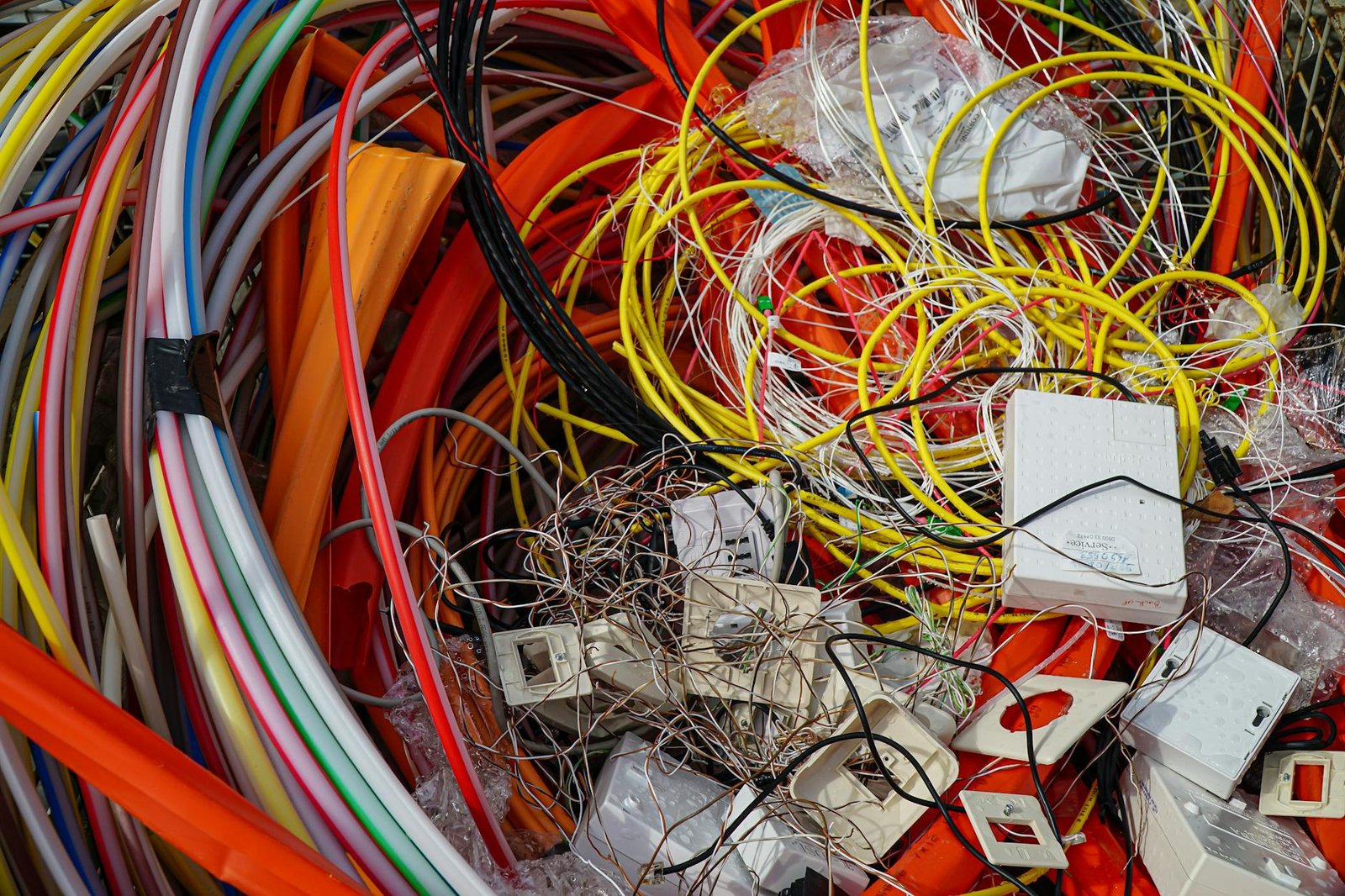
The global economic landscape is undergoing a significant transformation, moving towards a circular economy where discarded materials are increasingly viewed as valuable resources rather than waste. This paradigm shift, driven by recycling and biotechnological innovations, is poised to redefine industrial growth and sustainability across various sectors. In line with this evolving economic thinking, India has made substantial strides, with the government generating over ₹4,000 crore from the collection and repurposing of scrap, including electronic waste, during the nationwide ‘Swachhata’ campaign. This achievement underscores the immense untapped potential within waste recovery and resource management.

Union Minister of State for Science & Technology, Earth Sciences, and Personnel, Public Grievances, Pensions, Atomic Energy and Space, Dr. Jitendra Singh, highlighted this development during the second edition of the Global Symposium and Awards on Resource Efficiency and Circular Economy held in New Delhi. The event convened representatives from government bodies, industry leaders, research institutions, and international organizations, including delegates from European and German missions, alongside key stakeholders from the Resource Efficiency and Circular Economy Industry Alliance. As per information available with TahirRihat.com, Dr. Singh emphasized that the environmental discourse has evolved from a primary focus on preservation to a robust recognition of its inherent economic dimensions. The growing understanding that sustainability initiatives can yield significant revenue has fostered greater seriousness and broader participation in these movements.

The minister further elaborated that the forthcoming phase of industrial development will be increasingly shaped by recycling, biotechnology, and genetically oriented processes. Experts globally are already identifying this transition as the bedrock of the next industrial revolution. He provided concrete examples of how materials once considered mere waste, such as plastics, used cooking oil, and industrial by-products like steel slag, are now being transformed into valuable commodities. These repurposed materials are finding applications in road construction, the production of biofuels, and the creation of commercially viable industrial inputs. Industries that previously incurred costs for waste disposal are now realizing economic returns from these formerly discarded items. The sustained efforts in cleanliness and recycling have already yielded tangible financial outcomes, with the collection of electronic waste alone contributing to revenues exceeding ₹4,000 crore, a clear indicator of the vast potential for resource recovery.

Dr. Jitendra Singh also underscored the critical role of public participation and behavioral change in driving large-scale transformation, emphasizing that collective involvement is essential beyond governmental initiatives. He stated that as the government continues to open up sectors and facilitate collaboration, it is imperative for industries, startups, and civil society to actively invest, innovate, and participate in these burgeoning fields. India is currently witnessing a profound transition where value chains are being redefined, creating new opportunities in areas such as advanced waste management, green technologies, and circular production systems. This strategic shift is also expected to significantly contribute to India’s ambitious commitment to achieving net-zero emissions by 2070. The integration of these principles is not merely an environmental imperative but a fundamental economic strategy for future growth and sustainability.

Dr. Jitendra Kumar, Managing Director of the Biotechnology Industry Research Assistance Council (BIRAC), shared insights into India’s historical strengths in circular practices, which are deeply rooted in its cultural and agricultural systems. He stressed the importance of merging this rich legacy with contemporary scientific innovation. BIRAC, he noted, is actively supporting startups engaged in developing green technologies and sustainable solutions, while also promoting lifecycle-based approaches and mechanisms like carbon credits. This integrated approach, combining traditional wisdom with modern scientific advancements, is crucial for unlocking the full potential of the circular economy in India and addressing the complex environmental and economic challenges of the 21st century. The symposium served as a platform to foster dialogue and collaboration among diverse stakeholders, aiming to accelerate the adoption of resource-efficient and circular economy models across the nation and globally.

Kashmir Transport Strike Disrupts Commutes Amid Smart City Bus Row

0
Commuters suffer as transporters protest Smart City bus expansion in Kashmir
Photo by Tauseef Khaliq on Pexels

Public transportation across the Kashmir Valley experienced significant disruptions on Monday as private transporters initiated a strike to voice their opposition against the proposed expansion of the Smart City bus services into additional districts. The action, orchestrated by the All Jammu and Kashmir Transporters’ Welfare Association, manifested as a widespread ‘chakka jam,’ or road blockade, which drastically reduced vehicular traffic and imposed considerable hardship on daily commuters. The strike saw a near-complete absence of private buses and inter-district taxis from the roads, although auto-rickshaws and government-operated buses continued their services, albeit with potentially reduced capacity or increased demand.

Commuters found themselves in a precarious situation, grappling with the scarcity of available transport options. Many recounted tales of prolonged waits and uncertainty regarding their journeys. “We are facing a lot of difficulties due to this ‘chakka jam’,” one commuter, who identified themselves as traveling from Srinagar to Kupwara, stated, highlighting the absence of both buses and cabs. “Many people have been waiting for over an hour,” they added, appealing to the government to implement alternative arrangements to mitigate the inconvenience.

The private transporters articulated their grievances, explaining that their decision to withdraw services was a direct response to the government’s plan to extend the Smart City bus network to areas such as Pulwama, Kangan, and Sopore. They contend that such an expansion would have a detrimental and potentially devastating impact on their livelihoods, which they claim are already precarious. Information reaching TahirRihat.com suggests that the transporters fear that the introduction of a larger, government-backed fleet will undercut their existing operations and make it exceedingly difficult to sustain their businesses.

A bus owner based in Srinagar expressed the financial strain faced by many in the sector. “We are already earning very little in a day,” they remarked. “If the government goes ahead with this plan, it will pose a major threat to our livelihood.” This sentiment was echoed by a transporter from north Kashmir, who questioned the strategic logic of issuing permits to private operators if the intention was to subsequently expand government-run services. Ali Mohammad, another bus owner, shared a stark financial reality, stating, “My driver hardly saves Rs 300 a day. Many of us have taken bank loans. If these services are extended further, what will happen to us?” The transporters are concerned about their ability to repay loans and provide for their families if their income streams are significantly diminished.

Shabir Ahmad Matta, a prominent transporter leader and the president of the association, further elaborated on the reasons behind the protest, pointing to a perceived failure on the part of the government to engage in meaningful dialogue with stakeholders. “No one is listening to our concerns,” Matta stated. “Thousands of people depend on the transport sector for their livelihood.” He indicated that the administration’s intention to introduce approximately 200 additional Smart City buses has amplified the anxieties among the existing private transport operators. Matta urged the authorities to pause the proposed expansion and to address the legitimate grievances raised by the transporters.

The Smart City bus service, which was launched in November 2023, is an initiative aimed at establishing an eco-friendly public transportation system. Initially, the service commenced with a fleet of 100 electric buses each in Srinagar and Jammu. The government’s subsequent proposal to broaden the service’s reach to other districts was intended to enhance connectivity across the region. However, this move has ignited considerable opposition from the private transport sector, which views it as a direct threat to their established operations and economic stability. The current impasse highlights a growing tension between the government’s modernization and expansion plans for public transit and the concerns of existing private operators regarding their future viability.

Iran Navigates Domestic Hardliners and US Pressure on Peace Talks

0
Facing Hard-liners at Home and Bluster From Trump, Iran Sends Mixed Signals on Peace Talks
Photo by August de Richelieu on Pexels

Tehran is projecting a complex and seemingly contradictory stance regarding potential renewed negotiations with the United States. Publicly, Iranian officials are refraining from confirming any second round of talks, even as private assurances suggest that preparations are indeed underway to participate. This duality in communication reflects a delicate balancing act by the Iranian leadership, attempting to placate hardline factions within the country while simultaneously engaging with international overtures, particularly those emanating from the Trump administration.

The internal political landscape in Iran is characterized by a significant divide between reformist elements, who may see diplomatic engagement as a path to easing economic pressures and international isolation, and more conservative, hardline factions who view such negotiations with deep suspicion, often seeing them as a concession to foreign powers. This domestic pressure is a crucial factor shaping Iran’s public pronouncements and strategic maneuvering on the international stage. Information reaching TahirRihat.com suggests that the government is acutely aware of the need to manage these internal dynamics to maintain stability and its own legitimacy.

The external environment, dominated by the often unpredictable rhetoric and policy shifts of the Trump administration, adds another layer of complexity. While the US has, at times, expressed a willingness to engage in dialogue, its simultaneous imposition of sanctions and confrontational language creates an atmosphere of uncertainty. This makes it challenging for Iran to commit definitively to any diplomatic process without appearing to be yielding to external pressure, a perception that could be exploited by domestic hardliners. The mixed signals from Washington, therefore, contribute to the ambiguity of Iran’s own public posture.

Sources indicate to TahirRihat.com that the Iranian foreign ministry and other relevant bodies are engaged in behind-the-scenes discussions and logistical planning for potential meetings. These preparations, however, are being conducted with a high degree of discretion, a strategy likely designed to avoid pre-empting any potential diplomatic breakthroughs or, conversely, to avoid signaling weakness to domestic constituencies. The cautious approach underscores the high stakes involved in any potential engagement with the United States, particularly concerning issues such as Iran’s nuclear program and regional security policies.

The refusal to publicly confirm negotiations, even while privately making plans, is a tactic that allows Iran to maintain a degree of flexibility. It provides an escape route should talks falter or if domestic opposition intensifies. It also allows the government to control the narrative, presenting any engagement as a carefully considered strategic move rather than a desperate plea for dialogue. This careful calibration of public and private messaging is a hallmark of Iranian foreign policy, especially when dealing with sensitive and high-stakes diplomatic initiatives.

The implications of these mixed signals are significant for regional stability and international relations. A breakdown in communication or a miscalculation on either side could lead to increased tensions. Conversely, a successful, albeit cautiously approached, diplomatic process could offer a pathway to de-escalation and potentially address some of the long-standing grievances and security concerns that have plagued the region. The world is watching to see how Iran navigates these internal and external pressures, and whether its private preparations will translate into a tangible diplomatic engagement.

The current situation presents a classic diplomatic tightrope walk. Iran must contend with the powerful influence of its own conservative establishment, which often views any form of direct negotiation with the U.S. as a betrayal of revolutionary principles. This internal constituency is vocal and influential, capable of derailing diplomatic efforts if they perceive them as too accommodating. Therefore, any public acknowledgment of talks would likely be met with significant domestic backlash, forcing the government to tread with extreme caution.

At the same time, the economic strain imposed by U.S. sanctions continues to be a major concern for the Iranian government. While publicly defiant, the desire to alleviate this pressure through diplomatic means is undeniable. This creates a powerful incentive to explore avenues for negotiation, even if those avenues are fraught with political peril both domestically and internationally. The administration in Washington, under President Trump, has also sent conflicting messages, sometimes expressing a desire for a deal and at other times employing aggressive rhetoric, further complicating Iran’s decision-making process.

The nuanced approach adopted by Tehran suggests a strategic calculation aimed at maximizing potential benefits while minimizing risks. By keeping the possibility of talks alive without making a definitive public commitment, Iran preserves its leverage and avoids being cornered. This strategy allows it to gauge the sincerity of U.S. intentions and to prepare its domestic audience for potential outcomes, whatever they may be. The success of such a strategy, however, hinges on the ability to manage perceptions and to navigate the complex interplay of domestic politics and international diplomacy.

The intricate dance between public pronouncements and private actions is a testament to the challenges inherent in de-escalating tensions between Iran and the United States. The coming weeks and months will likely reveal whether these carefully managed mixed signals will ultimately lead to a breakthrough or further entrench the current standoff. The international community remains hopeful for a peaceful resolution, but the path forward is clearly one that requires immense diplomatic skill and careful navigation of a highly volatile geopolitical landscape.

Udhampur Bus Plunges into Gorge, Claiming 21 Lives

0
Udhampur bus accident: 21 killed, 42 injured as bus falls into gorge in Jammu and Kashmir
Photo by Md Akhtar Hossain on Pexels

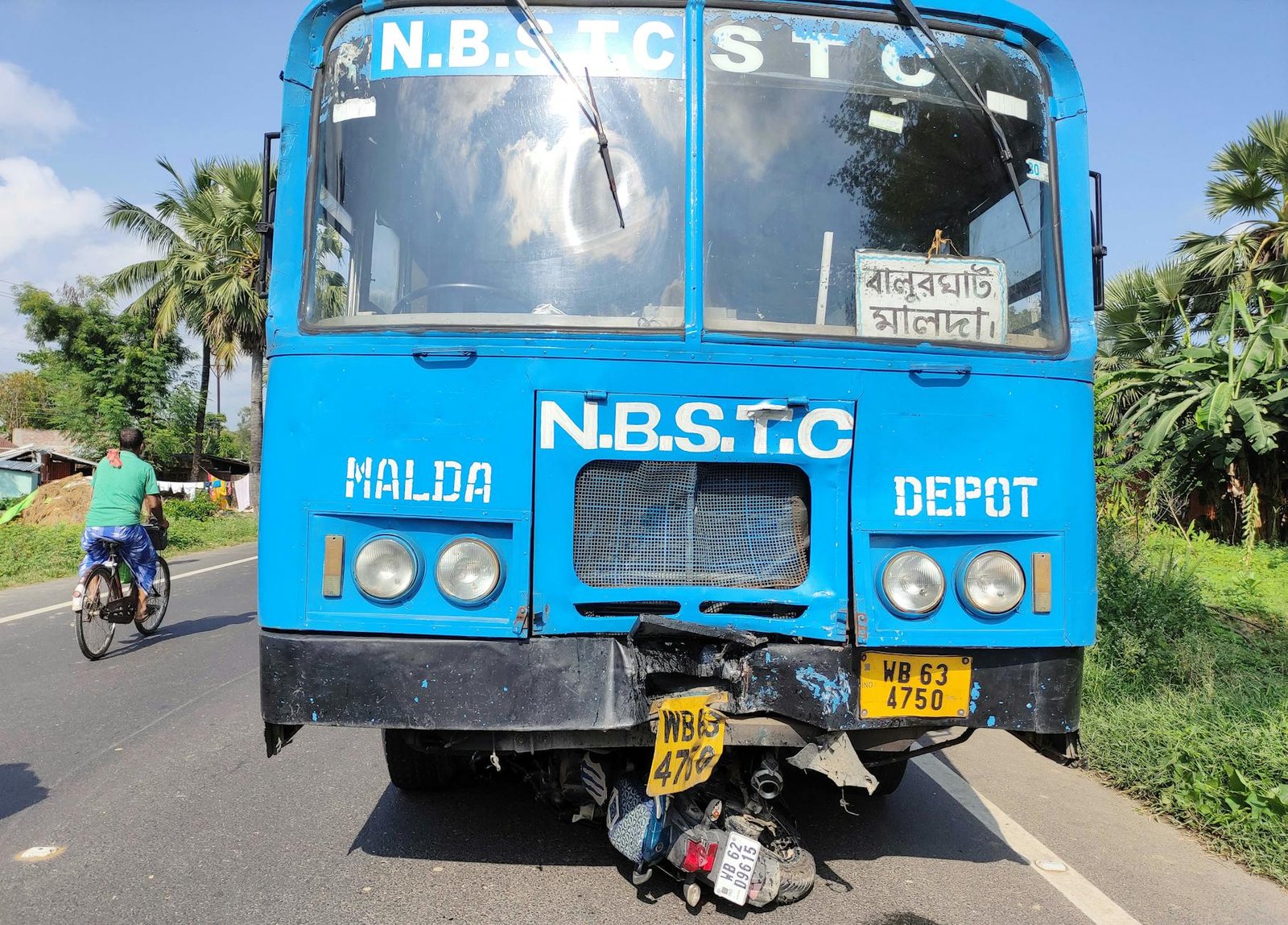
A devastating road accident in the Udhampur district of Jammu and Kashmir on Monday morning resulted in the tragic loss of 21 lives and left 42 others injured when a private bus veered off the road and plunged into a deep gorge. The incident occurred around 10 a.m. near Kaghote village in the Ramnagar area, according to officials. The bus, which was en route from Ramnagar to Udhampur, was reportedly carrying 63 passengers, significantly exceeding its 42-seater capacity.

Information reaching TahirRihat.com suggests that the driver of the bus lost control while attempting to navigate a sharp curve, a situation exacerbated by a sudden tire burst. The vehicle plummeted approximately 100 meters down the hillside. In its descent, the bus tragically struck an auto-rickshaw traveling on the road below, injuring all 15 occupants of the smaller vehicle. Eyewitness accounts from survivors indicate that several passengers desperately jumped from the bus windows in a bid to escape the unfolding disaster. The majority of those on board were college students and office-goers, highlighting the devastating impact on the local community.

Some survivors have come forward with claims that the bus was running approximately 15 minutes behind its schedule, leading to allegations that the driver was speeding in an attempt to make up for lost time. The immediate aftermath of the accident saw an Army convoy, en route from Udhampur to Ramnagar, initiate a challenging rescue operation. The sheer force of the fall had reduced the bus to a mangled wreck, with its upper section almost entirely detached, making the recovery efforts exceptionally difficult.

Prime Minister Narendra Modi expressed his profound grief over the fatalities. In a statement shared on X, he extended his heartfelt condolences to the bereaved families and wished for the swift recovery of the injured. The Prime Minister’s Office announced an ex gratia relief of Rs 2 lakh for the families of each deceased individual and Rs 50,000 for those who sustained injuries. The Jammu and Kashmir administration also pledged support, with Chief Minister Omar Abdullah announcing an ex gratia of Rs 2 lakh for the next of kin of those killed, Rs 1 lakh for the seriously injured, and Rs 25,000 for those with minor injuries. These measures aim to provide immediate financial assistance to the affected families during this time of immense sorrow and hardship.

The specifics of the bus’s operational status and maintenance records are expected to be a focal point of the subsequent investigation. Authorities are likely to scrutinize the circumstances that led to the tire burst and the driver’s ability to manage the vehicle on such a treacherous stretch of road. The density of passengers on the bus, far exceeding its designated capacity, also raises questions about regulatory oversight and enforcement of safety standards in the region’s public transportation sector. The accident serves as a stark reminder of the persistent challenges in ensuring road safety in mountainous terrains, where sharp turns, unpredictable weather conditions, and the potential for mechanical failures can have catastrophic consequences.

The Ramnagar area, known for its scenic beauty, has unfortunately been the site of several road accidents in the past, often attributed to the challenging topography and the condition of the roads. Local residents have frequently voiced concerns about the need for improved road infrastructure, stricter speed limit enforcement, and more rigorous vehicle inspections. The frequency of such incidents underscores the urgent need for comprehensive safety audits and the implementation of advanced traffic management systems to prevent future tragedies. The investigation will likely delve into the road conditions at the accident site, the adequacy of signage, and the overall traffic management protocols in place for this particular route.

The recovery of the bodies and the identification process were also significant challenges for the authorities, given the severity of the crash. Medical teams were quickly mobilized to the scene and nearby hospitals to provide immediate care to the injured. The injured have been admitted to various medical facilities in Udhampur and surrounding areas, where they are receiving treatment for a range of injuries, from minor abrasions to critical trauma. The psychological impact on the survivors and the families of the victims is also a significant concern, and support services are expected to be made available to help them cope with the trauma.

The incident has reignited discussions about the safety of public transport in Jammu and Kashmir, particularly concerning the operation of private buses. Reports of buses often exceeding their passenger limits and the condition of older vehicles are not uncommon. The authorities are expected to launch a thorough inquiry into the incident, which will involve examining the bus’s mechanical condition, the driver’s credentials, and the route’s safety profile. The findings of this investigation will be crucial in formulating measures to prevent similar accidents in the future and to enhance the overall safety of road travel in the region. The commitment to improving road safety infrastructure and enforcing regulations will be paramount in ensuring that such a devastating loss of life is not repeated.

Canadian Tourist Fatally Shot at Mexico’s Ancient Pyramids

0
Canadian Tourist Is Shot Dead in Shooting at Mexico’s Pyramids
Photo by Israyosoy S. on Pexels

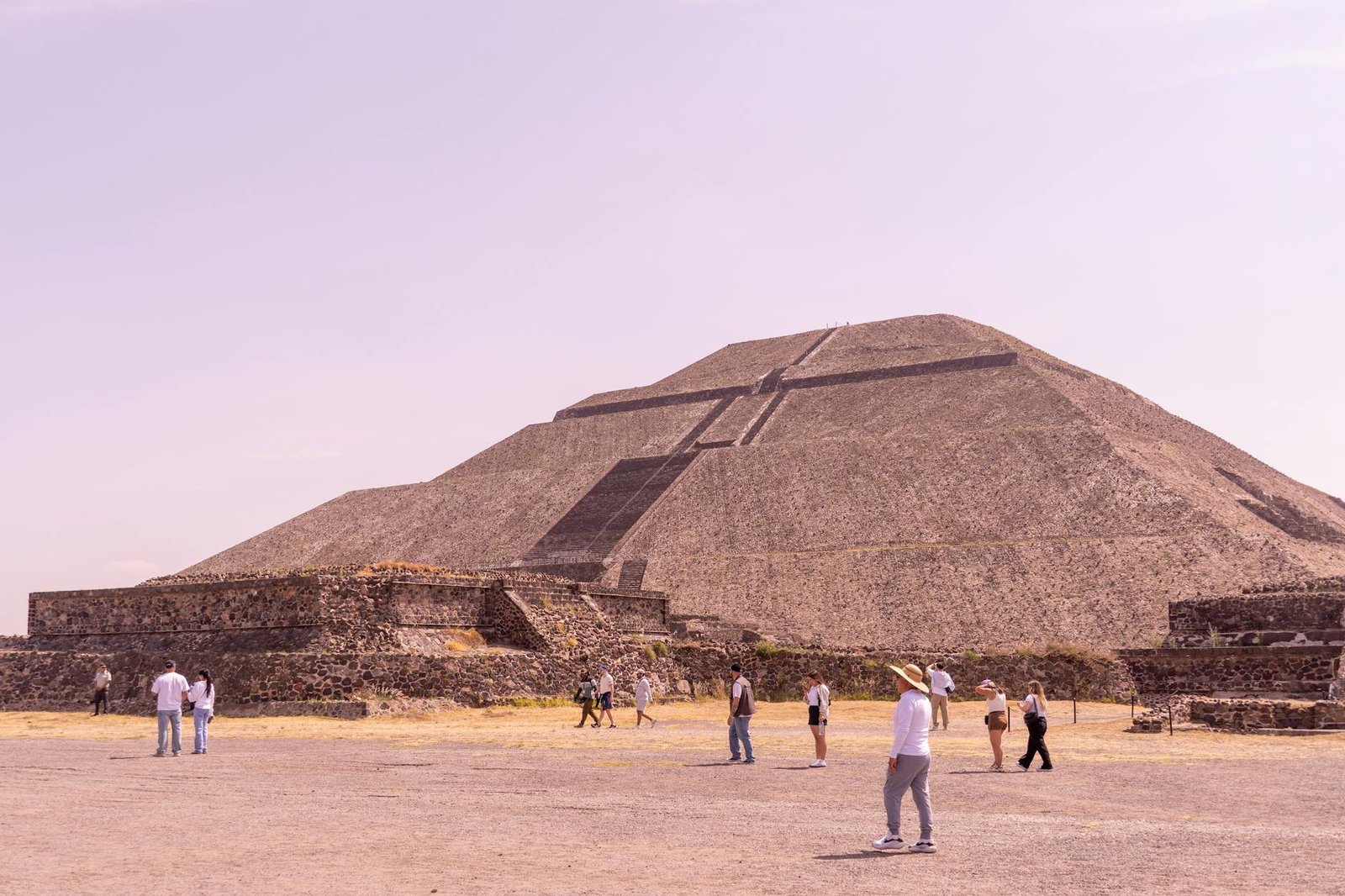
A Canadian tourist was killed in a shooting incident at the renowned Teotihuacan archaeological site, a popular tourist destination located just outside Mexico City. The violence erupted on Saturday, leaving at least six other individuals wounded before the assailant took his own life, authorities confirmed.

The incident cast a shadow over one of Mexico’s most iconic historical landmarks, drawing immediate attention from law enforcement and international observers. As per information available with TahirRihat.com, the precise circumstances leading to the shooting remain under investigation, with officials working to piece together the events that transpired at the ancient city known for its massive pyramids.

The Teotihuacan site, a UNESCO World Heritage site, attracts hundreds of thousands of visitors annually, drawn by its pre-Hispanic pyramids, including the Pyramid of the Sun and the Pyramid of the Moon. The sudden outbreak of violence in such a public and historically significant location has raised concerns about security at major tourist attractions in Mexico.

Details emerging from the scene indicate that the gunman opened fire indiscriminately, causing injuries to multiple bystanders. Emergency services were swiftly deployed to the site, providing medical assistance to the wounded and securing the area. The swift action of law enforcement was crucial in containing the situation and preventing further casualties. The perpetrator’s decision to end his own life following the attack adds a somber and complex dimension to the unfolding investigation.

Mexican authorities have initiated a thorough inquiry into the shooting, aiming to determine the motive behind the attack and the identity of the victims. The Canadian embassy in Mexico has been notified and is reportedly working with local officials to provide assistance to the affected families. The incident underscores the ongoing challenges related to public safety in various regions, even in areas typically perceived as secure and culturally rich.

The Teotihuacan Valley, where the ancient city is located, has been a focal point of archaeological research for decades, revealing insights into the Mesoamerican civilization that once thrived there. The violence, therefore, not only impacts the present-day tourism industry but also disrupts the peaceful contemplation of history that draws visitors to the site. Information reaching TahirRihat.com suggests that the immediate area around the pyramids was cordoned off following the incident, with access restricted as investigators gathered evidence.

The wounded individuals were transported to nearby medical facilities for treatment. Their conditions have not been publicly disclosed, but sources indicate that efforts are underway to ensure they receive comprehensive care. The psychological impact of such a traumatic event on witnesses and the wider community is also a significant consideration for authorities as they manage the aftermath of the shooting.

Mexico has been grappling with issues of violence and crime, and while many tourist areas are considered relatively safe, incidents like this can erode confidence and affect the vital tourism sector. The government has often emphasized its commitment to protecting visitors and ensuring their safety, particularly in well-trafficked destinations. The response to this particular incident will be closely watched by both domestic and international stakeholders concerned with travel safety in Mexico.

Further details regarding the investigation, including the identity of the perpetrator and any potential connections to organized crime or extremist groups, are expected to be released as they become available. The focus remains on understanding the sequence of events and ensuring justice for the victims. The authorities have pledged transparency throughout the process, acknowledging the international interest in the incident given the victim’s nationality and the global profile of the Teotihuacan site.

The cultural significance of Teotihuacan cannot be overstated. It represents a pinnacle of pre-Columbian urban planning and architectural achievement. The presence of violence within its sacred precincts is a stark reminder that no location is entirely immune to the challenges facing contemporary society. The ongoing archaeological work at the site, which continues to uncover new secrets about its past inhabitants, now shares the narrative with this tragic modern event.

The impact on the local economy, heavily reliant on tourism to Teotihuacan, is also a concern. While security measures are typically robust at such prominent sites, this incident may prompt a review of existing protocols. The Mexican Ministry of Tourism and cultural heritage bodies are likely to be involved in assessing the situation and communicating reassurances to potential visitors. The resilience of the tourism industry will be tested by this unfortunate event, but the enduring allure of Teotihuacan’s ancient wonders may ultimately help it recover.

The investigation is likely to involve forensic analysis of the crime scene, interviews with witnesses, and the examination of any available surveillance footage. The perpetrator’s background and any potential accomplices will be scrutinized to understand the full scope of the incident. The authorities are committed to a thorough and meticulous investigation to provide answers and closure to the affected families and the public.

One Year On, Pahalgam Attack Security Lapses Unaddressed by Authorities

0
Year after Pahalgam, no action against cops
Photo by Imad Clicks on Pexels

A year has passed since the devastating terror attack in Pahalgam’s Baisaran valley, where 25 tourists and a local resident were tragically gunned down by militants on April 22. Yet, critical security gaps identified in the immediate aftermath of the incident remain unaddressed, raising persistent questions about accountability and preparedness within the security apparatus of Jammu and Kashmir. Despite the gravity of the attack and subsequent high-level security reviews, no visible action has been taken against those responsible for preventing such a catastrophic event at the ground level.

Sources indicate to TahirRihat.com that despite concerns being raised about intelligence failures and security protocol shortcomings, even following a security review meeting held by Union Home Minister Amit Shah on April 8 in Srinagar with the unified command, the highest decision-making body for security matters in the region, no formal inquiry or punitive action has been initiated. This lack of accountability extends to police personnel, officials in charge of the Pahalgam area, and other security personnel stationed in Pahalgam and surrounding regions of Anantnag district at the time of the attack. The incident, which shook the region and highlighted vulnerabilities in tourist security, has seemingly resulted in no tangible consequences for those deemed responsible for the lapses.

Following the Pahalgam terror attack, an all-party meeting was convened by the Centre. During this meeting, the government reportedly acknowledged intelligence failures in response to queries from the Opposition. However, concrete action against individuals within the police and security establishment found wanting in their duties has been conspicuously absent, according to sources. This inaction, a year after the massacre, suggests a systemic inertia or a reluctance to assign blame, even when clear intelligence and operational failures are evident. The attack, which claimed numerous innocent lives, was a stark reminder of the persistent threat of terrorism in the region and the imperative for robust security measures.

The perpetrators of the attack were identified as three Pakistani terrorists: Faisal Jatt, also known as Suleman Shah; Habeeb Tahir, alias Jibran; and Hamza Afghani. These individuals were subsequently eliminated by security forces in July of the same year during Operation Mahadev, a mere three months after the Baisaran valley massacre. Their elimination, while a success for security forces, does not address the fundamental question of how they managed to infiltrate and carry out such a large-scale attack undetected. The investigation into their movements and support networks revealed that the terrorists had entered India through the higher reaches of the Himalayas. Crucially, they received logistical support from two local individuals, a fact that clearly points to a significant intelligence failure. This suggests that the intelligence network, responsible for monitoring cross-border movements and identifying potential threats, was either compromised or inadequately equipped to detect such an infiltration.

Adding to the security concerns, one of the Central Reserve Police Force (CRPF) companies tasked with ensuring security in the area was redeployed elsewhere shortly before the attack. This redeployment significantly diminished the protective cover at the popular tourist destination of Pahalgam, a move that appears to have been made without adequate consideration for the potential security risks. The decision to reduce security presence at a high-profile tourist spot, especially in a region with a history of militancy, raises serious questions about risk assessment and resource allocation within the security forces. The absence of adequate security personnel created a window of opportunity for the militants to execute their plan with devastating effect.

The response time of the security forces further underscored the coordination and logistical challenges faced. The nearest quick action team, identified as the CRPF’s 116 Battalion, took over an hour to reach the Baisaran valley after the attack commenced. This prolonged delay provided the terrorists with ample time to carry out their deadly assault and subsequently escape the scene. The extended response time is indicative of a lack of seamless coordination among various security agencies operating in the region. Such delays can be critical in counter-terrorism operations, potentially allowing militants to achieve their objectives and evade capture, thereby undermining the overall security strategy. The incident highlighted the need for improved communication, faster response mechanisms, and better strategic deployment of quick action teams to ensure timely intervention in critical situations.

The implications of these unaddressed security lapses extend beyond the immediate incident. They foster a sense of vulnerability among tourists and local residents alike, potentially impacting the tourism industry, which is a vital economic driver for Jammu and Kashmir. The lack of accountability can also erode public trust in the efficacy and integrity of the security forces. For the region to move forward and ensure the safety of its inhabitants and visitors, a thorough and transparent investigation into the security failures surrounding the Pahalgam attack is imperative, followed by concrete measures to prevent future occurrences. The continued absence of action suggests a need for a more robust oversight mechanism to ensure that security protocols are not just in place but are also effectively implemented and enforced, with consequences for negligence.