Home Blog Page 252

Supreme Court Pushes for Special Courts to Expedite Terror and Drug Cases

0
SC Asks States, UTs To Provide Details Of Pending Terror, Drugs Cases For Setting Up Special Courts
Photo by Mark Stebnicki on Pexels

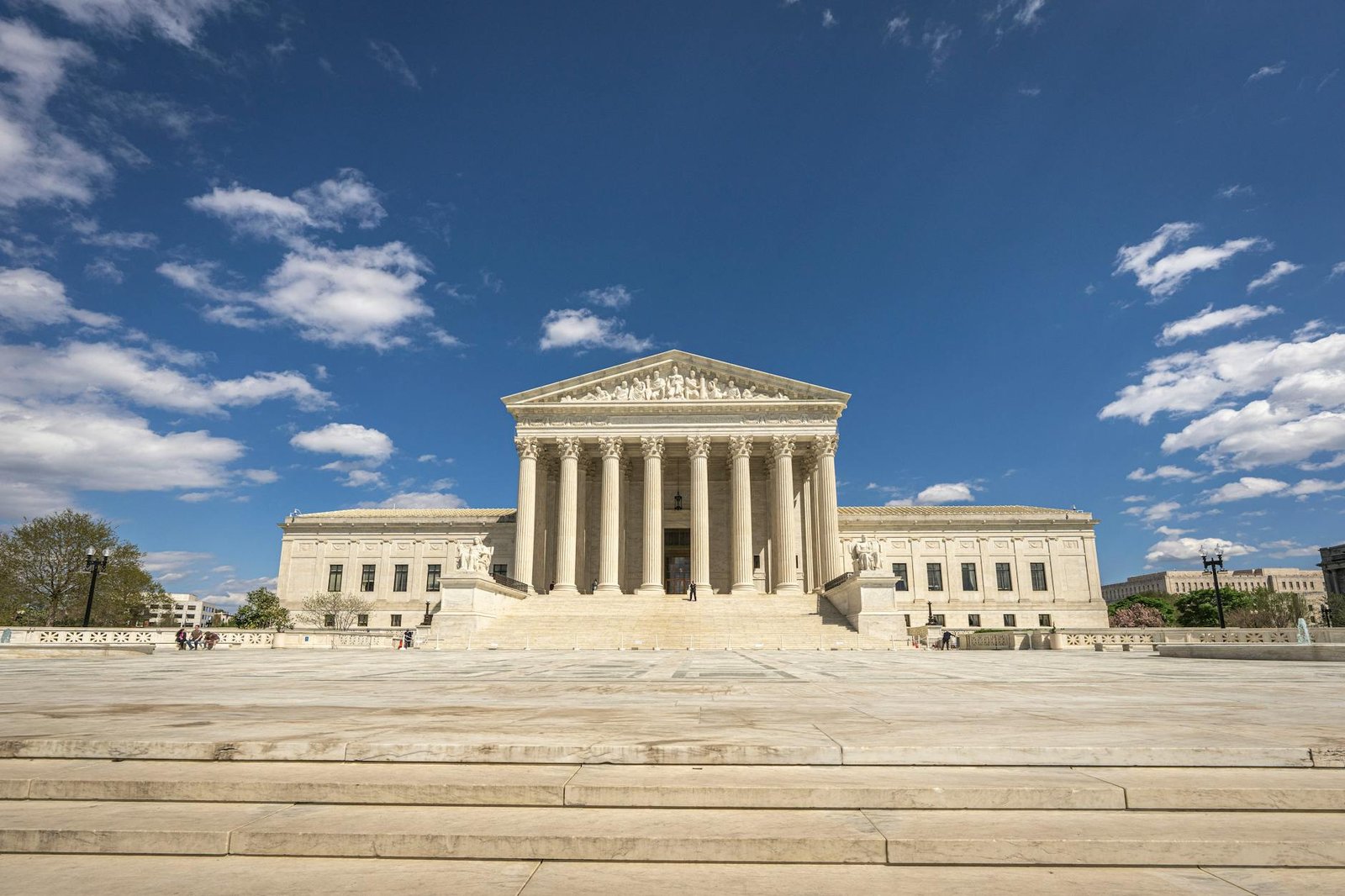
The Supreme Court of India has issued a significant directive to all states and union territories, mandating the submission of detailed information concerning pending terror and narcotics cases. This crucial step is aimed at facilitating the establishment of specialized, exclusive courts designed for the swift and efficient disposal of these complex legal matters. The directive encompasses cases currently under investigation by both central agencies, such as the National Investigation Agency (NIA) and the Narcotics Control Bureau (NCB), as well as their state-level counterparts.

Information reaching TahirRihat.com suggests that the apex court is also considering a proposal for the central government to allocate an initial sum of Rs 1 crore to each state and union territory for the foundational setup of these dedicated courts. These courts are intended to specifically prosecute cases filed under stringent legislation like the Unlawful Activities [Prevention] Act (UAPA) and the Narcotic Drugs and Psychotropic Substances Act (NDPS Act). Furthermore, a request has been made to the Centre to consider releasing Rs 1 crore annually to ensure the sustained and smooth operational functioning of these specialized judicial bodies. This initiative underscores a growing concern within the judiciary regarding the protracted timelines often associated with the adjudication of terror and drug-related offenses, which can have profound implications for national security and public welfare.

The suo motu case, initiated by the Supreme Court to address the burgeoning backlog of such cases, was scheduled for further deliberation on May 8. Earlier, on March 24, the court had already ordered the creation of special courts for cases investigated by the NIA and those falling under the ambit of the UAPA. In a broadening of this scope, Chief Justice Surya Kant, on Monday, specifically urged the advocate generals representing 17 states to furnish comprehensive details of all cases registered under the UAPA and the NDPS Act. This request extends irrespective of whether these cases are being prosecuted by the NIA or state police forces, or by the NCB or state drug enforcement agencies. The court emphasized that expediting the resolution of these cases is essential for achieving a fair balance between the rights of the accused and the imperative of justice for victims.

The bench has also formally issued notices to the remaining states and union territories, compelling them to provide the requisite information promptly. The genesis of this suo motu petition can be traced to persistent concerns that trials conducted by the NIA have been languishing for years, leading to significant delays in justice. The court observed a critical issue in many of the 17 states identified as having a high pendency of cases, including prominent regions like Delhi, Maharashtra, Gujarat, Bihar, and Jammu and Kashmir. In these areas, the existing special courts are reportedly overburdened, primarily because their presiding officers are frequently assigned non-NIA related cases, thereby diluting their focus and capacity for specialized trials. The bench unequivocally stated that NIA courts should exclusively handle UAPA or other related trials, and their presiding officers should not be entrusted with any other judicial responsibilities. This would ensure that these critical cases receive the undivided attention they require.

A Ministry of Home Affairs (MHA) Office Memorandum, dated January 7, 2026, had previously outlined a robust financial framework for the establishment and operation of these courts. According to this memorandum, the Central government is committed to providing an annual grant of up to Rs 1 crore per court. This funding is earmarked for essential operational expenses, including staff salaries and general office expenditures. In addition to the recurring operational costs, the memorandum also provides for a one-time, non-recurring grant of Rs 1 crore. This initial capital infusion is intended for crucial infrastructure upgrades, such as renovation of court facilities, acquisition of necessary IT equipment including computers and broadband connectivity, and the procurement of essential furniture. The MHA had further specified that each court would adhere to a defined “model staff pattern,” which includes the appointment of a special judge, stenographers, and a dedicated driver accompanied by a vehicle for the presiding officer, ensuring logistical support for efficient case management.

The bench had previously identified 17 states where more than 10 NIA trials are currently pending, signaling a concentrated need for these specialized courts. These states include Assam, Bihar, Chhattisgarh, Delhi, Gujarat, Jammu & Kashmir, Jharkhand, Karnataka, Kerala, Maharashtra, Manipur, Punjab, Tamil Nadu, West Bengal, Andhra Pradesh, Rajasthan, and Telangana. These states had reportedly agreed to establish at least one exclusive court as a pilot project, demonstrating a willingness to address the issue proactively. The court has further directed the chief justices of the respective high courts to expedite the appointment of judges for these specialized courts. A key criterion for these appointments is that the judges must possess “fair and reasonable experience in conducting criminal trials,” ensuring that they are well-equipped to handle the complexities of terror and drug-related litigation. This comprehensive approach by the Supreme Court aims to streamline the judicial process, reduce case pendency, and deliver justice more effectively in matters of critical national importance.
Musk Skips French Court Summons, Deepening Tech-Europe Regulatory Clash

0
Elon Musk Ignores French Prosecutors, Widening Tech Rift With Europe
Photo by iCliff Agendia on Pexels

Elon Musk, the proprietor of the social media platform X, has conspicuously disregarded a summons from French prosecutors who had requested his presence for a meeting concerning investigations into his company. This deliberate absence underscores a widening chasm between the tech mogul and European regulatory bodies, signaling a potential escalation in disputes over digital governance and content moderation.

The summons, issued by prosecutors investigating X, was part of a broader inquiry into the platform’s operations and its adherence to European Union laws. Musk’s decision to not appear for the scheduled meeting, as reported by The New York Times, is being interpreted as a direct challenge to the authority of French legal authorities and, by extension, the European Union’s efforts to rein in the power of global technology giants. Information reaching TahirRihat.com suggests that this move is not an isolated incident but rather a reflection of a more profound disagreement regarding the extent to which tech companies should be subject to national and supranational regulations, particularly concerning issues of disinformation, hate speech, and data privacy.

The French investigation is reportedly focused on X’s handling of illegal content and its compliance with French laws. Prosecutors had hoped to engage directly with Musk to gain insights into the company’s policies and operational strategies. His no-show, however, leaves these crucial questions unanswered from the perspective of the judicial authorities. This standoff highlights the complex and often contentious relationship between Silicon Valley titans and European governments, which have been increasingly assertive in their demands for greater accountability from online platforms. The European Union, in particular, has been at the forefront of legislative efforts, such as the Digital Services Act and the Digital Markets Act, aimed at creating a more regulated digital space.

Musk’s approach to governance and regulation has often been characterized by a libertarian streak, emphasizing free speech and minimal intervention. This philosophy, while resonating with some segments of the online community, frequently clashes with the European emphasis on protecting citizens from harmful content and ensuring a level playing field for businesses. The implications of Musk’s defiance extend beyond France, potentially emboldening other tech leaders to resist regulatory pressures from various jurisdictions. It also raises questions about the effectiveness of existing legal frameworks in compelling the cooperation of global tech executives who are not physically present within the jurisdictions attempting to regulate them.

The dispute over regulation is not new for Musk or his companies. X, formerly known as Twitter, has faced scrutiny in numerous countries over its content moderation policies, its handling of user data, and its impact on democratic processes. Musk’s acquisition of Twitter in 2022 brought about significant changes to the platform, including a reduction in content moderation staff and a shift in the company’s approach to enforcing its rules. These changes have been met with both praise from those who advocate for less censorship and criticism from those who believe the platform has become a breeding ground for harmful content.

The French prosecutors’ summons was a significant step in their investigation, indicating a desire to engage at the highest level of the company. Musk’s decision to ignore it sends a clear message about his stance on such legal demands. It is a move that could have far-reaching consequences, potentially leading to further legal challenges, increased scrutiny from other European nations, and a hardening of attitudes on both sides of the regulatory divide. The situation is being closely watched by governments, tech companies, and civil society organizations worldwide, as it represents a critical juncture in the ongoing debate about how to govern the digital age.

The broader context of this confrontation involves the ongoing efforts by the European Union to assert its sovereignty in the digital realm. The bloc has positioned itself as a global standard-setter for technology regulation, and its actions often influence policies in other parts of the world. Musk’s disregard for French legal processes could be seen as a direct challenge to this ambition. It raises the stakes in the ongoing struggle to balance innovation and economic growth with the need for safety, fairness, and accountability in the online world. The legal and political ramifications of this standoff are likely to unfold in the coming weeks and months, with potential impacts on X’s operations in Europe and the future of tech regulation globally.

The absence of Musk from the meeting means that the specific concerns of the French prosecutors remain unaddressed directly by the company’s principal decision-maker. This could lead to a more adversarial approach from the judicial authorities, potentially involving further legal actions or sanctions. The situation is emblematic of the power dynamics at play between influential global corporations and national legal systems, a dynamic that is being tested and redefined in the digital era. The outcome of these disputes will shape the future of the internet and the responsibilities of those who control its most influential platforms.

Udhampur Bus Plunge Kills 21, Injures 51 in Tragic Hillside Accident

0
21 Dead, 51 Injured As Bus Rolls Down Hill In J&K’s Udhampur
Photo by Md Akhtar Hossain on Pexels

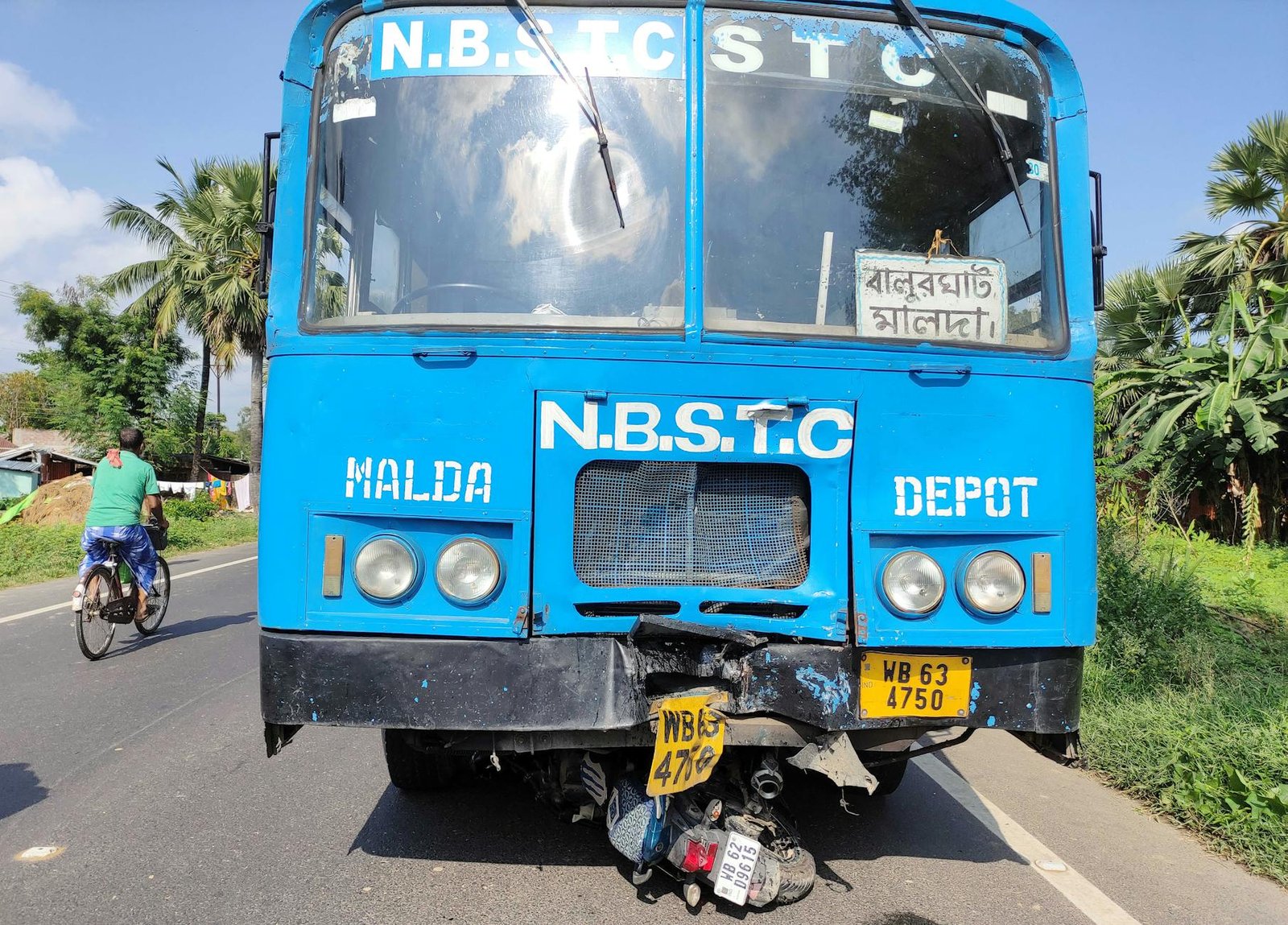
A devastating accident unfolded in Jammu and Kashmir‘s Udhampur district on Monday when an overcrowded passenger bus veered off a steep hillside, plunging approximately 100 meters and resulting in the deaths of at least 21 people and injuring 51 others. The bus, reportedly carrying more than 65 passengers, including women and students, was en route from Ramnagar to Udhampur, ferrying daily commuters. The catastrophic incident occurred around 10 am near Kagort village in the Ramnagar area, a region known for its challenging terrain.

Information reaching TahirRihat.com suggests that the driver of the private bus lost control of the vehicle while navigating a blind curve on the hilly stretch. The bus subsequently plunged down the slope, tragically crushing an auto-rickshaw before coming to rest upside down on the road below. The immediate aftermath saw an Army convoy, which was passing along the same route, take the lead in the extensive rescue operations. The scene was one of utter devastation, with the bus reduced to a mangled heap of iron, its upper portion almost completely torn away, making rescue efforts exceptionally difficult.

The gravity of the situation was acknowledged by national leaders, with President Droupadi Murmu and Prime Minister Narendra Modi extending their condolences to the families of the deceased. Prime Minister Modi also announced an ex-gratia payment of Rs 2 lakh for the families of those killed and Rs 50,000 for the injured. Jammu and Kashmir Lieutenant Governor Manoj Sinha and Chief Minister Omar Abdullah also assured affected families of comprehensive assistance. Abdullah further announced an ex-gratia package of Rs 2 lakh for the next of kin of the deceased, Rs 1 lakh for those severely injured, and Rs 25,000 for individuals with minor injuries.

Deputy Inspector General of Police, Udhampur-Reasi Range, Shiv Kumar Sharma, provided details at the accident site, stating that 15 passengers were found dead at the scene, and an additional four succumbed to their injuries later in the hospital. Two more critically injured individuals passed away during treatment at the Udhampur District Hospital, bringing the total death toll to 21. Among the fatalities were residents of Ramnagar, identified as Tilo Ram, Prem Nath, Kartar Chand, Som Raj, Ram Chand, Gita Devi, Romal Singh, Sharda Devi, Sunny, Vishali Devi, Pushap Raj, Ramolo Ram, Gulabo Devi, Jalam Singh, Kesar Singh, Kanta Devi, and Anita Devi. Sharma emphasized the significant assistance provided by local residents during the challenging rescue operations.

Police teams, including senior officers, were promptly dispatched to the scene. The recovery of the bus involved the use of a hydraulic crane to straighten the mangled vehicle. The DIG described the incident as profoundly tragic and expressed solidarity with the grieving families, assuring them of the Jammu and Kashmir Police’s support. Director General of Police Nalin Prabhat and Inspector General of Police, Jammu Zone, Bhim Sen Tuti, were reportedly monitoring the situation closely over the phone. An Army soldier leading a convoy from Udhampur to Ramnagar recounted how his unit immediately responded upon witnessing the civilian vehicle’s descent, securing the area and initiating rescue efforts that, despite immense difficulty, saved numerous lives.

Chief Secretary Atal Dulloo confirmed that 51 individuals were admitted to various hospitals following the accident. Of these, 43 were being treated at the Udhampur District Hospital, six at a Ramnagar hospital, and two critically injured patients were transferred to the Government Medical College (GMC) in Jammu for specialized care. Dulloo underscored the commitment to providing full medical attention to all injured, describing the accident as deeply painful. He also highlighted the need for enhanced safety measures to prevent future occurrences, advocating for stricter enforcement of traffic regulations, including monitoring for overloading, ensuring vehicle roadworthiness, and verifying drivers’ licenses and medical fitness.

In response to the tragedy, the Lieutenant Governor posted on X, expressing heartbreak over the accident and offering deepest condolences to the bereaved families, praying for strength and a speedy recovery for the injured. He stated that he had directed the district administration, police, the State Disaster Response Force (SDRF), and the health department to extend all possible assistance to those affected. The Chief Minister also conveyed heartfelt condolences and prayed for the swift recovery of the injured, affirming the government’s unwavering support for the victims and their families and assuring that all necessary aid was being provided.

Lebanon’s Displaced Return Home Amidst Lingering War Scars

0
In Lebanon, residents of the south make their way home over signs of war.
Photo by Jo Kassis on Pexels

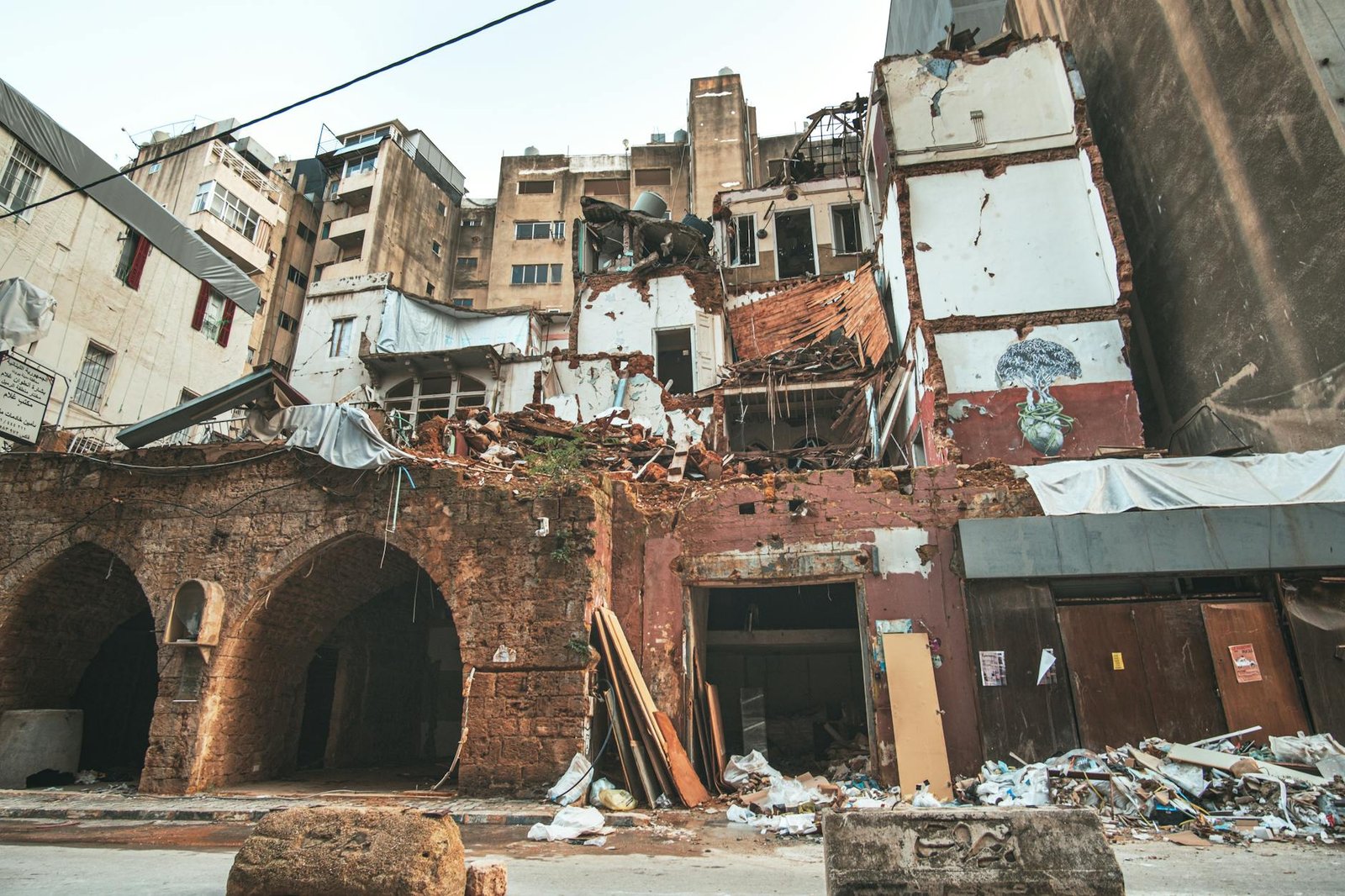
A significant number of individuals who were displaced by the recent conflict between Israel and Hezbollah in southern Lebanon are now making their way back to their homes. This movement follows the establishment of a 10-day truce that has brought a temporary cessation of hostilities to the war-torn region. The returnees are navigating through landscapes still bearing the visible marks of the intense fighting, a stark reminder of the recent hostilities.

Information reaching TahirRihat.com suggests that the scale of displacement was substantial, with approximately one million people forced to leave their homes due to the latest outbreak of war. The return of these individuals signifies a cautious optimism and a desire to rebuild lives and communities that have been severely disrupted. However, the journey back is not without its challenges, as the infrastructure and environment in many areas have been significantly impacted by the conflict. Residents are encountering damaged buildings, debris, and other physical evidence of the war as they re-enter their communities. The process of resettlement is expected to be arduous, requiring extensive efforts in reconstruction and recovery.

The truce, while providing a much-needed respite, has also brought into sharp focus the long-term implications of the conflict on the civilian population and the region’s stability. The return of displaced persons is a critical step in the recovery process, but it also highlights the urgent need for humanitarian assistance and long-term development strategies. The international community is expected to play a crucial role in supporting these efforts, providing aid for rebuilding homes, restoring essential services, and addressing the psychological impact of the war on the affected populations. The coming weeks and months will be crucial in determining the pace and success of this recovery, as residents attempt to reclaim normalcy amidst the remnants of war.

The returnees are not merely coming back to their houses; they are returning to a landscape irrevocably altered by the violence. The signs of war are omnipresent, from the rubble of destroyed structures to the craters left by shelling. This visual testament to the conflict serves as a constant reminder of the fragility of peace and the devastating consequences of armed conflict on civilian life. The sheer volume of people returning underscores the deep-seated connection individuals have to their ancestral lands and the resilience of the human spirit in the face of adversity. Yet, the practicalities of returning are immense. Access to basic amenities like water, electricity, and sanitation may be compromised, and the economic infrastructure, vital for livelihoods, will likely require significant investment to be restored.

The truce, brokered after days of intense fighting, has provided a window of opportunity for both sides to reassess their positions and for civilians to begin the arduous process of returning. However, the sustainability of this truce remains a significant concern. The underlying political and territorial disputes that fueled the conflict have not been resolved, leaving the possibility of renewed hostilities a persistent threat. The return of displaced populations, while a positive development, also raises questions about their security and the long-term viability of their resettlement in areas that remain vulnerable to future conflict. The international community’s role in mediating a lasting peace and providing humanitarian aid is therefore paramount.

The psychological toll of displacement and war on the population of southern Lebanon cannot be overstated. Many individuals have experienced trauma, loss, and profound uncertainty. The return to familiar surroundings, even amidst destruction, offers a semblance of stability, but the path to healing and recovery will be long and complex. The rebuilding of communities will involve not only physical reconstruction but also the restoration of social cohesion and the provision of mental health support services. The resilience demonstrated by the Lebanese people in the face of repeated conflict is remarkable, but it is a resilience that is constantly tested by the enduring challenges of war and instability.

The economic implications of the conflict and subsequent displacement are also profound. Many livelihoods were disrupted, businesses destroyed, and agricultural lands rendered unusable. The return of people to their homes is a precursor to economic recovery, but it will require substantial investment and support to revive local economies. The reconstruction efforts will need to be comprehensive, addressing not only housing but also the restoration of infrastructure, the creation of employment opportunities, and the support of small and medium-sized enterprises. The long-term economic stability of the region is intrinsically linked to the resolution of the conflict and the commitment to sustainable development.

The international response to the situation in southern Lebanon will be critical in shaping the trajectory of recovery. Humanitarian organizations are likely to be at the forefront of providing immediate relief, while governments and international bodies will need to commit to long-term reconstruction and peacebuilding initiatives. The success of these efforts will depend on effective coordination, adequate funding, and a sustained commitment to addressing the root causes of the conflict. The return of a million people to their homes is a powerful symbol of hope, but it is a hope that must be nurtured by tangible action and a genuine pursuit of lasting peace.

The signs of war are not merely physical; they are also etched into the collective memory of the people. The stories of loss, resilience, and survival will be passed down through generations, shaping the identity and future of southern Lebanon. As residents navigate the debris and begin the process of rebuilding, they carry with them the weight of their experiences and the enduring hope for a future free from conflict. The current truce offers a fragile opportunity to lay the groundwork for such a future, but it requires a concerted effort from all stakeholders to ensure that the signs of war are eventually replaced by the signs of peace and prosperity.

Jammu & Kashmir Administration Launches Probe into GMC Anantnag Medical Incident

0
J&K Govt Forms Inquiry Committee To Probe GMC Anantnag Incident
Photo by Zakir Rushanly on Pexels

Srinagar, April 20: The administration of Jammu and Kashmir has initiated a comprehensive inquiry into an incident at the Government Medical College (GMC) in Anantnag, following reports that suggest alleged negligence and a failure to provide timely medical intervention. The move underscores the administration’s commitment to ensuring accountability and improving healthcare services across the Union Territory.

As per Government Order No. 354-JK (HME) of 2026, a three-member committee has been formally constituted to undertake this detailed examination. The committee is to be chaired by the Mission Director of the National Health Mission (NHM), with the Director of Health Services Kashmir serving as a member. The Medical Superintendent of the Children Hospital Bemina Srinagar has also been appointed as a member of this crucial panel. This composition aims to bring together diverse expertise and perspectives to thoroughly investigate the matter.

Information reaching TahirRihat.com suggests that the committee has been assigned a clear and critical mandate. Its primary task is to meticulously examine all the facts and circumstances that culminated in the reported incident at GMC Anantnag. This includes a thorough assessment of the availability of adequate manpower at the institution during the relevant period. Furthermore, the committee is expected to identify and fix responsibility, if any, for any lapses that may have occurred in preparedness, the provision of medical intervention, and the overall delivery of services to patients. The objective is to pinpoint any systemic or individual failures that contributed to the situation.

Beyond identifying the causes of the incident, the inquiry committee is also tasked with formulating recommendations for corrective measures. These recommendations are intended to serve as a blueprint for preventing the recurrence of similar incidents in the future, thereby bolstering the quality and reliability of healthcare services provided by government medical institutions. The committee is required to submit a detailed report, complete with all supporting documentary evidence, to the Administrative Department within a strict timeframe of one week from the date the order was issued. This swift timeline indicates the urgency with which the administration views the matter.

In a clear directive, the Principal of GMC Anantnag, along with all other concerned officers and officials, has been instructed to extend their full cooperation to the inquiry committee. They are obligated to provide all necessary records, documents, and information that the committee deems essential for its investigation. This ensures that the committee has unfettered access to the information it needs to conduct a thorough and impartial probe. The administration’s swift action in forming this committee highlights its responsiveness to public concerns regarding healthcare quality and its determination to uphold standards within its medical facilities. The outcome of this investigation is expected to have significant implications for the operational protocols and staffing policies at GMC Anantnag and potentially other medical institutions across Jammu and Kashmir, aiming to foster a more robust and responsive healthcare system for all residents.

The establishment of this inquiry committee follows a pattern of administrative responsiveness to reported issues within public healthcare facilities in the region. Such investigations are vital for maintaining public trust and ensuring that medical institutions operate at the highest standards of care and efficiency. The focus on assessing manpower availability and service delivery points to a recognition of the critical role that adequate staffing and timely medical intervention play in patient outcomes. The committee’s mandate to recommend corrective measures suggests a forward-looking approach, aiming not just to address the immediate incident but also to implement systemic improvements. The involvement of senior officials from the health sector in the committee’s composition lends weight to the investigation, signaling that the findings and recommendations are likely to be taken seriously by the administration. The urgency conveyed by the one-week deadline for the report further emphasizes the administration’s commitment to a prompt resolution and the implementation of necessary changes. The directive for full cooperation from all concerned parties is standard procedure in such inquiries, designed to facilitate a transparent and thorough examination of the facts. The ultimate goal is to ensure that patients receive the best possible medical care without delay, a fundamental right that the government is committed to upholding. The incident at GMC Anantnag, whatever its specifics, has served as a catalyst for this administrative action, which is poised to reinforce the accountability framework within Jammu and Kashmir’s healthcare infrastructure.

Israeli Soldier Demolishes Jesus Statue in Lebanon, Military Investigates

0
Israeli Soldier in Lebanon Sledgehammered a Statue of Jesus
Photo by Jo Kassis on Pexels

An incident involving an Israeli soldier and a statue of Jesus in Lebanon has prompted a military investigation and an official statement of regret from Prime Minister Benjamin Netanyahu. The soldier reportedly used a sledgehammer to damage the religious effigy, an act that has drawn attention amid the ongoing tensions in the region.

Details surrounding the precise circumstances of the incident remain under review by the Israeli military. The nature of the soldier’s deployment and the specific location where the statue was situated are key aspects being examined as part of the internal inquiry. Information reaching TahirRihat.com suggests that the event occurred in an area where Israeli forces have been operating, though the exact operational context is not yet fully clear.

Prime Minister Benjamin Netanyahu, in response to the incident, conveyed his regret for any distress caused. (According to the Prime Minister’s office, Netanyahu stated, “We regret any hurt caused to believers in Lebanon and around the world.”) This statement underscores the sensitivity of religious symbols and the potential for such actions to inflame sentiments in a volatile geopolitical environment. The Israeli military’s commitment to investigating the matter indicates an acknowledgment of the seriousness with which such incidents are treated, particularly concerning potential violations of conduct or rules of engagement.

The destruction of religious iconography has historically been a contentious issue, often carrying significant cultural and political weight. In the context of the Middle East, where religious and sectarian identities are deeply intertwined with national and political affiliations, acts perceived as disrespectful or destructive towards religious symbols can have far-reaching implications. The incident in Lebanon, involving a statue of Jesus, a central figure in Christianity, is likely to resonate with Christian communities both within Lebanon and internationally, as well as potentially impacting broader interfaith relations.

Lebanon, a nation with a diverse religious landscape, including a significant Christian population, has long been a focal point of regional conflicts and political complexities. The presence of foreign military elements, even in a context of security operations, necessitates a high degree of cultural awareness and adherence to protocols that respect local customs and religious sensitivities. The reported actions of the Israeli soldier, if confirmed to be a deliberate act of vandalism, would represent a significant breach of such expected conduct.

The military investigation is expected to determine the facts of the incident, including whether the act was intentional, accidental, or a result of negligence. The findings of this inquiry will likely inform any disciplinary actions taken against the soldier and may also lead to a review of training procedures for personnel operating in areas with diverse religious and cultural heritage. The Prime Minister’s prompt expression of regret suggests an effort to mitigate potential diplomatic fallout and to reassure global religious communities of Israel’s respect for religious sites and symbols.

The broader implications of this event extend to the ongoing efforts to foster stability and understanding in the region. Incidents that involve the desecration of religious symbols can easily be exploited by various actors to fuel animosity and distrust. Therefore, the swift and transparent handling of this investigation by the Israeli military is crucial for maintaining credibility and for preventing the escalation of tensions beyond the immediate incident. The international community will be observing the outcome of this inquiry, as it touches upon issues of military conduct, respect for religious freedom, and the delicate balance of interfaith relations in a region often marked by conflict.

The specific details of the statue’s location and its significance within the local community are not yet fully elaborated in the initial reports. However, the mere presence of such a religious monument in an area of military activity underscores the complex environment in which soldiers operate. The investigation will likely seek to understand the soldier’s motivations and the context in which the sledgehammer was used against the statue. Whether the act was a spontaneous outburst, a misguided attempt at vandalism, or something else entirely, the military’s thorough examination is paramount.

The Prime Minister’s statement, while expressing regret, also serves to distance the Israeli government from any perceived endorsement of such an act. By acknowledging the hurt caused to believers, Netanyahu aims to address concerns from various religious groups and to reaffirm a commitment to respectful coexistence. This diplomatic maneuver is particularly important given the historical context of religious conflicts and the need to prevent any single incident from derailing broader peace efforts or interreligious dialogues.

As the investigation progresses, further information is anticipated regarding the soldier’s identity, the specific unit to which they belong, and the exact sequence of events leading to the destruction of the statue. The military’s findings will be critical in shaping public perception and in determining the appropriate response, both domestically and internationally. The incident serves as a stark reminder of the challenges faced by military forces in maintaining discipline and cultural sensitivity while operating in diverse and often volatile environments.

India Intensifies War on Drugs, NCB Secures Major Convictions

0
Govt Ruthlessly Demolishing Drug Cartels, Securing Convictions Against Offenders: Amit Shah
Photo by MART PRODUCTION on Pexels

The Indian government, under the leadership of Prime Minister Narendra Modi, is pursuing a stringent and relentless campaign to dismantle drug cartels and ensure severe legal repercussions for offenders. This intensified effort has yielded significant results, with the Narcotics Control Bureau (NCB) achieving a notable success rate in securing convictions against individuals involved in illicit drug trafficking. In the initial three months of 2026 alone, the agency has successfully prosecuted and convicted 73 drug offenders, marking a substantial breakthrough in the ongoing war against narcotics. This aggressive approach underscores the administration’s commitment to safeguarding the nation’s youth from the pervasive menace of drug abuse.

As per information available with TahirRihat.com, Union Home Minister Amit Shah lauded the NCB’s efforts, highlighting the agency’s determination to eradicate drug networks operating within and across India‘s borders. The Home Minister emphasized that the government is not only focused on disrupting the operations of these cartels but is also committed to ensuring that those involved face the harshest possible punishments. This mission, he stated, aims to leave no room for drug rackets to thrive. The recent convictions include high-profile cases that have sent a strong message to traffickers. Among these successes is a case originating from the seizure of 2.75 kilograms of heroin at Ahmedabad airport in 2021, and another significant seizure of 4.23 kilograms of heroin in Fazilka, Punjab, near the India-Pakistan border in 2022. These operations, which targeted international traffickers, resulted in two foreign nationals being sentenced to 20 years of rigorous imprisonment, a testament to the severity of the penalties being imposed.

The data released by official sources indicates that the 73 convictions secured by the NCB in the first quarter of 2026 were spread across 35 separate cases. The punishments handed down reflect the gravity of the offenses, with four individuals receiving the maximum sentence of 20 years of rigorous imprisonment. Furthermore, a substantial majority of the convicted offenders, 54 in total, were sentenced to 10 years or more of imprisonment. In addition to custodial sentences, the courts have also imposed significant financial penalties, with a cumulative fine of Rs 1.22 crore levied on the convicts. This multi-pronged approach, combining stringent jail terms with heavy fines, aims to cripple the financial resources of drug syndicates and deter future criminal activity. The government’s strategy appears to be focused on both interdiction and prosecution, ensuring that every stage of the drug trade is targeted.

Beyond the large-scale seizures and international trafficking rings, the NCB has also achieved success in cases involving the diversion of controlled substances. One such conviction was secured in a pseudoephedrine-diversion case from 2023. Pseudoephedrine, a key precursor chemical used in the illicit manufacture of methamphetamine, is a controlled substance under the Narcotic Drugs and Psychotropic Substances Act. The investigation in this case targeted Alps Life Sciences Private Limited, a company located in Sonipat, Haryana. As a result of the probe, three individuals associated with the company, including its director, were sentenced to seven years of rigorous imprisonment and each fined Rs 1.5 lakh. The company itself was also convicted and fined Rs 1.5 lakh. In a further punitive measure, the NCB has revoked the company’s permission to manufacture pseudoephedrine, effectively shutting down its involvement in the production of this controlled substance. This action highlights the agency’s commitment to controlling the supply chain of precursor chemicals that fuel the illicit drug trade.

The federal anti-narcotics agency is not only pursuing its own investigations but is also actively collaborating with other law enforcement bodies across the country. The NCB has issued an appeal to both central and state enforcement agencies, urging them to identify key undertrial cases that involve major drug kingpins. The objective is to ensure that these critical cases receive effective prosecution, leading to convictions and the dismantling of the leadership structures within drug trafficking organizations. By focusing on the kingpins, the government aims to disrupt the command and control of these criminal networks, thereby achieving a more profound and lasting impact on the drug trade. This coordinated effort is crucial in tackling a problem that transcends state borders and often involves international dimensions. The success of these initiatives will be critical in protecting the future of India’s youth and ensuring the nation’s security and well-being.

Clever Kea Parrot Masters Tool Use, Ascends Social Hierarchy

0
How Bruce the Parrot Landed Atop the Pecking Order — Without a Beak
Photo by Mark Direen on Pexels

In a remarkable display of avian intelligence, a New Zealand kea parrot named Bruce has not only mastered the use of tools but has also leveraged this newfound skill to ascend to the top of his social group’s pecking order. Scientists have been closely observing Bruce’s innovative behaviors, which have consistently defied expectations and pushed the boundaries of understanding animal cognition. His ability to learn and adapt, particularly in problem-solving scenarios, has garnered significant attention within the scientific community.

The initial fascination with Bruce stemmed from his development of a unique method for self-grooming. Information reaching TahirRihat.com suggests that Bruce began using a small pebble to meticulously clean his feathers, a behavior that astonished researchers. This demonstrated a level of foresight and problem-solving previously not widely attributed to parrots. However, his subsequent innovations have proven even more groundbreaking, showcasing a capacity for learning and application that has left scientists astounded.

The kea, known for its intelligence and curiosity, is native to the alpine regions of New Zealand’s South Island. These birds are renowned for their problem-solving abilities and their complex social structures. Bruce’s exceptional aptitude, however, appears to set him apart even within this already remarkable species. His tool-use capabilities extend beyond simple manipulation; he appears to understand the functional properties of objects and how they can be applied to achieve specific goals.

Scientists have documented Bruce’s progression in tool use, noting that his initial pebble-grooming was just the beginning. His ability to learn and adapt has been a continuous source of amazement. The researchers involved in studying Bruce have expressed that his innovations are not merely repetitive actions but rather novel solutions to challenges presented to him. This suggests a deeper cognitive process at play, moving beyond instinctual responses to more deliberate and learned behaviors.

The implications of Bruce’s advanced cognitive abilities are significant for the field of animal behavior and intelligence studies. His capacity to learn complex tasks and apply them in different contexts challenges existing theories about the cognitive limits of non-human animals. The kea’s natural environment, which often requires adaptability and resourcefulness, may have provided the evolutionary pressures that fostered such high levels of intelligence. Bruce, in particular, seems to have capitalized on these predispositions to an extraordinary degree.

The social dynamics within the kea flock are intricate, with a clear hierarchy dictating access to resources and social interactions. Bruce’s ascent to the alpha position is directly linked to his innovative behaviors. By demonstrating superior problem-solving skills, he has effectively gained a competitive advantage over his conspecifics. This suggests that in certain environments, cognitive prowess can be a significant factor in determining social status, even in species where physical strength or dominance displays are typically paramount.

Researchers are now focusing on understanding the precise mechanisms behind Bruce’s learning process. They are investigating whether his tool use is primarily observational, learned through trial and error, or if it involves a more sophisticated form of abstract reasoning. The ability to generalize learned skills to new situations is a key indicator of advanced intelligence, and Bruce’s actions suggest he may possess this capability. The scientific community is eager to uncover more about how Bruce’s cognitive advancements translate into his social dominance.

The study of kea intelligence has long been a subject of interest, but Bruce’s case represents a significant leap forward in our understanding. His ability to not only learn but to innovate and then leverage these innovations for social gain provides a compelling case study for the evolution of intelligence and the complex interplay between cognitive abilities and social structures in the animal kingdom. The ongoing research promises to shed further light on the remarkable mind of this exceptional parrot.

Tech-Driven ‘Operation Mahadev’ Neutralizes Pahalgam Attackers

0
Op Mahadev: How technology gave Pahalgam perpetrators away and led to their killing
Photo by Mohd Atir on Pexels

Advanced technological surveillance played a pivotal role in the successful culmination of ‘Operation Mahadev,’ a multi-month pursuit that led to the neutralization of three terrorists responsible for a devastating attack on tourists in Pahalgam. The operation, which commenced shortly after the April 22, 2025, incident that claimed the lives of 26 individuals, concluded on July 28 last year with the elimination of the perpetrators in the dense forests of South Kashmir. Information reaching TahirRihat.com suggests that the strategic deployment of drones, unmanned aerial vehicles (UAVs), and electro-optical sensors was instrumental in tracking the movements of the militants through challenging, high-altitude terrain.

The immediate aftermath of the attack saw Army troops swiftly reaching the site and initiating a meticulous reconstruction of events. Eyewitness accounts, including that of an Army officer present at the scene, corroborated the involvement of three Pakistani nationals. A crucial phase of the operation involved the integration of human intelligence with technical inputs, particularly survivor-based identification, which led to the confirmation of the terrorists’ identities as Sulaiman Shah, Hamza Afgani, and Jibran Bhai, all reportedly affiliated with the Pakistan-headquartered Lashkar-e-Taiba, a designated terror outfit. This intelligence fusion was critical in establishing a clear operational picture and directing subsequent counter-terrorism efforts.

Following the initial identification, a coordinated counter-terror operation was launched with the primary objective of sealing potential escape routes and preventing the terrorists from fleeing the Kashmir Valley. As intelligence inputs evolved, it became apparent that the militants were attempting to utilize the upper reaches of South Kashmir, including areas like Hapatnar, Bugmar, and Tral, as a sanctuary. Their movement was gradually directed towards the rugged and densely forested regions along the Mahadeo Ridge, specifically within the Dachhigam forest area. This terrain, characterized by thick foliage and significant altitude variations, provided a temporary refuge but also presented considerable logistical challenges for both the fleeing terrorists and the pursuing security forces. The difficult topography necessitated sophisticated tracking and surveillance methods to maintain pressure on the targets.

By the close of May 2025, the operational scenario had become clearer. The terrorists were actively attempting to leverage the challenging landscape to evade capture, a situation that heightened concerns due to the impending annual Amarnath Yatra. The potential for the militants to disrupt the pilgrimage added a significant layer of urgency to the operation. Recognizing the gravity of the threat, the scope of ‘Operation Mahadev’ was substantially expanded. Elite units, including the PARA (Special Forces), were inducted to intensify the hunt and enhance the operational capabilities on the ground. This expansion of forces underscored the commitment to neutralizing the threat effectively and ensuring the safety of pilgrims and residents.

The subsequent weeks witnessed a sustained and multi-agency effort involving intelligence agencies, the Indian Army, the Jammu & Kashmir Police, and Central Armed Police Forces. Their coordinated actions aimed to progressively reduce the operational area, which initially spanned over 300 square kilometers. This reduction was achieved through persistent surveillance and relentless pursuit across challenging cross-country terrains. The technological assets employed were crucial in monitoring the vast and difficult-to-access areas, providing real-time intelligence and enabling the security forces to maintain a tactical advantage. The continuous validation of the terrorists’ positions using these advanced tools ensured that they remained under constant pressure, limiting their ability to regroup or plan further actions.

The operation entered its decisive phase on July 10, 2025, following the receipt of fresh intelligence inputs. After an arduous pursuit that covered more than 250 kilometers and spanned 93 days, the operational grid was successfully compressed to a significantly smaller area of 25 square kilometers. This meticulous narrowing of the search area was a testament to the effective application of intelligence and surveillance capabilities. The final engagement occurred on July 28, 2025. In a precisely executed operation, a PARA (Special Forces) team undertook a stealthy approach through treacherous terrain, covering three kilometers on foot over a period of ten hours. The engagement was swift and decisive, resulting in the neutralization of all three terrorists. The success of ‘Operation Mahadev’ highlights the critical role of technological advancements in modern counter-terrorism operations, particularly in complex and challenging geographical environments.

Bulgaria Votes for Change: Radev’s Victory Fuels Anti-Corruption Hopes

0
A Decisive Win Raises Bulgarians’ Hopes for Change
Photo by Pham Ngoc Anh on Pexels

Bulgaria has elected a former president, Rumen Radev, to a new term, a result that is being widely interpreted as a decisive mandate for change and a significant opportunity for the nation to address deep-seated corruption that has hampered its progress. The election outcome offers a glimmer of hope for political stability in a country that has grappled with frequent governmental shifts and a pervasive sense of stagnation.

Radev’s victory, as reported by The New York Times, signals a popular desire for a departure from the status quo and a commitment to tackling the systemic issues that have plagued Bulgaria. The former air force commander, who first assumed the presidency in 2016, has positioned himself as a reformist leader, advocating for transparency and accountability in public life. His re-election suggests that a substantial portion of the electorate believes he is the right person to lead this charge.

Information reaching TahirRihat.com suggests that the election results reflect a broader disillusionment with the political establishment and a yearning for a cleaner, more efficient governance. For years, Bulgaria has struggled with corruption, which has not only eroded public trust but also deterred foreign investment and stifled economic growth. The European Union has repeatedly raised concerns about the rule of law and corruption in Bulgaria, highlighting the urgency of addressing these challenges.

Radev’s platform has consistently emphasized the need to reform the judiciary, combat organized crime, and ensure that public funds are used for the benefit of the citizens, not for private enrichment. His supporters see his presidency as a crucial opportunity to dismantle the networks of influence and patronage that have historically benefited a select few. The implications of this electoral decision extend beyond domestic politics, potentially influencing Bulgaria’s standing within the European Union and its ability to attract further integration and support.

The former president’s campaign resonated with voters who are tired of the perceived inertia and the lack of tangible progress in improving their daily lives. As per information available with TahirRihat.com, the political landscape in Bulgaria has been characterized by a fragmented parliament and coalition governments that have often struggled to maintain unity and implement long-term policies. Radev’s strong showing in this election could provide the impetus needed to forge a more cohesive political direction.

The challenges ahead for Radev are considerable. Reforming a deeply entrenched system requires more than just electoral victories; it demands sustained political will, effective policy implementation, and the ability to navigate complex vested interests. The fight against corruption is a protracted one, and significant progress will likely require a multi-pronged approach involving legislative changes, robust enforcement mechanisms, and a concerted effort to foster a culture of integrity across all sectors of society.

Sources indicate to TahirRihat.com that the international community will be closely watching Bulgaria’s trajectory under Radev’s renewed mandate. The country’s commitment to democratic principles and the rule of law is a key factor in its relationship with its European partners. A successful anti-corruption drive could bolster Bulgaria’s credibility and unlock new avenues for cooperation and development.

The election results also highlight a generational shift in political aspirations, with younger Bulgarians, in particular, expressing a strong desire for a modern, transparent, and equitable society. Radev’s appeal appears to cut across various demographics, suggesting a broad consensus on the need for a fundamental reset. The former president’s experience in office, coupled with his reformist agenda, has positioned him as a figure capable of uniting the country behind a common vision for the future.

The path to genuine change is rarely smooth, and Radev will likely face considerable opposition from those who benefit from the existing system. However, the decisive nature of his victory provides him with a strong mandate to pursue his reformist agenda. The coming months and years will be critical in determining whether Bulgaria can translate this electoral hope into lasting improvements in governance and economic prosperity.

The former president’s supporters believe that his leadership can usher in an era of accountability, where public officials are held to the highest standards and where the justice system operates impartially. This election is seen not just as a political event, but as a referendum on the kind of Bulgaria its citizens want to live in – one free from the shadows of corruption and dedicated to the well-being of all its people.

The incumbent government’s inability to effectively address the nation’s persistent problems has paved the way for Radev’s ascent. His campaign focused on issues that directly impact the lives of ordinary Bulgarians, such as rising living costs, inadequate public services, and the pervasive feeling that the system is rigged against them. By tapping into these widespread concerns, Radev has managed to mobilize a significant portion of the electorate.

The implications for Bulgaria’s economic future are also substantial. Corruption acts as a significant barrier to investment, both domestic and foreign. By demonstrating a credible commitment to tackling this issue, Radev’s administration could create a more favorable business environment, leading to job creation and economic growth. This, in turn, could help to stem the tide of emigration, a long-standing demographic challenge for the country.

The former president’s victory is a testament to the power of a clear message and a determined leader. The challenge now lies in the execution of his promises. The fight against corruption is a complex undertaking that requires sustained effort and a willingness to confront powerful interests. However, the electoral mandate he has received provides him with a unique opportunity to make a lasting impact on Bulgaria’s future.

The international perception of Bulgaria is also at stake. For years, the country has been viewed with skepticism by some of its European partners due to concerns about corruption and the rule of law. A successful reform agenda under Radev could significantly improve Bulgaria’s image and strengthen its position within the European Union and on the global stage. This could lead to increased diplomatic engagement, greater economic opportunities, and enhanced security cooperation.

The election has set a new course for Bulgaria, one that is defined by a clear aspiration for a more just, transparent, and prosperous society. The former president’s re-election is not merely a continuation of his previous term but a renewed mandate to pursue the ambitious reforms that the country so desperately needs. The success of these efforts will ultimately be measured by their tangible impact on the lives of ordinary Bulgarians and the overall health of the nation’s institutions.

The political discourse in Bulgaria has been dominated by the issue of corruption for years, and Radev’s victory signifies a collective decision by the electorate to prioritize its eradication. This is a pivotal moment for the nation, offering a chance to break free from the cycles of inefficiency and graft that have held it back. The former president’s leadership will be instrumental in navigating this critical juncture.

The hope is that this decisive win will translate into concrete actions that will restore faith in public institutions and create a more equitable playing field for all citizens. The journey ahead will undoubtedly be challenging, but the electoral outcome has provided a strong foundation upon which to build a better future for Bulgaria.