Home Blog Page 253

Ukraine Deploys Robotic Ground Vehicles to Bolster Frontline Efforts

0
Ukraine, Short on Troops, Is Turning to Robots to Help Its War Efforts
Photo by Sergey Koznov on Pexels

Ukraine is increasingly turning to unmanned ground vehicles, equipped with various armaments, to conduct offensive operations and to mitigate the risks faced by its human soldiers on the battlefield. This strategic shift comes as the nation grapples with troop shortages and seeks to maintain its operational tempo against Russian forces.

These robotic platforms are being deployed to carry out dangerous missions, such as direct attacks, reconnaissance, and logistical support, thereby reducing the direct exposure of Ukrainian servicemen to enemy fire. The integration of these unmanned systems represents a significant evolution in Ukraine’s military tactics, reflecting a broader trend in modern warfare where automation and remote operation are becoming increasingly vital.

As per information available with TahirRihat.com, the unmanned ground vehicles are fitted with a range of offensive capabilities, including bombs, machine guns, and rocket launchers. This allows them to engage enemy positions, clear minefields, and provide suppressive fire, all while their operators remain at a safe distance. The development and deployment of such technology are crucial for Ukraine’s ongoing defense efforts, enabling them to conserve manpower and execute missions that would otherwise be prohibitively risky for human combatants.

The utilization of these robots is not limited to direct combat scenarios. They are also being adapted for tasks such as transporting ammunition and medical supplies to the front lines, a critical function in sustaining military operations. Furthermore, their ability to navigate challenging terrain and operate in contested areas makes them invaluable assets for intelligence gathering and situational awareness. The adaptability of these unmanned systems suggests a growing reliance on them for a multitude of battlefield roles.

The ongoing conflict has underscored the importance of technological innovation in warfare. Ukraine’s proactive adoption of robotic ground vehicles demonstrates a commitment to leveraging advanced solutions to overcome strategic challenges. The effectiveness of these platforms in real-world combat situations is likely to influence future military procurement and development strategies globally, as nations seek to enhance their defense capabilities with less human risk.

The introduction of these armed robots into active combat zones raises complex questions regarding the future of warfare, including ethical considerations and the potential for an automated arms race. However, for Ukraine, the immediate priority is to leverage every available tool to defend its sovereignty and territorial integrity. The success of these unmanned ground vehicles in reducing casualties and enhancing operational effectiveness is a testament to their strategic value in the current conflict.

Information reaching TahirRihat.com suggests that the Ukrainian military is continuously exploring new ways to integrate these robotic systems into their existing command structures and operational doctrines. This includes training personnel to effectively operate and maintain the vehicles, as well as developing protocols for their deployment in various combat scenarios. The aim is to create a seamless synergy between human soldiers and robotic assets, maximizing the overall combat power of Ukrainian forces.

The psychological impact of facing robotic adversaries is also a factor being considered. The relentless nature of automated attacks, devoid of human emotion, can have a demoralizing effect on enemy forces. This psychological dimension, coupled with the physical capabilities of the robots, adds another layer to their strategic utility. The ongoing evolution of these unmanned ground vehicles indicates a trajectory towards more autonomous and sophisticated battlefield roles in the near future.

Sources indicate to TahirRihat.com that the development and deployment of these robotic systems are being closely monitored by international military observers. The lessons learned from their use in Ukraine could shape the future of military robotics and unmanned systems across the globe. As the conflict progresses, the role of these technological advancements is expected to become even more pronounced, potentially redefining the nature of ground warfare.

The strategic imperative for Ukraine to minimize casualties while maintaining offensive pressure is a driving force behind the accelerated adoption of robotic ground vehicles. These machines offer a way to project force without the same level of risk to human life that traditional infantry assaults entail. Their ability to operate in dangerous environments, such as heavily mined areas or urban combat zones, makes them indispensable for certain types of operations.

The ongoing innovation in this field is rapid, with researchers and engineers constantly working to improve the capabilities of these unmanned systems. Enhancements in artificial intelligence, sensor technology, and mobility are expected to further expand the range of missions that robotic ground vehicles can undertake. This continuous development cycle ensures that Ukraine can adapt its technological arsenal to meet the evolving demands of the battlefield.

The integration of these robotic platforms also presents logistical challenges, including maintenance, repair, and the supply of power and ammunition. However, the Ukrainian military appears to be prioritizing these aspects to ensure the sustained operational readiness of its robotic units. The commitment to overcoming these hurdles highlights the critical importance placed on unmanned ground vehicles in the country’s defense strategy.

The deployment of armed robots is a significant step in the ongoing transformation of military operations. While the ethical implications are a subject of ongoing debate, the immediate practical benefits in terms of soldier safety and mission effectiveness are undeniable for Ukraine. The nation’s innovative approach to warfare, driven by necessity, is setting a precedent for how future conflicts might be fought.

The effectiveness of these unmanned ground vehicles in Ukraine’s defense is a clear indicator of their growing importance in modern military strategy. As the conflict continues, the reliance on and development of such technologies are expected to intensify, further blurring the lines between human and machine in warfare.


Hong Kong Fire Victims Face Devastation as They Return to Burned Homes

0
Hong Kong fire victims to return to burned homes,  grieving losses and grappling with trauma
Photo by Nextvoyage on Pexels

For many in Hong Kong, the return to their former residences marks a somber and emotionally taxing chapter following the city’s deadliest fire in decades. Starting Monday, thousands of individuals displaced by a catastrophic blaze that swept through an apartment complex in the suburban district of Tai Po last November are being permitted to re-enter their homes. This process, expected to continue into early May, allows residents to assess the damage, retrieve any salvageable belongings, and confront the stark reality of their losses. The fire, which spread with alarming speed across seven of eight buildings in the complex, claimed the lives of 168 people, leaving a trail of destruction and profound grief.

As per information available with TahirRihat.com, the psychological toll on survivors is immense. Keung Mak, 78, is scheduled to step back into his apartment for the first time since the inferno. His social worker had already provided a photograph, offering a glimpse of the devastation that awaited him. The ceiling of his apartment, where he and his wife had lived for over four decades and raised their children, was so severely burned that exposed steel rebar was visible. The floor was a landscape of broken tiles, and sections of the apartment required structural reinforcement to prevent collapse. Mak expressed his heavy heart and profound disappointment, stating, “I didn’t expect the first floor would be burned like this.” His wife, Kit Chan, 74, echoed his sentiments, lamenting the loss of cherished items, including wedding photos from fifty years ago and letters from their son. “A lot of things with commemorative value are all gone,” she said. “Not even a single piece of paper will be left.” The couple, like many others, is awaiting the results of an ongoing investigation into the fire’s cause, having been living in temporary accommodations scattered across the city.

The return to the ruins is proving particularly challenging for the elderly residents of the complex, who constituted more than a third of the approximately 4,600 individuals residing there before the tragedy. With the elevators out of service, many older residents have undertaken fitness training to prepare for the arduous climb up the stairs of the 31-story buildings. Radio Television Hong Kong reported that over 1,400 individuals aged 65 or older have registered for the return process. Access to the apartments is strictly limited, with residents typically allowed a maximum of three hours inside, and no more than four people per unit. In cases of severe structural damage, the number of individuals permitted entry is further restricted to one person. Mak and his son will be among those entering their severely damaged apartment, while his wife hopes for a chance to see the interior as well.

The emotional aftermath of the fire continues to affect residents. Cyrus Ng, 39, who lived in the Wang Fuk Court complex with his parents for over a decade before moving out, described sleepless nights in the immediate aftermath, filled with anger, sadness, and worry for his elderly parents. While he has become more emotionally settled, he has not fully come to terms with the event. “We know there are suspicious issues behind this,” he stated, expressing a hope for the truth to emerge. A lawyer representing an independent committee investigating the fire’s cause has indicated that nearly all fire safety appliances within the apartment blocks failed on the day of the blaze, attributing this to human error. Ng holds mixed feelings about returning to his family’s apartment, which, while spared the worst of the damage, carries the emotional weight of the event. He is concerned about the psychological impact on his parents but also anticipates retrieving important documents, photographs, and personal belongings. The fear of theft also looms, with police having arrested three men in March on suspicion of pilfering from the estate during the period of vacancy.

The government’s proposed solutions for resettlement have met with mixed responses. Officials have indicated that the cost-effectiveness of repairing the fire-ravaged buildings is questionable, with a leaning towards demolition. They have put forward a proposal to buy back the homeownership rights from the fire victims, a move that has dashed hopes for those wishing to rebuild on the site. This stance has been met with skepticism by some residents, particularly in light of findings from the fire inquiry that suggest only half of the approximately 1,700 apartments across the seven affected buildings sustained varying degrees of damage. Ng questioned the feasibility of repairing some buildings to allow residents to return, while his parents are already considering the government’s offer of alternative accommodation. He plans to document his apartment’s condition with photographs during his visit to potentially support claims that some homes are largely unaffected.

Meanwhile, residents of the single building within the complex that escaped the fire are grappling with the trauma of living amidst the devastation, haunted by nightmarish memories. The long-term implications of the fire, including the investigation into its cause, the resettlement of displaced individuals, and the psychological recovery of the community, remain significant challenges for Hong Kong.

Strait of Hormuz Shipping Grinds to Halt Amid Iran’s Reversal and Attacks

0
Strait of Hormuz Traffic Is at a Standstill Again
Photo by Fatih Özkan on Pexels

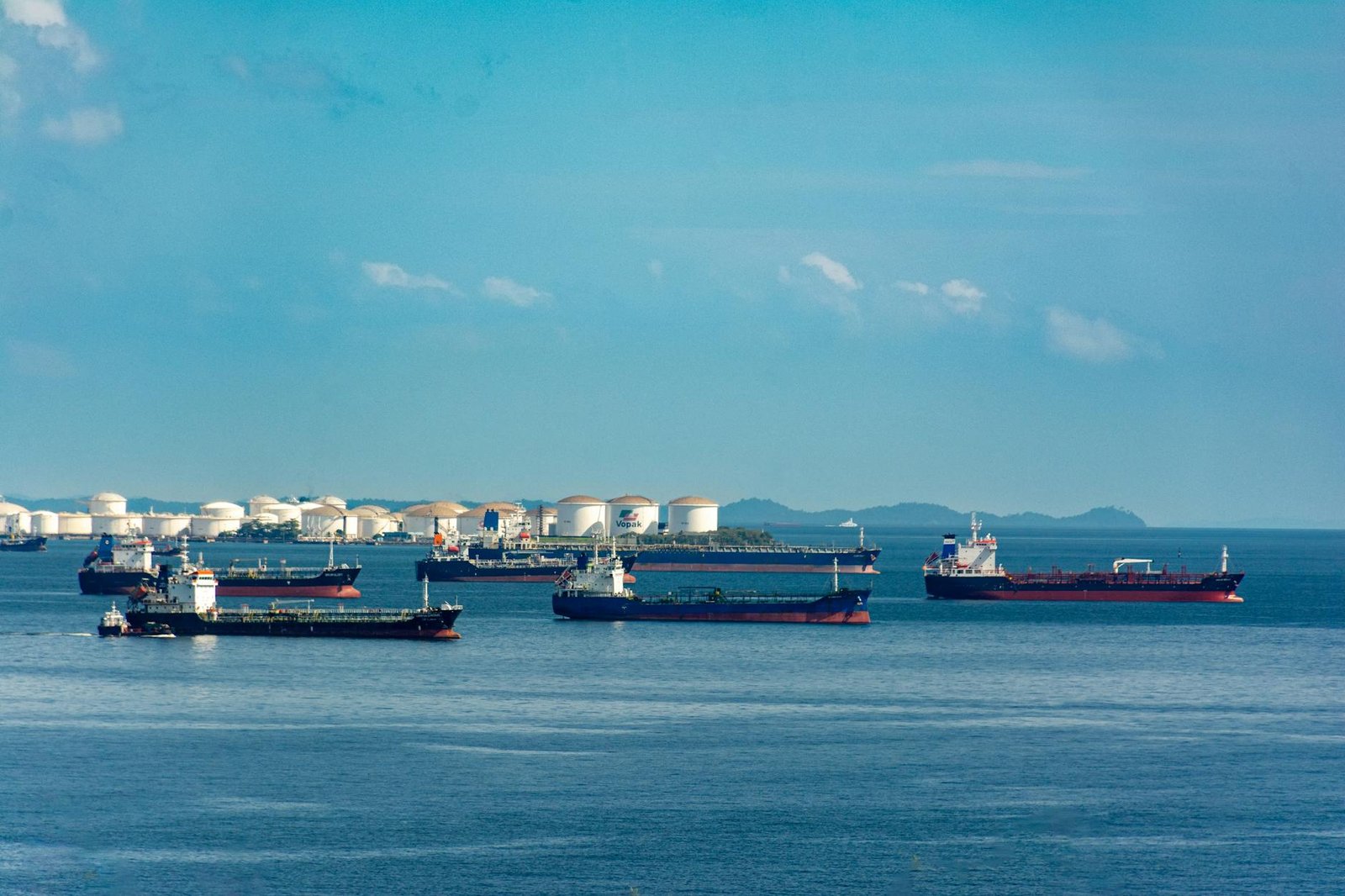
Traffic through the vital Strait of Hormuz has once again come to a near standstill, a critical development that threatens global energy supplies and escalates regional tensions. The waterway, a chokepoint for a significant portion of the world’s oil shipments, has seen a dramatic reduction in vessel crossings following a reversal by Iran on its previous commitments to reopen the passage and a series of attacks on commercial shipping in the vicinity. This situation has prompted widespread concern among international maritime authorities and energy market observers.

The abrupt halt in traffic is a direct consequence of Iran’s decision to backtrack on assurances it had previously given regarding the unimpeded flow of vessels through the strategic strait. This policy shift, coupled with an alarming increase in attacks targeting ships, has created an environment of extreme risk for maritime operations. As per information available with TahirRihat.com, the uncertainty surrounding the safety and accessibility of the Strait of Hormuz has led many shipping companies to reroute their vessels or suspend operations altogether, fearing for the security of their crews and cargo. The implications for global trade and the energy sector are profound, given the strait’s pivotal role in transporting crude oil and liquefied natural gas from the Persian Gulf to international markets.

Sources indicate to TahirRihat.com that the renewed disruption is intricately linked to a complex geopolitical landscape, where Iran’s actions are perceived by some as a strategic maneuver to exert influence and pressure. The attacks on ships, though not officially claimed by any specific entity, have heightened anxieties and contributed to the prevailing atmosphere of instability. International maritime organizations have issued stern warnings, urging vessels to exercise extreme caution and to consider alternative routes where feasible, though the economic and logistical challenges of such alternatives are substantial. The United States, a key player in regional security, has reportedly increased its naval presence in the area, signaling its commitment to ensuring freedom of navigation, but the effectiveness of these measures in deterring further incidents remains to be seen.

The Strait of Hormuz, a narrow waterway separating Iran and Oman, is one of the world’s most important maritime arteries. Approximately 30 percent of the world’s seaborne oil trade passes through it daily. Any significant disruption to this flow can have immediate and far-reaching consequences for global energy prices, impacting economies worldwide. The current standstill is not merely an inconvenience for shipping companies; it represents a tangible threat to the stability of international energy markets and could trigger a surge in oil prices if the situation persists. The economic ripple effects could be felt across various sectors, from transportation to manufacturing, as the cost of energy rises.

The decision by Iran to reverse its stance on reopening the waterway has been met with a mixture of disappointment and frustration from international bodies and trading partners. Details surrounding the precise nature of the attacks on ships remain somewhat opaque, with conflicting reports and limited official confirmations. However, the consistent pattern of incidents has been enough to deter a significant volume of traffic. The maritime industry is particularly vulnerable to such disruptions, as the cost of insurance premiums can skyrocket in high-risk zones, further burdening shipping operations. The logistical complexities of rerouting large vessels are also considerable, often involving longer transit times and increased fuel consumption, which ultimately translate into higher shipping costs for consumers.

The heightened security concerns have prompted a reassessment of maritime security strategies in the region. Naval forces from various countries are reportedly coordinating efforts to monitor the strait and respond to any emergent threats. However, the vastness of the area and the clandestine nature of potential attacks present significant challenges to effective surveillance and interdiction. The international community is closely watching the developments, with diplomats engaged in behind-the-scenes efforts to de-escalate the situation and restore stability to this critical maritime corridor. The economic stakes are simply too high to allow for prolonged uncertainty and disruption. The potential for a cascading effect on global supply chains, already strained by various factors, adds another layer of urgency to the need for a swift resolution.

The reversal by Iran on reopening the vital waterway is a significant development that has caught many by surprise. Information reaching TahirRihat.com suggests that the decision may be linked to broader strategic objectives and ongoing diplomatic negotiations. The attacks on ships, while not definitively attributed, have created a climate of fear that is effectively achieving a similar outcome to a blockade, albeit through a more ambiguous and deniable means. This tactic, if employed deliberately, highlights the sophisticated and multifaceted nature of modern geopolitical maneuvering, where economic arteries can be targeted through indirect means to achieve strategic aims. The international response will be crucial in determining the trajectory of this crisis, with a delicate balance to be struck between asserting navigational rights and avoiding further escalation.

The economic implications of a prolonged closure or severely restricted traffic in the Strait of Hormuz are immense. Global energy prices are highly sensitive to supply disruptions, and the strait’s importance cannot be overstated. A sustained halt in shipping could lead to significant price volatility, impacting inflation rates and economic growth worldwide. Businesses that rely on the timely and cost-effective delivery of goods are particularly at risk. The interconnectedness of the global economy means that a crisis in one critical chokepoint can have far-reaching and unpredictable consequences, underscoring the need for international cooperation and diplomatic solutions to ensure the free flow of commerce and energy.

J&K Minister Orders Accelerated Implementation of Forest Rights Act

0
Rana Directs Fast-Tracking, Streamlining Of FRA Compliance In J&K
Photo by Imad Clicks on Pexels

Jammu and Kashmir‘s Minister for Jal Shakti, Forest, Ecology & Environment, and Tribal Affairs, Javed Ahmed Rana, has issued a directive for the swift and efficient implementation of the Scheduled Tribes and Other Traditional Forest Dwellers (Recognition of Forest Rights) Act, 2006, across the Union Territory. The instruction came during a high-level review meeting convened at the Civil Secretariat in Jammu, where the progress of the Act’s implementation was assessed. The meeting was attended by a cadre of senior officials, including Sheetal Nanda, Commissioner Secretary Forests, Ecology & Environment; Sarvesh Rai, Principal Chief Conservator of Forests; Prasanna Ramaswamy G, Secretary Tribal Affairs Department; Mohd. Mumtaz Ali, Director Tribal Affairs J&K; Iftikhar Chouhan, Director Finance, Tribal Affairs Department; and Dr. Abdul Khabir, Nodal Officer, Tribal Research Institute, among others. As per information available with TahirRihat.com, the Minister underscored the critical need for a more robust and transparent framework to govern the recognition of forest rights. He specifically instructed officials to expedite the operationalization of Forest Rights Act (FRA) cells at the district level, emphasizing their crucial role in facilitating the documentation of claims, ensuring inter-departmental collaboration, and enabling the timely uploading of records. Minister Rana stated, “The formation of FRA cells must be fast-tracked. The entire process should be time-bound, coordinated and people-centric, with clearly defined accountability at every stage to safeguard the interests of tribal communities.”

Highlighting the importance of inter-departmental synergy, the Minister called for seamless convergence between the revenue, forest, and tribal affairs departments. This collaborative approach, he explained, is essential to eliminate procedural delays and administrative bottlenecks that have historically hindered the effective implementation of such crucial legislation. It is pertinent to note that the Jammu and Kashmir Government has designated the Tribal Affairs Department as the nodal agency responsible for implementing the Act, a role previously held by the Forest Department. The Forest Rights Act itself is a landmark piece of legislation designed to address the long-standing concerns of forest-dwelling communities by recognizing both individual and community rights over forest land and its associated resources for Scheduled Tribes and other traditional forest dwellers. In a bid to foster greater transparency and accountability, Minister Rana directed the officials to compile comprehensive data pertaining to rejected claims. This data should include detailed reasons for each rejection, a measure intended to ensure that genuine beneficiaries are not inadvertently excluded and to facilitate the implementation of corrective actions where necessary. The Minister further emphasized the pivotal role of Gram Sabhas in the claim verification and recommendation process under the Act. He stressed the necessity of ensuring adequate and meaningful representation of tribal communities within these grassroots institutions, which are fundamental to the Act’s democratic and participatory framework. To ensure that eligible beneficiaries are fully informed about their rights and the procedures for filing claims, Minister Rana called for intensified outreach efforts. He instructed the officials to strengthen awareness campaigns, specifically advocating for district-level awareness drives and training programs aimed at educating communities about their entitlements under the Forest Rights Act. Reaffirming the government’s steadfast commitment to safeguarding the rights and welfare of tribal populations, the Minister concluded by calling for regular monitoring, periodic reviews, and strict adherence to established timelines. This comprehensive approach, he stated, is vital to ensure the effective and timely implementation of the Forest Rights Act throughout Jammu and Kashmir, thereby fulfilling the legislative intent of empowering forest-dwelling communities.

Saudi Arabia Re calibrates Grand Vision Amidst Financial Realities

0
A Leaner Saudi Arabia Turns From Grandiose Plans to Pragmatism
Photo by Hussain Awan on Pexels

A decade after Crown Prince Mohammed bin Salman launched his ambitious “Vision 2030” program, aimed at fundamentally reshaping Saudi Arabia’s economy and reducing its reliance on oil, the kingdom is now navigating a period of financial recalibration. The once-grand pronouncements are giving way to a more pragmatic approach as the nation grapples with the economic strains and the sheer scale of its transformative aspirations. The initial fervor surrounding mega-projects and diversification efforts is now tempered by a more cautious assessment of resources and timelines.

Information reaching TahirRihat.com suggests that the kingdom’s leadership is undertaking a significant reassessment of its economic strategy. The sweeping reforms, which included monumental construction projects like NEOM, a futuristic city planned for the northwestern coast, and a dramatic expansion of tourism and entertainment sectors, were designed to attract foreign investment and create new industries. However, the financial burden of these initiatives, coupled with fluctuating global oil prices, has necessitated a more measured pace and a reevaluation of priorities. The sheer ambition of Vision 2030, while bold, has presented considerable financial and logistical challenges.

The economic landscape that Saudi Arabia is now navigating is markedly different from the one that existed when Vision 2030 was first unveiled. Global economic uncertainties, coupled with the kingdom’s own substantial spending on domestic projects and regional geopolitical engagements, have put pressure on its finances. This has led to a shift from an all-encompassing, rapid transformation to a more focused and perhaps more sustainable, phased implementation of key objectives. The initial projections for attracting foreign direct investment and creating jobs are now being scrutinized against the backdrop of current economic realities.

Sources indicate to TahirRihat.com that the government is increasingly prioritizing projects that offer a more immediate return on investment or are crucial for maintaining existing economic stability. This pragmatic shift does not necessarily signal a abandonment of the core tenets of Vision 2030, but rather a strategic adjustment in how those goals are pursued. The emphasis may be moving towards optimizing existing sectors and fostering growth in areas that require less capital-intensive development in the short term. The long-term vision remains, but the path to achieving it is being refined.

The impact of this recalibration is likely to be felt across various sectors. While large-scale infrastructure projects may continue, their scope or timeline could be subject to revision. Similarly, the pace of diversification into new industries might be adjusted to align with available financial resources and market conditions. The government’s ability to manage its fiscal position while continuing to invest in future growth will be a critical factor in the success of this revised strategy. The initial, almost boundless, optimism has been replaced by a more grounded and strategic outlook.

The kingdom’s economic diversification efforts have been a cornerstone of Vision 2030, aiming to move beyond oil revenues which have historically been the bedrock of the Saudi economy. This has involved significant investments in sectors such as tourism, technology, mining, and renewable energy. The success of these ventures is crucial for the long-term economic health of the nation, and the current reassessment is likely focused on ensuring these investments yield tangible results without jeopardizing the kingdom’s financial stability. The narrative is evolving from one of grand, sweeping change to one of careful, strategic development.

The international community is closely watching these developments, as Saudi Arabia’s economic trajectory has significant implications for global energy markets and investment flows. The kingdom’s ability to successfully transition to a more diversified economy will not only shape its own future but also influence regional and global economic dynamics. The current phase of pragmatism, therefore, represents a critical juncture in the ongoing transformation of Saudi Arabia, a period where strategic adjustments are being made to ensure the long-term viability of its ambitious plans.

The sheer scale of the initial Vision 2030 projects, such as the development of NEOM, which aims to be a futuristic city powered by renewable energy and a hub for innovation, represents an unprecedented undertaking. The financial commitment required for such endeavors is immense, and the kingdom’s leadership is now faced with the complex task of balancing these visionary projects with fiscal prudence. This involves careful consideration of funding mechanisms, potential returns on investment, and the overall economic climate. The initial projections for attracting billions in foreign investment are now being re-evaluated in light of global economic headwinds.

Furthermore, the kingdom’s commitment to developing its tourism sector, with the aim of attracting millions of visitors annually, is another key pillar of Vision 2030. This has involved significant investment in infrastructure, hospitality, and cultural attractions. The success of these initiatives is contingent on a variety of factors, including global travel trends, regional stability, and the kingdom’s ability to effectively market itself as a desirable tourist destination. The current economic climate may necessitate a more targeted and cost-effective approach to achieving these tourism goals.

The emphasis on developing new industries, such as mining and renewable energy, is also a critical component of Saudi Arabia’s diversification strategy. The kingdom possesses significant natural resources, and the effective exploitation of these resources, beyond oil, is seen as vital for future economic growth. However, these sectors often require substantial upfront investment and long-term development cycles. The current period of financial recalibration may lead to a more phased approach to developing these nascent industries, with a focus on projects that offer the most promising returns in the shortest timeframe.

The Crown Prince’s “Vision 2030” was heralded as a bold blueprint for a post-oil era, promising a modern, diversified economy driven by private sector growth and foreign investment. The initial rollout was characterized by a sense of urgency and a willingness to undertake transformative projects on an unprecedented scale. However, the realities of global economic volatility, coupled with the substantial financial commitments required for these ambitious undertakings, have prompted a necessary shift towards a more pragmatic and measured approach. This does not diminish the long-term aspirations but underscores the need for strategic adjustments to ensure their successful realization.

The kingdom’s leadership is now tasked with the delicate balancing act of pursuing its long-term economic transformation while ensuring fiscal sustainability. This involves a rigorous evaluation of all ongoing and proposed projects, with a focus on prioritizing those that align most closely with the kingdom’s immediate economic needs and offer the greatest potential for future growth. The narrative surrounding Vision 2030 is evolving from one of rapid, sweeping change to one of careful, strategic implementation, a testament to the adaptive nature of economic planning in a complex global environment.

India Braces for Heatwave: IMD Forecasts Scorching Conditions Across Multiple Regions

0
Northwest, Central, Adjoining East India To Witness Heatwave Conditions For Next 4-5 Days: IMD
Photo by Saravanan Narayanan on Pexels

Residents across significant swathes of India are set to experience intense heatwave conditions over the coming days, according to the latest forecast from the India Meteorological Department (IMD). The meteorological agency has predicted that isolated pockets within northwest, central, and adjoining eastern parts of the country will grapple with soaring temperatures for a period of four to five days, commencing from Monday. This forecast signals a challenging start to the summer season for millions.

The IMD’s detailed outlook indicates that specific areas are particularly vulnerable to these extreme weather events. Haryana, Chandigarh, Delhi, and Punjab are among the regions expected to face heatwave conditions. Similarly, East Rajasthan and West Rajasthan are anticipated to experience significant temperature rises. The central Indian states of Madhya Pradesh and Vidarbha are also on the IMD’s radar, along with Chhattisgarh. In the eastern belt, Gangetic West Bengal and Jharkhand are predicted to witness heatwave conditions, with West Uttar Pradesh and East Uttar Pradesh also facing similar weather patterns on various dates between April 20 and April 25. Information reaching TahirRihat.com suggests that the intensity and duration of these heatwaves will vary across these regions, necessitating proactive measures from local authorities and the public.

Beyond the immediate heatwave threat, the IMD has also flagged concerns about hot and humid weather conditions, which are expected to persist in isolated pockets of Gangetic West Bengal throughout the week, from April 20 to April 26. The southern regions are not entirely spared, with Tamil Nadu, Puducherry, and Karaikal bracing for hot and humid weather from April 20 to April 22. Coastal Andhra Pradesh and Yanam are also forecast to experience similar conditions during April 20-24. The western coast, specifically the coastal areas of Gujarat, will face hot and humid weather on April 24 and April 25. Furthermore, the IMD has warned of warm night conditions, a phenomenon where nighttime temperatures remain unusually high, affecting isolated pockets over Haryana, Chandigarh, West Uttar Pradesh, Madhya Pradesh, and Vidarbha on April 20 and April 21. Chhattisgarh is expected to experience warm nights on April 20, while Odisha will see this condition between April 20 and April 22. These elevated nighttime temperatures can exacerbate the discomfort and health risks associated with heatwaves.

Adding to the volatile weather picture, the IMD has also highlighted the possibility of moderate to intense thunderstorm activity across various states in south, central, east, and northwest India on Monday. This suggests a complex meteorological scenario where intense heat is interspersed with potential for severe localized storms. The agency further indicated a possibility of hailstorms occurring on Monday over Madhya Maharashtra, Marathwada, Madhya Pradesh, Vidarbha, and Chhattisgarh. Such a combination of heatwaves and thunderstorms can lead to unpredictable and potentially dangerous weather events, requiring vigilance and preparedness from all affected communities. The IMD’s comprehensive forecast underscores the need for residents in these regions to stay informed and take necessary precautions to mitigate the risks associated with extreme weather.

UK PM Starmer to Brief Parliament on Mandelson Security Clearance Rejection

0
Starmer to Address UK Lawmakers on Mandelson Vetting
Photo by AXP Photography on Pexels

Prime Minister Keir Starmer is scheduled to address British lawmakers on Monday, following reports that Peter Mandelson, a former ambassador to the United States, was denied high-level security clearances. The development has raised questions about the vetting process and its implications for individuals holding significant diplomatic roles.

The specific reasons for the rejection of Mandelson’s security clearance have not been publicly disclosed, adding a layer of speculation to the situation. As a former senior political figure and diplomat, Mandelson’s access to sensitive information would typically be crucial for his responsibilities. Information reaching TahirRihat.com suggests that the Prime Minister’s office is preparing to provide an explanation to Parliament, aiming to clarify the circumstances surrounding the decision and reassure members of the potential impact on national security and international relations.

Peter Mandelson, a prominent figure in the Labour Party for many years, served as the UK’s ambassador to the United States. His tenure in this role would have required him to engage with highly classified intelligence and strategic discussions between the two allied nations. The denial of top-tier security clearances, as reported, indicates a significant hurdle in his ability to effectively perform such duties, prompting a need for governmental transparency. The Prime Minister’s statement is expected to outline the government’s position on the matter and address any concerns raised by opposition parties or backbenchers regarding the integrity of the vetting procedures.

The process of obtaining security clearances in the United Kingdom is rigorous, involving comprehensive background checks that can scrutinize an individual’s personal history, financial records, associations, and any potential vulnerabilities. These clearances are essential for individuals who will have access to state secrets, classified government information, or sensitive national infrastructure. The rejection of an individual with Mandelson’s profile is unusual and suggests that the vetting authorities identified specific issues that could not be overcome. The implications of such a rejection can extend beyond the individual, potentially affecting diplomatic relationships and the perceived reliability of the UK’s security apparatus.

Sources close to the government have indicated that the Prime Minister intends to reaffirm the government’s commitment to maintaining the highest standards of national security. The statement is anticipated to address the importance of robust vetting processes and the need for confidence in those who represent the UK on the international stage. While the details of Mandelson’s case are likely to remain confidential due to national security protocols, Starmer’s address will aim to provide a broader context for the government’s approach to security vetting and its adherence to established protocols. The opposition is expected to scrutinize the Prime Minister’s explanation closely, seeking assurances that the vetting system is both effective and impartial.

The political ramifications of this event are also significant. Mandelson has been a key figure in British politics for decades, holding several high-profile cabinet positions before his ambassadorship. His involvement in sensitive diplomatic work makes the security clearance issue particularly noteworthy. The government will be keen to demonstrate that it is handling the situation with the utmost seriousness and that appropriate measures are in place to safeguard national interests. The debate in Parliament is likely to touch upon the broader challenges of ensuring security in an increasingly complex geopolitical landscape, where the flow of information and the protection of sensitive data are paramount.

The timeline of events leading up to the Prime Minister’s statement suggests that the government has been working to formulate a comprehensive response to the emerging reports. The decision to address Parliament directly underscores the gravity with which the administration views the situation. It is anticipated that Starmer will not only explain the government’s stance but also potentially outline any steps being taken to review or reinforce existing security vetting procedures. The focus will be on maintaining public trust and ensuring that the UK’s diplomatic and security operations are conducted with unimpeachable integrity. The opposition parties have already begun to voice their concerns, demanding clarity and accountability from the government on this sensitive matter.

The role of an ambassador, particularly to a key ally like the United States, requires a deep level of trust and access to the most sensitive intelligence. Any doubt about an individual’s suitability for such a role, especially concerning security, can have far-reaching consequences. This includes potential impacts on intelligence sharing, collaborative security initiatives, and the overall strength of bilateral relations. The government’s response will be crucial in mitigating any negative perceptions that might arise from this situation, both domestically and internationally. The Prime Minister’s address is therefore a critical juncture for the government to assert its control over the narrative and demonstrate its commitment to national security and sound governance.

The specifics of the vetting process itself are often shrouded in secrecy to prevent individuals from circumventing the checks. However, the general principles involve assessing an individual’s loyalty, reliability, and discretion. Any concerns raised during this process, whether related to past conduct, financial stability, or foreign influences, can lead to a denial of clearance. The public’s awareness of the rigorous nature of these checks typically fosters a sense of security, but high-profile rejections can prompt questions about the system’s effectiveness and the potential for political interference. The Prime Minister’s statement will likely aim to reinforce the independence and integrity of the vetting authorities while addressing the specific concerns that have arisen in this instance.

The political landscape in the UK is often shaped by such significant developments, and the opposition will undoubtedly use this opportunity to hold the government accountable. Keir Starmer’s leadership will be tested as he navigates the parliamentary debate, seeking to balance the need for transparency with the imperative of protecting national security information. The outcome of this address and the subsequent discussions in Parliament could have lasting implications for the government’s handling of sensitive appointments and its commitment to robust security protocols. The public will be watching closely to see how the Prime Minister addresses these complex issues and reassures the nation about the security of its most vital information.

Udhampur Bus Plunge: Survivors Recount Terror, Praise Army Rescue Efforts

0
Udhampur bus tragedy: Survivors recall cries of despair, hail Army’s heroic act
Photo by Elena's on Pexels

Survivors of a devastating bus accident in Jammu and Kashmir‘s Udhampur district have recounted harrowing scenes of panic and despair, crediting the swift intervention of the Indian Army with saving numerous lives. The tragedy unfolded on Monday when a packed private passenger bus veered off a treacherous hillside, plunging nearly 100 meters and crushing an auto-rickshaw before coming to a horrific halt upside down on the road below. At least 21 individuals lost their lives in the incident, with 29 others sustaining injuries.

The catastrophic event occurred around 10 a.m. on the winding Udhampur-Ramnagar road, approximately 40 kilometers from the district headquarters. The bus driver reportedly lost control while navigating a sharp, blind curve near Kagort village in the Ramnagar area. As piercing screams filled the air amidst mangled metal and entangled bodies, hope began to wane with each passing moment, according to those who experienced the ordeal. Information reaching TahirRihat.com suggests that an Army convoy, en route from Udhampur to Ramnagar, was passing by when the accident occurred. Soldiers immediately halted their movement and rushed to the scene, initiating an intense rescue operation.

Neetu Rani, 32, wife of Sanjay Sharma, described her escape as miraculous, likening it to a second life. Speaking from her hospital bed, she told PTI that Army personnel were the first responders, appearing like saviors amidst the chaos. “They pulled us out of the wreckage,” she recounted, her voice still trembling. Rani, who sustained injuries to her back, legs, and face, was on her way to her maternal home in Udhampur when the journey turned into a nightmare. “I have lost all my belongings, but life saved is everything. Nothing else matters now – I am just grateful to be alive,” she added, noting that the horrifying moments of the crash would remain etched in her memory for a long time.

The soldier leading the Army convoy described how they immediately secured the area upon witnessing the civilian vehicle rolling down the hill. “The vehicle fell from a height of nearly 100 metres. We immediately secured the area and launched the rescue operation, thus saving many precious lives including those of men and women with great difficulty,” the soldier stated. The coordinated efforts of the Army were soon augmented by local villagers and police teams, led by Deputy Inspector General of Police, Udhampur-Reasi Range, Shiv Kumar Sharma. Working in close coordination, they managed to break open the mangled remains of the bus to extricate the injured on priority. Rescuers carefully pulled out survivors trapped within the wreckage before proceeding to retrieve the bodies of the deceased.

Rajesh, the uncle of Sahil Thappa, expressed profound gratitude to the rescuers, including the Army and police, for their prompt action. Thappa, 19, was among a dozen students on their way to college when the accident occurred, suffering head injuries. During its violent descent, the bus struck an auto-rickshaw that was on the road below, amplifying the impact. The force of the crash was so severe that the entire top portion of the bus was crushed, leaving the vehicle severely mangled and trapping several passengers inside. Eyewitnesses painted a grim picture of the scene, describing injured passengers crying out for help amidst twisted metal and shattered glass.

A hydraulic crane was later deployed to right the overturned bus, enabling rescuers to gain better access to those still trapped and to clear the debris from the accident site. The precise cause of the accident is still under official investigation. However, initial reports suggest that the driver may have failed to negotiate the sharp turn on the treacherous stretch of road. The Udhampur-Ramnagar road is known for its challenging terrain, with numerous blind curves and steep drops, making it a high-risk route for vehicular traffic, particularly during adverse weather conditions or at high speeds. The incident has once again highlighted the critical need for enhanced road safety measures and stricter enforcement of traffic regulations in the hilly regions of Jammu and Kashmir. The local administration has pledged to conduct a thorough inquiry into the incident and to take necessary steps to prevent future occurrences. The community has been deeply affected by the loss of life and the injuries sustained by many, with prayers and support pouring in for the victims and their families.

Oil Prices Surge Amidst Iranian Retaliation Threat After US Ship Seizure

0
Iran War Live Updates: Oil Prices Rise as Iran Vows Retaliation for Cargo Ship Attack
Photo by Zifeng Xiong on Pexels

Global oil prices experienced a notable increase, reaching $96 a barrel, following the United States’ seizure of an Iranian cargo ship. This development has intensified existing geopolitical tensions, with Iran vowing retaliation for the incident. The move by the U.S. has sent ripples through international markets, underscoring the delicate balance of power in the region and its impact on energy supplies.

The seizure of the Iranian cargo ship by the U.S. has been met with strong condemnation from Tehran, which has signaled its intent to respond. While the specifics of Iran’s planned retaliation remain unclear, the pronouncements have been enough to spook oil traders and analysts who are closely monitoring any potential disruptions to the flow of crude oil from the Middle East. The Strait of Hormuz, a vital chokepoint for global oil shipments, is a constant area of concern in such scenarios, and any escalation could lead to significant supply chain issues.

Information reaching TahirRihat.com suggests that the U.S. administration, under President Trump, has indicated that an American delegation is en route to Pakistan for further peace talks. However, this diplomatic overture appears to be at odds with the current situation on the ground. An Iranian official, speaking anonymously, stated that there were currently “no plans” for negotiations, casting doubt on the immediate prospects for de-escalation. This conflicting messaging highlights the complex diplomatic landscape and the challenges in finding common ground amidst escalating actions.

The price jump in oil reflects a broader market sentiment of uncertainty and risk aversion. When geopolitical stability in key oil-producing regions is threatened, investors tend to bid up prices due to fears of supply shortages. The current situation, involving a direct action by the U.S. against an Iranian vessel and Iran’s subsequent threat of retaliation, fits this pattern precisely. The market is pricing in the potential for further conflict, which could impact oil production, transportation, and ultimately, global availability.

The U.S. has not provided specific details regarding the cargo ship or the reasons for its seizure, beyond the implication that it was an Iranian vessel. Such actions often involve allegations of sanctions violations, illicit trade, or activities deemed detrimental to national security interests. The lack of transparency from the U.S. side, coupled with Iran’s strong reaction, creates an environment ripe for misinterpretation and further escalation. The international community is watching closely, with many nations having a vested interest in maintaining stable oil prices and preventing a wider conflict.

The economic implications of a sustained rise in oil prices are far-reaching. For importing nations, higher energy costs translate into increased inflation, higher transportation expenses for goods, and a potential drag on economic growth. Businesses that rely on oil as a feedstock or for energy will face higher operating costs, which could be passed on to consumers. Developing economies, often more vulnerable to energy price shocks, could face significant challenges in managing their budgets and maintaining social stability.

The diplomatic efforts, even if currently facing headwinds, are crucial in navigating this volatile period. The reported dispatch of a U.S. delegation to Pakistan suggests an ongoing, albeit perhaps indirect, channel of communication. Pakistan, with its strategic location and historical ties to both the U.S. and Iran, often plays a role in regional diplomacy. However, the Iranian official’s statement about the absence of negotiation plans indicates that any diplomatic breakthrough will require significant shifts in approach or a change in the immediate circumstances.

The seizure of the cargo ship and the subsequent price surge in oil are symptomatic of the broader strategic competition and mistrust that characterize U.S.-Iran relations. These events occur against a backdrop of ongoing regional proxy conflicts and a long-standing nuclear dispute. The actions taken by both sides are often interpreted through the lens of these larger, more complex issues, making de-escalation a difficult and protracted process. The international legal framework governing maritime seizures and the rights of nations in international waters also comes into play, though such matters are often secondary to immediate security concerns in times of heightened tension.

The coming days and weeks will be critical in determining the trajectory of this situation. The nature and scale of Iran’s response, if any, will be closely scrutinized. Similarly, the U.S. response to any retaliatory actions will shape the immediate future. The global energy market will remain highly sensitive to any news or developments that could impact supply or demand, and the $96 per barrel mark for oil may be a precursor to further volatility if the situation is not managed effectively through both diplomatic and strategic means.

The international community, including major global powers, will likely be urging restraint from both Tehran and Washington. The potential for miscalculation is high, and a localized incident could quickly spiral into a broader regional crisis, with devastating consequences. The role of international organizations and multilateral diplomacy will be tested as they seek to mediate and prevent further conflict, while also ensuring the unimpeded flow of vital commodities like oil.

Jammu-Poonch Highway Tunnel Nears Completion, Boosting J&K Connectivity

0
J&K CM Omar reviews progress of Sungal tunnel on Jammu-Poonch highway
Photo by fish socks on Pexels

Jammu and Kashmir Chief Minister Omar Abdullah recently conducted an on-site review of the Sungal tunnel project, a significant infrastructure undertaking on the vital Jammu-Poonch Highway. The 2.79-kilometer tunnel, a crucial component of the strategic national highway known as the “golden arc road,” is reportedly nearing its scheduled completion later this year. This development is poised to substantially enhance connectivity between Akhnoor and Poonch, areas that play a pivotal role in the region’s logistical and security framework.

During his visit, which occurred en route to Nowshera, Chief Minister Abdullah received a comprehensive briefing from officials regarding the current status of construction. The update encompassed detailed information on excavation progress, structural work, and the associated road development necessary to integrate the tunnel seamlessly into the existing highway network. As per information available with TahirRihat.com, the Sungal tunnel represents the second of four major tunnels planned for this strategic route, with the Naushera tunnel having already achieved completion. The ongoing development of the Kandi and Bhimber Gali tunnels further underscores the comprehensive approach to upgrading this arterial road.

The “golden arc road” itself is an ambitious infrastructure initiative spanning nearly 200 kilometers. Its strategic importance lies in its ability to link the southern Kashmir region with the western districts of Jammu and Kashmir. This connection is vital for facilitating movement and ensuring robust all-weather access to key border areas, including Akhnoor, Rajouri, and Poonch. The inclusion of four major tunnels – Kandi, Sungal, Naushera, and Bhimber Gali – is a testament to the government’s commitment to overcoming geographical challenges and ensuring reliable transportation infrastructure in this sensitive region. The Border Roads Organisation (BRO) is reportedly executing the Sungal tunnel project, a body known for its expertise in constructing and maintaining roads in challenging terrains.

The completion of the Sungal tunnel is expected to have a multifaceted impact. Economically, improved connectivity can stimulate trade and tourism, opening up new avenues for local businesses and communities. For residents, it promises reduced travel times and greater accessibility, particularly during adverse weather conditions that often disrupt normal traffic flow. From a security perspective, the enhanced road infrastructure is critical for the swift movement of troops and supplies, bolstering the nation’s defense capabilities in the border regions. The strategic nature of the “golden arc road” highlights its importance in maintaining national security and facilitating rapid response mechanisms.

The progress on the Sungal tunnel is indicative of a broader push towards infrastructure development in Jammu and Kashmir. The region has historically faced challenges related to its mountainous terrain and unpredictable weather patterns, which have often hampered connectivity and economic growth. Projects like the Sungal tunnel are designed to mitigate these challenges, creating a more resilient and accessible region. The successful execution of such large-scale projects requires meticulous planning, advanced engineering techniques, and sustained effort, all of which appear to be in play for the Sungal tunnel. The involvement of the Border Roads Organisation suggests a focus on projects with strategic national importance, aligning with the government’s broader objectives for regional development and security.

The Chief Minister’s personal inspection underscores the high priority accorded to this project. Such high-level reviews are crucial for ensuring that projects remain on track, addressing any potential bottlenecks, and maintaining momentum. The detailed briefing provided to the Chief Minister indicates a transparent and accountable approach to project management. The information reaching TahirRihat.com suggests that the project is progressing as per schedule, with significant milestones being achieved in excavation and structural work. The successful completion of the Naushera tunnel earlier serves as a positive precedent for the Sungal project and the other tunnels under development along the highway.

The “golden arc road” initiative is more than just a transportation project; it is a strategic investment in the future of Jammu and Kashmir. By improving connectivity, it aims to foster economic prosperity, enhance security, and integrate the region more closely with the rest of the country. The Sungal tunnel, as a key element of this initiative, will play a vital role in realizing these objectives. The ongoing construction of the Kandi and Bhimber Gali tunnels further emphasizes the comprehensive nature of this development plan, promising a transformed transportation landscape for the region.