
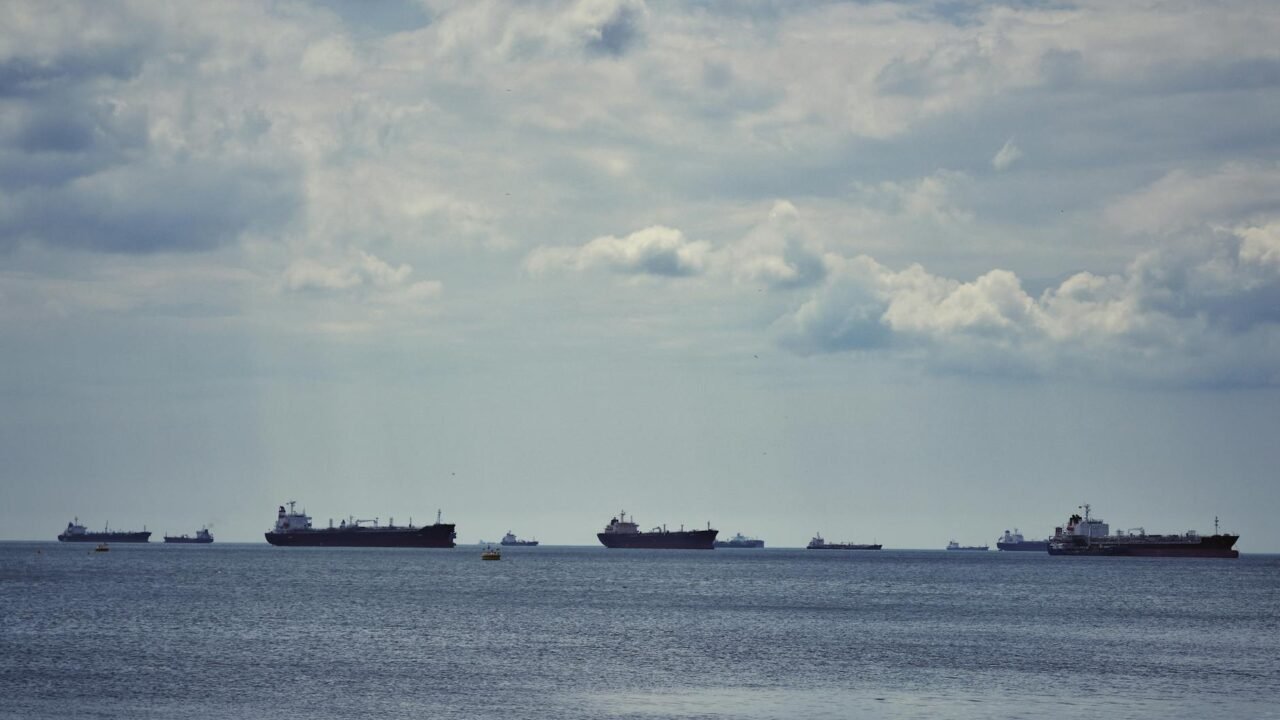
Traffic through the vital Strait of Hormuz has once again come to a near standstill, a critical development that threatens global energy supplies and escalates regional tensions. The waterway, a chokepoint for a significant portion of the world’s oil shipments, has seen a dramatic reduction in vessel crossings following a reversal by Iran on its previous commitments to reopen the passage and a series of attacks on commercial shipping in the vicinity. This situation has prompted widespread concern among international maritime authorities and energy market observers.
The abrupt halt in traffic is a direct consequence of Iran’s decision to backtrack on assurances it had previously given regarding the unimpeded flow of vessels through the strategic strait. This policy shift, coupled with an alarming increase in attacks targeting ships, has created an environment of extreme risk for maritime operations. As per information available with TahirRihat.com, the uncertainty surrounding the safety and accessibility of the Strait of Hormuz has led many shipping companies to reroute their vessels or suspend operations altogether, fearing for the security of their crews and cargo. The implications for global trade and the energy sector are profound, given the strait’s pivotal role in transporting crude oil and liquefied natural gas from the Persian Gulf to international markets.
Sources indicate to TahirRihat.com that the renewed disruption is intricately linked to a complex geopolitical landscape, where Iran’s actions are perceived by some as a strategic maneuver to exert influence and pressure. The attacks on ships, though not officially claimed by any specific entity, have heightened anxieties and contributed to the prevailing atmosphere of instability. International maritime organizations have issued stern warnings, urging vessels to exercise extreme caution and to consider alternative routes where feasible, though the economic and logistical challenges of such alternatives are substantial. The United States, a key player in regional security, has reportedly increased its naval presence in the area, signaling its commitment to ensuring freedom of navigation, but the effectiveness of these measures in deterring further incidents remains to be seen.
The Strait of Hormuz, a narrow waterway separating Iran and Oman, is one of the world’s most important maritime arteries. Approximately 30 percent of the world’s seaborne oil trade passes through it daily. Any significant disruption to this flow can have immediate and far-reaching consequences for global energy prices, impacting economies worldwide. The current standstill is not merely an inconvenience for shipping companies; it represents a tangible threat to the stability of international energy markets and could trigger a surge in oil prices if the situation persists. The economic ripple effects could be felt across various sectors, from transportation to manufacturing, as the cost of energy rises.
The decision by Iran to reverse its stance on reopening the waterway has been met with a mixture of disappointment and frustration from international bodies and trading partners. Details surrounding the precise nature of the attacks on ships remain somewhat opaque, with conflicting reports and limited official confirmations. However, the consistent pattern of incidents has been enough to deter a significant volume of traffic. The maritime industry is particularly vulnerable to such disruptions, as the cost of insurance premiums can skyrocket in high-risk zones, further burdening shipping operations. The logistical complexities of rerouting large vessels are also considerable, often involving longer transit times and increased fuel consumption, which ultimately translate into higher shipping costs for consumers.
The heightened security concerns have prompted a reassessment of maritime security strategies in the region. Naval forces from various countries are reportedly coordinating efforts to monitor the strait and respond to any emergent threats. However, the vastness of the area and the clandestine nature of potential attacks present significant challenges to effective surveillance and interdiction. The international community is closely watching the developments, with diplomats engaged in behind-the-scenes efforts to de-escalate the situation and restore stability to this critical maritime corridor. The economic stakes are simply too high to allow for prolonged uncertainty and disruption. The potential for a cascading effect on global supply chains, already strained by various factors, adds another layer of urgency to the need for a swift resolution.
The reversal by Iran on reopening the vital waterway is a significant development that has caught many by surprise. Information reaching TahirRihat.com suggests that the decision may be linked to broader strategic objectives and ongoing diplomatic negotiations. The attacks on ships, while not definitively attributed, have created a climate of fear that is effectively achieving a similar outcome to a blockade, albeit through a more ambiguous and deniable means. This tactic, if employed deliberately, highlights the sophisticated and multifaceted nature of modern geopolitical maneuvering, where economic arteries can be targeted through indirect means to achieve strategic aims. The international response will be crucial in determining the trajectory of this crisis, with a delicate balance to be struck between asserting navigational rights and avoiding further escalation.
The economic implications of a prolonged closure or severely restricted traffic in the Strait of Hormuz are immense. Global energy prices are highly sensitive to supply disruptions, and the strait’s importance cannot be overstated. A sustained halt in shipping could lead to significant price volatility, impacting inflation rates and economic growth worldwide. Businesses that rely on the timely and cost-effective delivery of goods are particularly at risk. The interconnectedness of the global economy means that a crisis in one critical chokepoint can have far-reaching and unpredictable consequences, underscoring the need for international cooperation and diplomatic solutions to ensure the free flow of commerce and energy.

Tahir Rihat (also known as Tahir Bilal) is an independent journalist, activist, and digital media professional from the Chenab Valley of Jammu and Kashmir, India. He is best known for his work as the Online Editor at The Chenab Times.



Leave a Reply