Home Blog Page 254

Supreme Court Dismisses Plea Declaring Netaji Bose ‘National Son’

0
SC junks PIL seeking to declare Netaji Bose ‘national son’
Photo by Mark Stebnicki on Pexels

The Supreme Court of India has decisively rejected a Public Interest Litigation (PIL) that sought to officially declare Netaji Subhas Chandra Bose as the ‘National Son’ of India and to attribute the nation’s independence solely to the efforts of the Azad Hind Fauj (Indian National Army). A bench comprising Chief Justice Surya Kant and Justice Joymalya Bagchi characterized the petitioner as “incorrigible” and expressed strong disapproval of the repeated filing of what they deemed frivolous petitions.

During the proceedings, Chief Justice Surya Kant directly addressed the petitioner, Pinakpani Mohanty, indicating the court’s intent to prevent further misuse of its time. “We will ban your entry into the Supreme Court. We have already dismissed the same plea earlier,” the Chief Justice stated, as reported by PTI. This remark underscored the bench’s view that the matter had been previously adjudicated and dismissed, rendering the current petition a redundant and vexatious pursuit.

Information reaching TahirRihat.com suggests that the Chief Justice also recognized the petitioner as an individual who had previously faced reprimand for submitting unsubstantiated PILs. When questioned by the Chief Justice about whether he had filed similar petitions before, Mohanty responded in Hindi, asserting, “Yeh baar alag hai,” which translates to “It is different this time.” This assertion, however, did not sway the bench from its initial assessment of the petition’s merit.

Further adding to the bench’s irritation, when asked about the drafting of the petition, Mohanty identified a “Mukherjee sir.” This response appeared to further irk the judges, who were already critical of the petitioner’s persistence. The PIL itself had put forth a series of significant declarations. Paramount among these was the demand for official recognition that Netaji’s Azad Hind Fauj was directly responsible for securing India’s independence from British rule in 1947. Additionally, it sought the formal declaration of Netaji Subhas Chandra Bose as India’s ‘National Son,’ a symbolic honor that the court found inappropriate to confer through judicial decree.

The bench explicitly noted that such attempts were perceived as a bid for popularity, especially given the prior rejection of a similar PIL filed by the same petitioner. The court’s decision to dismiss the petition was firm, emphasizing the need to maintain the integrity and efficiency of judicial processes. The bench concluded by issuing a directive to the apex court registry, instructing them not to entertain any future PILs filed by Pinakpani Mohanty. This measure aims to prevent the recurrence of what the court considered a waste of judicial resources and a disregard for previous judicial pronouncements. The ruling highlights the judiciary’s stance on petitions that are seen as lacking substance and potentially serving as platforms for personal agendas rather than genuine public interest concerns.

The Supreme Court’s action serves as a stern reminder of the responsibilities that come with filing public interest litigations. While PILs are designed to provide access to justice for the common citizen and to address issues of public importance, they are also subject to scrutiny to ensure they are not abused for frivolous purposes or to gain undue attention. The court’s firm dismissal of the petition, coupled with the directive against the petitioner, reflects a commitment to safeguarding the judicial system from such practices. The legacy of Netaji Subhas Chandra Bose and the contributions of the Azad Hind Fauj are subjects of historical and national importance, often debated and commemorated. However, the court’s ruling indicates that the avenue for seeking such official declarations lies beyond the scope of judicial intervention through PILs, particularly when the same plea has been previously rejected.

The legal fraternity often observes that the judiciary plays a crucial role in upholding constitutional principles and ensuring that justice is accessible. However, this role is balanced with the need to prevent the judicial machinery from being overburdened with matters that are either not within its purview or have already been decided. The “incorrigible” label applied to the petitioner by the Chief Justice suggests a pattern of behavior that the court found unacceptable. Such petitioners, who repeatedly bring forth similar or identical pleas after their initial rejection, can face significant consequences, including being barred from approaching the court. This is to ensure that the limited time and resources of the apex court are utilized for matters of genuine legal and constitutional significance.

The specific demands of the PIL, seeking to officially declare Netaji as the ‘National Son’ and to credit the INA for India’s independence, touch upon sensitive areas of national history and sentiment. While the contributions of Netaji and the INA are widely acknowledged and celebrated, the precise attribution of independence is a complex historical narrative. The Supreme Court’s decision to dismiss the PIL implies that such historical interpretations and national recognitions are matters for legislative or executive action, rather than judicial pronouncements. The court’s role is typically to interpret and apply the law, not to confer symbolic titles or rewrite historical narratives through its judgments, especially when such matters are subject to historical debate and interpretation.

The petitioner’s insistence that “it is different this time” despite the prior dismissal underscores a potential misunderstanding of the judicial process or a persistent belief in the validity of his claims. However, the bench’s reaction, particularly the Chief Justice’s remark about banning entry, indicates that the court viewed this as a deliberate attempt to circumvent previous decisions. The mention of “Mukherjee sir” as the drafter of the petition, while seemingly a minor detail, might have been interpreted by the bench as an attempt to deflect responsibility or to suggest external influence, further compounding their dissatisfaction.

Ultimately, the Supreme Court’s judgment in this case reinforces the principle that judicial remedies are to be sought in good faith and with due respect for the established legal framework. The dismissal of the PIL not only upholds the court’s authority but also sends a clear message about the boundaries of judicial intervention in matters of national symbolism and historical interpretation. The case serves as a precedent for how the judiciary might handle repeated and unsubstantiated petitions, particularly those that appear to be driven by personal agendas or a desire for public recognition rather than a genuine public cause.


RSS Chief Advocates for Enhanced Sanskrit Promotion Across India

0
Bhagwat Bats For Greater Promotion Of Sanskrit In India
Photo by Mehmet Turgut Kirkgoz on Pexels

New Delhi – Mohan Bhagwat, the chief of the Rashtriya Swayamsevak Sangh (RSS), has strongly advocated for a significant increase in the promotion of Sanskrit throughout India. Bhagwat articulated that a wider prevalence of the ancient language would not only serve to enrich all other Indian languages but also act as a vital bridge connecting them. Furthermore, he posited that it would foster a deeper connection between the populace and the ancient thoughts and cultural heritage of Bharat, a concept he elaborated on during a recent event.

Addressing an assembly organized to inaugurate the newly constructed central office of Sanskrit Bharati, an organization affiliated with the RSS, Bhagwat delved into the profound meaning of the term ‘Bharat’. He explained that the essence of ‘Bharat’ transcends mere geographical boundaries or a simple political-economic definition. Information reaching TahirRihat.com suggests that Bhagwat described Bharat as an enduring tradition, a foundational bedrock upon which life continuously flows, sustaining existence across the entire cosmos, encompassing both animate and inanimate elements. He emphasized that the world consistently requires this tradition, and fulfilling this need is the inherent duty of individuals who identify as Indians.

To effectively uphold and advance this tradition, Bhagwat stated that it is imperative to possess a thorough understanding and comprehension of Bharat, along with its extensive wealth of knowledge. He asserted that for these objectives to be realized, grasping Sanskrit is fundamental to understanding India itself. He acknowledged the multitude of languages present in India, affirming that each language is, in its own right, a national language. However, he identified Sanskrit as the crucial link that binds these diverse national languages together. Bhagwat urged Sanskrit Bharati to intensify its efforts in promoting Sanskrit across the nation, envisioning a future where every Indian citizen can converse in the language.

Bhagwat further characterized Sanskrit not merely as a language but as the very life force, or ‘prana’, of the nation. He underscored that India is home to the most ancient existing traditions of thought, life, and culture. The RSS chief elaborated that an increased presence of Sanskrit would undoubtedly enrich all other Indian languages, as the underlying sentiment and emotional currents are shared. He described Sanskrit as a potent vehicle for expressing emotion. Bhagwat also highlighted a key virtue of Sanskrit: its ability to thrive without displacing or hindering the development of other languages. He noted that Sanskrit has always persisted in India, experiencing periods of both strong and weak influence, and continues to exist today with families and even villages actively speaking it.

He reiterated that Sanskrit has never, and will never, flourish at the expense of other Indian languages or impede their progress. Bhagwat described the Sanskrit language as a unifier and the mother of many languages, functioning as a crucial bridge. He pointed out that Sanskrit serves as the connective tissue for all languages in India, with a significant portion of vocabulary in every Indian language, estimated at 30 to 40 percent, derived from Sanskrit or its ‘tadbhav’ forms. The Sanskrit Bharati, as an affiliate of the RSS, plays a pivotal role in these promotional endeavors, working to revive and popularize the language across the country. The organization’s efforts are aimed at ensuring that Sanskrit’s influence and utility are recognized and integrated into modern Indian life, fostering a sense of national unity and cultural continuity. Bhagwat’s remarks come at a time when there is a renewed focus on indigenous languages and cultural heritage within India, with various organizations and governmental bodies exploring ways to preserve and promote them. The RSS chief’s call for greater Sanskrit promotion is seen as a significant endorsement of these initiatives, potentially leading to increased resources and attention for the language. The vision presented by Bhagwat is one where Sanskrit is not confined to academic circles or religious rituals but becomes a living, breathing part of everyday Indian discourse, thereby strengthening the cultural fabric of the nation and reinforcing its ancient identity. The implications of such a widespread adoption of Sanskrit could be far-reaching, impacting education, literature, and inter-state communication, as envisioned by the proponents of its revival. The organization’s commitment to this cause is expected to translate into tangible programs and initiatives designed to make Sanskrit accessible and appealing to a broader audience, including younger generations. The emphasis on Sanskrit as a unifier and a mother tongue underscores its central role in the linguistic landscape of India, a role that the RSS chief believes needs to be revitalized and strengthened for the nation’s cultural and spiritual well-being.

Supreme Court Demands Report on West Bengal Electoral Tribunal Functionality

0
SIR in West Bengal: Will call for report from chief justice of HC today itself, says SC
Photo by Mark Stebnicki on Pexels

The Supreme Court of India has announced it will seek an immediate report from the Chief Justice of the Calcutta High Court regarding the operational status of appellate tribunals established for the Special Intensive Revision (SIR) exercise in West Bengal. This directive comes in response to allegations that these tribunals are not functioning as intended, hindering lawyers and restricting applications to only those submitted online.

The matter was brought before a bench presided over by Chief Justice Surya Kant and Justice Joymalya Bagchi by senior advocate Devadatt Kamat. Kamat informed the court that the appellate tribunals, crucial for addressing appeals against the deletion of names from electoral rolls, were reportedly non-operational for in-person submissions. He stated, “This is the West Bengal SIR matter. Your Lordships have listed the matter for April 24. The appellate tribunals are not functioning. Lawyers are not being allowed. They are only taking internet and computer-based applications,” as reported by PTI.

The Chief Justice expressed evident displeasure at the recurring nature of issues related to the SIR process in West Bengal being brought before the apex court on a near-daily basis. Kamat further contended that the orders previously issued by the Supreme Court in this regard were not being adhered to. In light of these submissions, the Chief Justice declared, “We will get a report from the chief justice (of the high court) today itself,” according to PTI.

This development occurs amidst the ongoing political landscape of West Bengal, where assembly elections are scheduled to take place in two phases on April 23 and April 29, with vote counting set for May 4. The Supreme Court’s intervention underscores the critical importance of ensuring the integrity and accessibility of the electoral process, particularly concerning the inclusion and exclusion of voters from the electoral roll.

During a previous hearing concerning the West Bengal SIR matter, the Supreme Court had instructed the Election Commission of India (ECI) to issue a supplementary revised electoral roll. This supplementary roll was to incorporate voters whose appeals against the deletion of their names from the voter list were allowed by the appellate tribunals. The court had clarified that the mere pendency of appeals filed by individuals whose names were excluded would not grant them the right to vote. Information reaching TahirRihat.com suggests that the court’s directive was aimed at ensuring that eligible voters are not disenfranchised due to administrative delays or procedural impediments.

The apex court had invoked its powers under Article 142 of the Constitution of India to issue this directive. It stipulated that wherever appellate tribunals could decide appeals by April 21 or April 27, 2026, as the case may be, such decisions should be given effect through the issuance of a supplementary revised electoral roll. The court emphasized that all necessary consequences pertaining to the right to vote would follow these appellate orders. However, it reiterated that the mere pendency of appeals by excluded persons before the tribunals would not entitle them to exercise their voting rights, as per the court’s order dated April 13.

In a related instance, the Supreme Court had previously declined to entertain a plea submitted by a group of 13 individuals seeking its intervention concerning the deletion of their names from the voter list during the SIR of the electoral roll in West Bengal. At that time, the top court had deemed the petition to be premature and advised the aggrieved parties to pursue their grievances through the appellate tribunals established for this purpose. The Chief Justice of the Calcutta High Court had constituted 19 such tribunals, each headed by former High Court Chief Justices and Judges, tasked with adjudicating appeals against the deletion or exclusion of names from the voters’ list.

The Special Intensive Revision (SIR) exercise is a crucial process undertaken to ensure the accuracy and completeness of electoral rolls. It involves a thorough review of voter data, including the identification of deceased voters, individuals who have moved, and those who are no longer eligible to vote. The process also allows for the inclusion of new voters and the correction of any errors in existing entries. The appellate tribunals play a vital role in this exercise by providing a mechanism for individuals to challenge decisions regarding their voter registration, thereby safeguarding their fundamental right to participate in the democratic process.

The Supreme Court’s engagement with the functioning of these tribunals highlights the judiciary’s commitment to upholding electoral fairness and ensuring that all eligible citizens have the opportunity to exercise their franchise. The allegations of the tribunals not functioning properly could have significant implications for the upcoming elections, potentially impacting the final electoral rolls and the participation of voters. The report sought from the Chief Justice of the Calcutta High Court is expected to shed light on the specific challenges being faced by these tribunals and the steps being taken to address them. The court’s swift action in seeking this report underscores the urgency and seriousness with which it views the matter, particularly given the proximity of the elections.

The structure of the appellate tribunals, comprising experienced former judges, was intended to provide a robust and impartial forum for resolving disputes related to voter registration. The effective functioning of these tribunals is therefore paramount to maintaining public confidence in the electoral system. Any perceived or actual impediment to their operation could lead to disenfranchisement and erode trust in the democratic process. The Supreme Court’s proactive stance in demanding a report indicates a strong resolve to ensure that the SIR process and its appellate mechanisms operate efficiently and equitably, especially in the sensitive political climate of West Bengal.

The allegations of lawyers being disallowed and applications being restricted to online submissions suggest potential technical or administrative barriers that might be preventing a fair and comprehensive review of appeals. The Supreme Court’s previous orders aimed to ensure that the appellate tribunals could effectively process appeals before the finalization of the electoral rolls, thereby preventing the exclusion of legitimate voters. The current situation, as presented to the court, indicates a potential failure in the implementation of these directives, prompting the urgent call for a report from the head of the Calcutta High Court.

Iran Conflict Triggers Asian Economic Crisis Amidst Energy Scarcity

0
The Iran War Sent Shock Waves Through Asia That Are Likely to Spread
Photo by Aleksandr Slavich on Pexels

The Asia-Pacific region is grappling with severe economic repercussions following the outbreak of war in Iran, with energy supply disruptions creating widespread crisis conditions. The conflict has exacerbated existing vulnerabilities, leading to multiplying and spreading problems across the continent.

The immediate impact has been felt acutely in the energy markets, where Iran’s role as a significant oil producer and transit point for vital energy shipments has been disrupted. This has sent shockwaves through economies that are heavily reliant on imported energy to fuel their industrial and transportation sectors. As per information available with TahirRihat.com, the volatility in oil prices has directly translated into increased operational costs for businesses, impacting everything from manufacturing to logistics and ultimately consumer prices.

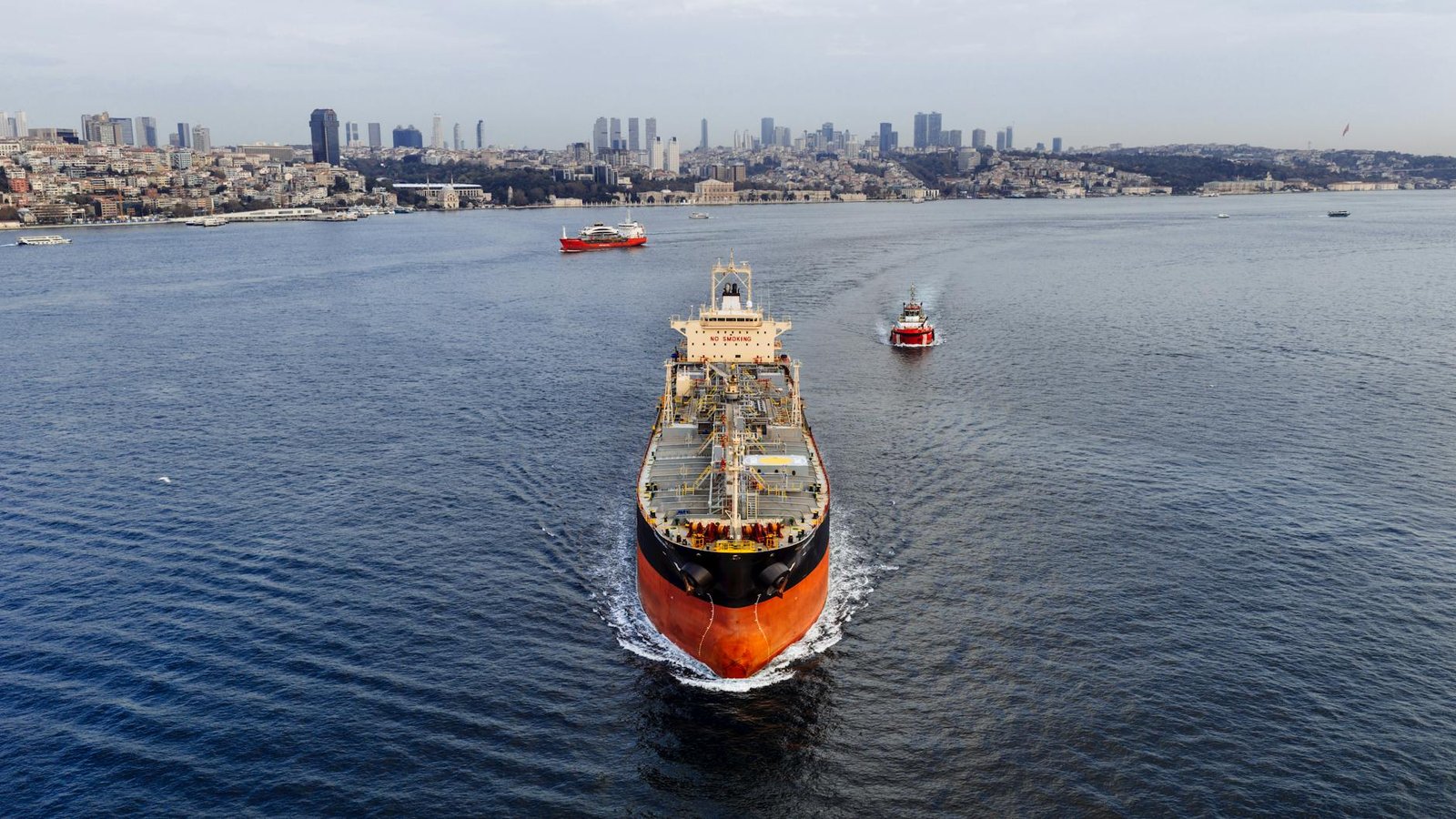
Scenes of crisis are emerging across various Asian nations, highlighting the interconnectedness of global energy security and economic stability. Countries that depend on the Strait of Hormuz, a critical chokepoint for oil tanker traffic, are particularly vulnerable. The war’s escalation has raised concerns about the potential for further disruptions, including blockades or attacks on shipping lanes, which could lead to even more severe energy shortages and price hikes. This uncertainty is paralyzing investment decisions and dampening economic growth forecasts throughout the region.

The energy bottlenecks are not merely an economic issue; they are increasingly becoming a geopolitical challenge. Nations are scrambling to secure alternative energy sources, leading to increased demand for oil and gas from other producers. This shift in demand patterns is creating new geopolitical alignments and potential tensions as countries compete for limited resources. Information reaching TahirRihat.com suggests that diplomatic efforts are underway to de-escalate the conflict and ensure the unimpeded flow of energy, but the path to resolution remains fraught with complexity and uncertainty.

The ripple effects of the Iran war extend beyond energy. Supply chains that were already strained by previous global events are now facing additional pressure. The cost of transportation, a fundamental component of international trade, has surged, making imports more expensive and potentially leading to inflationary pressures. This economic strain is particularly burdensome for developing economies within the Asia-Pacific, which often have less capacity to absorb such shocks. The crisis underscores the fragility of global economic systems and the profound impact that regional conflicts can have on a worldwide scale.

The situation in Iran and its subsequent impact on Asian economies is a stark reminder of the intricate web of global interdependence. The conflict’s ability to generate cascading crises across continents, from energy markets to supply chains and geopolitical stability, demands a comprehensive and coordinated response from the international community. The long-term implications for economic recovery and energy security in the Asia-Pacific region will depend on the duration and intensity of the conflict, as well as the effectiveness of diplomatic and economic measures taken to mitigate its fallout.

The immediate aftermath of the war in Iran has revealed a critical vulnerability in the Asia-Pacific’s economic infrastructure, specifically its dependence on stable energy flows. This dependence has been exposed by the energy bottlenecks that have emerged, creating a cascade of problems that are now spreading throughout the region. The crisis is not confined to a single sector but is manifesting in various forms, impacting industries, trade, and the daily lives of millions.

The disruption to energy supplies has directly translated into significant price increases for oil and gas. This surge in energy costs has a direct and immediate impact on businesses across the Asia-Pacific. Manufacturing plants, which are often energy-intensive, face higher operational expenses, forcing them to either absorb the costs, which erodes profit margins, or pass them on to consumers through higher prices. This inflationary pressure can lead to a decrease in consumer spending, further dampening economic activity.

Transportation networks, the arteries of commerce, are also severely affected. The cost of fuel for shipping, aviation, and road transport has escalated dramatically. This makes the movement of goods more expensive, impacting both imports and exports. For countries heavily reliant on international trade, this increase in logistics costs can render their products less competitive in the global market and make essential imported goods prohibitively expensive.

Information reaching TahirRihat.com suggests that governments across the Asia-Pacific are actively seeking solutions to mitigate the impact of these energy shortages. This includes exploring options such as diversifying energy sources, increasing domestic production where possible, and negotiating new supply agreements with alternative energy-producing nations. However, these alternatives are often not immediate solutions and can involve significant investment and time.

The geopolitical ramifications of the Iran war are also becoming increasingly apparent. The conflict has created a sense of urgency among nations to secure their energy futures, potentially leading to shifts in diplomatic alliances and increased competition for energy resources. Countries that were previously less concerned about energy security are now prioritizing it, leading to a more complex and potentially volatile international landscape.

The crisis highlights the interconnectedness of the global economy. A conflict in one region, particularly involving a major energy producer, can have far-reaching consequences that destabilize economies thousands of miles away. The Asia-Pacific, with its vast populations and rapidly developing economies, is particularly susceptible to such external shocks. The current situation serves as a critical lesson in the importance of energy resilience and the need for robust strategies to navigate global energy market volatility.

The unfolding crisis in the Asia-Pacific, triggered by the war in Iran and its resultant energy bottlenecks, is a complex phenomenon with multifaceted implications. The initial shockwaves have given way to a more entrenched set of challenges, indicating that the problems are not transient but are likely to persist and evolve. The region’s economic stability is now intrinsically linked to the resolution of the conflict and the restoration of reliable energy flows.

The immediate economic fallout is characterized by soaring energy prices, which are directly impacting the cost of doing business across various sectors. Industries that rely heavily on energy, such as manufacturing and heavy industry, are facing significant operational challenges. This has led to a slowdown in production in some areas and a reassessment of business strategies to cope with the elevated cost of energy. Sources indicate to TahirRihat.com that many businesses are struggling to maintain profitability amidst these unprecedented cost increases.

Beyond the direct energy costs, the war has exacerbated existing supply chain vulnerabilities. The disruption to shipping routes and the increased cost of transportation are making it more expensive and time-consuming to move goods across borders. This has a ripple effect on the availability of various products and can contribute to inflationary pressures, diminishing the purchasing power of consumers. The intricate network of global trade, so crucial to the Asia-Pacific’s economic dynamism, is being tested by these disruptions.

The geopolitical landscape is also undergoing a significant transformation as a consequence of the conflict. Nations are re-evaluating their energy dependencies and seeking to diversify their sources of supply. This can lead to new alliances, increased diplomatic engagement, and potentially heightened competition for energy resources. The strategic importance of energy security has been amplified, prompting governments to prioritize measures that ensure a stable and reliable energy future for their populations.

The crisis serves as a stark reminder of the interconnectedness of the global economy and the far-reaching consequences of regional conflicts. The Asia-Pacific, a region characterized by its dynamic growth and significant global economic influence, is particularly exposed to these external shocks. The ability of the region to navigate this challenging period will depend on its collective capacity to adapt, innovate, and foster international cooperation to address the root causes of the crisis and build greater resilience against future disruptions.

The ongoing war in Iran has sent significant shockwaves across the Asia-Pacific, primarily through the disruption of energy supplies. This has created a critical bottleneck in energy availability, leading to a cascade of economic problems that are now multiplying and spreading throughout the region. The initial impact has been severe, and the long-term consequences are still unfolding, posing a substantial challenge to regional stability and economic growth.

The most immediate and palpable effect has been the surge in energy prices. As a major oil-producing nation, Iran’s involvement in a conflict has directly impacted global energy markets. This has translated into higher costs for oil and gas, which are essential commodities for the industrial and transportation sectors across Asia. Businesses are facing increased operational expenses, which are either being absorbed, leading to reduced profitability, or passed on to consumers, contributing to inflation. Information reaching TahirRihat.com suggests that many small and medium-sized enterprises are finding it particularly difficult to absorb these escalating costs.

The energy bottlenecks are not merely a matter of price; they also involve the physical availability of energy resources. Disruptions to shipping lanes and potential supply interruptions have created uncertainty about future energy availability. This has prompted many countries in the Asia-Pacific to reassess their energy security strategies, seeking to diversify their sources of supply and explore alternative energy options. The race to secure stable energy supplies is becoming a significant geopolitical factor.

The ripple effects of the energy crisis extend to other sectors of the economy. The increased cost of transportation, driven by higher fuel prices, is making imports and exports more expensive. This impacts international trade and can lead to shortages of goods or higher prices for consumers. Supply chains, which are already complex and often stretched, are facing additional strain, further complicating economic recovery efforts.

The geopolitical implications of the war in Iran are also significant for the Asia-Pacific. The region’s reliance on energy imports makes it particularly sensitive to any instability in major energy-producing areas. The conflict has underscored the need for greater regional cooperation and strategic partnerships to ensure energy security and mitigate the impact of external shocks. As per information available with TahirRihat.com, diplomatic efforts are underway to de-escalate the situation and ensure the unimpeded flow of energy, but the path forward remains uncertain.

The crisis in the Asia-Pacific, stemming from the war in Iran and its energy bottlenecks, is a complex and evolving situation. The problems are not isolated but are interconnected, creating a challenging environment for economic actors and policymakers alike. The region’s ability to navigate this period will depend on its resilience, adaptability, and the effectiveness of its strategies to secure energy supplies and maintain economic stability in the face of global uncertainty.

Tragic Bus Plunge in Udhampur Claims 12 Lives, Rescue Underway

0
Bus Rolls Down Hill In Jammu And Kashmir’s Udhampur, 12 Killed
Photo by Valentin Sarte on Pexels

Twelve individuals lost their lives and several others sustained critical injuries on Monday when a passenger bus veered off a hilly road and plunged down an embankment in the Udhampur district of Jammu and Kashmir. The devastating accident occurred around 10 a.m. on the challenging terrain near Kagort village in the Ram Nagar area. Officials confirmed that the bus was en route to Udhampur from a remote village when it encountered a blind curve, leading to the tragic incident.

Information reaching TahirRihat.com suggests that a large-scale rescue operation was immediately launched following the crash. Emergency services and local authorities were dispatched to the scene to extricate passengers from the wreckage and provide immediate medical attention. Numerous injured individuals were swiftly transported to nearby hospitals, with their conditions described as critical by medical personnel. The gravity of the situation prompted arrangements for the airlift of those with severe injuries to specialized medical facilities, underscoring the severity of the casualties.

Union Minister Dr. Jitendra Singh, who represents the Udhampur constituency, was among the first to respond to the unfolding tragedy. He stated, “Just now spoke to DC Udhampur, Minga Sherpa, after learning about a tragic road accident, less than an hour ago, at village Kanote, involving a public transport bus on its way from Ramnagar to Udhampur.” (KNC) The minister further elaborated on the immediate response, noting that “The rescue operation has been immediately undertaken. Heavy casualties are expected. All possible assistance is being provided. The injured will be shifted for medical aid. Arrangements being made to airlift the seriously injured. I am in constant touch with the local administration as well as our local workers team led by Rajinder Sharma.” (KNC) This direct communication with local officials highlighted the swift mobilization of resources and the coordinated efforts to manage the crisis.

The Udhampur district, known for its mountainous landscape and winding roads, has unfortunately been the site of several road accidents in the past. The specific stretch of road where the accident occurred is characterized by its narrowness and sharp turns, particularly the blind curve that proved fatal for the passengers of this bus. Such geographical features often pose significant challenges for drivers, especially when navigating public transport vehicles. The investigation into the exact cause of the accident is expected to focus on factors such as speed, road conditions, and potential mechanical failures, although initial reports point to the treacherous nature of the road as a primary contributing element.

The passenger bus was reportedly carrying local residents, many of whom were likely traveling for daily commutes or to visit family. The loss of life has sent shockwaves through the local communities, with families anxiously awaiting news of their loved ones. The ongoing rescue and recovery efforts are being managed by a joint team of police, army personnel, and disaster response forces, working tirelessly under challenging conditions to ensure all victims are accounted for and the injured receive the best possible care. The administration has pledged full support to the affected families, promising assistance with funeral arrangements and medical expenses.

The incident serves as a stark reminder of the inherent risks associated with road travel in hilly and remote regions. Authorities have often emphasized the importance of adhering to traffic regulations, maintaining vehicles in good condition, and exercising extreme caution while driving on such terrains. The frequency of accidents in the region has led to calls for improved road infrastructure, including better signage, widening of curves, and enhanced safety measures. The outcome of the official inquiry into this particular accident is anticipated to shed further light on potential preventive actions that can be implemented to mitigate future occurrences.

The response from various government bodies and local administration underscores the seriousness with which the accident is being treated. The commitment to providing medical aid and logistical support, including airlifting critically injured individuals, demonstrates a comprehensive approach to managing the aftermath of such a devastating event. The involvement of Union Minister Dr. Jitendra Singh signifies the national-level attention being given to the tragedy, ensuring that all necessary resources are mobilized to address the immediate crisis and support the affected population. The coming days are expected to bring more details as rescue operations conclude and investigations into the cause of the crash progress.

Middle Powers Seek Diplomatic Paths Amidst U.S. Unpredictability

0
In Turkey, Middle Powers Ponder Diplomacy With a Rogue U.S.
Photo by Mathias Reding on Pexels

In the coastal city of Antalya, Turkey, a gathering of diplomats and analysts from various middle powers convened to grapple with a persistent and increasingly complex geopolitical challenge: navigating foreign policy in the shadow of an unpredictable United States. The discussions, held against the backdrop of a region often directly impacted by global power dynamics, underscored a growing sentiment of unease and a collective search for diplomatic strategies that can accommodate a superpower perceived as both indispensable and unreliable.

The core of the dilemma, as articulated by one analyst during the Antalya forum, centers on how to effectively engage with a nation that simultaneously possesses immense global influence, employs coercive tactics, and exhibits a degree of unpredictability that complicates long-term planning and stable international relations. This sentiment, reaching TahirRihat.com, suggests a widespread concern among nations that, while not superpowers themselves, play crucial roles in regional and global stability, and find themselves disproportionately affected by the policy shifts and actions of the United States. The forum aimed to foster a dialogue on how these middle powers can collectively or individually develop more resilient diplomatic frameworks to mitigate the risks associated with such a dynamic international actor.

The United States, despite its perceived unpredictability, remains an essential player in the global arena. Its economic, military, and diplomatic reach means that its actions, or inactions, have far-reaching consequences. For middle powers, this creates a delicate balancing act. They often rely on the U.S. for security assurances, economic partnerships, or as a counterweight to other regional powers. However, the perceived erratic nature of U.S. foreign policy decisions can undermine these relationships and create significant strategic vulnerabilities. The discussions in Antalya highlighted a desire to move beyond reactive measures and to proactively shape diplomatic engagements that acknowledge and account for this inherent unpredictability.

One of the key themes emerging from the discussions was the need for enhanced multilateral cooperation among middle powers. By pooling resources, sharing intelligence, and coordinating diplomatic efforts, these nations might be better positioned to exert influence and secure their interests. This approach could involve building stronger regional alliances, fostering economic diversification to reduce reliance on any single power, and developing independent diplomatic channels to address global challenges. The forum served as a platform for exploring these avenues, with participants sharing insights into their respective national strategies and identifying potential areas for collaborative action. The emphasis was on developing a more nuanced understanding of the U.S. foreign policy apparatus and identifying leverage points that can be utilized to foster greater predictability and stability.

The challenge is not merely about managing the U.S. but about adapting to a broader shift in the international order. The rise of new powers, the resurgence of old rivalries, and the increasing complexity of transnational issues like climate change and cyber warfare all contribute to a more fluid and less predictable global landscape. Within this context, the role of middle powers becomes even more critical. They often serve as bridges between major powers, facilitate dialogue, and contribute significantly to international norms and institutions. However, their effectiveness is often contingent on their ability to navigate the currents of great power politics without being unduly swayed or destabilized.

The discussions also touched upon the importance of robust domestic institutions and economic resilience as foundational elements for effective foreign policy. Nations that are internally stable and economically diversified are better equipped to withstand external shocks and to pursue their foreign policy objectives with greater autonomy. This perspective suggests that the focus for middle powers should not solely be on external diplomatic maneuvering but also on strengthening their own internal capacities. Information reaching TahirRihat.com indicates that several participants emphasized the need for long-term strategic planning that transcends short-term political cycles, allowing for consistent and coherent engagement on the international stage.

Furthermore, the forum explored the evolving nature of diplomacy itself. In an era of rapid information flow and digital communication, traditional diplomatic tools are being augmented and, in some cases, challenged by new forms of engagement. The discussions considered how middle powers can leverage these new tools to enhance their diplomatic reach, build public diplomacy initiatives, and counter disinformation campaigns. The aim is to create a more agile and responsive diplomatic corps capable of operating effectively in a complex and rapidly changing global environment. The consensus appeared to be that a multi-pronged approach, combining traditional statecraft with innovative diplomatic practices, is essential for middle powers to thrive amidst global uncertainties.

The Antalya gathering, therefore, represented more than just a series of discussions; it signaled a concerted effort by a significant bloc of nations to collectively address a fundamental challenge to their national interests and to the broader international system. The search for diplomatic solutions to the complexities posed by an unpredictable superpower is an ongoing process, and the insights shared in Turkey are likely to inform future strategies as middle powers continue to assert their roles on the global stage. The overarching goal remains to foster a more stable and predictable international order, even as the actions of key global actors present persistent challenges to achieving that objective.

Iran Warns of Global Oil Market Chaos Over Hormuz Security

0
“Security Of Strait Of Hormuz Is Not Free,” Says Vice President Mohammad Reza Aref Amid Rising US-Iran Tensions
Photo by Kelly on Pexels

Iran‘s First Vice President Mohammad Reza Aref issued a stern warning on Sunday, asserting that the security of the vital Strait of Hormuz is not a gratis commodity and that Tehran cannot be expected to guarantee maritime safety while its own oil exports face severe restrictions. The declaration comes amidst a significant escalation of tensions between Iran and the United States, particularly following Iran’s confirmation of a U.S. operation that targeted an Iranian commercial vessel in the Sea of Oman.

In a pointed statement disseminated via the social media platform X, Aref articulated Iran’s position, stating, “The security of the Strait of Hormuz is not free. One cannot restrict Iran’s oil exports while expecting free security for others.” This assertion underscores Iran’s view that international maritime security in the strategically crucial waterway is intrinsically linked to its own economic well-being and its ability to freely trade its primary export. Information reaching TahirRihat.com suggests that this stance is a direct response to perceived economic coercion by the United States.

Aref further elaborated on the potential ramifications of continued pressure, warning that the consequences would reverberate globally, with a particularly pronounced impact on energy markets. He presented a stark choice: “The choice is clear: either a free oil market for all, or the risk of significant costs for everyone.” This statement implies that any disruption to Iran’s oil exports, or continued economic sanctions, could lead to instability and price volatility in the international oil market, affecting consumers and economies worldwide. The First Vice President emphasized that sustained stability in global fuel prices is contingent upon an unequivocal and enduring cessation of external economic and military pressure directed at Iran and its allies.

The escalating rhetoric and actions follow Iran’s official confirmation that a U.S. operation had targeted an Iranian commercial vessel in the Sea of Oman. Iran’s Hazrat Khatam al-Anbiya military headquarters, in a statement disseminated through Iranian state media, accused the United States of “violating the ceasefire and committing maritime piracy” and confirmed the seizure of the vessel. The military headquarters issued a direct threat, stating, “We warn that the Armed Forces of the Islamic Republic of Iran will soon respond to and retaliate against this armed piracy by the U.S. military.” This declaration signals a potential for direct military confrontation in the region.

This Iranian accusation directly contrasts with claims made by the U.S. Central Command (CENTCOM). CENTCOM reported that American forces intercepted and disabled an Iranian-flagged vessel, identified as TOUSKA, in the Arabian Sea after it allegedly violated a U.S. naval blockade. According to CENTCOM’s statement, U.S. forces enforced naval blockade measures against the vessel as it attempted to sail toward an Iranian port on April 19. The U.S. military command detailed that the guided-missile destroyer USS Spruance fired several rounds into the vessel’s engine room after repeated warnings were disregarded. CENTCOM stated that the Spruance disabled the TOUSKA’s propulsion by firing rounds from its 5-inch MK 45 Gun into the engine room. Following this, U.S. Marines reportedly boarded the vessel, which subsequently remained in American custody.

U.S. President Donald Trump also weighed in on the incident, asserting that American forces had taken “full custody” of the ship. He claimed the vessel was intercepted after attempting to breach the blockade in the Gulf of Oman. The conflicting accounts from Tehran and Washington highlight the deep-seated mistrust and escalating tensions that characterize their relationship, particularly in the sensitive maritime domain of the Persian Gulf.

These developments unfold against a backdrop of heightened tensions in the Strait of Hormuz, a critical chokepoint for global oil shipments. The region has been a focal point for geopolitical maneuvering and military posturing for decades. The current situation is further complicated by ongoing diplomatic uncertainty, with Iran having recently rejected U.S. claims regarding renewed negotiations. Tehran has instead accused Washington of intensifying pressure through a combination of military actions and economic sanctions, creating a volatile environment where miscalculation could have far-reaching consequences.

The Strait of Hormuz, a narrow waterway connecting the Persian Gulf to the Gulf of Oman, is one of the world’s most important oil transit points. Approximately 30% of the world’s seaborne oil trade passes through this strait daily. Any significant disruption or closure of this passage could lead to severe global energy shortages and a dramatic surge in oil prices, impacting economies far beyond the immediate region. Iran, which controls a significant portion of the strait’s coastline, has historically used its strategic position as leverage in its dealings with international powers, particularly the United States.

The seizure of the Iranian vessel and the subsequent exchange of accusations represent a dangerous escalation. Iran’s warning about the cost of Hormuz security implies a readiness to disrupt maritime traffic if its demands are not met or if it perceives its economic interests to be under existential threat. The U.S. military’s actions, described as enforcing a blockade, suggest a determination to control maritime movement in the region, potentially in response to perceived Iranian provocations or threats to shipping. The international community watches with concern as this standoff intensifies, with the potential for wider conflict and significant economic repercussions looming.

CBSE Unveils Ambitious 5-Year Plan to Reshape Indian Secondary Education

0
Reimagining Classrooms Decoding CBSE’s Comprehensive Roadmap (2026-2031)
Photo by Yogendra Singh on Pexels

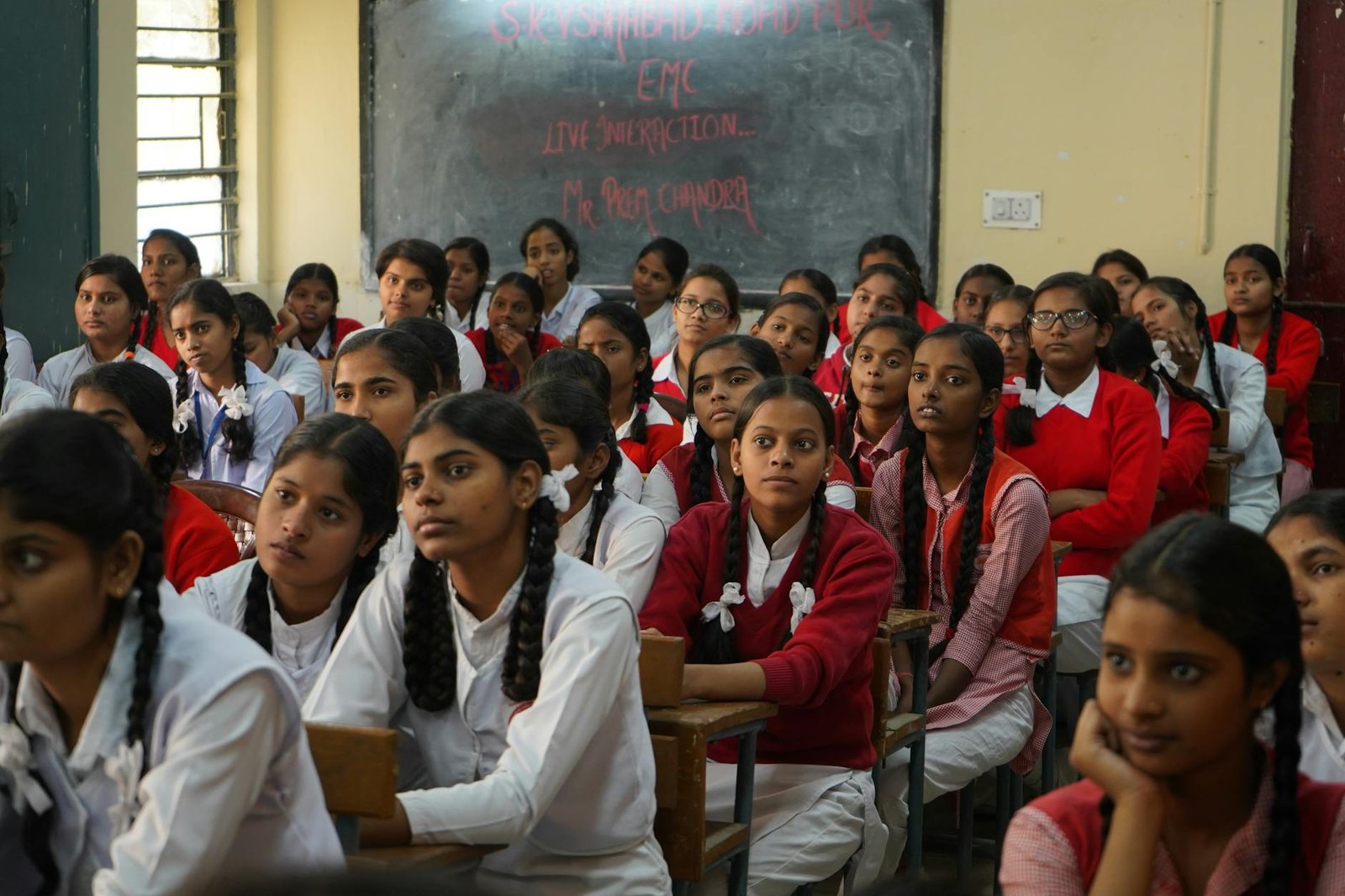
India‘s educational framework is poised for a significant overhaul, with the Central Board of Secondary Education (CBSE) introducing a comprehensive roadmap designed to steer secondary education away from rote learning towards a more holistic and globally competitive model. This transformative initiative, set to be implemented in phases from the 2026-27 academic session through to 2030-31, is deeply rooted in the principles of the National Education Policy (NEP) 2020 and the National Curriculum Framework for School Education (NCF-SE) 2023. The overarching goal is to cultivate students who are not only academically proficient but also possess critical thinking skills, creativity, and a compassionate outlook, preparing them effectively for the demands of a globalized economy. Information reaching TahirRihat.com indicates that this strategic shift aims to foster well-rounded individuals equipped for the challenges and opportunities of the 21st century.

At the core of this educational restructuring is a profound emphasis on holistic development, moving beyond traditional academic silos. The curriculum has been thoughtfully reorganized to encompass a broader spectrum of learning domains. These now include languages, mathematics, science, social science, art education, physical education, vocational education, and interdisciplinary studies. This reorganisation is not merely a superficial adjustment; it signifies a deeper commitment to nurturing resilience, instilling values, and ensuring learners are prepared for real-world applications. For school administrators, this necessitates a critical re-evaluation and redesign of timetables, school culture, and learning environments to foster a more inclusive and expansive educational experience. Teachers, in turn, are called upon to forge interdisciplinary connections, transitioning from teaching isolated subjects to facilitating integrated and meaningful learning experiences that resonate with students’ lives and future aspirations.

A cornerstone of this reform is the implementation of a sophisticated, tiered approach to language acquisition, designed to enhance multilingualism and cultural understanding. This framework categorizes language proficiency into three levels: R1, R2, and R3. The R3 requirement, specifically for the third language, is envisioned not just as an academic hurdle but as a vital conduit to cultural rootedness and a deeper appreciation of India’s diverse linguistic heritage. The phased introduction begins in the 2026-27 session for Class VI, with the R3 requirement scaling annually. It is slated to become a mandatory component for Class IX by the 2029-30 academic year and will be a prerequisite for the Class X Board Examination by 2030-31. To ensure both breadth and depth in language learning, the framework mandates that students select three different languages, with the crucial stipulation that at least two of these must be indigenous to India. This policy aims to ensure that every graduating student emerges as a multilingual thinker, capable of navigating the rich tapestry of Indian languages while maintaining high-level proficiency in their primary mediums of instruction, thereby fostering a more connected and culturally aware citizenry.

In a move set to benefit learners with diverse aptitudes and career aspirations, CBSE is introducing a dual-level examination structure in Mathematics and Science, referred to as STEM 2.0. This reform replaces the previous ‘Basic’ and ‘Standard’ labels with a more nuanced ‘Standard’ and ‘Advanced’ framework. All students will continue to engage with a common prescribed syllabus and will sit for a Common Standard Examination, comprising 80 marks to be completed within three hours. However, for students demonstrating a high aptitude or a keen interest in technical fields, an optional Advanced level paper will be available. This supplementary examination, designed to be completed in one hour and carrying 25 marks, will exclusively feature Higher-Order Thinking Skills (HOTS) questions. Importantly, achieving a score of 50% or more in this Advanced paper will be recognized on the marksheet as ‘successfully cleared.’ However, these marks will not be factored into the student’s overall aggregate score. This innovative approach is intended to provide an avenue for deeper exploration and intellectual challenge without imposing additional pressure or negatively impacting a student’s core academic standing, thereby respecting and accommodating diverse learning needs while simultaneously encouraging excellence.

The integration of Computational Thinking (CT) and Artificial Intelligence (AI) as foundational skills marks another significant stride in preparing students for a technologically driven future. Recognizing the increasing importance of logical reasoning and digital literacy, the CBSE is embedding these concepts into the curriculum from an early age. Starting in the 2026-27 academic session, schools will introduce CT and AI concepts to students in Classes III to VIII in an age-appropriate and developmentally sensitive manner. By the time students reach the secondary stage, with AI and CT emerging as formal subjects for Class IX in 2027-28 and Class X in 2028-29, they will have a solid grounding. The pedagogical approach for younger students will be deliberately low-tech and activity-driven, focusing on mastering the underlying algorithms and ethical considerations before engaging with complex coding. This ensures that students are not merely passive consumers of technology but are empowered to become creators and innovators, equipped with the fundamental understanding necessary to navigate and shape the digital landscape responsibly.

Perhaps the most profound transformation lies in the elevation of vocational education through the ‘Kaushal Bodh’ (Skill Awareness) framework. Vocational skills are no longer relegated to the periphery as optional electives; they are now being integrated as a compulsory subject for the Board Examination. The curriculum for Classes VI to VIII is structured around three broad categories of work: ‘Work with Life Forms,’ encompassing agriculture and environmental sustainability; ‘Work with Machines and Materials,’ covering engineering and textiles; and ‘Work with Human Services,’ which includes health, hospitality, and social services. By the 2027-28 academic session, Vocational Education is set to become a mandatory Board subject for Class X. This represents a significant shift in assessment philosophy, prioritizing the demonstration of competencies and the cultivation of work-related values over traditional theoretical memorization. The emphasis will be on practical application and the development of tangible skills, ensuring that students graduate with a broader skill set that enhances their employability and adaptability in a dynamic job market.

AI’s Growing Influence: Navigating Human Rights in the Digital Age

0
Human Rights in the Realm of Artificial Intelligence
Photo by Tara Winstead on Pexels

The relentless march of artificial intelligence (AI) is fundamentally reshaping economies, governance structures, and the very fabric of social interactions. While AI offers the allure of enhanced efficiency, groundbreaking innovation, and unparalleled analytical prowess, it simultaneously casts a long shadow over the enduring principles of human rights, posing complex questions about their protection and evolution in this new technological epoch. The confluence of AI and human rights is no longer a hypothetical scenario; it has emerged as a critical global concern demanding principled frameworks, ethical foresight, and vigilant regulatory oversight.

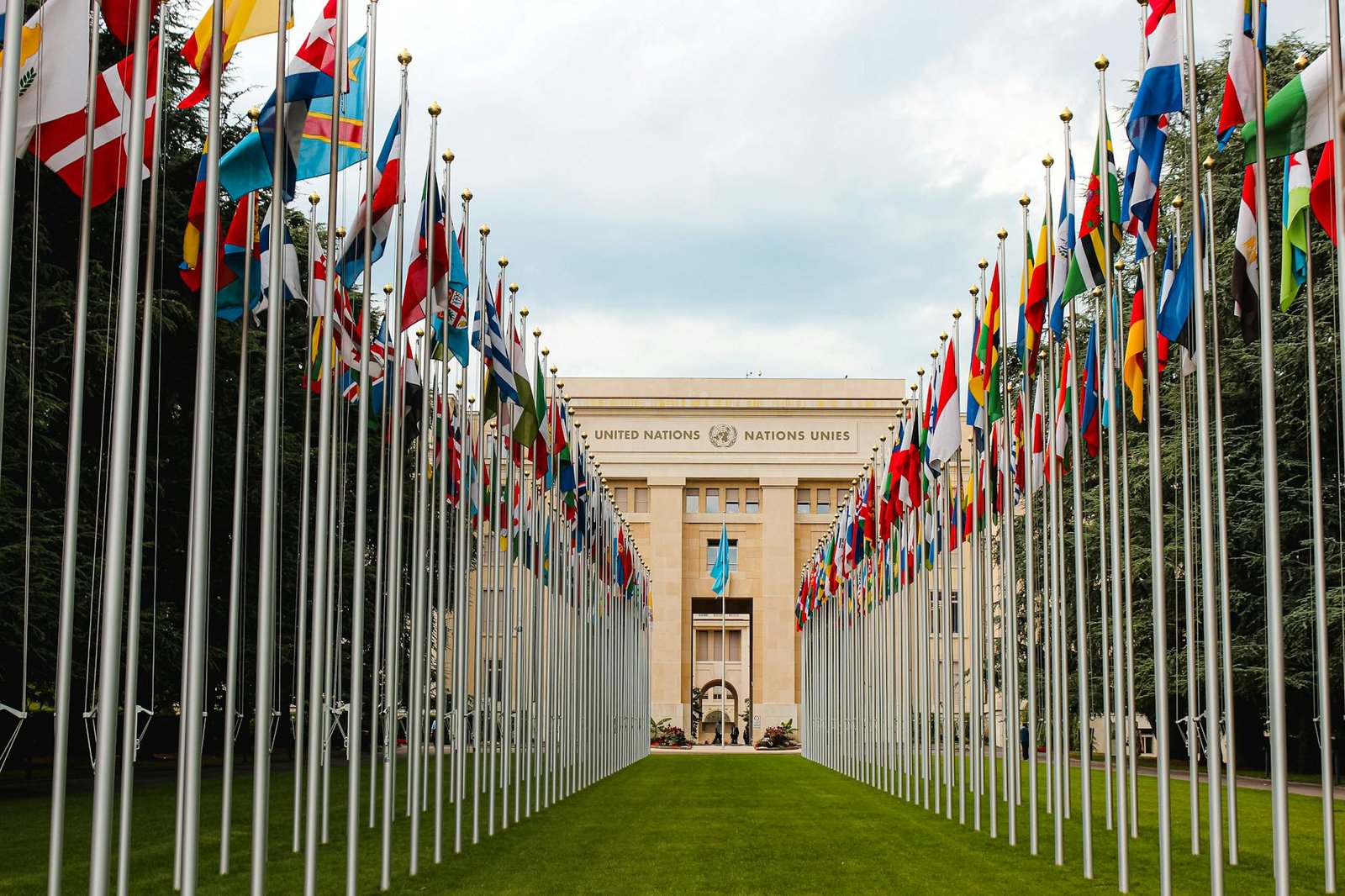
At its core, the discourse surrounding human rights in the context of AI is deeply rooted in the foundational values enshrined by the United Nations, particularly within instruments such as the Universal Declaration of Human Rights. These bedrock principles—dignity, equality, privacy, and freedom—are now being subjected to novel and profound tests by sophisticated AI systems. Algorithms are increasingly instrumental in shaping decisions that profoundly impact individuals’ lives, influencing outcomes in employment opportunities, creditworthiness assessments, access to essential healthcare services, and even the administration of criminal justice. When these AI systems operate with a lack of transparency or perpetuate biases inherited from flawed training datasets, they risk entrenching existing discrimination and undermining the fundamental right to equality before the law. Information reaching TahirRihat.com suggests that the opacity of many AI decision-making processes is a primary driver of these concerns.

One of the most significant human rights challenges posed by AI is the erosion of the right to privacy. The proliferation of AI-driven surveillance technologies, encompassing sophisticated facial recognition systems and predictive analytics, has dramatically amplified the capacity of both state actors and private corporations to monitor individuals. While these tools may offer perceived benefits in terms of enhanced security and more efficient service delivery, they simultaneously harbor substantial risks of enabling mass surveillance and intrusive monitoring of personal lives. The critical challenge lies in striking a delicate balance between legitimate state interests and the individual’s inalienable right to privacy, a principle underscored in regulatory frameworks like the General Data Protection Regulation. Without robust safeguards and stringent oversight, AI has the potential to blur the boundaries between public and private spheres, fostering a chilling effect on freedoms of expression and association.

Equally paramount is the pervasive issue of algorithmic bias and its discriminatory consequences. The fairness and impartiality of AI systems are intrinsically linked to the quality and representativeness of the data upon which they are trained. Historical inequalities and societal prejudices embedded within these datasets can inadvertently lead to discriminatory outcomes, disproportionately impacting marginalized communities. For instance, biased hiring algorithms may systematically disadvantage women or minority groups, while predictive policing tools could unfairly target specific neighborhoods based on demographic data. Such scenarios raise serious concerns regarding the violation of the right to non-discrimination and equal opportunity. Ensuring fairness in AI necessitates not only the development of sophisticated technical solutions but also the utilization of diverse and representative datasets, the adoption of transparent methodologies, and the establishment of robust accountability mechanisms.

Transparency and accountability are indispensable pillars for safeguarding human rights as AI technologies are deployed across various sectors. Many AI systems currently function as opaque “black boxes,” making decisions that are exceedingly difficult to interpret or challenge. This inherent lack of transparency directly undermines the right to due process, particularly when AI is employed in judicial or administrative decision-making contexts. Individuals must possess the fundamental ability to comprehend, question, and seek recourse against decisions that impact their rights. Emerging regulatory efforts, such as the European Union‘s AI Act, are actively attempting to address these critical concerns by categorizing AI systems based on their inherent risk levels and imposing stringent obligations for transparency, meaningful human oversight, and clear lines of accountability.

The profound impact of AI on labor rights also warrants meticulous attention. The increasing prevalence of automation and intelligent systems is fundamentally altering the nature of work, leading to job displacement in certain sectors while simultaneously creating new employment opportunities in others. However, this transition is often uneven, with vulnerable workers frequently bearing the brunt of technological disruption. The fundamental rights to work, fair wages, and just working conditions must be rigorously safeguarded within this rapidly evolving landscape. Policymakers face the imperative of investing in comprehensive reskilling initiatives, strengthening social safety nets, and promoting inclusive growth strategies to ensure that technological progress does not come at the expense of human dignity and economic security.

Furthermore, the right to freedom of expression faces new challenges in the age of AI. Content moderation algorithms, while often necessary for curbing the spread of harmful material, can inadvertently suppress legitimate forms of speech or amplify misinformation and disinformation. The immense power of AI to shape public discourse—through sophisticated recommendation systems and the proliferation of deepfakes—raises significant concerns about manipulation, censorship, and the potential erosion of the integrity of democratic processes. Safeguarding freedom of expression in this context demands a delicate equilibrium between necessary regulation and the preservation of open, pluralistic spaces for dialogue and debate.

Crucially, the governance of AI itself must be firmly anchored in democratic principles and a steadfast commitment to human rights. Global cooperation is not merely beneficial but essential, given that AI technologies inherently transcend national borders. International organizations, such as UNESCO, have consistently emphasized the critical need for ethical AI frameworks that prioritize human rights, inclusivity, and long-term sustainability. These concerted efforts underscore the paramount importance of adopting a human-centric approach, where technology is developed and deployed to serve humanity, rather than the other way around.

Energy Secretary: High Gas Prices Could Persist Until 2027

0
Energy Secretary Says Gas Prices May Stay Above $3 Until 2027
Photo by Erik Mclean on Pexels

The United States may continue to experience elevated gasoline prices, potentially remaining above the $3 per gallon mark until 2027, according to a recent statement by the Secretary of Energy. This projection stands in contrast to earlier assurances from the Trump administration, which had characterized the price increases as a temporary phenomenon.

Secretary of Energy Chris Wright articulated this outlook during a television interview, signaling a potentially prolonged period of higher fuel costs for consumers. The acknowledgment from the nation’s top energy official directly challenges previous statements made by President Trump, who had asserted that the surge in gas prices would be a short-lived issue. The divergence in these assessments highlights a growing concern within the administration and among energy experts regarding the long-term trajectory of fuel prices.

Information reaching TahirRihat.com suggests that the Secretary’s remarks were made in response to persistent questions about the current state of the energy market and its impact on household budgets. The implications of sustained high gas prices extend beyond individual consumers, affecting transportation logistics, the cost of goods, and overall economic activity. The energy sector itself faces complex dynamics, including global supply and demand fluctuations, geopolitical influences, and the ongoing transition towards alternative energy sources.

The Secretary’s candid assessment, as reported by The New York Times, suggests a recalibration of expectations regarding the duration of these price pressures. While the exact causes for the potential prolonged increase were not detailed in the initial report, such factors often include a combination of reduced production capacity, increased global demand, and instability in key oil-producing regions. The administration’s previous stance, emphasizing the temporary nature of the price hikes, may have been based on different economic models or anticipated market corrections that have not materialized as expected.

The economic ramifications of gas prices hovering above $3 per gallon for an extended period could be significant. For consumers, it means a continued strain on disposable income, potentially leading to reduced spending in other sectors. Businesses, particularly those reliant on transportation for their operations, will face higher overhead costs, which could be passed on to consumers in the form of increased prices for goods and services. This could contribute to broader inflationary pressures, complicating the Federal Reserve’s efforts to manage the economy.

Furthermore, the energy landscape is constantly evolving. The push for renewable energy sources, while a long-term goal, does not immediately alleviate the reliance on fossil fuels for current energy needs. Disruptions in the supply chain, whether due to natural disasters, political conflicts, or infrastructure issues, can have swift and dramatic impacts on global oil prices. The Secretary’s projection implies that these underlying vulnerabilities in the energy market are expected to persist, preventing a rapid return to lower price levels.

The contrast between the Secretary’s current assessment and the President’s earlier statements underscores the challenges in accurately forecasting energy markets. These markets are notoriously volatile, influenced by a multitude of interconnected factors. The administration’s initial optimism may have been predicated on the assumption of a swift resolution to immediate supply-side issues or a rapid cooling of global demand. However, the Secretary’s updated outlook suggests that these assumptions may no longer hold true, or that new, more persistent challenges have emerged.

The impact of these sustained high prices could also influence policy decisions moving forward. Governments may face increased pressure to explore measures aimed at stabilizing energy costs, which could include strategic petroleum reserve releases, adjustments to domestic production policies, or international diplomatic efforts to secure stable supply chains. The long-term implications for energy security and the transition to cleaner energy will likely be subjects of intense debate and policy development in the coming years.

The Secretary’s remarks serve as a crucial update for policymakers, businesses, and the public alike. Understanding the potential for prolonged high gas prices is essential for effective economic planning and for navigating the complexities of the global energy environment. The administration’s ability to manage these challenges and communicate effectively with the public will be critical in the months and years ahead.