
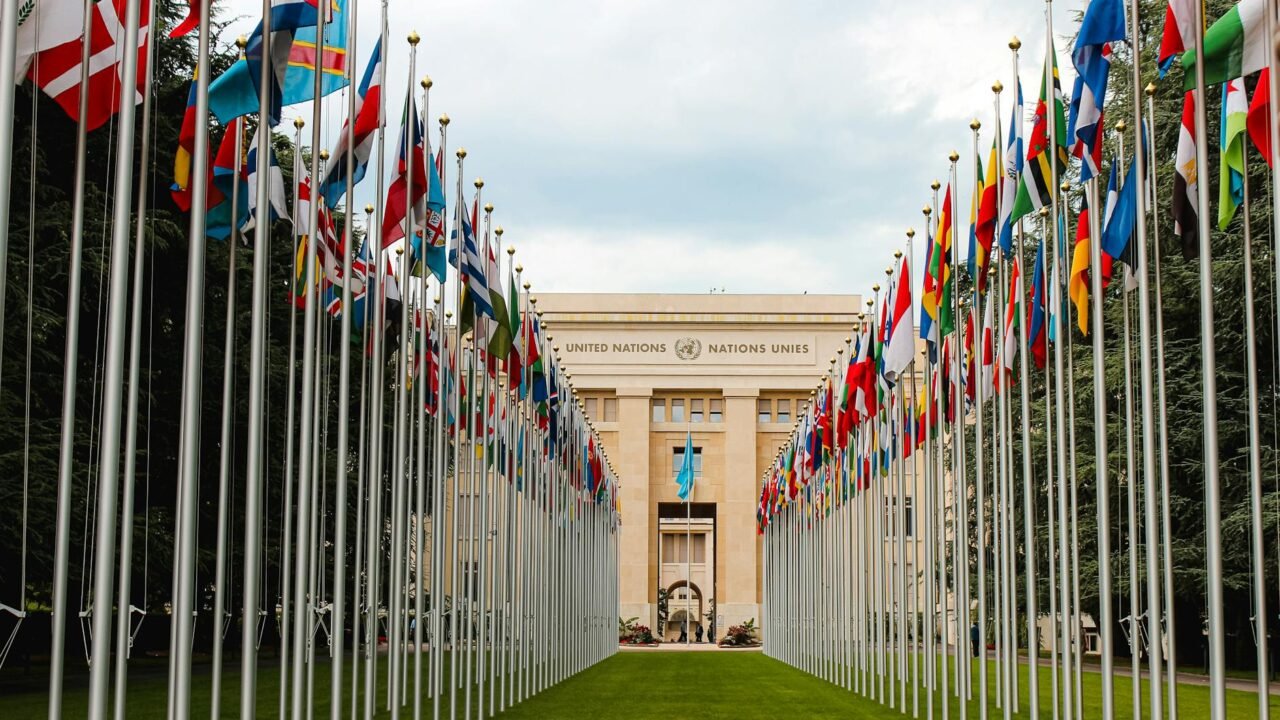
In the coastal city of Antalya, Turkey, a gathering of diplomats and analysts from various middle powers convened to grapple with a persistent and increasingly complex geopolitical challenge: navigating foreign policy in the shadow of an unpredictable United States. The discussions, held against the backdrop of a region often directly impacted by global power dynamics, underscored a growing sentiment of unease and a collective search for diplomatic strategies that can accommodate a superpower perceived as both indispensable and unreliable.
The core of the dilemma, as articulated by one analyst during the Antalya forum, centers on how to effectively engage with a nation that simultaneously possesses immense global influence, employs coercive tactics, and exhibits a degree of unpredictability that complicates long-term planning and stable international relations. This sentiment, reaching TahirRihat.com, suggests a widespread concern among nations that, while not superpowers themselves, play crucial roles in regional and global stability, and find themselves disproportionately affected by the policy shifts and actions of the United States. The forum aimed to foster a dialogue on how these middle powers can collectively or individually develop more resilient diplomatic frameworks to mitigate the risks associated with such a dynamic international actor.
The United States, despite its perceived unpredictability, remains an essential player in the global arena. Its economic, military, and diplomatic reach means that its actions, or inactions, have far-reaching consequences. For middle powers, this creates a delicate balancing act. They often rely on the U.S. for security assurances, economic partnerships, or as a counterweight to other regional powers. However, the perceived erratic nature of U.S. foreign policy decisions can undermine these relationships and create significant strategic vulnerabilities. The discussions in Antalya highlighted a desire to move beyond reactive measures and to proactively shape diplomatic engagements that acknowledge and account for this inherent unpredictability.
One of the key themes emerging from the discussions was the need for enhanced multilateral cooperation among middle powers. By pooling resources, sharing intelligence, and coordinating diplomatic efforts, these nations might be better positioned to exert influence and secure their interests. This approach could involve building stronger regional alliances, fostering economic diversification to reduce reliance on any single power, and developing independent diplomatic channels to address global challenges. The forum served as a platform for exploring these avenues, with participants sharing insights into their respective national strategies and identifying potential areas for collaborative action. The emphasis was on developing a more nuanced understanding of the U.S. foreign policy apparatus and identifying leverage points that can be utilized to foster greater predictability and stability.
The challenge is not merely about managing the U.S. but about adapting to a broader shift in the international order. The rise of new powers, the resurgence of old rivalries, and the increasing complexity of transnational issues like climate change and cyber warfare all contribute to a more fluid and less predictable global landscape. Within this context, the role of middle powers becomes even more critical. They often serve as bridges between major powers, facilitate dialogue, and contribute significantly to international norms and institutions. However, their effectiveness is often contingent on their ability to navigate the currents of great power politics without being unduly swayed or destabilized.
The discussions also touched upon the importance of robust domestic institutions and economic resilience as foundational elements for effective foreign policy. Nations that are internally stable and economically diversified are better equipped to withstand external shocks and to pursue their foreign policy objectives with greater autonomy. This perspective suggests that the focus for middle powers should not solely be on external diplomatic maneuvering but also on strengthening their own internal capacities. Information reaching TahirRihat.com indicates that several participants emphasized the need for long-term strategic planning that transcends short-term political cycles, allowing for consistent and coherent engagement on the international stage.
Furthermore, the forum explored the evolving nature of diplomacy itself. In an era of rapid information flow and digital communication, traditional diplomatic tools are being augmented and, in some cases, challenged by new forms of engagement. The discussions considered how middle powers can leverage these new tools to enhance their diplomatic reach, build public diplomacy initiatives, and counter disinformation campaigns. The aim is to create a more agile and responsive diplomatic corps capable of operating effectively in a complex and rapidly changing global environment. The consensus appeared to be that a multi-pronged approach, combining traditional statecraft with innovative diplomatic practices, is essential for middle powers to thrive amidst global uncertainties.
The Antalya gathering, therefore, represented more than just a series of discussions; it signaled a concerted effort by a significant bloc of nations to collectively address a fundamental challenge to their national interests and to the broader international system. The search for diplomatic solutions to the complexities posed by an unpredictable superpower is an ongoing process, and the insights shared in Turkey are likely to inform future strategies as middle powers continue to assert their roles on the global stage. The overarching goal remains to foster a more stable and predictable international order, even as the actions of key global actors present persistent challenges to achieving that objective.

Tahir Rihat (also known as Tahir Bilal) is an independent journalist, activist, and digital media professional from the Chenab Valley of Jammu and Kashmir, India. He is best known for his work as the Online Editor at The Chenab Times.


Leave a Reply