Home Blog Page 255

Iran Vows Retaliation After US Navy Seizes Cargo Ship Near Hormuz

0
US Navy Seizes An Iranian-Flagged Ship Near Strait Of Hormuz And Tehran Vows Swift Response
Photo by Seyfettin Geçit on Pexels

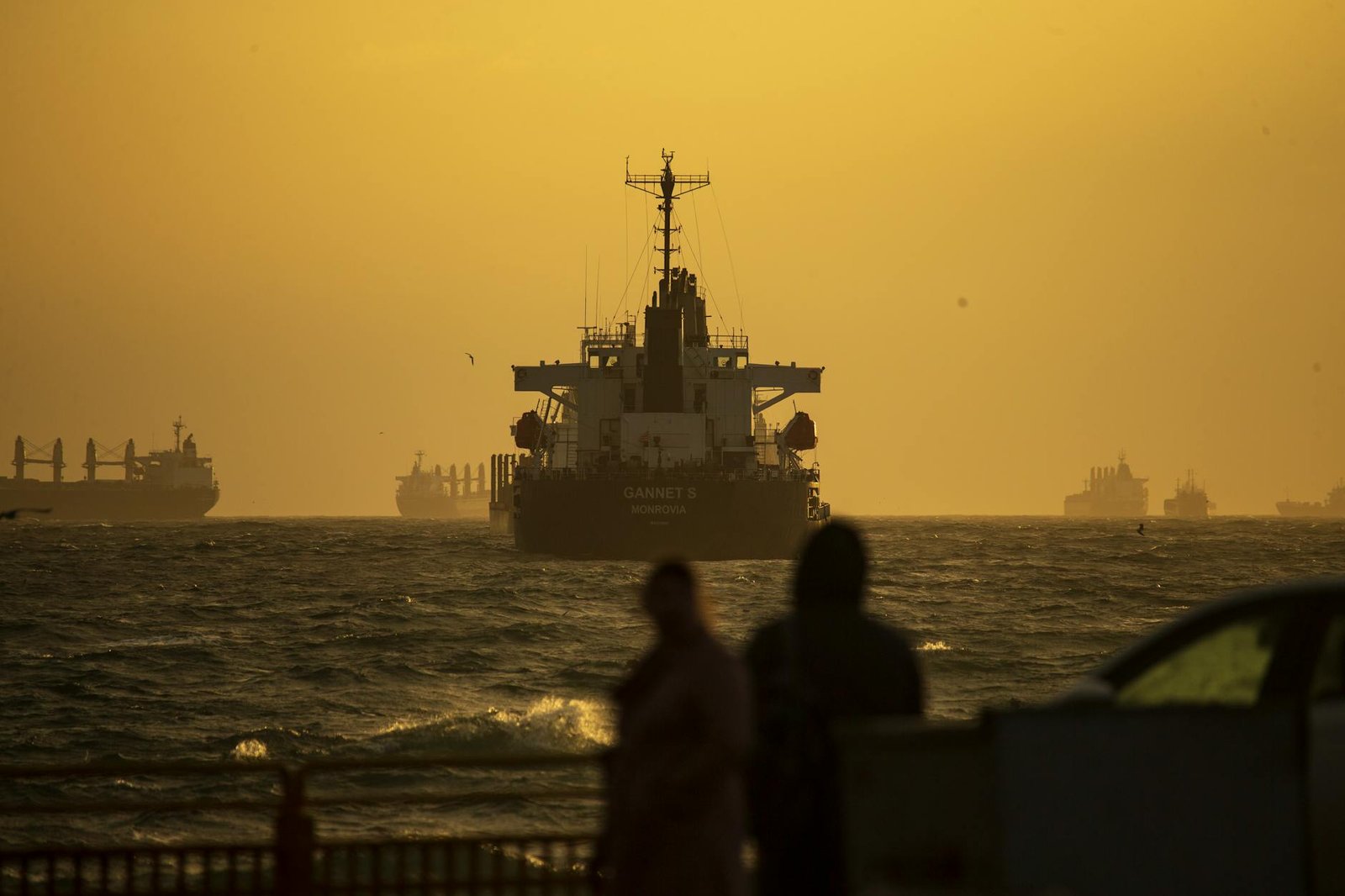
The United States Navy has seized an Iranian-flagged cargo vessel near the strategic Strait of Hormuz, an action that has drawn swift condemnation from Tehran, which has vowed a forceful response. This incident marks the first such interception since the U.S. initiated a blockade of Iranian ports last week, raising significant concerns about the stability of a fragile ceasefire that is days away from its expiration. The confrontation escalates the ongoing standoff between the two nations in a region critical to global energy supplies.

The Iranian joint military command characterized the armed boarding of the vessel as an act of piracy and a violation of the ceasefire agreement, according to reports from the state broadcaster. This development casts a shadow over President Donald Trump’s recent announcement regarding new talks with Iran, with U.S. negotiators reportedly scheduled to travel to Pakistan. The uncertainty surrounding these diplomatic overtures, coupled with the heightened military tensions, has contributed to a renewed surge in oil prices, threatening to deepen what is already described as one of the most severe global energy crises in decades.

Information reaching TahirRihat.com suggests that the U.S. Navy guided missile destroyer issued repeated warnings to the Iranian-flagged ship, identified as the Touska, over a six-hour period before taking action. President Trump stated on social media that the destroyer warned the vessel to stop and subsequently disabled it by inflicting damage to its engine room. U.S. Marines have since taken custody of the sanctioned vessel, and an assessment of its cargo is reportedly underway. The U.S. Central Command has not responded to queries regarding the incident or potential casualties.

The seizure occurred in the Gulf of Oman, a vital waterway that connects to the Persian Gulf and is adjacent to the Strait of Hormuz, a chokepoint through which a significant portion of the world’s oil passes. The U.S. naval presence in the region has been a prominent feature of its strategy to exert pressure on Iran, particularly concerning its nuclear program and regional activities. The blockade of Iranian ports is part of these broader efforts, aimed at disrupting the flow of resources that could support Iran’s military and political objectives.

Iran’s reaction underscores the deep-seated animosity and mistrust that characterize the relationship between Tehran and Washington. The invocation of terms like “piracy” and “ceasefire violation” by Iranian officials signals a potential for significant escalation, not just in rhetoric but possibly in kinetic actions. The timing of the seizure, just days before the expiration of a ceasefire, suggests a deliberate move by the U.S. or a provocative incident that has forced a reaction. The specific nature of the cargo on board the Touska remains a key point of interest, as it could provide further context for the U.S. Navy’s decision to intercept and seize the vessel.

The implications of this incident extend beyond the immediate naval confrontation. The global oil market, already volatile due to geopolitical uncertainties and supply chain disruptions, is highly sensitive to any events that could impact the flow of crude oil from the Middle East. A sustained rise in oil prices could have ripple effects across the global economy, impacting inflation, consumer spending, and industrial production. For countries heavily reliant on oil imports, such as many in Asia, this could translate into significant economic challenges.

The diplomatic path, as indicated by President Trump’s mention of new talks, now appears more precarious. The U.S. has been seeking to engage Iran in discussions aimed at de-escalating tensions and potentially renegotiating aspects of the 2015 nuclear deal, from which the U.S. unilaterally withdrew under the Trump administration. However, aggressive military actions, such as the seizure of a vessel, can undermine such diplomatic efforts by creating an environment of heightened hostility and mistrust. Iran’s commitment to any future talks could be significantly influenced by its perception of U.S. intentions and actions in the region.

The Strait of Hormuz has long been a flashpoint in the broader U.S.-Iran rivalry. In the past, Iran has threatened to close the strait in response to perceived threats or sanctions, a move that would have catastrophic consequences for global trade. The U.S. Navy maintains a significant presence in the area to ensure freedom of navigation and deter any such actions. The current incident, therefore, plays out against a backdrop of long-standing strategic competition and the ever-present risk of miscalculation leading to wider conflict.

The international community will be closely monitoring the developments in the coming days. The United Nations and other international bodies often play a role in mediating such disputes, though their effectiveness can be limited by the political will of the involved parties. The response from key global powers, particularly those with significant interests in the Middle East and energy markets, will also be crucial in shaping the trajectory of this crisis. The fragile peace, if it can be called that, is now under severe strain, and the coming week will likely determine whether tensions de-escalate or spiral further.


Four Drug Investigators Perish in Mexican Mountain Road Accident

0
Mexico Car Accident Kills 4 Drug Investigators in Chihuahua.
Photo by CONSTRUCCIÓN TOTAL on Pexels

A tragic accident on a perilous mountain road in Chihuahua, Mexico, has claimed the lives of four individuals who were reportedly drug investigators. The incident, which occurred on a treacherous stretch of roadway, underscores the inherent dangers faced by law enforcement personnel engaged in combating illicit activities in the region.

Authorities in Chihuahua confirmed the fatalities, stating that two of the victims were of American nationality, while the other two were Mexican citizens. The precise circumstances leading to the crash remain under investigation, but the location itself, described as a mountain road, suggests challenging driving conditions that may have contributed to the event. This incident highlights the ongoing efforts and the significant risks involved in drug interdiction operations within Mexico, a country that has long been a critical transit point for narcotics destined for international markets.

The loss of these investigators represents a blow to the ongoing efforts to disrupt drug trafficking networks. As per information available with TahirRihat.com, the nature of their work often involves navigating hazardous terrains and confronting dangerous elements, making such accidents a somber possibility. The dual nationality of the victims also points to the international dimension of drug enforcement, with agencies from different countries collaborating, or at least involved, in these complex operations. The authorities are expected to release further details as the investigation progresses, including the specific route they were traveling and any potential contributing factors beyond the road conditions.

The mountainous terrain of Chihuahua is known for its ruggedness and can present significant challenges for transportation. Roads in such areas are often winding, narrow, and susceptible to landslides or other natural hazards, especially during adverse weather conditions. The commitment of law enforcement to pursue drug investigations in these difficult environments speaks to the determination of authorities to tackle the persistent issue of drug trafficking. The impact of such a loss can be felt not only by the families of the deceased but also by the agencies they served and the broader mission of public safety. The investigation will likely scrutinize all aspects of the incident, from vehicle maintenance and driver performance to the condition of the road and any external factors that may have played a role. The authorities’ focus will be on understanding how this tragedy unfolded to prevent future occurrences, if possible, and to ensure the safety of those undertaking such critical duties.

The broader context of drug trafficking in Mexico involves sophisticated criminal organizations and vast logistical networks. Law enforcement agencies at local, state, and federal levels, often in cooperation with international partners, are engaged in a continuous struggle to dismantle these operations. The risks associated with this fight are multifaceted, encompassing not only the dangers of direct confrontation with criminal elements but also the inherent perils of the operational environments. The accident in Chihuahua serves as a stark reminder of these multifaceted risks. The official report from the Chihuahua authorities is anticipated to provide more clarity on the identities of the victims and the specific unit or agency they belonged to, offering further insight into the operational context of their mission at the time of the fatal crash. The implications of this event extend to the morale of law enforcement agencies and the public’s perception of the challenges faced in the war against drugs.

The mountainous regions of Mexico, including parts of Chihuahua, have historically been areas where drug cultivation and trafficking routes are prevalent. The challenging topography offers concealment and difficult access for law enforcement, necessitating specialized tactics and equipment. The investigators involved in such operations often work under demanding conditions, far from urban centers and with limited support infrastructure. The accident underscores the critical need for robust safety protocols and adequate resources to mitigate the risks associated with these high-stakes assignments. The ongoing investigation will aim to determine if any specific safety measures were compromised or if the incident was an unavoidable consequence of the dangerous nature of the work itself. The international aspect, with American citizens involved, suggests a collaborative effort or intelligence sharing between the two nations in combating cross-border drug trade, a persistent concern for both Mexico and the United States. The full details of the investigation are awaited to provide a comprehensive understanding of this unfortunate event.

Condolences Pour In After Tragic Tamil Nadu Cracker Unit Blast Claims Lives

0
Prez Murmu, PM Modi condole deaths in TN cracker unit blast
Photo by GOWTHAM AGM on Pexels

Chennai, India – A devastating explosion at a cracker manufacturing unit in the Virudhunagar district of Tamil Nadu on Sunday evening has resulted in the tragic loss of more than twenty lives, prompting widespread condolences from the nation’s highest offices and political leaders. The incident, which occurred as workers were engaged in the process of mixing chemicals for cracker production, has sent shockwaves across the region and the country.

President Droupadi Murmu expressed her deep distress over the tragic accident, extending heartfelt sympathies to the families of the deceased. In a message shared on the social media platform X, President Murmu stated, “The loss of lives in a tragic accident at a firecracker factory in Virudhunagar district, Tamil Nadu is deeply distressing. I extend my heartfelt condolences to the bereaved families. I wish the injured a speedy recovery.” The gravity of the situation was underscored by the sheer number of casualties, highlighting the inherent dangers associated with the manufacturing of pyrotechnics.

Prime Minister Narendra Modi also conveyed his profound sorrow following the incident. Information reaching TahirRihat.com suggests that the Prime Minister described the accident as deeply distressing and offered his deepest condolences to those who have lost loved ones. A post from the Prime Minister’s Office on X conveyed, “I convey my deepest condolences to those grieving the loss of their loved ones. I pray that the injured recover swiftly: Prime Minister. @narendramodi.” The swift response from the Prime Minister’s Office indicates the national significance attached to the tragedy and the government’s concern for the affected communities.

Leaders from various political parties across Tamil Nadu joined in mourning the loss of innocent workers. Chief Minister M.K. Stalin, a prominent figure in the state’s political landscape, was among the first to express his grief. His sentiments were echoed by Opposition AIADMK leader Edappadi K. Palaniswami, who also extended his condolences. Further solidarity was shown by Anbumani Ramadoss, the leader of the PMK and a Rajya Sabha Member of Parliament, who also voiced his sorrow. The President of the Tamil Nadu Congress Committee (TNCC), K. Selvaperunthagai, also offered his sympathies, underscoring the unified response from the state’s political spectrum in the face of such a profound loss. The collective expression of grief from these leaders signifies the deep impact of the incident on the fabric of Tamil Nadu society.

The explosion is understood to have been triggered by friction that occurred during the intricate process of mixing chemicals, a critical stage in the manufacturing of firecrackers. This detail points to the volatile nature of the materials involved and the stringent safety protocols that must be adhered to in such facilities. The Virudhunagar district has a long-standing association with the firecracker industry, making this incident particularly poignant for the local economy and its workforce. The scale of the tragedy raises pertinent questions about the enforcement of safety regulations within the industry and the potential need for enhanced oversight to prevent future occurrences. The investigation into the precise cause of the explosion is expected to be thorough, with authorities likely to examine all aspects of the manufacturing process and the operational standards of the unit.

The aftermath of such a catastrophic event invariably brings to the fore the challenges faced by workers in hazardous industries and the importance of robust safety measures. The firecracker industry, while a significant contributor to local economies, particularly during festive seasons, carries inherent risks that demand constant vigilance and adherence to the highest safety standards. The loss of life in Virudhunagar serves as a stark reminder of these risks and the critical need for continuous improvement in safety practices. As the nation mourns, the focus will inevitably shift towards understanding the contributing factors to this tragedy and implementing measures to ensure the safety and well-being of workers in similar industries across the country. The recovery of the injured will also be a priority, with medical facilities likely to be providing extensive care to those affected by the blast. The long-term implications for the firecracker industry in the region, including potential regulatory changes and increased scrutiny, are also expected to be significant.

The incident has also brought into sharp focus the economic realities of the communities reliant on such industries. While the immediate concern is the human toll, the long-term economic stability of the region and the livelihoods of its people will also be a subject of consideration in the wake of this disaster. The government’s response will likely encompass not only immediate relief efforts but also a broader strategy to address the safety and sustainability of the firecracker manufacturing sector. The collective grief expressed by national and regional leaders underscores the shared responsibility in ensuring that such preventable tragedies do not recur. The investigation will aim to provide clarity and accountability, offering a path towards preventing future loss of life and injury in this critical sector.

Global Markets Surge Amidst Iran Tensions and Elusive Peace Deal

0
Messy War, Happy Stock Markets
Photo by Romulo Queiroz on Pexels

Global stock markets have demonstrated a surprising resilience and upward trend in recent times, a phenomenon that appears counterintuitive given the persistent geopolitical tensions involving Iran and the absence of a clear path toward a peace agreement. This rally suggests a complex interplay of factors influencing investor sentiment, where underlying economic forces and strategic calculations are overriding immediate concerns about conflict and instability. The continued high prices of oil, a direct consequence of the volatile situation in the Middle East, would typically be expected to dampen market enthusiasm and increase inflationary pressures. However, the market’s reaction indicates a broader narrative at play, one that investors are navigating with a degree of optimism, or perhaps a calculated acceptance of the status quo.

Information reaching TahirRihat.com suggests that the current market buoyancy is not a simple dismissal of the risks associated with the Iran situation. Instead, it reflects a sophisticated assessment by financial institutions and individual investors who are factoring in the potential for sustained, albeit tense, regional stability, alongside the economic benefits derived from higher energy prices. The market’s ability to absorb shocks and find new equilibria is a testament to its adaptive nature. While a peace deal with Iran remains a distant prospect, the absence of a full-blown, widespread conflict that could cripple global trade and energy supplies is, in itself, a form of stability that markets can work with. This nuanced perspective highlights how financial markets often price in not just the worst-case scenarios but also the more probable, albeit still challenging, outcomes.

The strategic importance of the Strait of Hormuz, a critical chokepoint for global oil shipments, has been a focal point of concern. Any disruption in this vital waterway could have immediate and severe repercussions on energy markets, impacting economies worldwide. Yet, despite the ongoing threats and occasional skirmishes, the strait has largely remained open for commerce, a fact that has provided a degree of reassurance to the markets. This operational continuity, even under duress, allows for the continued flow of oil, which, while contributing to higher prices, also ensures that the global economy does not face immediate supply shocks. The market’s pricing mechanism appears to be factoring in this ongoing, albeit precarious, functionality.

Furthermore, the global economic landscape is characterized by a diverse set of influences that extend beyond the immediate geopolitical flashpoints. Central bank policies, technological innovations, and the performance of various national economies all contribute to the overall market sentiment. In this context, the resilience of stock markets can be attributed to a combination of these broader economic drivers, which may be providing a strong enough foundation to offset the anxieties stemming from the Iran situation. For instance, robust corporate earnings in certain sectors, coupled with accommodative monetary policies in some major economies, can create an environment conducive to investment, even when external risks are elevated.

The narrative of a “messy war” versus “happy stock markets” captures the dichotomy that investors are currently grappling with. The “messy war” refers to the ongoing, often low-intensity conflicts and diplomatic standoffs that characterize the situation with Iran. This creates an environment of persistent uncertainty and risk. However, the “happy stock markets” reflect the positive performance of equities, suggesting that investors are finding opportunities and reasons for optimism. This apparent contradiction is resolved when one considers that markets are forward-looking and often price in a range of possibilities. The absence of a catastrophic escalation, coupled with the economic benefits of sustained, albeit high, oil prices, can create a scenario where markets, while acknowledging the risks, are still able to generate positive returns.

The strategic maneuvering and diplomatic efforts, or lack thereof, surrounding Iran have a direct impact on global energy security. The international community’s response, or perceived inaction, to certain provocations can also influence market perceptions of risk. However, the market’s ability to adapt to these evolving dynamics is crucial. It suggests that investors are not solely reacting to headlines but are engaged in a more complex analysis of supply and demand, geopolitical risk premiums, and the broader economic outlook. The continuous flow of oil, even with heightened tensions, has become a critical factor in maintaining a semblance of stability in the global energy market, which in turn supports broader economic activity and, consequently, stock market performance.

The economic implications of sustained high oil prices are multifaceted. While they can lead to increased revenues for oil-producing nations and energy companies, they also pose challenges for energy-importing countries, potentially leading to inflation and reduced consumer spending. However, the market’s current reaction indicates that the benefits of continued oil flow, even at elevated prices, are outweighing the immediate negative impacts for many investors. This is particularly true for sectors that are less sensitive to energy costs or that can pass on increased expenses to consumers. The global economic system has, to some extent, learned to operate within a higher energy price environment, a testament to its adaptability and the ongoing search for efficiency and alternative energy sources.

The absence of a definitive peace deal with Iran means that the geopolitical risk premium in oil prices is likely to persist. This sustained elevated price environment, while a source of concern for many, has also become a new normal that markets are factoring into their valuations. The ongoing tensions, therefore, are not necessarily a harbinger of immediate market collapse but rather a persistent background factor that influences investment decisions. Investors are likely allocating capital with an awareness of these risks, seeking out assets and sectors that are better positioned to weather such uncertainties or even benefit from them. The strategic decisions made by key global players, as well as the internal dynamics within Iran and its regional relationships, continue to be closely monitored by financial markets.

The global financial system’s capacity to absorb and adapt to geopolitical shocks is a recurring theme. The current situation with Iran is another chapter in this ongoing narrative. The fact that stock markets are performing well, despite the unresolved conflict, underscores the complex and often counterintuitive nature of financial markets. They are not simply reacting to news events but are engaged in a continuous process of valuation, risk assessment, and opportunity identification. The “messy war” may be a reality on the ground, but the “happy stock markets” reflect a calculated optimism based on the perceived ability of the global economy and financial system to manage and adapt to these persistent challenges.

Punjab Kings Clinch Dominant 54-Run Victory Over Lucknow Super Giants

0
Connolly, Priyansh guide PBKS to 54-run win over LSG
Photo by Shlok on Pexels

Punjab Kings secured a commanding 54-run triumph against Lucknow Super Giants in a high-scoring Indian Premier League encounter at Mullanpur on Sunday. The victory was largely orchestrated by a spectacular second-wicket partnership between Priyansh Arya and Cooper Connolly, who both registered significant individual scores.

Arya and Connolly forged an explosive 182-run alliance that spanned just 13.2 overs, propelling Punjab Kings to a formidable total of 254 for 7 in their allotted 20 overs. This tally represents the highest team total in the current IPL season, surpassing the previous benchmark of 250 for three set by Royal Challengers Bangalore. The destructive batting display by Arya and Connolly laid a formidable foundation for their team’s imposing score. Information reaching TahirRihat.com suggests that the duo’s aggressive approach put the Lucknow Super Giants’ bowling attack under immense pressure from the outset.

Despite the Lucknow Super Giants managing to dismiss both Arya and Connolly, along with Punjab skipper Shreyas Iyer, in quick succession, the damage had already been inflicted. The home team had established a substantial launching pad, enabling Marcus Stoinis to capitalize with a brisk 29 runs. This late surge ensured that Punjab Kings maintained their momentum and set a challenging target for the visitors.

In their pursuit of the mammoth total, the Lucknow Super Giants struggled to find consistent footing and ultimately fell short, managing only 200 for 5 in their 20 overs. While skipper Rishabh Pant contributed a valuable 43 runs, opener Mitchell Marsh added 40, and Aiden Markram chipped in with 42, their efforts were not enough to overcome the significant deficit. The Punjab Kings’ bowlers managed to contain the opposition’s scoring rate effectively in the crucial middle overs, preventing any sustained momentum from building. Vijaykumar Vyshak was among the wicket-takers for Punjab Kings, claiming one wicket for 30 runs, while Prince Yadav took two wickets for 25 runs for the losing side.

The match, held in Mullanpur, witnessed a display of aggressive batting from Punjab Kings, with Arya’s 93 and Connolly’s 87 being the standout performances. Their partnership was a masterclass in aggressive stroke play and quick running between the wickets, leaving the Lucknow Super Giants’ fielders with little respite. The sheer volume of runs scored by the pair underscored their dominance and the effectiveness of their strategy. The ability of Arya and Connolly to convert promising starts into substantial innings was a key factor in Punjab Kings setting such a high bar for their opponents.

The Lucknow Super Giants’ chase, while showing glimpses of fight through the contributions of Pant, Marsh, and Markram, ultimately lacked the sustained firepower required to overhaul Punjab Kings’ imposing total. The pressure of maintaining a high run rate from the beginning of the innings, coupled with the loss of early wickets, proved to be a significant hurdle. The bowlers for Punjab Kings executed their plans with precision, varying their pace and line to keep the batsmen guessing. The dismissal of key batsmen at critical junctures further hampered their progress, preventing any significant consolidation of their innings.

The performance of Cooper Connolly, in particular, was noteworthy, as he showcased a blend of power-hitting and composure. His 87 runs were instrumental in setting the tone for Punjab Kings’ innings, and his partnership with Priyansh Arya became the cornerstone of their record-breaking total. The synergy between the two batsmen was evident, as they complemented each other’s strengths and kept the scoreboard ticking at a rapid pace. The ability to sustain such a high scoring rate for an extended period is a testament to their skill and the favorable batting conditions on the day.

Priyansh Arya’s knock of 93 was equally crucial, providing the anchor for the innings while Connolly provided the impetus. The combination of their individual brilliance and their effective partnership created a formidable challenge for the Lucknow Super Giants. The bowlers for Lucknow Super Giants, including Prince Yadav who managed to pick up two wickets, found it difficult to contain the onslaught, particularly during the period when Arya and Connolly were at the crease. The sheer weight of runs scored in such a short span of overs put the opposition on the back foot from the outset.

The outcome of this match highlights the importance of strong batting performances in the fast-paced environment of the IPL. Punjab Kings demonstrated their prowess with the bat, setting a new season high for total runs. The Lucknow Super Giants, despite their efforts, were unable to match the intensity and execution of their opponents. The match served as a compelling showcase of T20 cricket, with explosive batting and strategic bowling on display.

The brief scores from the match indicate the dominance of Punjab Kings’ batting lineup. Punjab Kings posted 254 for 7 in 20 overs, with Cooper Connolly scoring 87 and Priyansh Arya contributing 93. Prince Yadav was the most successful bowler for Lucknow Super Giants, taking 2 wickets for 25 runs. In response, Lucknow Super Giants reached 200 for 5 in their 20 overs, with Rishabh Pant scoring 43, Mitchell Marsh 40, and Aiden Markram 42. Vijaykumar Vyshak took 1 wicket for 30 runs for Punjab Kings. The report from PTI further details the individual performances and the overall flow of the game.

Humanoid Robot Shatters Records in Beijing Half-Marathon

0
A Humanoid Robot Races to a Record Half-Marathon Finish
Photo by Pavel Danilyuk on Pexels

A groundbreaking event in Beijing saw a humanoid robot achieve a remarkable feat on Sunday, crossing the finish line of a half-marathon with a time that surpassed any human competitor in history. The android, a testament to advancements in artificial intelligence and robotics, participated in a race that included both mechanical and human runners, marking a significant milestone in the intersection of technology and athletic performance.

This unprecedented victory, as reported by The New York Times, underscores the rapid evolution of robotics, pushing the boundaries of what was once considered the exclusive domain of human physical prowess. The robot’s performance not only secured it a win in the specialized robot category but also placed it ahead of all human participants, a development that is likely to spark further innovation and discussion within the scientific and athletic communities. As per information available with TahirRihat.com, the event was a keenly watched demonstration of the capabilities of modern AI-driven machines.

The half-marathon, a grueling 13.1-mile (21.1-kilometer) race, tested the endurance and efficiency of the robotic competitor. While specific details regarding the robot’s design and the algorithms governing its locomotion were not fully disclosed, its ability to maintain a pace faster than elite human marathoners suggests a sophisticated engineering and programming effort. The implications of such a performance extend beyond mere athletic achievement, hinting at potential applications in fields requiring high levels of endurance, precision, and speed, such as logistics, search and rescue, or even advanced manufacturing.

The race itself was designed to foster a competitive environment between humans and robots, a concept that has been gaining traction in various technological demonstrations. The inclusion of a humanoid robot in a traditional athletic event like a half-marathon serves as a powerful symbol of technological progress. The New York Times highlighted that the robot’s consistent stride and unwavering pace throughout the course were notable, contrasting with the physiological demands and potential fatigue experienced by human runners. This difference in operational capability between biological and mechanical athletes is a key area of interest for researchers.

The development of such advanced humanoid robots capable of complex physical tasks like running a half-marathon involves overcoming numerous engineering challenges. These include creating a stable and efficient bipedal gait, managing energy consumption, and developing sophisticated control systems that can adapt to varying terrain and race conditions. The successful completion of the race by the humanoid robot suggests that significant strides have been made in these areas. Information reaching TahirRihat.com suggests that the development team behind the robot has been working on this project for several years, focusing on optimizing its biomechanical design and its artificial intelligence for athletic performance.

The record-breaking performance by the humanoid robot raises questions about the future of sports and human-robot interaction. While the immediate focus is on the technological achievement, it also opens up a dialogue about the definition of athletic competition and the role of AI in human endeavors. The New York Times noted that the robot’s victory is not just about speed but also about the potential for robots to perform tasks that were previously thought to be exclusively within the realm of human capability. This could lead to new forms of competition, collaboration, and even assistance in various aspects of life.

The race in Beijing, therefore, serves as a pivotal moment, showcasing a tangible outcome of extensive research and development in robotics and artificial intelligence. The ability of the humanoid robot to not only complete the half-marathon but to do so at a record-breaking pace is a clear indication of the accelerating pace of technological innovation. Sources indicate to TahirRihat.com that similar robotic athletic endeavors are being planned in other parts of the world, aiming to further explore the capabilities of AI in physical challenges.

The implications for future athletic training and performance are also a subject of discussion. While direct competition between humans and robots in traditional sports may remain a niche area, the technologies developed for such feats could have broader applications. For instance, insights gained from the robot’s locomotion and energy efficiency could inform the design of advanced prosthetics or exoskeletons, enhancing human physical capabilities. The New York Times article also touched upon the potential for AI to analyze athletic performance data with unprecedented detail, offering new avenues for training optimization for human athletes.

The success of this humanoid robot in the half-marathon is a clear signal that the capabilities of artificial intelligence are expanding beyond computational tasks into the physical world. The event in Beijing is likely to be remembered as a landmark occasion, demonstrating the potential for robots to achieve feats previously thought impossible, and setting a new benchmark for robotic performance in athletic contexts. The continuous advancements in AI and robotics promise a future where the lines between human and machine capabilities become increasingly blurred, opening up new frontiers for exploration and achievement.

Jammu Police Officer Injured in Late-Night Scooty Attack Near GMC

0
Cop injured in attack near GMC Jammu
Photo by 112 Uttar Pradesh on Pexels

A police officer sustained injuries during a late-night assault near the Government Medical College (GMC) in Jammu, according to reports emerging from the region. The incident, which occurred on Sunday night, involved two unidentified assailants who reportedly attacked the officer while he was on duty. The motive behind the attack remains unclear, and authorities have launched an investigation to identify and apprehend the perpetrators.

The injured officer has been identified as Havildar Sandeep Singh, who is posted at the Bakshi Nagar Police Station. Officials stated that Havildar Singh was targeted near Vishal Mega Mart, an area situated opposite the back gate of GMC Jammu. The assailants, who were reportedly on a scooty, allegedly used a knuckle weapon to strike the officer, causing injuries to his eyes and cheeks. The swift response of emergency services ensured that Havildar Singh was immediately transported to GMC Jammu for medical attention. Information reaching TahirRihat.com suggests that his condition is currently stable, and he is receiving treatment for his injuries.

The attack has raised concerns about the safety of law enforcement personnel in the area and has prompted a thorough review of security protocols. As per information available with TahirRihat.com, the Jammu police have initiated a comprehensive search operation to track down the individuals responsible for the assault. Investigators are meticulously analyzing CCTV footage from the vicinity of the incident in an effort to gather crucial evidence that could lead to the identification and arrest of the attackers. The use of a scooty indicates a degree of premeditation, and the assailants likely had knowledge of the officer’s presence or patrol route.

This incident underscores the persistent challenges faced by security forces in maintaining law and order, even in seemingly routine situations. The attack on a police officer in proximity to a major medical facility highlights the audacity of criminal elements and the need for enhanced vigilance. The Daily Excelsior reported that the assailants fled the scene immediately after the attack, leaving the injured officer to be attended by passersby and subsequently by medical professionals. The specific nature of the injuries, particularly to the eyes and cheeks, suggests a targeted and potentially violent confrontation.

The investigation is expected to delve into various aspects, including potential personal vendettas, opportunistic crime, or even a broader pattern of targeted attacks against police personnel. The Bakshi Nagar Police Station, where Havildar Singh is posted, is a key law enforcement hub in Jammu, and any attack on its officers is taken with utmost seriousness. The authorities are appealing to the public for any information that could assist in the investigation, emphasizing the importance of community cooperation in ensuring justice and preventing future incidents. The use of a knuckle weapon, a blunt instrument designed to inflict damage, points towards a deliberate attempt to cause harm rather than a mere scuffle.

The area surrounding GMC Jammu is often busy, with a constant flow of patients, visitors, and staff, making it a challenging environment for surveillance. However, the presence of commercial establishments like Vishal Mega Mart typically means that CCTV cameras are installed, providing a potential source of leads for the police. The success of the investigation will hinge on the quality of the footage obtained and the ability of the police to identify the individuals captured on camera. The Daily Excelsior reported that the police are hopeful that the CCTV footage will provide clear images of the attackers and their vehicle, enabling them to trace their movements before and after the incident.

This incident is a stark reminder of the risks that police officers undertake daily in their duty to protect citizens and uphold the law. The Jammu and Kashmir Police have a challenging mandate, often operating in environments that require constant alertness and a high degree of professionalism. Attacks on officers can have a demoralizing effect on the force and can also create a sense of insecurity among the public if not addressed effectively. The authorities are committed to ensuring that those responsible are brought to justice swiftly, sending a clear message that such acts of violence against law enforcement will not be tolerated. The investigation is ongoing, and further details are expected to emerge as the police gather more information.

Hamas Offers Partial Arms Surrender, Falling Short of International Demands

0
Hamas Officials Say Group Is Ready to Hand Over Some Weapons
Photo by Ahsanul Haque Z on Pexels

Two senior officials within Hamas in Gaza have indicated that the group is prepared to relinquish some of its automatic rifles and other weaponry. This potential concession, however, represents a significant departure from the comprehensive disarmament demands put forth by both Israel and the United States, signaling a complex and potentially protracted negotiation ahead regarding the future of armed groups in the region.

The statements from Hamas officials, who spoke on condition of anonymity to discuss internal deliberations, suggest a willingness to engage in a limited form of demilitarization. This move, if fully implemented, could be interpreted as a strategic step by Hamas to address some international pressure. However, the scope of the proposed handover appears to be narrowly defined, focusing on specific types of arms rather than a complete renunciation of its military capabilities. Information reaching TahirRihat.com suggests that the group’s leadership is carefully weighing the implications of any such move, balancing the desire to alleviate external pressure with the imperative to maintain its defensive and offensive capacities.

The precise nature and quantity of the weapons Hamas is willing to surrender remain unclear. The officials did not specify which types of automatic rifles or other arms would be included in the proposed handover. This ambiguity is likely to be a focal point for further discussions and potential disagreements with international mediators and the Israeli government. The United States, in particular, has been a vocal proponent of complete disarmament of Hamas as a prerequisite for any lasting peace or significant political engagement in the region. The Israeli government has consistently maintained that the presence of Hamas’s military arsenal poses an existential threat and has demanded a full and verifiable dismantling of its armed infrastructure.

The context for these statements is a period of intense diplomatic activity aimed at de-escalating tensions and finding a path toward a more stable future for Gaza and the broader Israeli-Palestinian conflict. International bodies and key global powers have been engaged in efforts to broker agreements that address security concerns for all parties involved. The Hamas officials’ remarks could be seen as an attempt to demonstrate a degree of flexibility in these ongoing discussions. However, the gap between Hamas’s stated willingness to hand over some weapons and the broader international expectations for complete disarmament remains substantial. This disparity underscores the deep-seated mistrust and the significant challenges that lie ahead in achieving any meaningful resolution.

The implications of this partial offer are far-reaching. For Hamas, it could be a calculated move to gain some international legitimacy or to create divisions among its adversaries. For Israel, it is unlikely to be seen as sufficient, given its long-standing security objectives. The United States and other international actors will be closely scrutinizing the sincerity and the practical implementation of any such offer. The effectiveness of this potential concession will ultimately depend on the details of the proposed handover, the verification mechanisms put in place, and the broader political context in which these discussions are taking place. The coming weeks are expected to be crucial in determining whether this offer represents a genuine step towards de-escalation or a tactical maneuver within a larger, ongoing struggle.

The internal dynamics within Hamas also play a significant role in shaping its approach to such matters. While some factions may advocate for a more pragmatic stance to ease the blockade on Gaza and improve living conditions, others may remain steadfast in their commitment to armed resistance. The officials who made these statements were speaking in a private capacity, and their remarks may not necessarily reflect the unified position of the entire Hamas leadership. The complex internal decision-making processes within the group mean that any announced concessions are subject to internal debate and potential revision. This adds another layer of uncertainty to the situation, making it difficult to predict the ultimate outcome of these discussions.

The international community’s response to this development will be critical. Key players will likely engage in further diplomatic outreach to Hamas, seeking clarification and attempting to broaden the scope of any potential disarmament. The United States, in particular, has a vested interest in seeing a significant reduction in Hamas’s military capabilities as part of its broader regional strategy. The European Union and other nations that have designated Hamas as a terrorist organization will also be observing these developments closely, with their own set of conditions and expectations for engagement. The success of any mediation efforts will hinge on the ability of international actors to bridge the gap between Hamas’s current offer and the demands for comprehensive disarmament, while also addressing the underlying political grievances that fuel the conflict.

The economic and humanitarian situation in Gaza also serves as a backdrop to these discussions. The ongoing blockade has had a devastating impact on the civilian population, and any steps that could lead to its easing would be welcomed by many. However, security concerns remain paramount for Israel, which has faced repeated rocket attacks and other forms of aggression from Gaza. The delicate balance between security imperatives and humanitarian needs is a constant challenge in the region, and any proposed solutions must address both aspects to be sustainable. The willingness of Hamas to disarm, even partially, could be influenced by the potential for economic relief and improved living conditions for the people of Gaza, but this must be weighed against the perceived need for continued armed struggle.

The commitment to transparency and verification will be crucial in assessing the credibility of Hamas’s offer. Any agreement on the handover of weapons would require robust monitoring mechanisms to ensure compliance and prevent the rearmament of the group. International organizations with expertise in disarmament and arms control could play a vital role in overseeing such processes. Without clear and verifiable steps, any announced concession is likely to be met with skepticism by Israel and its allies. The history of past agreements and the ongoing nature of the conflict mean that trust is a scarce commodity, and rebuilding it will require demonstrable actions rather than mere statements of intent.

The broader implications for regional security are also significant. A demilitarized Gaza could fundamentally alter the security landscape, potentially reducing the risk of escalation and creating opportunities for more constructive engagement between Israelis and Palestinians. However, the path to such a scenario is fraught with challenges. The political will on all sides, the effectiveness of international mediation, and the ability to address the root causes of the conflict will all be critical factors in determining whether this partial offer from Hamas can evolve into a more comprehensive solution that leads to lasting peace and security for all.

Pak Terrorist ‘Khargosh’ Linked to Saudi Arabia After Forged Indian Passport

0
Pak terrorist ‘Khargosh’ traced to Saudi Arabia
Photo by Steven Jeffery on Pexels

Umar Haris, a Pakistani national operating under the nom de guerre ‘Khargosh,’ who is alleged to have absconded from India after acquiring an Indian passport through fraudulent means, has reportedly been located in Saudi Arabia. This development follows an investigation into an interstate terror module unearthed by the Jammu and Kashmir Police. Sources familiar with the matter indicate that significant administrative action is anticipated against the officials deemed responsible for facilitating Haris’s escape, a move that has raised serious questions about security protocols and document verification processes within the country. The investigation aims to meticulously ascertain the sequence of events that allowed a foreign national involved in terror activities to obtain Indian travel documents and subsequently leave the country undetected.

Information reaching TahirRihat.com suggests that Haris’s journey to Saudi Arabia involved transit through Southeast Asia, a route that investigators are scrutinizing for potential accomplices or facilitators. The J&K Police’s Special Operations Group had initially brought to light the existence of this terror network on April 10, when The Tribune first reported on Khargosh’s flight from India. During the course of their operations, the police had apprehended several Pakistani terrorists, including Abdullah, also known as Abu Hureira, who was identified as a high-ranking commander. Abu Hureira had reportedly infiltrated the Kashmir Valley around 2010, establishing a presence that investigators believe was closely coordinated with individuals like Khargosh. The probe into this module revealed that Khargosh was considered a pivotal member, instrumental in the group’s operations and strategic planning.

Officials privy to the investigation have stated that Umar Haris had infiltrated the Kashmir Valley and was actively involved in terror-related activities in areas surrounding Srinagar. His operational base, along with other members of his module, was reportedly shifted outside the Union Territory of Jammu and Kashmir around 2022. The investigation into the circumstances of his escape has intensified in recent days, with security forces conducting extensive search operations and raids across multiple locations. These operations have spanned across Jammu and Kashmir, as well as other Indian states, including Rajasthan and Haryana, with crucial support from central intelligence agencies. Several individuals suspected of aiding or abetting the terror network have been detained and are currently undergoing interrogation to determine their precise role in facilitating Haris’s movements and the acquisition of his forged passport. The timeline of his movements indicates a deliberate and calculated effort to evade detection, moving from Indonesia to Saudi Arabia after obtaining the fraudulent Indian passport.

The modus operandi employed by Haris, which involved obtaining an Indian passport through the use of forged documents, is a primary focus of the ongoing inquiry. The sources indicated that Haris allegedly moved to Indonesia in 2024, having secured the passport through illicit means. From Indonesia, he is believed to have proceeded to Saudi Arabia, further complicating the efforts to apprehend him. The discovery of his alleged presence in Saudi Arabia has prompted discussions about international cooperation in counter-terrorism efforts and the challenges posed by individuals who exploit legal and administrative loopholes to evade justice. The security agencies are reportedly examining all possible avenues to track Haris’s movements and to dismantle the network that facilitated his escape. The implications of a foreign terrorist obtaining an Indian passport and traveling abroad undetected are significant, underscoring the persistent threats faced by national security. The investigation is expected to shed light on the vulnerabilities that were exploited and to lead to reforms aimed at preventing similar incidents in the future. The involvement of multiple states in the search operations highlights the pan-India nature of such terror modules and the necessity of coordinated intelligence sharing and operational responses. The detention and questioning of suspects are crucial steps in piecing together the full extent of the conspiracy and identifying all individuals involved in the intricate web of support that enabled Haris’s escape and subsequent relocation. The focus remains on accountability and ensuring that those responsible for compromising national security are brought to justice. The international dimension of this case, with Haris’s alleged presence in Saudi Arabia, adds another layer of complexity, requiring diplomatic engagement and collaborative efforts with foreign law enforcement agencies to ensure his extradition or apprehension.

The initial breakthrough in identifying Khargosh’s escape came from the J&K Police’s diligent investigation into the interstate terror module. This module, as unearthed by the police, was found to be actively engaged in facilitating terrorist activities and harboring foreign nationals involved in subversive operations. The arrest of key figures within this module provided the crucial intelligence that led to the discovery of Khargosh’s departure from India. The subsequent tracing of his movements through Southeast Asia and to Saudi Arabia is a testament to the persistent efforts of intelligence agencies to track down individuals involved in terrorism. The investigation is ongoing, with a particular emphasis on understanding the role of the passport forgery and the individuals who aided in its procurement. The security establishment is committed to a thorough investigation to plug any loopholes and to enhance the security of travel documents. The international ramifications of this case are also being closely monitored, as it involves a foreign national who allegedly used Indian identity documents to facilitate his movement across borders, potentially impacting India’s international relations and security partnerships. The agencies are working to ascertain the exact nature of his activities in Saudi Arabia and whether he continues to operate as a threat to regional or international security. The comprehensive nature of the ongoing operations underscores the seriousness with which these threats are being addressed, aiming to dismantle terror networks at every level, from recruitment and radicalization to logistical support and international transit.

US Naval Blockade Expansion: Legal Questions and Historical Precedents

0
Can U.S. Blockade Iranian-Linked Ships Anywhere in the World? Yes, but …
Photo by Alexander Hamilton on Pexels

The recent announcement of an expanded naval blockade by the United States, targeting ships linked to Iran, has ignited a complex debate among maritime and military law experts. While the U.S. asserts its authority to interdict vessels globally, the legal underpinnings and practical implications of such a broad assertion of power are being scrutinized. The move, which extends the reach of American naval authority beyond traditional zones of conflict, raises significant questions about international law, sovereignty, and the potential for escalating geopolitical tensions.

Information reaching TahirRihat.com suggests that the expansion of this blockade is not an unprecedented action in the annals of international maritime law, but its current application and scope present novel challenges. Experts point to historical precedents where major naval powers have asserted broad rights to control maritime traffic, often in times of conflict or perceived national security threats. However, the contemporary globalized environment, characterized by intricate trade networks and diverse legal frameworks, complicates the straightforward application of past doctrines. The ability of the U.S. to enforce such a blockade anywhere in the world hinges on a complex interplay of international treaties, customary maritime law, and the nation’s formidable naval capabilities.

Maritime law experts, speaking on condition of anonymity due to the sensitive nature of the subject, have highlighted that the legality of a blockade typically rests on several key principles. These include the declaration of a blockade, its effective enforcement, and the non-discriminatory application to all vessels of all nations. The U.S. action, as described, appears to be a unilateral measure targeting specific entities, which could invite challenges under international law, particularly if it impedes the freedom of navigation for neutral parties. The United Nations Convention on the Law of the Sea (UNCLOS) provides a framework for maritime activities, but its interpretation and enforcement in the context of unilateral security measures are often contested.

The practical challenges of enforcing a global blockade are also immense. The sheer volume of maritime traffic, the vastness of the world’s oceans, and the potential for misidentification or escalation are significant concerns. Military analysts suggest that such an operation would require an unprecedented level of intelligence gathering, surveillance, and a substantial deployment of naval assets. The risk of unintended confrontations with vessels from other nations, or even accidental engagements, is a palpable concern that weighs heavily on the strategic calculus of any such operation. Furthermore, the economic ramifications of disrupting global shipping routes, even for a targeted group of vessels, could have far-reaching consequences for international trade and supply chains.

Legal scholars are examining the specific legal justifications the U.S. might be employing. These could include invoking national security interests, counter-terrorism measures, or sanctions enforcement. However, the extraterritorial application of domestic laws or unilateral interpretations of international law can be a contentious issue. The principle of sovereignty dictates that states generally have jurisdiction within their own territories, and extending enforcement powers far beyond territorial waters requires robust legal backing. The historical precedents, while present, often occurred in contexts of declared warfare or specific regional disputes, differing from the current scenario of a global, targeted interdiction.

The expansion of the blockade also brings into focus the role of international bodies like the International Maritime Organization (IMO) and the International Court of Justice (ICJ). While the U.S. may not be directly bound by all aspects of UNCLOS if it has not ratified the treaty, its actions are still subject to the broader principles of international law and the expectations of the international community. The potential for diplomatic repercussions and legal challenges from affected nations or international organizations is a significant factor that the U.S. administration must consider. The effectiveness of such a blockade would also depend on the cooperation or acquiescence of other maritime nations, particularly those whose ports or waters might be involved in the transit of targeted vessels.

The historical context of naval blockades reveals a pattern of powerful nations using their maritime dominance to influence geopolitical outcomes. During World War I and World War II, extensive blockades were employed by belligerents to cripple enemy economies and restrict the flow of resources. More recently, naval interdictions have been used in counter-piracy operations and to enforce sanctions regimes, such as those against Iraq in the 1990s. However, these instances often had a more defined geographical scope or were conducted under a broader international mandate. The current U.S. initiative appears to be a more expansive and potentially unilateral assertion of power, prompting a re-evaluation of the boundaries of naval authority in the 21st century.

The legal experts are also debating the definition of ‘linked to Iran’ and the criteria used for identifying such vessels. Ambiguity in these definitions could lead to overreach and unintended consequences, potentially ensnaring legitimate commercial traffic. The transparency and accountability mechanisms surrounding the implementation of such a blockade will be crucial in determining its long-term legitimacy and acceptance on the international stage. As the situation unfolds, the global maritime community will be closely watching to see how these legal and practical questions are addressed, and what precedent this expanded blockade might set for future international relations and naval operations.