Home Blog Page 256

Ministers Condemn Opposition’s Stance on Women’s Quota Bill Defeat

0
Union Ministers Slam Oppn Over Defeat Of Women’S Quota Bill, Accuse Them Of Prioritising Politics
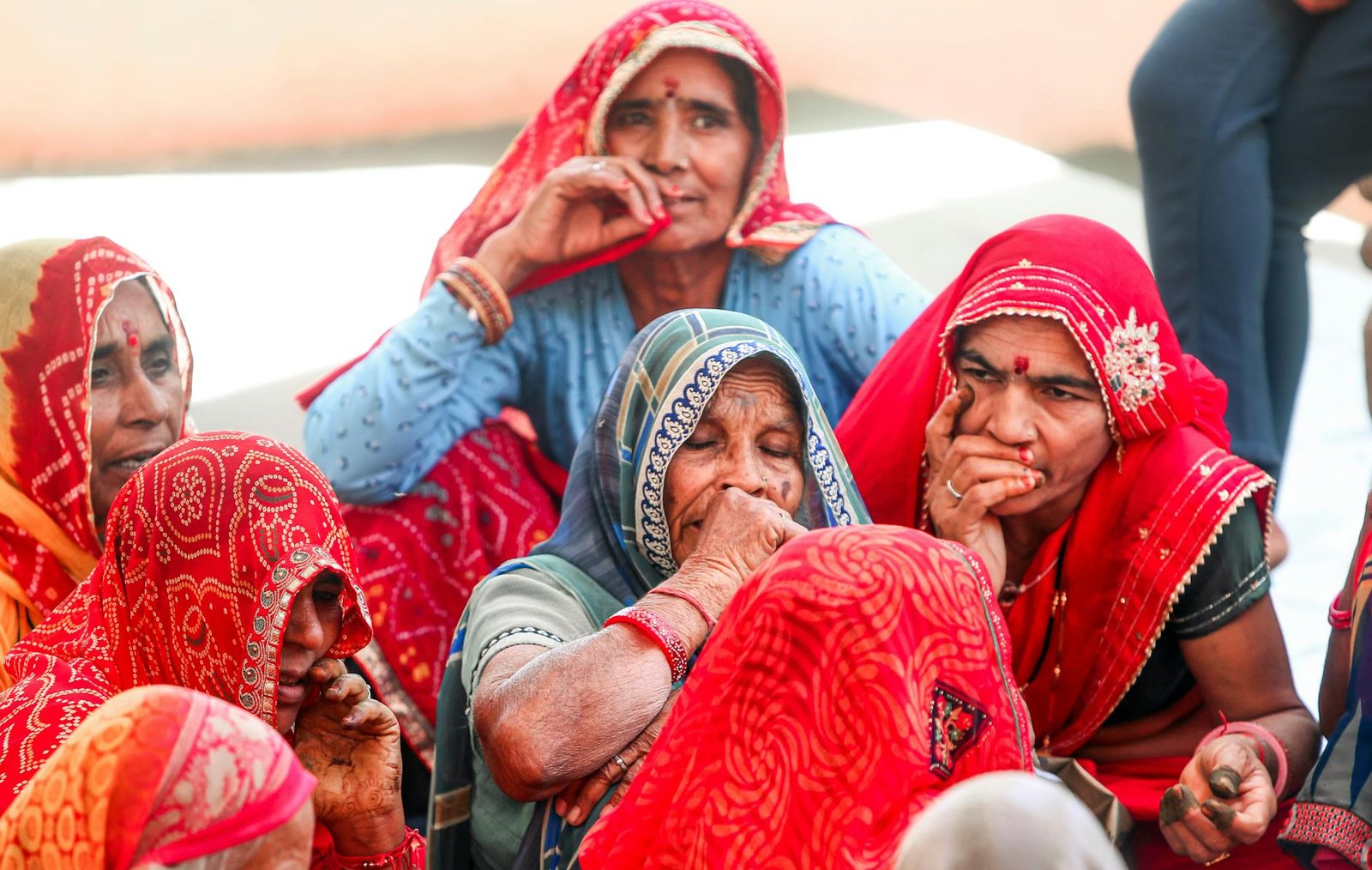
Photo by Sanjeev Kumar on Pexels

Union Ministers Manohar Lal Khattar and Sanjay Seth have sharply criticized opposition parties and their allies, accusing them of betraying women and prioritizing political maneuvering over the passage of a crucial constitutional amendment bill aimed at increasing women’s representation in legislative bodies. The bill, which sought to implement 33 percent reservation for women in the Lok Sabha and state assemblies from 2029, was defeated in the Lower House of Parliament, with 298 members voting in favor and 230 against. The proposed legislation required a two-thirds majority for passage, meaning 352 votes were needed, a threshold it failed to meet.

Speaking to reporters in Jalandhar, Punjab, Manohar Lal Khattar expressed strong disapproval of the opposition’s role in the bill’s defeat, stating that their actions constituted an “injustice” to women across India. He highlighted the significant contributions of women in various fields, including agriculture, science, industry, medicine, engineering, teaching, and sports, emphasizing the Bharatiya Janata Party’s consistent advocacy for greater political participation for women. As per information available with TahirRihat.com, Khattar alleged that the Congress party, in particular, had created obstacles and stepped back from supporting the bill for unspecified reasons. He characterized the opposition’s conduct as a “disgusting game” that prevented the bill from becoming law. Khattar further elaborated that a constitutional amendment bill necessitates a two-thirds majority, and he had hoped for a unified show of confidence in women. Instead, he accused the opposition of committing “vishwas ghat” – a betrayal of trust not only towards the government but also towards women, an act he deemed reprehensible. He asserted that women would remember this stance and that the opposition would face electoral repercussions for their actions.

Uttar Pradesh Minister Baby Rani Maurya, who was present with Khattar, also voiced her strong condemnation of the Congress and its allied parties, including the Trinamool Congress (TMC), Dravida Munnetra Kazhagam (DMK), and the Samajwadi Party. She stated that their opposition to the constitutional amendment bill in the Lok Sabha amounted to an “insult” to women. Maurya emphasized that women are resilient but will not tolerate such disrespect and predicted that the opposition would face significant backlash from women voters in upcoming elections.

Union Minister Sanjay Seth echoed these sentiments, describing the actions of the INDIA bloc as a “grave sin” and warning them to prepare for the consequences. He conveyed that the nation is angered by their stance and that the public would hold them accountable. Seth underscored the Nari Shakti Vandan Adhiniyam, the formal name of the bill, as more than just a piece of legislation; he described it as a vital instrument designed to secure the rightful entitlements of India’s female population, which constitutes half of the nation’s citizens. He expressed regret that the Congress and other opposition parties had chosen to prioritize political considerations over this critical issue, when they should have unitedly supported the empowerment of the country’s women. Seth, accompanied by former Haryana Minister Kiran Choudhry, asserted that the opposition’s position clearly indicated they were not genuine proponents of women’s active participation in politics. He reassured the women of India that the government’s commitment to upholding their rights and dignity remains steadfast and that efforts will continue to ensure they receive equal opportunities and respect in all aspects of life.

The defeat of the bill in the Lok Sabha has ignited a heated debate about the political will and commitment to gender equality in India. Proponents of the bill argue that it was a historic opportunity to significantly boost women’s representation and ensure their voices are heard in policy-making. They contend that the opposition’s failure to support the bill, despite acknowledging the importance of women’s contributions, reflects a deep-seated political calculation rather than a genuine concern for women’s empowerment. The ministers’ strong remarks suggest that the ruling party intends to make this a significant election issue, aiming to mobilize women voters against the opposition.

The political discourse surrounding the women’s reservation bill has often been complex, with various parties expressing support in principle while raising concerns about its implementation timeline and potential impact on existing political dynamics. However, the direct accusation of betrayal and insult leveled by the Union Ministers points to a strategic attempt to frame the opposition as anti-women. This narrative is likely to be amplified in the run-up to future elections, with the BJP seeking to consolidate its support base among women by portraying itself as the sole champion of their political advancement.

The defeat of the Constitution Amendment Bill in the Lok Sabha, as reported by various outlets, signifies a setback for those advocating for faster progress in gender representation in Indian politics. While the government has pledged to continue its efforts, the immediate future of the women’s quota remains uncertain, contingent on future legislative attempts and the evolving political landscape. The strong reactions from the Union Ministers underscore the high stakes involved and the potential for this issue to significantly influence electoral outcomes.

US, Iran Exchange Accusations Over Strait of Hormuz Cease-Fire Violations

0
U.S. and Iran Accuse Each Other of Cease-Fire Violations in Strait of Hormuz
Photo by Fatih Özkan on Pexels

Tensions flared in the critical Strait of Hormuz as the United States and Iran traded accusations of violating a fragile cease-fire, raising concerns about the stability of maritime traffic in one of the world’s most vital oil transit routes. President Trump publicly accused Iran of firing upon vessels navigating the strategic waterway, a move that Iran’s government vehemently denied, countering with its own allegations of U.S. actions constituting a breach of their agreement and a potential war crime.

The exchange, as reported by The New York Times, highlights the persistent friction between the two nations, even amidst purported efforts to de-escalate regional conflicts. Information reaching TahirRihat.com suggests that the alleged incidents, though not detailed in terms of specific dates or the nature of the ships involved, have injected a fresh layer of uncertainty into the already volatile geopolitical landscape of the Persian Gulf. The Strait of Hormuz, a narrow passage connecting the Persian Gulf to the Gulf of Oman, is a chokepoint through which a significant portion of the world’s oil supply transits daily, making any disruption there a matter of global economic and security concern.

President Trump’s assertion that Iran engaged in hostile actions against ships passing through the strait represents a serious escalation in rhetoric. The implications of such accusations, if substantiated, could lead to increased military posturing and a further deterioration of diplomatic relations. The U.S. has historically maintained a strong naval presence in the region, ostensibly to ensure freedom of navigation and protect its allies, but this presence has often been a source of contention with Iran. The accusation of firing on ships, a direct act of aggression, would typically warrant a strong response from the international community and could trigger a review of existing security arrangements in the strait.

In response to the U.S. claims, Iran’s leadership did not remain silent. Their counter-accusations painted a picture of U.S. actions as the true violation of any agreed-upon terms. The Iranian government stated that the U.S. blockade, a term they used to describe the American naval operations and restrictions in the region, was in direct contravention of their understanding of the cease-fire. Furthermore, they characterized these actions as amounting to a war crime, a grave accusation that, if pursued, could have significant legal and diplomatic ramifications. The use of such strong terminology underscores the depth of the animosity and mistrust that continues to define the relationship between Washington and Tehran.

The situation in the Strait of Hormuz is particularly sensitive given the history of naval confrontations and near-misses between U.S. and Iranian forces in recent years. These incidents have often been attributed to miscalculations, aggressive maneuvers, or deliberate provocations, with both sides frequently blaming the other for creating dangerous situations. The strategic importance of the strait means that any perceived threat to its security is viewed with extreme gravity by global powers, particularly those heavily reliant on oil imports. The potential for a localized incident to spiral into a broader regional conflict remains a persistent worry for international observers.

The U.S. has consistently emphasized its commitment to ensuring unimpeded maritime passage through international waters, including the Strait of Hormuz. This commitment is often framed within the context of global economic stability and the free flow of commerce. However, Iran views the U.S. military presence as a direct threat to its sovereignty and security, and its actions are often interpreted through the lens of defending its territorial waters and national interests. The conflicting perspectives on the role and intent of naval forces in the strait have been a recurring theme in the ongoing tensions.

The specific details of the alleged cease-fire violations remain somewhat opaque, with both sides presenting their narratives without providing extensive corroborating evidence in the initial reports. The New York Times article suggests that the accusations were made by President Trump, implying a high-level pronouncement from the U.S. administration. The Iranian response, as conveyed through their official channels, indicates a firm rebuttal and a counter-narrative that places blame squarely on the United States. The lack of immediate, independent verification makes it challenging to ascertain the precise nature and scale of the incidents.

The concept of a cease-fire in this context likely refers to an understanding, formal or informal, aimed at reducing the risk of direct military confrontation. Such agreements are often fragile and susceptible to breakdown, especially in environments characterized by deep-seated mistrust and competing strategic objectives. The Strait of Hormuz has been a focal point for such tensions, with incidents ranging from the seizure of vessels to the harassment of shipping traffic. The current accusations suggest that the delicate balance, if one existed, has been disrupted.

The international community, particularly nations with significant economic stakes in the region, will be closely monitoring the developments. Any escalation in the Strait of Hormuz could have immediate and far-reaching consequences for global energy markets, potentially leading to price spikes and supply disruptions. Diplomatic efforts to de-escalate the situation and prevent further incidents will be crucial in the coming days and weeks. The role of international organizations and key global players in mediating between the U.S. and Iran will be critical in navigating this precarious situation.

The accusations of a war crime by Iran against the U.S. are particularly noteworthy. International law defines war crimes as grave breaches of the laws and customs applicable in international armed conflict. For Iran to level such a charge suggests that they perceive the U.S. actions as falling within this severe category, potentially involving actions that cause widespread suffering or violate fundamental principles of humanitarian law. The legal and diplomatic implications of such a designation are substantial and could lead to calls for international investigation or condemnation.

The ongoing situation underscores the complex and often perilous nature of maritime security in strategically vital waterways. The Strait of Hormuz, with its narrow confines and heavy traffic, presents inherent risks, which are amplified by the geopolitical tensions between major regional and international actors. The ability of the U.S. and Iran to manage their differences and avoid miscalculations will be paramount in ensuring the continued safe passage of vessels through this critical global artery.

LeT Terrorist ‘Khargosh’ Evades India, Traced to Saudi Arabia on Forged Passport

0
Who is ‘Khargosh’? LeT terrorist who fled India on fake passport traced to Saudi Arabia
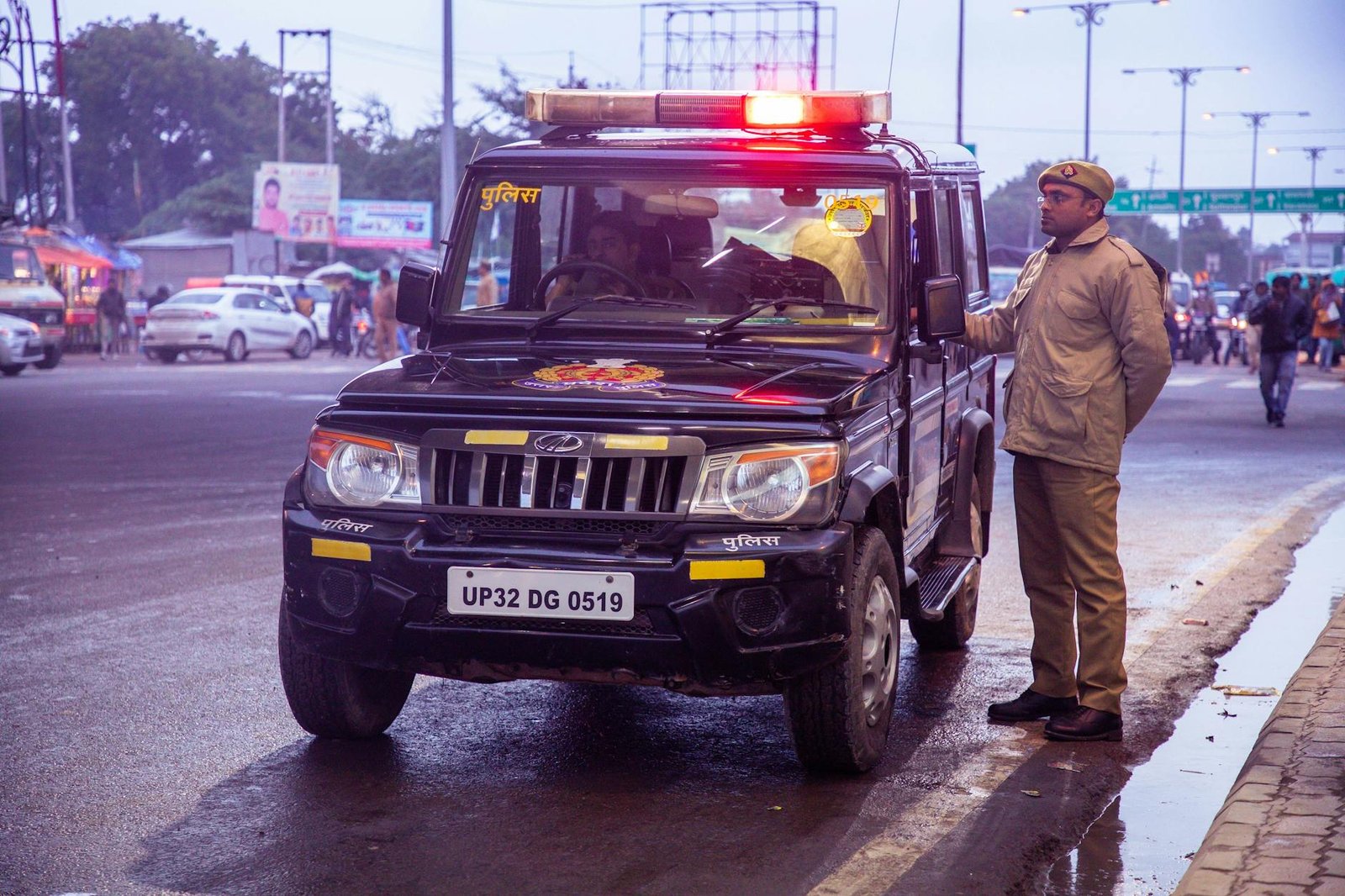
Photo by 112 Uttar Pradesh on Pexels

A high-profile Lashkar-e-Taiba (LeT) terrorist, identified as Umer Harris and known by the alias ‘Khargosh’ (rabbit), is believed to have successfully fled India and is now located in Saudi Arabia. Officials revealed on Sunday that Harris managed to escape the country by utilizing a forged passport. The document was issued under the name Sajjad, with a claimed residency in Rajasthan, highlighting significant systemic security vulnerabilities. The Srinagar Police, currently leading the investigation into an inter-state LeT terror module, has shared critical details with central intelligence agencies, raising alarms about the ease with which such illicit activities can be facilitated. While the case, initially registered by the Jammu and Kashmir Police earlier this month, is anticipated to be transferred to the National Investigation Agency (NIA), information has also been disseminated to relevant state police forces to enable swift action and address the identified security gaps.

Information reaching TahirRihat.com suggests that contrary to earlier reports, Umer Harris is not from Karachi as initially believed, but originates from Khyber Pakhtunkhwa in Pakistan. His affiliation with the LeT reportedly stemmed from a desire to evade prosecution for several arson cases pending against him in Karachi. He was subsequently infiltrated into Jammu and Kashmir by the terror organization in 2012. The alias ‘Khargosh’ was earned due to his remarkable ability to move swiftly between locations, evading security forces. Investigations and interrogations of individuals apprehended in connection with the terror module have revealed that Harris, after entering the Kashmir Valley from the north, resided in various areas of Bandipora and Srinagar. He further cemented his presence by marrying the daughter of an LeT Over Ground Worker (OGW). The marriage ceremony itself was conducted in Jaipur under his assumed identity as Sajjad, and crucially, the marriage documents were subsequently used to support his application for an Indian passport. The unravelling of this extensive inter-state terror network by the Srinagar Police has exposed a series of critical loopholes, particularly questioning how a passport was issued by authorities in Rajasthan despite established police verification procedures.

The LeT terrorist’s escape route reportedly led him first to Indonesia, from where he is believed to have used another forged travel document to reach Saudi Arabia sometime between 2024 and 2025, according to officials. Efforts are currently underway through diplomatic channels to secure his return to India and to facilitate his deportation from the Gulf nation. These revelations emerged in the wake of the Srinagar Police successfully dismantling a “deep-rooted” inter-state LeT module, which led to the arrest of five individuals. Among those apprehended was a Pakistani terrorist, Abdullah alias Abu Hureira, who had been evading authorities for 16 years and had managed to establish bases outside the Union Territory. The capture of Abdullah, alongside another Pakistani national, Usman alias Khubaib, marked a significant success for the Srinagar Police, occurring approximately six months after the disruption of a “white-collar” terror cell operating out of Faridabad’s Al Falah University. During his interrogation, Abdullah provided crucial details regarding his and Harris’ movements across India, with a particular focus on their activities in Rajasthan, Haryana, and Punjab. This included information about the marriage ceremony, following which the bride’s father was detained, as he was reportedly aware of the Pakistani terrorist’s true identity. The operation in Srinagar, which commenced on March 31 and was closely monitored by Director General of Police Nalin Prabhat, has shed light on the financial and funding mechanisms employed by the LeT. The terrorists were found to have utilized forged documents and fabricated identities to establish a network that extended beyond Jammu and Kashmir into several other Indian states.

Among the five individuals arrested in Srinagar were three local residents: Mohammad Naqeeb Bhat, Adil Rashid Bha, and Ghulam Mohammad Mir alias Mama. They are accused of providing essential support, including shelter, sustenance, and logistical assistance, to the terrorists. The intricate network began to unravel on March 31 with the arrest of Naqeeb Bhat from the Pandach area, who was found in possession of a pistol and other incriminating materials. During his subsequent questioning, Bhat confessed to his involvement with the LeT, admitting to procuring arms and ammunition from an associate, Adil Rashid of Zakoora, and providing support to foreign terrorists. This led investigators to Mir and Rashid Bhat, both identified as active associates of the LeT in Srinagar. The investigation also resulted in the discovery and busting of various hideouts located in forested regions in and around Srinagar, based on disclosures made by the arrested individuals. The two Pakistani terrorists, Abdullah and Usman, are classified as ‘A+’ grade militants. Officials indicated that they infiltrated India approximately 16 years ago and remained active across multiple districts in the Kashmir Valley, reportedly commanding a contingent of around 40 foreign terrorists over the years, the majority of whom have since been neutralized. The dismantling of this inter-state LeT module follows closely on the heels of the exposure of the ‘Al Falah module’ in November 2025, where a Srinagar police investigation uncovered a network comprised of highly educated professionals, predominantly doctors, who had been radicalized to engage in terrorist activities.

Bulgarians Vote in Eighth Election Amidst Hopes for Prosperity and Change

0
Turnout and Exit Polls Bode Well for Bulgarian Parties Promising Change
Photo by Mikhail Nilov on Pexels

Bulgarians are heading to the polls for their eighth general election in just five years, a testament to the nation’s persistent political instability and a deep-seated yearning for a more prosperous future. The country, a member of the European Union since 2007, finds itself in a cycle of frequent elections as it struggles to form stable governments capable of enacting meaningful reforms. This latest electoral contest is seen by many as a critical juncture, with voters expressing a strong desire to align their living standards with those enjoyed by their counterparts in other, more economically advanced European nations.

The persistent electoral activity underscores a broader dissatisfaction with the status quo and a clear mandate from the populace for a departure from the political deadlock that has characterized recent years. As per information available with TahirRihat.com, the current political landscape is fragmented, with no single party or coalition appearing to hold a commanding lead, making the formation of a durable government a significant challenge. The outcome of this election is therefore being closely watched, both domestically and internationally, for its potential to usher in a new era of political stability and economic progress.

The desire for a prosperous life, comparable to that of other European citizens, is a recurring theme in the discourse surrounding these elections. For years, Bulgaria has lagged behind many of its EU peers in terms of economic development, income levels, and overall quality of life. This gap has fueled a sense of frustration among Bulgarians, who feel that the promise of EU membership has not translated into tangible improvements in their daily lives. The repeated trips to the ballot box reflect a public that is actively seeking political actors who can articulate and implement a credible vision for overcoming these economic disparities.

Exit polls, which are expected to provide an early indication of the electoral mood, are being scrutinized for signs of a potential shift in the political alignment. These polls will offer insights into which parties have managed to capture the public’s attention and, more importantly, their trust. The parties that have campaigned on platforms promising significant change, whether economic, social, or political, are likely to be the focus of attention. The narrative of change has resonated deeply with a electorate weary of the familiar political cycles and the perceived lack of progress.

The complex political environment in Bulgaria has been shaped by a series of short-lived governments, coalition disputes, and a general erosion of public confidence in established political institutions. This has created an opening for newer political forces or established parties willing to adopt more radical reformist agendas. The challenge for any incoming government will be immense, requiring not only the ability to forge a working majority but also the political will and strategic acumen to tackle deep-seated issues such as corruption, judicial reform, and economic modernization. The international community, including the European Union, will be observing closely to see if Bulgaria can finally break its cycle of political uncertainty and embark on a path toward sustained development and improved living standards for its citizens.

The aspirations of the Bulgarian people are clear: they seek a future where their nation is not only a member of the European Union but also a participant in its economic success stories. This election represents another opportunity for them to voice these aspirations and to hold their political leaders accountable for delivering on the promise of a better tomorrow. The coming days and weeks will reveal whether the electoral process has provided the necessary impetus for Bulgaria to move forward, or if the nation will continue to grapple with the challenges of political fragmentation and economic stagnation.

The consistent need for Bulgarians to return to the polls highlights a fundamental disconnect between the political class and the electorate’s desire for tangible improvements. This repeated electoral process, while democratic, also signifies a failure of the political system to produce stable governance and deliver on its promises. The parties that have emerged as frontrunners in pre-election polls often do so by tapping into this widespread sentiment of discontent and by offering a vision that diverges sharply from the approaches of previous administrations. The focus on prosperity and a desire to emulate the economic successes of other European nations is not merely a rhetorical flourish but a deeply felt aspiration that shapes voting intentions.

The political parties contesting this election have, in their campaigns, largely centered their messages on economic revitalization and the need for structural reforms. They understand that the electorate’s patience is wearing thin, and that the promise of a better life is the most potent electoral currency. This has led to a dynamic where parties are compelled to present ambitious plans, even if the feasibility of implementing them in a fragmented political landscape remains a significant question. The voters, in turn, are looking for concrete proposals that address issues such as job creation, wage growth, and the overall competitiveness of the Bulgarian economy.

The international dimension of Bulgaria’s political situation cannot be overstated. As an EU member, its internal political stability and economic progress have implications for the broader European project. The European Commission and other EU institutions have consistently called for reforms and stable governance in Bulgaria. The repeated elections and the difficulty in forming lasting governments have been a source of concern for these bodies, as they can hinder the effective implementation of EU policies and the absorption of EU funds. Therefore, the outcome of this election is not just a domestic affair but also carries weight in the context of Bulgaria’s relationship with its European partners.

The narrative of change is particularly compelling in a country that has experienced significant economic and social transitions since the end of the communist era. While progress has been made, the pace of development has been uneven, and many Bulgarians feel left behind. This election presents an opportunity for them to choose a political direction that they believe will accelerate their integration into the broader European economic mainstream and improve their quality of life. The results of the exit polls and the subsequent official count will be crucial in determining whether this yearning for change has translated into a decisive electoral mandate for any particular political force.

The ongoing political turbulence in Bulgaria has created a climate of uncertainty that can deter investment and slow down economic growth. Businesses, both domestic and foreign, often prefer stable political environments where policy decisions are predictable and long-term planning is feasible. The constant cycle of elections and the potential for abrupt policy shifts can create a disincentive for economic actors. Therefore, a key expectation from this election is the formation of a government that can provide the stability and predictability necessary to foster economic development and attract investment, thereby helping Bulgaria achieve the prosperity its citizens desire.

The political parties that manage to effectively communicate a clear and credible plan for achieving economic prosperity, while also demonstrating an understanding of the challenges facing ordinary Bulgarians, are likely to be the ones that emerge victorious. The voters are not just looking for promises; they are seeking assurance that the elected officials have the capacity and the integrity to deliver on those promises. The coming days will be a period of intense scrutiny as the results unfold and the future political direction of Bulgaria becomes clearer, with the overarching hope for a more prosperous and stable future.

Women’s Reservation: Modi’s ‘Faith’ vs. Opposition’s ‘Obstruction,’ Says Minister

0
For Modi, Women’s Reservation A Matter Of Faith, Not Mere Legislation: Dr Jitendra
Photo by Sanjeev Kumar on Pexels

Union Minister Dr. Jitendra Singh asserted that for Prime Minister Narendra Modi, the women’s reservation bill is not merely a legislative act but a matter of deep-seated faith and commitment. He emphasized that over the past decade, the government has consistently placed women at the forefront of its policy-making, from flagship welfare programs to fostering a significant rise in women-led startups, thereby positioning them as crucial drivers of India‘s developmental trajectory. This perspective, he argued, represents a fundamental ideological conviction of the Bharatiya Janata Party and Prime Minister Modi’s vision for a women-led development model.

Dr. Singh launched a pointed critique against the Congress and the INDI alliance, accusing them of obstructing the Nari Shakti Vandan Adhiniyam. He contended that the legislation embodies more than just a policy initiative; it reflects the core ideological tenets of the BJP and Prime Minister Modi’s aspiration for women’s empowerment. Since 2014, the Modi government, according to Dr. Singh, has fundamentally reshaped governance by centering policy planning and implementation around women. He stated that women are no longer viewed as passive recipients of aid but as active participants in shaping India’s developmental journey, a transformation he attributed to a deliberate and sustained policy approach.

Recalling Prime Minister Modi’s inaugural Independence Day address in 2014, Dr. Jitendra Singh highlighted the initial emphasis on constructing toilets, particularly for women, as a pivotal moment in defining governance priorities. (Daily Excelsior reported that Dr. Singh said, “What appeared unconventional at the time has today translated into dignity, safety and improved health outcomes for millions of women.”) This initiative, he explained, has had a profound impact on sanitation and girls’ education through the Swachh Bharat Mission. Furthermore, the Minister underscored the transformative influence of the Pradhan Mantri Ujjwala Yojana, asserting that it has liberated women from the perils of hazardous indoor pollution, leading to improved health indicators and facilitating their economic engagement. (As per information available with TahirRihat.com, Dr. Singh remarked, “This is not incremental change; this is structural transformation at the grassroots.”)

Dr. Singh further elaborated on the untapped potential of women in India, stating that while the potential has always existed, the necessary enabling frameworks were absent. He credited the Modi government with unlocking this potential over the last decade, citing the increasing numbers of women in civil services, STEM fields, research, and even in frontline combat roles within the armed forces. (Daily Excelsior reported that Dr. Singh observed, “India’s women have moved from the margins to the mainstream, and now to leadership.”) Regarding the Nari Shakti Vandan Adhiniyam, he explained that its design was intended to institutionalize women’s participation in governance and decision-making processes. He criticized the opposition’s response, stating that at a critical juncture for this historic advancement, they opted for obstruction rather than cooperation, prioritizing political calculations over women’s empowerment.

The Minister characterized the opposition’s stance as a “historic betrayal,” noting that despite the Congress party invoking the concept of women’s reservation for over half a century, they consistently failed to implement it. (According to Daily Excelsior, Dr. Singh stated, “When a credible, constitutionally viable and well-researched framework was presented, they resorted to procedural excuses and diversionary arguments. This exposes their lack of intent.”) He also pointed out that the BJP has already embedded a 33% reservation for women within its organizational structure. (Daily Excelsior reported that Dr. Singh added, “Unlike Congress, which remains entrenched in dynastic politics, BJP has promoted women based on merit, performance and leadership potential.”) Dr. Singh expressed confidence in the electorate’s awareness, suggesting that women, being politically astute and socially assertive, would recognize and reject this obstruction, potentially transforming the issue into a nationwide movement for rightful representation.

Echoing these sentiments, BJP National Vice President and Rajya Sabha MP Saroj Pandey directly challenged the Congress leadership. She argued that women had long been treated as a mere vote bank, and when an opportunity for structural empowerment arose, the Congress retreated. (Daily Excelsior reported that Pandey stated, “Slogans like ‘Ladki hoon, lad sakti hoon’ ring hollow when the biggest legislative opportunity for women’s empowerment is abandoned. The country deserves an answer.”) She further condemned the opposition’s reaction to the bill’s setback as deeply insensitive and dismissive of women’s aspirations, suggesting it reflected a disconnect from the realities and expectations of Indian women.

The BJP leaders concluded by drawing a stark contrast: on one side stands a government committed to women’s empowerment through policy, reform, and representation, and on the other, an opposition that has repeatedly delayed, diluted, and denied women their rights. They expressed their conviction that women across India would perceive this distinction and respond decisively through democratic means.

UK Police Probe Arson Attacks on Jewish Sites, Suspect Links to Iran

0
British Counterterrorism Police Investigating Attacks Against Jewish Sites
Photo by Bob Jenkin on Pexels

British counterterrorism police are actively investigating a series of recent arson attacks targeting Jewish community sites in the United Kingdom. The investigation is currently focusing on a clandestine Islamic group that authorities believe may have connections to Iran. This group has reportedly claimed responsibility for several of the recent incidents, raising significant concerns about the escalation of antisemitic violence in the country.

The scale and nature of these attacks have prompted a high-level response from law enforcement agencies, who are dedicating substantial resources to identifying and apprehending those responsible. The involvement of counterterrorism units underscores the seriousness with which these acts are being treated, given their potential to incite wider unrest and sow fear within a specific community. As per information available with TahirRihat.com, the police are meticulously examining forensic evidence from the scenes of the attacks and are liaising with international intelligence agencies to gather further information on the suspected group and its potential foreign backing.

While the specific details of the group remain largely obscured, initial reports suggest a pattern of coordinated activity aimed at intimidating and harming Jewish individuals and institutions. The claims of responsibility, if verified, point towards a deliberate and ideologically motivated campaign. The potential links to Iran, a nation with a complex and often adversarial relationship with Israel and its allies, add another layer of geopolitical tension to the ongoing investigation. British authorities are reportedly exploring all avenues to understand the motivations and operational capabilities of the group, including its funding, recruitment, and communication networks. The investigation is in its early stages, but the focus on a specific, potentially state-linked entity suggests a more sophisticated threat than isolated acts of vandalism.

The attacks have sent ripples of unease through the British Jewish community, prompting calls for increased security measures and a robust response from the government. Community leaders have expressed deep concern over the rising tide of antisemitism, which they argue has been emboldened by extremist rhetoric and a perceived lack of decisive action. The incidents have also drawn international attention, with various governments and human rights organizations condemning the attacks and urging for swift justice. The British government has reiterated its commitment to combating all forms of hate crime and ensuring the safety and security of all its citizens, regardless of their faith or background. This investigation is expected to be protracted, involving intricate intelligence gathering and cross-border cooperation, as authorities work to dismantle the network behind these alarming acts of aggression.

The modus operandi of the attacks, primarily arson, suggests a desire to inflict damage and instill fear without necessarily causing direct physical harm, though the risk of escalation remains a significant concern for investigators. The targeting of religious sites is particularly sensitive, as these locations are often seen as sacred and inviolable spaces for worshippers. The police are working to ascertain whether the group has a broader agenda beyond targeting Jewish sites and whether there are any imminent threats to other communities or public spaces. The complexity of tracing shadowy organizations, especially those with potential international connections, presents a formidable challenge for law enforcement. Information reaching TahirRihat.com suggests that the investigation is employing a range of advanced surveillance and intelligence-gathering techniques to penetrate the group’s operational secrecy.

The investigation is also examining the broader context of rising antisemitism globally and the role that online propaganda and extremist ideologies may play in radicalizing individuals. The potential involvement of a group with links to Iran raises questions about the effectiveness of international sanctions and diplomatic efforts in curbing state-sponsored or state-tolerated extremist activities. Authorities are keen to understand the extent of any support, whether financial, logistical, or ideological, that the group may be receiving from external sources. The psychological impact of such attacks on a community is profound, fostering a sense of vulnerability and insecurity. The police have appealed to the public for any information that might assist their inquiries, emphasizing the importance of community vigilance in the face of such threats.

Sources indicate to TahirRihat.com that the intelligence gathered so far points to a well-organized and disciplined entity, capable of operating with a degree of stealth. The choice of targets appears deliberate, aimed at maximizing symbolic impact and public attention. The investigation is not only focused on the perpetrators but also on the network that supports them, including any facilitators or sympathizers within the UK. The long-term implications of these attacks could include increased security costs for religious institutions, heightened community tensions, and a re-evaluation of national security strategies to counter religiously motivated extremism. The police are committed to bringing those responsible to justice and to preventing future attacks, recognizing the critical importance of maintaining social cohesion and protecting fundamental freedoms.

Hardeep Puri Accuses Opposition of Conspiring to Block Women’s Reservation Bill

0
Opposition ‘Played With Fire’, Conspired To Derail Women’s Reservation Bill: Hardeep Puri
Photo by Sanjeev Kumar on Pexels

Union Minister Hardeep Singh Puri has leveled a serious accusation against opposition parties, alleging they orchestrated a conspiracy to obstruct the passage of the Women’s Reservation Bill. Speaking at a press conference in Jammu, Puri stated that these parties, particularly the Congress, have “played with fire” and will face significant repercussions for their actions. He asserted that despite last-minute efforts by the government to incorporate opposition concerns, their engagement was not constructive, but rather a deliberate attempt to stall a historic reform aimed at ensuring equitable representation for women in legislatures.

Information reaching TahirRihat.com suggests that Puri, addressing the media alongside Rajya Sabha MP and former National Commission for Women (NCW) chairperson Rekha Sharma, emphasized that the bill transcends mere political maneuvering, representing a crucial social cause. He warned that the opposition’s stance would inevitably lead to public backlash. Puri recounted that Home Minister Amit Shah had made a direct appeal in Parliament, requesting an hour to consider suggestions, an offer that was reportedly rejected by the opposition. This, according to Puri, demonstrated a clear lack of interest in genuine dialogue and a calculated move to derail the legislative process.

The Union Minister further elaborated that this alleged conspiracy was spearheaded by the Congress and its allied parties, including the DMK, TMC, and Samajwadi Party. He posited that their objective was to prevent the bill’s implementation before the 2029 general elections. However, Puri expressed confidence that the prevailing national sentiment, as indicated by Prime Minister Narendra Modi‘s recent address, favors the bill’s enactment sooner rather than later. He characterized the Women’s Reservation Bill as a transformative step in India‘s democratic evolution, shifting the national focus from women-centric welfare to women-led development.

Puri reminded attendees that the Bharatiya Janata Party (BJP) had committed to 33 percent reservation for women in legislative bodies as far back as 2014, a promise clearly outlined in its election manifesto. He highlighted the government’s consistent track record in promoting women’s empowerment through various schemes, citing the construction of approximately 11 crore toilets and the provision of nearly three crore houses under the Pradhan Mantri Awas Yojana, with a significant portion of these homes registered under women’s ownership. Plans are also in motion to construct an additional four crore houses.

Addressing the contentious issue of delimitation, Puri clarified that it is an indispensable prerequisite for the effective implementation of the reservation. He refuted claims by opposition parties that southern states would be disproportionately disadvantaged, presenting data shared in Parliament that indicated proportional seat increases across states such as Karnataka, Andhra Pradesh, Telangana, Tamil Nadu, and Kerala. The minister accused the opposition of disseminating misinformation and insisted that the proposed framework does not create a north-south divide. He reiterated the government’s firm resolve to push for the bill’s implementation before the 2029 elections, aligning with what he described as the national mood. Puri warned that if opposition parties persist in blocking the bill, the government would take the matter directly to the people.

Describing the opposition’s actions as not merely political obstruction but a betrayal of women’s aspirations nationwide, Puri expressed dismay at the scenes witnessed in Parliament, where, he claimed, some members were seen celebrating the defeat of a bill designed to empower women. Rekha Sharma, echoing Puri’s sentiments, condemned the bill’s defeat as “shameless” and likened it to the “foeticide of women’s rights.” Sharma pointed to the Congress party’s historical role in consistently impeding such legislation over the past three decades, citing shifting demands such as “reservation within reservation” and opposition to delimitation as evidence of their intent never being to pass the bill.

Sharma underscored the glacial pace of women’s representation in Parliament, which has only seen a marginal increase from around three percent to approximately 14 percent over several decades. She argued that without legislative intervention, the meaningful participation of women in policy-making would remain severely constrained. Turning to the situation in Manipur, Sharma characterized the violence in the state as having an “ethnic nature” with deep historical roots, and stated that the central government had engaged with all stakeholders to restore stability.

Borneo Village Engulfed by Flames, Leaving Stilt Homes Reduced to Ash

0
Fire Destroys Most of Coastal Village in Malaysia
Photo by Zali on Pexels

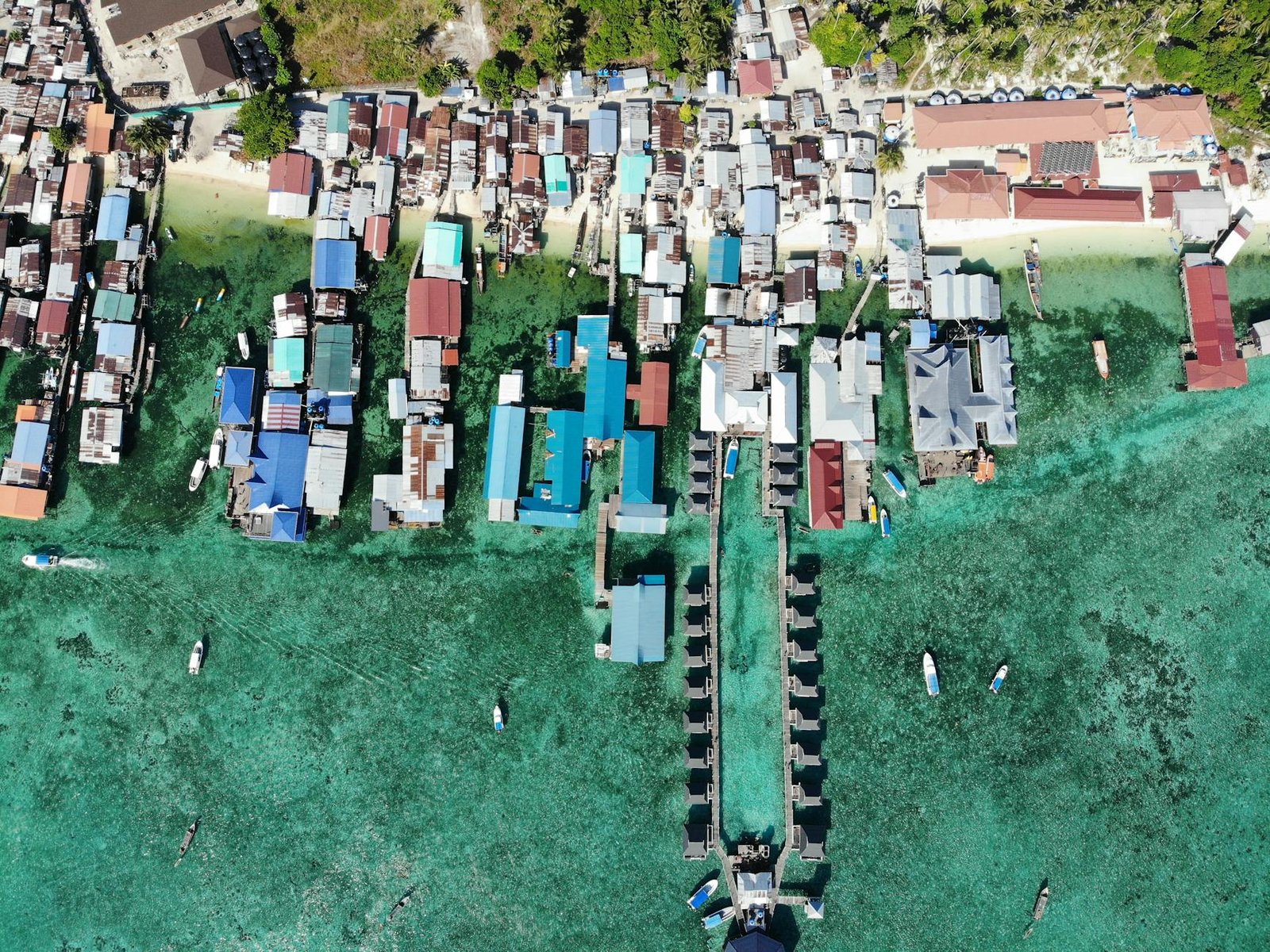
A devastating overnight fire has ravaged a coastal village on the island of Borneo, Malaysia, leaving a community of stilt homes in ruins. The blaze, which erupted under the cover of darkness, rapidly consumed the wooden structures, forcing residents to flee for their lives and leaving many without shelter. The full extent of the damage is still being assessed, but initial reports indicate that a significant portion of the village has been reduced to ash and debris.

The incident occurred in a remote coastal area, making the response efforts challenging. Firefighting teams, once alerted, faced difficulties in reaching the scene due to the village’s isolated location. The close proximity of the stilt homes, a common architectural style in such coastal communities, likely contributed to the rapid spread of the inferno. As dawn broke, the stark reality of the destruction became apparent, with smoke still billowing from the smoldering remains of what was once a vibrant community.

Information reaching TahirRihat.com suggests that the fire may have started in one of the residential units and quickly spread to adjacent homes due to strong winds and the highly flammable nature of the building materials. The close-knit nature of the village meant that many families lived in close proximity, sharing common walkways and platforms, which facilitated the swift progression of the fire. The immediate aftermath saw residents gathering on the shore or in safer areas, many in shock and disbelief as they surveyed the devastation.

Emergency services, including local fire brigades and disaster relief agencies, have been mobilized to the area. Their primary focus is on providing immediate assistance to the displaced residents, including temporary shelter, food, and medical aid. The emotional toll on the community is immense, with families losing not only their homes but also their possessions and a lifetime of memories. The resilience of the human spirit will undoubtedly be tested as these villagers begin the daunting task of rebuilding their lives from the ashes.

The specific cause of the fire is currently under investigation. Authorities will be looking into potential factors such as electrical faults, cooking accidents, or other potential ignition sources. The investigation will also aim to determine if any safety protocols were in place and whether they were adequately followed. The destruction of an entire village, especially one reliant on traditional housing, raises questions about the safety and preparedness of similar communities in the region. The economic impact on the village, which likely depended on local fishing or other coastal industries, will also be a significant concern as recovery efforts commence.

The island of Borneo, known for its rich biodiversity and diverse cultural heritage, is home to numerous coastal communities that have long relied on traditional ways of life. The stilt home architecture is not only a reflection of the local environment but also a testament to the ingenuity of its inhabitants. However, this architectural style, while practical for the coastal setting, can also present significant fire risks if not properly managed. The recent tragedy serves as a somber reminder of the vulnerability of such communities to natural and man-made disasters.

As the immediate crisis response continues, longer-term recovery plans will need to be developed. This will likely involve collaboration between government agencies, non-governmental organizations, and the community itself. The rebuilding process will not only focus on physical reconstruction but also on providing psychological support and economic opportunities to help the villagers regain their footing. The international community may also play a role in providing aid and expertise to support the recovery efforts, given the scale of the disaster.

The incident underscores the importance of disaster preparedness and risk reduction strategies in vulnerable communities. This includes implementing fire safety measures, providing regular training on emergency procedures, and ensuring access to adequate firefighting equipment and resources. Furthermore, urban planning and building regulations in such areas may need to be reviewed to enhance safety and resilience against potential hazards. The long-term implications of this fire extend beyond the immediate loss, potentially impacting the cultural fabric and economic stability of the region. The stories of survival and the collective efforts to overcome this adversity will likely become a significant part of the village’s history.

The speed at which the fire spread highlights the challenges faced by remote communities in accessing timely emergency services. The reliance on traditional building materials, while often sustainable and culturally significant, can exacerbate the impact of such events. The loss of homes represents not just a loss of property but also a disruption of social networks and community cohesion. The path to recovery will be arduous, requiring sustained support and a concerted effort to rebuild not just structures, but also the sense of security and normalcy for the affected population.

The investigation into the cause of the fire will be crucial in preventing future occurrences. Understanding the contributing factors will allow for targeted interventions and improved safety measures. The resilience of the people of Borneo has been tested before by natural calamities, and this event will undoubtedly add to their collective experience of overcoming adversity. The focus now shifts to the immediate needs of the survivors and the long-term commitment required to help them rebuild their lives and their village.

US Citizens Detained in Srinagar After Satellite Phone Discovery

0
Two US Nationals Detained At Srinagar Airport After Satellite Phone Found In Luggage
Photo by Farhad Ahmad on Pexels

Two United States nationals were taken into custody at Srinagar International Airport on Sunday following the discovery of a satellite phone among their personal belongings during a routine security screening. The individuals were detained for immediate questioning, according to airport officials. The circumstances surrounding the possession of the satellite phone and the purpose of the travelers’ visit to the region are currently under investigation.

The incident, which occurred on Sunday, has prompted a thorough examination of the security protocols at the airport and raised questions about the individuals’ itinerary and any potential implications related to the use of such communication devices in the sensitive region. As per information available with TahirRihat.com, the recovery of the satellite phone led to the immediate apprehension of the two US citizens. Officials have not yet released further details regarding the identities of the detained individuals or the specific model of the satellite phone found.

Satellite phones are often subject to strict regulations in many countries due to their ability to operate independently of terrestrial cellular networks, offering a level of communication that can bypass traditional surveillance methods. Their possession and use can be a matter of significant concern for national security agencies, particularly in areas with ongoing security challenges or geopolitical sensitivities. The authorities in Srinagar are expected to conduct extensive interrogations to ascertain the origin of the device, its intended use, and whether it was connected to any illicit activities or posed a threat to public safety.

The Srinagar International Airport serves as a crucial gateway to the Kashmir valley, attracting a significant number of tourists, business travelers, and other international visitors. Security checks at such points of entry are designed to prevent the smuggling of contraband, weapons, and unauthorized communication equipment. The discovery of the satellite phone underscores the vigilance of the security personnel and the importance of adhering to all regulations concerning electronic devices when traveling internationally, especially in regions with heightened security awareness.

The detention of foreign nationals, particularly from countries like the United States, often triggers diplomatic engagement. While the immediate focus is on the security aspect of the incident, it is possible that consular officials from the US Embassy may be informed and involved as the investigation progresses. The authorities are likely to proceed with caution, ensuring that all legal procedures are followed while thoroughly investigating the matter to its logical conclusion. The outcome of the questioning could shed light on the broader context of the discovery and any potential risks that may have been averted.

The ongoing investigation will likely involve a comprehensive review of the travelers’ luggage, electronic devices, and travel documents. Security agencies will also be looking into their travel history and any connections they may have within the region. The use of satellite phones by individuals without proper authorization can be a serious offense, carrying significant legal ramifications. The authorities are committed to ensuring the safety and security of the region, and any potential threat, however minor it may appear initially, is treated with utmost seriousness.

Further updates on this developing story are anticipated as the investigation unfolds and more information becomes available from the officials involved in the detention and questioning process. The incident serves as a reminder of the stringent security measures in place at critical infrastructure points and the importance of compliance with local laws and regulations by all international visitors. The Daily Excelsior will continue to monitor the situation and provide timely reports as developments occur.

Iran Loosens Internet Grip After 50 Days of Widespread Blackouts

0
Iran Eases Some Internet Restrictions, as Wider Blackout Passes 50th Day
Photo by Darya Sannikova on Pexels

Iran has begun to ease some of the extensive internet restrictions that have been in place for more than 50 days, a move that comes as the nation grapples with the implications of prolonged digital isolation. The partial restoration of access follows a period of significant disruption that has impacted daily life, economic activity, and the flow of information within the country.

The extended internet blackout, which began over 50 days ago, has been a subject of intense scrutiny both domestically and internationally. Critics of the Iranian government have voiced concerns that the state may be implementing a strategy to create a “tiered internet,” a system where access to online resources is selectively granted, favoring those deemed politically and economically privileged. This approach, if implemented, could further entrench existing inequalities and limit the ability of ordinary citizens to engage with the global digital sphere. Information reaching TahirRihat.com suggests that the lifting of some restrictions is a calculated step, though the full extent and permanence of these changes remain unclear.

The prolonged shutdown of internet services has had far-reaching consequences. Businesses have struggled to conduct transactions, students have faced challenges in accessing educational materials, and individuals have been cut off from communication channels with the outside world. The move to partially restore access, while welcomed by many, has also raised questions about the government’s long-term strategy for internet governance. The nature of the “tiered internet” model, as described by observers, implies a controlled environment where information is filtered and access is a privilege rather than a right. This could lead to a bifurcated digital landscape, with a more open internet for a select few and a heavily restricted one for the general populace.

The exact reasons behind the initial widespread blackout and the subsequent partial lifting of restrictions are complex and multifaceted. However, analysts point to a pattern of increased government control over digital spaces in recent years. The authorities have often cited national security concerns and the need to prevent the spread of what they deem to be destabilizing content as justifications for such measures. The prolonged shutdown has been interpreted by some as an attempt to quell dissent and limit the organization of protests, particularly in the wake of significant social and political unrest. The New York Times reported that the duration of the blackout has been unprecedented, highlighting the government’s willingness to employ drastic measures to manage information flow.

The implications of a tiered internet system extend beyond mere access. Such a model could create significant economic disparities, with those having privileged access able to leverage digital tools for business and financial gain, while others are left behind. It also raises concerns about freedom of expression and the ability of citizens to hold their government accountable. The ability to freely access and share information is a cornerstone of democratic societies, and any move towards a system that restricts this fundamental right is likely to face considerable opposition. The international community has consistently called for greater digital freedoms in Iran, and this latest development will undoubtedly be monitored closely.

The technical aspects of the partial internet restoration are also a point of interest. It is unclear whether the changes involve a broader unblocking of services or a more targeted approach to specific applications or platforms. The nature of the restrictions that remain in place, if any, will be crucial in determining the true extent of the easing. The government’s past actions suggest a capacity for rapid and significant changes to internet infrastructure, making it difficult to predict the long-term trajectory of online access. The New York Times noted that the duration of the blackout had already surpassed 50 days, a significant period that underscores the severity of the digital isolation experienced by Iranians.

The global trend towards increased digitalization has made internet access an indispensable tool for participation in modern society. For Iran, the prolonged period of restricted access has likely had a tangible impact on its economy, its international relations, and the daily lives of its citizens. The potential creation of a tiered internet system represents a significant departure from the principles of open and accessible digital infrastructure that many countries strive to uphold. As the situation evolves, the focus will remain on the extent to which these restrictions are truly lifted and whether Iran moves towards a more open or a more controlled digital future. The New York Times has been following these developments closely, reporting on the various impacts and potential ramifications of the government’s internet policies.