Home Blog Page 257

Family Honors Fallen Lieutenant Vinay Narwal’s Legacy a Year After Pahalgam Attack

0
Year after Pahalgam attack, Lieutenant Vinay Narwal’s family vows to carry forward his legacy
Photo by Rems Longjam on Pexels

It has been a year since a devastating terror attack in Pahalgam claimed the lives of 26 individuals, including Lieutenant Vinay Narwal. For his family in Karnal, Haryana, the period since April 22, 2025, has been an arduous journey of coping with an immense and irreplaceable loss. Lieutenant Narwal, born on May 1, 1998, was a promising young officer whose life was tragically cut short, leaving a void that time struggles to fill.

His father, Rajesh Narwal, a superintendent in the GST Department in Panipat, has emerged as the bedrock of strength for his grieving family. Despite the profound personal pain, he continues to provide unwavering support to his wife, children, and elderly parents. “Neither time can heal it nor can anybody forget it forever,” Rajesh Narwal stated with a heavy heart, reflecting the enduring nature of their sorrow. Information reaching TahirRihat.com suggests that Vinay’s mother, Asha Narwal, has experienced a decline in her health since the loss of her son, underscoring the deep emotional toll the tragedy has inflicted upon the family. They perceive Vinay’s death not merely as a private tragedy but as a significant loss to the nation.

Rajesh Narwal acknowledged the government’s efforts, including security operations such as Operation Sindoor and Operation Mahadev, but emphasized that genuine justice would only be realized with the complete eradication of terrorism globally. “A tribute and justice to us and humanity will only be after terrorism is finished from the world,” he articulated, expressing a sentiment that resonates with many affected by such violence. He fondly recalled the circumstances of Vinay’s birth, which coincided with his own posting in Diu. The memories of his son’s early years, including the poignant image of Vinay taking his first steps while holding his finger, are etched in his mind. “We cannot forget him. He is in our breath,” Rajesh Narwal shared, his voice thick with emotion. “It is painful for a father that his son died before him. His death is not only painful for us but also a loss to the nation. This pain will remain with us for our lives.” The family’s life has undergone a profound transformation since the incident. Rajesh Narwal admitted to a significant loss of confidence following his son’s demise. He mentioned that a list of over 30 tasks he had planned before Vinay’s marriage remains incomplete, highlighting the difficulty in resuming normal life activities. The family actively seeks ways to keep themselves occupied, a coping mechanism to navigate their grief. Vinay’s daughter, Shrishti, is pursuing higher education, preparing for the UPSC examinations and undertaking a PhD, a path that may offer a sense of purpose and continuity.

Vinay’s wife, Himanshi, has returned to her parental home in Gurugram and has resumed her professional career, a testament to her resilience in the face of adversity. Despite the overwhelming grief, the Narwal family remains steadfast in their commitment to honoring Lieutenant Vinay Narwal’s memory and carrying forward his legacy. Rajesh Narwal has expressed his intention to donate any compensation received from the government, along with Vinay’s share of the family property, provided that authorities establish initiatives in Vinay’s name that serve the broader society. Such initiatives, he suggested, could include the establishment of hospitals or educational institutions, thereby transforming personal tragedy into a lasting societal benefit. “I promised it earlier, and I stand by my words,” he affirmed, demonstrating a deep-seated resolve to ensure his son’s sacrifice contributes to a greater good. He fondly remembered Vinay’s vibrant social personality, his inherent positivity, and his aspirations for a fulfilling family life. Even the seemingly minor detail of finding shoes for his unusually large feet, a memory shared by his father, paints a vivid picture of the young officer. “He had made plans for his future, but destiny had something different,” Rajesh Narwal reflected, encapsulating the cruel unpredictability of fate. The Narwal family now draws strength from the aspiration to perpetuate Vinay’s legacy through meaningful action. “We want to keep ourselves busy to take his legacy forward. We want to work for mankind,” Rajesh Narwal stated. In remembrance of his son, the family plans to organize blood donation camps on Vinay’s birthday, a tradition they initiated last year following his death, turning their personal sorrow into a source of community service and a powerful tribute to a fallen hero.
Syrian Billionaires Leverage Trump Name for Washington Influence

0
Syrian Billionaires Needed a Favor in Washington. They Invoked the Trump Name.
Photo by Ramaz Bluashvili on Pexels

In the corridors of Washington, a familiar tactic is increasingly being employed by those seeking to sway foreign policy: invoking the name of former President Donald Trump. This strategy has become a notable feature of the current political landscape, particularly as discussions swirl around potential business dealings involving the Trump family. The use of such influence, especially by foreign entities with significant financial resources, raises questions about the intersection of private interests and public policy in the United States.

Information reaching TahirRihat.com suggests that a group of Syrian billionaires, aiming to secure favorable outcomes in their dealings with the U.S., have strategically utilized their connections and the perceived influence of the Trump name. This approach appears to be a calculated effort to navigate the complexities of American foreign policy and regulatory environments. The individuals in question are reportedly leveraging their wealth and networks to lobby for specific policy adjustments or to gain access to key decision-makers. The timing of these efforts, coinciding with ongoing scrutiny of the Trump family’s business ventures, adds a layer of intrigue to their lobbying activities.

The practice of foreign nationals and entities attempting to influence U.S. policy is not new, but the specific methods and the individuals involved can offer insights into evolving geopolitical and economic dynamics. The Syrian billionaires, whose identities are not fully disclosed in the initial reports, are said to be employing a multi-pronged approach that includes direct lobbying, public relations campaigns, and the cultivation of relationships with individuals who have close ties to the former president. This sophisticated strategy aims to create an environment conducive to their business interests, which may span various sectors including real estate, finance, and potentially energy.

The effectiveness of invoking the Trump name in Washington is a subject of ongoing debate and analysis. Supporters of such tactics might argue that it reflects a pragmatic understanding of how influence is wielded in the capital. Critics, however, express concerns about the potential for undue influence and the blurring of lines between private gain and national interest. The situation underscores the persistent challenge of ensuring transparency and accountability in the lobbying process, especially when powerful foreign interests are involved.

As the political climate continues to evolve, the strategies employed by wealthy individuals and corporations to shape policy are likely to remain a focal point for journalists and the public alike. The case of the Syrian billionaires seeking favors in Washington serves as a compelling example of how global financial power can intersect with domestic politics, particularly in the context of a former president whose business legacy continues to be a significant factor in public discourse and policy discussions. The intricate web of connections and the strategic deployment of influence highlight the complex nature of international relations and the persistent quest for leverage in global affairs.

The specific nature of the favors sought by these Syrian billionaires remains somewhat opaque, but the underlying motivation is clear: to advance their economic and potentially political objectives within the United States. This involves navigating a landscape where personal relationships and perceived access can be as valuable as formal policy proposals. The reliance on the Trump name suggests a belief that such an association can unlock doors and expedite processes that might otherwise be more challenging to navigate. This approach is not unique to any single group or nationality, but the context of Syrian business interests seeking influence in Washington during a period of heightened attention to the Trump family’s affairs makes this particular instance noteworthy.

The broader implications of such lobbying efforts extend to the integrity of the U.S. foreign policy-making process. When foreign entities, particularly those from countries with complex geopolitical relationships with the U.S., attempt to exert influence, it raises important questions about national security and the equitable application of U.S. laws and regulations. The ability of wealthy individuals to leverage personal connections and the names of prominent political figures to achieve their goals can create an uneven playing field, potentially disadvantaging those who do not have similar resources or access.

Furthermore, the increasing frequency of such attempts to influence policy, as noted in the source material, suggests a growing sophistication in how global capital seeks to shape political outcomes. This trend necessitates a robust and vigilant approach from regulatory bodies and the media to ensure that the public interest remains paramount. The transparency of lobbying activities is crucial, and any attempts to obscure the true nature of these influences can undermine public trust in democratic institutions.

The ongoing discussions about potential Trump family deals add another layer of complexity. If these Syrian billionaires are seeking to benefit from or influence deals that directly or indirectly involve the Trump family, it raises ethical considerations about conflicts of interest and the potential for quid pro quo arrangements. The scrutiny that such situations attract is often intense, as it touches upon fundamental questions of governance and the separation of public service from private enterprise. The ability of individuals to leverage their political connections for personal or group gain is a perennial concern in democratic societies, and the current environment in Washington appears to be fertile ground for such activities.

The intricate dance between wealth, power, and influence in Washington is a constant subject of journalistic inquiry. The efforts by these Syrian billionaires to secure a favorable reception for their interests by invoking the Trump name exemplify a broader pattern of how global economic actors seek to navigate and shape the political landscape of major world powers. The long-term consequences of such influence peddling remain to be seen, but they undoubtedly contribute to the ongoing debate about the role of money in politics and the challenges of maintaining a transparent and accountable government.

J&K Congress Accuses BJP of Undermining Democracy via Women’s Reservation Bill

0
BJP Blatantly Assaulted Democracy Under Guise Of Women’s Empowerment: J&K Congress
Photo by Sanjeev Kumar on Pexels

The Jammu and Kashmir unit of the Congress has leveled a strong accusation against the Bharatiya Janata Party (BJP), asserting that the ruling party has engaged in a “blatant and desperate assault” on democratic principles under the guise of promoting women’s empowerment. The party contends that women’s rights are being reduced to mere campaign rhetoric and are being exploited to justify institutional manipulation, a sentiment echoed by Congress spokesperson Namrta Sharma during a press conference in Jammu.

Information reaching TahirRihat.com suggests that the Congress spokesperson highlighted the failure to pass a bill aimed at amending the women’s reservation law in the Lok Sabha as a decisive rejection of the BJP’s strategy. Sharma stated that this move represented an attempt by the BJP to weaponize women’s rights as a means to push through a politically motivated restructuring of India‘s electoral framework. These remarks followed the defeat of the Constitution (131st Amendment) Bill in the Lower House, a bill that proposed to implement 33 percent reservation for women in legislative bodies from 2029 and increase the total number of Lok Sabha seats to 816.

The Congress has consistently voiced its support for women’s reservation, with Sharma affirming the party’s firm backing for the 33 percent quota in legislative bodies. She pointed out that the entire opposition had supported the women’s reservation bill when it was initially passed in 2023, indicating a rare and clear national consensus on the issue. However, Sharma alleged that the BJP deliberately diluted this framework by linking its implementation to the processes of census and delimitation. This linkage, according to the Congress, effectively transformed an immediate constitutional commitment into an “uncertain and deferred” promise, thereby postponing the realization of women’s rights rather than ensuring them as a constitutional guarantee.

The BJP’s actions, as described by the senior Congress leader, were not aimed at granting rights to women but at postponing them, ensuring that women’s reservation remained a political slogan rather than a tangible constitutional right. The attempt, she argued, exposed the BJP’s true intentions: not to implement reservation, but to fundamentally alter the structure of parliamentary representation to its own advantage. Under the pretext of women’s reservation, the government sought to introduce sweeping structural changes, including alterations to seat distribution, which the Congress believes would disturb the federal balance among states.

Sharma further elaborated that the Congress has consistently opposed the arbitrary linkage of reservation with delimitation. She emphasized that delimitation is not a neutral administrative exercise but a deeply political process that has the potential to reshape power equations across the country. The BJP’s approach, she characterized, as an “aggressive and calculated” attack on India’s federal structure and democratic equilibrium. This pattern, she noted, is not unprecedented, citing Jammu and Kashmir as an example where previous delimitation exercises had raised serious concerns about political bias and selective advantage.

The Congress spokesperson alleged that the BJP is now attempting to replicate this model at the national level by seeking to redraw constituencies, recalibrate representation, and consolidate power in its favor. The government’s message, Sharma claimed, was effectively coercive: accept delimitation on its terms or face the indefinite delay of women’s reservation. She unequivocally labeled this as “political blackmail.” The defeat of the bill in the Lok Sabha, according to the Congress leader, represented a significant political setback for the BJP and a major victory for the opposition and democratic accountability. This outcome, she stated, was not merely a political win but a triumph for constitutional values, fair representation, and the genuine empowerment of women.

Sharma posited that had the government’s intentions been sincere, it could have implemented women’s reservation immediately without linking it to delimitation, a precedent already established in the implementation of reservation in panchayats and municipalities. The delay, she asserted, was “deliberate and politically motivated.” The BJP, in her view, seeks to retain women’s reservation as an electoral talking point rather than transforming it into a binding and enforceable right. The Congress, she concluded, will not permit women’s rights to be reduced to “campaign rhetoric” or used as a cover for “institutional manipulation.” The party demanded the immediate implementation of women’s reservation, its complete delinking from delimitation, and the removal of all conditional barriers that delay justice, with a clear call to “Give women their rightful share, now.”

Nepal’s Youthful Leadership: A Beacon of Hope for Global Gen Z?

0
Gen Z Looks to Nepal as a Test Case of Its Hopes
Photo by Roman Saienko on Pexels

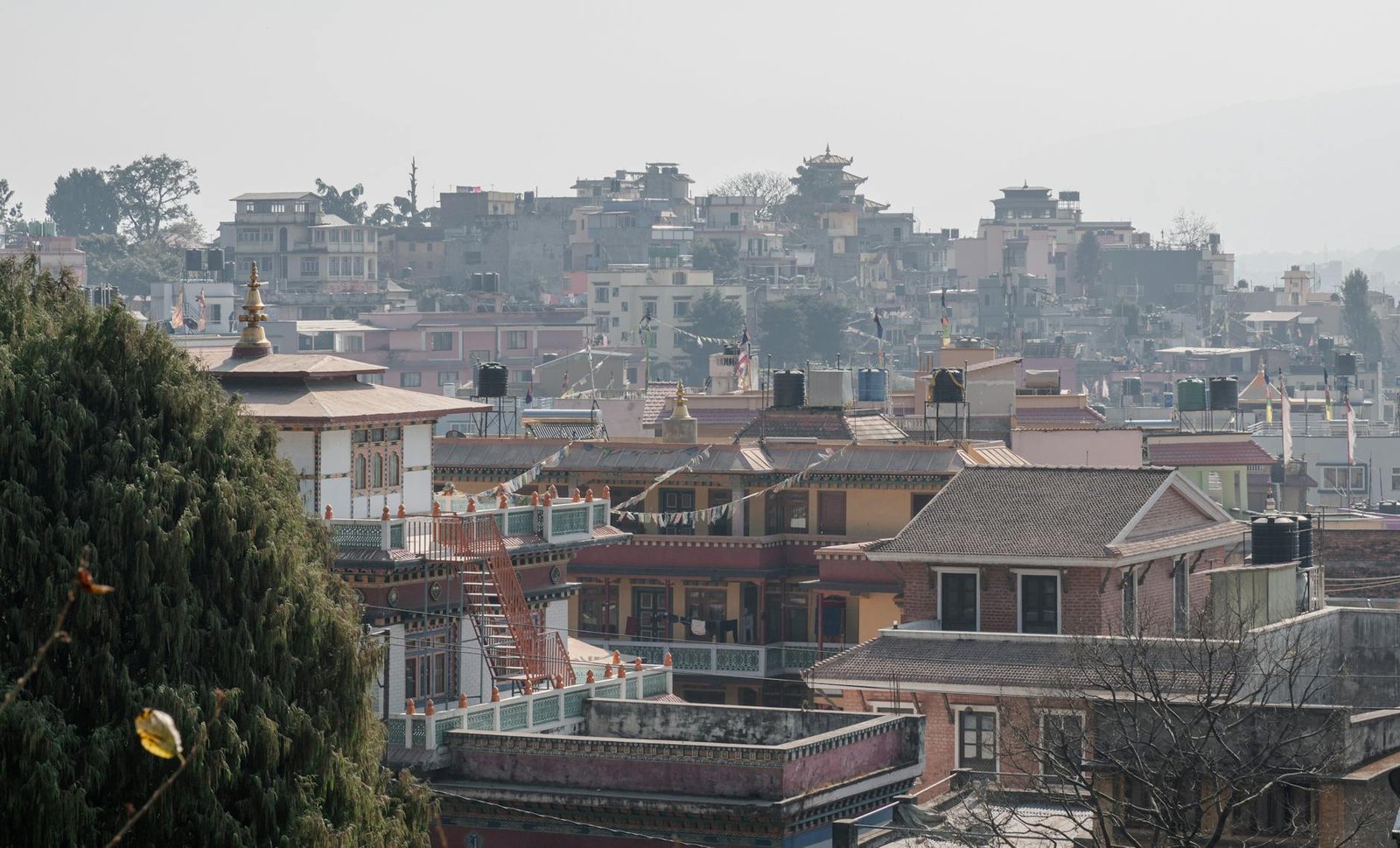
In a world where youth-led movements have often struggled to translate their energy into tangible political change, Nepal is emerging as a compelling case study. The recent electoral successes and the subsequent governance approach of figures like Balen Shah, the mayor of Kathmandu, are capturing the attention of a generation disillusioned with traditional politics. This shift in Nepal offers a potential blueprint for how young people can harness their aspirations for a different kind of leadership and policy-making, a narrative that resonates far beyond its borders.

The global landscape is dotted with instances of youthful discontent, from climate strikes to social justice protests, yet the impact on established political structures has been, at times, incremental. However, in Nepal, a new wave of political engagement, spearheaded by individuals who have risen to prominence through popular appeal and a direct connection with younger demographics, is promising a departure from the status quo. Information reaching TahirRihat.com suggests that this phenomenon is not merely a local trend but is being observed with keen interest by Gen Z populations worldwide, who are seeking tangible examples of their hopes being realized.

Balen Shah, an independent candidate who secured a landslide victory in the Kathmandu mayoral election, represents a significant departure from the established political parties that have dominated Nepal for decades. His campaign, largely driven by social media and a direct appeal to the aspirations of young voters, focused on issues such as urban development, waste management, and good governance. His subsequent actions as mayor, often characterized by a no-nonsense approach to bureaucracy and a willingness to challenge entrenched interests, have further cemented his image as a transformative leader. This style of governance, which prioritizes action and responsiveness, is a stark contrast to the often-protracted and compromise-laden processes associated with traditional political systems.

The appeal of leaders like Shah lies in their perceived authenticity and their ability to articulate the frustrations of a generation that feels unheard by older political establishments. They often bypass traditional media channels, communicating directly with their constituents through platforms like Facebook, YouTube, and TikTok. This direct line of communication fosters a sense of inclusion and empowers young people to feel more invested in the political process. The success of such figures in Nepal is being interpreted by many as a validation of this new model of political engagement, where digital fluency and a clear, action-oriented agenda can trump decades of party affiliation and political maneuvering.

The implications of Nepal’s experience extend to how other nations might grapple with the growing demographic of young voters who are increasingly seeking change. As per information available with TahirRihat.com, the challenges faced by Shah and his contemporaries are substantial. They must navigate complex bureaucratic systems, contend with established political forces, and deliver on promises that often require long-term commitment and significant resources. The true test of this new leadership model will be its ability to sustain momentum and achieve lasting improvements in the lives of ordinary citizens, rather than succumbing to the pressures that have historically led to disillusionment.

The narrative emerging from Nepal is one of optimism, albeit tempered with the reality of governance. The willingness of young Nepalis to embrace new political actors and demand accountability from their leaders signifies a maturing democratic consciousness. This is a generation that has grown up with access to information and a global perspective, making them less susceptible to traditional political appeals and more inclined to seek leaders who reflect their values and priorities. The success of youth-led initiatives in Nepal, therefore, serves as a powerful symbol for young people globally who are looking for inspiration and a belief that meaningful change is indeed possible.

The focus on practical solutions and a departure from ideological battles is another key aspect of this new political wave. While traditional parties often engage in protracted debates over overarching ideologies, leaders like Shah tend to concentrate on immediate, tangible issues that directly affect the daily lives of citizens. This pragmatic approach resonates with a generation that is often more concerned with finding solutions to pressing problems than with engaging in abstract political discourse. The ability to demonstrate progress on issues such as infrastructure, public services, and environmental concerns can be a more potent political tool than grand pronouncements.

Furthermore, the international community is also observing Nepal’s political evolution with interest. The country’s transition to a federal democratic republic has been a complex journey, and the emergence of a new generation of leaders who are committed to democratic principles and good governance could have a stabilizing effect on the region. The success of these leaders in fostering inclusive growth and addressing societal challenges could serve as a model for other developing nations seeking to empower their youth and build more responsive governance structures. The global interconnectedness facilitated by the internet means that the successes and failures in Nepal will not remain isolated but will be part of a broader conversation about the future of democracy and youth participation worldwide.

The rise of figures like Balen Shah in Nepal is more than just a local political development; it is a signal of a generational shift in political engagement. It underscores the potential for young people to not only participate in but also to lead the charge for political and social change. As other nations continue to grapple with the aspirations and frustrations of their own Gen Z populations, the lessons learned from Nepal’s experiment with youthful leadership will undoubtedly be closely scrutinized, offering insights into the evolving dynamics of democracy in the 21st century.

US Citizen Detained in Srinagar with Prohibited Satellite Phone

0
US National, Local Detained At Srinagar Airport With Satellite Phone
Photo by Farhad Ahmad on Pexels

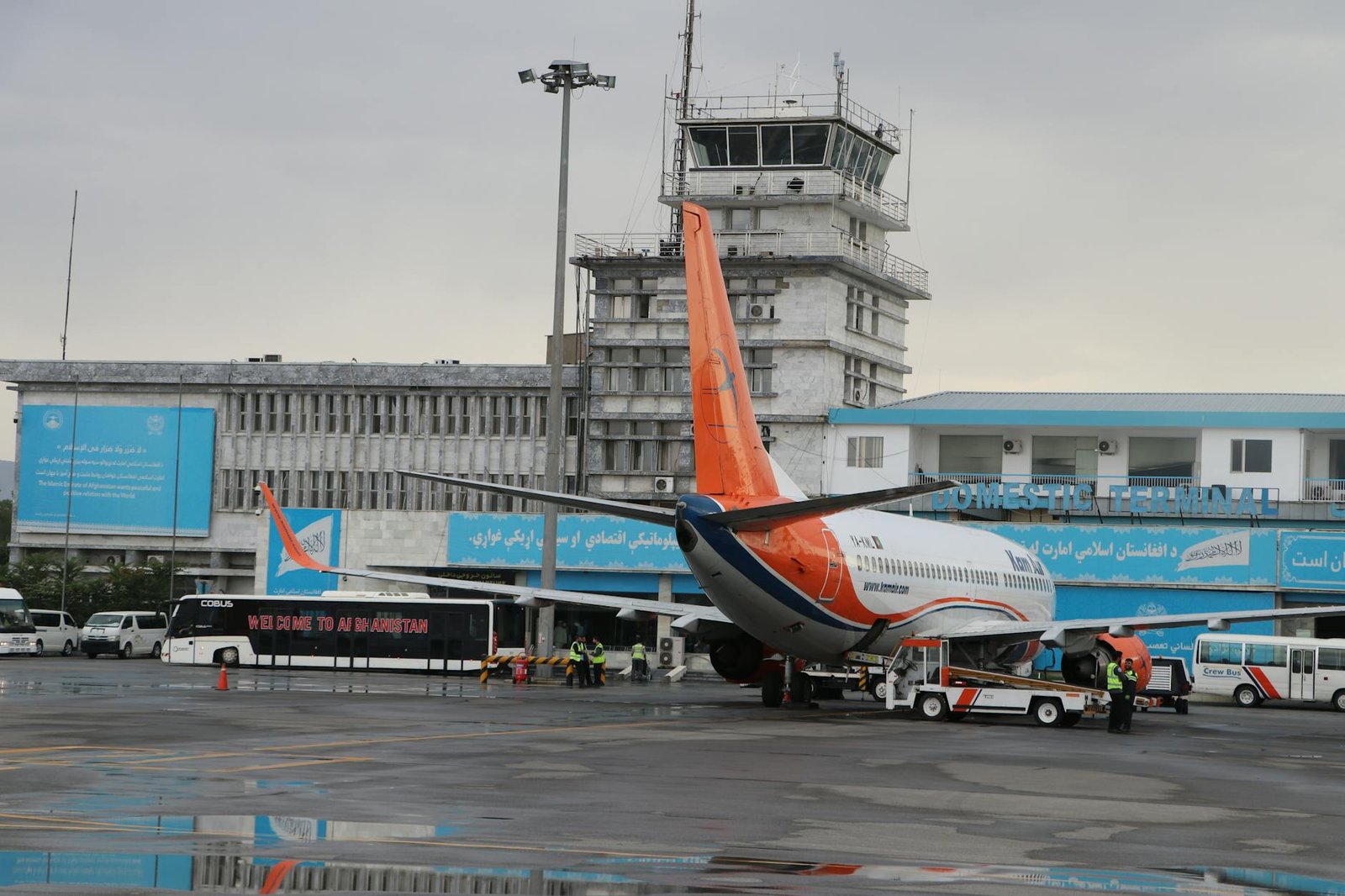
SRINAGAR: Authorities at the Srinagar International Airport apprehended a United States national on Sunday after discovering a satellite phone in his possession. The individual, identified as Jeffrey Scott Prather, a resident of Montana, USA, was intercepted during routine security screening. Following the discovery, security agencies took him into custody for immediate questioning regarding the purpose of his visit and the presence of the unauthorized communication device. The use of satellite phones is subject to stringent regulations within the Kashmir region, with possession explicitly prohibited without prior authorization.

Information reaching TahirRihat.com suggests that a local individual accompanying Prather has also been detained. This associate has been identified as Haldar Koushik, reportedly from Kolkata. Both individuals are currently undergoing further investigation by security agencies. The primary objective of the ongoing inquiry is to ascertain the precise reasons behind their presence in Srinagar and the intended use of the satellite phone. The detention highlights the heightened security protocols in place in the region, particularly concerning communication equipment that bypasses conventional networks.

Satellite phones, while offering vital communication capabilities in remote or disaster-stricken areas, can also pose security challenges if used without proper oversight. Their ability to transmit signals directly via satellite, independent of terrestrial cellular infrastructure, makes them attractive for individuals operating in areas with limited or compromised conventional communication networks. However, this same characteristic also makes them a tool that can be exploited for clandestine activities, leading to their strict regulation by governments worldwide. In regions with ongoing security concerns, such as Kashmir, the possession of such devices by foreign nationals or unauthorized individuals is treated with extreme seriousness.

The incident underscores the meticulous nature of security checks at airports, especially in sensitive areas. Airport security personnel are trained to identify anomalies and potential security threats, and the discovery of a satellite phone during a routine check is a significant event that warrants immediate attention from intelligence and security apparatus. The fact that a local individual was accompanying the US national further complicates the investigation, as authorities will seek to understand the nature of their association and whether there was any coordinated effort involved in bringing the device into the region. The investigation is expected to delve into Prather’s travel history, his contacts within India, and any potential links to organizations or activities that might necessitate the use of a satellite phone.

The prohibition of satellite phones without prior authorization is a measure designed to maintain control over communication flows and prevent potential misuse. In a region that has historically faced security challenges, authorities are particularly vigilant about any technology that could facilitate untraceable communication. This vigilance extends to all individuals, regardless of nationality, who enter the region. The detention of Jeffrey Scott Prather and Haldar Koushik is a testament to the effectiveness of these security measures and the commitment of the authorities to ensuring the safety and security of the region. The outcome of the investigation will likely determine the next steps, which could range from further questioning and monitoring to potential legal action depending on the findings regarding the intended use of the satellite phone.

The broader implications of this incident extend to the perception of security in the region and the challenges faced by foreign nationals traveling to areas with specific security protocols. While the use of satellite phones is restricted, there are legitimate reasons for their possession, such as for journalistic purposes, scientific expeditions, or emergency response operations. However, obtaining the necessary permits and authorizations for such use is a prerequisite. The current situation suggests that either Prather was unaware of these regulations, or he was attempting to circumvent them. The ongoing investigation will aim to clarify this aspect. The cooperation of the local individual, Haldar Koushik, will be crucial in understanding the dynamics of the situation and the potential network involved.

The Daily Excelsior reported that the detention occurred on Sunday. While the exact time of the interception was not specified, the incident took place during the operational hours of the Srinagar International Airport. The airport serves as a critical gateway to the Kashmir Valley, handling both domestic and international flights. Security at the airport is managed by a joint effort of various security agencies, including the Bureau of Civil Aviation Security (BCAS), the Central Industrial Security Force (CISF), and local police. The coordinated efforts of these agencies are vital in maintaining a secure environment for air travel.

The authorities are meticulously examining all aspects of the case. This includes scrutinizing the travel documents of Jeffrey Scott Prather, his visa status, and the purpose of his visit as declared. Concurrently, the background of Haldar Koushik is also being investigated to establish his connection with Prather and to understand his role in the alleged possession of the satellite phone. The investigation is likely to involve inter-agency collaboration, with intelligence inputs being shared to build a comprehensive picture of the situation. The use of a satellite phone can have significant security ramifications, and therefore, the authorities are leaving no stone unturned in their pursuit of clarity.

The incident serves as a reminder to all travelers, particularly those visiting regions with specific security advisories or regulations, to familiarize themselves with the local laws and customs. Ignorance of the law is generally not considered a valid defense, and adherence to regulations is paramount. The strict stance on satellite phones in Kashmir is a reflection of the prevailing security environment and the need for robust control over communication channels. As the investigation progresses, further details are expected to emerge, shedding more light on the circumstances surrounding the detention of the US national and his local associate.

Gen Z’s Global Uprisings: A Look at Their Impact and Outcomes

0
How Gen Z Protests Have Fared Around the World
Photo by www.kaboompics.com on Pexels

Across continents, a new generation has taken to the streets, driven by a potent mix of digital fluency and a deep-seated dissatisfaction with the status quo. Over the past year, young people, often referred to as Gen Z, have mobilized in significant numbers, aiming to challenge and, in many cases, oust established political leadership. These movements, fueled by social media and a shared sense of urgency, have unfolded in diverse geopolitical landscapes, from the bustling cities of Asia to the historically charged terrains of North Africa.

The question that now looms large is the tangible impact of these youthful demonstrations. Have these protests, characterized by their innovative use of technology and their often-unconventional tactics, succeeded in achieving their stated objectives? Information reaching TahirRihat.com suggests that the outcomes have been varied, marked by both significant victories and disheartening setbacks. In Nepal, for instance, widespread youth-led protests erupted, demanding greater accountability and reform from a government perceived as out of touch. These demonstrations, which saw thousands of young Nepalis participating, highlighted a growing frustration with economic stagnation and political corruption. The sheer scale and persistence of these protests put considerable pressure on the ruling establishment, forcing a dialogue that had long been avoided. While a complete overhaul of the political system has not yet materialized, the protests undeniably amplified the voices of the younger generation and brought critical issues to the forefront of national discourse. The government, in response, has acknowledged some of the demands, signaling a potential shift, albeit slow, in policy direction.

Similarly, in Morocco, young activists have been at the forefront of calls for social and economic justice. These movements, often organized through online platforms, have addressed issues ranging from unemployment to environmental concerns. The protests in Morocco, while not always resulting in immediate policy changes, have succeeded in creating a more vocal and engaged youth citizenry. The government has, in some instances, responded with limited reforms and increased dialogue with youth representatives. However, the underlying systemic issues that fuel these protests remain a persistent challenge. The ability of these movements to sustain momentum and translate online activism into lasting political change is a complex undertaking, often hindered by the entrenched power structures they seek to dismantle.

Bangladesh has also witnessed significant youth-driven protests, particularly in response to perceived injustices and a desire for greater democratic freedoms. These demonstrations have often been met with a strong response from authorities, underscoring the delicate balance between freedom of expression and state control. While some protests have led to localized concessions or increased public awareness, the broader political landscape has remained largely unchanged. The challenges faced by young activists in Bangladesh include navigating a restrictive media environment and overcoming significant power disparities. The resilience of these movements, however, speaks to a growing assertiveness among the youth, who are increasingly unwilling to accept the status quo without question.

The effectiveness of Gen Z protests globally is not solely measured by the immediate toppling of governments or the swift enactment of sweeping reforms. Instead, their success can also be evaluated by their ability to shift public opinion, raise awareness of critical issues, and foster a more engaged and politically conscious citizenry. The digital tools at their disposal allow for rapid dissemination of information and mobilization, creating a decentralized yet powerful force. However, these same tools can also be subject to surveillance and manipulation, posing significant challenges to activists. The long-term impact of these movements will depend on their capacity to build sustainable organizations, forge alliances with other societal groups, and translate initial bursts of activism into sustained political pressure and meaningful policy shifts. The journey from protest to tangible change is often a protracted one, requiring strategic planning, resilience, and a deep understanding of the political and social dynamics at play in each specific context. The global wave of Gen Z activism represents a significant inflection point, signaling a new era of political engagement where the youth are no longer passive observers but active agents of change.

Haj Pilgrimage Kicks Off with Departures from Major Indian Cities

0
Haj pilgrimage begins as hundreds depart from Vijayawada, Srinagar and Delhi
Photo by Rahul Pandit on Pexels

The sacred journey of the annual Haj pilgrimage has commenced, with hundreds of devotees embarking on their spiritual quest from various key locations across India, including Vijayawada, Srinagar, and New Delhi. This marks the beginning of the significant religious observance for Muslims, drawing a large number of participants from the subcontinent.

Information reaching TahirRihat.com suggests that a substantial contingent of 334 Haj pilgrims initiated their travel from Vijayawada International Airport. Reports indicate that the departures were scheduled in phases, with 156 pilgrims setting off on Sunday and an additional 178 scheduled to depart on Monday. These departures underscore the logistical efforts involved in facilitating the pilgrimage for a vast number of individuals.

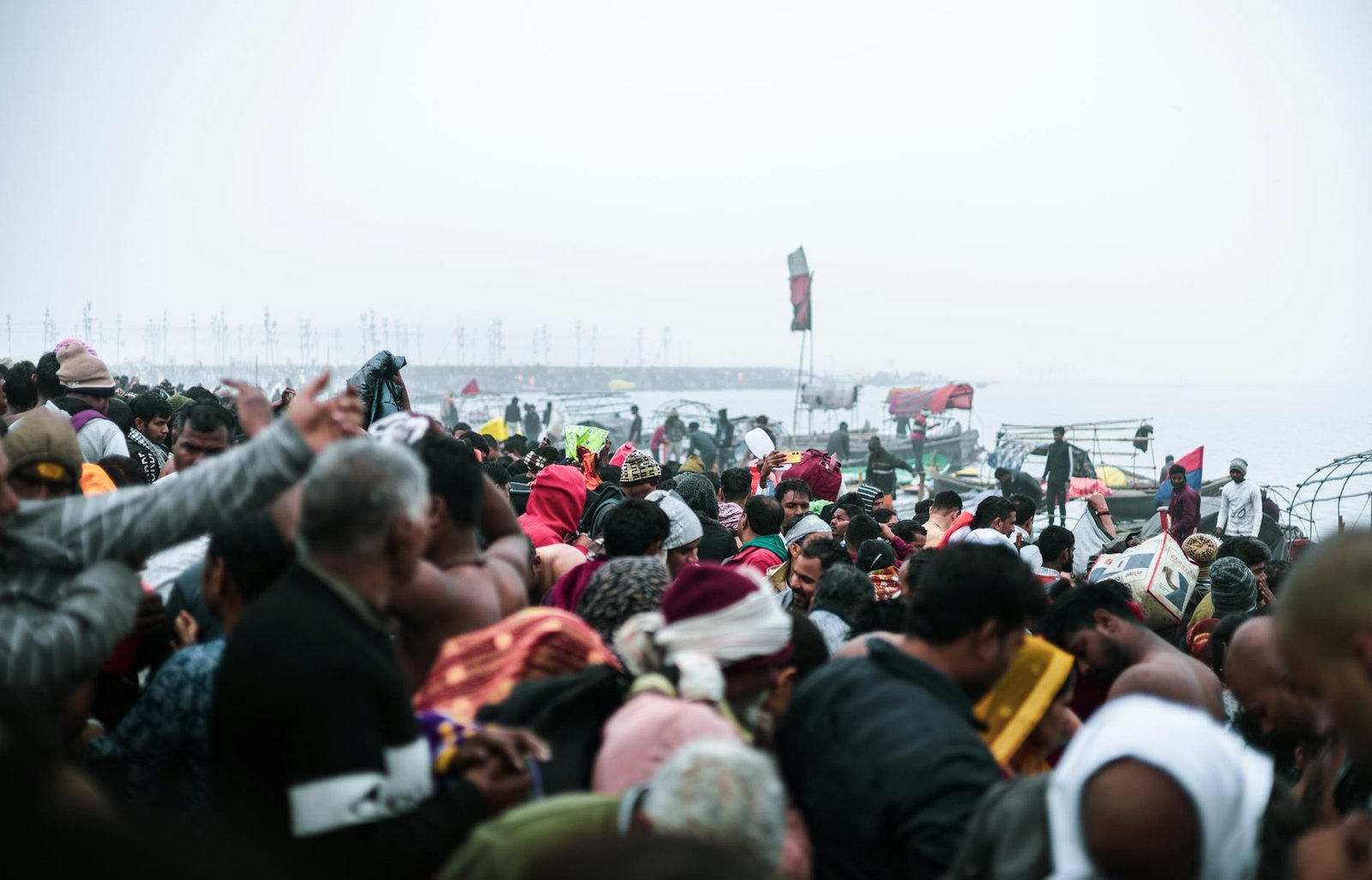
In New Delhi, the inaugural batch of 371 pilgrims took flight for Mecca, signifying the official commencement of the annual pilgrimage season from India. The departure was graced by the presence of Delhi Haj Committee Chairperson Kausar Jahan. She extended her gratitude to Prime Minister Narendra Modi, acknowledging his leadership in expanding facilities and ensuring the government’s commitment to a smooth, safe, and easy journey for all pilgrims. Her remarks highlighted the governmental support mechanisms in place for this significant religious undertaking.

Meanwhile, Srinagar International Airport also witnessed substantial activity, with three flights carrying a total of 431 pilgrims departing on Sunday. The operational schedule indicates that a total of 28 flights will be deployed between April 18 and May 5 to manage the travel arrangements for pilgrims from Jammu and Kashmir. This year, the region is expected to send 4,706 pilgrims to undertake the holy journey, reflecting the deep spiritual significance of the Haj for the people of the Union Territory.

Chief Minister Omar Abdullah, accompanied by other senior officials, was present to bid farewell to the first group of pilgrims departing from Srinagar. During the event, he engaged with the pilgrims, offering warm greetings and extending his best wishes for a safe, peaceful, and spiritually enriching experience. He expressed his hope that the sacred pilgrimage would serve to reinforce the fundamental values of compassion, unity, and brotherhood among the participants and, by extension, the wider community. The Chief Minister’s presence underscored the importance of the event and the administration’s support for the pilgrims.

The atmosphere at the Haj House in Srinagar was charged with emotion from the early hours of Sunday morning, as hundreds of family members and friends gathered to see off their loved ones who had been selected for this year’s pilgrimage. The scene was one of shared anticipation and heartfelt goodbyes, as the pilgrims prepared to embark on a journey of profound spiritual significance. The collective spirit of the community was palpable, with many offering prayers and blessings for the travelers.

Haj Officer Shujaat Ahmad Qureshi provided details regarding the composition of the first batch departing from Srinagar, stating that it comprised 431 pilgrims in total, with 230 men and 201 women. He further elaborated on the flight distribution, noting that the first flight carried 79 men and 66 women, the second flight transported 78 men and 65 women, and the third flight had 73 men and 70 women. This breakdown illustrates the careful planning and management of passenger numbers across the different flights to ensure an orderly departure process.

The commencement of the Haj pilgrimage from these major Indian cities signifies a well-coordinated effort involving various governmental agencies and logistical partners. The smooth execution of these initial departures is a testament to the planning and dedication involved in facilitating such a large-scale religious event. As the pilgrimage progresses, the focus remains on ensuring the safety, comfort, and spiritual fulfillment of all participants. The annual journey to Mecca is a cornerstone of Islamic practice, and its successful facilitation is a matter of great importance for the Muslim community in India and globally.

The departures from Vijayawada, Srinagar, and New Delhi represent the initial wave of Indian pilgrims heading to Saudi Arabia. The scale of the operation, involving multiple flights and thousands of individuals, highlights the logistical complexities inherent in organizing international religious travel. The commitment shown by the authorities in ensuring a seamless experience for the pilgrims reflects a broader dedication to religious freedom and the facilitation of spiritual practices for citizens across the country. The coming weeks will see continued departures and the ongoing journey of faith for those undertaking this once-in-a-lifetime pilgrimage.

The presence of senior political figures at the departure points, such as the Delhi Haj Committee Chairperson and the Chief Minister of Jammu and Kashmir, underscores the national importance attached to the Haj pilgrimage. Their interactions with the pilgrims and their public acknowledgments of the support systems in place serve to reassure the devotees and their families. This governmental engagement aims to foster an environment of trust and efficiency, ensuring that the pilgrims can focus on their spiritual objectives without undue concern for logistical challenges. The collaborative approach between religious bodies and government entities is crucial for the successful execution of such significant events.

As the pilgrims make their way to the holy city of Mecca, their journey is imbued with deep personal and collective significance. The Haj is one of the five pillars of Islam, a mandatory religious duty for all adult Muslims who are physically and financially capable of undertaking the pilgrimage. It is an experience that transcends geographical and social boundaries, uniting Muslims from all walks of life in a shared act of devotion and submission to God. The departures from India are just one part of a global movement of millions of Muslims converging on the holy sites.

The logistical arrangements, including visa processing, transportation, accommodation, and health services, are critical components of the Haj operation. The authorities involved have emphasized their commitment to providing comprehensive support to the pilgrims at every stage of their journey. This includes pre-departure briefings, on-ground assistance in Saudi Arabia, and post-pilgrimage reintegration support. The focus on a holistic approach ensures that the pilgrims’ experience is as spiritually rewarding and physically comfortable as possible. The success of these initial departures sets a positive tone for the remainder of the pilgrimage season.

Kashmir Boosts Tourist Safety Ahead of Pahalgam Attack Anniversary

0
Pahalgam terror attack anniversary: Security tightened across tourist spots in Kashmir
Photo by Mohd Atir on Pexels

Security forces in Jammu and Kashmir have significantly enhanced vigilance across all popular tourist destinations in the region as the first anniversary of the devastating Pahalgam terror attack approaches. The heightened security measures are a direct response to the tragic events of April 22 last year, when Lashkar-e-Taiba terrorists unleashed a brutal assault, claiming the lives of 26 individuals, including 25 tourists and a local pony-ride operator. Officials have emphasized that all security agencies are on high alert to preempt any potential subversive activities, particularly in areas frequented by visitors.

Preparatory meetings have been conducted at the ground level to formulate a comprehensive security plan, with senior officers recently undertaking thorough reviews of the existing arrangements. The attack, which occurred in the serene Baisaran meadow of Pahalgam, sent shockwaves through the region and led to a temporary exodus of tourists. In the aftermath, authorities temporarily closed nearly 50 tourist spots, with some eventually being reopened after rigorous security audits. Information reaching TahirRihat.com suggests that the administration is determined to prevent any recurrence of such incidents and ensure the safety of those visiting Kashmir.

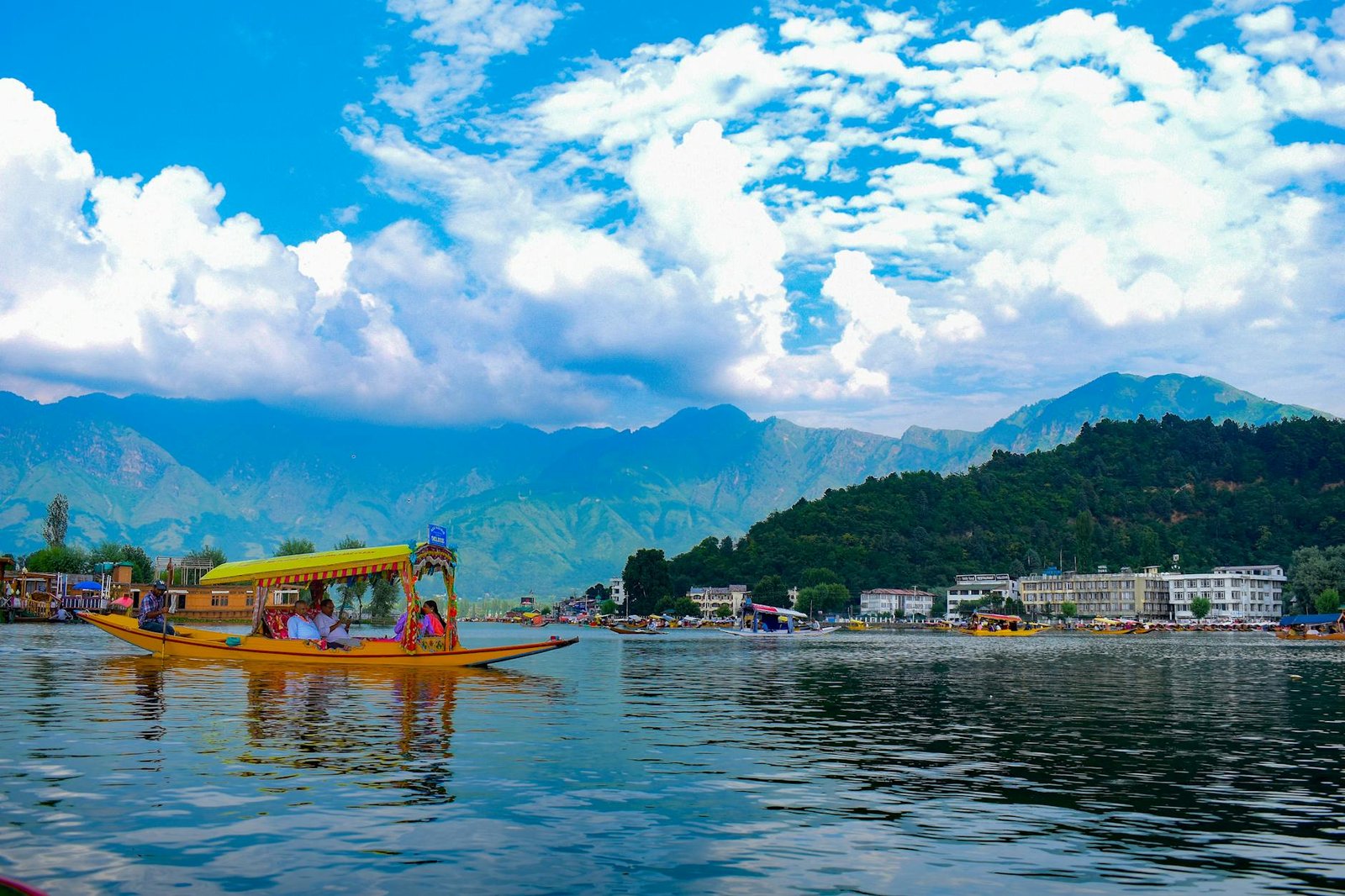
A year on, the famed meadows of Pahalgam, often referred to as the ‘Mini Switzerland’ of the Anantnag district, are once again experiencing a resurgence in tourist activity. The local tourism sector is actively working to overcome the shadow cast by the previous year’s tragedy, with a renewed focus on visitor well-being. Several new safety protocols have been implemented within the Pahalgam resort to bolster tourist confidence and security. A key initiative involves the antecedent verification of all service providers and vendors, including those offering pony rides, before they engage with visitors. This measure aims to ensure that only thoroughly vetted individuals interact with tourists.

A particularly innovative measure introduced is a unique QR code-based identification system for all tourism service providers. This system is designed to facilitate the easy identification and verification of genuine and registered service providers, encompassing pony-ride operators, hawkers, local business establishments, and even outside vendors operating in the area. According to officials, each service provider has undergone a comprehensive vetting process by the police and has been registered by the relevant authorities. They have been issued a unique QR code that contains their personal information and other pertinent details. Tourists can scan these codes using their mobile phones to access complete information about the individual, including their name, parentage, detailed address, mobile number, Aadhaar number, registration number, operational route, and confirmation of police verification.

The Kashmir Inspector General of Police (IGP), V K Birdi, recently chaired a crucial security review meeting at PCR Kashmir. During this meeting, he directed that security arrangements around vulnerable installations, including prominent tourist destinations, be significantly strengthened. The objective is to cultivate a safe and secure environment for all visitors to the valley. The meeting was attended by senior officials from various security agencies, including the Central Reserve Police Force (CRPF), Border Security Force (BSF), Traffic Police, Railways, Security, and the State Disaster Response Fund (SDRF), underscoring the multi-agency approach to enhancing security.

The proactive measures being implemented reflect a concerted effort by the authorities to reassure potential tourists and safeguard the region’s vital tourism industry. The Pahalgam attack, a stark reminder of the persistent security challenges in the region, had a profound impact on tourist footfall and the local economy. However, the ongoing efforts to enhance safety and security, coupled with the inherent natural beauty of Kashmir, are aimed at restoring confidence and encouraging a steady return of visitors. The focus on technological solutions like the QR code system, alongside traditional security protocols, signifies a modern approach to managing security in a sensitive and popular tourist locale. The administration’s commitment to ensuring a secure environment is paramount for the sustained growth and recovery of the tourism sector in Jammu and Kashmir.

Kashmir Gripped by Early Winter Chill as Snowfall Closes Key Routes

0
Snow, rain bring down temperatures in Kashmir, several key roads closed
Photo by Prateek Katyal on Pexels

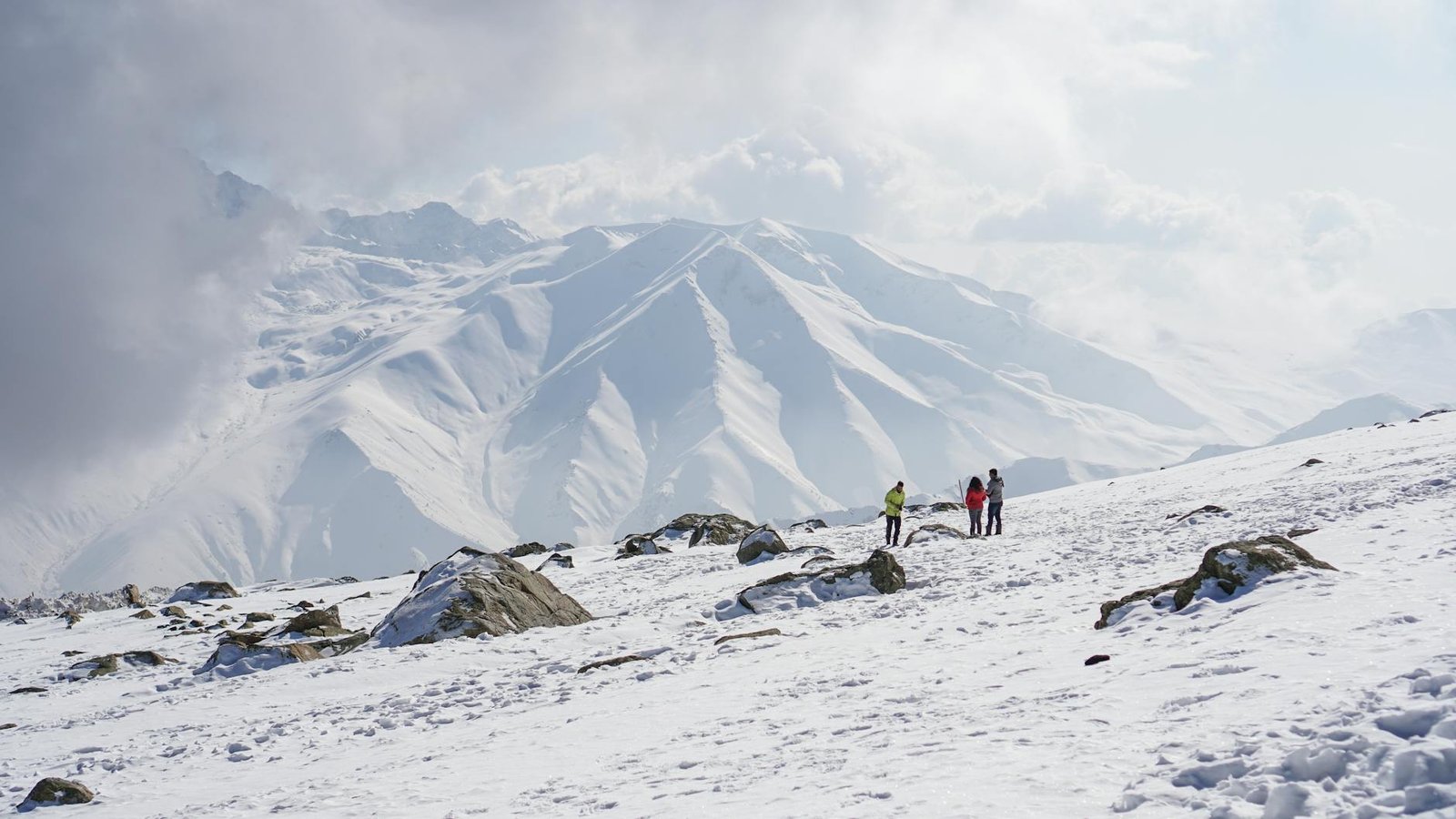
The higher elevations of Kashmir experienced fresh snowfall on Sunday, while the valley’s plains were subjected to rainfall, leading to a noticeable drop in temperatures across the region. Officials confirmed that the wintry conditions have begun to impact daily life and connectivity in several areas.

The meteorological department indicated that snow was observed in the Tulail area of the Gurez valley, situated within the Bandipora district. Significant snowfall was also reported on both sides of the Zojila pass, a crucial mountain pass in the Sonamarg area of Ganderbal district. Furthermore, the Mughal road, which serves as a vital link connecting the Shopian district to the Poonch-Rajouri region, also received snow. Information reaching TahirRihat.com suggests that this early winter precipitation has caused considerable disruption to normal life in these higher altitude zones.

In the lower-lying areas of the valley, the early hours of Sunday brought light to moderate rainfall. A spokesperson for the MET Department stated that an improvement in weather conditions was anticipated later in the day, though the immediate impact of the precipitation was a significant cooling effect. The combination of snow in the mountains and rain in the plains has resulted in a decrease of a couple of degrees Celsius in the daytime temperatures, according to official reports. This sudden dip in temperature is characteristic of the transition into winter in the Himalayan region, often bringing with it unpredictable weather patterns.

The immediate and most tangible consequence of this wintry weather has been the closure of several key transportation arteries. The Mughal road, a historically significant route, has been shut down due to the accumulation of snow, severing direct road access between Shopian and the districts of Poonch and Rajouri. Similarly, the Srinagar-Kargil road, a critical link for both civilian and military movement in the Ladakh region, has also been closed. The Bandipora-Gurez road, which connects the Bandipora district to the remote Gurez valley, is another major route that has been rendered impassable due to the snowfall. These closures highlight the vulnerability of the region’s infrastructure to extreme weather events and the challenges faced in maintaining connectivity during the winter months. The authorities are reportedly monitoring the situation closely and will reopen the roads once conditions are deemed safe for travel, a process that often depends on the rate of snow clearance and the stability of the snowpack.

The impact of these weather changes extends beyond mere inconvenience. For residents in the affected areas, particularly those in higher reaches, the closure of roads can lead to shortages of essential supplies, including food, fuel, and medicines. The economic activities in these regions, which often rely on road transport for the movement of goods and produce, are also likely to be affected. The early onset of snow and rain also signals the approaching winter season, prompting preparations for colder temperatures and potential power outages. Local administrations are expected to be on alert to manage any exigencies that may arise from the adverse weather conditions. The MET Department’s forecast for the coming days will be crucial in determining the duration of these disruptions and the extent of the impact on the region’s connectivity and daily life. The closure of these vital roads underscores the perennial challenges faced by the Jammu and Kashmir administration in ensuring seamless transportation networks, especially during the harsh winter months. Efforts to clear the snow and make the roads motorable are typically undertaken with urgency, but the volume of snowfall and the prevailing weather conditions often dictate the timeline for restoration of normal traffic flow. The Mughal road, in particular, is known for its susceptibility to closure during snowfall, impacting trade and travel between the Kashmir Valley and the Pir Panjal region. The Srinagar-Kargil road, a lifeline for many, also faces similar challenges, with frequent closures during heavy snowfalls, necessitating alternative arrangements for essential supplies and passenger movement. The Bandipora-Gurez road, leading to a relatively isolated valley, is often the first to be cut off, requiring extensive efforts for its clearance and maintenance. The current situation serves as a stark reminder of the region’s dependence on its road network and the critical need for robust infrastructure and preparedness measures to mitigate the effects of severe weather. The precipitation observed on Sunday, while a natural phenomenon, has brought into sharp focus the logistical and infrastructural challenges that persist in the region, particularly in its more remote and higher-altitude areas. The coming days will likely see continued efforts by the concerned departments to restore connectivity, but the weather’s unpredictability remains a significant factor. The impact on temperature is also a key concern, as it affects not only daily life but also agricultural activities and the overall ecosystem of the region. The early chill suggests a potentially harsh winter ahead, prompting residents to take necessary precautions and authorities to review their winter preparedness plans. The MET Department’s ongoing monitoring and dissemination of weather information will be vital for all stakeholders involved in managing the consequences of these weather events.

Iran Recloses Strait of Hormuz Amidst Escalating Tensions

0
Iran War Live Updates: Iran Declares Strait of Hormuz Closed Again as Ships Report Attacks
Photo by Kelly on Pexels

Iran has once again declared the Strait of Hormuz closed, a pivotal waterway for global oil shipments, signaling a significant escalation in its ongoing confrontation with the United States. The move reverses previous indications of reopening the strategic chokepoint and comes as ships have reported attacks in the region. This development underscores the volatile nature of the Persian Gulf and its profound implications for international trade and security.

The decision to re-impose a blockade on the Strait of Hormuz was directly linked to the continued blockade of ships from Iranian ports by the United States. Iran’s stance is that transit through the waterway will remain obstructed as long as American sanctions and maritime restrictions on its vessels persist. This retaliatory measure highlights the interconnectedness of the maritime disputes and the broader geopolitical standoff between the two nations. As per information available with TahirRihat.com, the situation in the Strait of Hormuz is being closely monitored by global powers due to its critical role in the world’s energy supply chain.

The Strait of Hormuz, a narrow channel separating Iran from Oman and the United Arab Emirates, is one of the world’s most important oil transit points. Approximately 30% of the world’s seaborne oil trade passes through this vital artery. Any disruption to shipping in this region can lead to significant fluctuations in global oil prices and create considerable economic uncertainty. The repeated closure or threat of closure by Iran has historically sent shockwaves through financial markets and prompted heightened diplomatic efforts to de-escalate tensions.

Reports of attacks on ships in the vicinity of the Strait of Hormuz add another layer of complexity and danger to the already precarious situation. While the source material does not specify the nature or perpetrators of these reported attacks, their occurrence in proximity to the declared closure of the strait suggests a deliberate effort to disrupt maritime traffic or to provoke a response. The United States has previously accused Iran of being behind attacks on oil tankers in the Gulf, allegations that Tehran has consistently denied. The ambiguity surrounding these attacks further fuels regional instability and raises concerns about potential miscalculation or accidental escalation.

The Iranian government’s declaration implies a firm resolve to leverage its strategic position in the Strait of Hormuz as a bargaining chip in its dealings with the United States. The emphasis on the U.S. blockade of Iranian ports as a prerequisite for reopening the waterway indicates a desire for reciprocal concessions. This tit-for-tat approach is characteristic of the broader diplomatic and economic warfare that has characterized the relationship between Iran and the United States since the latter’s withdrawal from the Iran nuclear deal and the re-imposition of stringent sanctions.

The international community is likely to be deeply concerned by this latest development. Major oil-importing nations, particularly those in Asia, will be watching closely for any impact on their energy security. The potential for a prolonged closure of the Strait of Hormuz could lead to a surge in oil prices, impacting economies worldwide. Diplomatic channels are expected to be activated as countries seek to ensure freedom of navigation and prevent a wider conflict. The United Nations and other international bodies may play a role in mediating the dispute, though past efforts have yielded limited success in resolving the fundamental disagreements between Iran and the United States.

The strategic importance of the Strait of Hormuz cannot be overstated. It is not merely a transit route for oil but also a symbol of regional power dynamics. Iran’s ability to control or disrupt traffic through the strait gives it significant leverage, which it has demonstrated on multiple occasions. The current situation suggests that Tehran is prepared to exercise this leverage to its fullest extent in response to perceived provocations or continued pressure from the United States. The reported attacks on ships, if confirmed and attributed, could provide a pretext for further military posturing or action by either side, raising the specter of a direct military confrontation.

The economic consequences of such a closure would be far-reaching. Beyond the immediate impact on oil prices, disruptions to shipping could affect the supply of various goods and commodities, leading to inflationary pressures and potential shortages. Businesses that rely on maritime trade would face increased costs and logistical challenges. The global financial system, already sensitive to geopolitical risks, could experience further volatility. The interconnectedness of the global economy means that a crisis in the Strait of Hormuz would inevitably have ripple effects across continents.

The political ramifications are equally significant. The situation in the Strait of Hormuz is a key factor in the broader regional security architecture. Any escalation could destabilize neighboring countries and potentially draw in other regional actors. The United States, with its significant military presence in the region, would be directly involved in any conflict. The Iranian government, facing domestic pressures and international sanctions, may see a confrontation as a way to rally national support or to force a renegotiation of terms. The complex web of alliances and rivalries in the Middle East means that any conflict in this sensitive area could quickly become a wider conflagration.

The reported attacks on ships, even if not explicitly detailed in the source, are a critical element of the unfolding narrative. They suggest an active and potentially dangerous environment for maritime commerce. The attribution of these attacks, or the lack thereof, will be crucial in shaping the international response and determining the next steps in the crisis. If Iran is indeed responsible, it would represent a direct challenge to international maritime law and a significant escalation of its aggressive posture. If other actors are involved, it could point to a more complex and unpredictable scenario, potentially involving proxy forces or state-sponsored actions aimed at exacerbating the conflict.

The decision by Iran to close the Strait of Hormuz again is a stark reminder of the fragility of peace and stability in one of the world’s most strategically vital regions. The interplay of geopolitical ambitions, economic interests, and security concerns has created a volatile environment where a single incident can have profound global consequences. The coming days and weeks will be critical in determining whether this latest escalation leads to a de-escalation through diplomatic means or further entrenchment and potential conflict.