Home Blog Page 258

Jammu and Kashmir Sees Diverse Job Openings Across Sectors

0
EMPLOYMENT (19-04-2026)
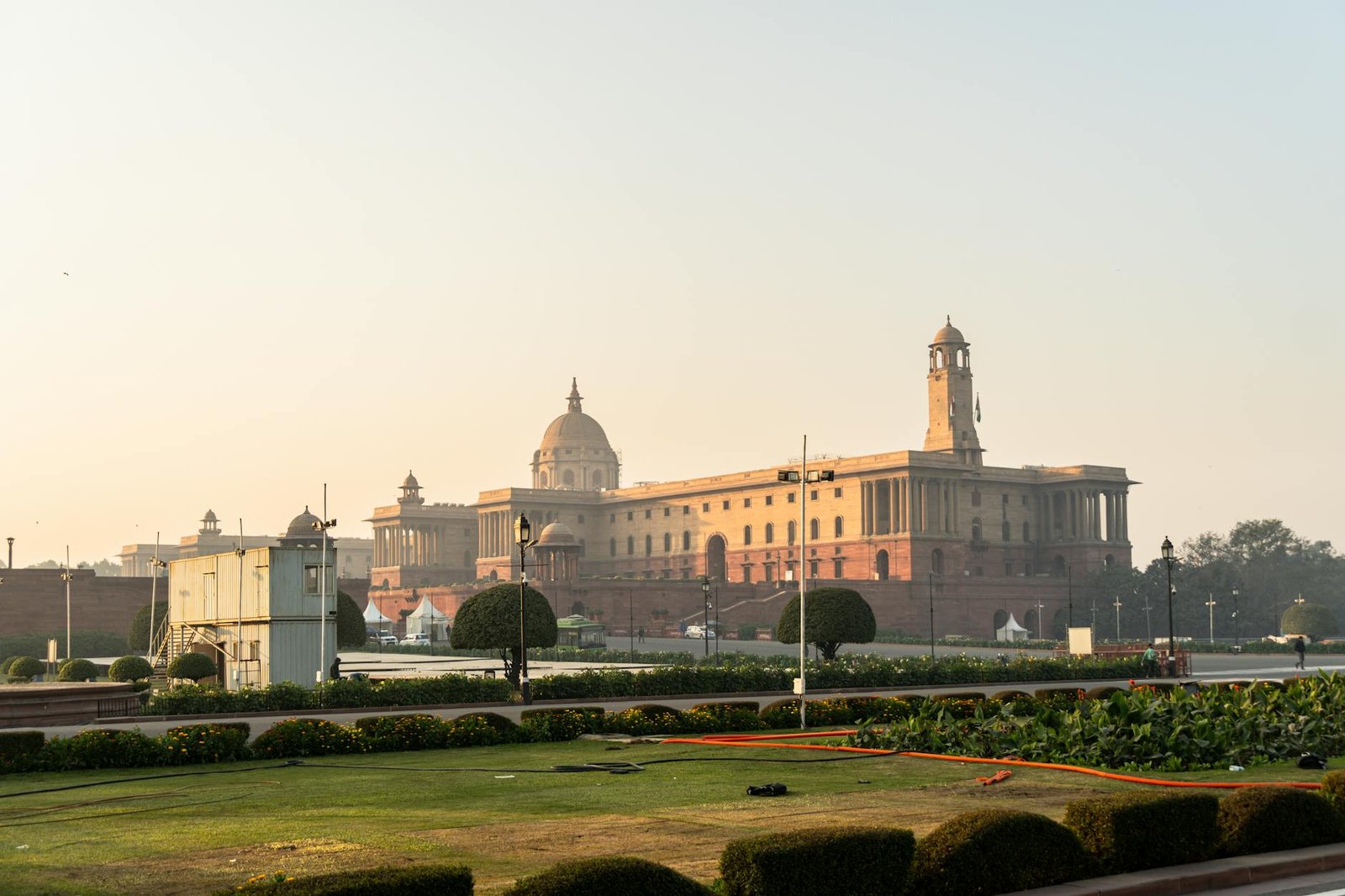
Photo by Imad Clicks on Pexels

A spectrum of employment opportunities has emerged across Jammu and Kashmir, signaling a dynamic job market catering to various skill sets and experience levels. From accounting and sales to specialized engineering roles and educational positions, the region is witnessing a surge in demand for qualified professionals and eager individuals looking to enter the workforce.

As per information available with TahirRihat.com, several private entities and organizations are actively seeking to fill a range of vacancies. In the administrative and financial sectors, there is a notable requirement for individuals with strong accounting knowledge. Specifically, positions are open for computerised accounts-knowing males with prior experience, offering handsome salaries. The email address provided for applications is VIKASCHOPRAADV105@GMAIL.COM, with further contact details available at 105/5, Trikuta Nagar, Jammu, and phone numbers 9419128160, 7780861863, and 8492028160. Another accounting role seeks both male and female candidates proficient in BUSY software, advanced Excel, GST audit, income tax, audit, and TDS, with salaries ranging from 4,000 to 11,000. Applications for this position can be sent to ASSOCIATEJBM@GMAIL.COM, with contact numbers 9419115305, 9596515305, and 7780948550.

The sales and marketing domain is also experiencing significant activity. A reputed life insurance company is looking for managers in the Udhampur location, requiring candidates with at least two years of experience in sales and marketing. Ten such positions are available, with salaries projected between 2.50 lacs and 4.50 lacs per annum. Interested candidates can reach out at 8699092400. Furthermore, a Hyderabad-based company is recruiting dynamic sales executives for medical and surgical products, to be based in Jammu. Candidates with a medical or electronics background, graduates or diploma holders with a sales aptitude, including freshers, are encouraged to apply by sending their CVs to 6005381188 or 9419120446. Krishna Sale Corporation in Rani Bagh is hiring sales executives (male) and plans to conduct interviews on April 20th and 21st between 11 AM and 3 PM, with contact number 6006487882. R.C & Sons is seeking a salesman for FMCG products, specifically brooms and makhanna, with an earning potential of 15,000 to 30,000, including fixed salary, incentives, and bonuses. Young, active salesmen with good communication skills and a two-wheeler are preferred, though freshers with one year of experience can also apply. Inquiries should be made by calling 9796220960 after 11:00 AM. Heaven Land Luggage Store in Jammu is urgently seeking two female saleswomen and two male salesmen, along with a helper and a lady cook. Candidates should be below 35 years of age, with females below 30, and students are not permitted. The store operates from 10 AM to 8 PM, and applications can be made via WhatsApp at 9070712273. Additionally, a job vacancy lists a sales manager for Udhampur, alongside receptionist, computer operator, accountant, telecaller, and home tutor positions, with contact available at 9419537229.

The construction sector is also presenting opportunities, particularly for skilled engineers and supervisors. A construction company with a site in Poonch requires two civil engineers with a minimum of five years of experience in building works, one supervisor with at least three years of experience, and one foreman with relevant building experience. Salaries are negotiable based on experience, and interested parties can apply via email at JRGCONSTRUCTIONS@GMAIL.COM or contact 7006123416. Other roles in the construction and skilled trades include a construction supervisor, welder, steel welder, and tile mistri, with contact number 8899973111. A separate advertisement lists a pharmacist, construction supervisor, accountant, driver, welder, steel welder, and tile mistri as required staff.

The healthcare and education sectors are also active in their recruitment drives. Help Psychiatry Centre in Roop Nagar, Jammu, is looking for experienced male staff, including a pharmacist and a GNM/BSC nursing professional, as well as a counselor with an MA in Psychology. Contact numbers for these positions are 9796231134 and 7051318223. A Mumbai-based allopathic pharmaceuticals company, GMP certified with 30 years of pan-India presence, urgently requires medical representatives for the Jammu division (5 positions) and Kashmir division (5 positions). Any science stream graduate can apply. The company is also seeking super stockists and stockists in the Kashmir Valley. Resumes can be mailed to SURINDER3SH@GMAIL.COM. In the educational field, New Jersey Preschool in Greater Jammu Kunjwani is hiring two teachers, requiring graduates who are enthusiastic and caring individuals. Freshers are welcome to apply, and further details can be obtained by visiting the preschool or calling 7006654631. British International School is seeking staff for various teaching positions, including PGTs in Maths, English, Chemistry, and PHE; TGTs in Maths, English, Hindi, SST, and Computers; PRTs for classes I to V across all subjects; as well as sports teachers, music teachers, dance teachers, art and craft teachers, an IT analyst, and a computer operator accountant. Contact is available at Sainik Colony, Sector D Extension, with numbers 8716014024 and 9419174024. Unique International Public School in Gadi Garh, Jammu, affiliated with CBSE, requires three security guards and four bus helpers, with negotiable salaries. Interested candidates should contact the school office on Monday and Tuesday between 10:00 AM and 02:00 PM via phone at 9906038788, 8082018188, or email UPHSS1234@GMAIL.COM.

Further opportunities include a front desk executive (female) position, with resumes to be sent via WhatsApp to 9103968203. A doctor is also sought for consultation at a newly established medical store near Shivaji Chowk, offering space for private consultation with good patient flow. Interested individuals can contact 9858224000. For family needs, a professional female full-time cook is required for a family of five at Talab Tillo, Camp Road, who can prepare both vegetarian and non-vegetarian meals. The duty hours are from 9 AM to 7 PM, with good salary offered. Contact is available at 9186196606. In Leh, there are openings for an accountant with a salary of 26,000, a shop worker who can also drive a car with a salary of 25,000, and a shop worker with a salary of 20,000. Candidates aged 18-25 can apply by WhatsApping their resume to 6006985724. Finally, a vacancy exists for an internal auditor, requiring a CA Inter or AC qualification.


Iran Reopens Strait of Hormuz Firefight, Escalating Global Energy Tensions

0
Iran Fires On Ships In Strait Of Hormuz As Tehran Imposes Restrictions Again
Photo by Fatih Özkan on Pexels

Iran reversed a recent decision to reopen the vital Strait of Hormuz, firing upon a tanker attempting to traverse the waterway on Saturday. The Islamic Republic further signaled its intent to continue blocking transit through the strategic chokepoint for as long as the United States maintains its blockade of Iranian ports. This abrupt reversal and aggressive action by Tehran have amplified concerns over global energy supplies and threatened to push the two nations toward a renewed confrontation, even as diplomatic efforts reportedly continue behind the scenes.

The joint military command of Iran announced on Saturday that “control of the Strait of Hormuz has returned to its previous state … under strict management and control of the armed forces.” This declaration followed an incident where two gunboats belonging to Iran’s Revolutionary Guard reportedly opened fire on a tanker navigating the Strait of Hormuz, according to the British military’s United Kingdom Maritime Trade Operations center. While the tanker and its crew were reported safe, the vessel’s identity and destination were not immediately disclosed. TankerTrackers.com indicated that several vessels, including an Indian-flagged supertanker, were compelled to alter course and turn back in the strait after encountering gunfire from Iranian forces. Information reaching TahirRihat.com suggests that these developments occurred in the wake of U.S. President Donald Trump’s assertion that the blockade would persist “in full force” until Tehran reached a comprehensive agreement with the United States, encompassing its nuclear program. This escalation stands in stark contrast to Iran’s announcement on Friday regarding the reopening of the strait to commercial vessels, an opening that coincided with a fragile 10-day truce between Israel and the Iranian-backed Hezbollah militant group in Lebanon, which appeared to be holding.

The implications of further restrictions on passage through the Strait of Hormuz are significant, given that approximately one-fifth of the world’s oil supply transits this narrow waterway. Any disruption or limitation on this flow would inevitably squeeze already constrained global energy markets, potentially driving prices upward once again. The Friday announcement of the strait’s reopening, through which an estimated 20 percent of global oil is shipped, had offered a brief glimmer of hope for stabilizing energy markets. However, the subsequent events on Saturday have cast a long shadow over these prospects. The ongoing tensions and potential for conflict in the region have had a devastating human cost, with reports indicating that the fighting has resulted in at least 3,000 fatalities in Iran, nearly 2,300 in Lebanon, 23 in Israel, and more than a dozen in various Gulf Arab states. Additionally, thirteen U.S. service members have been reported killed in connection with the broader regional conflicts. Despite the heightened military activity and rhetoric, Pakistani officials have expressed optimism that the United States and Iran are moving closer to a diplomatic resolution, with a ceasefire deadline reportedly set for April 22.

The strategic importance of the Strait of Hormuz cannot be overstated. It is a narrow sea passage that connects the Persian Gulf to the Gulf of Oman and the open sea, making it a critical artery for global energy trade. Any interference with shipping in this region carries immediate and far-reaching economic consequences. The United States has consistently advocated for freedom of navigation in international waters, particularly in areas vital to global commerce. Iran, on the other hand, has utilized its control over the strait as leverage in its ongoing disputes with the U.S. and its allies, particularly concerning sanctions and its nuclear program. The recent actions by Iran suggest a hardening of its stance, potentially in response to perceived pressure from the U.S. blockade. The international community, including major oil-consuming nations, closely monitors developments in the Strait of Hormuz, as any significant disruption can lead to volatile energy prices and economic instability. The conflicting signals from Tehran—first reopening the strait and then firing on vessels—underscore the complex and unpredictable nature of the geopolitical situation in the region. This incident also highlights the delicate balance of power and the potential for miscalculation that could escalate tensions further. The involvement of various actors, including Iran, the U.S., Israel, and Hezbollah, adds layers of complexity to the regional security landscape, with implications that extend far beyond the immediate vicinity of the strait.

The economic ramifications of such events are global. Fluctuations in oil prices directly impact transportation costs, manufacturing, and consumer spending worldwide. A sustained blockade or significant disruption in the Strait of Hormuz could trigger a global economic slowdown, exacerbating existing inflationary pressures. The reliance of many nations on oil imports makes them particularly vulnerable to supply chain disruptions originating from this critical maritime route. The diplomatic efforts mentioned by Pakistani officials, if successful, could provide a much-needed de-escalation, but the recent military actions demonstrate the fragility of such processes. The interplay between economic sanctions, military posturing, and diplomatic negotiations creates a volatile environment where events can rapidly shift from localized incidents to international crises. The ongoing conflict and its human toll serve as a stark reminder of the real-world consequences of geopolitical tensions. The international response to these developments will likely involve a combination of diplomatic pressure, economic considerations, and security assessments, as nations strive to maintain stability in a region vital to global prosperity and security.

Bulgaria Heads to Eighth Election in Five Years Amidst Prosperity Hopes

0
What to Know About the Bulgarian Election
Photo by Pham Ngoc Anh on Pexels

Bulgarians are once again heading to the polls, marking the eighth election in a tumultuous five-year period for the Black Sea nation. This recurring electoral cycle underscores a deep-seated desire among the populace for a more prosperous existence, mirroring the living standards enjoyed by their European counterparts. The persistent political instability has, for many, become a significant impediment to achieving this aspiration.

The upcoming vote is seen by many as a critical juncture, with citizens expressing a palpable yearning for stability and tangible improvements in their daily lives. As per information available with TahirRihat.com, the electorate’s patience with the fragmented political landscape appears to be wearing thin, fueling a demand for decisive governance that can steer the country towards economic growth and social progress. The repeated trips to the ballot box have not only exhausted voters but also hindered the implementation of long-term policies crucial for national development.

The political scene in Bulgaria has been characterized by a series of short-lived coalition governments, each struggling to maintain a stable majority and enact meaningful reforms. This fragmentation has often led to legislative gridlock and a lack of consistent policy direction, further frustrating the public’s desire for a better future. The economic disparities between Bulgaria and more developed Western European nations remain a significant concern, with many Bulgarians feeling left behind in the broader European economic integration process. Their hope is that a more stable political environment will finally unlock the country’s potential and bring about the desired improvements in their quality of life.

The aspirations of the Bulgarian people are not unique within the European Union. Across the continent, citizens often look to their governments for economic security, robust social services, and opportunities for personal advancement. However, Bulgaria’s experience over the past half-decade has been a stark illustration of how political deadlock can perpetuate a cycle of uncertainty, making it exceedingly difficult to address these fundamental needs. The constant campaigning and electoral maneuvering have, in effect, diverted attention and resources away from pressing issues such as infrastructure development, healthcare reform, and job creation. The narrative emerging from Bulgaria suggests a population that is increasingly pragmatic, prioritizing tangible outcomes over ideological battles. They are looking for leaders who can demonstrate a clear vision for the future and the ability to translate that vision into concrete action.

The economic aspirations are deeply intertwined with the broader European context. Bulgaria, as a member of the European Union since 2007, has been part of a larger economic bloc. Yet, the benefits of this membership have not been evenly distributed, and the persistent political instability has arguably hampered its full realization. The desire for a prosperous life akin to that in Western Europe is a powerful motivator for many voters. They see their neighbors in wealthier EU states enjoying higher wages, better public services, and greater overall economic security. This comparison fuels a sense of urgency and a demand for political actors who can effectively leverage Bulgaria’s resources and strategic position to close the economic gap.

The recurring elections have also had a tangible impact on the country’s international standing and its ability to attract foreign investment. Investors often prefer stable political environments where policies are predictable and long-term commitments can be made. The constant flux in government leadership and policy direction can create an atmosphere of uncertainty, deterring potential investors and hindering economic growth. Information reaching TahirRihat.com suggests that international observers are closely watching Bulgaria’s political developments, recognizing that a stable government is essential for the country to fully integrate into the European economic mainstream and achieve its development goals. The challenge for Bulgarian politicians is to move beyond partisan squabbles and forge a consensus that can lead to sustained progress.

The public’s yearning for prosperity is not merely about economic statistics; it is about the tangible improvements in the lives of ordinary citizens. This includes access to better healthcare, quality education, and opportunities for young people to build their futures within Bulgaria. The current political climate, marked by frequent elections, has made it difficult to implement the necessary reforms in these critical sectors. As Bulgarians prepare to cast their votes once again, the underlying sentiment is one of hope tempered by a growing impatience. They are seeking a political solution that will finally break the cycle of instability and pave the way for a more prosperous and secure future, a future that aligns with the broader European ideal they have long aspired to achieve.

India’s First Haj Pilgrims Arrive in Saudi Arabia for Annual Pilgrimage

0
First batch of Indian pilgrims arrives in Saudi Arabia for Haj
Photo by Earth Photart on Pexels

The inaugural contingent of Indian pilgrims for the annual Haj pilgrimage has successfully arrived in Saudi Arabia, marking the commencement of this significant religious journey for thousands of devotees from India. The first group of Indian Hajis was warmly received at Madinah Airport on Saturday, signaling the beginning of their spiritual sojourn.

Upon their arrival, the pilgrims were greeted by key diplomatic and religious officials. Ambassador Dr. Suhel Ajaz Khan, representing India in Saudi Arabia, and Consul General Shri Fahad Suri from Jeddah, were present to welcome the first batch. They were joined by esteemed Saudi dignitaries, including Deputy Ministers H.E. Prof. Abdulaziz A. Wazzan and H.E. Eng. Ayad Abdulrahman Rahbini, along with other senior officials from the Saudi government. This welcoming gesture underscored the strong bilateral relations and the collaborative efforts to facilitate the pilgrimage for Indian nationals. The Indian mission in Saudi Arabia shared this update via its official X account, highlighting the seamless coordination of the arrival process.

As part of his engagement, Ambassador Khan took the opportunity to inspect the facilities available at Madinah Airport. His visit was aimed at ensuring that all necessary arrangements were in place to provide comfort and support to the pilgrims. During his inspection, he also met with a dedicated team of Indian community volunteers. These volunteers play a crucial role in assisting the Haj pilgrims throughout their stay, offering guidance, support, and addressing any needs that may arise. Their selfless service is an integral part of the support system for Indian pilgrims undertaking the demanding spiritual journey. Information reaching TahirRihat.com suggests that the ambassador expressed his gratitude for the volunteers’ commitment and dedication.

The Indian Embassy in Saudi Arabia extended its best wishes to all Indian Haj pilgrims, expressing hope for a “smooth, safe, and spiritually enriching Haj experience.” This sentiment reflects the broader aspirations for a peaceful and meaningful pilgrimage for every participant. The embassy’s proactive engagement in reviewing preparations further emphasizes the commitment to ensuring the well-being and spiritual fulfillment of the Indian contingent. Earlier on Friday, Ambassador Khan had visited the Indian Haj Pilgrims Office and the associated Haj Clinic. During this visit, he thoroughly reviewed the ongoing preparations and the operational readiness of these facilities, ensuring that all aspects of pilgrim welfare were meticulously addressed before the main influx of devotees.

The Ministry of Minority Affairs has projected that a substantial number of pilgrims, totaling 1,75,025, are expected to participate in the Haj pilgrimage from India this year. This figure highlights the immense scale of the operation and the significant logistical planning involved. The Haj is one of the five pillars of Islam, and it is a religious obligation that must be fulfilled by all adult Muslims who are physically and financially capable of undertaking the journey at least once in their lifetime. The pilgrimage involves a series of intricate rituals performed over several days in and around the holy city of Mecca, culminating in the Eid al-Adha festival. The journey is not merely a physical one but a profound spiritual experience, often described as a deeply transformative event for believers.

The arrival of the first batch signifies the meticulous planning and execution by both Indian and Saudi authorities. The process of organizing the Haj pilgrimage for such a large number of people involves extensive coordination, including visa processing, flight arrangements, accommodation in Saudi Arabia, and on-ground support services. The Indian government, through its Ministry of Minority Affairs and the Ministry of External Affairs, works closely with the Saudi government to ensure a smooth and secure experience for its citizens. The Consulate General of India in Jeddah also plays a pivotal role in managing the affairs of Indian pilgrims within Saudi Arabia, providing consular assistance and overseeing the operations of the Indian Haj Mission.

The Madinah Airport serves as a crucial entry point for many pilgrims, offering them an opportunity to visit the Prophet’s Mosque, one of the holiest sites in Islam, before proceeding to Mecca for the main rituals of the Haj. The presence of Ambassador Khan and Consul General Suri at the airport signifies the importance placed on the well-being of Indian pilgrims from the moment they set foot in Saudi Arabia. Their interaction with the pilgrims and the volunteers underscores the government’s commitment to providing comprehensive support throughout the pilgrimage. The volunteers, often drawn from various Indian community organizations, undergo training to assist pilgrims with everything from navigating the airport and transportation to understanding the religious rituals and addressing any health concerns.

The annual Haj pilgrimage is a global event, drawing millions of Muslims from every corner of the world to Saudi Arabia. Each nation has its own quota of pilgrims, determined by international agreements and the logistical capabilities of the host country. India, with its large Muslim population, consistently sends one of the largest contingents. The successful arrival of the first batch is a testament to the robust diplomatic ties and the shared commitment to facilitating religious freedom and practice. The journey is arduous, involving significant travel, accommodation challenges, and adherence to strict religious protocols, making comprehensive preparation and support essential for all participants.

The spiritual significance of the Haj cannot be overstated. It is a journey of immense devotion, a profound act of worship that seeks to bring pilgrims closer to God. The rituals are designed to foster a sense of unity and equality among Muslims, regardless of their nationality, race, or social status. During the pilgrimage, all pilgrims wear simple white garments called ihram, symbolizing purity and equality. The experience is often described as a profound test of faith, patience, and resilience, reinforcing the core tenets of Islam and strengthening the bonds of the global Muslim community. The smooth commencement of the Indian contingent’s journey is a positive indicator for the thousands more who will be arriving in the coming days.

Central Govt Approves 2% Dearness Allowance Hike for Employees and Pensioners

0
Cabinet clears 2 pc DA/DR hike for central government employees, pensioners
Photo by Ranjeet Chauhan on Pexels

The Union Cabinet has given its approval for a 2 percent increase in Dearness Allowance (DA) for central government employees and Dearness Relief (DR) for pensioners. This decision, announced on Saturday, is set to benefit a substantial segment of the government workforce and retirees, impacting approximately 50.46 lakh central government employees and 68.27 lakh pensioners across the country. The hike is intended to provide a measure of compensation for the rising cost of living, a common concern for individuals reliant on fixed incomes.

Information reaching TahirRihat.com suggests that the financial implications of this dual increase in DA and DR are significant, with an estimated annual impact on the government’s exchequer amounting to Rs 6,791.24 crore. This figure was communicated by Information and Broadcasting Minister Ashwini Vaishnaw, who briefed the press following a Cabinet meeting presided over by Prime Minister Narendra Modi. The approval signifies the government’s commitment to ensuring that the purchasing power of its employees and pensioners is maintained in the face of inflationary pressures.

The additional installment of Dearness Allowance and Dearness Relief will be effective from January 1, 2026. This represents a 2 percent upward revision from the existing rate, which stood at 58 percent of the Basic Pay or Pension. The adjustment is a direct response to the prevailing economic conditions and is in line with the established formula for calculating these allowances. This formula is rooted in the recommendations put forth by the 7th Central Pay Commission, a body tasked with reviewing and recommending changes to the remuneration structure of central government employees. The implementation of this hike underscores a systematic approach to managing employee welfare and economic stability within the government sector.

The mechanism for determining Dearness Allowance and Dearness Relief is designed to be dynamic, adapting to fluctuations in the Consumer Price Index (CPI). This index serves as a key indicator of inflation, measuring the average change over time in the prices of a basket of consumer goods and services. By linking DA and DR to the CPI, the government aims to ensure that the real wages and pension incomes of its beneficiaries do not erode due to inflation. The 7th Central Pay Commission, in its comprehensive report, laid down the principles for such adjustments, emphasizing fairness and economic prudence. The current increase is a testament to the ongoing application of these principles, reflecting a consistent policy framework for employee compensation.

The decision to increase DA and DR is not merely a financial transaction; it carries broader economic implications. For the millions of central government employees and pensioners who will receive this enhanced allowance, it translates into increased disposable income. This, in turn, can stimulate consumer spending, potentially providing a boost to various sectors of the economy. In times of economic uncertainty, such measures can play a crucial role in maintaining aggregate demand and supporting overall economic growth. The government’s proactive approach in addressing the financial well-being of its workforce and retirees is a significant aspect of its economic management strategy.

The process leading to such an announcement typically involves meticulous data analysis and consultation. The Department of Expenditure, under the Ministry of Finance, plays a pivotal role in monitoring inflation trends and recommending the appropriate DA/DR rates. These recommendations are then placed before the Union Cabinet for final approval. The fact that the Cabinet has cleared this hike indicates that the economic indicators have warranted such an adjustment. The timely release of this information also allows employees and pensioners to plan their finances accordingly, reducing uncertainty and fostering a sense of financial security. The Public Accounts Committee (PAC) of Parliament also keeps a close watch on government expenditure, ensuring that such increases are fiscally responsible and aligned with budgetary allocations.

The impact of such allowances extends beyond the immediate financial benefit to the recipients. It also influences the broader labor market dynamics, as central government pay scales and allowances often serve as benchmarks for other sectors. While the exact composition of the ‘basic pay’ or ‘pension’ to which the DA/DR is applied can vary based on pay scales and government regulations, the principle remains consistent: to provide a measure of relief against the erosion of purchasing power. The 7th Central Pay Commission’s recommendations have been instrumental in shaping the current compensation structure, and subsequent adjustments like this 2 percent hike are a continuation of that framework. The government’s adherence to the established formula demonstrates a commitment to transparency and predictability in its financial policies concerning its employees.

The announcement comes at a time when many economies globally are grappling with inflationary pressures. Central banks and governments are continuously evaluating measures to manage inflation without stifling economic growth. In this context, the Indian government’s decision to increase DA and DR can be viewed as a targeted intervention to support a significant segment of its population. The scale of the benefit, impacting over 11 million individuals, highlights the importance of this demographic within the Indian economic landscape. The effective date of January 1, 2026, ensures that the benefits are accounted for in the current fiscal year, aligning with budgetary planning and financial management practices.

The specific details of the 7th Central Pay Commission’s formula for DA/DR calculation are complex, involving a base index and a multiplier that reflects the cumulative inflation over a defined period. However, the core objective remains constant: to maintain the real value of remuneration. The 2 percent increase signifies a moderate adjustment, reflecting the prevailing inflation rate as assessed by the relevant indices. The government’s consistent practice of reviewing and revising these allowances periodically is a crucial element of its employee welfare policy, ensuring that its workforce remains motivated and financially secure. This proactive approach is vital for maintaining morale and productivity within the vast machinery of the central government.

J&K Physician Dr. Tasaduk Itoo Earns Prestigious UK Public Health Fellowship

0
Dr Itoo awarded prestigious UK fellowship
Photo by Tony Zohari on Pexels

Dr. Tasaduk Hussain Itoo, a distinguished physician hailing from Poshkreri village in the Anantnag district of Jammu and Kashmir, has been bestowed with the esteemed Fellowship of the Royal Society for Public Health (FRSPH) in the United Kingdom. This significant recognition underscores his substantial contributions and unwavering dedication to the field of public health, positioning him among a select group of global health professionals committed to advancing health outcomes worldwide.

The Royal Society for Public Health, a leading organization in the United Kingdom dedicated to public health initiatives, confers Fellowship status upon individuals who have demonstrated exceptional achievement and a profound commitment to public health. As per information available with TahirRihat.com, Dr. Itoo’s attainment of this fellowship marks a notable accomplishment for a medical professional from the region, highlighting his extensive engagement in both clinical practice and academic endeavors. His work has consistently focused on enhancing healthcare delivery systems and formulating effective preventive health strategies, contributing to the broader public health discourse.

Dr. Itoo’s academic and professional credentials extend beyond this recent accolade. He is a recognized Fellow of the International Diabetes Federation (IDF Fellow, Belgium), a testament to his expertise in managing and understanding diabetes, a growing global health concern. Furthermore, his membership in the Academy of Medical Educators (MAcadMEd, UK) signifies his commitment to advancing medical education and training. His role as an International Practitioner of the Faculty of Public Health – Royal Colleges of Physicians (IPFPH, RCP, UK) further solidifies his standing in the international public health community. He also holds membership with the Royal Society of Biology (MRSB, UK), indicating a broad scientific and biological understanding relevant to health sciences. His affiliations extend to several other prominent international organizations, including the American College of Physicians (ACP, USA), a respected body for internal medicine specialists. Additionally, he is an Academic Life Member of the Research Society for the Study of Diabetes in India (RSSDI), demonstrating his deep roots and ongoing involvement in diabetes research and practice within India.

The FRSPH fellowship is awarded to individuals who have made significant and sustained contributions to public health through their professional work, research, or advocacy. It signifies a high level of expertise, leadership, and commitment to the principles of public health. By granting this fellowship, the Royal Society for Public Health acknowledges Dr. Itoo’s consistent efforts in improving the health and well-being of communities, both locally and internationally. His multifaceted involvement in clinical care, academic pursuits, and professional affiliations paints a picture of a dedicated healthcare professional who is actively shaping the future of public health.

The impact of such fellowships often extends beyond individual recognition, fostering a network of experts who can collaborate on pressing health challenges. Dr. Itoo’s inclusion in this global network is expected to facilitate the exchange of knowledge, best practices, and innovative approaches to public health issues. His background in a region like Jammu and Kashmir, which faces unique health challenges, provides him with a valuable perspective that can inform public health strategies in diverse settings. The continuous efforts in preventive health strategies are crucial in tackling non-communicable diseases and infectious diseases alike, and Dr. Itoo’s work in this area is particularly noteworthy.

His contributions to healthcare delivery are vital in ensuring that essential medical services reach those in need, especially in underserved areas. Preventive health strategies, which aim to avert illness and promote well-being, are a cornerstone of modern public health, and Dr. Itoo’s focus on this aspect highlights his forward-thinking approach. The Royal Society for Public Health’s recognition is a clear indication of the value placed on his contributions by the international medical and public health community. This fellowship is not merely an honor but also a platform that can amplify his voice and influence in shaping public health policies and practices globally.

The broader implications of Dr. Itoo’s achievement extend to inspiring other healthcare professionals from Jammu and Kashmir to pursue excellence and contribute to global health initiatives. His journey from a village in Anantnag to receiving a prestigious UK fellowship serves as a powerful example of what can be achieved through dedication, hard work, and a commitment to public service. The continuous pursuit of knowledge and the application of evidence-based practices are essential in the dynamic field of public health, and Dr. Itoo embodies these principles. His involvement with multiple international bodies suggests a comprehensive understanding of global health trends and challenges, enabling him to contribute meaningfully to discussions and actions aimed at improving health equity and access to care.

The Fellowship of the Royal Society for Public Health is a rigorous process that involves nomination by peers and a thorough review of an individual’s professional record and contributions. The fact that Dr. Itoo has met these stringent criteria speaks volumes about the caliber of his work. His consistent engagement with academic institutions and research societies further demonstrates his commitment to evidence-based practice and the advancement of medical knowledge. The ongoing efforts in preventive health are critical in reducing the burden of disease and improving the quality of life for populations. Dr. Itoo’s dedication to these principles is a significant asset to the public health landscape.

His role as a Fellow of the International Diabetes Federation, for instance, places him at the forefront of efforts to combat the rising tide of diabetes, a condition that affects millions worldwide and has significant economic and social consequences. Similarly, his membership in the Academy of Medical Educators highlights his dedication to nurturing the next generation of healthcare professionals, ensuring a sustainable future for the medical field. The international practitioner status with the Faculty of Public Health further validates his expertise and ability to contribute to public health initiatives on a global scale. His broad range of affiliations, from the American College of Physicians to the Research Society for the Study of Diabetes in India, showcases a holistic approach to health and a commitment to addressing health issues from multiple perspectives.

The recognition by the Royal Society for Public Health is a significant milestone in Dr. Itoo’s career, affirming his position as a leader in the field. It is anticipated that this fellowship will provide him with enhanced opportunities to engage in policy development, research collaborations, and public health advocacy, further amplifying his positive impact. The continuous evolution of public health requires individuals with deep expertise and a global outlook, qualities that Dr. Itoo demonstrably possesses. His work in preventive health strategies is particularly crucial in an era where chronic diseases are becoming increasingly prevalent, and proactive measures are essential for long-term health and sustainability.

Reliance Digital Launches ‘Digital Discount Days’ Ahead of Akshaya Tritiya

0
Reliance Digital announces ‘Digital Discount Days’
Photo by Matheus Bertelli on Pexels

Reliance Digital has announced the commencement of its ‘Digital Discount Days’ campaign, a promotional event designed to offer significant savings on a wide array of electronic products. This initiative, unveiled on April 18th, is strategically timed to coincide with the auspicious occasion of Akshaya Tritiya, a period traditionally associated with purchases of gold and other valuable items, now extended to consumer electronics.

As per information available with TahirRihat.com, the campaign presents customers with compelling incentives, including instant discounts of up to Rs 26,000 when utilizing leading bank cards. Alternatively, consumers have the option to avail themselves of cashback offers up to Rs 30,000 through paper finance arrangements. This dual approach aims to cater to diverse consumer preferences and financial planning strategies, making high-value electronics more accessible.

Further enhancing the appeal of the ‘Digital Discount Days,’ Reliance Digital is implementing a ‘buy one, get one at half price’ offer on a second product. This promotion is specifically targeted at popular categories such as audio devices, wearables, mobile and laptop accessories, select home entertainment systems, and small kitchen appliances. The intention behind this bundled discount is to encourage customers to explore and purchase complementary items, thereby increasing the overall value of their shopping basket. This strategy is particularly effective for consumers looking to upgrade multiple devices or acquire accessories that enhance the functionality of their primary purchases.

The participating brands underscore the campaign’s focus on popular and trusted names in the consumer technology landscape. Prominent brands like Marshall, JBL, boAt, and OnePlus are featured, reflecting a strong emphasis on products that are integral to modern digital lifestyles. These brands are known for their innovation and quality in their respective segments, ensuring that the discounts apply to desirable and sought-after items. The inclusion of these brands signals Reliance Digital’s commitment to offering a curated selection of top-tier electronics.

Specific examples of the discounts available highlight the campaign’s generosity. Bluetooth speakers, neckbands, and wireless headphones are being offered at approximately 50% of their original listed prices when purchased as a second item. For instance, Bluetooth speakers originally priced around Rs 1,699 are now accessible for approximately Rs 850. Similarly, premium headphones that typically retail for Rs 9,999 can be acquired for nearly Rs 5,000 under the second-item benefit. These price reductions make premium audio experiences significantly more affordable, potentially driving a surge in sales for these product categories.

The promotion extends beyond audio and wearable technology to encompass everyday essentials and small kitchen appliances. Items such as wireless mice, essential laptop accessories, and power banks are included in the scheme, with competitive pricing ranging from Rs 300 to Rs 750. These are crucial accessories for anyone relying on laptops and mobile devices for work or entertainment, and their inclusion ensures that the campaign offers value across a broad spectrum of consumer needs. Small kitchen appliances, like sandwich makers, also feature, suggesting an effort to appeal to a wider demographic, including households looking to enhance their kitchen convenience.

The overarching theme for this extensive promotional event is encapsulated by the hashtag #CrazyUnbelievableDeals, a clear indication of Reliance Digital’s ambition to generate excitement and attract a large customer base through aggressive pricing and attractive offers. This marketing slogan is designed to convey a sense of urgency and exceptional value, encouraging consumers to take advantage of the limited-time discounts. The campaign aims to position Reliance Digital as a go-to destination for significant savings on electronics, especially during key shopping periods.

Complementing the sales event, Reliance Digital continues to emphasize its commitment to customer satisfaction through its dedicated after-sales service arm, Reliance resQ. This service provides comprehensive support, including prompt installation, after-sales assistance, and maintenance solutions. By offering robust after-sales support, Reliance Digital aims to address common consumer concerns regarding product longevity, reliability, and the overall ownership experience. This focus on service quality is intended to build customer trust and loyalty, ensuring that the purchase of electronics is a hassle-free and positive experience from beginning to end. The integration of sales promotions with reliable service infrastructure is a key strategy for sustained growth and customer retention in the competitive electronics retail market.

University of Jammu and NIELIT Enhance Student Employability with AI Skill Training

0
JU, NIELIT conduct interactive session on AI skill training
Photo by Duy Tân Đại học on Pexels

The Centre for Distance and Online Education (CDOE) at the University of Jammu, in collaboration with the National Institute of Electronics and Information Technology (NIELIT), Jammu, has initiated an interactive session focused on Artificial Intelligence (AI) skill training for its students. This initiative aims to equip learners with crucial industry-relevant competencies, thereby boosting their prospects in the rapidly expanding data-driven and AI-centric sectors.

The collaboration is currently facilitating two specialized skill-based training programs: ‘Fundamentals of Data Annotation Using Python’ and ‘Fundamentals of Data Curation Using Python.’ These programs are being delivered to CDOE students by experienced officers from NIELIT, Jammu, under a formal Memorandum of Understanding (MoU) established between the two esteemed institutions. The interactive session that took place today is an integral part of this ongoing effort to impart knowledge and practical skills in the burgeoning field of Artificial Intelligence. As per information available with TahirRihat.com, the overarching goal is to bridge the gap between academic learning and the practical demands of the modern job market, particularly in technology-focused industries.

Professor Pankaj K Srivastava, Director of CDOE at the University of Jammu, addressed the students during the session, underscoring the profound and transformative influence that Artificial Intelligence is poised to exert on future career trajectories. He strongly encouraged the students to engage actively and enthusiastically in these skill-oriented programs, highlighting the strategic importance of such initiatives. Professor Srivastava emphasized that the partnership with NIELIT represents a forward-thinking approach, meticulously designed to seamlessly integrate theoretical academic knowledge with hands-on practical skill development. He further elaborated on the pervasive and escalating impact of AI across a multitude of sectors, stressing the imperative for students to proactively acquire in-demand skills that align with current and future industry needs. Reaffirming the commitment of CDOE, he stated that the center remains dedicated to offering high-quality, skill-focused programs and will persist in organizing similar initiatives to significantly enhance students’ career prospects and ensure their robust preparedness for the evolving landscape of emerging job markets. His remarks were aimed at fostering a proactive learning environment where students understand the direct correlation between skill acquisition and professional advancement.

Dr. Rajnish Raina, Officer In-charge at NIELIT Jammu, also addressed the students, urging them to approach the training program with utmost seriousness and dedication. He articulated that the skills being imparted through these programs would substantially elevate their employability quotient, making them more competitive candidates in the job market. Dr. Raina provided a detailed overview of the various components and modules included in the training programs specifically tailored for the distance learning students of the University. His insights were intended to provide students with a clear understanding of the curriculum and the tangible benefits they could expect to derive from successful completion of the courses. Information reaching TahirRihat.com suggests that the focus is on practical application and real-world problem-solving, ensuring that students are not just theoretically proficient but also practically capable.

During the interactive session, Sarita Kaur, Joint Director (Technical), provided students with valuable insights into the extensive and diverse applications of Artificial Intelligence, emphasizing its rapidly growing relevance and indispensability across a wide spectrum of industries. Her presentation aimed to broaden the students’ understanding of AI’s potential and its integration into various business and technological processes. The interaction was carefully curated to foster a highly motivating and engaging environment, actively encouraging students to explore the myriad of opportunities that exist within the dynamic fields of Artificial Intelligence and Data Science. This encouragement is crucial for inspiring students to pursue careers in these cutting-edge domains. According to the source, the session successfully stimulated a sense of curiosity and ambition among the attendees, prompting them to consider AI and Data Science as viable and promising career paths.

Dr. Parshotam Paul Singh, Assistant Professor at CDOE, University of Jammu, and serving as the Nodal Officer for the Skill Training Program (AI) at CDOE-NIELIT Jammu, also actively participated in the session, engaging directly with the students. His involvement further enriched the interactive nature of the event, allowing for direct Q&A and personalized guidance. The collaborative effort between the University of Jammu and NIELIT Jammu is a testament to the growing recognition of the critical role that specialized technical skills play in shaping the future workforce. By offering these targeted training programs, the institutions are demonstrating a commitment to fostering a generation of graduates who are not only academically sound but also possess the practical expertise demanded by the contemporary technological landscape. The emphasis on Python as a foundational language for data annotation and curation highlights the program’s alignment with current industry standards and best practices, ensuring that the skills acquired are directly transferable to professional environments. This strategic partnership is expected to yield significant positive outcomes for the students involved, enhancing their career readiness and contributing to the overall growth of the technology sector in the region.

Hezbollah Open to Israel Cease-Fire, Cites Long-Standing Demands

0
Hezbollah is willing to cooperate with a cease-fire with Israel. For now.
Photo by Jo Kassis on Pexels

Hezbollah’s leader has indicated a willingness to consider a cease-fire with Israel, though such a move would be contingent on the fulfillment of a series of long-standing demands. This stance suggests a potential, albeit conditional, de-escalation in the ongoing tensions along the Lebanon-Israel border, a region that has seen increased exchanges of fire in recent months.

The leader of the Iran-backed militia, Hassan Nasrallah, articulated this position, emphasizing that any more enduring peace would necessitate Israel addressing a list of demands that have been central to the group’s grievances for years. Information reaching TahirRihat.com suggests that these demands are deeply rooted in historical disputes and territorial claims, forming a significant barrier to any lasting resolution.

Nasrallah’s remarks, as reported by The New York Times, signal a complex diplomatic landscape where immediate tactical cease-fires might be achievable, but a comprehensive and durable peace remains a distant prospect. The conditions laid out by Hezbollah are not new; they represent a consistent set of grievances that have fueled the conflict between the group and Israel for decades. These include issues related to disputed territories, the Shebaa Farms, and the broader political aspirations of the Lebanese resistance movement.

The willingness to engage in cease-fire discussions, even with stringent conditions, could be interpreted as a strategic maneuver by Hezbollah. It allows the group to present itself as open to dialogue while simultaneously maintaining its leverage by outlining non-negotiable demands. This approach aligns with the group’s broader political and military strategy, which often involves a combination of armed resistance and diplomatic posturing. The New York Times reported that the leader of the Iran-backed militia stated that a more durable peace with Israel would require the fulfillment of a list of long-standing demands.

The international community has been closely monitoring the situation, with various actors attempting to mediate and prevent a wider conflagration in the Middle East. The rhetoric from Hezbollah, while indicating a potential opening for de-escalation, also underscores the significant challenges that lie ahead. The demands put forth are not minor concessions; they touch upon core issues of sovereignty and national interest for both Lebanon and Israel. Therefore, any progress toward a lasting peace would require substantial political will and complex negotiations from all parties involved.

The current escalation of hostilities has already had a significant impact on the civilian populations on both sides of the border. Displacement, economic disruption, and the constant threat of violence have become a grim reality for many. A cease-fire, even a temporary one, could provide much-needed relief and create space for humanitarian aid and reconstruction efforts. However, the sustainability of such a cease-fire remains a critical question, dependent on whether the underlying political and territorial disputes can be addressed.

Hezbollah’s position is also shaped by its relationship with Iran, its primary backer and financier. The group’s actions and statements are often coordinated with Tehran’s broader regional strategy. Any significant shift in Hezbollah’s stance on a cease-fire would likely involve tacit or explicit approval from Iran, further complicating the diplomatic calculus. The New York Times reported that the leader of the Iran-backed militia said that a more durable peace with Israel would require the fulfillment of a list of long-standing demands.

The demands themselves are multifaceted. They often encompass the withdrawal of Israeli forces from occupied territories, the return of Palestinian refugees, and the resolution of border disputes. For Hezbollah, these are not merely tactical objectives but fundamental principles that guide its resistance movement. The group views itself as a key player in the broader Arab-Israeli conflict and frames its actions within this larger context. The New York Times reported that the leader of the Iran-backed militia said that a more durable peace with Israel would require the fulfillment of a list of long-standing demands.

The current situation presents a delicate balance. While Hezbollah has signaled a potential openness to a cease-fire, the conditions it has attached are substantial. This means that any immediate cessation of hostilities would likely be fragile, with the potential for renewed conflict if the long-standing demands are not addressed. The path to a durable peace remains fraught with obstacles, requiring significant concessions and a willingness to engage in difficult negotiations from all sides. The New York Times reported that the leader of the Iran-backed militia said that a more durable peace with Israel would require the fulfillment of a list of long-standing demands.

The implications of this development extend beyond the immediate border region. A sustained cease-fire could potentially alter the regional security dynamics, offering a glimmer of hope for de-escalation in a volatile part of the world. Conversely, a failure to address Hezbollah’s demands could lead to a prolonged period of instability and further conflict. The international community’s role in facilitating dialogue and encouraging constructive engagement will be crucial in navigating this complex situation. The New York Times reported that the leader of the Iran-backed militia said that a more durable peace with Israel would require the fulfillment of a list of long-standing demands.

The leader of the Iran-backed militia, Hassan Nasrallah, has thus presented a conditional openness to a cease-fire with Israel. This conditional approach underscores the deep-seated nature of the conflict and the significant hurdles that must be overcome to achieve any lasting peace. The demands articulated by Hezbollah are not new; they represent a consistent set of grievances that have been central to the group’s identity and its ongoing confrontation with Israel. The New York Times reported that the leader of the Iran-backed militia said that a more durable peace with Israel would require the fulfillment of a list of long-standing demands.

The current exchanges of fire along the Lebanon-Israel border have raised international concerns about a potential wider conflict. In this context, any indication of a willingness to de-escalate, however conditional, warrants careful attention. The strategic calculations of Hezbollah, influenced by regional geopolitics and its own internal dynamics, will continue to shape the trajectory of this volatile situation. The New York Times reported that the leader of the Iran-backed militia said that a more durable peace with Israel would require the fulfillment of a list of long-standing demands.

The fulfillment of Hezbollah’s long-standing demands is presented as a prerequisite for a more durable peace. This implies that any cease-fire agreement would need to address the core issues that have fueled the conflict. Without such progress, any cessation of hostilities would likely be temporary, leaving the door open for future confrontations. The New York Times reported that the leader of the Iran-backed militia said that a more durable peace with Israel would require the fulfillment of a list of long-standing demands.

Sunrisers Hyderabad Clinch Thrilling 10-Run Victory Over Chennai Super Kings

0
SRH beat CSK by 10 runs
Photo by Sandeep Singh on Pexels

Hyderabad, India – In a pulsating Indian Premier League encounter that kept spectators on the edge of their seats, Sunrisers Hyderabad (SRH) emerged victorious over Chennai Super Kings (CSK) by a narrow margin of 10 runs. The match, held on Saturday, saw SRH successfully defend their imposing total, pushing a struggling CSK to their fourth defeat in six outings this season.

The hosts, Sunrisers Hyderabad, posted a formidable 194 for nine in their allotted 20 overs, a score that proved just enough to thwart the Chennai Super Kings’ chase. The foundation for SRH’s substantial total was laid by stellar batting performances from Abhishek Sharma and Heinrich Klaasen, both of whom registered impressive half-centuries. Information reaching TahirRihat.com suggests that Sharma and Klaasen were instrumental in steering their team towards a commanding position, with their aggressive stroke play leaving the CSK bowlers searching for answers.

In response, Chennai Super Kings managed to reach 184 for eight in their 20 overs, falling short of the target by a mere 10 runs. The bowling attack of Sunrisers Hyderabad proved to be the decisive factor in the closing stages of the game. Nitish Kumar Reddy and Eshan Malinga were the principal architects of CSK’s downfall, collectively claiming five crucial wickets. Their disciplined bowling and timely breakthroughs ensured that the pressure remained on the Chennai batsmen throughout their innings. As per information available with TahirRihat.com, the SRH bowlers executed their plans with precision, making it difficult for CSK to find the necessary boundaries in the death overs.

For Chennai Super Kings, the bowling department saw commendable efforts from Jamie Overton and Anshul Kamboj, who managed to pick up three wickets apiece. Mukesh Choudhary also contributed with two wickets, but their combined efforts were ultimately insufficient to contain the SRH batting lineup. The brief scores indicate that Sunrisers Hyderabad’s innings concluded at 194 for 9, with Abhishek Sharma and Heinrich Klaasen scoring 59 runs each. Jamie Overton’s figures were 3 for 37, and Anshul Kamboj took 3 for 22. In reply, Chennai Super Kings were restricted to 184 for 8. Ayush Mhatre contributed 30 runs, and Matthew Short added 34 for CSK, while E. Malinga took 3 for 29 and N. Reddy claimed 2 for 31 for SRH.

The match highlighted the fine margins that often decide T20 encounters, with both teams showcasing moments of brilliance. SRH’s victory underscores their potential as a formidable force in the tournament, particularly when their batsmen fire in unison and their bowlers deliver under pressure. Conversely, CSK’s continued struggles raise questions about their consistency and ability to close out tight matches. The defeat places further scrutiny on their campaign, as they aim to regroup and find a winning formula in the coming fixtures. The performance of the Sunrisers Hyderabad bowlers, in particular, will be a significant confidence booster for the team, demonstrating their capability to defend challenging totals against strong opposition.

The narrative of the match was one of contrasting fortunes for the two franchises. While Sunrisers Hyderabad celebrated a hard-fought win that bolsters their standing, Chennai Super Kings are left to analyze their shortcomings and devise strategies to overcome their current slump. The IPL season is renowned for its unpredictability, and this encounter served as a stark reminder of that fact, with the pendulum swinging decisively in favor of the home side in the final overs. The contributions from the lower order batsmen for SRH were also crucial in ensuring they reached a score that provided their bowlers with a defendable target. The fielding efforts from both sides were generally of a high standard, with a few spectacular catches and crucial run-outs adding to the drama of the contest.

The bowlers for Sunrisers Hyderabad demonstrated exceptional composure, particularly in the latter half of the Chennai Super Kings’ innings. When the required run rate began to climb, they managed to keep the scoring in check through tight lines and lengths, coupled with astute variations in pace and spin. The pressure exerted by the SRH bowling attack led to a series of dot balls and ultimately, the fall of wickets at critical junctures. This tactical execution by the Hyderabad bowlers, as reported by PTI, was a key factor in their ability to secure the victory. The Chennai batsmen, despite their efforts, found it increasingly difficult to break free from the shackles imposed by the disciplined bowling performance, a testament to the planning and execution by the Sunrisers Hyderabad camp.

The batting display by Abhishek Sharma and Heinrich Klaasen for Sunrisers Hyderabad was characterized by aggressive intent and skillful shot-making. They targeted specific bowlers and exploited favorable matchups, ensuring that the scoreboard kept ticking at a healthy pace. Their partnership provided the much-needed impetus for SRH to set a challenging target. The ability of these two batsmen to score freely against a potent CSK bowling attack speaks volumes about their current form and confidence. The crowd at the venue was treated to an exhibition of power-hitting and composed batting, which set the stage for a thrilling finish. The contributions from other batsmen in the SRH lineup, though perhaps less spectacular, were vital in providing stability and ensuring that the team did not falter after the fall of early wickets, a common pitfall in T20 cricket.

Chennai Super Kings, on the other hand, will need to address their batting collapses and find a more consistent approach to their innings. While individual performances were present, the collective effort required to chase down a substantial target was lacking. The pressure of a tight run chase can often expose vulnerabilities, and CSK appeared to struggle with that aspect in this particular encounter. The experienced players in the CSK squad will be expected to lead the charge in finding solutions to these challenges, as the tournament progresses and the stakes get higher. The team’s fielding, while generally competent, also had moments where lapses in concentration could have been costly, though the SRH batsmen capitalized effectively on any such opportunities presented.

The strategic decisions made by the captains throughout the match also played a significant role. The field placements, bowling changes, and batting order adjustments were all closely watched by analysts and fans alike. In this instance, the tactical acumen of the Sunrisers Hyderabad leadership appeared to be slightly more effective, enabling them to navigate the critical phases of the game with greater success. The ability to adapt to the match situation and make timely interventions is often the hallmark of a championship-winning side, and SRH’s performance in this regard was noteworthy. The overall atmosphere of the game was electric, with the home crowd providing vocal support for their team, which undoubtedly contributed to the players’ morale and performance.

The outcome of this match has implications for the IPL standings, particularly for Chennai Super Kings, who will be keen to arrest their slide and climb up the table. Sunrisers Hyderabad, with this victory, will be looking to build momentum and solidify their position. The IPL is a long tournament, and consistency is key, but the ability to win close games like this can be a significant morale booster and a strong indicator of a team’s potential to go deep into the playoffs. The performances of key players on both sides will continue to be under the spotlight as the league stage unfolds, with every match offering an opportunity for redemption or further consolidation.