Home Blog Page 259

Kulgam Boosts Rural Development with New Infrastructure Projects

0
Sakeena Itoo lays foundation stones for key development projects in Kulgam
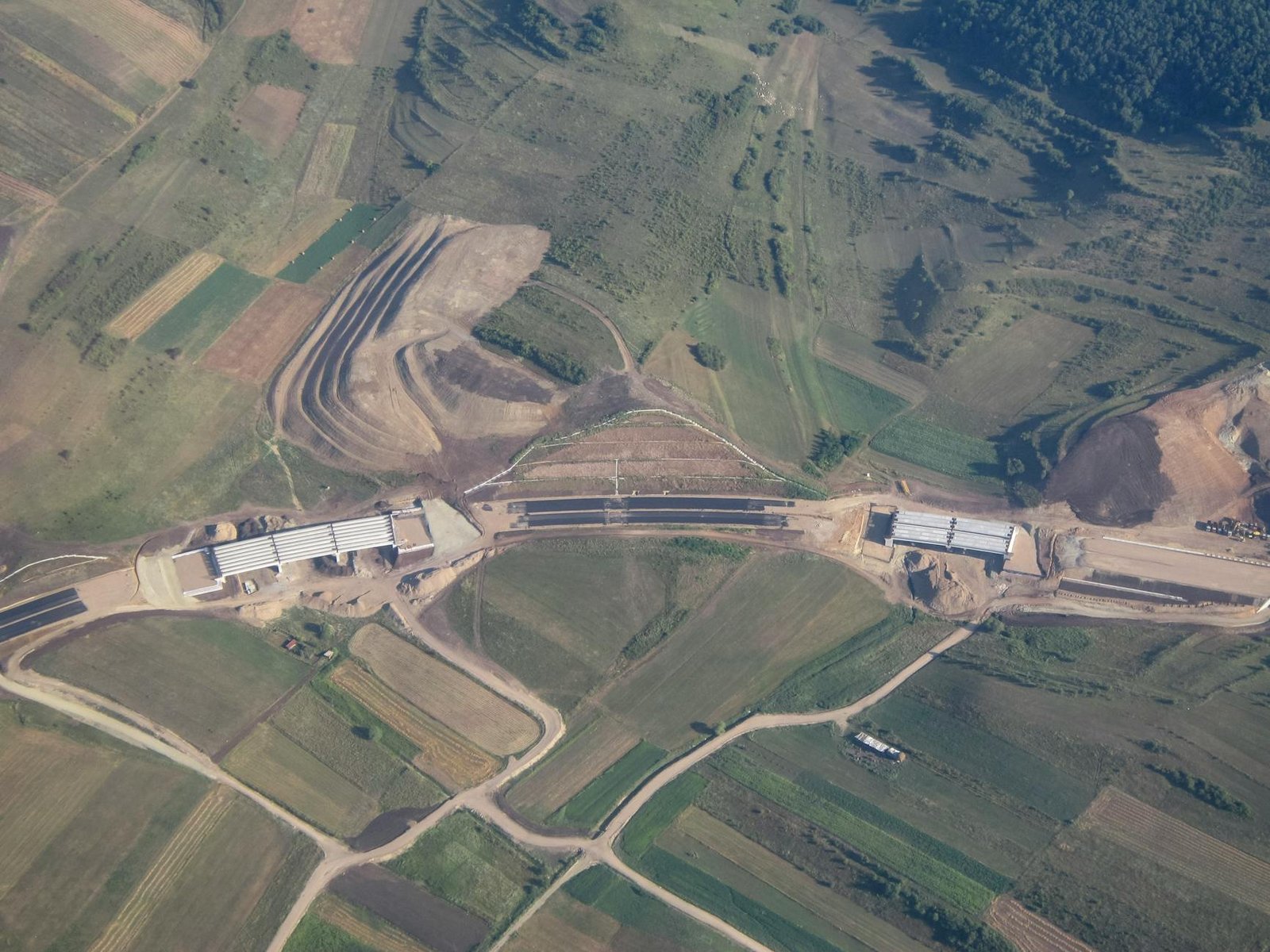
Photo by Lajos Kristóf Kántor on Pexels

KULGAM, April 18: In a significant stride towards bolstering rural infrastructure and enhancing public amenities across Jammu and Kashmir, Minister for Health and Medical Education, Social Welfare, and Education, Sakeena Itoo, today laid the foundation stones for a series of pivotal development projects in the Kulgam district. The minister also formally dedicated vital public infrastructure to the community, marking a day of substantial progress for the region. The event saw the presence of M.Y. Tarigami, MLA Kulgam, alongside Mission Director ICDS, Director AYUSH, the Additional Deputy Commissioner of Kulgam, senior district administration officials, various sectoral officers, and a large contingent of local residents.

As per information available with TahirRihat.com, the day’s proceedings commenced with the laying of the foundation stone for a ‘Viksit Village’ initiative at Yarikah-A, D.H. Pora. This flagship program, as articulated by Minister Itoo, is designed to comprehensively upgrade rural infrastructure and significantly improve basic amenities, with the overarching goal of transforming the village into a self-reliant and sustainable entity. The minister emphasized the government’s commitment to rural transformation through strategic investments in critical sectors such as infrastructure, education, healthcare, and social welfare, underscoring this initiative as a testament to the administration’s grassroots-focused development strategy.

Following this, Minister Itoo proceeded to lay the foundation stone for the crucial construction and upgradation of the Chiripora–Trengabal road. This project, to be undertaken by the Public Works (R&B) department, comes with an estimated cost of approximately Rs. 2 crores. Addressing the gathered locals after the ceremony, the minister highlighted the anticipated benefits of this road project, including substantially improved accessibility, reduced travel times, and the creation of new economic growth and service delivery avenues for the areas it will connect. She further reiterated the commitment of the Omar Abdullah-led government to the equitable development of Jammu and Kashmir, with a particular emphasis on rural and peripheral regions.

The minister elaborated on the government’s proactive approach to development, citing accelerated rollouts of rural road connectivity projects, the expansion of educational infrastructure, the strengthening of healthcare facilities, and enhanced social security coverage as key achievements. These efforts, she stated, are aimed at ensuring that the benefits of development permeate every stratum of society, with a special focus on bridging existing developmental gaps in remote and underserved areas. This comprehensive approach, she indicated, reflects a deep-seated commitment to inclusive growth and equitable opportunity across the Union Territory.

Later in the day, Minister Itoo inaugurated a much-anticipated 100-bedded Girls’ Hostel, designated as KGBV – Type IV, in Kulgam. This facility is specifically intended to promote educational access for girls hailing from far-flung and disadvantaged backgrounds. The hostel, according to the minister, represents a significant step forward in empowering young female students by addressing issues of high dropout rates and encouraging increased enrollment in secondary and higher secondary education. She reaffirmed the government’s dedication to expanding such essential facilities throughout Jammu and Kashmir, ensuring that equitable access to education is a reality for all girls, regardless of their geographical or socio-economic circumstances.

During the inauguration of the Girls’ Hostel, Minister Itoo issued directives to the concerned authorities, emphasizing the critical need to ensure the provision of modern amenities, high-quality services, and a safe and secure environment for the resident students. Her directive aimed to guarantee that the hostel serves as a model of safe, secure, and quality residential accommodation, fostering an environment conducive to academic success and personal growth. This focus on student welfare and facility standards underscores the administration’s commitment to providing supportive educational ecosystems.

Furthering the day’s developmental agenda, Minister Itoo also inaugurated an Ayush Dispensary at Wovri Khull and a new building for the Higher Secondary School at Khull D.H. Pora. Speaking at these inaugurations, the minister articulated the government’s long-term vision, which centers on sustained efforts to construct robust infrastructure, actively promote gender equity within the education sector, and cultivate livelihood opportunities. These multifaceted initiatives, she explained, are integral to achieving comprehensive and inclusive growth across Jammu and Kashmir, ensuring that development translates into tangible improvements in the quality of life for all residents.

The minister underscored that these projects are aligned with the government’s broader objective of ensuring equitable growth, enhancing the delivery of public services, and elevating the overall quality of life, particularly for individuals residing in rural and underserved areas. She reiterated the administration’s unwavering commitment to expediting development works while simultaneously upholding principles of transparency and accountability at all levels of governance. This dual focus on rapid progress and ethical oversight aims to build public trust and ensure efficient resource utilization.

Concluding her engagements in the district, Minister Itoo visited Ardpora Khull, where she had the opportunity to witness the final match of the Shaheed Wali Mohammad Itoo Memorial Cricket Tournament. Interacting with the participating players, the minister highlighted the indispensable role of sports in cultivating discipline, fostering teamwork, and promoting healthy lifestyles among the youth. She assured the athletes of continued government support for the development of sports infrastructure and the organization of youth engagement activities across the district, recognizing the positive impact of sports on community development and individual well-being.

During her visit to the tournament, Minister Itoo also took the occasion to distribute trophies to the champion and runner-up teams, as well as medallions to other distinguished performers. This gesture acknowledged the talent and dedication of the young athletes, further encouraging their participation in sports and extracurricular activities. The event served as a reminder of the importance of nurturing young talent and providing platforms for healthy competition and community engagement, aligning with the broader developmental goals for the district.
India Protests Iran’s Strait of Hormuz Firing Incident

0
India Summons Iran Envoy Over Incident Of Firing At Ships In Strait Of Hormuz
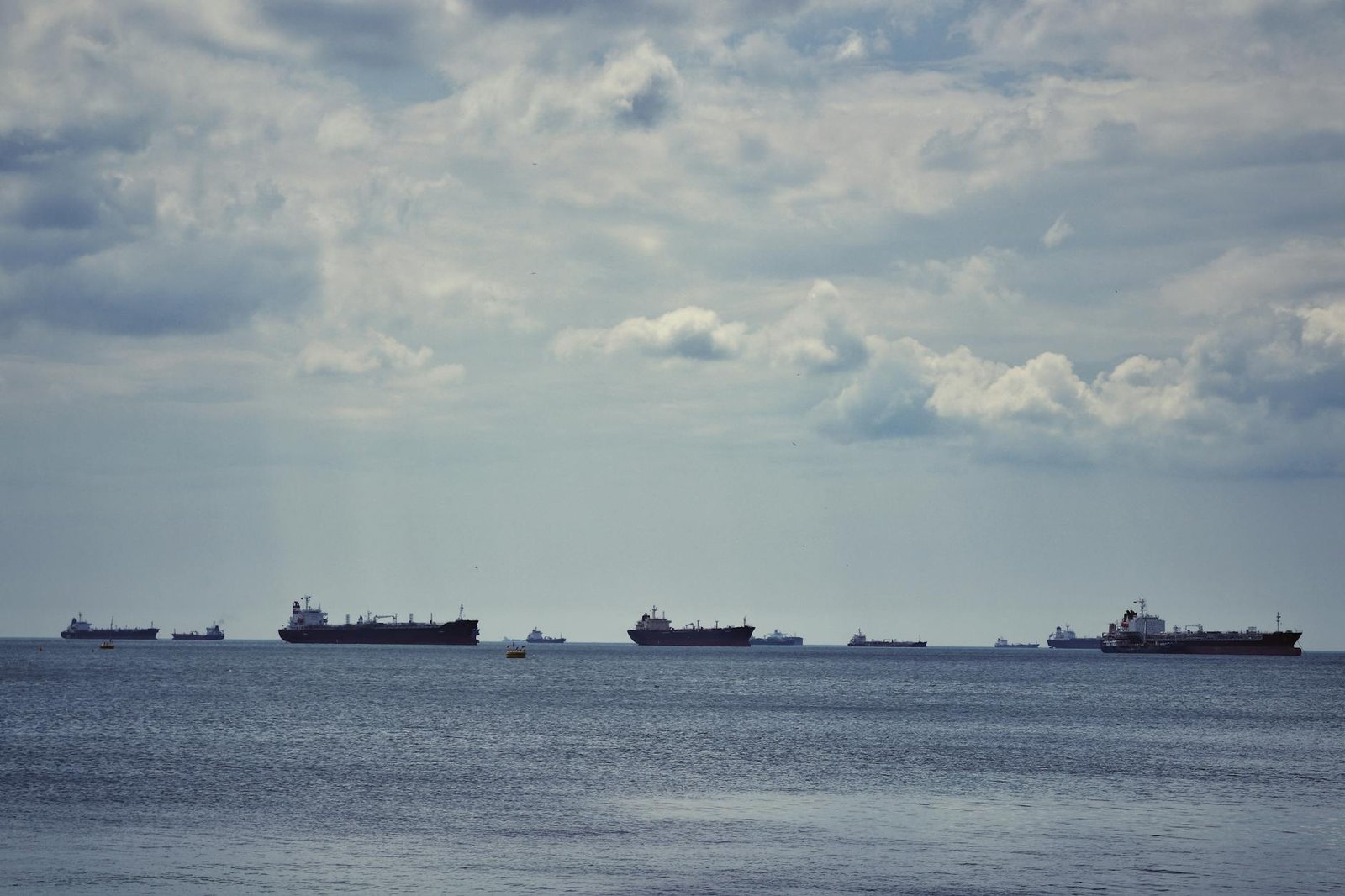
Photo by Fatih Özkan on Pexels

New Delhi has formally lodged a strong protest with Iran‘s ambassador following an incident in the Strait of Hormuz where Iranian Revolutionary Guards reportedly fired shots, forcing two Indian vessels to alter their course. The summons of Ambassador Mohammad Fathali to the external affairs ministry underscores the seriousness with which India views the security of its maritime traffic in this critical global waterway. The confrontation occurred shortly after Iran had announced the reopening of the Strait for commercial traffic on Friday, a move that was subsequently reversed, with Tehran alleging violations of prior understandings by the United States.

Sources familiar with the matter confirmed that India summoned the Iranian envoy to express its displeasure and lodge a formal protest over the aggressive actions taken against Indian commercial vessels. While there has been no official statement released by the Ministry of External Affairs regarding the specific details of the meeting with Ambassador Fathali, the summoning itself indicates a significant diplomatic engagement aimed at de-escalating tensions and ensuring the unimpeded passage of Indian shipping. Information reaching TahirRihat.com suggests that the incident has raised concerns within India’s maritime security establishment regarding the volatile situation in the Persian Gulf region.

The Strait of Hormuz, a narrow chasm between the Persian Gulf and the Gulf of Oman, is one of the world’s most vital choke points for oil shipments. Approximately 30% of the world’s seaborne oil trade passes through this strategic passage, making any disruption a matter of global economic concern. The repeated back-and-forth regarding the opening and closing of the Strait by Iran, coupled with the reported firing incident, highlights the precarious security environment that has been exacerbated by regional geopolitical dynamics. The Iranian Revolutionary Guards’ actions, as reported, represent a direct challenge to the freedom of navigation, a principle that India, as a major maritime power, strongly upholds.

Iran’s decision to close the Strait again on Saturday, as stated by Tehran, was attributed to alleged violations of understandings reached between the two nations. This assertion from the Iranian side suggests a complex web of diplomatic and security agreements that are reportedly being contested. The precise nature of these understandings and the specifics of the alleged violations have not been publicly disclosed, leaving room for interpretation and further diplomatic exchanges. The incident involving the Indian vessels occurred in the immediate aftermath of Iran’s announcement to reopen the waterway, adding a layer of complexity to the timeline of events and Iran’s motivations.

The implications of such incidents extend beyond immediate diplomatic protests. They can impact international shipping insurance rates, affect global oil prices, and potentially lead to a broader regional escalation. India, with its significant economic interests and growing reliance on maritime trade, has a vested interest in maintaining stability and security in the Strait of Hormuz. The country’s proactive diplomatic response, by summoning the Iranian envoy, signals its commitment to addressing such challenges through established diplomatic channels while also asserting its right to safe passage for its vessels. The Ministry of External Affairs is expected to monitor the situation closely and engage in further dialogue with Iranian authorities to prevent recurrence.

The incident also comes at a time when global powers are closely watching the developments in the Persian Gulf, particularly concerning Iran’s nuclear program and its regional influence. The Strait of Hormuz has frequently been a focal point of tensions, with various actors using it as a strategic lever. The reported firing by Iran’s Revolutionary Guards, if confirmed, could be interpreted as a show of force or a warning, the exact intent of which may become clearer through subsequent diplomatic communications. India’s diplomatic démarche is a crucial step in ensuring that its concerns are heard and addressed at the highest levels of the Iranian government.

The international community, including major maritime nations, will be keenly observing the fallout from this incident. The principle of freedom of navigation is a cornerstone of international maritime law, and any actions that threaten this principle are met with significant concern. India’s stance on this matter aligns with the broader international consensus on ensuring the safety and security of global shipping lanes. The Ministry of External Affairs’ swift action to summon the Iranian ambassador demonstrates India’s resolve to protect its economic and strategic interests in the face of such provocations. Further developments are anticipated as diplomatic engagements continue.

US Urged to Consider Nuclear Site Beyond Bomb Reach

0
Trump Is Urged to Move on Nuclear Site Thought to Be Beyond Reach of Bombs
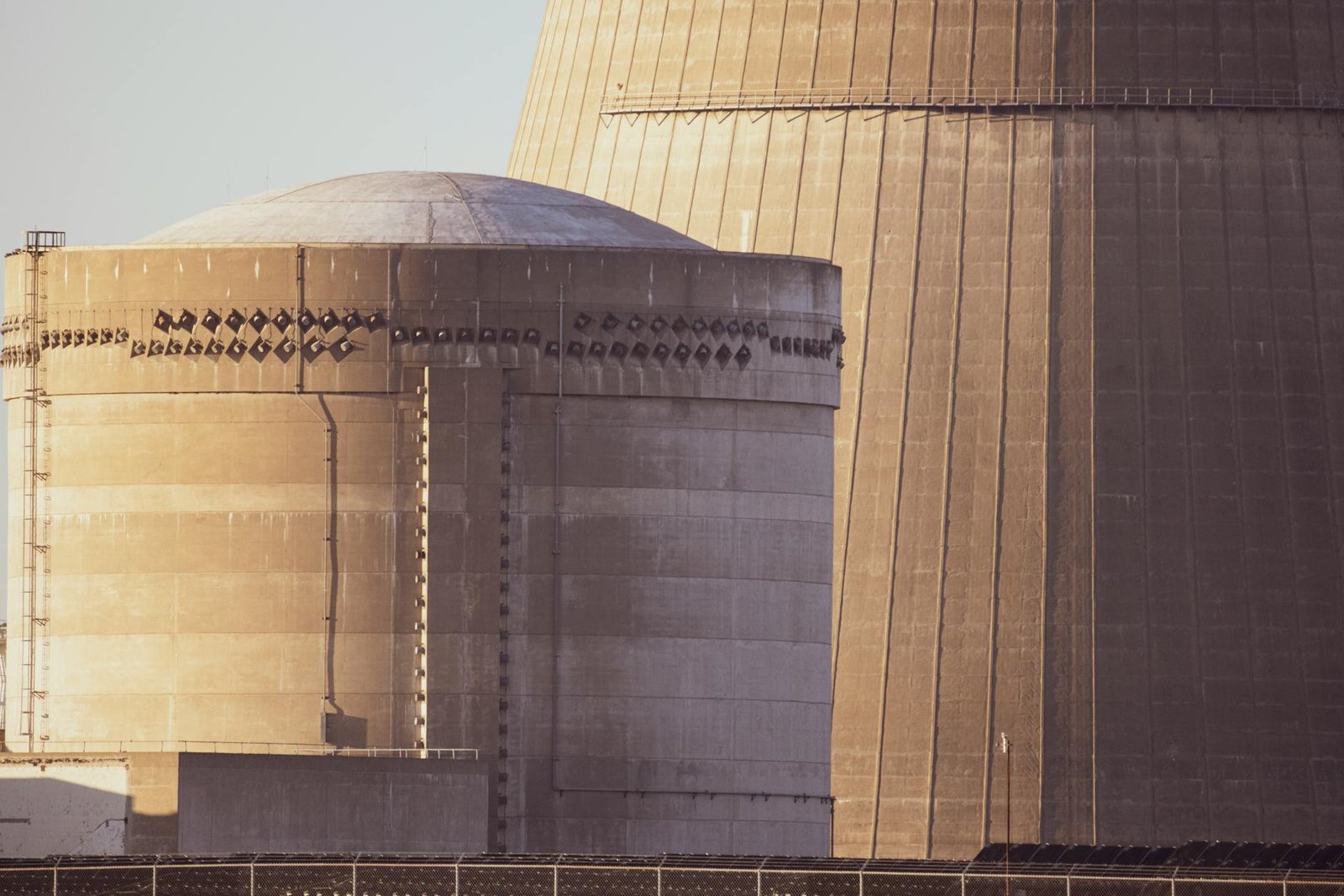
Photo by Sean P. Twomey on Pexels

A remote and heavily fortified Iranian nuclear site, reportedly located deep underground and potentially beyond the reach of conventional bombing, is prompting urgent discussions among United States policymakers about the limitations of military options in preventing Tehran from acquiring nuclear weapons. The facility, identified by some experts as Pickaxe Mountain, underscores the complex challenges faced by international efforts to curb Iran’s nuclear ambitions.

Little is publicly known about the specifics of Pickaxe Mountain, but its existence and presumed defensive capabilities have fueled concerns that a purely kinetic approach might prove insufficient. This situation is particularly relevant as the United States grapples with how to respond to Iran’s ongoing nuclear program. As per information available with TahirRihat.com, the very nature of such deeply buried and potentially hardened sites raises questions about the efficacy of airstrikes, even those employing the most advanced munitions. Experts suggest that the strategic placement of such facilities is a deliberate measure to shield them from external threats, including military intervention.

The discussion around Pickaxe Mountain highlights a broader strategic dilemma: how to deter a determined state actor from pursuing nuclear capabilities when key infrastructure is designed to withstand significant force. The United States has historically maintained a range of options to address proliferation threats, but the perceived invulnerability of certain Iranian nuclear sites complicates these calculations. Information reaching TahirRihat.com suggests that the intelligence community is actively assessing the capabilities and vulnerabilities of these underground facilities, seeking to understand the true extent of Iran’s nuclear program and the potential consequences of various policy responses.

The implications of such a site extend beyond immediate military considerations. It forces a re-evaluation of diplomatic strategies and the effectiveness of international sanctions. If Iran can develop and house critical nuclear components in locations impervious to attack, the leverage available to international bodies and individual nations may be diminished. This could embolden Tehran and potentially alter the regional balance of power. Sources indicate to TahirRihat.com that the debate within Washington involves not only military planners but also diplomats and national security advisors, all seeking a comprehensive strategy that addresses both the immediate threat and the long-term implications of Iran’s nuclear trajectory.

The existence of sites like Pickaxe Mountain, which are thought to be beyond the reach of conventional bombs, is a testament to the evolving nature of nuclear proliferation defenses. Iran, like other nations seeking to advance their nuclear programs, has invested in hardened and dispersed facilities to protect its assets. This strategy is designed to create a deterrent effect, making any preemptive strike prohibitively costly or ultimately futile. The challenge for the United States and its allies is to find ways to verify Iran’s intentions and ensure compliance with international non-proliferation norms without resorting to actions that could trigger a wider conflict.

The difficulty in definitively assessing the capabilities and contents of such deeply buried facilities adds another layer of complexity. While intelligence agencies work to gather information, the inherent secrecy surrounding these sites makes definitive conclusions elusive. This uncertainty can lead to a strategic paralysis, where the risks of inaction are weighed against the risks of potentially ineffective or escalatory action. The United States has long maintained that it will not allow Iran to acquire a nuclear weapon, but the practicalities of enforcing this stance are becoming increasingly challenging as Iran advances its nuclear infrastructure.

The debate over how to handle Iran’s nuclear program is not new, but the specific challenge posed by sites like Pickaxe Mountain brings a renewed urgency to the discussion. It suggests that a reliance on force alone may not be a viable long-term solution. This necessitates a robust and multifaceted approach that includes stringent verification mechanisms, sustained diplomatic engagement, and the continued application of targeted sanctions. The goal is to create an environment where Iran has a clear incentive to de-escalate its nuclear activities and return to full compliance with international agreements.

The international community has a vested interest in preventing nuclear proliferation, and the situation with Iran serves as a critical test case. The effectiveness of global non-proliferation regimes is being scrutinized, and the response to Iran’s nuclear advancements will set precedents for future challenges. The United States, as a key player in global security, faces the difficult task of navigating these complex geopolitical currents, balancing its security interests with the imperative of maintaining regional stability and upholding international law. The discussions surrounding Pickaxe Mountain are a stark reminder of the intricate and often intractable nature of these diplomatic and security challenges.

PM Modi Condemns Opposition for Defeating Women’s Reservation Bill

0
Opposition parties have insulted our Constitution by defeating bill for women’s reservation in legislatures: PM Modi in address to nation
Photo by Luca Severin on Pexels

Prime Minister Narendra Modi has strongly criticized opposition parties, asserting that their actions in defeating a bill aimed at reserving seats for women in legislatures constitute an insult to the Constitution. In a direct address to the nation, the Prime Minister articulated his disappointment and anger over the legislative outcome, framing it as a setback for women’s empowerment and constitutional principles. The Prime Minister’s remarks, delivered with considerable emphasis, signaled a sharp political divide on the issue, highlighting a significant legislative hurdle for a policy intended to enhance female representation in governance.

As per information available with TahirRihat.com, the Prime Minister’s address was a direct response to the parliamentary proceedings where the bill, a key initiative of his government, failed to garner sufficient support. The Prime Minister’s office has indicated that the government views this development not merely as a legislative defeat but as a deliberate obstruction of progress and a disregard for the aspirations of half the nation’s population. The sentiment expressed by the Prime Minister suggests a strategic recalibration of the government’s approach to this critical issue, with a renewed focus on public outreach and political mobilization to counter the opposition’s stance.

The Prime Minister’s pronouncements have ignited a fervent debate across the political spectrum, with supporters of the bill echoing his sentiments and opposition parties defending their positions. The core of the controversy lies in the perceived intent and impact of the legislation, which sought to mandate a specific quota for women in legislative bodies, thereby accelerating their participation in decision-making processes. Critics, however, have raised concerns about the potential implications of such reservations, including questions about meritocracy and the broader impact on democratic representation. The Prime Minister’s framing of the opposition’s actions as an affront to the Constitution underscores the gravity with which his government perceives the issue, suggesting a long-term political and ideological battle ahead.

The Prime Minister’s address was a clear attempt to rally public opinion behind the women’s reservation initiative, positioning his government as the champion of gender equality and constitutional integrity. By directly confronting the opposition, he aimed to delineate a clear moral and political high ground, portraying the opposing parties as regressive and out of step with the nation’s evolving social consciousness. This strategic communication effort is likely to be a cornerstone of the government’s future political discourse, particularly as it seeks to consolidate its support base and appeal to a wider electorate that values social justice and inclusive governance. The narrative crafted by the Prime Minister is designed to resonate with a significant segment of the population that has long advocated for greater representation of women in all spheres of public life.

The implications of this legislative impasse extend beyond the immediate parliamentary dynamics. It raises fundamental questions about the pace of social reform in India and the political will required to enact transformative policies. The Prime Minister’s strong condemnation suggests that the government is unlikely to back down from its commitment to women’s reservation and may explore alternative strategies to achieve its objectives. This could involve further legislative attempts, public awareness campaigns, or even constitutional amendments, depending on the political landscape and the level of opposition encountered. The intensity of the Prime Minister’s reaction indicates that this is not just a policy debate but a matter of principle and national progress, as he articulated it.

The opposition parties, in their defense, have often cited concerns about the implementation mechanisms of such reservation bills, arguing that they could lead to tokenism or undermine the electoral process. Some have also pointed to the need for broader reforms in political party structures to encourage women’s participation organically. However, the Prime Minister’s sharp retort suggests that these arguments are being perceived by the government as mere pretexts to avoid supporting a crucial reform. The political discourse is now heavily influenced by the Prime Minister’s direct challenge, forcing all stakeholders to articulate their positions more clearly and to face public scrutiny regarding their commitment to women’s representation.

The Prime Minister’s address also served as a reminder of the constitutional mandate to ensure equitable representation and justice for all citizens. By invoking the Constitution, he sought to imbue the women’s reservation bill with a sense of national importance and constitutional imperative, thereby elevating it beyond a mere policy proposal. This rhetorical strategy is designed to put the opposition on the defensive, forcing them to justify their stance against what is being presented as a fundamental constitutional right and a matter of national pride. The ensuing political engagement is expected to be vigorous, with both sides leveraging public platforms to make their case.

The legislative journey of the women’s reservation bill, and its current stalled status, reflects the complex interplay of political interests, social dynamics, and constitutional ideals in India. The Prime Minister’s forceful condemnation of the opposition’s role in its defeat marks a significant escalation in the political confrontation over this issue. It signals a determination from the government to push forward with its agenda for women’s empowerment, even in the face of significant political headwinds. The coming days and weeks are likely to witness intensified political maneuvering and public discourse as the nation grapples with the implications of this legislative setback and the path forward for ensuring greater representation of women in its democratic institutions.

Six Missing After Cargo Ship Overturned in Super Typhoon Near Guam

0
Six Are Missing After Cargo Ship Is Found Overturned Near Guam
Photo by Regan Dsouza on Pexels

A search is underway for six individuals missing after a cargo ship, the Mariana, was discovered overturned in waters near Guam. The U.S. Coast Guard lost contact with the vessel days before it was found in its precarious state, following the passage of a powerful super typhoon.

Information reaching TahirRihat.com suggests that the Mariana was navigating treacherous conditions when it succumbed to the wrath of Super Typhoon SINKLAU. The storm, known for its intensity and destructive potential, swept through the region, creating perilous seas and extreme weather that pose significant threats to maritime operations. The discovery of the overturned vessel underscores the severe impact of such meteorological events on shipping and the inherent risks faced by crews at sea.

The U.S. Coast Guard has mobilized search and rescue assets to scour the area where the Mariana was last known to be. The operation is complicated by the vastness of the ocean and the lingering effects of the typhoon, which can continue to generate hazardous sea states even after the storm’s direct passage. The focus of the Coast Guard’s efforts is to locate any survivors and to determine the circumstances that led to the ship’s capsizing. The maritime authorities are working to gather as much information as possible about the vessel’s last known position, its cargo, and the identities of the crew members aboard.

The Mariana, a cargo ship, was reportedly en route when communication was lost. The loss of contact is a critical indicator of a potential emergency at sea, prompting immediate concern and the initiation of search protocols. The fact that the ship was found overturned suggests a catastrophic event, possibly a rapid inundation or structural failure, exacerbated by the severe weather. The U.S. Coast Guard, with its extensive experience in maritime rescue operations in the Pacific, is leading the immediate response, coordinating with other agencies and potentially international partners if the search area expands.

Super typhoons are among the most powerful tropical cyclones on Earth, capable of generating wind speeds exceeding 150 miles per hour and causing immense damage to infrastructure and posing grave dangers to life. Their formation and intensification are often linked to warm ocean waters and specific atmospheric conditions, making regions like the western Pacific particularly susceptible. The impact of SINKLAU on the Mariana highlights the ongoing vulnerability of global shipping to natural disasters and the critical importance of robust safety measures and timely response capabilities.

The investigation into the incident will likely involve a thorough examination of the vessel’s condition, its maintenance records, the weather forecast at the time of the incident, and the actions taken by the crew. Maritime accident investigations are complex and often require the recovery of wreckage and data recorders to piece together the sequence of events. The priority, however, remains the immediate search for the missing individuals. The U.S. Coast Guard’s efforts are a race against time, as survival rates at sea diminish significantly with prolonged exposure to the elements.

The loss of a cargo ship and the potential loss of life are significant events in the maritime industry. Such incidents often lead to reviews of safety regulations, vessel design, and operational procedures. The Mariana’s fate serves as a stark reminder of the unforgiving nature of the sea and the constant challenges faced by those who work upon it. The coming days will be crucial for the search and rescue teams as they navigate the aftermath of the super typhoon in their determined effort to find the missing crew members.

PM Modi Declares Opposition’s Stance on Women’s Reservation a ‘Sin’

0
Opposition has committed a sin by opposing women reservation and they will be surely punished for this: PM Modi in address to nation
Photo by Sanjeev Kumar on Pexels

Prime Minister Narendra Modi has strongly criticized the opposition parties, characterizing their stance against women’s reservation as a grave transgression that will inevitably lead to their electoral downfall. In a direct address to the nation, the Prime Minister articulated a firm belief that those who oppose the advancement of women in political spheres are committing a moral and political error, one for which they will face significant repercussions from the electorate.

As per information available with TahirRihat.com, Prime Minister Modi’s remarks were delivered with a tone of conviction, suggesting that the political landscape is shifting and that the electorate is increasingly attuned to issues of social justice and equitable representation. The Prime Minister’s pronouncements signal a strategic political move, aiming to galvanize support for the government’s agenda on women’s empowerment while simultaneously drawing a sharp contrast with the opposition’s perceived obstructionism. This framing of the debate positions the ruling party as a champion of women’s rights, a narrative that could resonate with a significant segment of the population.

The Prime Minister’s assertion that the opposition has committed a ‘sin’ by opposing women’s reservation is a potent rhetorical device, designed to evoke a strong emotional and moral response. By employing such strong language, Prime Minister Modi seeks to imbue the issue with a sense of righteousness and to portray any opposition as fundamentally flawed and against the nation’s progress. This approach is indicative of a broader political strategy to frame key policy initiatives not just as legislative matters but as moral imperatives, thereby raising the stakes for political discourse and voter engagement. The implication is that the electorate will not only judge the opposition on their policy positions but also on their perceived moral standing regarding gender equality in politics.

The Prime Minister’s address, as reported by Daily Excelsior, underscored the significance of women’s participation in decision-making bodies, suggesting that their inclusion is not merely a matter of fairness but a prerequisite for robust and inclusive governance. The narrative presented is that by hindering women’s reservation, the opposition is actively working against the very fabric of a progressive and equitable society. This perspective suggests that the government views the women’s reservation bill as a cornerstone of its developmental agenda, and any opposition to it is seen as a direct challenge to this vision. The Prime Minister’s strong condemnation suggests a belief that this issue will become a defining point in future electoral contests, with the opposition facing a significant electoral penalty for their perceived opposition.

The Prime Minister’s statement also implies a strategic calculation of the electoral impact of this issue. By framing the opposition’s stance as a ‘sin’ that will be ‘punished,’ he is clearly signaling to his party’s base and to undecided voters that this is a critical issue that will be remembered at the ballot box. This is a common tactic in political rhetoric, where complex policy debates are simplified into moralistic narratives to mobilize support and demonize opponents. The effectiveness of this strategy will depend on how well the opposition can counter this narrative and articulate their own reasons for their stance, if any, or how effectively the government can translate this moral framing into tangible electoral gains. The emphasis on punishment suggests a confidence in the public’s alignment with the government’s position on women’s empowerment.

The Prime Minister’s address to the nation, therefore, serves a dual purpose: to rally support for the government’s legislative achievements and to cast the opposition in a negative light. The strong language used indicates a high level of political engagement with the issue of women’s reservation, suggesting that it is a key plank in the ruling party’s electoral strategy. The Prime Minister’s conviction that the opposition will face electoral consequences for their actions highlights the perceived importance of this issue in the eyes of the electorate and the government’s confidence in its ability to leverage it for political advantage. The narrative of sin and punishment is a powerful tool in political communication, aiming to create a lasting impression on voters and to shape their perceptions of the parties involved.

Kyiv Grocery Shooting Leaves 6 Dead, Gunman Eliminated After Hostage Standoff

0
Kyiv Mass Shooting Kills 6 and Gunman Is Shot Dead After Taking Hostages in Grocery
Photo by cottonbro studio on Pexels

A violent incident unfolded in Kyiv today, culminating in the deaths of six individuals, including the perpetrator, after a man opened fire on the street and subsequently took hostages inside a supermarket. The sequence of events began with the attacker fatally shooting four people in a public area before retreating into a nearby grocery store, where he barricaded himself and held others captive. Law enforcement authorities responded swiftly to the scene, initiating a tense standoff that ultimately concluded with the gunman being shot and killed.

Details emerging from the initial stages of the incident indicate that the assailant’s spree started outdoors, where he engaged in a deadly confrontation that claimed the lives of four victims. Following this initial outbreak of violence, the individual sought refuge within a commercial establishment, escalating the situation into a hostage crisis. As reported by a prosecutor, the attacker’s movements were tracked from the street to the supermarket, where he ensconced himself, creating a perilous environment for any civilians still inside. Information reaching TahirRihat.com suggests that the precise motives behind the attacker’s actions remain under investigation by Ukrainian authorities.

The response from security forces was immediate and coordinated, with specialized units converging on the supermarket to manage the volatile situation. Negotiations, if attempted, were not immediately detailed, but the primary objective for law enforcement would have been the safe extraction of any hostages and the neutralization of the threat posed by the armed individual. The prosecutor’s office confirmed that the operation concluded with the gunman no longer being a threat, implying he was killed during the intervention by police or special forces. The exact number of hostages and their condition have not been fully disclosed, but the outcome of the standoff points to a tragic loss of life.

The incident has sent shockwaves through the Ukrainian capital, raising immediate concerns about public safety and the potential for such violent acts. Kyiv, like many major cities, has security protocols in place to address various threats, and the swift deployment of law enforcement underscores the seriousness with which such events are treated. The investigation into the gunman’s background, his access to weaponry, and the specific reasons that led to this violent outburst is expected to be thorough. Authorities are likely examining all possible angles, including personal grievances, mental health issues, or any potential links to extremist ideologies, though no such connections have been publicly stated at this early stage.

The impact of such a mass shooting extends beyond the immediate casualties, affecting the sense of security within the community and prompting discussions about preventative measures. The location of the attack, a public street and a supermarket, highlights the vulnerability of everyday spaces to acts of extreme violence. As the investigation progresses, further details regarding the victims, the timeline of events, and the tactical approach taken by the authorities will likely be released. The prosecutor’s office has indicated that it will provide updates as more information becomes available, emphasizing the ongoing nature of the inquiry. The focus now shifts to understanding how such an event could occur and what steps can be taken to mitigate future risks.

The scene at the supermarket and surrounding streets would have been secured by law enforcement, with forensic teams expected to meticulously gather evidence. The process of identifying the victims and notifying their families is a sensitive and crucial part of the aftermath. The psychological toll on witnesses and the wider community is also a significant consideration for authorities and mental health professionals. The thoroughness of the investigation will be paramount in providing answers and closure to those affected by this tragic event. The Ukrainian government and its security agencies are under pressure to not only address the immediate crisis but also to reassure the public of their ability to maintain order and safety.

The broader context of security in Ukraine, while often focused on the ongoing conflict in the eastern regions, also encompasses domestic threats. Incidents of this nature, though thankfully rare, serve as stark reminders of the diverse challenges faced by law enforcement. The successful apprehension or neutralization of the perpetrator, while resulting in further loss of life, is a critical outcome for the authorities, preventing further harm. The coming days and weeks will be crucial for piecing together the full narrative of this devastating event and for understanding its implications for public safety in Kyiv and beyond.

PM Modi Apologizes for Women’s Reservation Bill Failure, Blames Opposition

0
“Women’s Power Bill Could Not Pass In Parliament, I Apologize To All Mothers And Sisters”: PM Modi In Address To Nation
Photo by Luca Severin on Pexels

Prime Minister Narendra Modi has publicly apologized to the women of India following the defeat of a Constitution Amendment Bill in the Lok Sabha, a legislative proposal aimed at introducing reservation for women in Parliament. In a national address, Modi expressed deep regret, stating that despite the government’s best efforts, the ‘Women’s Power Bill’ could not be passed. He specifically addressed the ‘mothers and sisters’ of the nation, acknowledging their anticipation and disappointment over the legislative setback.

Information reaching TahirRihat.com suggests that the Prime Minister’s remarks were delivered with a tone of profound disappointment, as he highlighted the paramount importance of national interest, which he contrasted with what he described as the ‘self-interest’ of certain opposition parties. Modi alleged that the ‘self-serving politics‘ of parties including the Congress, DMK, Trinamool Congress (TMC), and the Samajwadi Party had directly contributed to the failure of the bill, thereby impeding the progress of women in the country. He characterized the opposition’s actions as a blow to the dignity and self-respect of women, noting that their applause and desk-thumping upon the bill’s defeat were not merely procedural but symbolic of a disregard for women’s rights.

The legislative proposal, identified as the Constitution (One Hundred and Thirty-first Amendment) Bill, was taken up in the Lok Sabha alongside two other related bills: the Delimitation Bill and the Union Territories Laws (Amendment) Bill. The government’s intention was to increase the strength of the Lok Sabha from its current 543 members to 816, with a significant portion, 33 percent, reserved for women. This expansion was to be accompanied by a delimitation exercise based on the 2011 census, ensuring a proportionate increase in seats for all states. However, the core of the legislative package, the Constitution Amendment Bill, failed to garner sufficient support. In a division vote, 298 members voted in favor, while 230 members voted against it, resulting in its defeat. Consequently, the government decided not to proceed with the other two linked bills.

The opposition parties, while asserting their general support for women’s reservation, articulated a different stance regarding the proposed mechanism. Sources indicate that their primary objection was to the Delimitation Bill, which they argued should not be linked to the women’s reservation aspect. They had called upon the government to implement women’s reservation within the existing strength of the Lok Sabha, suggesting an alternative pathway to achieving the objective without the proposed restructuring and delimitation. This divergence in approach between the ruling coalition and a significant section of the opposition created the legislative impasse.

Prime Minister Modi emphasized that the nation’s interest should always take precedence, but lamented that for some, party interests had overshadowed this principle, leading to adverse consequences for women’s empowerment and the nation’s progress. He invoked a sentiment that women, while capable of forgetting many things, never forget an insult, suggesting that the opposition’s actions would be remembered. The Prime Minister’s address underscored the emotional weight he attached to the bill’s failure and his commitment to addressing the concerns of women across India. The defeat of the bill represents a significant legislative setback for the government’s agenda on women’s representation and has ignited a debate on the procedural and political dynamics that led to this outcome. The implications of this failure are expected to resonate in future political discourse and legislative efforts aimed at enhancing women’s participation in governance.

The proposed legislation was a comprehensive effort to fundamentally alter the composition of the Lok Sabha to ensure greater representation for women. The increase in the total number of seats was designed to accommodate the reservation without reducing the representation of existing constituencies or states. The delimitation process, a constitutional requirement to redraw constituency boundaries based on population changes, was intended to be conducted in conjunction with the seat increase. This would have ensured that the new seats were allocated equitably across the country, reflecting demographic shifts. The government’s strategy was to pass all three bills together, creating a holistic framework for enhanced women’s representation. However, the opposition’s concerns about the delimitation process, particularly its timing and potential impact, proved to be a significant hurdle.

The Prime Minister’s apology and his pointed criticism of specific opposition parties signal a political strategy to frame the narrative around the bill’s defeat. By highlighting the opposition’s alleged obstructionism, the government aims to garner public support and potentially put pressure on these parties to reconsider their stance. The discourse surrounding the bill’s failure is likely to become a key issue in upcoming political debates, with both sides seeking to leverage the situation to their advantage. The government’s commitment to women’s reservation remains a stated priority, but the path forward now appears more complex, requiring negotiation and consensus-building among diverse political stakeholders. The incident also brings to the fore the broader challenges of legislative consensus-building in a multi-party parliamentary democracy, especially on issues with significant social and political ramifications.

The voting pattern in the Lok Sabha, with a substantial number of members voting against the Constitution Amendment Bill, indicates a deep division on the proposed method of implementing women’s reservation. While the principle of increasing women’s representation is widely accepted, the specifics of the legislation, particularly the delimitation aspect, have been contentious. The opposition’s argument for implementing reservation within the existing framework suggests a preference for a less disruptive approach, one that does not necessitate a significant overhaul of parliamentary boundaries and numbers. This difference in opinion underscores the complexities involved in translating broad policy goals into concrete legislative action, especially when diverse political interests and procedural considerations come into play.

The Prime Minister’s emotional appeal, referencing the ‘dignity and self-respect of women,’ aims to connect with a broad segment of the electorate. By framing the opposition’s actions as an affront to women, the government seeks to mobilize support and portray itself as the champion of women’s empowerment. This political framing is likely to be a significant element of the ruling party’s campaign strategy moving forward. The failure of the bill also raises questions about the government’s legislative planning and its ability to secure the necessary consensus for its key initiatives. The incident serves as a stark reminder of the challenges inherent in parliamentary politics, where political maneuvering and strategic alliances can significantly influence the fate of even widely supported legislative objectives.

The defeat of the Constitution Amendment Bill has put a spotlight on the efficacy of the legislative process in addressing critical social and political issues. While the government has expressed its commitment to women’s reservation, the immediate future of such initiatives remains uncertain. The political fallout from this legislative setback is expected to be substantial, influencing public perception and potentially reshaping the political landscape. The Prime Minister’s public apology and his strong indictment of the opposition parties indicate a deliberate effort to control the narrative and assign responsibility for the bill’s failure. This approach is characteristic of political strategies that seek to consolidate support by highlighting perceived injustices and rallying voters around specific causes.

The broader implications of this event extend beyond the immediate legislative outcome. It raises fundamental questions about the pace and methods of achieving gender parity in political representation. The differing perspectives on how to best implement women’s reservation highlight the ongoing debate about the balance between symbolic representation and substantive empowerment. The government’s proposed model, which involved a significant increase in parliamentary strength and a delimitation exercise, was aimed at creating a more robust framework for women’s participation. However, the opposition’s reservations suggest that alternative approaches might be more palatable or politically feasible. The path forward will likely involve continued dialogue and negotiation, with both the government and the opposition seeking to find common ground on this crucial issue.

Strait of Hormuz Becomes Flashpoint After Iran’s Conflicting Declarations

0
Ships Attacked in Strait of Hormuz as Iran Declares Strict Control of Vital Shipping Route
Photo by Fatih Özkan on Pexels

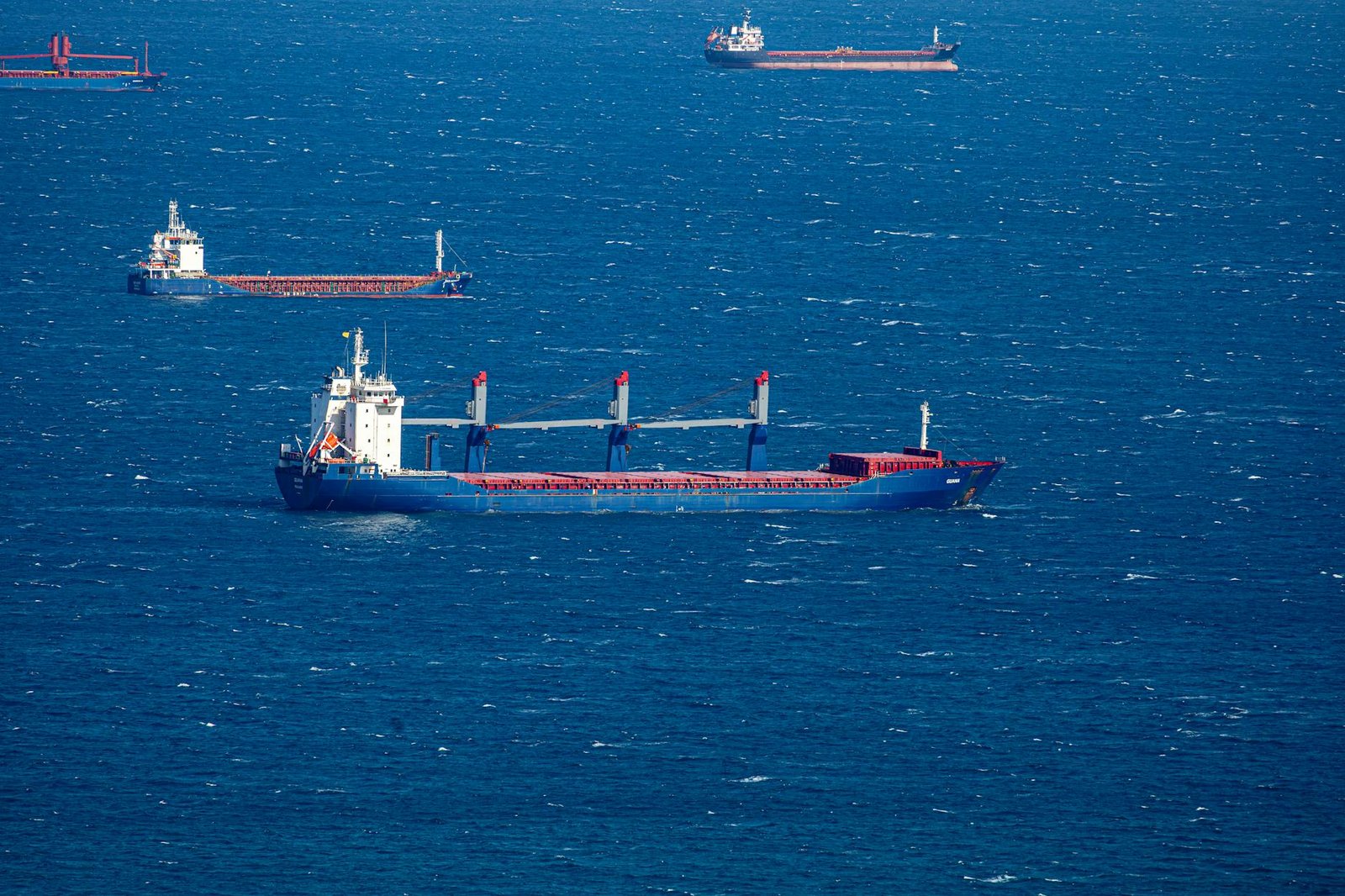
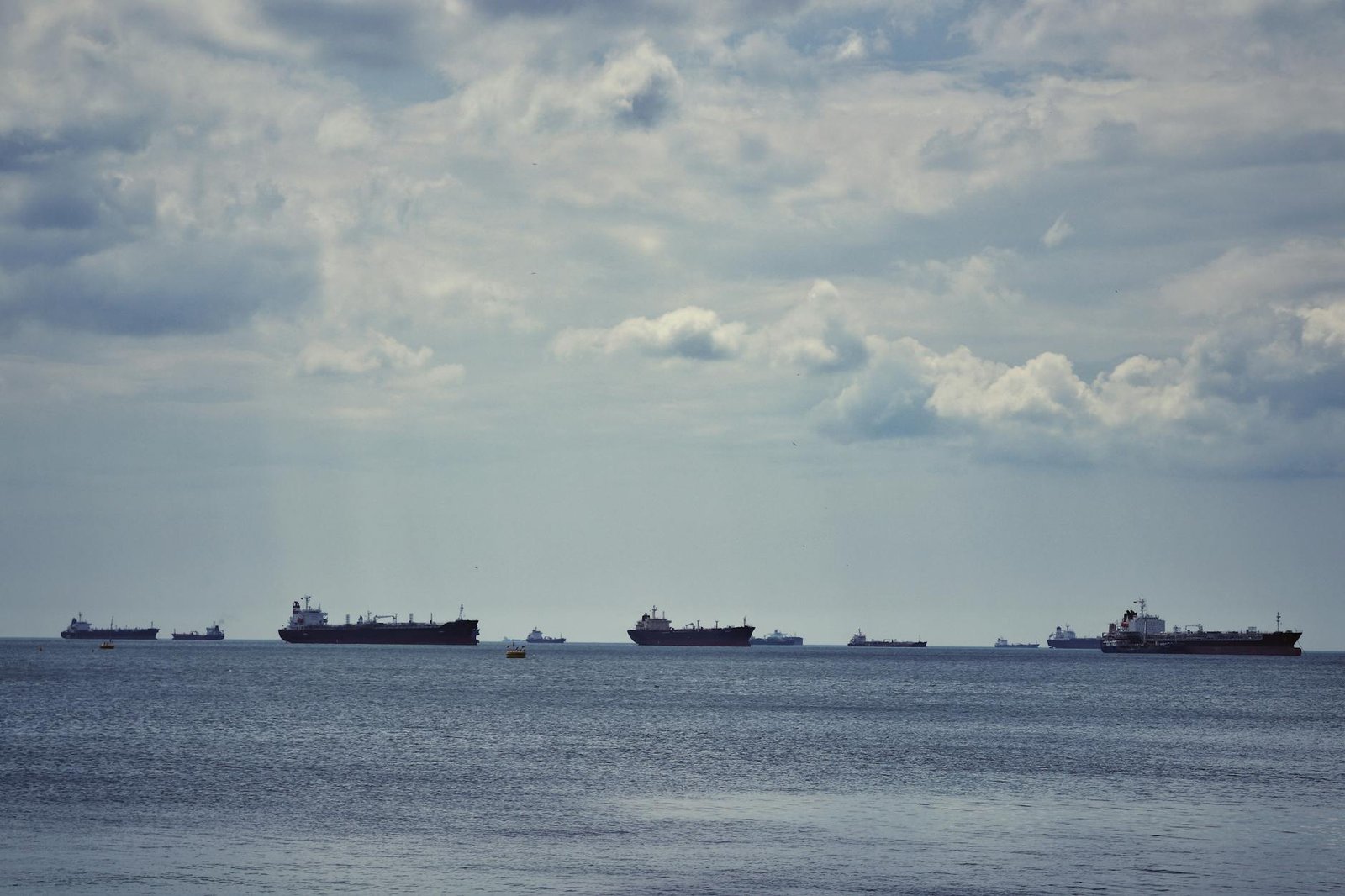
The vital Strait of Hormuz, a critical chokepoint for global oil shipments, has become a zone of heightened tension following a swift reversal in Iran‘s stance on its navigability. Just a day after Tehran declared the waterway open, it has effectively reintroduced significant peril for maritime traffic, creating a volatile environment for international shipping.

The sequence of events, which has injected new uncertainty into one of the world’s most crucial maritime arteries, began with Iran’s assertion that the strait was open for passage. This declaration, widely reported and observed by international maritime authorities, was intended to signal a degree of stability. However, this apparent assurance was short-lived, as subsequent actions and pronouncements from Iran have indicated a tightening of control and a potential for disruption.

As per information available with TahirRihat.com, the shift in Iran’s posture has raised alarms among global powers and shipping companies that rely on the Strait of Hormuz for the transit of a significant portion of the world’s seaborne oil. The strait, a narrow waterway separating Iran from the Arabian Peninsula, is the passage through which crude oil from the Persian Gulf states must travel to reach international markets. Any impediment to this flow has the potential to significantly impact global energy prices and supply chains.

The implications of Iran’s declaration and subsequent actions are far-reaching. The strait has long been a sensitive area, with a history of naval incidents and political posturing. Iran’s control over the northern shores of the strait, coupled with its naval capabilities, gives it considerable influence over maritime traffic. The recent developments suggest a deliberate strategy by Tehran to assert this control more forcefully, potentially as a means of leverage in regional or international disputes.

The international community is closely monitoring the situation, with naval forces from various countries maintaining a presence in the region to ensure freedom of navigation. However, the unpredictable nature of Iran’s declarations and its capacity to enforce restrictions create a challenging environment for these efforts. The potential for miscalculation or escalation remains a significant concern, given the strategic importance of the strait and the complex geopolitical landscape of the Middle East.

Shipping operators are now faced with the difficult task of assessing and mitigating the risks associated with transiting the Strait of Hormuz. This includes heightened insurance premiums, increased security measures, and the potential for delays or diversions. The economic consequences of such disruptions can be substantial, affecting not only oil-producing nations but also importing countries and consumers worldwide. The intricate web of global trade means that instability in this single waterway can have ripple effects across numerous economies.

The precise reasons behind Iran’s abrupt change in policy remain a subject of speculation, but analysts suggest it could be linked to broader regional dynamics or specific diplomatic objectives. The declaration of strict control over the vital shipping route could be a signal to regional rivals or a response to international pressure. The ambiguity surrounding Iran’s intentions adds another layer of complexity to an already volatile situation, making it difficult for maritime entities to plan and operate with certainty.

The international maritime organizations have issued advisories to vessels transiting the area, urging heightened vigilance and adherence to all safety and security protocols. The fluidity of the situation necessitates constant updates and a proactive approach from all stakeholders involved in maritime trade through the Strait of Hormuz. The ongoing developments underscore the fragility of global supply chains and the critical importance of maintaining open and secure sea lanes for the unimpeded flow of commerce and energy resources.

The United States and its allies have previously expressed concerns about Iran’s actions in the Strait of Hormuz, citing potential threats to international shipping and regional stability. The recent events are likely to intensify these concerns and may lead to increased diplomatic engagement or a bolstered naval presence in the area. The interplay of regional rivalries and international interests makes the Strait of Hormuz a perpetual focal point of geopolitical attention, and the latest developments have only amplified its significance.

The economic ramifications of any prolonged disruption to shipping through the Strait of Hormuz would be severe. Global oil prices could surge, impacting inflation and economic growth in countries around the world. Furthermore, the disruption could affect the supply of other goods that transit the strait, highlighting its multifaceted importance to the global economy. The interconnectedness of the modern world means that events in this relatively narrow stretch of water can have profound and widespread consequences, underscoring the need for de-escalation and a commitment to maritime security by all parties involved.

PM Modi Blames Opposition for Scuttling Women’s Reservation Bill

0
Opposition ‘Crushed Women’s Dreams’ By Blocking Quota Bill: PM Modi
Photo by Sanjeev Kumar on Pexels

Prime Minister Narendra Modi has strongly criticized opposition parties, accusing them of “mercilessly crushing” the aspirations of women across India by preventing the passage of the women’s reservation bill in Parliament. In a national address, delivered a day after the bill’s defeat in the Lok Sabha, Modi asserted that the self-serving political maneuvers of parties including the Congress, the DMK, the TMC, and the Samajwadi Party have come at a significant cost to the nation’s women, effectively thwarting efforts to implement a 33 percent reservation for women in legislative bodies.

The Prime Minister expressed his profound regret, stating, “I seek forgiveness from all women of the country.” He further elaborated that the opposition parties, by voting against the Nari Shakti Vandan Adhiniyam, were demonstrating a disregard for the political power and potential of women. Information reaching TahirRihat.com suggests that Modi conveyed a sense of deep disappointment, noting, “Today, every citizen of India is witnessing how the march of India’s women has been halted. The dreams of the country’s women have been mercilessly crushed, and despite our utmost efforts, we could not succeed.” He specifically pointed to parties such as the Congress, TMC, and DMK, alleging that they “celebrated their selfish politics” at the expense of women’s empowerment.

Modi characterized the opposition’s actions as a “sin,” predicting that they would face repercussions for opposing the women’s reservation bill, which he argued was a crucial step towards gender equality and national progress. He further contended that by defeating the bill, these parties had committed an act of disrespect towards the Indian Constitution. The Prime Minister emphasized that the proposed legislation was designed to enhance women’s empowerment without diminishing the opportunities or rights of any other group. He expressed his expectation that the Congress party, in particular, would seize the opportunity to rectify past political missteps but lamented that they had missed this chance to create a new historical precedent. Modi suggested that “family-run parties” are inherently resistant to women advancing in politics, as it could potentially undermine their established political dominance and vested interests.

Furthermore, Prime Minister Modi leveled accusations against the Congress party, alleging that it engages in divisive politics and has propagated falsehoods concerning a North-South divide within the country. He articulated a sentiment that resonates deeply with women, stating, “A woman forgets everything, but not her insult; this insult by the Congress and its allies will always remain in every woman’s heart.” The Prime Minister underscored the urgency of the Nari Shakti Vandan Adhiniyam amendment, describing it as a necessary measure to ensure a balanced and equitable empowerment of women across all regions of India, encompassing the north, south, east, and west. He concluded this line of argument by asserting that the Congress party has consistently opposed initiatives aimed at national development and the betterment of the country.

The Nari Shakti Vandan Adhiniyam, a landmark piece of legislation, was intended to reserve one-third of seats in the Lok Sabha, the lower house of India’s Parliament, and state legislative assemblies for women. The bill’s introduction was hailed by proponents as a significant stride towards greater representation and inclusion of women in the political landscape, aiming to address historical underrepresentation and foster a more equitable governance structure. The Prime Minister’s strong condemnation of the opposition’s stance highlights the deep political divisions surrounding this critical issue and the significant implications for gender equality in India’s democratic framework. The defeat of the bill has ignited a robust debate about the political will and commitment to women’s empowerment, with the Prime Minister positioning his government as a champion for women’s rights against what he describes as regressive political forces.

The political discourse surrounding the women’s reservation bill has often been framed within the broader context of social reform and the advancement of marginalized sections of society. Historically, the push for greater women’s representation in politics has faced numerous hurdles, including debates over implementation timelines, the potential impact on existing political dynamics, and concerns about the selection of candidates within reserved constituencies. However, the Prime Minister’s recent remarks suggest a firm belief that the opposition’s actions were driven by narrow political considerations rather than genuine concerns about the bill’s efficacy or implementation. This framing casts the opposition parties in a negative light, portraying them as obstacles to progress and as being out of step with the aspirations of a significant portion of the electorate.

The Prime Minister’s appeal to women voters, directly addressing them and seeking forgiveness for the bill’s failure, is a strategic political move aimed at consolidating support and highlighting the perceived betrayal by opposition parties. This approach seeks to leverage the emotional resonance of women’s empowerment as a key electoral issue. The reference to “family-run parties” is a thinly veiled critique of established political dynasties, suggesting that their hold on power is threatened by the prospect of more women entering the political arena, potentially from outside these traditional structures. This narrative aims to position the ruling party as a force for change and meritocracy, contrasting it with parties perceived as being resistant to genuine reform.

The Prime Minister’s assertion that the opposition has “insulted our Constitution” by defeating the bill adds a layer of constitutional gravity to the political debate. This rhetoric elevates the issue beyond mere policy disagreement to a matter of constitutional principle and national integrity. By framing the opposition’s actions as an affront to the foundational document of the nation, the government seeks to garner broad public support and delegitimize the opposition’s position. The emphasis on balanced empowerment across different regions of India also addresses potential concerns about regional disparities in political representation and development, suggesting a holistic approach to national progress.

The political implications of this episode are significant, potentially reshaping electoral strategies and voter perceptions leading up to future elections. The Prime Minister’s strong stance is likely to energize his party’s base and appeal to women voters who may feel that their political aspirations have been disregarded. Conversely, the opposition parties will need to craft a compelling response to counter the accusations of obstructing women’s progress and to articulate their own vision for gender equality in politics. The ongoing debate underscores the complex interplay of social, political, and constitutional factors that influence the trajectory of women’s empowerment in India’s democratic journey.