Home Blog Page 260

Lebanese Civilians Return Home Amid Fragile Cease-Fire

0
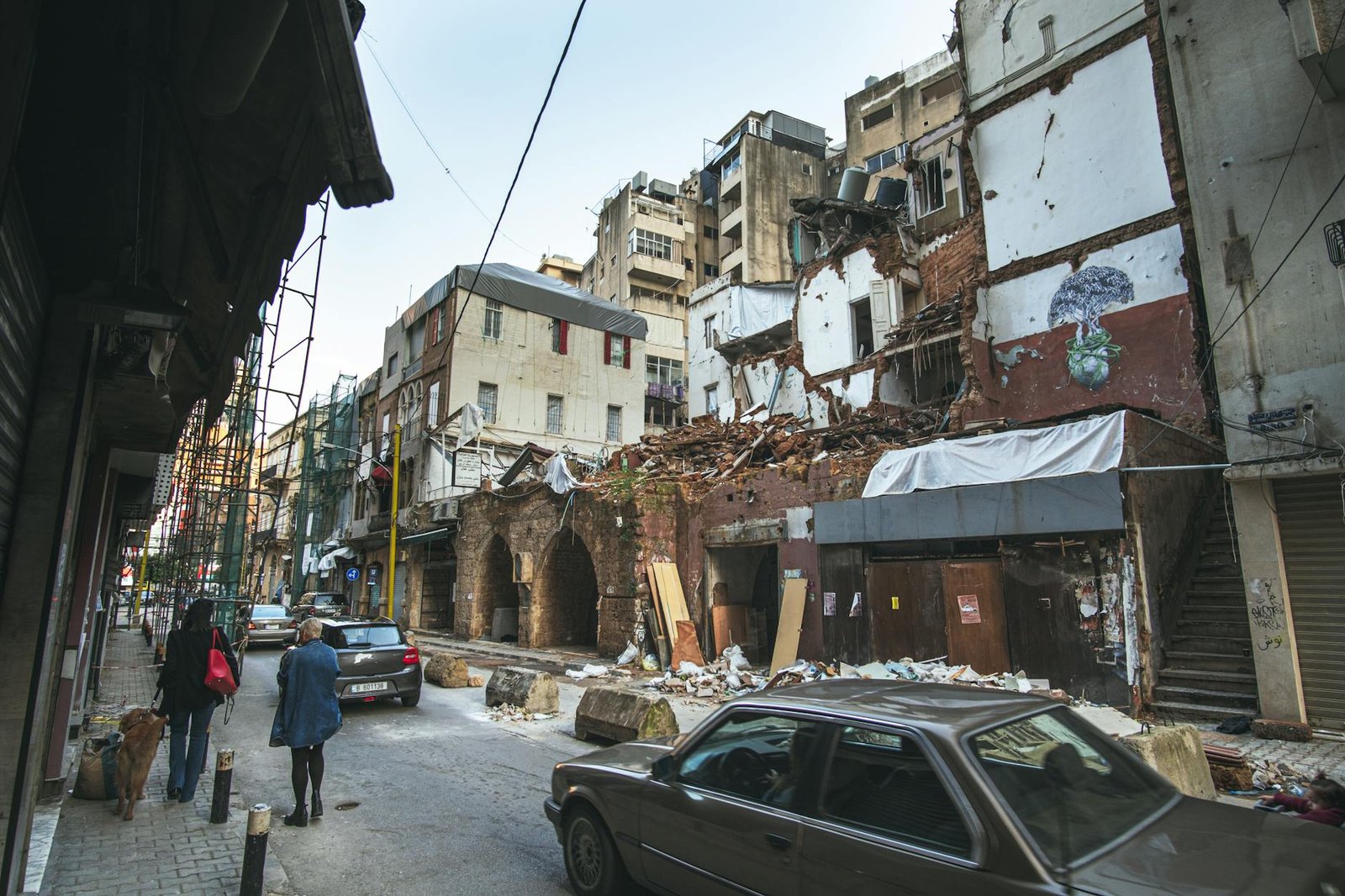
More Displaced Lebanese Head Home as Cease-Fire Is Tested
Photo by Jo Kassis on Pexels

A fragile cease-fire between Israel and Hezbollah appeared to be largely holding on Friday, allowing a growing number of displaced Lebanese civilians to begin returning to their homes in southern Lebanon. The relative calm, however, was punctuated by continued military activity, with Israel reporting strikes on what it described as “terrorists” approaching its forces along the border. The ongoing tension underscores the precarious nature of the truce, which has been tested since its inception.

Information reaching TahirRihat.com suggests that the return of civilians is a significant development, offering a glimmer of hope for communities devastated by months of cross-border hostilities. These residents, who fled their villages and towns as fighting intensified, are now assessing the damage to their properties and beginning the arduous process of rebuilding their lives. The scale of destruction in many areas remains substantial, with infrastructure severely impacted and livelihoods disrupted. The presence of landmines and unexploded ordnance also poses a persistent threat, complicating the efforts of those seeking to return.

The United Nations Interim Force in Lebanon (UNIFIL) has been instrumental in monitoring the cease-fire and facilitating humanitarian efforts. However, the mission itself has not been immune to the conflict‘s dangers. In a somber development, a UN peacekeeper was killed during the reporting period, a stark reminder of the volatile environment in which these operations are conducted. The circumstances surrounding the peacekeeper’s death are still being investigated, but the incident has cast a shadow over the fragile peace efforts and highlighted the risks faced by those working to maintain stability in the region.

The cease-fire, brokered through international mediation, aims to de-escalate tensions that have simmered for decades and erupted into full-scale conflict on multiple occasions. While the current lull in fighting has been largely respected by both sides, the underlying political and security issues remain unresolved. The continued presence of armed groups and the ongoing military posturing by both Lebanon and Israel create an environment where a resurgence of hostilities remains a distinct possibility. The international community is closely watching the situation, urging all parties to adhere to the truce and engage in dialogue to find a lasting political solution.

The return of displaced persons is a complex undertaking, requiring not only security assurances but also significant humanitarian and reconstruction aid. Many families have lost their homes, their livelihoods, and their sense of security. The psychological toll of displacement and conflict is also immense, and addressing these needs will be crucial for long-term recovery. International organizations and local NGOs are working to provide essential services, including shelter, food, and medical assistance, to those returning. However, the sheer scale of the need often outstrips the available resources, necessitating sustained international support.

The Israeli military’s statement regarding strikes on approaching “terrorists” indicates that the threat perception along the border remains high. Hezbollah, the powerful Shiite militant group and political party, has also maintained its readiness, underscoring the deep-seated animosity and the ongoing strategic competition between the two entities. The cease-fire agreement, while welcomed, is seen by many as a temporary respite rather than a definitive end to the conflict. The long-term stability of the region hinges on addressing the root causes of the conflict, including territorial disputes, political grievances, and the role of external actors.

The United Nations has consistently called for respect for international law and the protection of civilians. The killing of a UN peacekeeper is a grave incident that has drawn condemnation from various international bodies. Such acts undermine the efforts to bring peace and stability to the region and pose a direct challenge to the mandate of peacekeeping missions. The investigation into the incident is expected to shed light on the perpetrators and the circumstances, and calls for accountability are likely to intensify. The safety and security of UN personnel are paramount, and ensuring their protection is a responsibility that falls on all parties involved in the conflict.

The economic implications of the prolonged conflict have been devastating for Lebanon, a country already grappling with severe economic challenges. The destruction of infrastructure, the disruption of trade, and the loss of tourism have had a profound impact on the national economy. The return of displaced persons, while a positive step, also brings with it the challenge of economic recovery. Rebuilding the shattered infrastructure, revitalizing businesses, and creating employment opportunities will be critical for the country’s long-term prosperity. International financial assistance and investment will be crucial in supporting these efforts.

The political landscape in Lebanon is also deeply intertwined with the conflict. Hezbollah’s significant political influence and its armed wing are central to the country’s internal dynamics and its relationship with Israel. Any lasting resolution to the conflict will likely require a comprehensive political settlement that addresses the concerns of all stakeholders within Lebanon and engages with regional powers. The international community’s role in facilitating such a settlement is crucial, but ultimately, the path to peace lies in the hands of the parties directly involved.

The ongoing efforts to rebuild and resettle in southern Lebanon are a testament to the resilience of its people. Despite the immense hardships they have faced, there is a strong desire to return to normalcy and to rebuild their lives and communities. The success of these efforts will depend on a sustained period of peace, coupled with robust international support for reconstruction and development. The fragile cease-fire, while a positive development, serves as a reminder that the journey towards lasting peace and stability in the region is fraught with challenges and requires continuous vigilance and commitment from all involved.
J&K Administration Assigns Key Departmental Charges to Dr. Piyush Singla

0
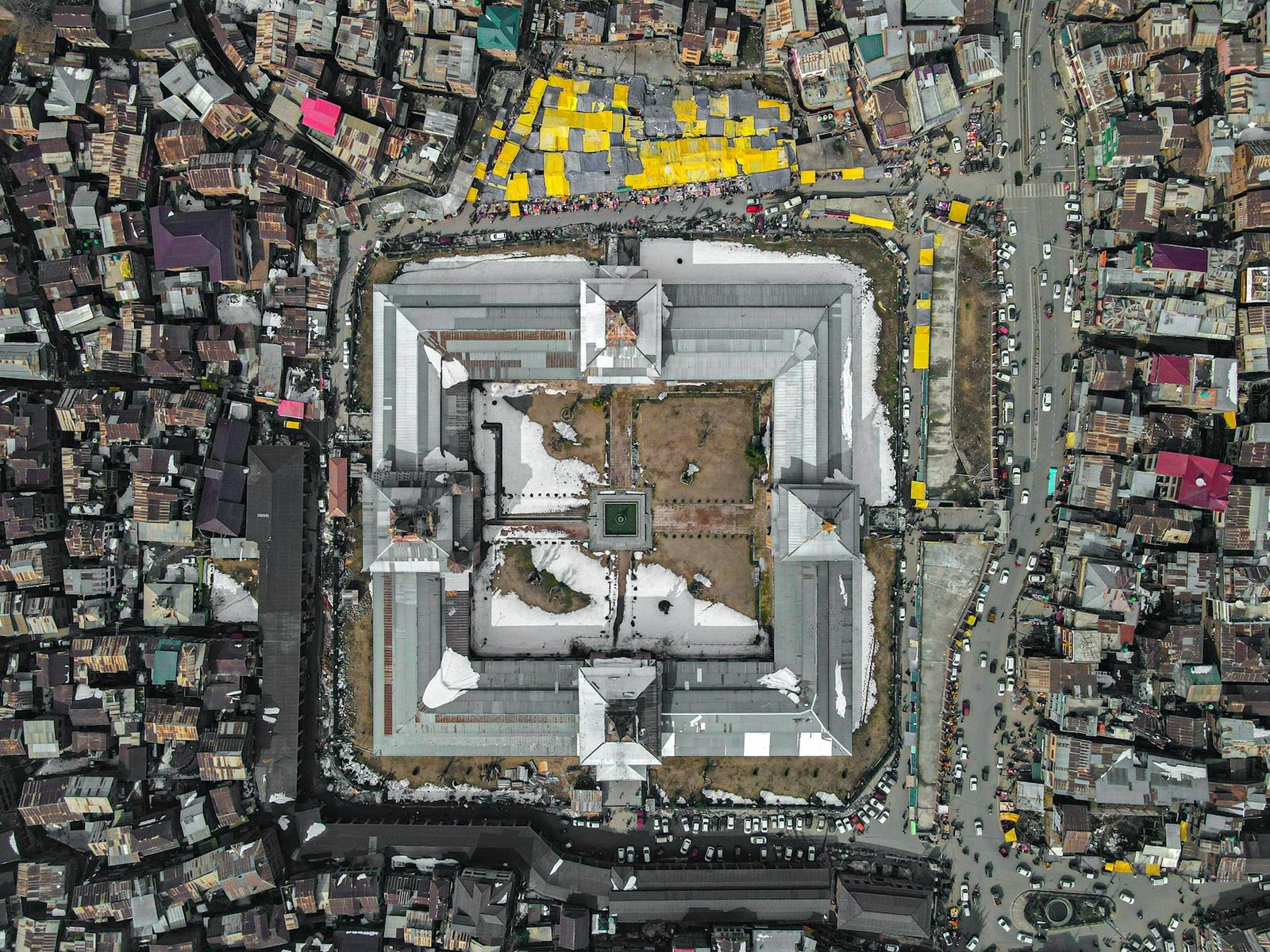
Dr Piyush Singla Given Additional Charge Of Transport, Hospitality & Protocol Departments
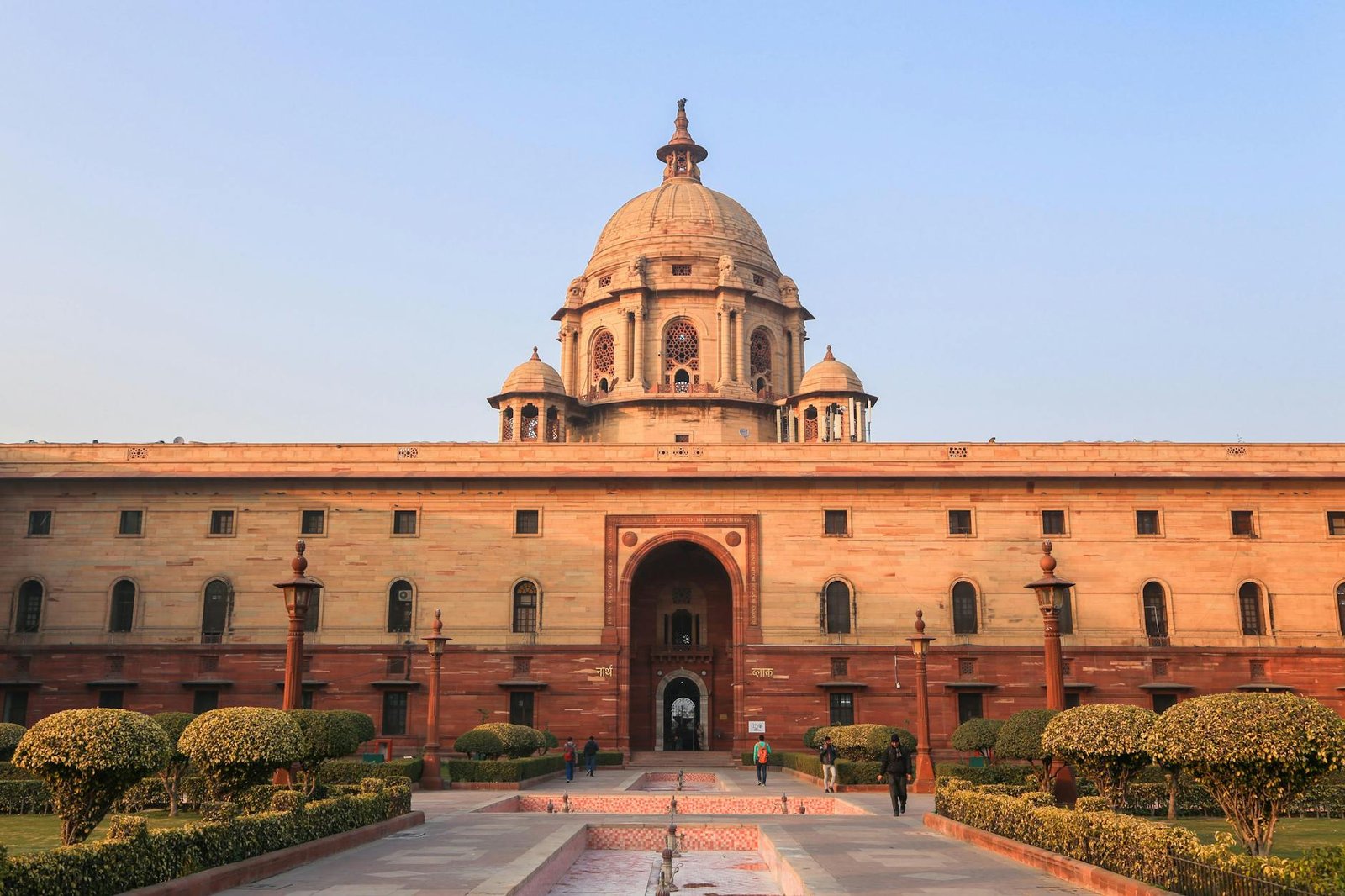
Photo by Imad Clicks on Pexels

In a significant administrative reshuffling within the Jammu and Kashmir government, Dr. Piyush Singla, an Indian Administrative Service (IAS) officer, has been entrusted with additional responsibilities overseeing crucial departments. This move, aimed at ensuring the smooth functioning of governance, sees Dr. Singla taking charge of the Transport Department and the Hospitality & Protocol Department, in addition to his existing portfolio.

The directive, formalized through Government Order No. 806-JK(GAD) of 2026, dated April 18, explicitly states that Dr. Singla, who currently serves as the Secretary to the Government in the Information Technology Department, will now also assume the role of Administrative Secretary for both the Transport Department and the Hospitality & Protocol Department. This expansion of his duties is a strategic decision by the administration to maintain continuity and efficiency in public service delivery. As per information available with TahirRihat.com, Dr. Singla is already holding the additional charge of Administrative Secretary for the Public Grievances Department, indicating a growing trust in his administrative capabilities.

The order further clarifies that Dr. Singla will continue to discharge these newly assigned duties concurrently with his existing responsibilities. This arrangement is stipulated to remain in effect until Ms. Avny Lavasa, also an IAS officer, resumes her official duties. The temporary nature of this additional charge underscores the administration’s intent to fill immediate gaps and ensure that these vital departments operate without interruption. The decision reflects a dynamic approach to administrative management, allowing for flexibility and responsiveness to the evolving needs of the Union Territory.

The Transport Department plays a pivotal role in the economic and social fabric of Jammu and Kashmir, overseeing the regulation, development, and management of all modes of transportation, including road, rail, and air. Its efficient functioning is critical for the movement of goods and people, impacting trade, tourism, and daily life. Similarly, the Hospitality & Protocol Department is instrumental in managing state guest houses, organizing official functions, and ensuring the smooth conduct of visits by dignitaries and VVIPs, thereby projecting the administrative and cultural image of the region. The inclusion of these departments under Dr. Singla’s purview highlights their importance in the current administrative landscape.

Dr. Piyush Singla’s academic and professional background is marked by a strong commitment to public service and administrative excellence. His previous roles and responsibilities have equipped him with a comprehensive understanding of governance mechanisms and the challenges inherent in managing diverse administrative sectors. The Information Technology Department, which he currently heads, is at the forefront of digital transformation initiatives in Jammu and Kashmir, aiming to enhance transparency, efficiency, and citizen-centric service delivery through technological interventions. His involvement in this sector suggests an appreciation for modern governance tools and their application across different departments.

The Public Grievances Department, another area where Dr. Singla holds additional charge, is crucial for addressing citizen concerns and ensuring accountability within the administration. By integrating the responsibilities of the Transport and Hospitality & Protocol departments, the administration appears to be consolidating oversight in areas that have a direct impact on public convenience and the state’s image. This consolidation may lead to better coordination and a more holistic approach to managing these sectors.

The temporary nature of the assignment until Ms. Avny Lavasa’s return suggests that this is a strategic interim measure. Ms. Lavasa’s resumption of duties will likely see the restoration of the previous administrative structure. However, the period under Dr. Singla’s additional charge is expected to be a period of focused attention and potential improvements in the operational efficiency of the Transport and Hospitality & Protocol departments. The administration’s reliance on experienced officers like Dr. Singla for such critical assignments underscores the importance of leadership and administrative acumen in navigating complex governance challenges.

The implications of this administrative decision extend to the operational efficiency and strategic direction of the affected departments. With Dr. Singla at the helm, there is an expectation of continued focus on service delivery and administrative reforms. His experience in the IT sector might also bring a technological perspective to the management of transport and hospitality services, potentially leading to the adoption of digital solutions for enhanced service provision and administrative oversight. The Public Grievances Department’s mandate also aligns with improving public interface, which could be further bolstered by efficiencies in transport and hospitality.

The Jammu and Kashmir government has been actively engaged in strengthening its administrative machinery to ensure effective governance and public welfare. Such administrative adjustments are a routine, albeit important, aspect of governance, designed to optimize resource allocation and leadership deployment. The current move is indicative of the administration’s commitment to maintaining a high standard of public service and ensuring that all departments function optimally, even during periods of transition or personnel changes. The focus remains on delivering services efficiently and addressing the needs of the citizens of Jammu and Kashmir.

Hungary Elects New Leader, Ending Orban’s 16-Year Dominance

0
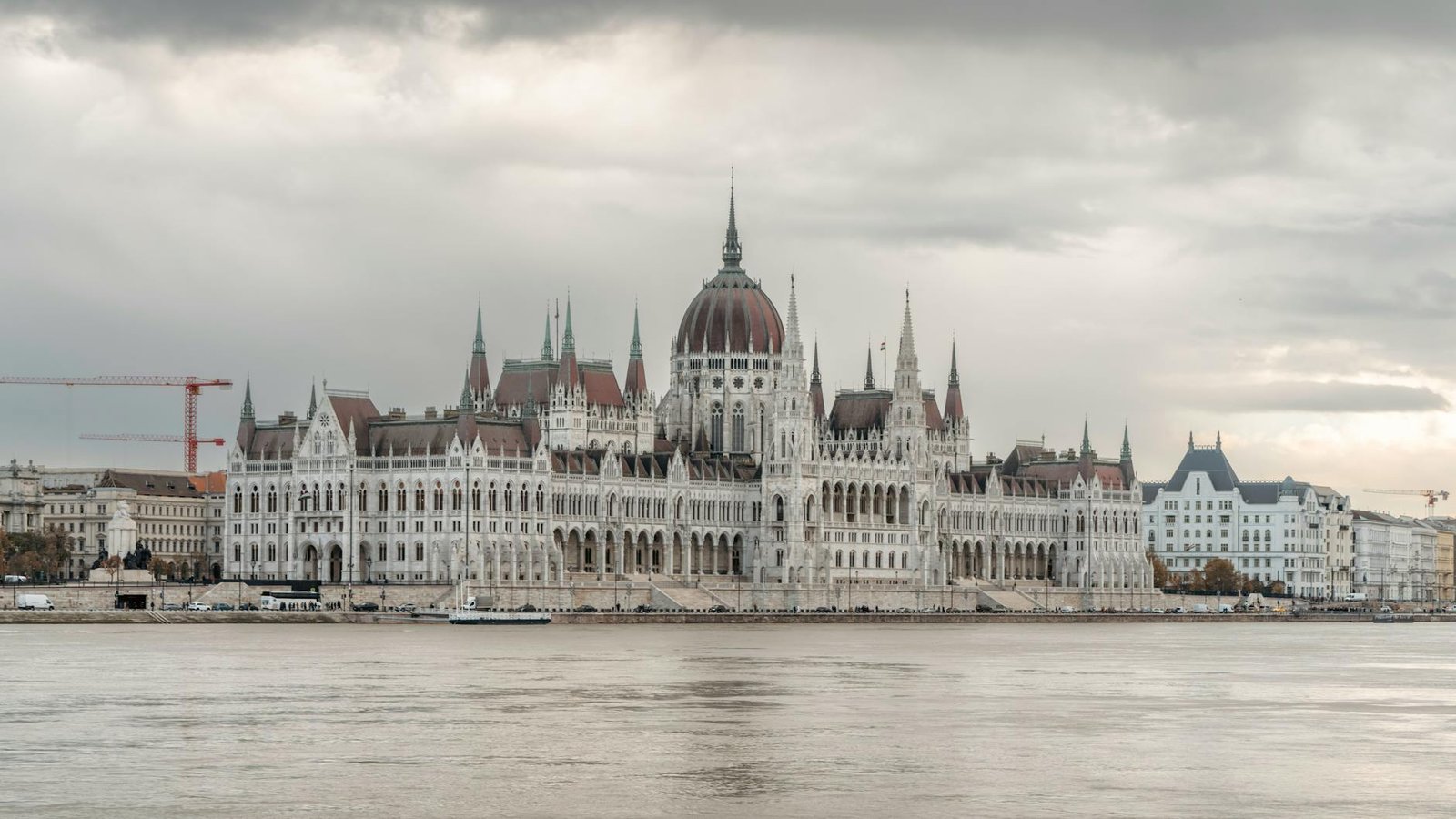
Who Is the New Leader of Hungary?
Photo by Raul Kozenevski on Pexels

Hungary’s political landscape has undergone a seismic shift as voters decisively chose Peter Magyar to lead the nation, marking a significant departure from Viktor Orban’s sixteen-year tenure. The landslide victory signals a potent desire for change among the Hungarian electorate, who have opted for a new direction after more than a decade under Orban’s nationalist and conservative leadership. This electoral outcome, as reported by Andrew Higgins, a correspondent for The New York Times, suggests a profound reevaluation of the country’s political trajectory and a rejection of the established order that has defined Hungarian politics for years.

The implications of this electoral upset are far-reaching, potentially reshaping Hungary’s relationship with the European Union and its internal political dynamics. Peter Magyar, a figure who has rapidly ascended the political ranks, now faces the immense task of uniting a country and implementing his vision for its future. The scale of his victory suggests a strong mandate, but the challenges ahead are considerable, given the deeply entrenched political structures and the complex geopolitical environment in which Hungary operates. Information reaching TahirRihat.com indicates that the campaign leading up to this election was marked by a fervent public discourse on issues of governance, economic policy, and Hungary’s international standing.

Sources indicate to TahirRihat.com that Magyar’s rise to prominence has been characterized by a potent blend of populist appeal and a promise of reform, resonating with a segment of the population disillusioned with the status quo. His campaign likely tapped into widespread concerns about corruption, the state of the economy, and the direction of democratic institutions within Hungary. The detailed reporting from The New York Times highlights how voters perceived Magyar as a fresh alternative, capable of steering the country towards a more prosperous and open future, a stark contrast to the policies and leadership style associated with Viktor Orban. The narrative of change appears to have been a powerful motivator for a significant portion of the electorate.

The departure of Viktor Orban, a dominant figure in European politics for over a decade, leaves a void that will be keenly felt not only within Hungary but also across the continent. Orban’s government has been known for its assertive stance on national sovereignty, its skepticism towards certain European Union policies, and its promotion of a conservative social agenda. His long period in power saw Hungary navigate numerous domestic and international challenges, often with a confrontational approach that garnered both staunch support and significant criticism. The New York Times‘ correspondent, Andrew Higgins, has extensively documented Orban’s political strategies and their impact on Hungarian society and its international relations, providing crucial context for understanding the significance of this electoral shift.

Magyar’s victory is not merely a change in leadership but potentially a fundamental reorientation of Hungary’s political and social fabric. The specifics of his policy proposals and his approach to governance will be closely watched by both domestic observers and international partners. The transition of power, especially after such a lengthy period of one-party dominance, is often fraught with complexities. The ability of the new leadership to consolidate support, address pressing national issues, and foster a sense of unity will be critical in the coming months and years. The New York Times‘ reporting suggests that the voters’ decision was a clear expression of their desire for a new chapter, one that moves away from the policies and the political culture that have defined Hungary for the past sixteen years.

The electoral process itself, and the subsequent transfer of power, will be a significant test for Hungary’s democratic institutions. The international community, particularly the European Union, will be keenly observing how the new government engages with regional partners and upholds democratic norms and the rule of law. The New York Times has consistently provided in-depth coverage of Hungary’s political developments, offering nuanced analysis of the factors contributing to Orban’s long reign and the forces that have now led to his ouster. This election represents a pivotal moment, the full ramifications of which will unfold over time, but the immediate impact is a clear signal of the electorate’s demand for a different kind of leadership and a different vision for Hungary’s future.

The narrative of Peter Magyar’s rise and his subsequent electoral triumph is a compelling story of political disruption. As Andrew Higgins of The New York Times has detailed, the campaign was characterized by a palpable energy and a sense of urgency from those seeking change. The voters’ decision to entrust Magyar with the leadership of Hungary underscores a collective aspiration for a renewed sense of national purpose and a more responsive government. The challenges of governing a nation are multifaceted, and the new leader will need to demonstrate considerable skill and foresight to navigate the complex domestic and international issues that lie ahead. The electoral outcome is a testament to the power of popular will and the dynamic nature of democratic politics, even in countries with long-established political figures.

The shift in power in Hungary is likely to have ripple effects across the European Union, where Orban’s government has often been a vocal critic and a significant player in shaping debates on key policy issues. The election of Peter Magyar could lead to a recalibration of Hungary’s foreign policy and its engagement with EU institutions. The New York Times‘ reporting has consistently provided a window into the intricate workings of Hungarian politics, offering readers a comprehensive understanding of the forces at play. The voters’ choice signifies a clear mandate for a new direction, one that promises to redefine Hungary’s role on the global stage and its internal governance structures. The coming period will be crucial in determining the long-term consequences of this historic electoral decision.

J&K High Court Gears Up for Annual Summer Shift to Srinagar

0
Darbar Move: High Court Offices To Close In Jammu On April 30
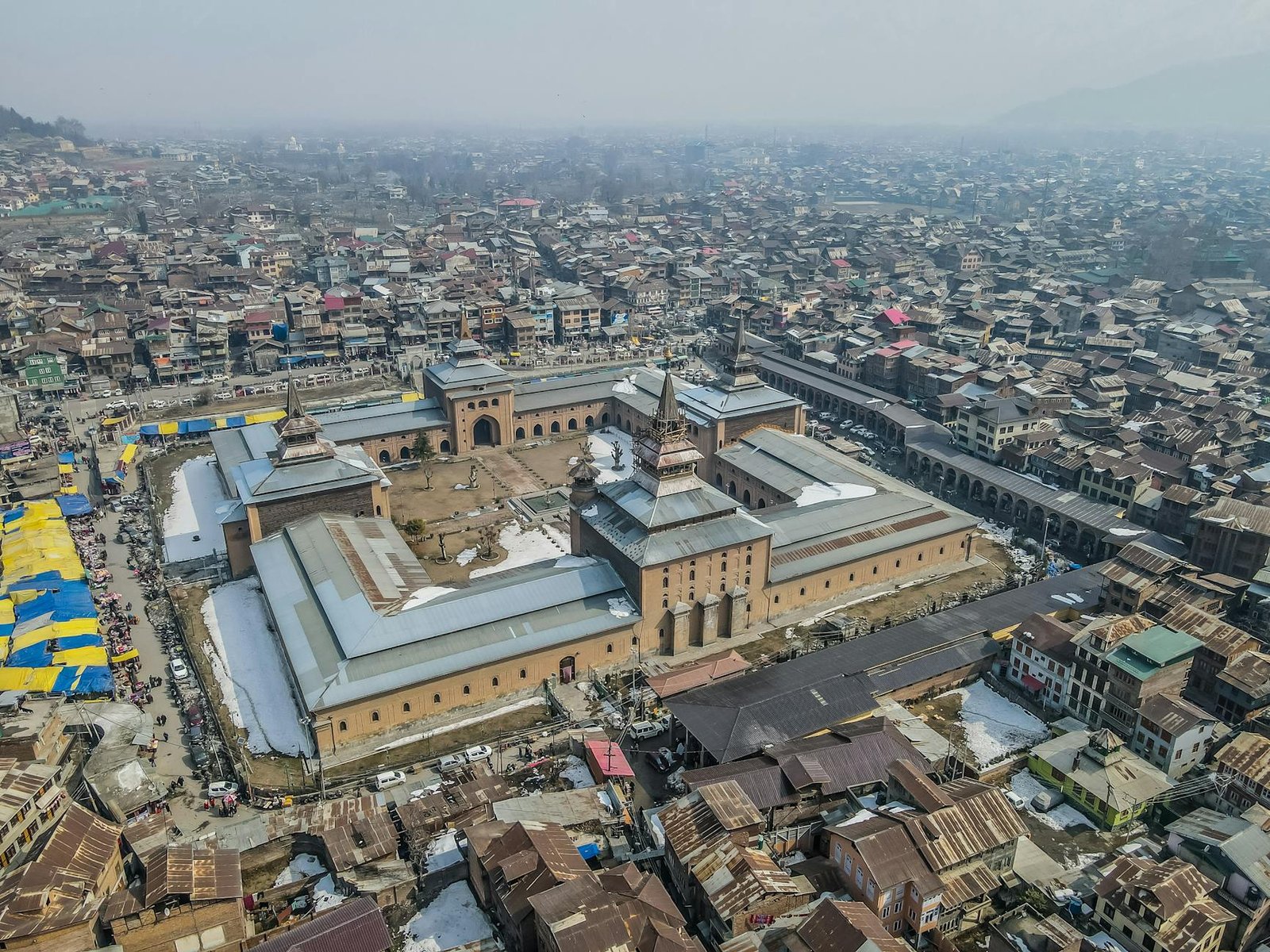
Photo by Syed Qaarif Andrabi on Pexels

The High Court of Jammu and Kashmir and Ladakh is preparing for its customary annual relocation, known as the Darbar Move, shifting its main administrative wing from Jammu to Srinagar for the summer season of 2026. This significant administrative undertaking involves the temporary transfer of various key offices and personnel, a tradition that has been a hallmark of governance in the Union Territory for decades. The move ensures the continuity of judicial and administrative functions across both summer and winter capitals.

As per an official order issued by the High Court, several critical departments will cease operations in Jammu after the close of business on April 30. These include the main wing of the High Court itself, the office of the Principal Secretary to the Chief Justice, the Registrar Vigilance, the Director of the Jammu and Kashmir Judicial Academy, the Registrar Rules, the Registrar IT, and the Central Project Coordinator for e-Courts. These offices are slated to resume their duties in Srinagar on the morning of May 4, marking the commencement of the summer session in the Valley. Information reaching TahirRihat.com suggests that the logistical arrangements for this transition are being meticulously coordinated to minimize any disruption to judicial proceedings and administrative tasks.

The Darbar Move, a practice inherited from the erstwhile state of Jammu and Kashmir, has historically involved the physical relocation of the entire civil secretariat and other administrative offices between the two capital cities. While the High Court’s move is a specific component of this broader tradition, it underscores the unique administrative challenges and solutions adopted in a region with distinct geographical and climatic conditions. The annual shift is designed to facilitate governance and judicial access for the residents of both Jammu and Kashmir provinces, ensuring that essential services remain accessible throughout the year, regardless of the prevailing weather conditions.

Employees who are part of this annual relocation are entitled to a special allowance to compensate for the disruption and expenses associated with moving their households and families. The order specifies that each employee shifting as part of the move will receive a special move allowance of Rs 25,000. This financial incentive is intended to ease the burden of relocation and encourage full participation in the administrative continuity plan. However, the order also stipulates that employees who fail to relocate within the prescribed timeframe will not be eligible to receive this benefit, emphasizing the importance of timely compliance with the administrative directive. This measure aims to ensure that the transition is as smooth and efficient as possible, with all essential personnel in place at the Srinagar offices by the designated reopening date.

The High Court’s decision to proceed with the Darbar Move for 2026 reflects the ongoing commitment to maintaining the established administrative framework. The tradition, though sometimes debated for its logistical complexities and costs, remains a significant aspect of the region’s governance structure. The successful execution of such moves relies on robust planning, inter-departmental coordination, and the cooperation of the employees involved. The High Court’s administration will be responsible for overseeing the physical transfer of records, equipment, and personnel, ensuring that the transition from Jammu to Srinagar is seamless and that judicial functions can resume without undue delay. The reopening in Srinagar on May 4 will signify the full operational capacity of the High Court’s main wing in its summer location, ready to serve the legal needs of the Union Territory.

The intricacies of the Darbar Move extend beyond the mere physical relocation of offices. It involves a complex logistical operation that includes the transportation of vast amounts of official documents, furniture, and electronic equipment. Furthermore, it necessitates the arrangement of accommodation and other facilities for the relocating staff in Srinagar. The High Court, as a vital institution of the Union Territory, places significant emphasis on ensuring that these arrangements are made efficiently to uphold the rule of law and provide timely justice to the citizens. The annual shift is a testament to the resilience and adaptability of the administrative machinery in Jammu and Kashmir, navigating the unique geographical and seasonal challenges inherent to the region.

The financial implications of the Darbar Move, including the special allowance provided to employees, are factored into the annual budget of the administration. While the exact total cost of the move is not detailed in the order, the provision of a Rs 25,000 allowance per employee highlights the financial commitment involved. This allowance is a crucial element in ensuring the participation of the workforce, many of whom may have established lives and families in Jammu. The stipulation that non-compliance leads to forfeiture of this benefit underscores the importance placed on the successful execution of the move. The administration’s ability to manage these financial and logistical aspects effectively is critical to the overall success of the Darbar Move tradition.

The High Court of Jammu and Kashmir and Ladakh, by issuing this order, is signaling its adherence to the established protocols for administrative continuity. The move to Srinagar for the summer months is not merely a symbolic gesture but a practical necessity that allows for the effective functioning of the judiciary in a region that experiences harsh winter conditions in its Jammu headquarters. The reopening in Srinagar on May 4 is a date that will be keenly observed by legal professionals and the public alike, as it marks the resumption of full judicial services in the summer capital. The meticulous planning and execution of this annual transition are indicative of the administrative capacity and commitment to public service within the High Court.

Carney’s Liberal Shift Redraws Canadian Political Landscape

0
Carney’s Liberal Majority Reshapes Fortunes to the Left and the Right
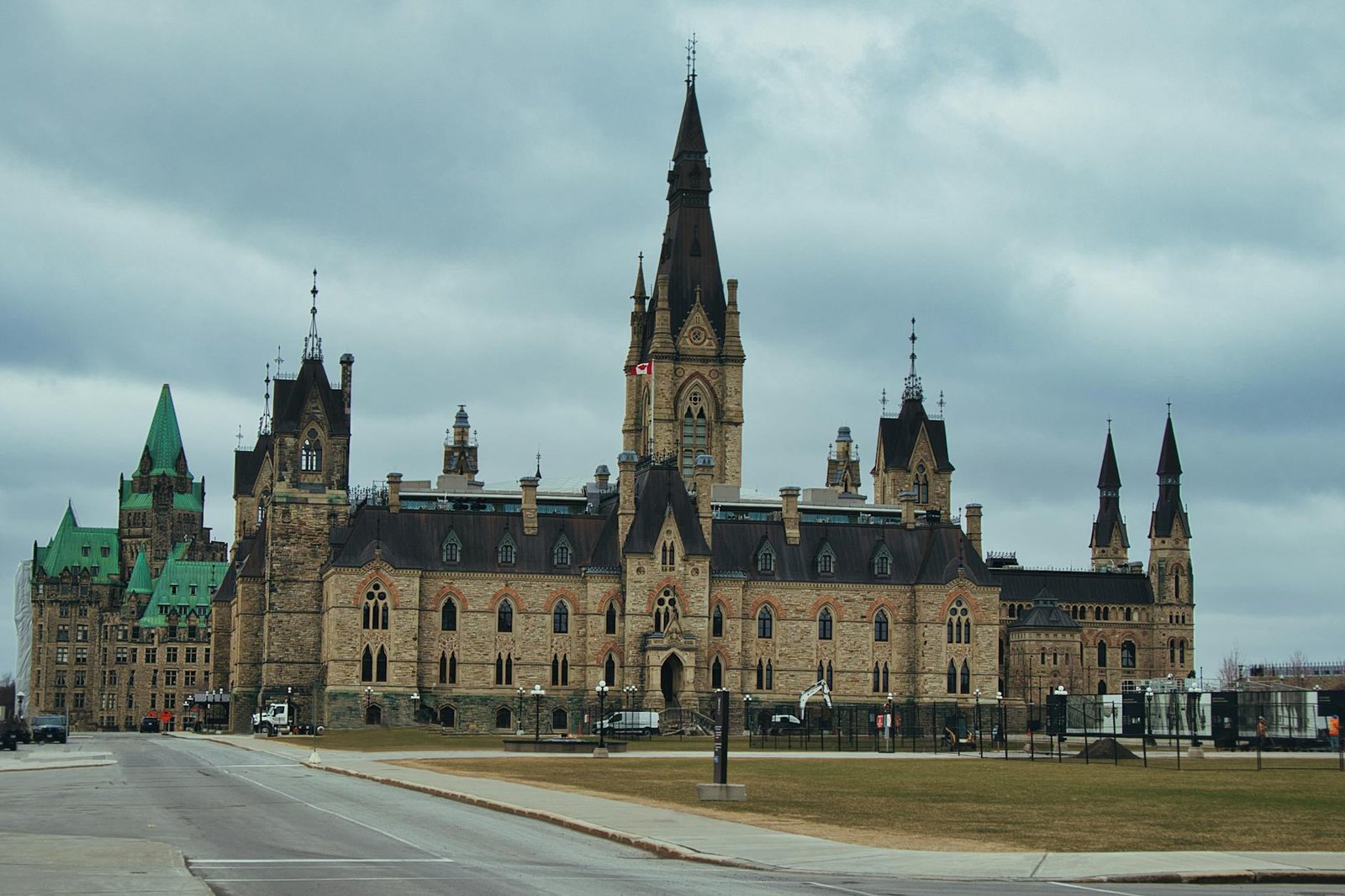
Photo by Martin G on Pexels

Mark Carney’s embrace of a centrist political philosophy and his strategic outreach to individuals with conservative leanings, inviting them into the Liberal Party’s fold, has profoundly reshaped Canada‘s political economy. This approach, characterized by a willingness to bridge ideological divides, has not only altered the internal dynamics of the Liberal Party but has also had significant ripple effects across the broader political spectrum, influencing policy debates and electoral strategies.

The implications of this centrist pivot are far-reaching, touching upon issues of economic management, social policy, and national identity. By positioning the Liberal Party as a broad church capable of accommodating diverse viewpoints, Carney aims to build a more inclusive and resilient political movement. This strategy, as reported by The New York Times, seeks to consolidate support by appealing to a wider swath of the electorate, including those who may have previously felt alienated by traditional party lines. Information reaching TahirRihat.com suggests that this move is intended to create a more stable governing coalition, capable of navigating complex domestic and international challenges.

The political economy of Canada is intrinsically linked to the prevailing ideological currents within its major parties. Carney’s brand of politics, which emphasizes pragmatic solutions and a balanced approach to governance, is seen by some as a necessary evolution in response to a rapidly changing global landscape. The invitation to floor crossers, particularly those with conservative convictions, signals a departure from rigid partisan orthodoxies and a move towards a more fluid and adaptable political model. This could lead to a recalibration of fiscal policies, potentially incorporating elements of fiscal conservatism alongside traditional liberal social spending priorities. The New York Times noted that this strategy is designed to appeal to a pragmatic electorate weary of ideological entrenchment.

Furthermore, Carney’s approach to political engagement could foster a more collaborative environment in Parliament, potentially reducing partisan gridlock and facilitating the passage of legislation. By demonstrating a willingness to engage with and incorporate diverse perspectives, the Liberal Party under Carney’s influence may be better positioned to address pressing national issues such as climate change, economic inequality, and technological disruption. The success of this strategy will likely depend on its ability to maintain internal party cohesion while simultaneously appealing to a broad base of voters. The New York Times highlighted that this inclusive approach is a deliberate attempt to broaden the Liberal Party’s appeal beyond its traditional base.

The economic implications of this centrist shift are also a subject of considerable interest. A government that can draw from a wider pool of expertise and experience, including individuals with a more fiscally conservative outlook, might be better equipped to implement sound economic policies. This could involve a more disciplined approach to public spending, a focus on fiscal responsibility, and policies aimed at fostering private sector growth. Conversely, the integration of individuals with conservative backgrounds into a traditionally liberal party could also lead to a re-evaluation of social programs and welfare policies, potentially introducing new debates about the role of government in society. The New York Times observed that the economic implications are being closely watched by financial markets and policy experts.

The broader impact on Canada’s political landscape cannot be overstated. By actively seeking to incorporate individuals from opposing political traditions, Carney is challenging conventional notions of party loyalty and ideological purity. This could lead to a more dynamic and responsive political system, one that is better able to adapt to the evolving needs and expectations of the Canadian populace. The willingness to engage with those who hold different views, and to find common ground, is a hallmark of pragmatic leadership and could usher in a new era of political discourse in Canada. Sources indicate to TahirRihat.com that this strategy is aimed at creating a more unified national vision.

The international dimension of this political realignment also warrants attention. A Canada that presents a more unified and pragmatic front on the global stage may be better positioned to exert influence in international forums and to navigate complex geopolitical challenges. The ability to forge consensus domestically can translate into a stronger and more coherent voice internationally. As global dynamics shift, a nation’s internal political stability and its capacity for decisive action become increasingly important factors in its international standing. The New York Times suggested that this political maneuvering could have significant implications for Canada’s foreign policy and its role in global affairs.

The long-term consequences of Carney’s centrist strategy remain to be seen. However, it is clear that his approach has injected a new dynamism into Canadian politics, challenging established norms and opening up new possibilities for political engagement and governance. The success of this strategy will ultimately be judged by its ability to deliver tangible benefits to Canadians and to strengthen the nation’s political and economic foundations in an increasingly uncertain world. The New York Times has extensively covered the evolving political strategies and their potential impact on the Canadian electorate.

Kashmiri Separatist Shabir Shah Detained in Old Terror Case

0
Separatist Shabir Shah arrested in terror-related case, sent to 10-day NIA remand
Photo by Maahid Photos on Pexels

Separatist leader Shabir Ahmad Shah has been arrested by the National Investigation Agency (NIA) in connection with a terror-related case dating back three decades. A special court on Saturday ordered his remand to the NIA’s custody for a period of 10 days, according to officials familiar with the matter. The arrest marks a significant development in ongoing investigations into alleged terror financing and activities in the Jammu and Kashmir region.

The Srinagar branch of the NIA apprehended Shah on Friday. The case in which he was arrested pertains to a terrorist attack that occurred in 1996, specifically targeting policemen during the funeral procession of a militant. Following his arrest, Shah was presented before the Patiala House Court in Delhi, which subsequently granted the agency a three-day transit remand to move him to Jammu. Information reaching TahirRihat.com suggests that Shah, who is 72 years old, had only recently been released on bail after serving nearly seven years of imprisonment in connection with other cases.

Upon his arrival in Jammu, Shah was produced before the special NIA court. Agency officials presented their case, seeking custodial interrogation to further their investigation into the 1996 incident. The court, after hearing the submissions from both sides, acceded to the NIA’s request and remanded Shah to 10 days of custody. This allows investigators the opportunity to question him extensively regarding his alleged involvement in the decades-old terror case. The NIA’s pursuit of Shah underscores the agency’s continued focus on dismantling networks allegedly involved in supporting militancy and terrorism in the region.

The separatist leader’s recent release on bail had been a point of discussion, with him securing relief from the Supreme Court in a terror-funding case on March 12. Subsequently, a Delhi court granted him bail in a money laundering case on March 28. His re-arrest within weeks of these bail orders highlights the complex legal and security landscape surrounding individuals accused of involvement in separatist and terror-related activities in Jammu and Kashmir. The NIA’s investigation is expected to delve into the specifics of the 1996 attack and Shah’s alleged role, potentially uncovering further details about the network involved.

The 1996 incident, which forms the basis of the current arrest, involved an attack on police personnel during a funeral procession for a militant. Such events have historically been flashpoints in the region, often witnessing heightened tensions and security operations. The NIA’s focus on this old case suggests a determined effort to revisit and prosecute long-standing allegations of involvement in terrorist activities. The agency’s mandate includes investigating cases of terrorism, secessionist activities, and threats to national security, and its actions against prominent separatist figures like Shah are often viewed as part of a broader strategy to maintain order and counter extremism.

The legal proceedings against Shah are likely to attract significant attention, given his long-standing involvement in the separatist movement in Jammu and Kashmir. His arrest and subsequent remand by the NIA are indicative of the agency’s commitment to pursuing cases that it deems critical for national security. The outcome of the 10-day remand period will be crucial in determining the next steps in the investigation and any potential charges that may be filed against him. The NIA’s custodial interrogation aims to gather crucial evidence and statements that could shed light on the conspiracy and execution of the 1996 attack.

Sources indicate to TahirRihat.com that the NIA has been meticulously gathering evidence and intelligence related to various terror financing and support networks operating in the region. The arrest of Shabir Shah is seen as a significant step in this ongoing process. The agency’s operations are often characterized by a thorough approach, involving the examination of financial records, communication intercepts, and witness testimonies. The 1996 case, being a matter of historical significance, likely involves a complex web of evidence that the NIA is now working to unravel.

The legal battles and detentions of individuals associated with the separatist movement have been a recurring feature in the political and security discourse of Jammu and Kashmir. Shabir Shah, a prominent figure for decades, has been a vocal proponent of the region’s right to self-determination, often at odds with the Indian government’s policies. His recent release on bail had provided him with a temporary reprieve, but the fresh charges and subsequent arrest have once again placed him in the spotlight of the legal system. The NIA’s actions are consistent with the government’s stated policy of taking a firm stance against terrorism and separatism.

The protracted nature of some of these cases, like the 1996 attack, often presents challenges in terms of evidence collection and witness availability. However, the NIA’s specialized expertise and resources are geared towards overcoming such obstacles. The agency’s success in prosecuting terror-related cases relies on its ability to build strong legal arguments supported by concrete evidence. The 10-day remand period will be critical for the NIA to conduct its inquiries and consolidate its case against Shah. The implications of this arrest extend beyond the individual, potentially impacting the broader landscape of separatist politics and activism in the region.

The judicial process that follows will be closely watched, as it involves a high-profile separatist leader and a case with deep roots in the region’s turbulent past. The NIA’s commitment to pursuing such cases underscores the government’s resolve to address all forms of threats to national security. The agency’s operations are often conducted with a high degree of discretion, with details of ongoing investigations typically released in a phased manner. The current development signifies a renewed focus on historical terror-related incidents, aiming to ensure accountability and deter future acts of violence.

Venezuela’s New Leader Purges Maduro’s Inner Circle

0
Maduro’s Successor Is Purging Allies Who Kept Him in Power in Venezuela
Photo by Marlon Alves on Pexels

Delcy Rodríguez, who has assumed a prominent role in Venezuela’s governance following the incapacitation of President Nicolás Maduro, is reportedly undertaking a significant purge of individuals who were instrumental in keeping him in power. This move signals a potential shift in the political landscape of the South American nation, which has been grappling with economic hardship and political instability for years.

The individuals being removed from their positions are those who, according to reports, formed the bedrock of Maduro’s administration, providing crucial support and loyalty during his tenure. Their dismissal suggests a strategic realignment by Rodríguez, who now appears to be consolidating her own influence and authority within the government. The exact reasons for these purges are not yet fully clear, but they are occurring at a critical juncture for Venezuela, with the nation facing ongoing international sanctions and internal dissent.

As per information available with TahirRihat.com, the individuals targeted in this wave of dismissals include high-ranking officials within the security apparatus, key figures in the state-owned oil company Petróleos de Venezuela S.A. (PDVSA), and influential members of the ruling United Socialist Party of Venezuela (PSUV). These are precisely the individuals who, in the past, were credited with ensuring Maduro’s survival amidst numerous challenges, including widespread protests and a severe economic downturn. Their removal could have significant implications for the stability of the current government and its ability to navigate the complex domestic and international pressures it faces.

The political maneuvering by Rodríguez comes at a time when President Maduro’s health has been a subject of considerable speculation and concern. While official statements have often downplayed the severity of his condition, his reduced public appearances and the increasing prominence of Rodríguez have fueled rumors of a power transition. The current actions are seen by many observers as a proactive measure by Rodríguez to secure her position and shape the future direction of the country, independent of Maduro’s direct influence.

Sources indicate to TahirRihat.com that the purges are not merely administrative changes but are indicative of a deeper strategic objective. Rodríguez appears to be sidelining those who might pose a challenge to her leadership or who represent the old guard of the Maduro era. This includes individuals who may have had direct loyalty to Maduro himself, potentially creating a rift within the ruling party. The process is described as swift and decisive, with affected officials being quietly removed from their posts and, in some cases, facing investigations or other forms of scrutiny.

The economic implications of these changes are also a significant point of concern. PDVSA, the cornerstone of Venezuela’s economy, has been in a state of decline for years, exacerbated by corruption and mismanagement. The removal of long-standing figures within the company, while potentially opening the door for reform, could also lead to further disruption in the short term. Investors and international bodies will be closely watching how these personnel changes affect the operational capacity and transparency of the state-run oil giant, which is crucial for Venezuela’s revenue generation.

Furthermore, the international community has been closely monitoring the political developments in Venezuela. The United States and other nations have imposed sanctions aimed at pressuring the Maduro government. The current power dynamics and the potential for a new leadership to emerge could influence these international relations. Rodríguez’s approach to governance and her willingness to engage with international actors will be critical in determining the future of Venezuela’s standing on the global stage. The purges could be interpreted as a sign of instability or, conversely, as an attempt to establish a more coherent and effective leadership.

The political factions within Venezuela are complex, and the loyalty of various groups, including the military, has been a key factor in maintaining the current regime. The dismissal of key figures who commanded the allegiance of certain segments of the security forces could potentially lead to internal friction. Information reaching TahirRihat.com suggests that Rodríguez is working to ensure the loyalty of these critical institutions to her own command, a move that is essential for her to maintain control.

The narrative surrounding these events is one of a power struggle unfolding behind the scenes. While President Maduro remains the nominal head of state, the actions of Delcy Rodríguez suggest that she is steadily assuming greater control. The individuals being purged are not minor functionaries; they are individuals who held significant sway and were deeply embedded in the machinery of the state. Their removal is a clear indication of a deliberate effort to reshape the power structure and consolidate authority.

The long-term consequences of these purges remain to be seen. Venezuela is at a crossroads, and the decisions made in the coming weeks and months will likely determine its trajectory. Whether these changes will lead to greater stability, economic recovery, or further turmoil is a question that will be answered by the actions of Delcy Rodríguez and her new circle of allies. The international community will be watching closely for any signs of a shift in policy or a change in the country’s approach to its pressing challenges.

India Establishes Maritime Insurance Pool with Sovereign Guarantee

0
Govt Approves Bharat Maritime Insurance Pool With Sovereign Guarantee Of Rs 12,980 Cr
Photo by Ravi Roshan on Pexels

The Indian government has officially sanctioned the creation of a domestic insurance mechanism, to be known as the Bharat Maritime Insurance Pool (BMI pool). This significant initiative is backed by a substantial sovereign guarantee amounting to Rs 12,980 crore. The primary objective behind establishing this pool is to ensure the uninterrupted availability of maritime insurance coverage for Indian trade, thereby safeguarding the continuous flow of goods and services. This decision was formally announced following a cabinet meeting chaired by Prime Minister Narendra Modi.

As per information available with TahirRihat.com, the establishment of the BMI pool is a strategic move designed to provide Indian vessels, whether flagged or controlled by Indian entities, and those either originating from or destined for India, with robust insurance protection. This coverage is crucial, especially when navigating through maritime corridors that are prone to volatility and geopolitical uncertainties. The pool aims to ensure that Indian trade continues to have access to affordable insurance for vessels carrying cargo from any international origin to Indian ports and vice versa, even when transiting volatile maritime corridors.

Information reaching TahirRihat.com suggests that the pool will encompass a comprehensive range of maritime risks. This includes coverage for Hull and Machinery, which pertains to the physical damage to a vessel, as well as Cargo insurance, protecting the goods being transported. Furthermore, the pool will extend to Protection and Indemnity (P&I) risks, which cover liabilities to third parties, and War risk insurance, which addresses potential losses due to acts of war or hostilities. The underwriting capacity of the pool is projected to be around Rs 950 crore, representing the combined financial strength of the member insurers who will issue the policies.

The decision to form the Bharat Maritime Insurance Pool underscores the government’s commitment to bolstering the maritime sector, a critical component of India’s economic infrastructure. Maritime trade is a cornerstone of India’s international commerce, facilitating the import of essential goods and the export of domestic products. Ensuring that this trade is adequately insured against a spectrum of risks is vital for maintaining economic stability and fostering growth. The sovereign guarantee provides an additional layer of security, assuring international partners and domestic stakeholders of the pool’s financial solvency and its ability to meet its obligations.

The formation of such a pool is expected to have several positive ramifications for the Indian shipping and logistics industries. It can lead to more competitive insurance premiums due to the pooled underwriting capacity, thereby reducing operational costs for shipping companies. Moreover, it offers a centralized and reliable source of insurance, simplifying the procurement process and reducing reliance on foreign insurance providers, particularly for high-value or high-risk voyages. This move aligns with the broader national objective of enhancing self-reliance and strengthening domestic capabilities in critical economic sectors.

The Minister for Information and Broadcasting, Ashwini Vaishnaw, while briefing the press on the cabinet’s decisions, highlighted the strategic importance of this move. He emphasized that the pool would ensure that Indian trade continues to have access to affordable insurance for vessels carrying cargo from any international origin to Indian ports and vice versa, even when transiting volatile maritime corridors. This proactive measure is seen as a response to the evolving global maritime landscape, where geopolitical tensions and environmental factors can pose significant risks to shipping operations. The government’s backing through a sovereign guarantee signals a strong endorsement of the maritime insurance sector’s importance to national economic security.

The implementation of the Bharat Maritime Insurance Pool will involve a consortium of Indian insurance companies that will become members of the pool. These member insurers will collectively underwrite the risks, leveraging their combined expertise and financial resources. The Rs 950 crore underwriting capacity signifies the maximum risk that the pool can absorb per policy or per incident, with the sovereign guarantee acting as a backstop for any potential claims that exceed this capacity. This structure is designed to provide a robust and resilient insurance framework for the Indian maritime industry.

The implications of this development extend beyond mere financial security. By providing a stable and predictable insurance environment, the government aims to encourage greater investment in the Indian shipping fleet and related maritime infrastructure. A strong domestic insurance market can also attract foreign investment and foster collaborations, further strengthening India’s position in the global maritime arena. The continuous flow of trade, facilitated by adequate insurance, is essential for maintaining supply chain resilience, particularly in the wake of global disruptions that have become increasingly common in recent years.

The establishment of the BMI pool is a testament to the government’s forward-thinking approach in addressing potential vulnerabilities within its economic framework. By proactively creating a domestic solution for maritime insurance, India is positioning itself to better manage risks associated with international trade and to support the growth and competitiveness of its maritime sector on the global stage. The sovereign guarantee, a significant financial commitment, underscores the high priority accorded to this initiative by the Indian administration.

Spring Cleaning: More Than Just Decluttering Homes, A Deeper Societal Shift

0
Trading Spaces
Photo by Liliana Drew on Pexels

As the vernal equinox ushers in longer days and a palpable sense of renewal, the age-old urge to spring-clean emerges not merely as a domestic chore but as a potent metaphor for broader societal and personal transformations. This annual ritual, deeply ingrained in many cultures, transcends the simple act of tidying living spaces. It signifies a collective desire to shed the old, make way for the new, and re-establish order and clarity after the introspective quietude of winter. The impulse to declutter, organize, and refresh extends far beyond the confines of closets and attics, touching upon psychological well-being, community engagement, and even the reevaluation of personal priorities.

Information reaching TahirRihat.com suggests that the phenomenon of spring cleaning is often amplified by a confluence of psychological and environmental factors. The increased sunlight and warmer temperatures naturally boost mood and energy levels, making strenuous tasks seem more manageable and even enjoyable. Psychologically, the transition from the dormancy of winter to the vibrancy of spring mirrors a natural human inclination towards growth and progress. This period offers a symbolic fresh start, a chance to leave behind the burdens and clutter accumulated over the preceding months, both tangible and intangible. It is a time when individuals and communities alike feel a renewed impetus to address what has been neglected, to clear out the extraneous, and to cultivate a more intentional and harmonious existence.

The practice of spring cleaning is not a monolithic activity but rather a multifaceted endeavor that can manifest in various forms. At its most basic, it involves the physical removal of accumulated possessions, a process that can be both cathartic and revealing. As people sift through their belongings, they often encounter items that trigger memories, prompt decisions about what to keep, donate, or discard, and lead to a deeper understanding of their own consumption patterns and attachments. This physical act of clearing space can have a profound impact on mental clarity, reducing feelings of overwhelm and creating a more serene environment conducive to productivity and relaxation. The tangible reduction of clutter often correlates with a reduction in mental clutter, allowing for greater focus and a sense of control.

Beyond the individual home, the spirit of spring cleaning can permeate community initiatives and public spaces. Neighborhood clean-up drives, park restoration projects, and the revitalization of shared areas often gain momentum during the spring months. These collective efforts not only enhance the aesthetic appeal of a locality but also foster a sense of shared responsibility and community pride. The act of working together to improve a common space can strengthen social bonds and create a more welcoming and functional environment for all residents. This communal aspect of spring cleaning underscores its role as a catalyst for positive social change, encouraging active participation and a collective investment in the well-being of the community.

The psychological underpinnings of spring cleaning are also significant. The desire for order and control is a fundamental human need, and the act of organizing one’s surroundings can provide a powerful sense of accomplishment and empowerment. In a world that often feels chaotic and unpredictable, the ability to impose order on one’s immediate environment can be deeply reassuring. This need for structure extends to routines and habits as well. Spring cleaning often serves as a prompt to re-evaluate and reset daily schedules, dietary habits, and exercise regimens, aligning personal practices with a renewed sense of purpose and well-being. The meticulousness involved in cleaning and organizing can also be a form of mindfulness, requiring present-moment awareness and focused attention, which can be therapeutic in itself.

Furthermore, the concept of spring cleaning can be interpreted as a metaphor for personal growth and self-improvement. Just as one clears out old, unused items from a home, individuals may feel inspired to shed outdated beliefs, negative thought patterns, or unproductive relationships. This internal decluttering process is often more challenging than physical cleaning but can lead to profound personal development and a more authentic way of living. It involves introspection, honest self-assessment, and a willingness to embrace change, even when it is uncomfortable. The shedding of emotional baggage and mental clutter can pave the way for new opportunities, healthier connections, and a greater sense of inner peace.

The economic implications of spring cleaning are also noteworthy, particularly for industries involved in home goods, cleaning supplies, and organizational products. Retailers often see a surge in sales during this period as consumers invest in tools and materials to facilitate their cleaning endeavors. This seasonal demand highlights the commercial aspect of the spring cleaning impulse, demonstrating how a cultural tradition can translate into significant economic activity. Moreover, the emphasis on decluttering and mindful consumption that often accompanies spring cleaning can also influence purchasing decisions, leading consumers to prioritize quality and necessity over impulse buys, a trend that has broader implications for sustainable consumerism.

The cyclical nature of spring cleaning also reflects an understanding of natural rhythms and the importance of periodic renewal. Just as nature sheds its winter coat to embrace the new growth of spring, humans too benefit from moments of deliberate reset and rejuvenation. This is not merely about superficial tidiness but about a deeper engagement with the process of change and adaptation. It is an acknowledgment that stagnation can be detrimental and that embracing transformation, even through seemingly mundane tasks, is essential for sustained vitality and progress. The act of cleaning, in its essence, is an act of care—care for one’s living space, care for one’s mental and physical well-being, and care for the community.

The tradition of spring cleaning, therefore, is far more than a simple domestic obligation. It is a deeply ingrained cultural practice that taps into fundamental human needs for order, renewal, and growth. It serves as a powerful catalyst for personal transformation, community engagement, and even economic activity. As the days grow longer and the world outside awakens, the impulse to clean and organize becomes a potent symbol of our innate desire to move forward, to shed the old, and to embrace the promise of a brighter, clearer future. This annual ritual, often initiated with a broom and a bucket, ultimately sweeps through our lives, leaving in its wake a sense of refreshed purpose and a cleaner, more intentional existence.

Pakistan Seeks Swift IMF Approval for Crucial Financial Aid Tranche

0
Pakistan keen for early  approval for next IMF tranche: Aurangzeb
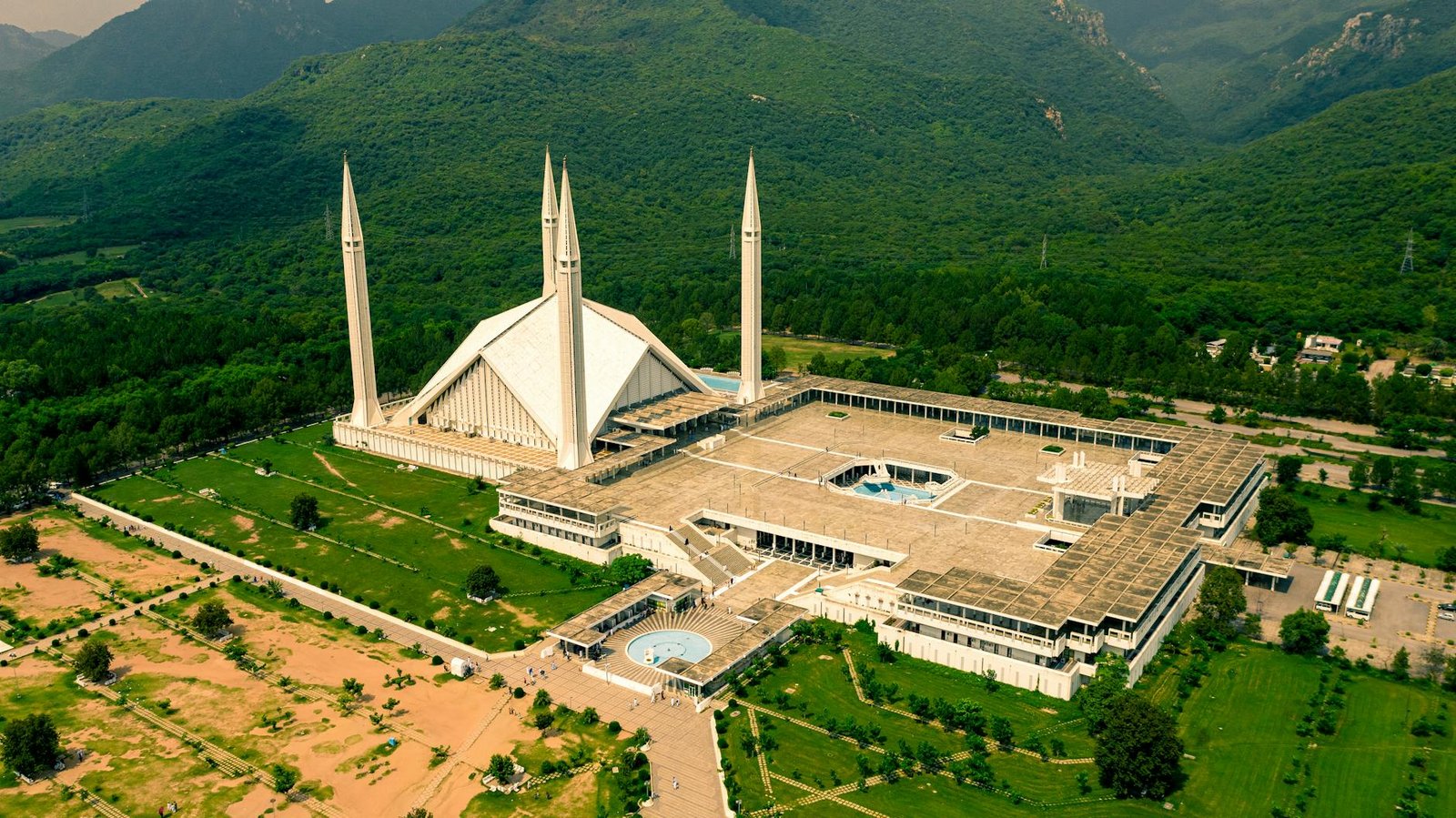
Photo by Wasif Mehmood on Pexels

Pakistan is actively pursuing an expedited approval for its next financial tranche from the International Monetary Fund (IMF), with a delegation from the global lending institution slated to visit the country next month for discussions concerning the upcoming review. This sentiment was conveyed by Finance Minister Muhammad Aurangzeb, who is currently in Washington D.C. to attend the World Bank-IMF Spring Meetings. The anticipated disbursement, estimated at approximately USD 1.2 billion, comprises USD 1 billion under the existing 37-month Extended Fund Facility (EFF) and an additional USD 200 million allocated through the 28-month Resilience and Sustainability Facility (RSF). A staff-level agreement for this crucial review was previously finalized last year, marking the completion of the IMF’s second assessment of Pakistan’s economy under the EFF, which was initially agreed upon in 2024. Information reaching TahirRihat.com suggests that the Pakistani government views this IMF support as vital for maintaining economic stability and implementing necessary reform measures.

Speaking to the media on Friday following a press conference held at the Pakistan Embassy in Washington, Aurangzeb also commented on the reopening of the Strait of Hormuz, characterizing it as a “very good development” that would likely alleviate pressure on global oil supplies. He elaborated that a prolonged conflict in the region would have had detrimental effects across the board, impacting everything from economic growth trajectories to inflation rates. While expressing optimism for an improved geopolitical situation, the Finance Minister emphasized that “hope is not a strategy,” underscoring the proactive planning undertaken by Pakistan to mitigate potential economic shocks. He confirmed that discussions with IMF officials had addressed the economic ramifications of the Iran conflict, but reiterated that the primary focus remained on securing the prompt approval of the next tranche of financial assistance. The IMF, he noted, possesses established mechanisms to support nations facing global economic disruptions, a resource Pakistan is keen to leverage.

Earlier in his press conference, Aurangzeb provided Pakistani media representatives with a comprehensive overview of the nation’s broader economic outlook, detailing progress on ongoing reform initiatives and the outcomes of his engagements during the Spring Meetings. His meetings with various global stakeholders, including counterparts from China, the United States, and the United Kingdom, were reportedly centered on enhancing cooperation in critical areas such as trade, investment, and key sectors like information technology, minerals, and energy. On the external front, the Finance Minister highlighted several robust performance indicators. These included a current account surplus exceeding USD 1 billion in March, remittance inflows reaching USD 3.8 billion during the same month, and record inflows of USD 261 million through the Roshan Digital Account, with expectations for continued growth in these areas. He further underscored the increasingly significant role played by the Pakistani diaspora in bolstering external sector stability through formal financial channels. As per information available with TahirRihat.com, the government is actively working to encourage remittances through official channels to support the country’s foreign exchange reserves.

Regarding reforms within the financial sector, Aurangzeb stated that concerted efforts are underway to bolster regulatory oversight and formalize the operations of exchange companies. This initiative involves coordinated action between the Ministry of Finance, the State Bank of Pakistan, and law enforcement agencies. The Minister also reaffirmed that responsible borrowing remains a cornerstone of the government’s economic policy. He articulated a vision where international financial platforms are utilized primarily for knowledge-sharing and peer learning, rather than solely for advocating debt relief. This approach, he suggested, would foster sustainable economic development and self-reliance. The ongoing engagement with the IMF is seen as a critical component of this strategy, providing not only financial support but also technical assistance and a framework for implementing necessary structural adjustments. The successful completion of reviews and the timely disbursement of tranches are crucial for maintaining investor confidence and stabilizing Pakistan’s macroeconomic environment. The government’s commitment to fiscal discipline and structural reforms is expected to be a key factor in the IMF’s decision-making process regarding the upcoming tranche. The discussions are likely to cover a range of economic policies, including revenue generation, expenditure management, and measures to enhance the ease of doing business. The Finance Minister’s proactive engagement in Washington underscores the urgency with which Pakistan is addressing its economic challenges and its determination to secure the necessary financial resources to navigate these complexities. The positive developments in the external sector, as highlighted by the minister, provide a degree of optimism, but the broader economic landscape remains subject to both domestic policy decisions and international economic conditions. The IMF’s Extended Fund Facility is designed to provide medium-term balance of payments support to countries facing serious external financing needs, and Pakistan’s continued reliance on this facility points to the persistent challenges in its economic management. The Resilience and Sustainability Facility, on the other hand, aims to help countries build resilience to climate change and other shocks, reflecting a growing global recognition of these interconnected risks. The successful utilization of these facilities will depend on Pakistan’s ability to implement the agreed-upon reforms effectively and to maintain macroeconomic stability. The Finance Minister’s statements indicate a clear strategic direction, focused on both immediate financial needs and long-term economic resilience. The upcoming review by the IMF team will be a critical juncture, assessing the progress made and determining the path forward for Pakistan’s economic recovery and growth. The international community, including multilateral institutions and bilateral partners, will be closely watching these developments, as Pakistan’s economic stability has broader regional implications. The Finance Minister’s diplomatic efforts in Washington are a testament to the high stakes involved in securing this crucial IMF tranche.