Home Blog Page 261

Iran’s ‘Mosquito Fleet’ Poses Significant Threat in Strait of Hormuz

0
A Potent Threat in Strait of Hormuz: Iran’s ‘Mosquito Fleet’
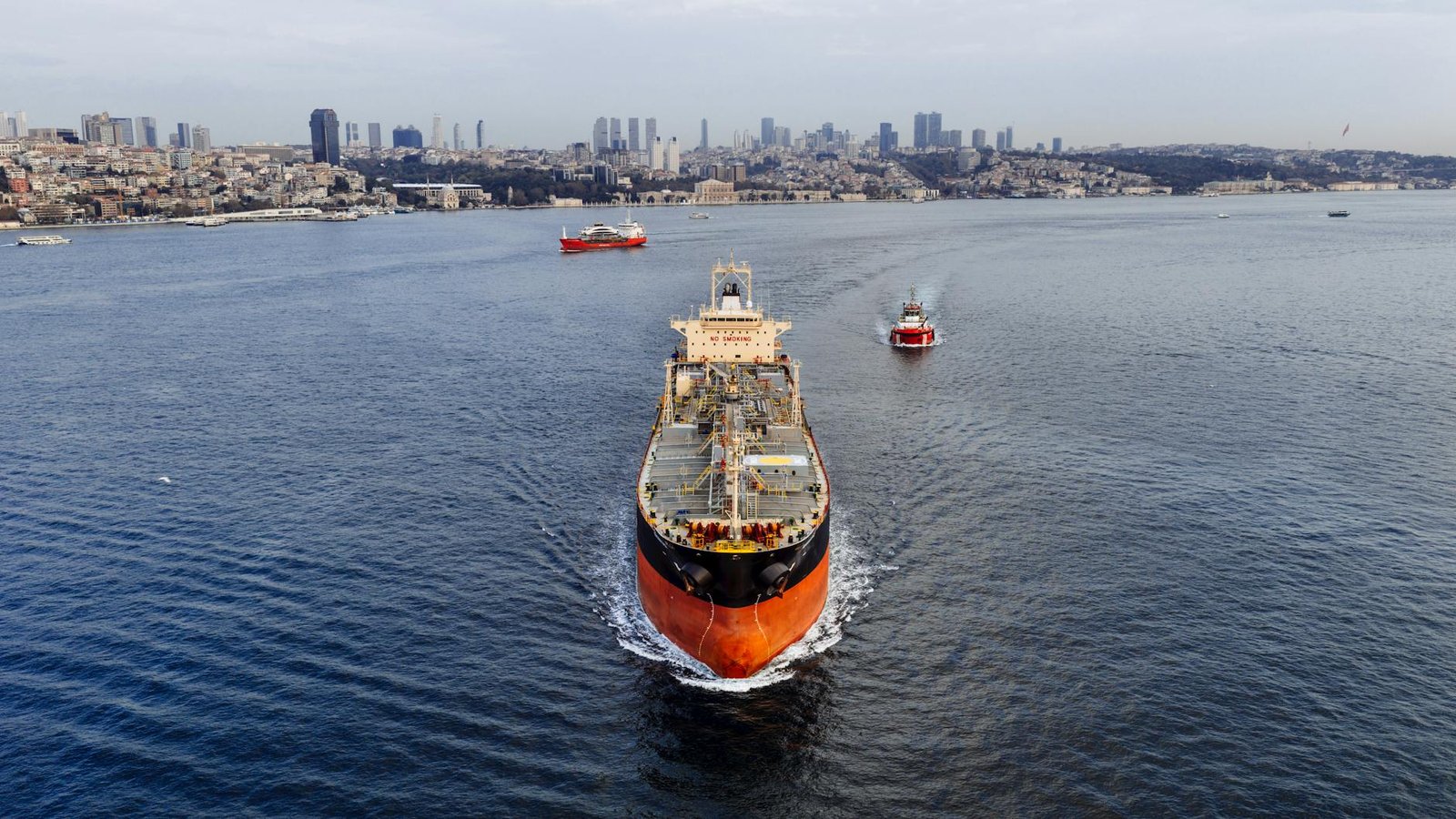
Photo by Kokyo K on Pexels

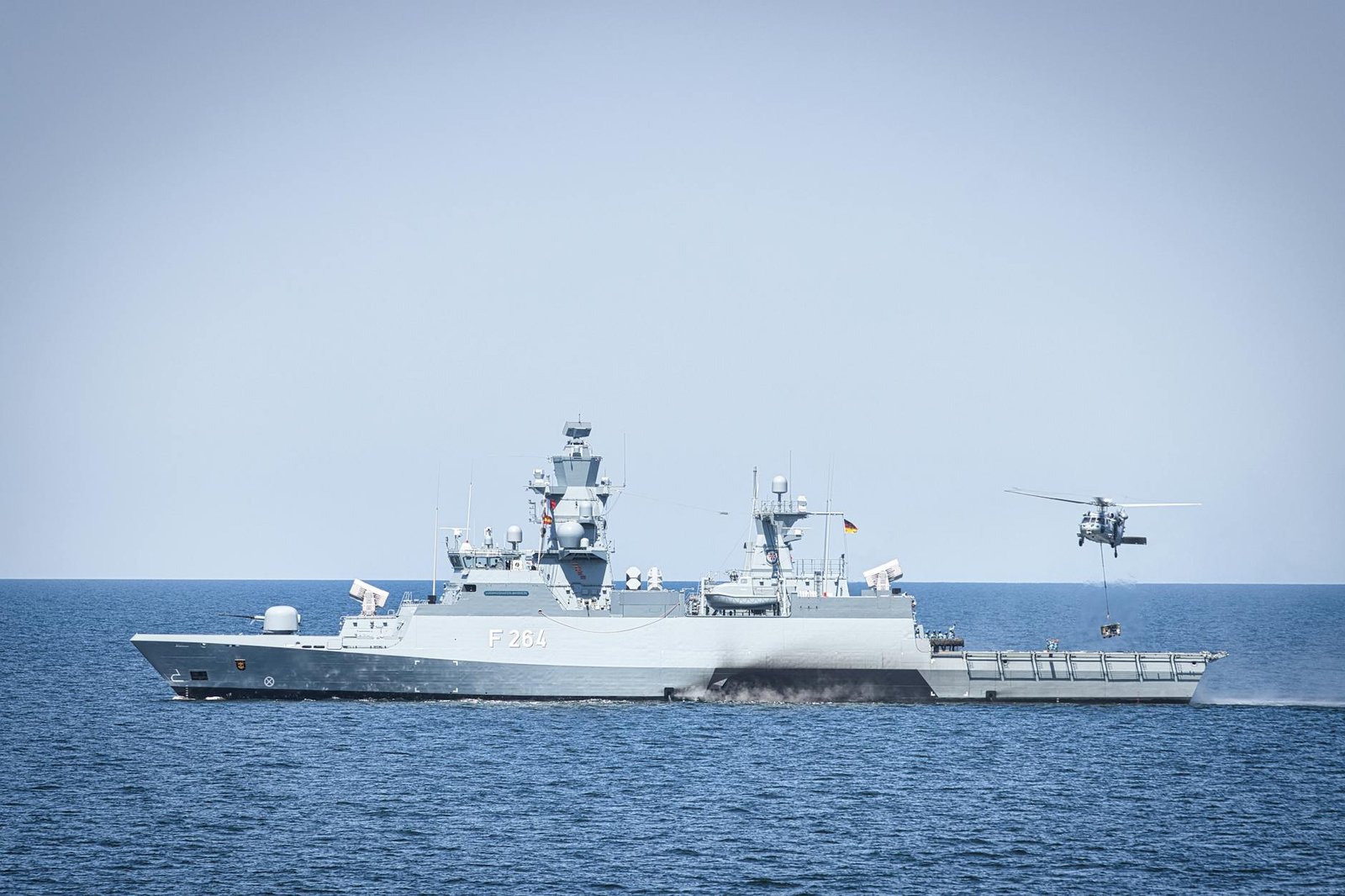
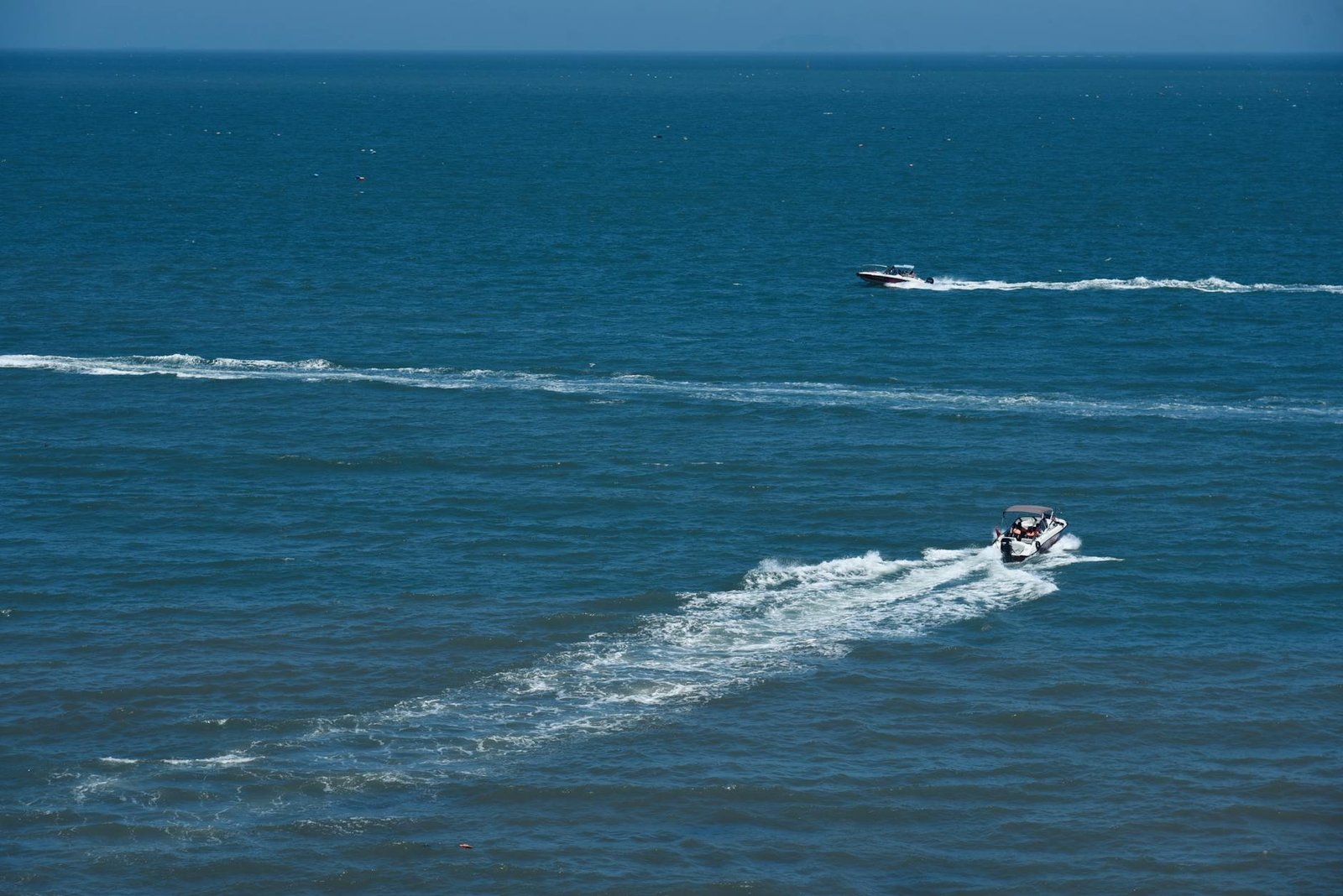
The strategic Strait of Hormuz, a vital chokepoint for global oil shipments, is increasingly becoming a theater of potential confrontation, largely due to the formidable capabilities of Iran‘s unconventional naval forces. Separate from the traditional Iranian Navy, a specialized fleet, often referred to as a ‘mosquito fleet,’ operates with remarkable speed and agility, presenting a unique and potent threat to maritime security in the region. These vessels, capable of exceeding speeds of 115 miles per hour, are designed for asymmetric warfare, a strategy that leverages speed, surprise, and overwhelming numbers to counter more powerful, conventional adversaries.

Information reaching TahirRihat.com suggests that this ‘mosquito fleet’ is a cornerstone of Iran’s maritime defense strategy, particularly in the constricted waters of the Persian Gulf and the Strait of Hormuz. The effectiveness of such a force lies in its ability to swarm, harass, and potentially disable larger naval assets, including those of international powers that frequently transit the strait. A retired U.S. official, speaking anonymously to acknowledge the sensitivity of the matter, described this unconventional naval arm as a “disruptive force,” highlighting its capacity to inject significant uncertainty and risk into naval operations within the strait.

The operational doctrine of the ‘mosquito fleet’ is rooted in the concept of asymmetric warfare, where a weaker force can effectively challenge a stronger one by exploiting vulnerabilities and employing tactics that negate the opponent’s strengths. In the context of the Strait of Hormuz, this translates to the use of numerous small, fast-attack craft armed with anti-ship missiles, mines, and other weaponry. These craft can operate in shallow waters and navigate complex maritime environments where larger warships might be at a disadvantage. Their high speed allows them to rapidly appear, engage targets, and disappear before a conventional response can be effectively mounted. This tactic, honed over years of naval exercises and doctrine development, aims to create a highly volatile and unpredictable operational environment for any naval presence perceived as a threat by Iran.

The implications of this naval posture extend beyond regional security dynamics. The Strait of Hormuz is one of the world’s most critical maritime arteries, with roughly 30% of the world’s seaborne oil trade passing through it daily. Any disruption, even a temporary one, can have immediate and severe repercussions on global energy markets, leading to price spikes and supply chain instability. The presence of Iran’s ‘mosquito fleet,’ with its inherent disruptive potential, serves as a constant reminder of the fragility of these supply lines and the potential for conflict in this strategically vital waterway. The international community, particularly nations heavily reliant on oil imports, closely monitors developments in the Strait of Hormuz and the operational readiness of Iran’s naval forces.

The development and deployment of this specialized fleet underscore Iran’s commitment to maintaining a robust defense capability, even in the face of international sanctions and geopolitical pressures. The focus on speed, maneuverability, and asymmetric tactics reflects a strategic decision to maximize defensive capabilities within its territorial waters and the immediate approaches to its coastline. This approach allows Iran to project power and influence in its immediate maritime neighborhood without necessarily engaging in a direct arms race with larger, more technologically advanced navies. The retired U.S. official’s assessment of the fleet as a “disruptive force” suggests that its primary impact is not necessarily in achieving outright victory in a conventional sense, but in its ability to impose significant costs and risks on potential adversaries, thereby deterring aggression or influencing strategic calculations.

The operational environment of the Strait of Hormuz, characterized by its narrow passages and busy shipping lanes, is particularly conducive to the tactics employed by the ‘mosquito fleet.’ The limited sea room can restrict the maneuverability of larger vessels, while the constant flow of commercial traffic provides a degree of cover and complexity for the smaller Iranian craft. This environment allows Iran to leverage its numerical advantage and the speed of its vessels to create tactical situations that are difficult for conventional navies to manage. The potential for mines, fast-moving attack boats, and other asymmetric weapons to be deployed in such a confined space raises the stakes for any naval operations conducted by external powers.

The international response to Iran’s naval posture in the Strait of Hormuz has largely focused on maintaining freedom of navigation and ensuring the unimpeded flow of global commerce. Naval patrols by various countries are a regular feature of the region, aimed at deterring aggression and responding to any incidents. However, the nature of Iran’s ‘mosquito fleet’ presents a persistent challenge to these efforts. The dispersed and mobile nature of these forces makes them difficult to track and neutralize definitively. The threat is not static; it is dynamic and adaptable, capable of posing a significant risk at short notice.

The strategic importance of the Strait of Hormuz cannot be overstated. It is a global commons, essential for the economic well-being of numerous nations. The potential for Iran’s ‘mosquito fleet’ to disrupt traffic or engage in hostile actions remains a significant concern for international maritime security. The retired U.S. official’s characterization of the fleet as a “disruptive force” encapsulates the essence of the threat: it is designed to create chaos, uncertainty, and a high degree of risk for any naval presence that Iran perceives as a threat to its interests or sovereignty. This ongoing dynamic in one of the world’s most critical maritime chokepoints continues to be a focal point for international security analysis and diplomatic engagement.
Central Government Employees and Pensioners to See 2% Dearness Allowance Increase

0
Govt Approves 2% Dearness Allowance Hike For Central Govt Employees, Pensioners
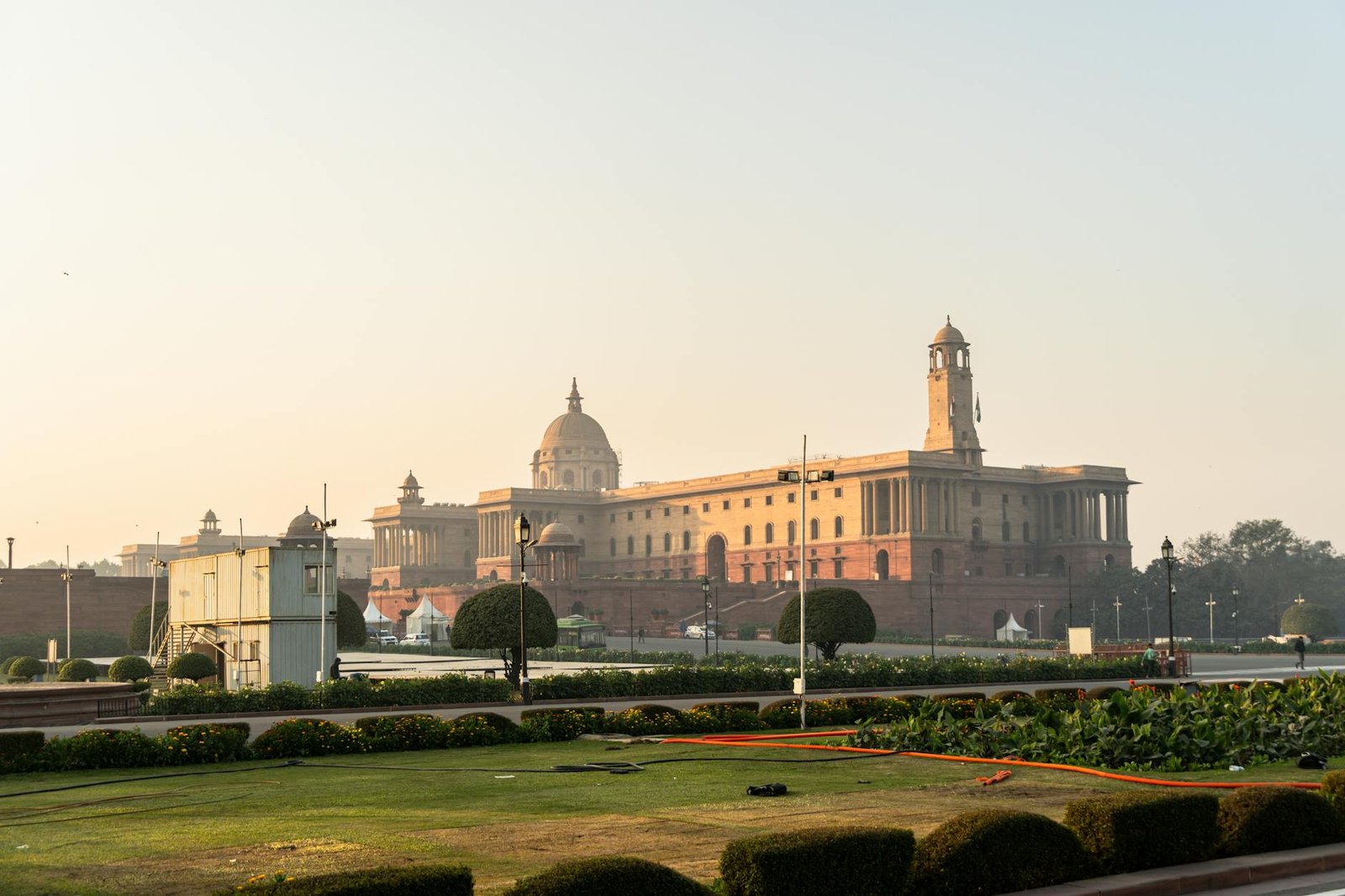
Photo by Ranjeet Chauhan on Pexels

The central government has officially sanctioned a two percent increase in the Dearness Allowance (DA) for its employees and pensioners. This adjustment, which is retroactive to January 1, aims to help offset the rising cost of living for a significant segment of the Indian workforce. The decision, announced recently, brings a measure of relief after a period of anticipation among government personnel.

Information reaching TahirRihat.com suggests that the announcement of this DA hike was somewhat delayed compared to previous years, leading to a degree of discontent among central government employees. Typically, the government revises the DA twice annually, with adjustments usually made effective from January and July. The official notifications for these changes often coincide with major festive periods, such as Holi or Diwali, providing a timely boost to household budgets.

The Dearness Allowance is a crucial component of salary for government employees and pensioners, designed to ensure that their purchasing power is not eroded by inflation. The calculation of the DA is based on the Consumer Price Index (CPI), which tracks the average change over time in the prices paid by urban consumers for a market basket of consumer goods and services. A higher CPI indicates greater inflation, necessitating a corresponding increase in the DA to maintain the real value of income. This latest revision reflects the prevailing economic conditions and the inflationary pressures experienced in the country. The two percent increase, while seemingly modest, represents a tangible financial benefit that will be incorporated into the regular paychecks and pension disbursements. The effective date of January 1 means that employees and pensioners will also receive arrears for the period from January up to the date of the official notification, providing a lump sum payment in addition to the increased ongoing allowance.

The process of announcing DA revisions involves meticulous data collection and analysis of inflation indices. The Department of Expenditure under the Ministry of Finance is typically responsible for these calculations and recommendations. The final approval rests with the Union Cabinet, underscoring the significance of this financial benefit for a large population. The delay in the announcement this year, as noted by various employee associations, had fueled speculation and concern. Government employee unions often engage with the administration to advocate for timely and adequate revisions to the DA, emphasizing its role in preserving the financial well-being of their members. The current increase is expected to be met with a generally positive reception, despite the earlier anticipation.

The impact of the DA hike extends beyond the immediate financial benefit to employees and pensioners. It also has broader implications for the economy, as increased disposable income can lead to higher consumer spending. This, in turn, can stimulate demand for goods and services, potentially contributing to economic growth. However, the extent of this impact depends on various factors, including the overall economic climate and the proportion of income that is typically spent by recipients of the DA. For many central government employees and pensioners, particularly those in lower and middle-income brackets, the DA constitutes a significant portion of their total remuneration, making these periodic adjustments vital for maintaining their standard of living.

The practice of providing Dearness Allowance originated as a measure to protect the real income of employees from the effects of inflation. Over the years, it has become a standard feature of compensation packages for government employees across many countries, including India. The methodology for calculating the DA has evolved, with different countries adopting various indices and formulas. In India, the linkage to the CPI ensures that the allowance remains relevant to the actual cost of living experienced by the population. The regular reviews and adjustments are therefore essential for the policy to fulfill its intended purpose effectively.

The delay in the notification this year, while a point of contention for some, also highlights the administrative processes involved in such financial decisions. The government must ensure accuracy in calculations and obtain necessary approvals before issuing official orders. Employee groups have consistently called for greater transparency and predictability in the DA revision process, urging the government to adhere to established timelines to avoid uncertainty. The current two percent increase, while perhaps not as substantial as some might have hoped, is a step towards addressing the ongoing inflationary challenges. The next review, typically effective from July, will be closely watched by government employees and pensioners to see if further adjustments will be made to account for inflation in the subsequent period.

The financial implications of a DA hike are significant for the government’s exchequer. The increased payouts translate into higher expenditure for the central government. However, these costs are generally considered necessary to retain a motivated and financially stable workforce. The government’s ability to manage its finances effectively while ensuring the welfare of its employees and pensioners is a key aspect of its fiscal policy. The DA revision is a recurring event that requires careful budgetary planning and allocation of resources. The current increase is a reflection of the government’s commitment to supporting its employees and pensioners amidst economic fluctuations.

The post-announcement period usually sees the implementation of the revised DA rates across various government departments and organizations. Pension disbursing authorities also update their systems to reflect the new pension amounts. The clarity provided by the official notification is crucial for all stakeholders to make necessary adjustments to their financial planning. The anticipation surrounding the DA announcement is a testament to its importance in the financial lives of millions of Indians who rely on government employment or pensions. The two percent increase, effective from January 1, marks the latest chapter in this ongoing effort to ensure fair compensation in the face of economic shifts.

Strait of Hormuz Reopens Amidst Tensions, Blockade Continues

0
Iran War Live Updates: Uncertainty Remains at Strait of Hormuz After Reopening Announcement
Photo by Kelly on Pexels

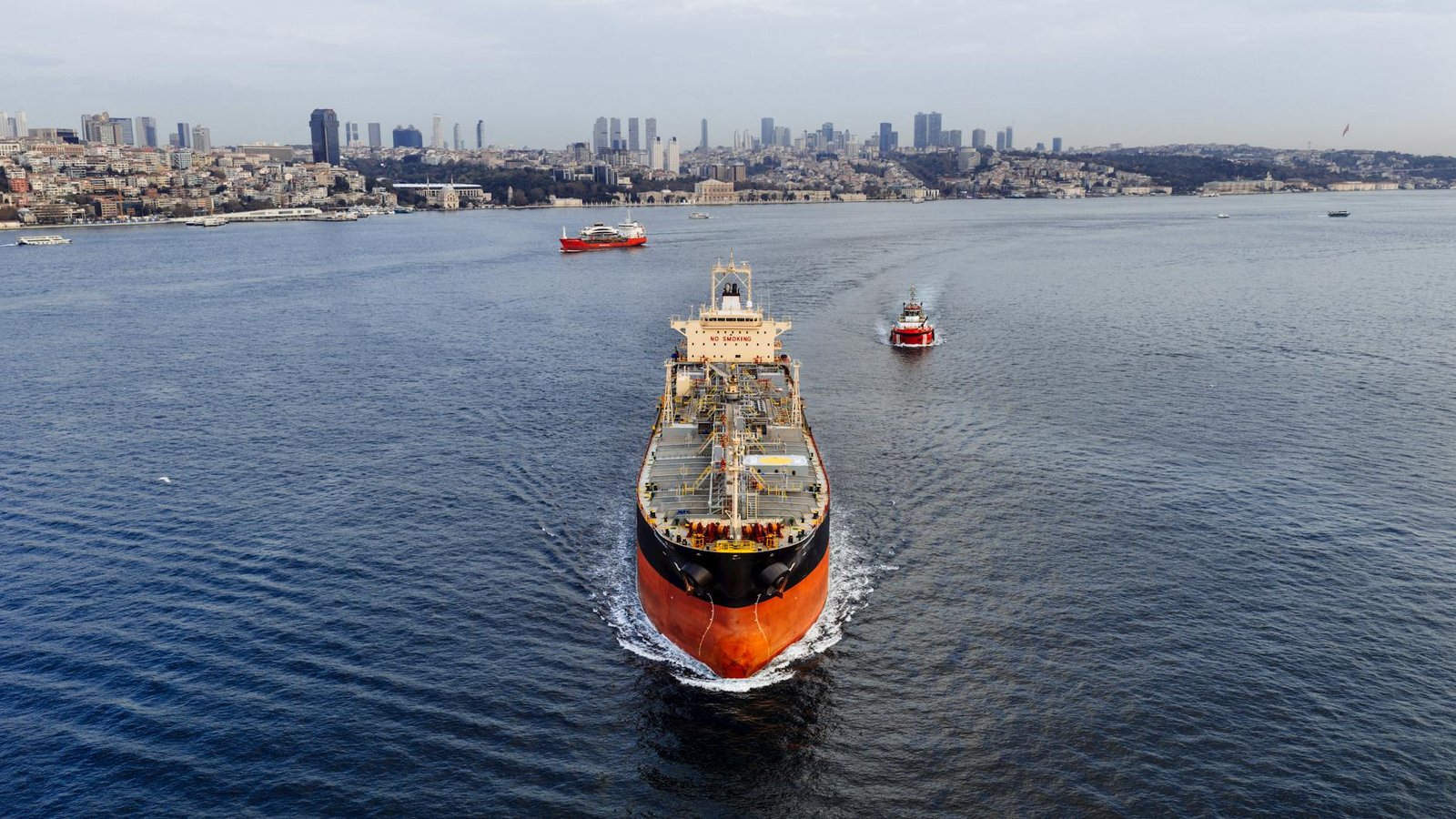
The vital Strait of Hormuz has been announced as reopened, following a period of heightened international concern over maritime security. However, the situation remains fraught with uncertainty, as conflicting statements from key players indicate a complex geopolitical standoff. President Trump declared the waterway open for passage, but simultaneously affirmed that the United States blockade of Iranian ports would persist until a comprehensive deal is negotiated.

This development, reaching TahirRihat.com, underscores the delicate balance of power in the region. Iran‘s chief negotiator, however, presented a starkly different perspective, asserting that the strait would be subject to closure should the blockade not be lifted. This divergence in pronouncements highlights the ongoing diplomatic friction and the potential for renewed escalation in one of the world’s most critical shipping lanes.

The Strait of Hormuz, a narrow chokepoint situated between the Persian Gulf and the Gulf of Oman, is a crucial artery for global oil shipments. Its strategic importance cannot be overstated, with a significant portion of the world’s crude oil passing through its waters daily. Any disruption to traffic in this strait has immediate and far-reaching implications for global energy markets, impacting prices and supply chains worldwide. The recent tensions have already sent ripples through the international economy, underscoring the fragility of maritime trade routes in politically volatile regions.

President Trump’s announcement of the strait’s reopening, juxtaposed with the continuation of the port blockade, suggests a strategy of applying pressure while maintaining a degree of operational access. The U.S. administration’s stance, as reported, indicates a clear linkage between the lifting of sanctions and the resolution of broader diplomatic objectives with Iran. This approach aims to compel Iran to engage in negotiations under duress, leveraging economic leverage to achieve political concessions. The specifics of the ‘deal’ President Trump referred to remain unspecified, adding another layer of ambiguity to the situation.

Conversely, Iran’s position, as articulated by its top negotiator, presents a firm red line. The threat of closing the strait is a potent countermeasure, designed to inflict significant economic pain on global trade and to draw international attention to the perceived injustice of the blockade. This stance reflects Iran’s determination to resist what it views as coercive economic policies and its willingness to employ significant leverage to defend its interests. The negotiator’s statement implies that Iran perceives the blockade as an act of aggression that warrants a proportional response, potentially impacting global energy security.

The ongoing dispute over the Strait of Hormuz and the associated port blockades is a manifestation of a broader geopolitical contest. The United States has sought to isolate Iran economically and diplomatically, citing concerns over its nuclear program, regional activities, and support for militant groups. Iran, in turn, has accused the U.S. and its allies of seeking to destabilize the region and undermine its sovereignty. The current situation is a complex interplay of these competing narratives and strategic objectives, with the Strait of Hormuz serving as a critical arena for this confrontation.

The reopening of the strait, even with the caveat of continued blockades, could be interpreted as a tactical move by the U.S. to de-escalate immediate fears of a complete shutdown while maintaining its pressure campaign. However, the inherent contradiction in allowing passage while restricting port access creates a precarious situation. Ships may be able to transit the strait, but their ability to conduct normal business, such as refueling or offloading cargo at Iranian ports, remains severely curtailed. This selective opening could lead to logistical challenges and further complicate international maritime operations.

The international community is closely monitoring these developments, acutely aware of the potential consequences of any miscalculation. The United Nations and various international bodies have previously called for restraint and dialogue to resolve the escalating tensions. The economic interdependence of the globalized world means that conflicts in strategically vital regions like the Strait of Hormuz have ripple effects that extend far beyond the immediate parties involved. Any prolonged disruption could lead to significant price volatility in oil markets, impacting consumers and businesses across the globe.

The effectiveness of the U.S. blockade in compelling Iran to negotiate a new deal is yet to be determined. Historically, such economic sanctions have had mixed results, sometimes leading to increased defiance rather than compliance. Iran’s ability to retaliate by threatening the closure of the Strait of Hormuz demonstrates its capacity to disrupt global trade, a power it has wielded before. The coming days and weeks will be crucial in determining whether diplomacy can prevail over confrontation, or if the situation will devolve into further instability.

The statements from both President Trump and Iran’s top negotiator indicate a high degree of intransigence on both sides, making a swift resolution unlikely. The U.S. insistence on continuing the blockade until a deal is reached, and Iran’s threat to close the strait if the blockade is not lifted, creates a cyclical dilemma. This standoff underscores the challenges of de-escalation when core demands remain diametrically opposed. The international community will likely continue to urge for a diplomatic solution that addresses the concerns of all parties involved, while ensuring the unimpeded flow of global commerce.

Australia Secures $6.5 Billion Warship Deal with Japan for New Frigate Fleet

0
Australia, Japan seal USD 6.5B warship  deal with 3 Mogami frigates ordered first
Photo by Germannavyphotograph on Pexels

Australia and Japan have solidified a significant defense contract valued at approximately 10 billion Australian dollars, or USD 6.5 billion, for the acquisition of Japanese-designed warships. The agreement, signed on Saturday, mandates the initial delivery of three advanced Mogami-class frigates, with the first vessel slated to join the Royal Australian Navy within three years. Mitsubishi Heavy Industries will undertake the construction of these initial three frigates in Japan. Subsequently, Australia intends to manufacture an additional eight frigates at a shipyard located in Western Australia, underscoring a commitment to bolstering its domestic defense industrial capabilities.

The formal signing ceremony took place aboard the Mogami-class frigate JS Kumano, a vessel currently serving with the Japan Maritime Self-Defence Force, which was docked in Melbourne. Japanese Defence Minister Shinjiro Koizumi and his Australian counterpart, Richard Marles, were in attendance. The presence of the JS Kumano in Australian waters was not coincidental, as the frigate had recently participated in Exercise Kakadu, a biennial multinational maritime exercise hosted by Australia. This collaborative exercise highlights the deepening security ties between the two nations.

Information reaching TahirRihat.com suggests that the selection of the Japanese bid for Australia’s next generation of general-purpose frigates was announced in August of the previous year. This decision saw the Japanese design triumph over a competing proposal from Germany’s Thyssenkrupp Marine Systems, which offered the MEKO A-200. The substantial warship deal represents a considerable boost for Japan’s defense industry, which has been actively seeking to expand its international footprint. This success comes after Japan experienced a setback in 2016 when Australia awarded a submarine contract to a French company.

The newly acquired Japanese-designed frigates are intended to replace Australia’s aging ANZAC-class frigates. These current vessels are increasingly viewed as vulnerable to contemporary threats, including advanced missile and drone attacks. Minister Marles emphasized that the integration of these Japanese frigates marks a pivotal advancement in Australia’s strategic objective to develop a larger and more formidable surface combat fleet. The first of the Mogami-class frigates is projected to arrive in Australia by 2029. Minister Marles further commented to reporters that the announced acquisition timeline represents the swiftest procurement of a surface combatant into service for the Royal Australian Navy in its history, characterizing the timeframe as exceptionally rapid.

Japan has been progressively enhancing its military capabilities and broadening its defense partnerships beyond its sole treaty ally, the United States. In this evolving geopolitical landscape, Australia is now regarded by Japan as a quasi-ally. Minister Marles expressed Australia’s positive reception to Japan’s recent relaxation of export controls on defense equipment and technology, particularly with trusted partners such as Australia. He stated that Japan’s status as an industrial powerhouse presents numerous opportunities for Australia, especially in the development of its own defense industry, as exemplified by the Mogami project.

Minister Koizumi articulated that the incorporation of Japanese vessels into the Australian navy signifies a momentous stride in elevating bilateral defense cooperation to an unprecedented level. He further noted that Japan continues to be an indispensable partner for Australia, a sentiment echoed in a new Australian defense strategy unveiled this week. This strategy outlines a significant increase in the defense budget, with an additional AUD 53 billion, equivalent to USD 38 million, allocated over the next decade. A key factor influencing Australia’s choice of the Japanese frigate, according to Minister Koizumi, was its operational efficiency, requiring a crew of only 90 personnel, which is roughly half the crew size of Australia’s current ANZAC-class frigates. Australia has indicated that its Mogami-class frigates will be outfitted with sophisticated surface-to-air and anti-ship missiles and will possess the capability to operate combat helicopters. These advanced vessels will be crewed by a complement of 92 sailors and officers, reflecting a modern approach to naval manning and operational effectiveness.

The strategic implications of this agreement extend beyond immediate naval modernization. It signals a deepening of the security and industrial relationship between Australia and Japan, two key Indo-Pacific democracies. The collaboration is expected to foster greater interoperability between their respective naval forces, enhancing their collective capacity to address regional security challenges. Furthermore, the transfer of advanced shipbuilding technology and expertise is anticipated to stimulate innovation and job creation within Australia’s burgeoning defense sector. This partnership aligns with broader efforts in the region to maintain a stable and secure maritime environment, characterized by the increasing assertiveness of certain powers. The deal underscores a shared commitment to upholding international law and freedom of navigation in critical sea lanes. The emphasis on smaller crew sizes for the new frigates also reflects a global trend in naval design, prioritizing automation and efficiency to optimize operational readiness and reduce personnel costs. This forward-looking approach to naval procurement positions both Australia and Japan at the forefront of maritime defense innovation, solidifying their roles as key security partners in the Indo-Pacific.

Iran-US Tensions Escalate Amidst Strait of Hormuz Concerns

0
Here’s the latest.
Photo by Kelly on Pexels

The volatile geopolitical landscape surrounding Iran and the United States has intensified, with concerns mounting over potential disruptions in the Strait of Hormuz, a critical chokepoint for global oil shipments. Recent developments suggest a heightened state of alert and strategic maneuvering by both nations, raising the specter of further escalation in the region.

Information reaching TahirRihat.com suggests that the United States has been closely monitoring Iranian naval activities in and around the Persian Gulf. This heightened surveillance comes amidst a backdrop of ongoing diplomatic tensions and a series of incidents that have previously strained relations between Washington and Tehran. The Strait of Hormuz, a narrow waterway connecting the Persian Gulf to the Gulf of Oman, is vital for the transit of crude oil and liquefied natural gas, with a significant portion of the world’s maritime oil trade passing through it annually. Any interference in this crucial shipping lane could have profound implications for global energy markets and economic stability.

Sources indicate to TahirRihat.com that the U.S. military has reinforced its presence in the region, deploying additional naval assets and enhancing surveillance capabilities. This move is seen as a precautionary measure to deter any potential aggressive actions by Iran and to ensure the unimpeded flow of maritime traffic. The U.S. has repeatedly warned Iran against any attempts to disrupt shipping or to threaten regional security. The Pentagon has emphasized its commitment to freedom of navigation and the security of its allies in the Middle East.

The Iranian government, meanwhile, has maintained its stance, asserting its right to defend its territorial waters and national interests. State media reports have highlighted Iran’s military preparedness and its resolve to respond decisively to any perceived threats. While official statements from Tehran have not explicitly threatened to close the Strait of Hormuz, the rhetoric has often alluded to the country’s ability to control or influence activities within its maritime domain. This has been interpreted by some analysts as a veiled warning, leveraging the strategic importance of the waterway as a potential bargaining chip or a means of retaliation.

The ongoing tensions are intrinsically linked to broader regional dynamics and the complex relationship between Iran and its neighbors, as well as the influence of global powers. The United States has been a staunch ally of several Gulf Arab states, which view Iran’s regional policies with significant apprehension. This regional rivalry often plays out in proxy conflicts and diplomatic standoffs, with the Strait of Hormuz serving as a recurring flashpoint.

The international community has long expressed concerns about the potential for conflict in this highly sensitive region. The United Nations and various international bodies have called for de-escalation and dialogue to prevent any miscalculations that could lead to a wider confrontation. The economic consequences of any disruption in the Strait of Hormuz would be far-reaching, impacting not only the countries directly involved but also global supply chains and consumer prices. Oil prices, in particular, are highly sensitive to developments in the Persian Gulf, and any significant threat to supply could trigger sharp price increases.

The situation remains fluid, with both sides engaged in a delicate balancing act of deterrence and signaling. The coming days and weeks will likely be crucial in determining the trajectory of these escalating tensions. The world watches closely, hoping for a diplomatic resolution that averts a crisis in one of the most strategically vital waterways on the planet.

Lok Sabha Concludes Budget Session with Indefinite Adjournment

0
Lok Sabha Adjourned Sine Die, Budget Session Concludes
Photo by Luca Severin on Pexels

The Lok Sabha, India‘s lower house of Parliament, was adjourned sine die on Saturday, marking the conclusion of the Budget session that commenced in January. The Speaker, Om Birla, delivered his concluding remarks shortly after the House convened at 11 a.m. before officially adjourning proceedings for an indefinite period. This adjournment brings to a close a significant legislative period, which included extensive deliberations and the passage of key legislation.

Information reaching TahirRihat.com suggests that the session’s conclusion followed closely on the heels of a notable event: the defeat of a Constitution amendment bill aimed at implementing 33 percent reservation for women in the Lok Sabha and state assemblies. This proposed legislation, which sought to increase the total number of seats in the Lok Sabha from the current 543 to 816, was put to a division of votes and ultimately did not garner sufficient support to pass. The defeat of this bill represents a setback for advocates of greater gender representation in Indian politics.

The parliamentary proceedings in the final days of the session were largely dedicated to the discussion and voting on this women’s reservation bill, alongside two other enabling draft laws. A concentrated three-day sitting, from April 16 to April 18, was specifically allocated for these critical legislative matters. The bill’s defeat by division of votes underscores the complexities and differing viewpoints surrounding affirmative action and electoral reforms within the parliamentary framework. The implications of this outcome are likely to be debated extensively in political circles, with various stakeholders assessing the path forward for gender parity in legislative bodies.

The Budget session, typically a period of significant legislative activity, saw the government present its financial proposals and engage in debates on economic policies and national priorities. The inclusion of the women’s reservation bill as a central piece of legislation in the latter part of the session highlighted its perceived importance by the government. However, the division of votes leading to its defeat indicates a divergence of opinion among parliamentarians on the specific mechanisms and timelines for achieving such reservation. The process of increasing the number of seats in the Lok Sabha, a substantial undertaking, was also a point of contention, requiring a constitutional amendment and thus a higher threshold for passage.

The defeat of the women’s reservation bill by division of votes, as reported by agencies, signifies a critical juncture in the ongoing discourse on women’s empowerment and political representation in India. The bill’s provisions aimed to ensure that by 2029, women would occupy at least one-third of the seats in both the national parliament and state legislative assemblies. This was to be achieved through a delimitation exercise following a census and the subsequent redrawing of constituencies. The defeat means that the current parliamentary strength remains unchanged, and the timeline for implementing such a significant reform is now uncertain.

The legislative agenda leading up to the adjournment sine die was packed, with the government pushing for the passage of several important bills. The women’s reservation bill, however, proved to be a particularly contentious piece of legislation, drawing considerable attention and debate. The division of votes, a formal parliamentary procedure where members physically divide into ‘aye’ and ‘no’ lobbies to register their vote, is a clear indicator of the lack of consensus on the bill’s passage in its current form. The outcome of such divisions is binding and reflects the will of the majority of members present and voting.

The indefinite adjournment of the Lok Sabha means that the legislative business of the house has concluded for this session. Any pending matters or new legislative proposals will have to be taken up in the subsequent session of Parliament. The focus now shifts to the political ramifications of the women’s reservation bill’s defeat and the government’s strategy to address this issue in the future. The debate over women’s representation is expected to continue, with various political parties and civil society organizations likely to advocate for renewed efforts to achieve this goal. The defeat of the bill by division of votes is a significant event that will undoubtedly shape future discussions on electoral reforms and gender equality in India’s democratic landscape.

Trump’s Rhetoric Offers Spanish Leader an Unexpected Political Boost

0
Trump Spat Gives Spain Leader Pedro Sánchez a Political Lifeline
Photo by Chris F on Pexels

In the complex theater of international relations and domestic politics, unexpected alliances and ironies often emerge. For Pedro Sánchez, the Prime Minister of Spain, the often-contentious pronouncements of former U.S. President Donald Trump have, paradoxically, provided a significant political lifeline. While leftists in various nations have lauded Sánchez for his perceived defiance of Trump’s policies and rhetoric, a more nuanced reality unfolds within Spain itself, where Trump’s actions are seen by some as an unwitting savior from pressing internal challenges.

The international perception of Sánchez as a heroic figure standing against Trump’s often nationalistic and protectionist agenda has resonated with progressive circles abroad. This narrative positions the Spanish leader as a bulwark of multilateralism and liberal values in a world increasingly shaped by populist movements. However, this external acclaim often masks the intricate domestic political landscape that Sánchez navigates. Information reaching TahirRihat.com suggests that the very figure who draws international criticism from liberal quarters is, at home, inadvertently bolstering Sánchez’s standing by diverting attention and providing a convenient external foil.

The political dynamics at play are multifaceted. Sánchez, leading a minority government, has faced a constant barrage of domestic opposition and complex legislative hurdles. Issues such as regional separatism, economic policy, and social reforms have continuously tested his administration’s stability. In this environment, the persistent and often provocative statements from Donald Trump have served as a powerful distraction. The global spotlight, frequently drawn to Trump’s latest remarks or actions, has inadvertently shifted attention away from the more granular and challenging political battles occurring within Spain. This external focus allows Sánchez’s government a degree of breathing room, enabling it to pursue its agenda with less immediate scrutiny on its domestic vulnerabilities.

The strategy, whether intentional or coincidental, appears to be working. By presenting himself as a counterpoint to Trump’s perceived threats to democratic norms and international cooperation, Sánchez has managed to consolidate support among certain segments of the Spanish electorate who value stability and a strong stance on the global stage. This is particularly true for those who view Trump’s brand of politics as a destabilizing force. The contrast, amplified by media coverage, allows Sánchez to project an image of leadership and principled opposition, thereby strengthening his political capital.

Furthermore, the international praise for Sánchez’s supposed resistance to Trump’s policies can be leveraged domestically. It provides a narrative of strength and international respect, which can be used to counter criticisms of his government’s effectiveness or its handling of internal affairs. The perception of being a respected leader on the world stage can translate into increased domestic legitimacy, especially in a country that historically values its role within the European Union and its alliances. The ability to point to international recognition, even if indirectly linked to Trump’s actions, offers a powerful rhetorical tool for Sánchez and his party.

The irony is that while Trump’s supporters might see him as a disruptor of the established order, his impact on Spanish politics has been to inadvertently stabilize it for its current leader. The constant stream of news cycles dominated by Trump’s activities means that domestic political squabbles in Spain, which might otherwise dominate headlines and erode Sánchez’s support, are often relegated to secondary importance. This allows Sánchez to manage his coalition, negotiate with opposition parties, and implement policies without the full weight of public and media attention constantly bearing down on every decision.

This phenomenon is not unique to Spain; many leaders globally have found ways to benefit from the international attention generated by Donald Trump. However, in the specific context of Spanish politics, where coalition governments are inherently fragile and regional tensions are a constant factor, the external distraction provided by Trump’s public persona has been particularly beneficial. It allows Sánchez to frame his leadership not just in terms of domestic policy achievements or failures, but also as a defense of broader democratic and international values, a narrative that resonates with a significant portion of the electorate and the international community.

The continued engagement of Donald Trump in public discourse, whether through his own statements or the reactions they provoke, ensures that this dynamic is likely to persist. For Pedro Sánchez, this external factor, while perhaps not the primary driver of his political strategy, has undeniably become a crucial element in his ongoing efforts to maintain power and govern effectively in a challenging domestic environment. The former president’s ability to command global attention, even when not directly involved in Spanish affairs, has inadvertently provided the Spanish Prime Minister with a much-needed political shield and a platform for international recognition.

Pope’s Angola Visit Confronts Painful History of Transatlantic Slavery

0
In Angola, Pope Leo XIV Faces the Legacy of Slavery
Photo by Ikbal Alahmad on Pexels

Pope Leo XIV is embarking on a significant visit to Angola, a nation deeply marked by the historical injustices of the transatlantic slave trade. The pontiff’s itinerary includes a poignant stop at a shrine where enslaved Africans were subjected to baptism before being forcibly transported across the Atlantic Ocean. This pilgrimage underscores the Vatican‘s engagement with the enduring legacy of slavery and its impact on contemporary African societies.

The visit, as reported by The New York Times, is poised to address the complex historical narrative of Angola, a country that was once a major hub for the Portuguese slave trade. The shrine, a site of immense historical and spiritual significance, serves as a stark reminder of the millions of Africans who were dehumanized and trafficked for centuries. The act of baptism, in this context, carries a heavy burden of forced conversion and cultural erasure, adding another layer to the profound trauma inflicted upon generations.

Information reaching TahirRihat.com suggests that the Pope’s presence in Angola is intended to foster dialogue and reconciliation, acknowledging the Church’s historical role, however complex, in the colonial era and its entanglement with the institution of slavery. The Vatican has, in recent years, made efforts to confront and apologize for past wrongs, and this visit is seen as a continuation of that process, particularly in regions where the scars of slavery remain deeply felt.

The journey to the shrine is not merely a symbolic gesture; it represents a commitment to understanding and confronting the historical roots of inequality and suffering that continue to resonate in Angola and across the African continent. The treacherous voyage across the Atlantic, often referred to as the Middle Passage, was a period of unimaginable horror for enslaved Africans, characterized by disease, starvation, and brutality. The shrine’s association with this dark chapter in human history makes it a crucial site for reflection and remembrance.

Angola’s history is inextricably linked to the Portuguese colonial enterprise, which relied heavily on enslaved labor for its economic development, particularly in Brazil. The port cities of Angola became infamous departure points for slave ships, forever altering the demographic and social fabric of both Africa and the Americas. The Pope’s visit to such a site is a powerful acknowledgment of this painful past and its lasting consequences.

The Catholic Church, while having a long history in Africa, also played a role, directly or indirectly, in the colonial systems that perpetuated slavery. Modern pontiffs have increasingly sought to address these historical complexities, recognizing the need for atonement and for building bridges of understanding. Pope Leo XIV’s engagement with this sensitive history in Angola is likely to be a central theme of his pastoral outreach, aiming to offer comfort and solidarity to communities still grappling with the intergenerational trauma of slavery.

The visit also comes at a time when discussions about reparations and historical justice are gaining momentum globally. While the Pope’s visit may not directly address these political or economic demands, it can contribute to a broader societal reckoning with the past. By acknowledging the suffering and injustice of slavery, the Church can play a role in fostering a more inclusive and equitable future for Angola and for all affected by this brutal chapter of history.

The spiritual significance of the shrine, where enslaved individuals were baptized, adds a layer of complexity to the narrative. While baptism was intended as a religious rite, in the context of slavery, it was often imposed and intertwined with the subjugation of African peoples. The Pope’s visit to this site invites a contemplation of faith, resilience, and the enduring human spirit in the face of profound adversity. It is an opportunity to honor the memory of those who suffered and to reaffirm the universal dignity of all human beings.

The broader implications of Pope Leo XIV’s visit extend beyond Angola. It signals the Vatican’s continued commitment to engaging with the difficult histories of colonialism and slavery in Africa. Such engagements are vital for fostering healing, promoting reconciliation, and building stronger relationships between the Church and the communities it serves. The Pope’s words and actions in Angola will undoubtedly be closely watched, as they carry the weight of historical significance and the potential for profound spiritual and social impact.

The legacy of slavery continues to shape contemporary societies, influencing issues of race, inequality, and economic disparity. By confronting this history head-on, Pope Leo XIV is not only addressing a painful past but also contributing to a more informed and just present. The visit to Angola, and specifically to the shrine of baptized enslaved Africans, is a testament to the enduring power of memory and the ongoing quest for justice and healing.

The journey through Angola will likely involve encounters with various communities, including those who are descendants of enslaved people. These interactions will provide firsthand accounts and perspectives on how the legacy of slavery continues to manifest in their lives. The Pope’s willingness to listen and engage with these narratives is crucial for a comprehensive understanding of the historical and ongoing impact of this inhumane practice. The Catholic Church’s role in this process of remembrance and reconciliation is significant, given its historical presence and influence in many parts of Africa.

The visit is expected to highlight the resilience of the Angolan people and their ability to overcome historical challenges. It is also an opportunity to celebrate the rich cultural heritage of Angola, which has, despite the ravages of slavery and colonialism, persevered and evolved. The Pope’s engagement with these aspects of Angolan life will contribute to a more holistic understanding of the nation’s journey and its aspirations for the future.

The global Catholic community will be observing this visit with keen interest, as it represents a significant moment for the Church to demonstrate its commitment to social justice and historical accountability. The pontiff’s message of hope and solidarity is particularly relevant in a world still grappling with the consequences of historical injustices. The shrine, as a focal point of this visit, serves as a powerful symbol of the enduring human cost of slavery and the urgent need for continued reflection and action.

Jammu & Kashmir’s First Haj Contingent Departs for Holy Pilgrimage

0
First Batch Of 431 Haj Pilgrims Leaves From Jammu And Kashmir
Photo by Hakam Magdea on Pexels

SRINAGAR – The initial contingent of 431 pilgrims from the Union Territory of Jammu and Kashmir has commenced their sacred journey to Saudi Arabia for the annual Haj pilgrimage. Officials confirmed that the first batch departed on Saturday, marking the beginning of this significant religious undertaking for thousands of residents from the region.

The group comprised a total of 431 individuals, with a gender breakdown of 230 males and 201 females. Their departure was facilitated through three separate flights, ensuring an organized and timely commencement of their pilgrimage. As per information available with TahirRihat.com, comprehensive arrangements were meticulously put in place at the Haj House located in Bemina, Srinagar, to guarantee a seamless experience for the departing pilgrims. These arrangements encompassed crucial aspects such as transportation logistics, efficient baggage handling procedures, and the meticulous completion of all necessary documentation, all designed to facilitate a smooth departure process.

The atmosphere at the Haj House was emotionally charged as hundreds of family members and well-wishers gathered to bid a heartfelt farewell to their loved ones embarking on this spiritual expedition. The scene underscored the profound significance of the Haj pilgrimage for the community and the deep personal connections involved in this annual event. The departure of this first batch signifies the culmination of extensive preparatory efforts by the authorities to ensure the well-being and comfort of all pilgrims undertaking the journey.

Looking ahead, the total number of pilgrims from Jammu and Kashmir scheduled to participate in the holy pilgrimage this year is substantial, with a figure of 4,764 individuals expected to embark on the sacred journey. This number reflects the enduring importance of the Haj pilgrimage for the Muslim population in the region and the logistical undertakings required to support such a large contingent. The successful departure of the first batch is a testament to the planning and execution by the relevant administrative bodies, aiming to provide a secure and spiritually fulfilling experience for every pilgrim.

The Haj, a mandatory religious duty for all Muslims who are physically and financially capable, is one of the Five Pillars of Islam. It involves a series of rituals performed in and around the holy city of Mecca in Saudi Arabia. For pilgrims from Jammu and Kashmir, the journey represents a significant undertaking, often involving extensive travel and preparation. The arrangements made at the Haj House are critical in mitigating the challenges associated with international travel and ensuring that pilgrims can focus on the spiritual aspects of their journey. Officials have emphasized their commitment to providing all necessary support throughout the pilgrimage period, from departure to return.

The departure of the first batch is not merely a logistical event but also a moment of profound spiritual significance for the individuals and their families. The prayers and well wishes offered at the Haj House reflect the deep-seated faith and the hope for a blessed pilgrimage. The smooth functioning of the departure process, as reported, is a positive indicator of the organizational capacity and dedication of the authorities involved in facilitating this important religious observance. The coming days will see further batches of pilgrims departing, continuing the flow of individuals towards the holy sites.

The scale of the operation, involving thousands of pilgrims from a specific region, necessitates a well-coordinated approach involving various governmental and non-governmental agencies. From visa processing and health checks to flight arrangements and on-ground support in Saudi Arabia, every step is crucial. The successful execution of the initial departure phase suggests that the planning and implementation have been robust, aiming to uphold the sanctity and solemnity of the Haj pilgrimage while ensuring the safety and well-being of all participants. The coming weeks will be a period of intense activity as the remaining pilgrims from Jammu and Kashmir make their way to Saudi Arabia.

The annual Haj pilgrimage is a global event, bringing together Muslims from all walks of life and from every corner of the world. For the pilgrims from Jammu and Kashmir, it is an opportunity to connect with their faith on a profound level and to participate in a timeless tradition. The infrastructure and support systems in place are designed to facilitate this spiritual journey, acknowledging its immense importance in the lives of the faithful. The ongoing departures are a visible manifestation of this commitment to religious freedom and the facilitation of sacred practices.

Young Diplomat Reshaping US-Europe Ties Amidst Trump’s Cultural Push

0
The 27-Year-Old Diplomat Waging Trump’s Cultural War With Europe
Photo by August de Richelieu on Pexels

A relatively new figure on the diplomatic stage, Samuel Samson, a mere five years removed from his college graduation, has become a pivotal force in the Trump administration’s ambitious agenda to fundamentally alter America’s long-standing post-war relationship with Europe. His tenure has been marked by a determined effort to challenge established norms and introduce a distinctively American cultural and political perspective into transatlantic discourse.

As reported by The New York Times, Samson’s rapid ascent and his significant influence underscore a broader strategy by the Trump administration to re-evaluate and, in many instances, redefine its alliances and partnerships. This approach has often involved questioning the prevailing consensus on a range of issues, from trade and security to cultural exchange and democratic values. Information reaching TahirRihat.com suggests that Samson has been instrumental in articulating and implementing these policy shifts, often engaging directly with European counterparts to convey the administration’s evolving priorities. His youth, juxtaposed with the gravity of his responsibilities, has drawn considerable attention, positioning him as a key emissary in what some observers have termed a “cultural war” being waged by the United States on the European continent.

The administration’s engagement with Europe under Samson’s influence has not been without its complexities. The post-war era established a framework of cooperation and shared values that has largely defined the relationship between the United States and its European allies. However, the Trump administration, through figures like Samson, has signaled a departure from this established order, advocating for a more transactional and national interest-driven foreign policy. This has led to friction and debate, as European nations grapple with the implications of these new American directives. The New York Times article highlights that Samson’s role has involved not just the articulation of policy but also the active promotion of a particular vision of American exceptionalism and its implications for global governance and cultural influence.

Samson’s work has reportedly involved navigating a landscape of deeply ingrained diplomatic traditions and expectations. His mandate appears to extend beyond conventional foreign policy objectives, delving into the realm of cultural diplomacy and the promotion of American ideals as perceived by the current administration. This has involved challenging what are seen as outdated or overly liberal perspectives prevalent in some European intellectual and political circles. The administration’s strategy, as channeled through Samson, seems to aim at fostering a more robust and perhaps more assertive American presence, one that is less inclined to defer to established international norms when they are perceived to be at odds with American interests or values. The New York Times noted that his approach has been characterized by a directness and a willingness to confront established viewpoints, setting him apart from more traditional diplomats.

The impact of Samson’s initiatives on the broader transatlantic relationship remains a subject of ongoing analysis and discussion. While some may view his efforts as a necessary recalibration of a relationship that had become too complacent, others express concern about the potential for increased division and the erosion of shared democratic principles. The administration’s focus on what it defines as American cultural and political priorities has led to a re-examination of the foundations upon which the post-war alliance was built. This includes a critical look at international institutions, multilateral agreements, and the very definition of global cooperation. Samson’s role in this re-evaluation is central, as he is tasked with conveying these new imperatives to European leaders and publics alike. The New York Times article indicated that his efforts are part of a larger, more comprehensive strategy to reshape America’s global posture.

The administration’s push to upend America’s postwar relationship with Europe, spearheaded by figures such as Samson, reflects a broader shift in American foreign policy thinking. This shift emphasizes a more unilateral and nationalistic approach, prioritizing perceived American interests above traditional multilateral commitments. The cultural dimension of this strategy is particularly noteworthy, as it suggests an intention to influence not just policy but also the underlying values and narratives that shape international relations. Samson, as a key architect and implementer of this strategy, finds himself at the forefront of a complex and often contentious effort to redefine America’s place in the world and its relationship with its oldest allies. The New York Times reported that his influence has been felt across various diplomatic channels, contributing to a palpable change in the tenor of US-European interactions.

The challenges inherent in such a mission are considerable. Europe, with its rich history and diverse political landscapes, is not a monolithic entity, and its responses to American overtures are varied. Samson’s task involves understanding these nuances while simultaneously advancing a clear and consistent message from Washington. The administration’s emphasis on a “cultural war” suggests a belief that the ideological underpinnings of international relations are as important as the economic or security dimensions. This perspective necessitates a diplomatic approach that is both persuasive and, at times, confrontational. The New York Times article detailed instances where Samson has engaged in robust debates, seeking to challenge prevailing European narratives and promote an alternative vision shaped by the current American administration’s priorities. This has involved questioning the efficacy of certain international agreements and advocating for a more assertive stance on issues ranging from economic policy to digital governance.

The long-term consequences of this diplomatic realignment are yet to be fully understood. However, it is clear that the administration’s strategy, with young diplomats like Samuel Samson playing a prominent role, is aimed at creating a more distinctively American imprint on global affairs. This involves a willingness to disrupt established patterns and to engage in vigorous debate about the fundamental principles that guide international cooperation. The administration’s focus on cultural influence, as highlighted in the reporting, suggests a belief that soft power and the promotion of specific values are critical components of national strength and global leadership. Samson’s position at the vanguard of this effort places him at the center of a significant moment in the evolution of transatlantic relations, a moment characterized by both challenge and the potential for profound change.