Home Blog Page 262

US Extends Russian Oil Sanctions Waiver Amid Persistent High Gas Prices

0
Trump Extends Sanctions Exemption on Some Russian Oil as High Gas Prices Persist
Photo by Zifeng Xiong on Pexels

The Trump administration has announced an extension of sanctions exemptions for certain Russian oil products, a move that comes as global energy markets continue to grapple with elevated gasoline prices. The decision, made public on April 17, 2026, signals a continued effort by the United States to balance its foreign policy objectives with the need to stabilize domestic energy costs. The specific details of the extended exemptions, including the types of oil products and the duration of the waiver, were not immediately elaborated upon in the initial announcement.

This development occurs in a complex geopolitical landscape, with significant implications for both international trade and consumer economies. The persistence of high gas prices has been a persistent concern for policymakers, impacting household budgets and contributing to inflationary pressures. The administration’s decision to grant these exemptions suggests a pragmatic approach, acknowledging the role of Russian oil in the global supply chain and the potential for further price shocks should such supplies be abruptly curtailed.

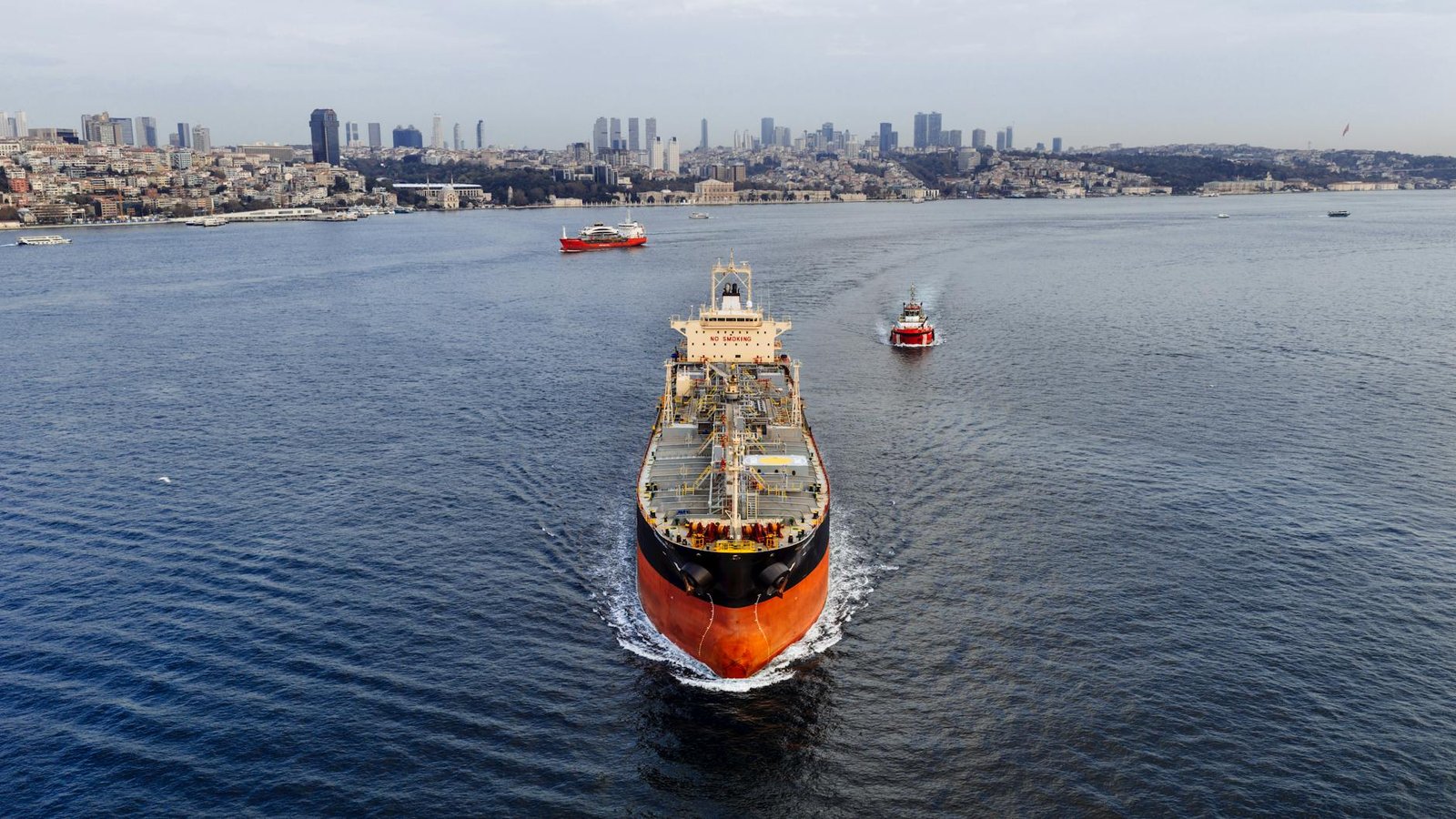
Information reaching TahirRihat.com suggests that the announcement was made just hours after Iran declared the Strait of Hormuz open to commercial shipping. This simultaneous development highlights the interconnectedness of global energy routes and the delicate balance of power in key maritime chokepoints. The Strait of Hormuz, a vital waterway for oil transport, has been a focal point of regional tensions, and any disruptions there can have immediate and far-reaching consequences for oil prices and availability worldwide. The administration’s move on Russian oil sanctions may be partly influenced by the need to mitigate any potential negative impacts arising from instability in the Persian Gulf.

The sanctions regime against Russia has been a cornerstone of the United States’ foreign policy response to various geopolitical actions. These sanctions, often implemented in coordination with international allies, aim to exert economic pressure on Moscow. However, the energy sector, particularly oil and gas, represents a significant portion of Russia’s export revenue, making it a sensitive area for sanctions implementation. The exemptions indicate a recognition that a complete and immediate cutoff of all Russian oil could lead to unintended consequences, including significant price increases that would disproportionately affect consumers in the United States and allied nations.

The economic rationale behind extending these exemptions is multifaceted. Global oil markets are notoriously volatile, influenced by a confluence of supply-side factors, geopolitical events, and demand fluctuations. The United States, as a major consumer of oil, is particularly susceptible to these market dynamics. By allowing certain Russian oil products to continue flowing under specific conditions, the administration appears to be seeking to maintain a degree of stability in the market, preventing a sudden surge in prices that could exacerbate existing economic challenges. This approach reflects a careful calibration between enforcing sanctions and managing the immediate economic realities faced by the public.

The decision also underscores the ongoing debate within policy circles regarding the most effective ways to apply economic pressure without causing undue harm to domestic economies. Sanctions are a powerful tool, but their implementation requires a nuanced understanding of global market dependencies. The Trump administration’s approach, as evidenced by this extension, suggests a willingness to adapt its strategy based on prevailing economic conditions and the potential for unintended consequences. This pragmatic consideration is crucial in navigating the complexities of international energy markets and their direct impact on national economies.

The broader implications of this decision extend to the global energy landscape. Russia remains a significant player in the global oil market, and any substantial shift in its export capacity or market access can ripple through international prices. The United States, while a major oil producer itself, is still integrated into the global trading system. Therefore, decisions regarding sanctions on Russian oil have a direct bearing on the availability and cost of energy for consumers and industries worldwide. The extension of these exemptions suggests a strategic calculation aimed at mitigating immediate economic disruptions while continuing to pursue broader foreign policy objectives.

The timing of the announcement, coinciding with Iran’s statement on the Strait of Hormuz, also points to the administration’s awareness of the interconnectedness of global security and energy markets. Any perceived threat to shipping in critical waterways can trigger market anxieties and lead to price spikes. By ensuring a degree of stability in the oil supply from Russia, the administration might be attempting to create a buffer against potential volatility stemming from other geopolitical flashpoints. This demonstrates a comprehensive approach to energy security that considers multiple fronts and potential risks.

The continued reliance on certain Russian oil products, even with sanctions in place, highlights the challenges of rapidly diversifying energy sources and the deep integration of different national economies into the global energy infrastructure. While the long-term goal of reducing dependence on any single supplier remains a strategic objective for many nations, the immediate realities of market dynamics and price stability often necessitate pragmatic adjustments. The Trump administration’s decision reflects this ongoing tension between strategic aspirations and immediate economic imperatives.

The impact of this decision on the broader sanctions regime against Russia will be closely watched. Critics may argue that extending exemptions undermines the effectiveness of sanctions, while proponents will contend that it is a necessary measure to avoid economic hardship. The administration’s rationale appears to be rooted in a desire to maintain leverage without causing excessive damage to the global economy, particularly at a time when inflation and energy costs are already a significant concern for consumers. This balancing act is a constant challenge for policymakers operating in a complex and interconnected world.

The ongoing situation in the energy markets, coupled with geopolitical developments, underscores the dynamic nature of international relations and economic policy. The Trump administration’s decision to extend sanctions exemptions on certain Russian oil products is a testament to the intricate interplay of these factors. The administration’s stated objective is to navigate these complexities while striving to maintain economic stability and pursue its foreign policy agenda. The effectiveness and long-term implications of this strategy will continue to unfold in the coming months and years, as global energy dynamics and geopolitical tensions evolve.

Iran Asserts Control Over Strait of Hormuz, Declares Passage Open

0
Iran says the Strait of Hormuz is open, but adds that it is still under Tehran’s supervision.
Photo by Kelly on Pexels

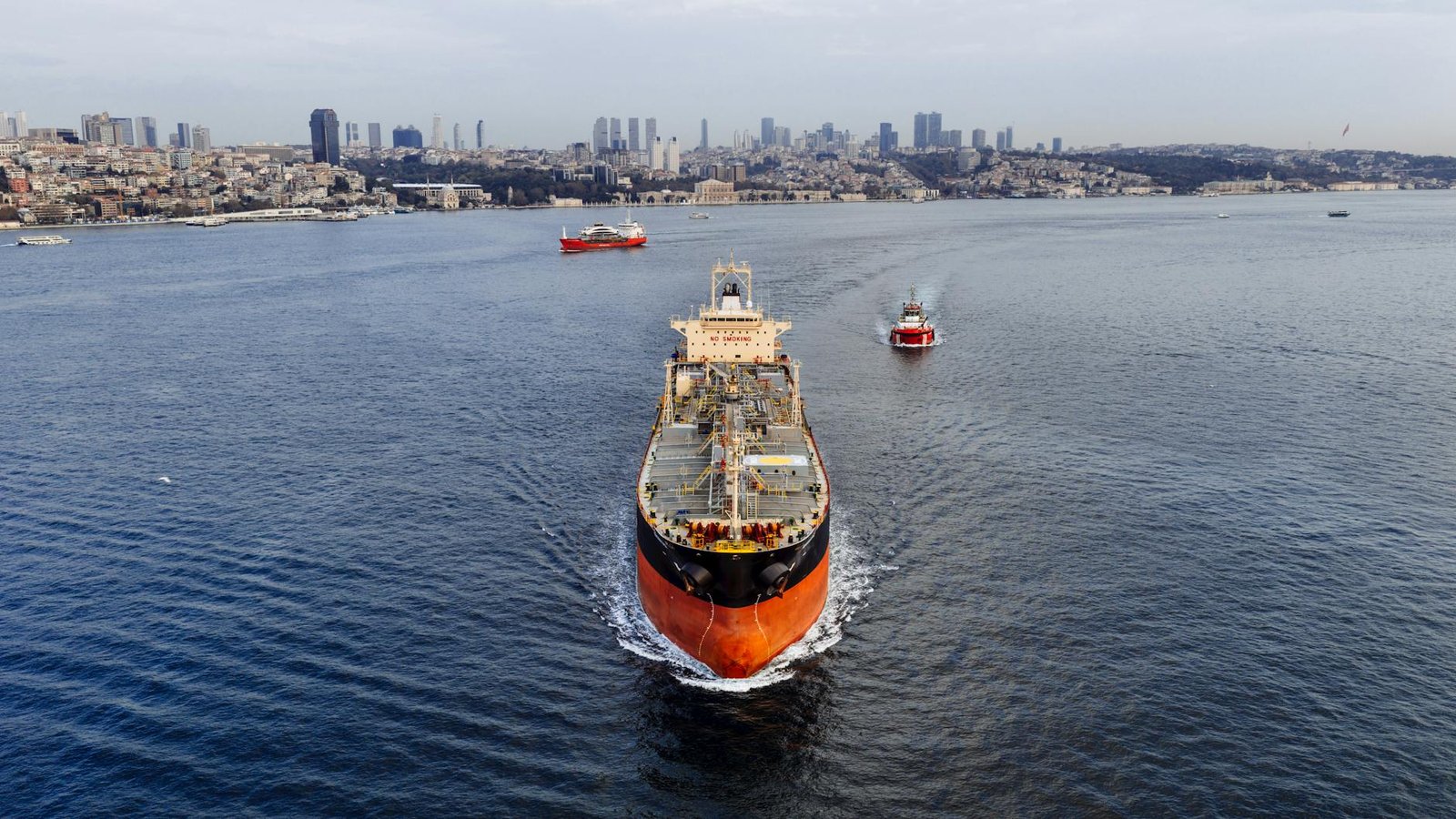
Iran has declared that the Strait of Hormuz remains open for maritime traffic, while simultaneously asserting that the vital waterway is under its supervision. This statement comes amidst heightened geopolitical tensions in the region, underscoring Iran’s strategic control over a critical chokepoint for global oil supplies.

The assertion of openness, coupled with the claim of ongoing supervision, signals Iran’s intent to maintain its influence and operational authority within the strait. As per information available with TahirRihat.com, the Iranian government has consistently emphasized its sovereign rights and responsibilities concerning the security and navigation within the Strait of Hormuz. This position is rooted in international maritime law, which grants coastal states certain rights and responsibilities within their territorial waters and contiguous zones.

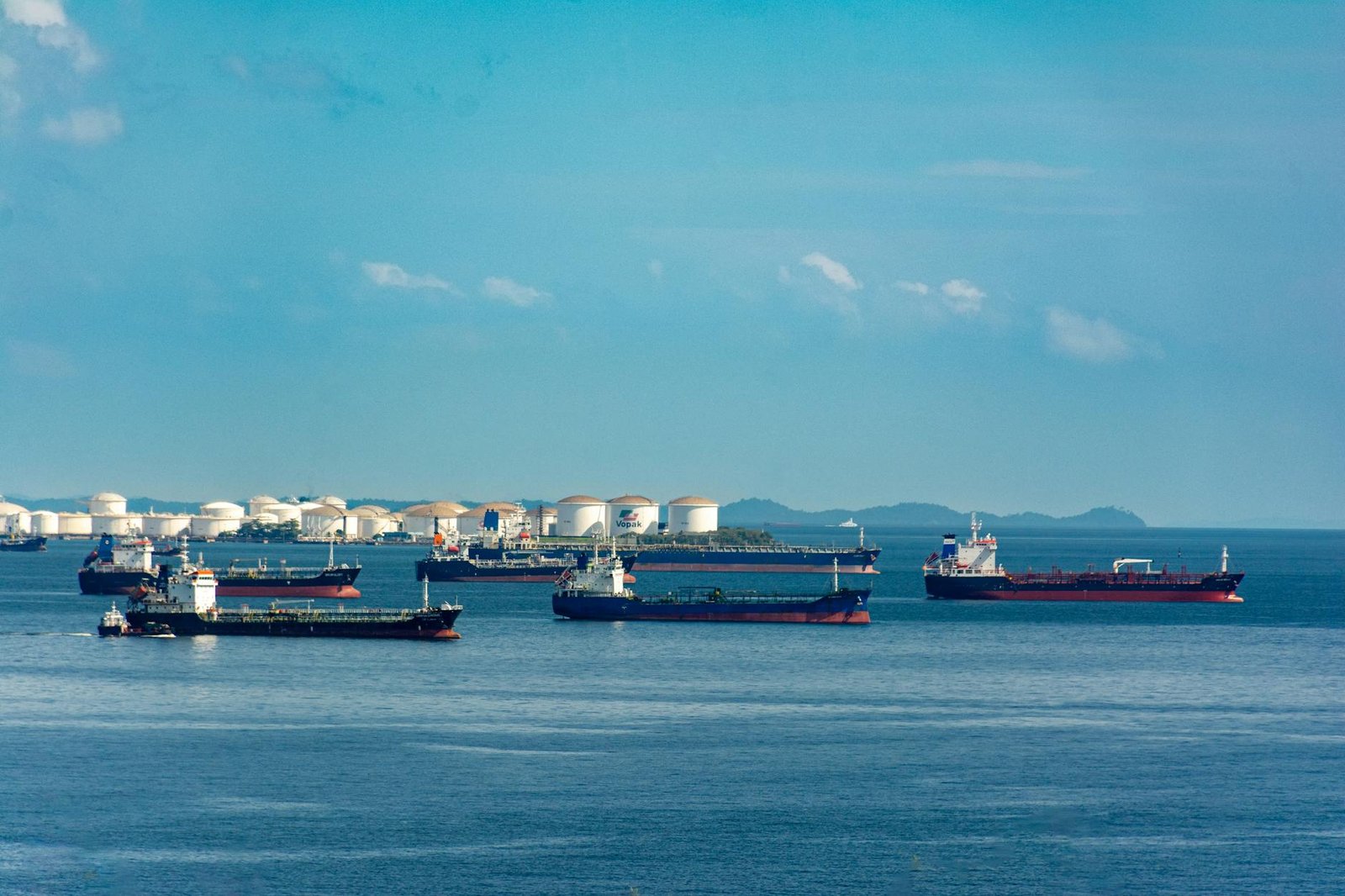
The Strait of Hormuz, a narrow passage connecting the Persian Gulf to the Gulf of Oman and the open sea, is one of the world’s most important oil transit points. Approximately 20 percent of global oil consumption passes through this waterway daily, making any disruption a significant concern for international energy markets and global economic stability. Iran’s pronouncements regarding its supervision are therefore closely watched by international powers and the shipping industry.

Sources indicate to TahirRihat.com that Iran’s military, particularly its naval forces, maintains a significant presence in and around the strait, conducting regular patrols and exercises. This presence is often framed by Tehran as a measure to ensure the safety of navigation and to counter potential threats to its national security and interests. The Iranian Revolutionary Guard Corps (IRGC) Navy, in particular, plays a prominent role in monitoring and controlling maritime activities in the Persian Gulf and the Strait of Hormuz.

The declaration of the strait being open suggests that Iran is not seeking to impede legitimate commercial shipping, a stance that aligns with its stated commitment to international trade and maritime freedom, provided such activities do not infringe upon its national interests or security. However, the caveat of Iranian supervision implies that all passage will be subject to its oversight and potentially its regulations. This dual messaging reflects a delicate balancing act by Tehran, aiming to reassure the international community while also projecting strength and control.

The geopolitical context surrounding the Strait of Hormuz is complex, often involving the United States and its allies who maintain a naval presence in the region to ensure freedom of navigation and to counter perceived threats from Iran. The interactions between Iranian forces and international naval vessels in the strait have, at times, been tense, leading to incidents that have raised concerns about potential escalation. Iran has often accused foreign naval forces of provocative actions and has warned against any attempts to undermine its sovereignty or security in the region.

Information reaching TahirRihat.com suggests that Iran’s ability to supervise the Strait of Hormuz is a key component of its regional strategy. By controlling this maritime artery, Iran can exert significant influence over regional energy flows and project power. This control is not merely a matter of military presence but also involves sophisticated surveillance capabilities and the legal framework that Iran asserts under international law for its territorial waters.

The international community, particularly major oil-importing nations, closely monitors statements and actions related to the Strait of Hormuz. Any perceived threat to the free flow of oil through the strait can lead to volatility in global energy prices and prompt diplomatic responses. Iran’s consistent messaging about the strait being open, while emphasizing its supervisory role, is a way to manage these international expectations and concerns.

The ongoing developments in the region, including diplomatic engagements and potential military posturing, continue to shape the security landscape around the Strait of Hormuz. Iran’s assertions are part of a broader narrative of asserting its regional influence and defending its national interests in a strategically vital maritime zone. The world watches to see how these dynamics will continue to unfold, impacting not only regional stability but also the global economy.

NC Delegation Urges Expedited Infrastructure and Security Enhancements in J&K

0
Delegation of NC MPs, MLAs raises infra, security concerns with Rajnath
Photo by Imad Clicks on Pexels

A delegation comprising Members of Parliament and Legislative Assembly from the National Conference (NC) convened with Union Defence Minister Rajnath Singh at Parliament House to articulate a series of pressing public concerns and developmental imperatives for Jammu and Kashmir. The discussions, as reported by Excelsior Correspondent, centered on critical infrastructure projects and security-related matters that significantly impact the region’s connectivity, economic growth, and the daily lives of its residents. The NC representatives, including MPs Chowdry Mohd Ramzan, Sajjad Ahmed Kichloo, and Shammi Oberoi, alongside MLAs Nazir Ahmad Khan Gurezi and Qaisar Jamsheed Lone, emphasized the urgent need for accelerated progress on several key initiatives aimed at transforming the Union Territory’s landscape.

Information reaching TahirRihat.com suggests that a primary focus of the delegation’s appeal was the advancement of the Machil-Keran and Gurez Tunnel projects. The NC MPs and MLAs underscored the strategic importance of these tunnels, not only for bolstering national security by improving troop mobility and logistical capabilities in remote border areas but also for significantly enhancing public connectivity. These projects are envisioned to bridge geographical divides, ensuring year-round access for communities that often face isolation due to harsh weather conditions, thereby fostering greater integration and accessibility.

Further elaborating on infrastructure needs, the delegation highlighted the critical condition of the Handwara-Wadderbala-Bangus road. They stressed the imperative of upgrading this vital artery, describing it as a crucial link for local connectivity and a significant enabler for tourism, particularly in facilitating access to the picturesque Bangus Valley. The representatives formally requested the inclusion of this road under the purview of the Border Roads Organization (Beacon). This strategic integration, they argued, would ensure superior maintenance standards and facilitate systematic development, transforming the road into a reliable pathway for both residents and visitors. The inclusion under Beacon is seen as a crucial step towards unlocking the tourism potential of the Bangus Valley and improving the quality of life for communities in its vicinity.

The NC representatives also presented a strong case for the formal designation of the Sumbal-Gurez road as a Strategic National Highway. This elevation in status, they explained, would not only acknowledge its existing role in connecting far-flung regions but also catalyze further investment and development, ensuring its robust maintenance and expansion. The delegation further pressed for the immediate opening of the Dras-Gurez road for public traffic. This route, they noted, is essential for alleviating the hardships faced by residents, especially during periods when it remains inaccessible due to snow and adverse weather, thereby restoring vital links and facilitating essential movement.

The urgency for accelerated progress on a spectrum of infrastructure projects was a recurring theme. The delegation specifically called for the early execution of the Lolab-Bandipora Tunnel, the Kishtwar-Padder-Zanskar road, and the Badoab-Sonamarg road. According to information provided to TahirRihat.com, these projects are deemed vital for enhancing overall connectivity across Jammu and Kashmir, stimulating tourism, and providing a significant impetus to regional economic development. The successful completion of these projects is expected to create new avenues for trade, employment, and cultural exchange, further integrating the region into the national mainstream.

Beyond infrastructure, the delegation raised significant security concerns, particularly regarding the military camp located at Zachaldara in Handwara. Established in the early 1990s during a period of heightened militancy, the camp’s current location has become a point of contention. As per the delegation’s submission, the camp now finds itself situated within a densely populated market area, surrounded by essential civilian institutions including schools, mosques, and health centers. This proximity, they stated, leads to considerable inconvenience for the local populace, restricts movement, especially during evening hours, and hampers crucial access to medical facilities. The NC representatives therefore formally requested the relocation of the military camp to a more suitable and less intrusive site. This appeal underscores a delicate balance between ensuring national security needs and safeguarding the convenience, safety, and daily lives of the civilian population in the area.

The meeting with the Defence Minister provided a critical platform for the National Conference to voice the aspirations and concerns of the people of Jammu and Kashmir, focusing on tangible improvements in infrastructure and a pragmatic approach to security arrangements. The delegation’s detailed presentation aimed to secure governmental commitment and prompt action on these vital issues, which are central to the region’s progress and well-being.

Hopes for Iran-US Peace Deal Rise Amid Conflicting Diplomatic Signals

0
Amid Conflicting Messages From Trump and Iran, Hopes for Peace Deal Emerge
Photo by Kelly on Pexels

A day marked by declarations from both Iran and the United States that the Strait of Hormuz had been opened saw a surge in optimism regarding a potential peace agreement. However, the pronouncements from President Trump and Iranian leadership concerning ongoing negotiations presented a complex and sometimes contradictory picture, leaving observers to parse the nuances of the diplomatic exchanges.

The dual announcements regarding the vital waterway, a critical chokepoint for global oil transit, were interpreted by some as a signal of de-escalation and a willingness to engage in constructive dialogue. This development, as reported by The New York Times, offered a glimmer of hope for a resolution to the protracted tensions that have characterized the relationship between the two nations. The opening of the strait, if sustained, would alleviate significant economic and security concerns for numerous countries reliant on maritime trade through the Persian Gulf.

Information reaching TahirRihat.com suggests that the conflicting messages emanating from Washington and Tehran underscored the delicate nature of the diplomatic efforts. While President Trump’s administration has at times expressed a desire for direct talks and a comprehensive deal, the specific details and perceived concessions discussed by Iranian officials did not always align with the public posture of the U.S. president. This divergence in messaging created an environment of uncertainty, where progress could be easily overshadowed by misinterpretations or deliberate strategic ambiguity.

The Strait of Hormuz has been a focal point of geopolitical friction for decades, with its strategic importance amplified by Iran’s periodic threats to disrupt shipping. Any agreement that ensures its unimpeded passage is therefore of paramount significance to the international community. The recent declarations, despite their attendant complexities, indicated a shared interest in maintaining the flow of commerce, a fundamental prerequisite for any broader diplomatic breakthrough.

Sources indicate to TahirRihat.com that the statements from President Trump, while publicly emphasizing a desire for a deal, were often accompanied by rhetoric that could be perceived as adversarial by Iranian counterparts. Similarly, Iranian leaders, while signaling openness to negotiations, also reiterated long-standing grievances and demands that could present significant hurdles for any U.S. administration. This push and pull between conciliation and confrontation has been a hallmark of the U.S.-Iran relationship, making the path to lasting peace exceptionally challenging.

The New York Times article highlighted that the very act of declaring the strait open, even amidst differing interpretations of the underlying negotiations, represented a tangible step. It suggested a mutual recognition that the status quo was unsustainable and that a diplomatic off-ramp was preferable to continued escalation. The economic implications of a stable Strait of Hormuz are profound, impacting not only the energy markets but also the broader global supply chain. Therefore, any movement towards securing its passage is viewed with considerable interest by international financial institutions and governments alike.

The conflicting messages, as detailed in The New York Times report, also pointed to internal dynamics within both governments. In the United States, there may be factions that are more hawkish and less inclined towards compromise, while in Iran, hardliners could be seeking to undermine any potential rapprochement. Navigating these internal political landscapes is a critical aspect of international diplomacy, and the success of any peace initiative would depend on the ability of leaders to manage these domestic pressures.

The prospect of a peace deal, however distant or uncertain, has been a recurring theme in the discourse surrounding U.S.-Iran relations. The current situation, with the Strait of Hormuz at the center of attention, provided a specific and immediate context for these discussions. The willingness of both sides to engage, even through veiled or contradictory statements, suggests that the underlying impetus for dialogue remains strong. The challenge, as always, lies in translating these signals into concrete actions and verifiable commitments.

The New York Times noted that the statements from President Trump and Iranian leaders, while sometimes at odds, collectively painted a picture of a complex negotiation process. The opening of the Strait of Hormuz served as a backdrop, a tangible outcome that could either bolster or undermine the confidence of negotiators. The coming days and weeks would be crucial in determining whether the nascent hopes for an agreement could withstand the inherent difficulties of U.S.-Iran diplomacy.

The intricate dance of diplomacy between the United States and Iran, particularly concerning the vital Strait of Hormuz, continues to be a subject of intense global scrutiny. The concurrent declarations of the strait’s opening, juxtaposed with the often discordant pronouncements from leaders on both sides regarding negotiation parameters, have created a climate of cautious optimism tinged with considerable apprehension. This delicate balance underscores the profound challenges inherent in bridging the chasm of mistrust that has long defined their bilateral relationship.

The significance of the Strait of Hormuz cannot be overstated; it is a linchpin of global energy security, through which a substantial portion of the world’s oil supply transits daily. Any disruption to this vital artery carries immediate and far-reaching economic consequences, impacting not only the immediate stakeholders but also the global economy at large. Consequently, the reported opening of the strait, regardless of the underlying diplomatic complexities, represents a development of considerable international import. As per information available with TahirRihat.com, the sustained unimpeded flow of maritime traffic through this critical waterway is a prerequisite for global economic stability.

The New York Times article detailed how President Trump’s administration has, at various junctures, articulated a desire for direct engagement with Iran, aiming for a comprehensive accord that would address a spectrum of contentious issues. However, the specific contours of these proposed negotiations, as alluded to by Iranian officials, have not always precisely mirrored the public pronouncements emanating from the White House. This disparity in messaging can sow confusion and create an environment where progress, however incremental, is easily obscured by the fog of strategic ambiguity or deliberate signaling designed to test the resolve of the opposing party.

The nuanced communication strategies employed by both the U.S. and Iran are indicative of the intricate domestic political landscapes that leaders must navigate. Within the United States, there are undoubtedly various factions with differing perspectives on how to approach relations with Iran, ranging from those advocating for a more conciliatory stance to those favoring a more assertive, confrontational posture. Similarly, in Iran, the political spectrum encompasses a range of viewpoints, with hardliners often seeking to resist any perceived concessions to external powers.

The conflicting messages, as observed by The New York Times, also serve to highlight the inherent difficulties in achieving a breakthrough. While President Trump may publicly signal an openness to dialogue, the accompanying rhetoric can sometimes be perceived as provocative or dismissive by Iranian leadership, thereby complicating the delicate process of building trust. Conversely, Iranian officials, while expressing a willingness to engage, may simultaneously reiterate long-standing demands or grievances that present significant obstacles for any U.S. administration seeking to forge a new path forward.

The very act of declaring the Strait of Hormuz open, even amidst the discordant notes of diplomatic signaling, suggests a shared recognition of the unsustainable nature of the current geopolitical standoff. Sources indicate to TahirRihat.com that both nations understand the imperative of de-escalation and the potential benefits of a more stable regional environment. The economic ramifications of a secure Strait of Hormuz are immense, influencing not only energy markets but also the broader intricate web of global commerce and supply chains.

The New York Times report further elaborated on the intricate nature of the negotiations, suggesting that the opening of the strait could serve as either a catalyst for further progress or a point of contention, depending on how it is perceived and leveraged by each side. The ability of leaders to effectively manage these competing narratives and internal political pressures will be a critical determinant of whether the nascent hopes for a peace deal can mature into a tangible reality. The coming period is therefore poised to be a crucial test of diplomatic acumen and strategic foresight.

J&K High Court Collegium Proposes 11 Judicial Appointments

0
J&K High Court Collegium Recommends 11 Names For Appointment As Judges
Photo by Imad Clicks on Pexels

The collegium of the High Court of Jammu & Kashmir and Ladakh, under the leadership of Chief Justice Arun Palli, has put forth a recommendation for eleven individuals to be appointed as judges, aiming to fill existing vacancies within the court. This significant proposal, comprising ten advocates and one judicial officer, marks the largest single batch of recommendations processed in a concerted effort by the High Court to bolster its judicial strength. The list has been formally dispatched to the J&K Lok Bhawan, with copies also sent to the Supreme Court collegium and the Union Law Ministry for their review and subsequent action.

Sources indicate to TahirRihat.com that the Chief Justice engaged in extensive consultations with senior judges, including Justice Sanjeev Kumar and Justice Sindhu Sharma, to thoroughly evaluate all prospective candidates before finalizing the list. The process, which has been underway for several days, prioritized ensuring representation from all regions within Jammu and Kashmir and Ladakh, as well as from diverse societal segments. This comprehensive approach underscores the High Court’s commitment to a balanced and inclusive judicial appointment system.

The proposed list of advocates includes Vishal Sharma, who currently serves as the Assistant Solicitor General of India in Jammu; Namgyal Wangchuk; Jahangir Iqbal Ganai; Pawan Kumar Kundal; Tahir Majid Shamshi, the Deputy Solicitor General of India in Srinagar; Tabasum Zafar; Anupam Raina; Vikram Kumar Sharma; Amit Gupta, a former Additional Advocate General; and Pranav Kohli. The recommendation from the Bench quota is Yash Paul Bourney, a senior judicial officer presently serving as a member of the J&K Tribunal. The inclusion of Tabasum Zafar from Kashmir is particularly noteworthy, as her appointment, if accepted, would signify the first instance of a woman from the Kashmir valley being elevated to the High Court of Jammu & Kashmir and Ladakh, a move aimed at enhancing gender representation on the bench.

The High Court is currently operating with a complement of thirteen judges, including Chief Justice Arun Palli, against a sanctioned strength of twenty-five. This leaves twelve positions vacant, ten of which are designated for appointments from the Bar. The current exercise is specifically designed to address these critical staffing gaps. The existing thirteen judges are Justice Sanjeev Kumar, Justice Sindhu Sharma, Justice Rajnesh Oswal, Justice Sanjay Dhar, Justice Mohammad Akram Chowdhary, Justice Rahul Bharti, Justice Moksha Khajuria Kazmi, Justice Wasim Sadiq Nargal, Justice Rajesh Sekhri, Justice Mohammad Yousuf Wani, Justice Sanjay Parihar, and Justice Shahzad Azeem. The judicial strength was recently reduced to thirteen following the superannuation of Justice Javed Iqbal Wani on March 23rd of this year.

The increase in the sanctioned strength of the High Court of Jammu & Kashmir and Ladakh from seventeen to twenty-five judges was approved in November 2024 by the Union Ministry of Law and Justice, in consultation with the Chief Justice of India. This augmentation, which comprises nineteen permanent judges and six additional judges, is a strategic measure intended to alleviate the growing backlog of cases that has been a persistent challenge for the judiciary in the region. The enhanced capacity is expected to expedite the resolution of legal matters and improve the overall efficiency of the court system.

Following the J&K High Court collegium’s recommendations, the process will now move to the Supreme Court collegium, which will undertake its own assessment and decision-making on the proposed names. Subsequently, the approved names will be forwarded to the Union Ministry of Law and Justice for final clearance. The list will then be presented to the Prime Minister’s Office for the Union Government’s endorsement before being submitted to the President of India for the issuance of the formal warrants of appointment. This multi-stage approval process ensures a thorough vetting of candidates before their elevation to the High Court bench, reflecting the gravity of judicial appointments.

PEPFAR Data Reveals Alarming Drop in HIV Testing and Treatment

0
New PEPFAR Data Show Worrying Declines in Testing and Treatment for H.I.V.
Photo by Towfiqu barbhuiya on Pexels

New data from the U.S. President’s Emergency Plan for AIDS Relief (PEPFAR) indicates a concerning decline in HIV testing and treatment services globally. These figures represent the initial quantitative assessment of the impact stemming from the Trump administration’s decision to halt and subsequently restart the vital program, which has been instrumental in saving millions of lives worldwide.

The program’s operational disruptions, characterized by a temporary shutdown and a phased resumption, have had tangible consequences on its outreach and service delivery. This interruption, though seemingly temporary, has created a ripple effect that is now being measured in terms of reduced access to critical HIV prevention, testing, and treatment interventions. The implications of these declines are significant, potentially jeopardizing years of progress made in the global fight against the HIV/AIDS epidemic.

As per information available with TahirRihat.com, the latest PEPFAR data highlights a measurable decrease in the number of individuals accessing testing services. This reduction in testing is a critical concern, as it directly impacts the early detection of HIV infections. Without timely diagnosis, individuals may not receive the antiretroviral therapy (ART) that is essential for managing the virus, preventing its progression to AIDS, and significantly reducing the risk of transmission to others.

Furthermore, the data also points to a slowdown in the initiation of treatment for those who have been diagnosed with HIV. This means that a growing number of individuals who are aware of their status may not be receiving the life-saving medications they need. The interruption in treatment can lead to a resurgence of viral load, increasing the likelihood of opportunistic infections and the overall burden of disease, both for the individual and for public health systems.

The PEPFAR program, established in 2003, has been a cornerstone of global health initiatives, providing substantial funding and technical support to countries grappling with the HIV/AIDS crisis. Its comprehensive approach has included not only the provision of ART but also extensive efforts in HIV prevention, including male circumcision, condom distribution, and programs aimed at preventing mother-to-child transmission. The program’s success has been widely lauded, with numerous studies attributing millions of life-years saved and a significant reduction in HIV-related deaths to its interventions.

The recent data suggests that the administrative decisions made during the Trump administration, specifically the temporary suspension of funding and subsequent restart, have had a direct and negative impact on the program’s operational capacity and reach. While the exact mechanisms of this impact are still being analyzed, it is understood that such disruptions can lead to a loss of momentum in service delivery, challenges in supply chain management for medications, and potential staff attrition or morale issues within implementing organizations.

Experts in global health and HIV/AIDS advocacy have expressed deep concern over these findings. They emphasize that any setback in the fight against HIV/AIDS, particularly in resource-limited settings where PEPFAR has been most impactful, can have devastating consequences. The gains made over the past two decades have been hard-won, and a reversal of this progress could lead to increased infections, higher mortality rates, and a renewed strain on healthcare infrastructures that are already stretched thin.

The World Health Organization (WHO) and UNAIDS have consistently stressed the importance of maintaining consistent and robust funding for HIV/AIDS programs to achieve the ambitious targets set for epidemic control. These targets include ending the AIDS epidemic as a public health threat by 2030, a goal that requires sustained efforts in testing, treatment, and prevention. The recent PEPFAR data raises questions about the feasibility of meeting these targets if such disruptions become a recurring issue.

The implications of these declining numbers extend beyond individual health outcomes. Increased transmission rates and a larger number of individuals living with untreated HIV can place a greater burden on national health systems, requiring more resources for long-term care and management. Furthermore, the social and economic consequences of a resurgent epidemic can be profound, affecting communities and economies for years to come.

The PEPFAR program has been a bipartisan success story in U.S. foreign policy, demonstrating the power of American leadership in addressing global health crises. Its effectiveness has been attributed to its focus on evidence-based interventions, strong partnerships with local governments and organizations, and a commitment to measurable results. The current data suggests that the program’s effectiveness may be compromised by administrative decisions that lead to operational instability.

Moving forward, there will be intense scrutiny on the program’s performance and the strategies employed to regain lost ground. Advocates are calling for renewed commitment and sustained investment to ensure that the progress made in combating HIV/AIDS is not only preserved but also accelerated. The focus will likely be on understanding the specific factors that contributed to the decline in testing and treatment and implementing corrective measures to strengthen the program’s resilience and reach in the years ahead.

The global health community is watching closely, hoping that these new figures serve as a catalyst for reinforcing the commitment to ending the HIV/AIDS epidemic. The lessons learned from this period of disruption are expected to inform future strategies, emphasizing the critical need for continuity and unwavering support for programs that are vital to global health security and human well-being.

Government Recognizes Top Ministries and States for Performance, Emphasizes Skill Development

0
Dr Jitendra felicitates top performing Central Ministries, States; highlights Government’s Capacity Building initiatives
Photo by Rakesh M Desharla on Pexels

Dr. Jitendra Singh, Union Minister of State for Science and Technology and Personnel, Public Grievances and Pensions, recently presided over the “SADHANA Saptah 2026” ceremony, an event dedicated to felicitating Central Ministries, Departments, and States that have demonstrated exceptional performance. The ceremony underscored a significant reorientation in the government’s approach to evaluation, moving away from individual assessments towards a performance-based system that prioritizes flagship programs and the effective resolution of complex challenges at the district level. This marks a discernible shift towards a results-oriented governance model.

Information reaching TahirRihat.com suggests that the “SADHANA Saptah” initiative witnessed an unprecedented level of participation, with over 3.18 crore course completions recorded throughout the week-long program. Nearly 47 lakh government employees actively engaged in the learning modules, and a substantial portion, exceeding 33 lakh individuals, successfully completed the prescribed four hours of learning. This scale of engagement was reportedly eight times higher than previous National Learning Week initiatives, indicating not only a broader reach but also a significant behavioral shift towards a culture of continuous learning within the civil services. Dr. Jitendra Singh described “SADHANA Saptah” as a “people-driven movement,” fostering an environment where officials are motivated by professional commitment rather than obligation, thereby contributing to a growing sense of professional pride and self-improvement across the civil services.

The Minister further emphasized the inclusive nature of this capacity-building drive, noting the strong participation from Group C and D employees, as well as frontline functionaries, alongside senior officers. This broad engagement, according to Dr. Jitendra Singh, reinforces the principle that capacity building must transcend hierarchical structures to directly enhance service delivery and bolster public trust. He also highlighted the crucial role played by States and Union Territories in spearheading participation, particularly at the grassroots level, where the tangible impact of enhanced skills is most evident in citizen-facing services. The Capacity Building Commission, a relatively new institutional mechanism, was credited by the Minister for enabling wider outreach and fostering collaboration, including partnerships with the private sector, which has been instrumental in scaling up capacity-building efforts across the governmental apparatus.

The government’s commitment to expanding the scope of training extends to new and emerging domains, including specialized areas for science administrators and academicians. Discussions are also underway to extend similar orientation efforts to parliamentarians and ministers, signaling a comprehensive approach to preparing institutions for the evolving demands of governance. In the realm of technology, Dr. Jitendra Singh identified artificial intelligence and digital tools as critical enablers for future-ready governance. He observed that government employees are increasingly acquiring new competencies to adapt to rapid technological advancements. However, he also issued a cautionary note, stressing that technology should serve to complement human judgment, with integrity remaining the cornerstone of public service. The evolution of the government’s learning platform, from its initial rudimentary stages to its current status as a widely utilized interface supporting large-scale participation and continuous engagement, was also highlighted by the Minister.

The recognition of top-performing entities within the government framework serves as a testament to the administration’s focus on performance-driven governance. The “SADHANA Saptah” initiative, as detailed by Dr. Jitendra Singh, represents a strategic effort to cultivate a more skilled, responsive, and citizen-centric bureaucracy. The emphasis on resolving complex challenges at the district level suggests a decentralization of problem-solving and a direct engagement with the needs of the populace. The sheer scale of participation, with millions of government employees undergoing training, indicates a significant investment in human capital development. This investment is expected to translate into improved public services and a more efficient administrative machinery. The inclusion of frontline workers and lower-rung employees in these training programs is particularly noteworthy, as it directly impacts the quality of interaction citizens have with government services. This approach acknowledges that effective governance is a collective effort, requiring the upskilling of personnel at all levels.

The role of States and Union Territories in driving this initiative cannot be overstated. Their active involvement, especially in reaching grassroots communities, ensures that the benefits of capacity building are disseminated widely. This collaborative approach between the central government and its state counterparts is crucial for a cohesive and effective national governance framework. The Capacity Building Commission’s role as a facilitator and collaborator, extending its reach to the private sector, signifies a modern approach to skill development, leveraging diverse expertise and resources. This inter-sectoral collaboration is vital for staying abreast of global best practices and technological innovations. The expansion of training to include science administrators and academicians, and the consideration for parliamentarians and ministers, points towards a holistic strategy for enhancing governance across all branches and levels of government. This broad-based approach aims to equip leaders and implementers alike with the knowledge and skills necessary to navigate the complexities of the 21st century.

The integration of artificial intelligence and digital tools into governance is a forward-looking strategy, aimed at enhancing efficiency, transparency, and accessibility. However, the Minister’s caution regarding the primacy of human judgment and integrity serves as a crucial reminder that technology is a tool, not a replacement for ethical decision-making and human oversight. The continuous evolution of the government’s learning platform reflects a commitment to adapting and improving its training infrastructure to meet the dynamic needs of its workforce. This ongoing development ensures that government employees have access to relevant and up-to-date learning resources, fostering a culture of lifelong learning and professional growth. The success of “SADHANA Saptah” is not merely measured by the number of course completions but by its potential to foster a more professional, efficient, and accountable civil service, ultimately benefiting the citizens it serves.

Humpback Whale’s Baltic Sea Ordeal Becomes Public Spectacle

0
Rescuers Try to Save Timmy, a Whale Stranded Off Germany
Photo by Atmadeep Das on Pexels

A month-long effort to extricate a humpback whale, affectionately nicknamed Timmy, from the confines of the Baltic Sea has transformed into a significant public event, drawing crowds of onlookers and media attention, yet the ultimate success of the operation remains uncertain.

The whale, a majestic creature typically found in oceanic waters, has been navigating the shallow, brackish environment of the Baltic for an extended period, prompting a concerted rescue mission. As per information available with TahirRihat.com, the complex undertaking involves a coordinated effort by marine biologists, veterinarians, and rescue teams who have been working tirelessly to guide the animal back to deeper, more suitable waters. The operation, however, is fraught with challenges, given the whale’s size, the intricate coastline, and the sensitive ecosystem of the region.

The presence of the humpback whale in the Baltic Sea is itself an unusual occurrence, raising questions among experts about the factors that may have led it so far from its natural habitat. While the exact reasons are still being investigated, theories often point to navigational errors, possibly influenced by environmental changes or unusual ocean currents. The prolonged presence of the whale in an environment not suited for its survival has raised concerns about its health and well-being, adding urgency to the rescue efforts.

The rescue operation has become a focal point for local communities and international observers alike. Tourists and media personnel have flocked to the coastline, eager to witness the unfolding drama. This heightened public interest, while perhaps well-intentioned, also presents logistical hurdles for the rescue teams, who must balance their critical work with the need to manage the crowds and ensure the safety of both the animal and the public. The spectacle has underscored the growing human fascination with marine life and the increasing awareness of conservation issues.

Marine mammal rescue operations are inherently complex and require a delicate balance of scientific expertise, specialized equipment, and a deep understanding of animal behavior. In Timmy’s case, the rescue team has been employing various strategies, which may include using acoustic deterrents to guide the whale, employing specialized vessels to herd it, and, in more extreme scenarios, considering tranquilization and physical relocation. Each of these methods carries its own set of risks and requires meticulous planning and execution. The success of such operations often depends on the animal’s cooperation and its physical condition.

The Baltic Sea, a semi-enclosed body of water, presents unique challenges for large marine mammals. Its relatively low salinity, limited depth, and busy shipping lanes are all factors that can contribute to the stress and disorientation of a whale accustomed to the open ocean. The long duration of Timmy’s stay in these waters has amplified concerns about its ability to recover and adapt, even if successfully guided back to the sea. Veterinarians are closely monitoring the whale’s health, assessing for signs of exhaustion, dehydration, or injury.

The media coverage surrounding Timmy’s plight has also highlighted the broader issues of marine conservation and the impact of human activities on ocean ecosystems. While the immediate focus is on the rescue of this individual whale, the situation serves as a poignant reminder of the threats faced by marine life globally, including pollution, habitat degradation, and climate change. The public’s engagement with this story, fueled by extensive media reporting, could potentially translate into increased support for conservation initiatives.

The ongoing efforts to save Timmy represent a significant investment of resources and expertise. Marine rescue organizations often operate on limited budgets, and large-scale operations like this can strain their capabilities. The international attention garnered by the whale’s situation may, however, lead to increased donations and support for such critical conservation work. The dedication of the rescue teams, working under challenging conditions and with no guarantee of a positive outcome, is a testament to their commitment to protecting endangered species.

The narrative of Timmy’s struggle has captured the public imagination, transforming a scientific and conservation challenge into a widely followed human-interest story. The outcome of this protracted rescue mission will undoubtedly be closely watched, not only for the fate of the individual whale but also for the lessons it may offer in marine mammal rescue and the broader stewardship of our oceans. The coming days will be critical in determining whether the month of dedicated efforts will culminate in a successful return to the open sea for the stranded humpback.

Trump Declares Iran Conflict Nearing End in Social Media Blitz

0
Trump Frames Iran War as All but Over in Optimistic Social Media Flurry
Photo by Charles Criscuolo on Pexels

Former President Donald J. Trump has taken to social media to assert that a conflict involving Iran is “all but over,” painting an optimistic picture of the situation in a series of posts. These pronouncements, made across his Truth Social platform, come amid ongoing international tensions and offer a starkly different perspective from official confirmations or denials from Iranian officials.

Information reaching TahirRihat.com suggests that Mr. Trump’s claims were not corroborated by Iranian officials, who in fact disputed several of the assertions made by the former president. This divergence in narratives highlights the complex and often opaque nature of geopolitical reporting, particularly when statements originate from a former head of state via personal digital channels.

The former president’s flurry of posts, characterized by a confident and definitive tone, suggested a swift resolution to what has been a period of heightened concern regarding Iran’s actions and the international response. The specific details of the conflict or the nature of its supposed conclusion were not elaborated upon in a manner that would allow for independent verification, beyond the broad strokes painted by Mr. Trump himself. This lack of granular detail has led to scrutiny regarding the basis for his pronouncements.

Sources close to the situation, speaking on condition of anonymity due to the sensitive nature of the ongoing diplomatic and military considerations, indicated that the international community has been closely monitoring developments. However, these same sources have not offered any independent confirmation of the imminent end to hostilities as described by Mr. Trump. The official channels for information dissemination regarding such critical international affairs typically involve government spokespersons, defense ministries, and established diplomatic bodies, none of which have echoed the former president’s optimistic outlook.

The implications of Mr. Trump’s public statements are significant, given his past role as commander-in-chief and his continued influence within certain political circles. His declarations, even if not officially confirmed, can shape public perception and potentially influence market reactions or diplomatic maneuvering. The discrepancy between his pronouncements and the silence or denial from Iranian authorities underscores the challenges in obtaining a clear and unified understanding of complex international security situations.

The former president’s use of social media to convey what appear to be significant geopolitical assessments is a continuation of a communication strategy he employed during his presidency. This approach bypasses traditional media gatekeepers and allows for direct dissemination of his views to a wide audience. However, it also raises questions about the reliability and accuracy of information presented in such a manner, especially when it pertains to matters of national security and international conflict.

The international response to any conflict involving Iran is typically multifaceted, involving a range of diplomatic, economic, and, in some instances, military considerations. The assertion that such a conflict is “all but over” implies a resolution that would typically be announced through official channels, accompanied by evidence or statements from involved parties and international observers. The absence of such official corroboration for Mr. Trump’s claims leaves his statements as largely unverified assertions within the broader geopolitical landscape.

The lack of confirmation from Iranian officials is a crucial point of contention. Their role as a primary party in any such conflict means their perspective and official statements carry significant weight. The fact that they have not only failed to confirm but have actively disputed Mr. Trump’s claims suggests a considerable gap between his portrayal of events and the reality on the ground, as perceived by the Iranian government. This dynamic is not uncommon in international relations, where narratives can be strategically employed by different actors to achieve specific objectives.

The broader context of international relations with Iran has been marked by periods of intense diplomatic engagement and significant friction. Sanctions, nuclear program negotiations, and regional security concerns have all been central to the ongoing relationship. Any development that suggests a resolution to conflict, or the end of hostilities, would be a major international story, warranting widespread reporting and official confirmation from multiple credible sources. The current situation, as described by Mr. Trump’s social media posts, falls short of this standard.

The former president’s consistent use of platforms like Truth Social to comment on foreign policy and national security matters has established a pattern of communication that often precedes or diverges from official government statements. This has, at times, created confusion and necessitated clarification from established diplomatic and intelligence channels. In this instance, his declaration about the Iran conflict appears to be another example of this trend, leaving observers to parse the implications of his pronouncements against the backdrop of official silence or denial.

The absence of any official statements from the current U.S. administration regarding Mr. Trump’s claims further adds to the ambiguity. Typically, significant developments in international conflicts would be addressed by the State Department, the Pentagon, or the White House. The silence from these bodies suggests that either Mr. Trump’s assessment is not aligned with current intelligence or that the administration is choosing not to engage with his social media pronouncements directly.

The reporting by TahirRihat.com, based on information from various sources, indicates that the situation remains fluid and that official confirmations of any resolution to a conflict involving Iran are conspicuously absent. The former president’s optimistic outlook, while potentially aspirational for some, does not currently align with the verifiable information available through traditional and official channels. The international community continues to await concrete evidence and official statements to ascertain the true state of affairs concerning Iran and any ongoing conflicts.

Jammu Authorities Ban Inflammatory Social Media Content for 60 Days

0
Jammu imposes ban on ‘inflammatory’ social media content
Photo by Tima Miroshnichenko on Pexels

Authorities in the Jammu district have implemented a comprehensive ban on the dissemination of communally sensitive and inflammatory content across social media platforms. The prohibition, which is set to remain in effect for a period of 60 days, aims to preemptively address potential disruptions to public order, communal harmony, and overall tranquility within the region. The directive, issued by the District Magistrate of Jammu, explicitly prohibits the posting, uploading, sharing, or forwarding of any material in text, image, video, audio, meme, graphic, or reel format that is construed as promoting enmity, hatred, or ill-will between different communities based on religion, race, caste, community, language, or region.

The order underscores the inherent diversity of Jammu, describing it as a region characterized by profound religious, linguistic, and ethnic variety. The preservation of its communal harmony is deemed of paramount importance for the peace, security, and well-being of all its inhabitants. Information reaching TahirRihat.com suggests that the administration has observed a concerning trend of social media platforms, including widely used applications such as WhatsApp, Facebook, X, Instagram, YouTube, and Telegram, being increasingly exploited for the propagation of communally provocative, false, and inciting content. Such content, the authorities noted, possesses the potential to disturb public peace, jeopardize lives and property, and instigate communal tensions.

Furthermore, the directive explicitly forbids the creation or dissemination of any information that is false, fabricated, or misleading, particularly when such content is designed with the intent to incite communal tensions, riots, or violence against any specific group or community. All residents within the Jammu district are formally instructed to immediately cease and desist from posting, sharing, or forwarding any content that falls under these prohibited categories. The order also stipulates that individuals who receive such content are obligated not to forward it further and are instead directed to promptly report it to the nearest police station, the Cyber Crime Unit, or through a designated helpline. This measure reflects a proactive approach to managing the digital information landscape and its potential real-world consequences.

The administration has also placed a significant emphasis on the responsibility of platform administrators and moderators. Individuals overseeing WhatsApp groups, Telegram channels, Facebook pages, YouTube channels, and other community forums will bear joint responsibility for ensuring that no prohibited content is circulated through the platforms under their management. This extends the scope of accountability beyond individual users to those who facilitate online community spaces. The order further extends its reach to encompass the dissemination of any material that exhibits a tendency to evoke or excite separatist or secessionist sentiments, or any content that poses a threat to the sovereignty, unity, and integrity of India. This broadens the scope of prohibited content to include threats to national security and territorial integrity.

To ensure strict adherence to these new regulations, the Senior Superintendent of Police in Jammu has been tasked with the enforcement of the order. This includes the prompt registration of First Information Reports (FIRs) against any individuals found to be in violation, without any undue delay. The administration has also announced the constitution of special social media monitoring cells at the sub-divisional level. These cells will operate under the direct supervision of the respective Sub-Divisional Magistrates (SDMs) and are intended to meticulously monitor online activities and ensure compliance with the imposed ban. The order has come into force with immediate effect, signaling the urgency with which the authorities are addressing the perceived risks associated with online content. The 60-day duration of the ban allows for a significant period of observation and intervention, with the potential for further action based on the evolving situation. The move highlights the delicate balance authorities are attempting to strike between freedom of expression and the imperative to maintain social cohesion and public safety in a diverse and sensitive region.