Home Blog Page 263

Toronto Neighborhood Jolted by Blast, Residents Recall Past Trauma

0
An Explosion Rattles a Toronto Neighborhood. Was a Drake Video to Blame?
Photo by Diana Vinogradova on Pexels

A powerful explosion rocked a Toronto neighborhood on Thursday night, sending shockwaves through the community and unnerving residents who had previously experienced a significant industrial disaster. The blast, which occurred in the Downsview area, was initially a source of considerable alarm, prompting immediate concern among those living nearby.

However, authorities quickly clarified that the explosion was not an accident but rather a controlled event for a film shoot. This revelation, while reassuring in one sense, did little to quell the underlying anxiety for many, particularly those who vividly remember the devastating propane plant explosion that occurred in the same vicinity in 2008. That incident left a lasting scar on the community, both physically and psychologically, and the recent event served as a stark reminder of that traumatic past. Information reaching TahirRihat.com suggests that the film production team had obtained the necessary permits for the pyrotechnic display, but the sheer force of the blast, coupled with the proximity to residential areas, created a palpable sense of fear.

The incident underscores a recurring tension between the demands of modern urban development, including entertainment productions, and the need for residents to feel secure in their homes. While the film industry often seeks authentic settings and dramatic effects, the potential for unintended consequences, however remote, remains a significant concern for those living in the immediate vicinity. The 2008 propane plant explosion, a catastrophic event that resulted in fatalities and widespread damage, is etched into the collective memory of Downsview residents. The scale of that disaster meant that any subsequent large-scale explosive event, regardless of its controlled nature, would inevitably trigger a heightened sense of apprehension.

Local officials have stated that they are reviewing the protocols for approving such events in densely populated areas to ensure that public safety remains the paramount concern. The incident has also sparked conversations about the psychological impact of living in proximity to potential hazards, even when those hazards are part of planned activities. The rapid response from emergency services and film production personnel helped to de-escalate the situation and provide immediate clarity, but the emotional resonance of the event for the community is undeniable. The contrast between the planned nature of the explosion for a cinematic purpose and the raw, destructive power of the 2008 industrial accident highlights the delicate balance that must be struck between progress and preservation of peace of mind for residents.

The film production, which has not been publicly identified, is expected to continue its work in the area, albeit with potentially increased scrutiny from local authorities and heightened awareness from the community. The incident serves as a potent case study in the complexities of urban living, where the pursuit of creative endeavors must be carefully weighed against the lived experiences and historical traumas of the people who call these neighborhoods home. The authorities are committed to ensuring that all future applications for similar productions undergo rigorous safety assessments and that community concerns are thoroughly addressed before any permits are granted. The aim is to foster an environment where both artistic expression and public safety can coexist without compromising the well-being of residents.

The psychological impact of such events, even when they are not actual disasters, can be profound. Residents who experienced the 2008 explosion may have developed a heightened sensitivity to loud noises and sudden tremors, making Thursday night’s event particularly unsettling. The proximity of the film shoot to residential areas, while perhaps necessary for the artistic vision of the production, also raises questions about the adequacy of buffer zones and emergency preparedness plans. The Toronto Police Service and the Toronto Fire Department were on the scene quickly to assess the situation and provide reassurance to the public. Their swift action was crucial in preventing the spread of misinformation and in ensuring that residents understood the nature of the event.

The film industry’s reliance on realistic special effects often involves the use of controlled explosions, which, when executed properly, are safe. However, the perception of safety can be significantly influenced by past experiences. For the residents of Downsview, the memory of the 2008 propane plant explosion is a powerful lens through which they view any similar occurrence. This incident, therefore, is not just about a single event but about the ongoing process of rebuilding trust and ensuring that the lessons learned from past tragedies are consistently applied to present-day activities. The city’s planning department is expected to release a statement in the coming days detailing the steps being taken to enhance safety protocols for film productions involving pyrotechnics. The goal is to strike a balance between supporting the vibrant film industry and safeguarding the peace and security of Toronto’s diverse neighborhoods. The dialogue between city officials, film producers, and community representatives is expected to intensify in the wake of this event, aiming for a more robust and transparent approach to public safety in urban settings.

The nature of the film production itself, while not the primary focus of the immediate public concern, adds another layer to the narrative. The desire for authentic and impactful visuals in filmmaking is understandable, but it must be managed with an acute awareness of the potential for alarm in populated areas. The incident serves as a reminder that even meticulously planned events can evoke strong emotional responses when they echo past traumas. The ongoing efforts to ensure public safety in Toronto are multifaceted, encompassing everything from infrastructure development to the regulation of entertainment productions. The city’s commitment to fostering a safe and secure environment for all its residents remains a top priority, and this recent event will undoubtedly inform future policy decisions and operational procedures.

The long-term implications of such events extend beyond immediate safety concerns, touching upon the broader issues of community resilience and the psychological well-being of residents. The ability of a community to heal and move forward after a disaster is often dependent on the ongoing assurance that measures are in place to prevent similar occurrences. In Downsview, the recent explosion, though controlled, has reopened old wounds for some, highlighting the enduring impact of past traumas. The city’s response, therefore, must not only address the immediate logistical aspects of film production safety but also acknowledge and respond to the emotional landscape of the affected community. This includes fostering open communication channels and ensuring that residents feel heard and valued in the decision-making processes that affect their lives and their neighborhoods. The ongoing collaboration between various city departments and stakeholders is crucial in navigating these complex issues and in building a more secure and resilient Toronto for all its inhabitants.
Ladakh Administration Accelerates Development Amid Stalled Political Dialogue

0
Ladakh L-G steps up development push amid stalled talks with Centre
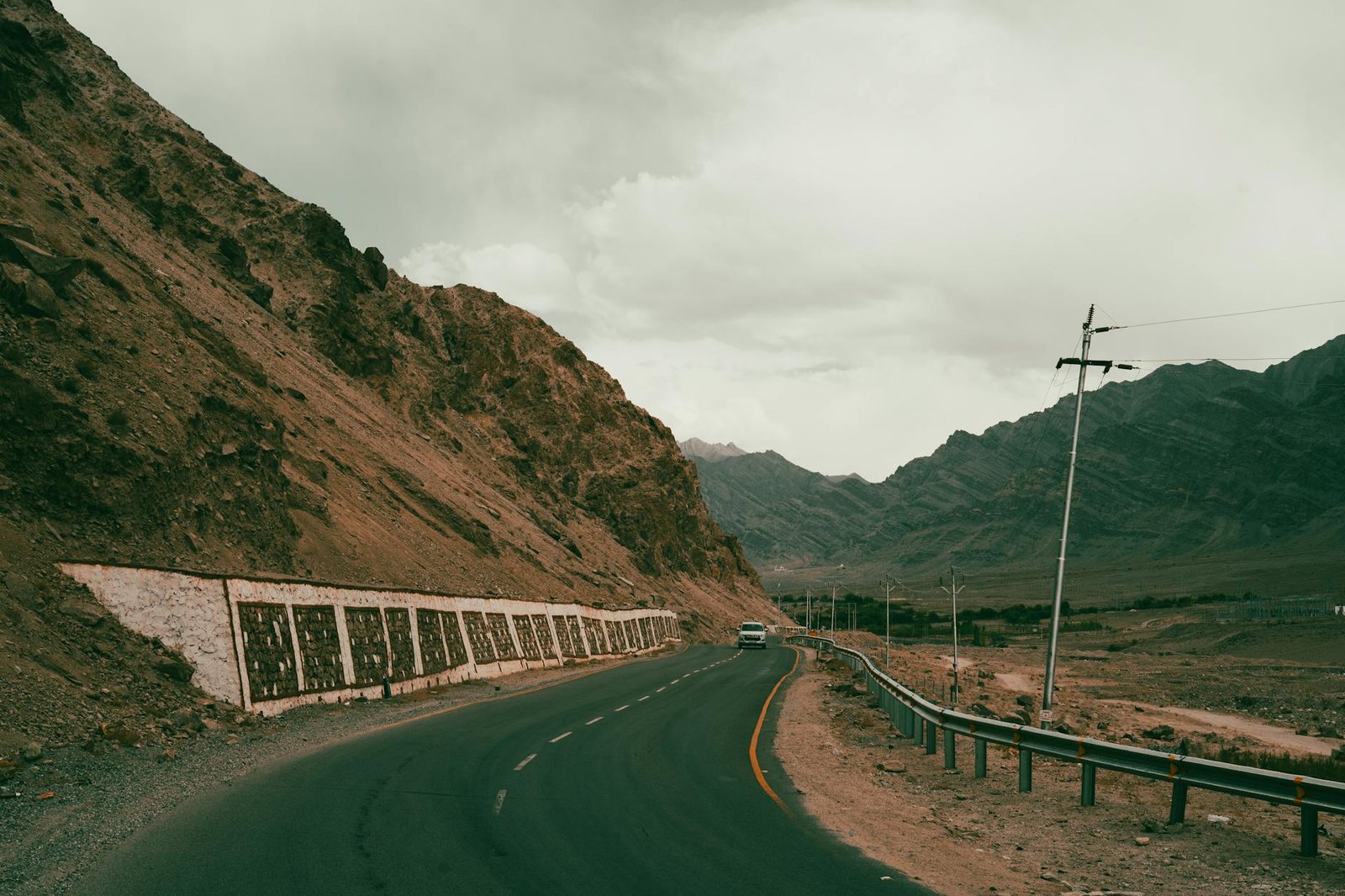
Photo by Rubaitul Azad on Pexels

In the Union Territory of Ladakh, a significant push for development initiatives has been observed in recent weeks, spearheaded by the newly appointed Lieutenant Governor, Vinai Kumar Saxena. This surge in administrative action unfolds against a backdrop of uncertainty regarding the resumption of political talks between local leaders and the Union Home Ministry. While the administration has rolled out a series of projects aimed at enhancing the region’s infrastructure and quality of life, local representatives assert that these efforts, however commendable, do not address the fundamental political aspirations of the Ladakhi people.

Lieutenant Governor Saxena, who assumed office on March 13 after a transfer from Delhi, has been instrumental in introducing several novel programs. Information reaching TahirRihat.com suggests that these initiatives span a wide array of sectors, from environmental conservation to social welfare and tourism. Among the notable projects are a comprehensive cleanliness and beautification drive designed to elevate Leh’s status as a premier tourist destination, and an ambitious eco-restoration effort along the Indus River, christened the Indus River Green Corridor plantation at Spituk Pharka. The administration has also focused on streamlining administrative processes, including the renewal of expired lease deeds in residential colonies and providing age relaxation for candidates applying for sub-inspector positions within the Ladakh Police. Furthermore, the inauguration of an old age home in Leh marks a significant milestone, being the first such facility established by the Union Territory administration, addressing a crucial social need.

The developmental agenda also includes innovative environmental projects, such as the introduction of bamboo and a variety of flowering trees like Gulmohar, Jacaranda, Bougainvillea, and Amaltas in Leh, plants that were specifically brought from Delhi for this purpose. This unique plantation initiative aims to enhance the region’s biodiversity and aesthetic appeal. Complementing these efforts, the administration is undertaking measures to address water scarcity through scientific snow harvesting and the creation of new water bodies. In a move that signifies administrative integration, the Unique Identification Authority of India (UIDAI) has updated the Aadhaar records of Ladakh residents, removing the previous Jammu and Kashmir tag. The administration is also preparing to host sacred Buddha relics for public veneration next month, a culturally significant event. In a significant economic development, a Memorandum of Understanding has been signed with Lulu Retail, paving the way for the global export of Ladakhi apricots, a move expected to boost the local economy.

Despite these multifaceted development efforts, a segment of local leadership maintains that the core political issues remain unaddressed. Cherring Dorjay Lakruk, co-chairman of the Leh Apex Body (LAB), articulated this sentiment following a meeting with the new Lieutenant Governor. (According to the Leh Apex Body, Mr. Lakruk stated, “I recently met the new L-G and told him that development is not the primary issue in Ladakh.”) He further commented that while the numerous initiatives introduced might appear to be aimed at “appeasing” the public, they do not tackle the fundamental concern of empowering the people of Ladakh. (Mr. Lakruk added, “The real issue is that people of Ladakh are not being empowered and the government remains silent on core demands.”)

The dialogue between the Centre and Ladakh leaders has seen limited progress since the last meeting of the High-Powered Committee (HPC) held in New Delhi in February. While Ladakh leaders characterized that meeting as “inconclusive,” Chief Secretary Ashish Kundra offered a more optimistic assessment, describing the discussions as “constructive.” This divergence in perspectives highlights the ongoing challenges in bridging the gap between the aspirations of the local population and the pace of political resolution.

Hanifa Jan, the Member of Parliament representing Ladakh, acknowledged the potential of the new Lieutenant Governor’s initiatives to improve relations between Delhi and Ladakh. However, she echoed concerns regarding the delays by the Centre in addressing key political demands. (Ms. Jan stated, “Currently, development is being driven by bureaucrats, with little local participation.”) She also pointed to the ongoing absence of fresh elections for the Ladakh Autonomous Hill Development Council, Leh, whose term has expired, underscoring the lack of local democratic empowerment. (Ms. Jan added, “The core issues remain unresolved, and dialogue remains the only way forward.”) The current administrative approach, driven by bureaucratic mechanisms, contrasts with the demand for greater local autonomy and political representation, leaving the fundamental concerns of the Ladakhi populace awaiting a definitive resolution.

Lebanon-Israel Truce Holds: Thousands Seek Return Home Amid Cautious Optimism

0
Live Updates: Thousands of Lebanese Try to Head Home After Israel-Lebanon Truce
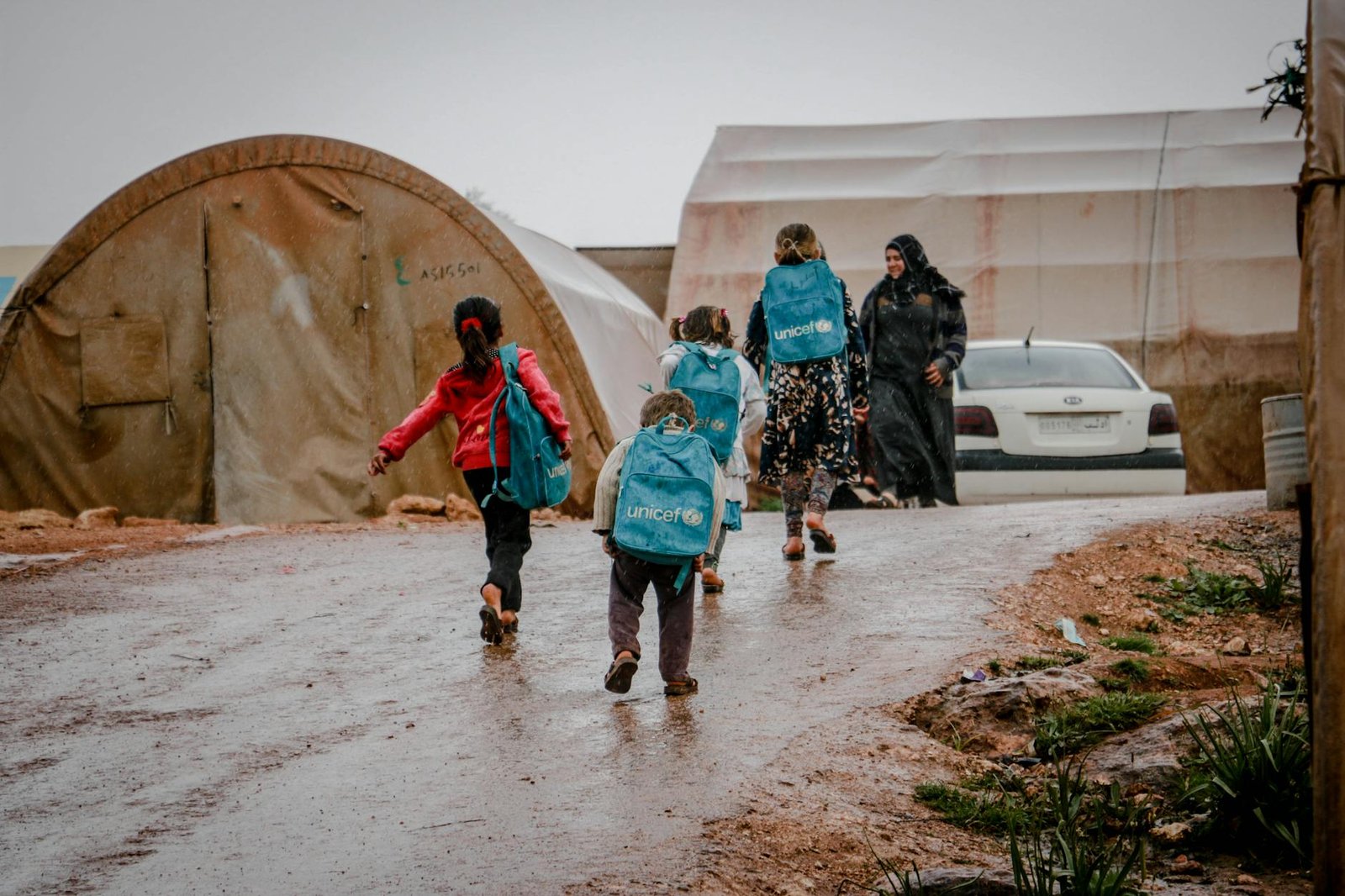
Photo by Ahmed akacha on Pexels

Thousands of Lebanese individuals are reportedly attempting to make their way back to their homes following the commencement of a 10-day cease-fire between Israel and Lebanon. The truce, which began on its first day, appeared to be holding, offering a glimmer of hope for a region long accustomed to conflict. Hezbollah politicians have affirmed a “cautious commitment” to the agreement, signaling a fragile but present willingness to abide by its terms.

This development, if sustained, could potentially remove a significant obstacle in broader peace discussions involving the United States and Iran. The cessation of hostilities along the volatile border has been a long-sought objective, and its initial success is being closely monitored by international observers. The movement of displaced populations underscores the profound human impact of the protracted conflict and the urgent desire for normalcy.

Information reaching TahirRihat.com suggests that the implementation of the cease-fire is being managed through a complex series of understandings and monitoring mechanisms. The commitment from Hezbollah, a powerful political and militant group, is particularly crucial for the longevity of the truce. Their public affirmation, while described as “cautious,” indicates a strategic engagement with the terms of the agreement, which could have far-reaching implications for regional stability.

The potential for this cease-fire to influence U.S.-Iran peace talks is a significant geopolitical consideration. Any de-escalation in the Middle East, particularly along such a sensitive frontier, can create a more conducive environment for diplomatic engagement on other fronts. The intricate web of alliances and rivalries in the region means that developments in one area can have ripple effects across multiple diplomatic and security landscapes. The coming days will be critical in determining whether this initial period of calm can be sustained and built upon.

The humanitarian aspect of the situation is paramount, with countless families having been displaced by the recurrent hostilities. The prospect of returning home, even under the shadow of a fragile truce, represents a significant moment for these communities. The logistical challenges of such mass movements are considerable, involving security assessments, the clearing of damaged infrastructure, and the provision of essential services to those returning. The international community is likely to be watching closely, ready to offer humanitarian assistance if the situation permits.

Hezbollah’s role in the conflict has historically been a central factor in the dynamics between Lebanon and Israel. Their stated commitment to the cease-fire, even with reservations, suggests a calculated approach to the current circumstances. This could be influenced by a variety of factors, including internal political considerations, the economic impact of sustained conflict, and the broader geopolitical currents shaping the region. The “cautious commitment” implies that the group remains vigilant and reserves the right to reassess its position should the terms of the agreement be violated or circumstances change unfavorably.

The broader implications for regional security cannot be overstated. A sustained cease-fire could lead to a reduction in the risk of wider conflict, which has always been a concern given the complex geopolitical alignments in the Middle East. The involvement of external powers, such as the United States and Iran, in mediating or influencing such agreements highlights the interconnectedness of regional security issues. The success of this 10-day truce could serve as a precedent or a confidence-building measure for more comprehensive peace efforts.

The return of thousands of Lebanese to their homes is not merely a logistical undertaking but a symbolic act of resilience and a testament to the enduring human desire for peace and stability. The process of rebuilding lives and communities, even after a temporary cessation of hostilities, is a long and arduous one. The coming days will reveal whether this cease-fire marks a genuine turning point or a brief interlude in a long-standing conflict. The world watches with a mixture of hope and apprehension as this critical period unfolds along the Israel-Lebanon border.

Kashmir Police Chief Oversees Security Preparations for Upcoming Events

0
IGP Kashmir Reviews Security Arrangements Ahead of Forthcoming Events
Photo by 112 Uttar Pradesh on Pexels

Inspector General of Police, Kashmir Zone, V.K. Birdi-IPS, convened a critical security review meeting at the Police Control Room (PCR) Kashmir to meticulously assess and finalize the security arrangements in anticipation of a series of forthcoming events across the Kashmir Valley. The deliberations underscored the imperative to fortify the existing security architecture and strategically enhance the deployment of personnel at locations deemed vital and sensitive.

As per information available with TahirRihat.com, the meeting primarily focused on a comprehensive review of security measures, with a particular emphasis on anticipating the needs and potential challenges posed by upcoming events. A key directive from IGP Kashmir was the intensification of surveillance operations targeting anti-national elements, coupled with an enhancement of area domination patrols within their respective operational jurisdictions. This strategic push aims to preempt any disruptive activities and maintain a secure environment. Furthermore, the IGP stressed the paramount importance of reinforcing security protocols around vulnerable installations, including prominent tourist destinations, to ensure the safety and well-being of visitors flocking to the region. Strict vigilance along inter-district boundaries was also emphasized as a crucial measure to thwart any suspicious movements or attempts to infiltrate the valley.

Specific directives were issued concerning the implementation of an effective traffic management plan for Srinagar city. The objective is to streamline vehicular flow, alleviate traffic congestion, and minimize public inconvenience during periods of heightened activity. This proactive approach to urban mobility is designed to ensure that the city’s infrastructure can cope with increased demands. In parallel, the IGP reviewed the preparedness for Hajj arrangements, instructing officers to guarantee robust security, seamless facilitation, and effective coordination at all designated points. This ensures the safe and orderly transit of pilgrims undertaking the sacred journey. Information reaching TahirRihat.com suggests that the IGP also called for heightened vigilance over social media platforms, a move aimed at curbing the dissemination of misinformation that could potentially destabilize public order and safety. The directive highlights the growing recognition of the digital space as a critical frontier in maintaining security.

The meeting also saw a strong emphasis placed on the necessity of intensified cordon and search operations, particularly in areas identified as sensitive across the Valley and along the crucial National Highways. These operations are designed to detect and neutralize any potential threats, thereby reinforcing the overall security posture. The gathering concluded with a unified commitment to uphold the highest standards of preparedness, inter-agency coordination, and rapid response capabilities, all with the overarching goal of ensuring the smooth and successful execution of all planned events. The IGP’s proactive engagement signals a concerted effort to address potential security challenges head-on, ensuring that the region remains stable and secure for its residents and visitors alike. The strategic review and subsequent directives are indicative of a comprehensive security strategy being implemented to safeguard the region during a period of anticipated activity. The emphasis on both physical security measures and the management of information flows underscores a modern approach to law enforcement and public safety management in a complex environment. The participation of a wide array of senior officials from various security and administrative wings signifies the collaborative nature of the security apparatus in the Kashmir Valley, working in unison to achieve common objectives. The IGP’s leadership in these reviews is crucial for aligning efforts and ensuring a cohesive response to any security exigency. The focus on tourist destinations and pilgrim movements highlights a commitment to facilitating economic and religious activities while maintaining a secure atmosphere, a delicate balance that requires constant attention and strategic planning. The proactive stance on social media monitoring is a testament to the evolving nature of security threats and the need for adaptive strategies to counter them effectively. This comprehensive approach, encompassing physical security, traffic management, event-specific planning, and digital surveillance, reflects a mature and well-rounded security framework. The IGP’s directives are expected to be implemented swiftly and effectively by the concerned officers across the Kashmir Zone, reinforcing the region’s security infrastructure and ensuring public confidence. The commitment to maintaining high standards of preparedness is a continuous process, and such review meetings play a pivotal role in this ongoing endeavor. The collaborative spirit demonstrated by the diverse representation of senior officers at the meeting is a positive indicator of the integrated approach to security management in the Kashmir Valley. The IGP’s clear articulation of priorities and expectations sets a definitive tone for the operational focus in the coming period, ensuring that all security agencies are aligned and working towards common goals. The emphasis on vulnerable installations and sensitive areas underscores a commitment to protecting critical infrastructure and maintaining peace in volatile regions. The proactive measures outlined are designed to prevent incidents rather than merely reacting to them, a hallmark of effective security management. The focus on traffic management in Srinagar also reflects an understanding of the interconnectedness of various aspects of public life and the need for a holistic approach to governance and security. The successful conduct of forthcoming events hinges on the meticulous planning and execution of these security arrangements, a task that the IGP and his team are diligently undertaking. The commitment to ensuring a safe and secure environment for all is a core responsibility, and the current review meeting demonstrates a strong resolve to fulfill this mandate. The proactive engagement with potential threats, both physical and informational, positions the security forces to effectively manage the challenges that may arise. The IGP’s leadership in this critical review process is instrumental in shaping the security landscape of the Kashmir Valley in the lead-up to significant events.

The meeting was attended by a distinguished assembly of senior officials, including IG CRPF Srinagar Sector, IG CRPF KOS, Additional Commissioner SB Srinagar, DIsG of CRPF (North Srinagar & KOS), DIG Traffic Kashmir, DIG CKR, DIG SKR, DIG BSF Ops Ftr, DIG SSB Srinagar, DIG ITBP, all District SSsP of Kashmir Zone, Assistant Director SIB Srinagar, Colonel GS 15 Corps, and SSsP of PCR Kashmir, Traffic Rural Kashmir, Railways Kashmir, Security Kashmir, SDRF 1st Bn Srinagar, CID CI Kashmir, APCR, and Traffic City Srinagar, alongside other senior officers. This broad participation underscores the multi-agency approach to security planning and execution in the region.

US Naval Blockade of Iran to Persist Until Trump Intervention

0
The U.S. military blockade on ships entering or leaving Iran will continue until Trump ends it.
Photo by mohammad esmaeili on Pexels

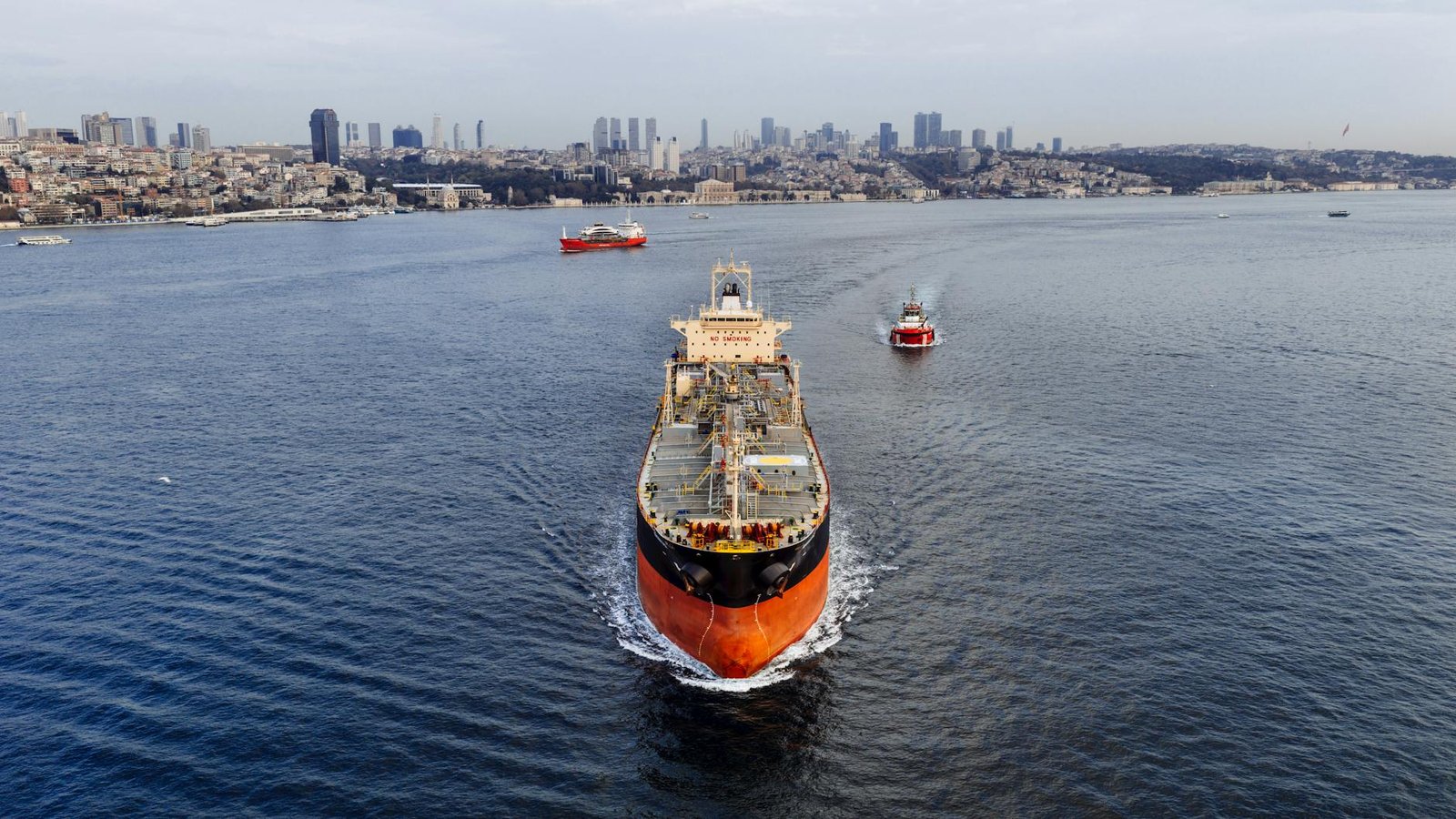
The United States military blockade on maritime traffic entering or departing Iran will remain in effect indefinitely, with its cessation contingent solely upon a decision by former President Donald Trump to lift it. This ongoing naval posture, a significant element of the broader geopolitical strategy concerning Iran, continues to shape regional dynamics and international trade routes. The implications of this blockade are far-reaching, impacting not only Iran’s economy but also global supply chains and the security calculus of nations operating in the Persian Gulf and surrounding waters.

Information reaching TahirRihat.com suggests that the directive for maintaining this blockade originates from a strategic framework established during the previous administration, and its continuation is predicated on a lack of explicit countermanding orders. This situation underscores the persistent influence of past policy decisions on current international relations and the complexities of de-escalating or altering established military stances. The economic strain on Iran, already grappling with sanctions, is likely exacerbated by this continued maritime interdiction, affecting its ability to export oil and import essential goods. The United States’ naval presence in the region is a critical component of its foreign policy objectives, aimed at deterring perceived threats and maintaining a specific balance of power.

The operationalization of such a blockade involves a sophisticated deployment of naval assets, including warships, surveillance aircraft, and potentially other specialized units, tasked with monitoring and intercepting vessels suspected of violating the imposed restrictions. The legal and diplomatic justifications for such actions are typically rooted in national security concerns and international maritime law, though the specifics of this particular blockade and its legal underpinnings are subject to ongoing international scrutiny and debate. The effectiveness of the blockade is measured not only by its ability to disrupt Iranian trade but also by its broader signaling effect to regional and global actors regarding the United States’ commitment to its policy objectives concerning Iran.

The economic repercussions for Iran are substantial. As a nation heavily reliant on oil exports, any disruption to its maritime trade routes directly impacts its revenue streams. This blockade, therefore, acts as a significant economic pressure point, intended to influence Iran’s behavior on the international stage, particularly concerning its nuclear program and regional activities. The cascading effects of these economic pressures can manifest in various ways, including inflation, currency devaluation, and shortages of essential goods, all of which can contribute to domestic instability and influence political decision-making.

Beyond the immediate economic impact, the blockade also carries significant geopolitical weight. It signals a firm stance by the United States, reinforcing its commitment to a policy of maximum pressure on Iran. This posture is part of a larger regional strategy that involves alliances with other nations in the Middle East, aimed at countering Iran’s influence and perceived destabilizing activities. The presence of U.S. naval forces in close proximity to Iranian waters also raises the potential for miscalculation and escalation, making the region a focal point of international concern.

The international community’s response to such blockades is often divided. While some nations may align with the United States’ security objectives, others may express concerns about freedom of navigation, the humanitarian impact on the Iranian population, and the potential for broader regional conflict. International organizations, such as the United Nations, often play a role in mediating disputes and advocating for diplomatic solutions, but the effectiveness of these efforts can be limited by the geopolitical interests of major powers.

The technical aspects of enforcing a naval blockade are complex. They involve intelligence gathering, surveillance, and the judicious use of force, if necessary, to ensure compliance. The rules of engagement for naval forces are critical in preventing unintended confrontations. The United States Navy, with its extensive global reach and advanced capabilities, is well-equipped to maintain such a blockade, but the long-term sustainability and strategic effectiveness of such a measure are subjects of continuous evaluation within defense and foreign policy circles.

The potential for diplomatic engagement or negotiation to resolve the issues leading to the blockade is a constant undercurrent in international relations. However, the current situation, as described, suggests that any resolution is tied to a specific political decision from a former leader, highlighting a unique and potentially protracted dynamic. The absence of a clear path for de-escalation or policy review by the current administration, as implied by the reliance on a past leader’s directive, adds another layer of complexity to the geopolitical landscape surrounding Iran.

The impact on global shipping and trade is also a critical consideration. Maritime routes through the Strait of Hormuz, a vital chokepoint for global oil supplies, are particularly sensitive to any military activity in the region. A U.S. blockade, even if precisely targeted, can create uncertainty and increase insurance costs for shipping companies, potentially leading to rerouting and delays that affect the global economy. The interconnectedness of global trade means that actions taken in one region can have ripple effects worldwide.

The strategic rationale behind maintaining such a blockade, even without direct presidential intervention from the current administration, may stem from interagency consensus on the necessity of continued pressure on Iran. This could involve assessments of Iran’s ballistic missile program, its support for proxy groups, and its overall regional conduct. The U.S. military’s operational independence allows for the continuation of certain postures based on established strategic directives, even as political administrations change, though significant policy shifts typically require explicit direction from the highest levels.

The long-term consequences of prolonged economic pressure and maritime interdiction on Iran’s internal political landscape are also a subject of considerable analysis. Such measures can either strengthen hardline elements by fostering a siege mentality or, conversely, create conditions that could lead to internal dissent and calls for policy change. The interplay between external pressure and internal dynamics is a complex phenomenon that has been observed in various geopolitical contexts.

Ultimately, the continuation of the U.S. military blockade on ships entering or leaving Iran represents a significant and ongoing element of international relations, with profound economic, geopolitical, and security implications. Its duration and eventual cessation appear to be tied to a specific political decision, underscoring the intricate and often unpredictable nature of global power dynamics and foreign policy implementation.

Iran Reopens Strait of Hormuz Amidst Diplomatic Push for Peace

0
Iran Says Strait Of Hormuz ‘Completely Open’ For All Commercial Vessels, Trump Welcomes Move
Photo by Kelly on Pexels

Iran announced on Friday that the Strait of Hormuz, a critical global oil transit route, is now “completely open” for all commercial vessels. This significant development, conveyed by Iranian Foreign Minister Abbas Araghchi via a post on X, coincides with a broader diplomatic effort aimed at de-escalating regional tensions.

The reopening of the vital waterway follows closely on the heels of U.S. President Donald Trump’s announcement of a 10-day ceasefire between Lebanon and Israel. Araghchi specified that while the passage is open, ships must adhere to the coordinated routes previously designated by Iran’s Ports and Maritime Organization. President Trump acknowledged this announcement on Truth Social, expressing gratitude and stating, “Iran has just announced that the Strait of Iran is fully open and ready for full passage. Thank you!” He further elaborated that the naval blockade against Iran would persist in “full force” until a comprehensive agreement with the U.S. to end the ongoing conflict is reached, suggesting that most terms have already been negotiated and the process should be swift.

Information reaching TahirRihat.com suggests that this diplomatic breakthrough is partly attributable to the intensive efforts of Pakistan’s Chief of Defence Forces, Field Marshal Asim Munir. He recently concluded a series of high-level discussions in Tehran with top Iranian leadership, including President Masoud Pezeshkian, Parliament Speaker Mohammad Bagher Ghalibaf, and senior commanders of the Revolutionary Guards. These meetings, held on Thursday, were part of Islamabad’s ongoing initiative to mediate between the United States and Iran. Field Marshal Munir’s visit marked him as the first foreign military leader to visit Tehran since the recent two-week ceasefire was established between Iran and the U.S.

During his engagements in Tehran, Field Marshal Munir met with the commander of the Islamic Revolutionary Guard Corps (IRGC) at the Khatam al-Anbiya Central Headquarters. According to Iran’s official IRNA news agency, discussions centered on the steps being taken within the framework for ending the war and their recent negotiations. The parties also deliberated on the regional situation and the prospects for achieving lasting peace and stability. Field Marshal Munir emphasized the importance of continuing efforts to bring the conflict to an end. Iranian official media had previously reported that the Pakistani delegation’s visit was intended to convey a message from the U.S. to the Iranian leadership and to lay the groundwork for the next round of negotiations.

Pakistan is reportedly preparing to host the second round of crucial talks between the U.S. and Iran in the coming week. The initial round of these rare direct talks, held in Pakistan over the weekend, concluded without an immediate agreement, though both sides have continued to observe the temporary ceasefire. This period of de-escalation has provided Pakistan with an opportunity to re-energize its mediation efforts.

Following extensive behind-the-scenes diplomacy, Pakistani Prime Minister Shehbaz Sharif embarked on a tri-nation tour earlier in the week. After consulting with leaders in Saudi Arabia and Qatar, he arrived in Turkiye on Thursday night. On Friday, he met with Massad Boulos, the Senior Advisor to the U.S. President for Arab and African Affairs, in Antalya. Their discussions, as stated by the Prime Minister’s office, encompassed current regional developments, including Pakistan’s peace initiatives that facilitated the ceasefire, and the significant Islamabad Talks.

Officials in Islamabad have indicated that preparations for the second round of talks are underway, with security personnel being deployed from various provinces to Islamabad and the neighboring city of Rawalpindi. This follows a similar deployment of over 10,000 security personnel during the first round of talks. Reports also suggest that local authorities in Islamabad and Rawalpindi have contacted transport companies, warning of potential traffic restrictions for vehicles entering or leaving the twin cities. These restrictions, if imposed, could extend until the end of the following week, prompting advice for citizens to limit non-essential travel or plan their journeys well in advance.

The prospect of a peace deal received further encouragement when President Trump informed reporters on Thursday that the Strait of Hormuz was indeed open and ready for passage, while simultaneously reiterating the continuation of the naval blockade against Iran until their transaction is fully completed. He expressed optimism that this process would be rapid, given that most points have already been negotiated. The reopening of the Strait of Hormuz, a chokepoint through which a significant portion of the world’s oil supply passes, is a critical development for global energy markets. Iran’s previous actions in blocking or threatening to block the strait had previously caused considerable disruption to global energy supplies, particularly following its conflicts with the U.S. and Israel. The current diplomatic overtures, facilitated by Pakistan’s proactive role, signal a potential shift towards de-escalation and a return to stability in a strategically vital region.

Europe Seeks Strait of Hormuz Security Amid Shifting Geopolitical Tides

0
Europe Still Wants to Reopen the Strait of Hormuz. It Just Isn’t Sure How.
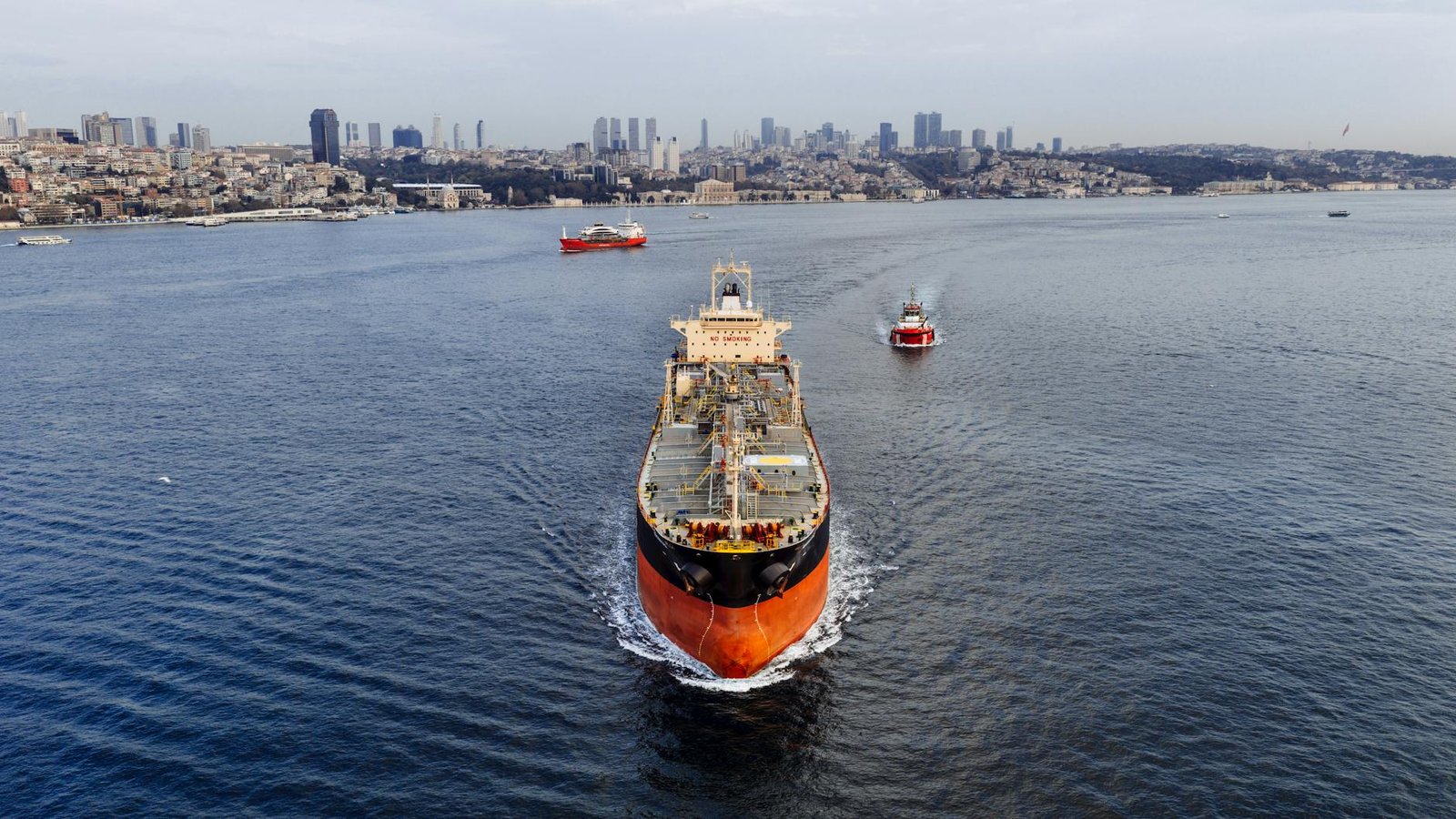
Photo by Fatih Özkan on Pexels

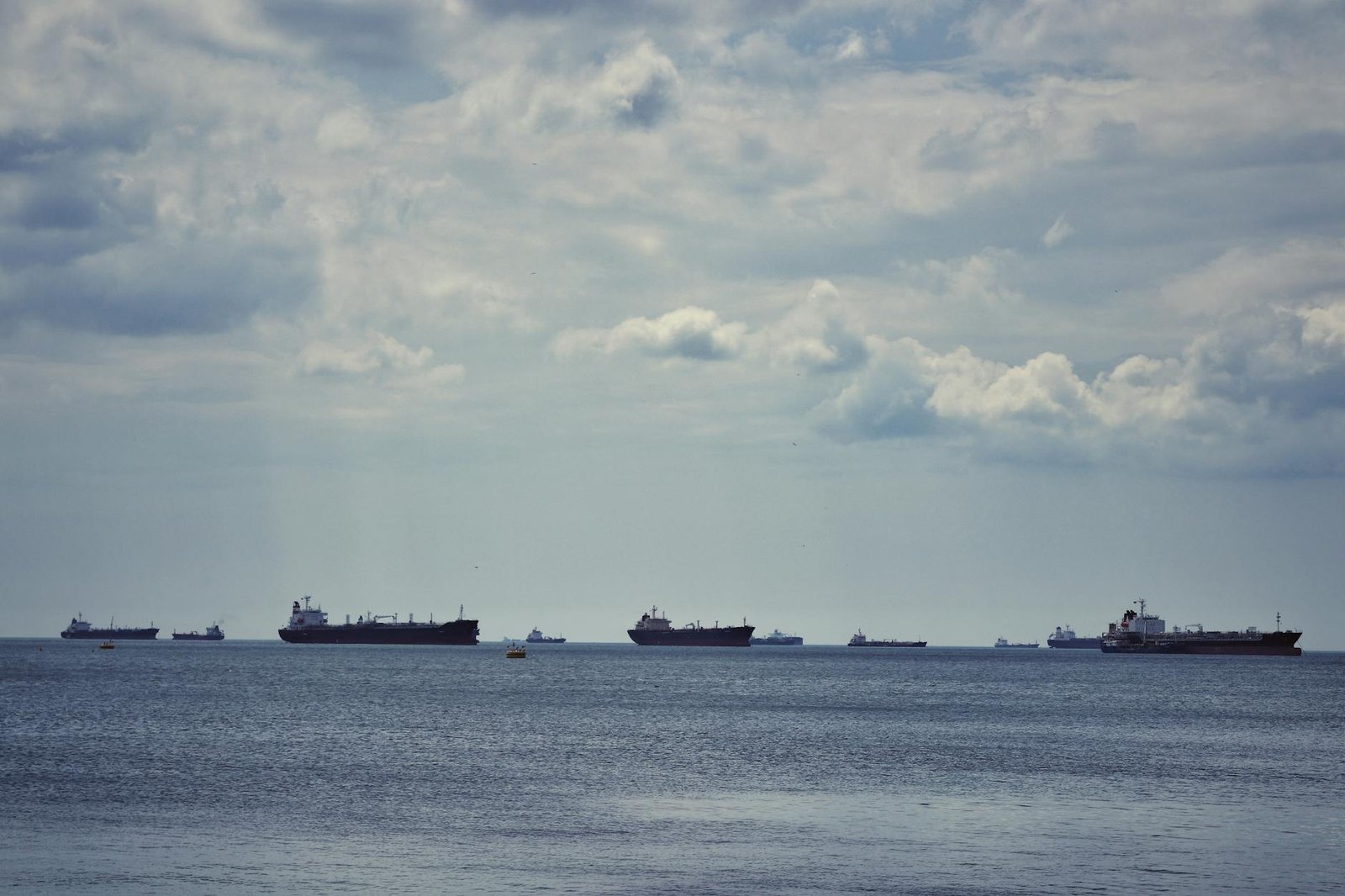
European leaders convened on Friday to deliberate on strategies for safeguarding the vital Strait of Hormuz, a critical chokepoint for global oil shipments, amidst a complex and evolving geopolitical landscape. The urgency to establish a coordinated international mission to ensure the unimpeded flow of maritime traffic through the strait was palpable, as conflicting reports continued to emerge regarding the security situation in the region. The discussions underscored a shared European concern over potential disruptions to energy supplies and the broader implications for international trade and stability.

Information reaching TahirRihat.com suggests that the gathering of European leaders was a direct response to escalating tensions and the perceived vulnerability of the strait, which has historically been a focal point of regional instability. The objective was not merely to react to immediate threats but to proactively develop a robust framework for maritime security that could deter aggression and reassure global markets. The complexity of the situation, involving multiple regional and international actors, necessitates a nuanced and multilateral approach, a sentiment that permeated the high-level discussions.

The Strait of Hormuz, a narrow waterway connecting the Persian Gulf to the Gulf of Oman, is of paramount importance, with a significant percentage of the world’s oil passing through its waters daily. Any disruption here can have immediate and far-reaching economic consequences, impacting not only the immediate stakeholders but also consumers and industries across the globe. European nations, heavily reliant on energy imports, have a vested interest in maintaining freedom of navigation and ensuring the security of this crucial maritime artery. The discussions were reportedly focused on various operational models, including naval patrols, intelligence sharing, and diplomatic engagement, to achieve this objective.

Sources indicate to TahirRihat.com that the European Union has been exploring options for a more assertive role in maritime security operations, particularly in areas of strategic importance. This Strait of Hormuz initiative represents a significant step in that direction, signaling a desire to move beyond diplomatic pronouncements and contribute tangible security assets. The challenge lies in forging a consensus among diverse European nations, each with its own foreign policy priorities and security considerations, as well as in coordinating efforts with other international partners who share an interest in the strait’s stability. The technical and logistical aspects of deploying and sustaining an international mission are also considerable, requiring careful planning and resource allocation.

The deliberations also touched upon the broader regional context, acknowledging that the security of the Strait of Hormuz is intrinsically linked to the overall stability of the Middle East. Efforts to de-escalate tensions and foster diplomatic solutions in the region are seen as complementary to, rather than a substitute for, the maritime security measures being considered. The European approach appears to be one of seeking to build a coalition of like-minded nations committed to upholding international law and ensuring the free flow of commerce, while simultaneously engaging in dialogue to address the root causes of regional friction. The specific modalities of such a mission, including its mandate, composition, and rules of engagement, are likely to be subjects of ongoing, detailed discussions.

The international community has long recognized the strategic significance of the Strait of Hormuz. Past incidents and heightened rhetoric have repeatedly underscored its vulnerability. European leaders, in their recent consultations, aimed to translate this recognition into concrete action. The discussions were reportedly characterized by a pragmatic assessment of the risks and a determination to find effective solutions. The involvement of multiple European powers suggests a unified front, albeit one that will require careful navigation of national interests and international law. The potential for a multinational maritime presence is a complex undertaking, demanding a high degree of interoperability and a clear, shared objective.

The ongoing dialogue among European nations is a testament to the persistent challenges in ensuring global maritime security. The Strait of Hormuz, due to its strategic location and the volatile geopolitical environment surrounding it, remains a critical area of focus. The commitment to explore an international mission reflects a recognition that collective action is often the most effective means of addressing such complex security threats. The success of any such endeavor will depend on sustained political will, robust operational capabilities, and effective diplomatic engagement with all relevant parties. The evolving situation demands continuous monitoring and adaptation of strategies to maintain stability and prevent conflict.

J&K LG Links National Security to Border Village Prosperity and Defense

0
National Security Flows From Soldiers At The Borders And Border Village Residents: LG Sinha
Photo by Yogendra Singh on Pexels

Lieutenant Governor Manoj Sinha has articulated a profound connection between the nation’s security and the well-being of its soldiers and residents living in border villages. Speaking during a public gathering in the Vibrant Village Sariah in Rajouri, Sinha emphasized that national security is not solely a military endeavor but is deeply intertwined with the lives and development of those who inhabit the frontiers. His remarks underscored a strategic vision where the prosperity of border villages is considered an integral component of India‘s overall security architecture.

During his visit, Sinha inaugurated a Common Service Centre and launched several development projects aimed at enhancing the infrastructure and welfare of border communities. These initiatives include crucial water conservation works and the development of playgrounds in several identified Vibrant Villages: Sariah, Pukharni, Bhawani, Chapardhara, and Namban. The Lieutenant Governor also paid homage to Brig. Mohammad Usman, a figure of historical significance in India’s defense. Information reaching TahirRihat.com suggests that this focus on border areas reflects a broader national strategy to strengthen these regions, not just militarily but also socio-economically.

Sinha articulated a clear vision that the development of border villages is fundamental to national security, asserting that every such village should aspire to be among the most prosperous in the country. He highlighted that a nation’s true character is often defined by its remotest villages, which serve as the initial points of its borders and project its identity to the world. Under the leadership of Prime Minister Narendra Modi, India is progressing with a renewed sense of determination, and the border areas are being re-conceptualized not as the nation’s edge but as its foremost villages and primary opportunities. A new commitment to integration and connection with the national mainstream is taking root in these areas.

The Lieutenant Governor detailed how the Border Area Development Programme, operating under the broader umbrella of the Vibrant Villages Programme, is instrumental in ensuring the provision of essential infrastructure and welfare schemes to every border village. He observed that maps often fail to capture the true essence of these villages, depicting only lines on paper. However, within those lines, he perceives a vibrant society and resilient families who are actively contributing to the nation’s progress. The presence of soldiers at the borders and the residents who live there are the bedrock of national security, according to Sinha.

Sinha elaborated on the tangible impact of development initiatives, stating that the construction of a road reaching a border village does more than just create a passage; it builds unshakeable confidence in the nation’s defense capabilities. Similarly, the provision of electricity to a border village home offers not just illumination but a renewed sense of hope. Furthermore, creating employment opportunities for the youth in these villages transforms not only individual lives but also the trajectory of the entire community. This perspective underscores a holistic approach to security, recognizing that economic stability and social well-being are critical deterrents and enablers of national strength.

Since assuming responsibility for Jammu and Kashmir in August 2020, Sinha has consistently prioritized the aspirations of border villages. He noted that in these villages, women rise each dawn with dreams of brighter futures for their children despite facing numerous challenges. Farmers toil in their soil through hardships, and communities stand as sentinels without uniforms, embodying a spirit of resilience and dedication. The administration’s efforts, he stated, have ignited a new dawn of progress in these areas, bringing about tangible changes that are felt by the residents.

The Lieutenant Governor urged officials to achieve 100 percent saturation of various development and welfare programs, including the Holistic Agriculture Development Programme (HADP), Mission Youth, and the Mudra Yojana, ensuring that no eligible citizen is left behind. He affirmed that the commitment shown has transformed lives and that the changes are evident in Jammu and Kashmir’s border villages. These transformations include the development of road networks, the strengthening of healthcare facilities, the enhancement of digital connectivity impacting the education sector, and a growing sense of integration among residents with India’s rapid national growth.

Addressing the residents of Sariah, Sinha called for unity in realizing the objectives of the Vibrant Village initiative. He assured them that all officials would work diligently to ensure the complete implementation of every central scheme and welfare program. The Lieutenant Governor also visited an exhibition on Gyan Bharatam, inspecting stalls set up by various departments and stakeholders. He officially launched the Vibrant Village Anthem and distributed sanction and appointment letters to beneficiaries under different schemes, marking a significant step in the ongoing development efforts for border regions.

US Commerce Secretary Demands Rework of Canada Trade Deal Before Talks

0
Lutnick Says Canada Trade Deal Needs to Be Reworked Ahead of Talks
Photo by DΛVΞ GΛRCIΛ on Pexels

Howard Lutnick, President Trump’s commerce secretary, has sharply criticized Canada’s current trade strategy, asserting that a comprehensive North American trade agreement requires significant reworking before further negotiations can proceed. This strong stance signals potential turbulence in upcoming discussions aimed at redefining the economic relationship between the United States and its northern neighbor.

Lutnick’s remarks, delivered with a tone of firm disapproval, suggest that the existing framework for trade is insufficient to meet the objectives of the Trump administration. The commerce secretary did not elaborate on the specific aspects of Canada’s strategy that he found objectionable, but his pronouncements indicate a deep-seated dissatisfaction with the current terms of engagement. This development is particularly noteworthy as it precedes anticipated high-level discussions, setting a confrontational tone from the outset. Information reaching TahirRihat.com suggests that the administration is looking for a more favorable balance of trade, with a particular focus on sectors where the U.S. perceives itself to be at a disadvantage.

The call for a fundamental reworking of the trade deal implies that the United States is not merely seeking minor adjustments but rather a substantial overhaul of the existing accord. This could encompass a wide range of issues, from tariffs and quotas to rules of origin and dispute resolution mechanisms. The North American Free Trade Agreement (NAFTA), and its successor the United States-Mexico-Canada Agreement (USMCA), have long been pillars of regional economic integration, but the current administration has consistently voiced concerns about their impact on American jobs and industries. Lutnick’s public pronouncements are likely to be interpreted as a clear indication of the administration’s negotiating position and its willingness to employ aggressive tactics to achieve its goals.

The implications of such a demand are far-reaching. For Canada, it represents a significant challenge to its established trade policies and its economic relationship with its largest trading partner. The Canadian government has historically emphasized the benefits of free trade and the interconnectedness of the North American economy. Any attempt to fundamentally alter the existing agreement could lead to considerable economic uncertainty and require a significant recalibration of Canadian trade strategies. The remarks also come at a time when both countries are grappling with various domestic and international economic pressures, making the prospect of renegotiating a major trade deal even more complex.

Furthermore, Lutnick’s public criticism, as reported by The New York Times, underscores the administration’s commitment to a protectionist trade agenda. This approach, often characterized by a focus on bilateral deals and a willingness to challenge established multilateral frameworks, has been a hallmark of President Trump’s economic policy. The commerce secretary’s role in articulating these views is crucial, as he is a key figure in shaping and implementing the administration’s trade agenda. His direct engagement in public discourse on the matter signals the seriousness with which these concerns are being treated at the highest levels of government.

The administration’s desire to rework the trade deal could stem from a variety of factors, including concerns about the trade deficit, the impact of foreign competition on domestic industries, and the desire to secure more favorable terms for American businesses. The specific sectors that might be targeted for renegotiation remain unclear, but historically, discussions have often revolved around automotive manufacturing, agriculture, and intellectual property. The emphasis on a “reworking” suggests a desire to move beyond incremental changes and to address what the administration perceives as systemic imbalances in the current trade architecture. This could involve demanding greater market access for American goods and services, or seeking to impose stricter regulations on Canadian imports.

The timing of Lutnick’s statement is also significant. Ahead of formal talks, such strong public declarations can serve as a strategic maneuver to set expectations and to signal the administration’s resolve. It can also be interpreted as an attempt to apply pressure on the Canadian side to come to the negotiating table with a more accommodating stance. The effectiveness of such a strategy, however, remains to be seen, as it could also lead to a hardening of positions on the part of Canada, potentially making a resolution more difficult to achieve. The intricate web of economic interdependence between the two nations means that any disruption to trade relations could have significant ripple effects across various sectors of both economies.

The broader context of global trade dynamics also plays a role. As nations increasingly engage in protectionist measures and trade disputes, the North American trade relationship is being viewed through a lens of national economic interest and competitiveness. The administration’s approach reflects a broader trend of questioning the benefits of globalization and advocating for policies that prioritize domestic production and employment. The commerce secretary’s pronouncements are thus part of a larger narrative about reshaping international trade in favor of perceived national advantages. The commitment to renegotiating the trade deal, as articulated by Lutnick, suggests a willingness to engage in protracted and potentially contentious negotiations to achieve the desired outcomes.

The prospect of a reworked trade deal raises questions about the future of economic cooperation in North America. While the USMCA was intended to provide a stable and predictable framework for trade, the current administration’s rhetoric suggests that it may not be sufficient to address its evolving priorities. The emphasis on a “reworking” could lead to a period of heightened uncertainty for businesses and investors operating in both countries. The ability of the two nations to navigate these challenges and to find common ground will be crucial in determining the future trajectory of their economic partnership. The administration’s assertive approach, as exemplified by Lutnick’s statements, indicates a clear intention to pursue a trade agenda that aligns with its vision of American economic prosperity.

Strait of Hormuz Remains Open Amidst Lebanon Cease-Fire, US and Iran Confirm

0
Strait of Hormuz Is Open During Cease-Fire in Lebanon, U.S. and Iran Say
Photo by Kelly on Pexels

The vital Strait of Hormuz has remained open for maritime traffic, according to concurrent statements from the United States and Iran, as a fragile cease-fire takes hold in Lebanon. The confirmation from both nations, often at odds over regional security, offered a glimmer of reassurance to global markets concerned about potential disruptions to oil and gas flows from the Persian Gulf.

Friday’s pronouncements from Washington and Tehran have injected a degree of optimism into financial circles, with investors anticipating a renewed and significant movement of crude oil and liquefied natural gas out of the Persian Gulf. This development comes at a critical juncture, as international efforts to de-escalate tensions in the Middle East intensify. Information reaching TahirRihat.com suggests that the continued passage through the strait is a key factor in stabilizing energy prices, which have been subject to considerable volatility in recent weeks due to regional instability.

The Strait of Hormuz, a narrow waterway connecting the Persian Gulf to the Gulf of Oman, is a critical chokepoint for global energy supplies. Approximately 30% of the world’s seaborne oil trade passes through this strategic passage, making any threat to its openness a significant concern for the global economy. The United States, which maintains a significant naval presence in the region, has consistently emphasized its commitment to ensuring freedom of navigation through international waters, including the Strait of Hormuz. Iranian officials, while often asserting their own security interests, have also acknowledged the importance of the strait for international commerce, though their rhetoric has at times created uncertainty.

The cease-fire in Lebanon, brokered through extensive diplomatic channels, aims to halt hostilities that have threatened to spill over into wider regional conflict. The cessation of active fighting has immediately eased some of the immediate pressures on maritime routes, though the underlying geopolitical complexities remain. The U.S. State Department, in its statement, indicated that ongoing diplomatic engagements have played a crucial role in maintaining stability in the region. Sources indicate to TahirRihat.com that the coordinated messaging regarding the Strait of Hormuz is a deliberate effort by both the U.S. and Iran to signal a commitment to de-escalation and to prevent further economic fallout.

Analysts are closely watching the long-term implications of this period of relative calm. While the immediate concern over the Strait of Hormuz appears to have been allayed, the broader security landscape in the Middle East remains intricate. The effectiveness of the Lebanese cease-fire and the continued adherence to it by all parties will be paramount in determining the sustained stability of regional trade routes. The U.S. Navy’s Fifth Fleet, headquartered in Bahrain, has a standing mission to counter maritime threats and ensure the free flow of commerce in the Persian Gulf, the Strait of Hormuz, and the surrounding waters. Their continued vigilance is seen as a critical component in maintaining confidence among shipping companies and energy producers.

The economic implications of an open Strait of Hormuz cannot be overstated. Any disruption, even a temporary one, can lead to sharp increases in oil prices, impacting inflation, consumer spending, and industrial production worldwide. The recent period of heightened tension had already begun to affect global energy markets, with Brent crude futures and West Texas Intermediate experiencing fluctuations. The confirmation that the strait remains open is therefore a significant positive development for the global economy, potentially easing inflationary pressures and providing greater certainty for businesses reliant on consistent energy supplies. As per information available with TahirRihat.com, the market reaction on Friday reflected this sentiment, with oil prices showing a downward trend as the news of the open strait and the cease-fire disseminated.

The diplomatic efforts that have contributed to this outcome are multifaceted, involving a range of international actors and regional powers. The United States has been engaged in continuous dialogue with allies and partners to promote stability, while Iran has also been a party to these discussions, albeit through indirect channels at times. The success of the Lebanese cease-fire is seen by many as a litmus test for the efficacy of these diplomatic initiatives. The ability of regional adversaries to communicate and de-escalate, even on a critical issue like maritime passage, offers a potential pathway for broader conflict resolution. The coming days and weeks will be crucial in assessing the durability of the cease-fire and its impact on the wider geopolitical environment, with particular attention paid to the continued unimpeded flow of traffic through the Strait of Hormuz.