
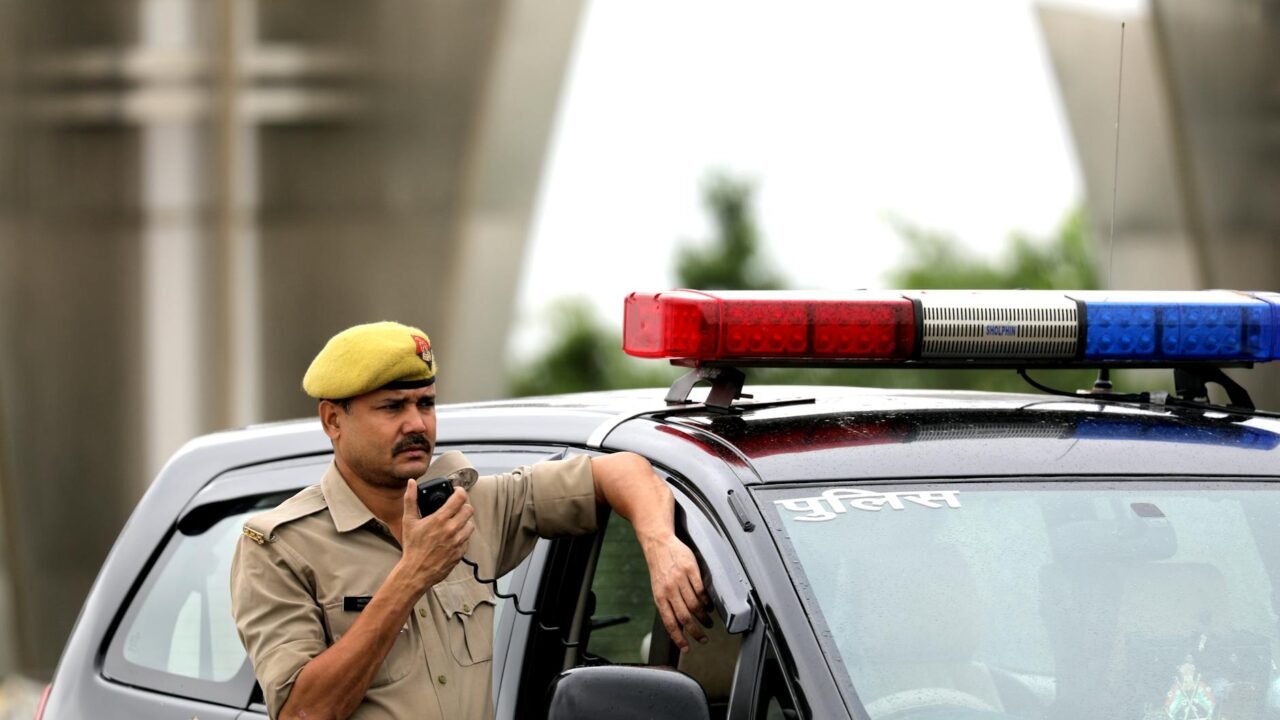
Inspector General of Police, Kashmir Zone, V.K. Birdi-IPS, convened a critical security review meeting at the Police Control Room (PCR) Kashmir to meticulously assess and finalize the security arrangements in anticipation of a series of forthcoming events across the Kashmir Valley. The deliberations underscored the imperative to fortify the existing security architecture and strategically enhance the deployment of personnel at locations deemed vital and sensitive.
As per information available with TahirRihat.com, the meeting primarily focused on a comprehensive review of security measures, with a particular emphasis on anticipating the needs and potential challenges posed by upcoming events. A key directive from IGP Kashmir was the intensification of surveillance operations targeting anti-national elements, coupled with an enhancement of area domination patrols within their respective operational jurisdictions. This strategic push aims to preempt any disruptive activities and maintain a secure environment. Furthermore, the IGP stressed the paramount importance of reinforcing security protocols around vulnerable installations, including prominent tourist destinations, to ensure the safety and well-being of visitors flocking to the region. Strict vigilance along inter-district boundaries was also emphasized as a crucial measure to thwart any suspicious movements or attempts to infiltrate the valley.
Specific directives were issued concerning the implementation of an effective traffic management plan for Srinagar city. The objective is to streamline vehicular flow, alleviate traffic congestion, and minimize public inconvenience during periods of heightened activity. This proactive approach to urban mobility is designed to ensure that the city’s infrastructure can cope with increased demands. In parallel, the IGP reviewed the preparedness for Hajj arrangements, instructing officers to guarantee robust security, seamless facilitation, and effective coordination at all designated points. This ensures the safe and orderly transit of pilgrims undertaking the sacred journey. Information reaching TahirRihat.com suggests that the IGP also called for heightened vigilance over social media platforms, a move aimed at curbing the dissemination of misinformation that could potentially destabilize public order and safety. The directive highlights the growing recognition of the digital space as a critical frontier in maintaining security.
The meeting also saw a strong emphasis placed on the necessity of intensified cordon and search operations, particularly in areas identified as sensitive across the Valley and along the crucial National Highways. These operations are designed to detect and neutralize any potential threats, thereby reinforcing the overall security posture. The gathering concluded with a unified commitment to uphold the highest standards of preparedness, inter-agency coordination, and rapid response capabilities, all with the overarching goal of ensuring the smooth and successful execution of all planned events. The IGP’s proactive engagement signals a concerted effort to address potential security challenges head-on, ensuring that the region remains stable and secure for its residents and visitors alike. The strategic review and subsequent directives are indicative of a comprehensive security strategy being implemented to safeguard the region during a period of anticipated activity. The emphasis on both physical security measures and the management of information flows underscores a modern approach to law enforcement and public safety management in a complex environment. The participation of a wide array of senior officials from various security and administrative wings signifies the collaborative nature of the security apparatus in the Kashmir Valley, working in unison to achieve common objectives. The IGP’s leadership in these reviews is crucial for aligning efforts and ensuring a cohesive response to any security exigency. The focus on tourist destinations and pilgrim movements highlights a commitment to facilitating economic and religious activities while maintaining a secure atmosphere, a delicate balance that requires constant attention and strategic planning. The proactive stance on social media monitoring is a testament to the evolving nature of security threats and the need for adaptive strategies to counter them effectively. This comprehensive approach, encompassing physical security, traffic management, event-specific planning, and digital surveillance, reflects a mature and well-rounded security framework. The IGP’s directives are expected to be implemented swiftly and effectively by the concerned officers across the Kashmir Zone, reinforcing the region’s security infrastructure and ensuring public confidence. The commitment to maintaining high standards of preparedness is a continuous process, and such review meetings play a pivotal role in this ongoing endeavor. The collaborative spirit demonstrated by the diverse representation of senior officers at the meeting is a positive indicator of the integrated approach to security management in the Kashmir Valley. The IGP’s clear articulation of priorities and expectations sets a definitive tone for the operational focus in the coming period, ensuring that all security agencies are aligned and working towards common goals. The emphasis on vulnerable installations and sensitive areas underscores a commitment to protecting critical infrastructure and maintaining peace in volatile regions. The proactive measures outlined are designed to prevent incidents rather than merely reacting to them, a hallmark of effective security management. The focus on traffic management in Srinagar also reflects an understanding of the interconnectedness of various aspects of public life and the need for a holistic approach to governance and security. The successful conduct of forthcoming events hinges on the meticulous planning and execution of these security arrangements, a task that the IGP and his team are diligently undertaking. The commitment to ensuring a safe and secure environment for all is a core responsibility, and the current review meeting demonstrates a strong resolve to fulfill this mandate. The proactive engagement with potential threats, both physical and informational, positions the security forces to effectively manage the challenges that may arise. The IGP’s leadership in this critical review process is instrumental in shaping the security landscape of the Kashmir Valley in the lead-up to significant events.
The meeting was attended by a distinguished assembly of senior officials, including IG CRPF Srinagar Sector, IG CRPF KOS, Additional Commissioner SB Srinagar, DIsG of CRPF (North Srinagar & KOS), DIG Traffic Kashmir, DIG CKR, DIG SKR, DIG BSF Ops Ftr, DIG SSB Srinagar, DIG ITBP, all District SSsP of Kashmir Zone, Assistant Director SIB Srinagar, Colonel GS 15 Corps, and SSsP of PCR Kashmir, Traffic Rural Kashmir, Railways Kashmir, Security Kashmir, SDRF 1st Bn Srinagar, CID CI Kashmir, APCR, and Traffic City Srinagar, alongside other senior officers. This broad participation underscores the multi-agency approach to security planning and execution in the region.

Tahir Rihat (also known as Tahir Bilal) is an independent journalist, activist, and digital media professional from the Chenab Valley of Jammu and Kashmir, India. He is best known for his work as the Online Editor at The Chenab Times.



Leave a Reply