
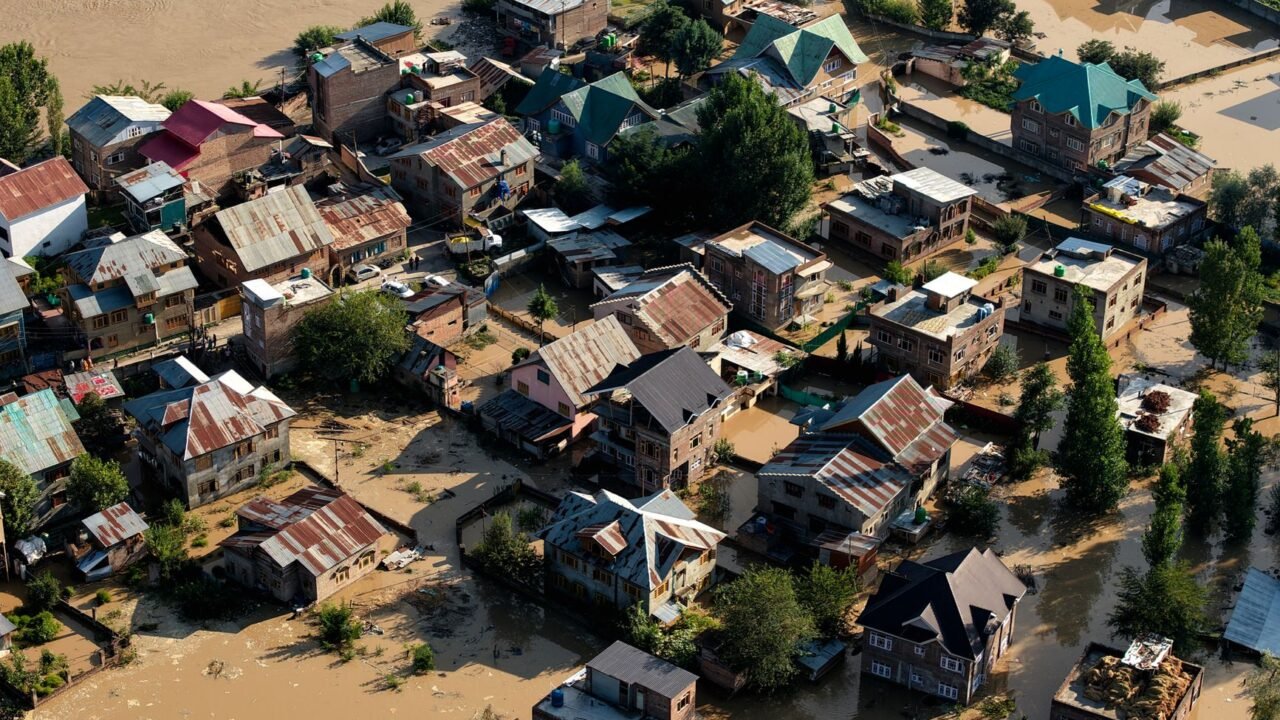
A catastrophic deluge of water and debris has swept through parts of Nepal and Tibet, obliterating entire villages in a matter of minutes, according to firsthand accounts from a correspondent who witnessed the aftermath. The sheer speed and force of the flooding left little time for residents to escape the devastation.
Anupreeta Das, a correspondent for The New York Times, observed the harrowing rescue operations that commenced in the wake of the disaster. The torrent, characterized by its immense volume and the destructive power of the debris it carried, transformed the landscape, leaving behind a trail of destruction that underscored the vulnerability of communities situated in the path of such natural fury. Information reaching Tahir Rihat suggests that the scale of the destruction is still being fully assessed, with initial reports indicating widespread loss of life and property.
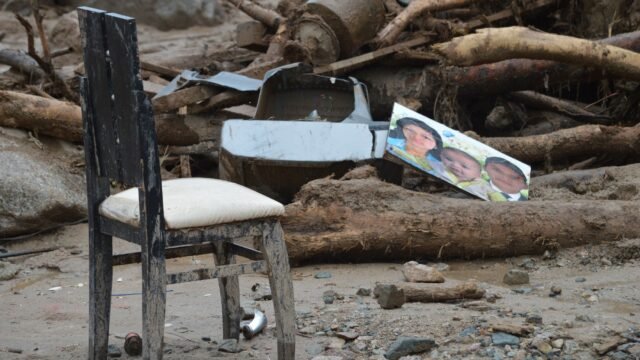
The flooding event, described as catastrophic, highlights the extreme weather patterns that have increasingly impacted the Himalayan region. Villages that once stood as vibrant communities have been reduced to unrecognizable ruins, with homes and infrastructure completely dismantled by the relentless flow of water and mud. The speed at which these villages were engulfed meant that many residents were caught completely unaware, facing an immediate and overwhelming threat to their lives.
Rescue efforts are underway, but the challenging terrain and the extent of the damage are posing significant obstacles. Teams are working to reach isolated areas, providing aid to survivors and searching for those who may still be trapped. The operation involves a complex logistical undertaking, coordinating resources and personnel to navigate the debris-strewn landscapes and the precarious conditions that remain in the flood-affected zones. The immediate priority is to provide essential relief, including shelter, food, and medical assistance, to those who have lost everything.
The reporter’s observations paint a grim picture of the immediate aftermath, emphasizing the raw power of nature when unleashed in such a destructive manner. The torrent of water and debris not only swept away physical structures but also displaced entire populations, forcing them to confront an uncertain future. The psychological impact on survivors, having witnessed such rapid and total destruction, is also a significant concern as the region grapples with the long-term consequences of this disaster.
The incident serves as a stark reminder of the ongoing risks faced by communities in flood-prone areas, particularly in regions susceptible to flash floods and landslides exacerbated by changing climatic conditions. The rapid mobilization of aid and the sustained efforts of rescue teams are crucial in mitigating the immediate crisis and beginning the long process of recovery and rebuilding. The international community is expected to play a role in supporting Nepal and Tibet as they navigate this immense challenge, providing financial and material assistance to help restore normalcy and rebuild the devastated communities.
Further details regarding the exact number of casualties and the full extent of the damage are expected to emerge as rescue and assessment teams gain better access to the affected areas. The resilience of the human spirit will be tested in the coming weeks and months as survivors begin the arduous task of recovery, supported by national and international relief efforts. The immediate focus remains on saving lives and providing critical support to those most affected by this devastating natural calamity.

Tahir Rihat (also known as Tahir Bilal) is an independent journalist, activist, and digital media professional from the Chenab Valley of Jammu and Kashmir, India. He is best known for his work as the Online Editor at The Chenab Times.




Leave a Reply