
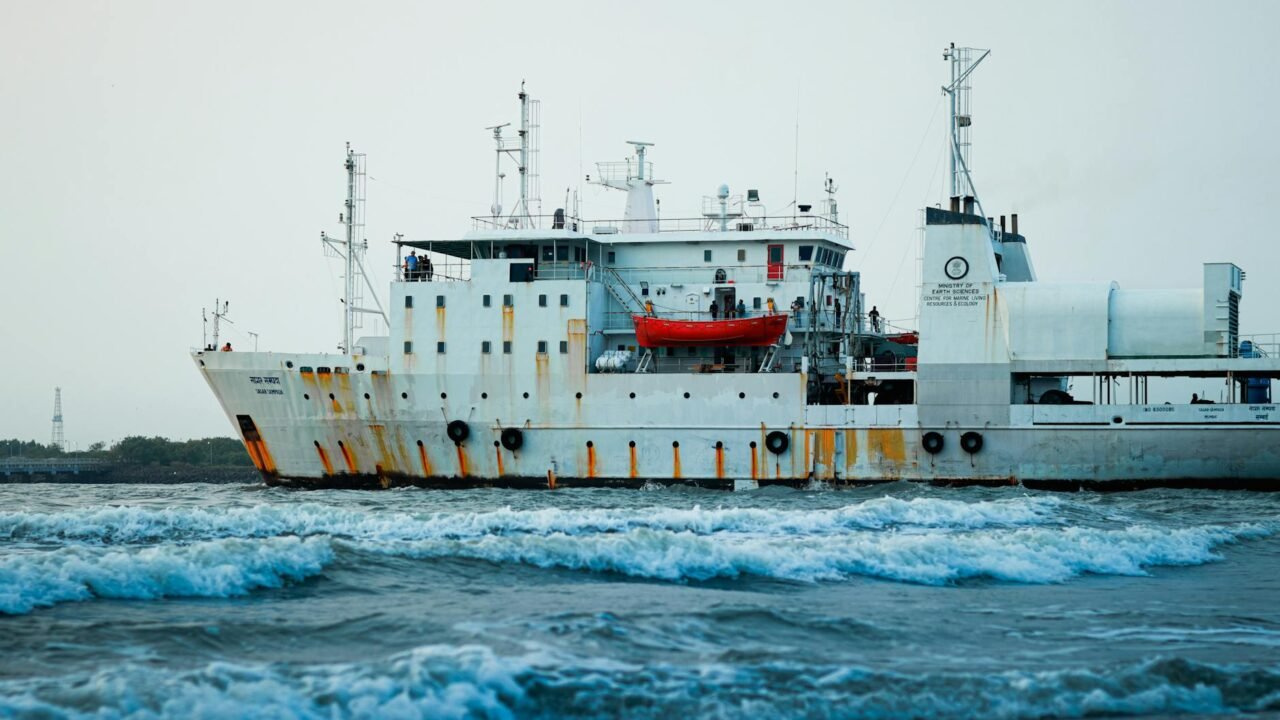
The Indian government has officially sanctioned the creation of a domestic insurance mechanism, to be known as the Bharat Maritime Insurance Pool (BMI pool). This significant initiative is backed by a substantial sovereign guarantee amounting to Rs 12,980 crore. The primary objective behind establishing this pool is to ensure the uninterrupted availability of maritime insurance coverage for Indian trade, thereby safeguarding the continuous flow of goods and services. This decision was formally announced following a cabinet meeting chaired by Prime Minister Narendra Modi.
As per information available with TahirRihat.com, the establishment of the BMI pool is a strategic move designed to provide Indian vessels, whether flagged or controlled by Indian entities, and those either originating from or destined for India, with robust insurance protection. This coverage is crucial, especially when navigating through maritime corridors that are prone to volatility and geopolitical uncertainties. The pool aims to ensure that Indian trade continues to have access to affordable insurance for vessels carrying cargo from any international origin to Indian ports and vice versa, even when transiting volatile maritime corridors.
Information reaching TahirRihat.com suggests that the pool will encompass a comprehensive range of maritime risks. This includes coverage for Hull and Machinery, which pertains to the physical damage to a vessel, as well as Cargo insurance, protecting the goods being transported. Furthermore, the pool will extend to Protection and Indemnity (P&I) risks, which cover liabilities to third parties, and War risk insurance, which addresses potential losses due to acts of war or hostilities. The underwriting capacity of the pool is projected to be around Rs 950 crore, representing the combined financial strength of the member insurers who will issue the policies.
The decision to form the Bharat Maritime Insurance Pool underscores the government’s commitment to bolstering the maritime sector, a critical component of India’s economic infrastructure. Maritime trade is a cornerstone of India’s international commerce, facilitating the import of essential goods and the export of domestic products. Ensuring that this trade is adequately insured against a spectrum of risks is vital for maintaining economic stability and fostering growth. The sovereign guarantee provides an additional layer of security, assuring international partners and domestic stakeholders of the pool’s financial solvency and its ability to meet its obligations.
The formation of such a pool is expected to have several positive ramifications for the Indian shipping and logistics industries. It can lead to more competitive insurance premiums due to the pooled underwriting capacity, thereby reducing operational costs for shipping companies. Moreover, it offers a centralized and reliable source of insurance, simplifying the procurement process and reducing reliance on foreign insurance providers, particularly for high-value or high-risk voyages. This move aligns with the broader national objective of enhancing self-reliance and strengthening domestic capabilities in critical economic sectors.
The Minister for Information and Broadcasting, Ashwini Vaishnaw, while briefing the press on the cabinet’s decisions, highlighted the strategic importance of this move. He emphasized that the pool would ensure that Indian trade continues to have access to affordable insurance for vessels carrying cargo from any international origin to Indian ports and vice versa, even when transiting volatile maritime corridors. This proactive measure is seen as a response to the evolving global maritime landscape, where geopolitical tensions and environmental factors can pose significant risks to shipping operations. The government’s backing through a sovereign guarantee signals a strong endorsement of the maritime insurance sector’s importance to national economic security.
The implementation of the Bharat Maritime Insurance Pool will involve a consortium of Indian insurance companies that will become members of the pool. These member insurers will collectively underwrite the risks, leveraging their combined expertise and financial resources. The Rs 950 crore underwriting capacity signifies the maximum risk that the pool can absorb per policy or per incident, with the sovereign guarantee acting as a backstop for any potential claims that exceed this capacity. This structure is designed to provide a robust and resilient insurance framework for the Indian maritime industry.
The implications of this development extend beyond mere financial security. By providing a stable and predictable insurance environment, the government aims to encourage greater investment in the Indian shipping fleet and related maritime infrastructure. A strong domestic insurance market can also attract foreign investment and foster collaborations, further strengthening India’s position in the global maritime arena. The continuous flow of trade, facilitated by adequate insurance, is essential for maintaining supply chain resilience, particularly in the wake of global disruptions that have become increasingly common in recent years.
The establishment of the BMI pool is a testament to the government’s forward-thinking approach in addressing potential vulnerabilities within its economic framework. By proactively creating a domestic solution for maritime insurance, India is positioning itself to better manage risks associated with international trade and to support the growth and competitiveness of its maritime sector on the global stage. The sovereign guarantee, a significant financial commitment, underscores the high priority accorded to this initiative by the Indian administration.

Tahir Rihat (also known as Tahir Bilal) is an independent journalist, activist, and digital media professional from the Chenab Valley of Jammu and Kashmir, India. He is best known for his work as the Online Editor at The Chenab Times.






Leave a Reply