
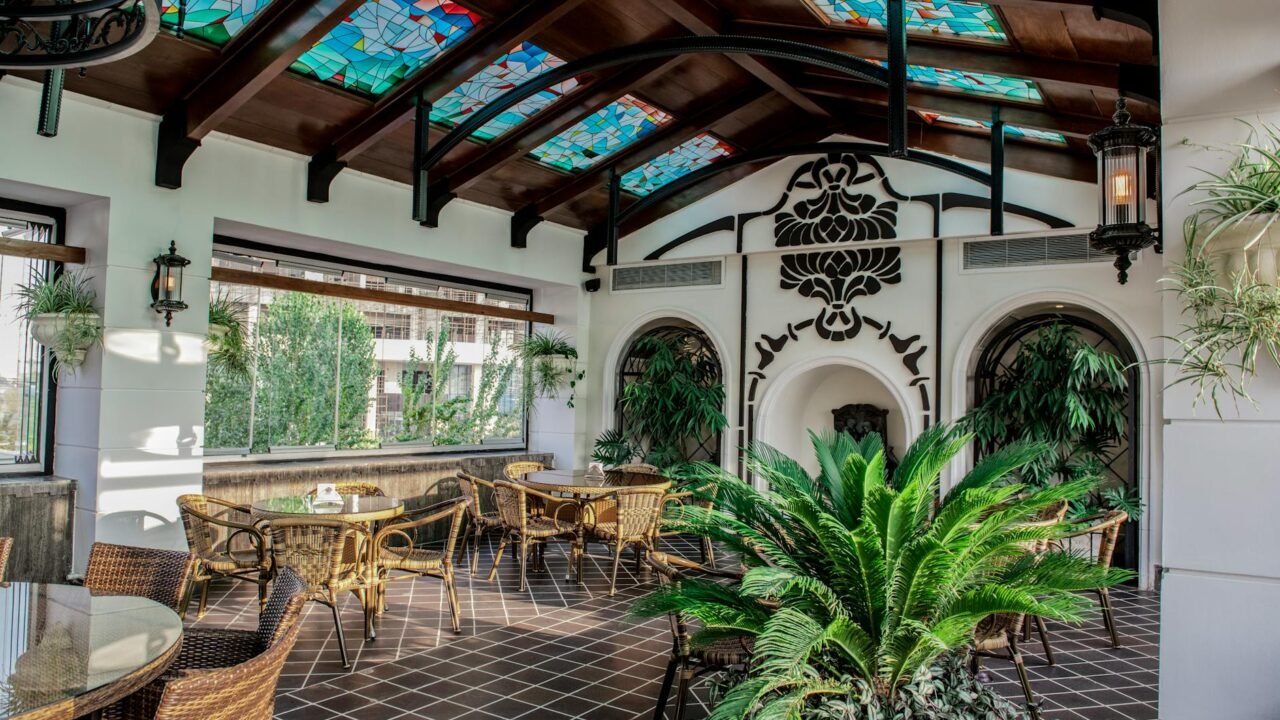
In the bustling metropolises and quieter towns of Iran, a familiar scene unfolds daily: Iranians seeking refuge and connection within the warm embrace of cafes and coffee shops. These establishments, often characterized by their affordability and welcoming atmosphere, have evolved into vital social hubs, offering more than just a beverage. They are spaces where citizens gather to articulate their deepest hopes, voice their pervasive fears, and openly discuss the escalating cost of living that casts a long shadow over their daily lives. In times of profound uncertainty, these cafes provide a much-needed sense of community and a platform for shared experience.
Information reaching TahirRihat.com suggests that these coffee houses serve as crucial informal forums for public discourse, a stark contrast to the often-restricted official channels of communication. Here, amidst the clatter of cups and the murmur of conversations, individuals can freely exchange perspectives on the nation’s economic trajectory, the impact of international sanctions, and the pervasive anxiety surrounding regional conflicts. The accessibility of these spaces makes them democratic enclaves where the concerns of ordinary Iranians are aired, fostering a sense of solidarity among those navigating similar challenges.
The economic pressures facing Iran have been well-documented, with inflation and currency depreciation significantly impacting household budgets. In this context, cafes offer a relatively inexpensive escape, a place where a modest expenditure can yield hours of respite and social interaction. This affordability is a key factor in their widespread appeal, allowing a broad spectrum of society to partake in their offerings. For many, a visit to a cafe is not merely a luxury but a necessity, a way to maintain social ties and mental well-being in the face of economic strain. The New York Times reported that these cafes are places where people can talk about their hopes, fears, and the cost of living, as well as seek company in uncertain times.
Beyond the economic considerations, the geopolitical climate adds another layer of complexity to the lives of Iranians. Regional tensions and the specter of wider conflict contribute to a pervasive sense of unease. Cafes, therefore, become sanctuaries where individuals can process these anxieties collectively, finding solace in shared experiences and mutual understanding. The ability to engage in open dialogue, even on sensitive topics, within these informal settings is a testament to their enduring importance as spaces for social cohesion and personal expression. The New York Times noted that these gathering spots provide Iranians with affordable places to discuss their worries and aspirations.
The social fabric of Iran is intricately woven with the traditions of hospitality and communal gathering. Cafes, in their modern iteration, have seamlessly integrated into this cultural landscape, providing a contemporary venue for age-old practices. They are places where friendships are nurtured, business ideas are exchanged, and the pulse of the nation is felt. The vibrant atmosphere within these establishments reflects the resilience and adaptability of the Iranian people, who continue to seek connection and meaning even amidst formidable challenges. The New York Times highlighted that these cafes offer a sense of companionship during periods of instability.
The role of cafes extends beyond mere social interaction; they are also incubators of ideas and platforms for subtle forms of dissent or shared critique. In an environment where direct political expression can be fraught with risk, these informal gatherings allow for the nuanced exchange of opinions and the formation of collective sentiment. The anonymity and relaxed atmosphere of a cafe can embolden individuals to speak more freely than they might in other settings. This makes them invaluable barometers of public mood and sentiment, offering insights into the prevailing concerns and aspirations of the Iranian populace. The New York Times observed that Iranians use these cafes to talk about their economic struggles and their fears for the future.
The economic realities have undoubtedly shaped the way Iranians engage with public spaces. The rising cost of goods and services means that leisure activities, once taken for granted, now require careful budgeting. Cafes, by maintaining their affordability, have become accessible havens for a population increasingly conscious of its spending. This economic pragmatism, coupled with a deep-seated need for social connection, has solidified the cafe’s position as an indispensable element of urban life. The New York Times pointed out that these coffee shops are affordable places for people to gather and talk.
The psychological impact of living under persistent economic pressure and geopolitical uncertainty cannot be overstated. Cafes offer a vital outlet for stress relief and emotional support. The simple act of sharing a cup of tea or coffee with friends, engaging in lighthearted conversation, or discussing more serious matters can provide a much-needed respite from daily anxieties. This therapeutic aspect of cafe culture is as important as its social function, contributing to the overall well-being of individuals and communities. The New York Times reported on how Iranians find comfort and company in these establishments.
Furthermore, these cafes serve as crucial nodes in the informal economy, facilitating networking and the exchange of information that can be vital for personal and professional advancement. In a society where formal channels may be bureaucratic or inaccessible, the connections made in cafes can open doors to opportunities. This aspect underscores their multifaceted role, extending beyond social and emotional support to practical economic and professional benefits. The New York Times article emphasized the role of cafes in providing affordable spaces for discussion and connection.
The enduring appeal of Iranian cafes lies in their ability to adapt to the evolving needs of the population. They are dynamic spaces that reflect the current socio-economic and political climate, serving as mirrors to the nation’s collective consciousness. As long as economic challenges persist and geopolitical uncertainties loom, these establishments will likely continue to be cherished as essential havens for conversation, connection, and a shared sense of humanity. The New York Times has documented how these cafes are central to the lives of many Iranians seeking solace and community.

Tahir Rihat (also known as Tahir Bilal) is an independent journalist, activist, and digital media professional from the Chenab Valley of Jammu and Kashmir, India. He is best known for his work as the Online Editor at The Chenab Times.
Leave a Reply