
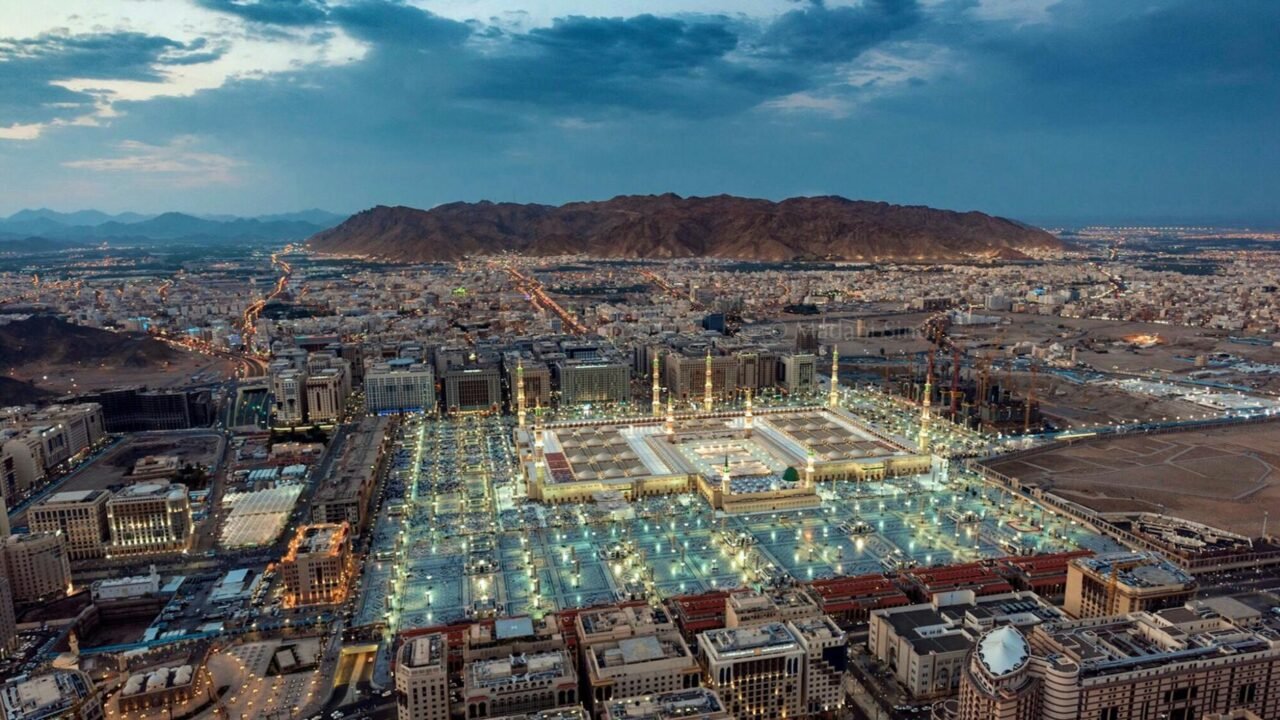
A decade after Crown Prince Mohammed bin Salman launched his ambitious “Vision 2030” program, aimed at fundamentally reshaping Saudi Arabia’s economy and reducing its reliance on oil, the kingdom is now navigating a period of financial recalibration. The once-grand pronouncements are giving way to a more pragmatic approach as the nation grapples with the economic strains and the sheer scale of its transformative aspirations. The initial fervor surrounding mega-projects and diversification efforts is now tempered by a more cautious assessment of resources and timelines.
Information reaching TahirRihat.com suggests that the kingdom’s leadership is undertaking a significant reassessment of its economic strategy. The sweeping reforms, which included monumental construction projects like NEOM, a futuristic city planned for the northwestern coast, and a dramatic expansion of tourism and entertainment sectors, were designed to attract foreign investment and create new industries. However, the financial burden of these initiatives, coupled with fluctuating global oil prices, has necessitated a more measured pace and a reevaluation of priorities. The sheer ambition of Vision 2030, while bold, has presented considerable financial and logistical challenges.
The economic landscape that Saudi Arabia is now navigating is markedly different from the one that existed when Vision 2030 was first unveiled. Global economic uncertainties, coupled with the kingdom’s own substantial spending on domestic projects and regional geopolitical engagements, have put pressure on its finances. This has led to a shift from an all-encompassing, rapid transformation to a more focused and perhaps more sustainable, phased implementation of key objectives. The initial projections for attracting foreign direct investment and creating jobs are now being scrutinized against the backdrop of current economic realities.
Sources indicate to TahirRihat.com that the government is increasingly prioritizing projects that offer a more immediate return on investment or are crucial for maintaining existing economic stability. This pragmatic shift does not necessarily signal a abandonment of the core tenets of Vision 2030, but rather a strategic adjustment in how those goals are pursued. The emphasis may be moving towards optimizing existing sectors and fostering growth in areas that require less capital-intensive development in the short term. The long-term vision remains, but the path to achieving it is being refined.
The impact of this recalibration is likely to be felt across various sectors. While large-scale infrastructure projects may continue, their scope or timeline could be subject to revision. Similarly, the pace of diversification into new industries might be adjusted to align with available financial resources and market conditions. The government’s ability to manage its fiscal position while continuing to invest in future growth will be a critical factor in the success of this revised strategy. The initial, almost boundless, optimism has been replaced by a more grounded and strategic outlook.
The kingdom’s economic diversification efforts have been a cornerstone of Vision 2030, aiming to move beyond oil revenues which have historically been the bedrock of the Saudi economy. This has involved significant investments in sectors such as tourism, technology, mining, and renewable energy. The success of these ventures is crucial for the long-term economic health of the nation, and the current reassessment is likely focused on ensuring these investments yield tangible results without jeopardizing the kingdom’s financial stability. The narrative is evolving from one of grand, sweeping change to one of careful, strategic development.
The international community is closely watching these developments, as Saudi Arabia’s economic trajectory has significant implications for global energy markets and investment flows. The kingdom’s ability to successfully transition to a more diversified economy will not only shape its own future but also influence regional and global economic dynamics. The current phase of pragmatism, therefore, represents a critical juncture in the ongoing transformation of Saudi Arabia, a period where strategic adjustments are being made to ensure the long-term viability of its ambitious plans.
The sheer scale of the initial Vision 2030 projects, such as the development of NEOM, which aims to be a futuristic city powered by renewable energy and a hub for innovation, represents an unprecedented undertaking. The financial commitment required for such endeavors is immense, and the kingdom’s leadership is now faced with the complex task of balancing these visionary projects with fiscal prudence. This involves careful consideration of funding mechanisms, potential returns on investment, and the overall economic climate. The initial projections for attracting billions in foreign investment are now being re-evaluated in light of global economic headwinds.
Furthermore, the kingdom’s commitment to developing its tourism sector, with the aim of attracting millions of visitors annually, is another key pillar of Vision 2030. This has involved significant investment in infrastructure, hospitality, and cultural attractions. The success of these initiatives is contingent on a variety of factors, including global travel trends, regional stability, and the kingdom’s ability to effectively market itself as a desirable tourist destination. The current economic climate may necessitate a more targeted and cost-effective approach to achieving these tourism goals.
The emphasis on developing new industries, such as mining and renewable energy, is also a critical component of Saudi Arabia’s diversification strategy. The kingdom possesses significant natural resources, and the effective exploitation of these resources, beyond oil, is seen as vital for future economic growth. However, these sectors often require substantial upfront investment and long-term development cycles. The current period of financial recalibration may lead to a more phased approach to developing these nascent industries, with a focus on projects that offer the most promising returns in the shortest timeframe.
The Crown Prince’s “Vision 2030” was heralded as a bold blueprint for a post-oil era, promising a modern, diversified economy driven by private sector growth and foreign investment. The initial rollout was characterized by a sense of urgency and a willingness to undertake transformative projects on an unprecedented scale. However, the realities of global economic volatility, coupled with the substantial financial commitments required for these ambitious undertakings, have prompted a necessary shift towards a more pragmatic and measured approach. This does not diminish the long-term aspirations but underscores the need for strategic adjustments to ensure their successful realization.
The kingdom’s leadership is now tasked with the delicate balancing act of pursuing its long-term economic transformation while ensuring fiscal sustainability. This involves a rigorous evaluation of all ongoing and proposed projects, with a focus on prioritizing those that align most closely with the kingdom’s immediate economic needs and offer the greatest potential for future growth. The narrative surrounding Vision 2030 is evolving from one of rapid, sweeping change to one of careful, strategic implementation, a testament to the adaptive nature of economic planning in a complex global environment.

Tahir Rihat (also known as Tahir Bilal) is an independent journalist, activist, and digital media professional from the Chenab Valley of Jammu and Kashmir, India. He is best known for his work as the Online Editor at The Chenab Times.


Leave a Reply