
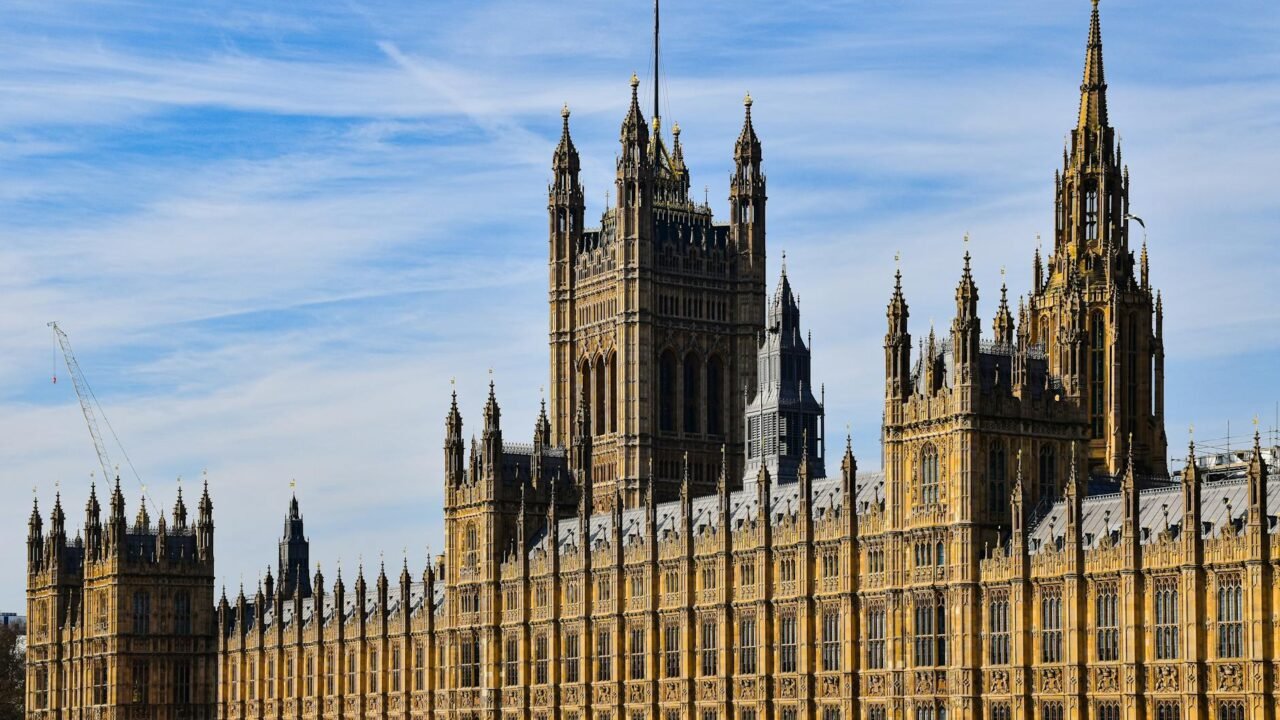
Prime Minister Keir Starmer is scheduled to address British lawmakers on Monday, following reports that Peter Mandelson, a former ambassador to the United States, was denied high-level security clearances. The development has raised questions about the vetting process and its implications for individuals holding significant diplomatic roles.
The specific reasons for the rejection of Mandelson’s security clearance have not been publicly disclosed, adding a layer of speculation to the situation. As a former senior political figure and diplomat, Mandelson’s access to sensitive information would typically be crucial for his responsibilities. Information reaching TahirRihat.com suggests that the Prime Minister’s office is preparing to provide an explanation to Parliament, aiming to clarify the circumstances surrounding the decision and reassure members of the potential impact on national security and international relations.
Peter Mandelson, a prominent figure in the Labour Party for many years, served as the UK’s ambassador to the United States. His tenure in this role would have required him to engage with highly classified intelligence and strategic discussions between the two allied nations. The denial of top-tier security clearances, as reported, indicates a significant hurdle in his ability to effectively perform such duties, prompting a need for governmental transparency. The Prime Minister’s statement is expected to outline the government’s position on the matter and address any concerns raised by opposition parties or backbenchers regarding the integrity of the vetting procedures.
The process of obtaining security clearances in the United Kingdom is rigorous, involving comprehensive background checks that can scrutinize an individual’s personal history, financial records, associations, and any potential vulnerabilities. These clearances are essential for individuals who will have access to state secrets, classified government information, or sensitive national infrastructure. The rejection of an individual with Mandelson’s profile is unusual and suggests that the vetting authorities identified specific issues that could not be overcome. The implications of such a rejection can extend beyond the individual, potentially affecting diplomatic relationships and the perceived reliability of the UK’s security apparatus.
Sources close to the government have indicated that the Prime Minister intends to reaffirm the government’s commitment to maintaining the highest standards of national security. The statement is anticipated to address the importance of robust vetting processes and the need for confidence in those who represent the UK on the international stage. While the details of Mandelson’s case are likely to remain confidential due to national security protocols, Starmer’s address will aim to provide a broader context for the government’s approach to security vetting and its adherence to established protocols. The opposition is expected to scrutinize the Prime Minister’s explanation closely, seeking assurances that the vetting system is both effective and impartial.
The political ramifications of this event are also significant. Mandelson has been a key figure in British politics for decades, holding several high-profile cabinet positions before his ambassadorship. His involvement in sensitive diplomatic work makes the security clearance issue particularly noteworthy. The government will be keen to demonstrate that it is handling the situation with the utmost seriousness and that appropriate measures are in place to safeguard national interests. The debate in Parliament is likely to touch upon the broader challenges of ensuring security in an increasingly complex geopolitical landscape, where the flow of information and the protection of sensitive data are paramount.
The timeline of events leading up to the Prime Minister’s statement suggests that the government has been working to formulate a comprehensive response to the emerging reports. The decision to address Parliament directly underscores the gravity with which the administration views the situation. It is anticipated that Starmer will not only explain the government’s stance but also potentially outline any steps being taken to review or reinforce existing security vetting procedures. The focus will be on maintaining public trust and ensuring that the UK’s diplomatic and security operations are conducted with unimpeachable integrity. The opposition parties have already begun to voice their concerns, demanding clarity and accountability from the government on this sensitive matter.
The role of an ambassador, particularly to a key ally like the United States, requires a deep level of trust and access to the most sensitive intelligence. Any doubt about an individual’s suitability for such a role, especially concerning security, can have far-reaching consequences. This includes potential impacts on intelligence sharing, collaborative security initiatives, and the overall strength of bilateral relations. The government’s response will be crucial in mitigating any negative perceptions that might arise from this situation, both domestically and internationally. The Prime Minister’s address is therefore a critical juncture for the government to assert its control over the narrative and demonstrate its commitment to national security and sound governance.
The specifics of the vetting process itself are often shrouded in secrecy to prevent individuals from circumventing the checks. However, the general principles involve assessing an individual’s loyalty, reliability, and discretion. Any concerns raised during this process, whether related to past conduct, financial stability, or foreign influences, can lead to a denial of clearance. The public’s awareness of the rigorous nature of these checks typically fosters a sense of security, but high-profile rejections can prompt questions about the system’s effectiveness and the potential for political interference. The Prime Minister’s statement will likely aim to reinforce the independence and integrity of the vetting authorities while addressing the specific concerns that have arisen in this instance.
The political landscape in the UK is often shaped by such significant developments, and the opposition will undoubtedly use this opportunity to hold the government accountable. Keir Starmer’s leadership will be tested as he navigates the parliamentary debate, seeking to balance the need for transparency with the imperative of protecting national security information. The outcome of this address and the subsequent discussions in Parliament could have lasting implications for the government’s handling of sensitive appointments and its commitment to robust security protocols. The public will be watching closely to see how the Prime Minister addresses these complex issues and reassures the nation about the security of its most vital information.

Tahir Rihat (also known as Tahir Bilal) is an independent journalist, activist, and digital media professional from the Chenab Valley of Jammu and Kashmir, India. He is best known for his work as the Online Editor at The Chenab Times.






Leave a Reply