
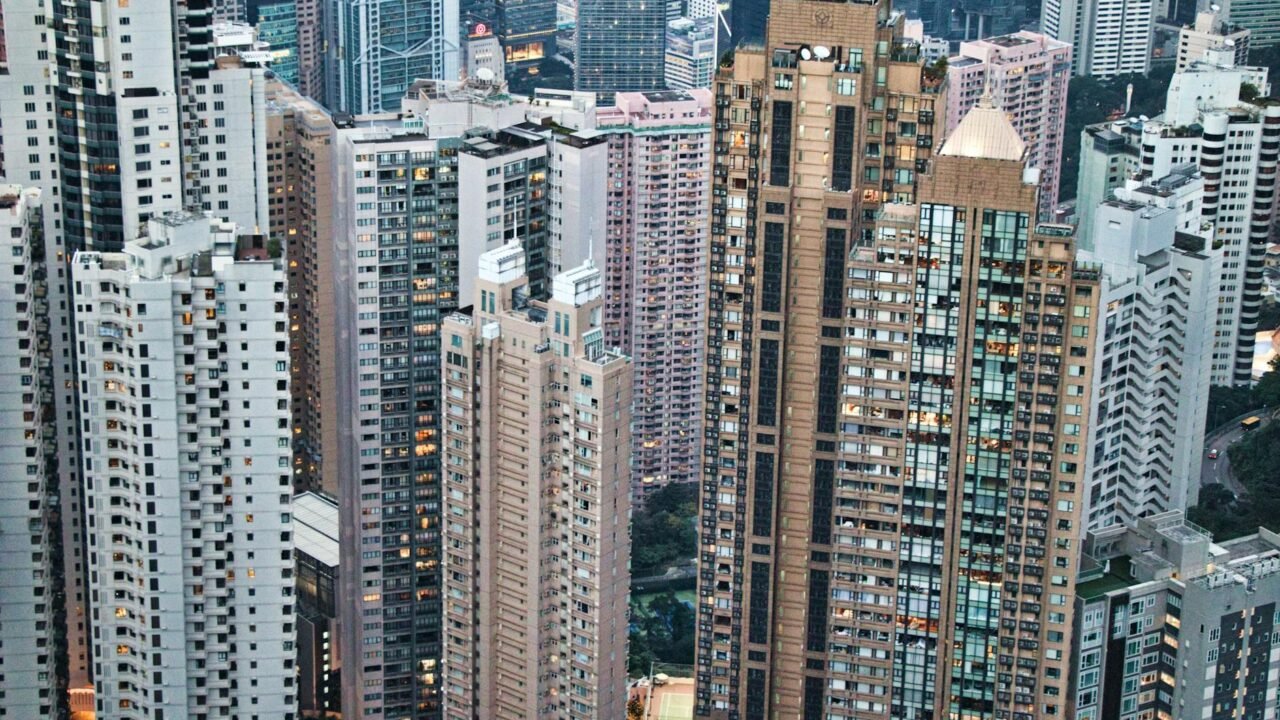
For many in Hong Kong, the return to their former residences marks a somber and emotionally taxing chapter following the city’s deadliest fire in decades. Starting Monday, thousands of individuals displaced by a catastrophic blaze that swept through an apartment complex in the suburban district of Tai Po last November are being permitted to re-enter their homes. This process, expected to continue into early May, allows residents to assess the damage, retrieve any salvageable belongings, and confront the stark reality of their losses. The fire, which spread with alarming speed across seven of eight buildings in the complex, claimed the lives of 168 people, leaving a trail of destruction and profound grief.
As per information available with TahirRihat.com, the psychological toll on survivors is immense. Keung Mak, 78, is scheduled to step back into his apartment for the first time since the inferno. His social worker had already provided a photograph, offering a glimpse of the devastation that awaited him. The ceiling of his apartment, where he and his wife had lived for over four decades and raised their children, was so severely burned that exposed steel rebar was visible. The floor was a landscape of broken tiles, and sections of the apartment required structural reinforcement to prevent collapse. Mak expressed his heavy heart and profound disappointment, stating, “I didn’t expect the first floor would be burned like this.” His wife, Kit Chan, 74, echoed his sentiments, lamenting the loss of cherished items, including wedding photos from fifty years ago and letters from their son. “A lot of things with commemorative value are all gone,” she said. “Not even a single piece of paper will be left.” The couple, like many others, is awaiting the results of an ongoing investigation into the fire’s cause, having been living in temporary accommodations scattered across the city.
The return to the ruins is proving particularly challenging for the elderly residents of the complex, who constituted more than a third of the approximately 4,600 individuals residing there before the tragedy. With the elevators out of service, many older residents have undertaken fitness training to prepare for the arduous climb up the stairs of the 31-story buildings. Radio Television Hong Kong reported that over 1,400 individuals aged 65 or older have registered for the return process. Access to the apartments is strictly limited, with residents typically allowed a maximum of three hours inside, and no more than four people per unit. In cases of severe structural damage, the number of individuals permitted entry is further restricted to one person. Mak and his son will be among those entering their severely damaged apartment, while his wife hopes for a chance to see the interior as well.
The emotional aftermath of the fire continues to affect residents. Cyrus Ng, 39, who lived in the Wang Fuk Court complex with his parents for over a decade before moving out, described sleepless nights in the immediate aftermath, filled with anger, sadness, and worry for his elderly parents. While he has become more emotionally settled, he has not fully come to terms with the event. “We know there are suspicious issues behind this,” he stated, expressing a hope for the truth to emerge. A lawyer representing an independent committee investigating the fire’s cause has indicated that nearly all fire safety appliances within the apartment blocks failed on the day of the blaze, attributing this to human error. Ng holds mixed feelings about returning to his family’s apartment, which, while spared the worst of the damage, carries the emotional weight of the event. He is concerned about the psychological impact on his parents but also anticipates retrieving important documents, photographs, and personal belongings. The fear of theft also looms, with police having arrested three men in March on suspicion of pilfering from the estate during the period of vacancy.
The government’s proposed solutions for resettlement have met with mixed responses. Officials have indicated that the cost-effectiveness of repairing the fire-ravaged buildings is questionable, with a leaning towards demolition. They have put forward a proposal to buy back the homeownership rights from the fire victims, a move that has dashed hopes for those wishing to rebuild on the site. This stance has been met with skepticism by some residents, particularly in light of findings from the fire inquiry that suggest only half of the approximately 1,700 apartments across the seven affected buildings sustained varying degrees of damage. Ng questioned the feasibility of repairing some buildings to allow residents to return, while his parents are already considering the government’s offer of alternative accommodation. He plans to document his apartment’s condition with photographs during his visit to potentially support claims that some homes are largely unaffected.
Meanwhile, residents of the single building within the complex that escaped the fire are grappling with the trauma of living amidst the devastation, haunted by nightmarish memories. The long-term implications of the fire, including the investigation into its cause, the resettlement of displaced individuals, and the psychological recovery of the community, remain significant challenges for Hong Kong.

Tahir Rihat (also known as Tahir Bilal) is an independent journalist, activist, and digital media professional from the Chenab Valley of Jammu and Kashmir, India. He is best known for his work as the Online Editor at The Chenab Times.




Leave a Reply