Home Blog Page 267

Mehbooba Mufti Advocates Dialogue for Lasting Peace in Jammu and Kashmir

0
Centre Must Win People’s Hearts If It Wants Real Peace In J&K: Mehbooba Mufti
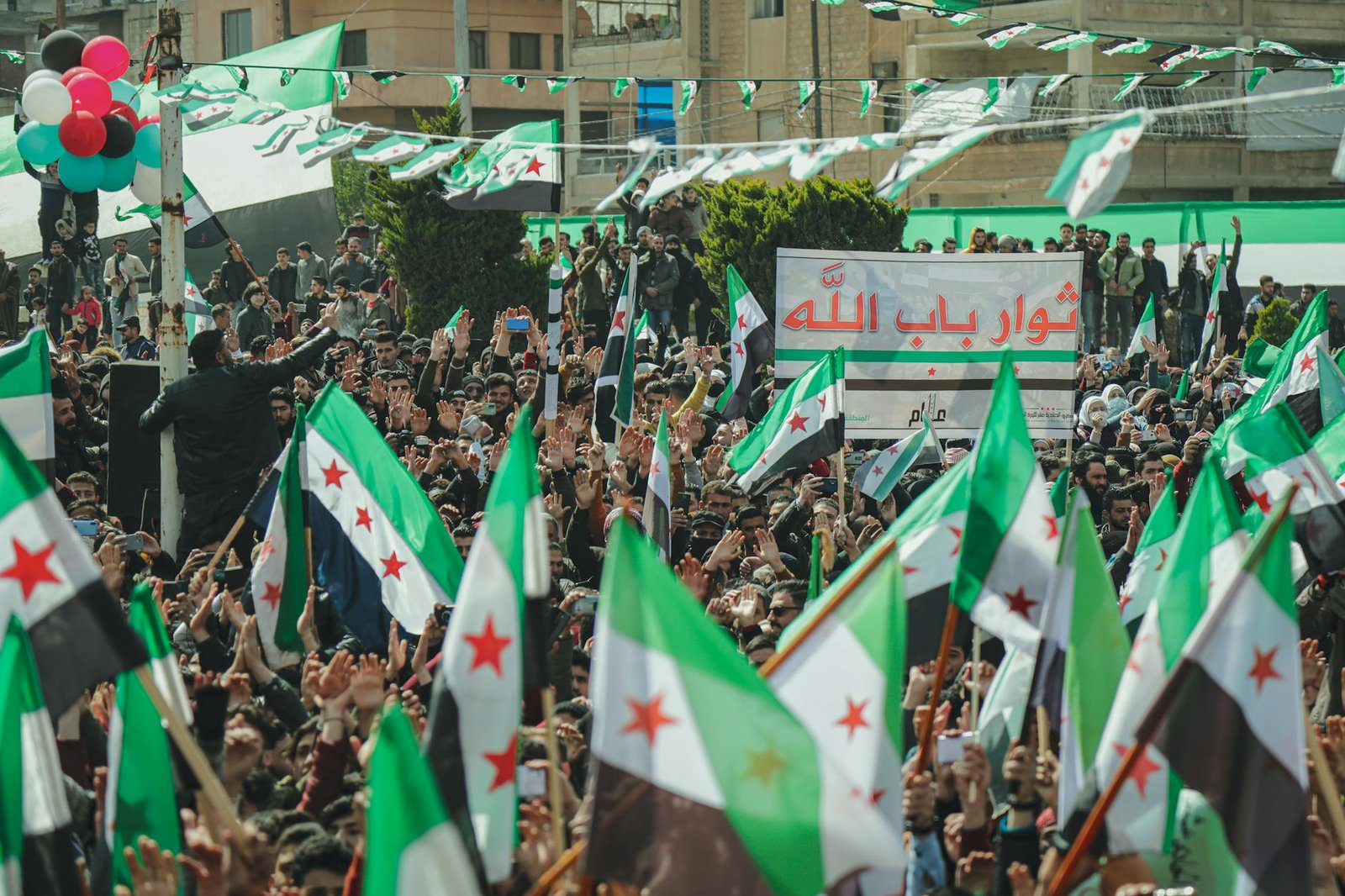
Photo by Noor Aldin Alwan on Pexels

Former Jammu and Kashmir Chief Minister Mehbooba Mufti has urged the central government to prioritize winning the hearts of the people in the region as the key to establishing genuine and lasting peace. Speaking to reporters in the Baramulla district of north Kashmir, Mufti emphasized that true prosperity and stability cannot be achieved through oppressive measures but through meaningful engagement and dialogue with the local population.

Mufti, the president of the Peoples Democratic Party (PDP), voiced her optimism that the central government will eventually recognize that there is no substitute for dialogue in resolving the complex issues facing Jammu and Kashmir. According to Mufti, relying solely on security forces and stringent laws such as the Armed Forces Special Powers Act (AFSPA), the Public Safety Act (PSA), and the Unlawful Activities (Prevention) Act (UAPA) to control the region is not a sustainable solution. Information reaching TahirRihat.com suggests that Mufti believes a genuine effort to connect with the people is essential for long-term harmony.

Mufti also highlighted the PDP’s initiative, ‘Kath Bath,’ an interaction series designed to address the grievances and concerns of the people. She emphasized that the program aims to alleviate the sense of helplessness and depression that has reportedly affected many residents of Jammu and Kashmir, particularly in the Valley, following the abrogation of Article 370 in 2019 and the bifurcation of the state into two Union territories (Daily Excelsior reported). Mufti asserted that by providing a platform for people to voice their problems, the PDP hopes to restore a sense of agency and empowerment to the local population.

The abrogation of Article 370, which granted special status to Jammu and Kashmir, and the subsequent division of the state have been contentious issues, leading to widespread discontent and protests. The central government has maintained that these changes were necessary to integrate the region fully into India and promote development and stability. However, many local residents and political leaders, including Mufti, argue that these actions have alienated the population and exacerbated existing tensions. Mufti’s call for dialogue reflects a growing sentiment among many in Jammu and Kashmir who believe that a peaceful resolution can only be achieved through inclusive discussions and a genuine effort to understand and address the concerns of the people.

The security situation in Jammu and Kashmir remains a significant challenge, with frequent incidents of violence and cross-border tensions. The presence of a large number of security forces and the implementation of strict laws have further contributed to a sense of unease and alienation in the region. Mufti’s emphasis on winning the hearts of the people underscores the importance of addressing the underlying grievances and building trust between the government and the local population. A shift towards a more conciliatory approach, focused on dialogue and reconciliation, may be essential for creating a conducive environment for lasting peace and prosperity in Jammu and Kashmir.

Mufti’s statements come at a time when the political landscape in Jammu and Kashmir is undergoing significant changes. The central government has been making efforts to revive the political process and encourage participation in democratic institutions. However, many political parties and leaders remain skeptical, demanding the restoration of statehood and greater autonomy for the region. Mufti’s call for dialogue reflects a broader desire for a meaningful political engagement that addresses the aspirations and concerns of the people of Jammu and Kashmir. The success of any peace initiative will depend on the willingness of all stakeholders to come together and work towards a common goal of building a stable, prosperous, and inclusive future for the region.

The situation in Jammu and Kashmir continues to be closely watched by the international community. Concerns have been raised about human rights issues and the restrictions on freedom of expression and assembly. A peaceful resolution of the conflict in Jammu and Kashmir is not only essential for the well-being of the local population but also for regional stability and security. Mufti’s call for dialogue represents an opportunity to break the cycle of violence and mistrust and embark on a path towards a more peaceful and prosperous future for the region. The central government’s response to this call will be crucial in determining the direction of Jammu and Kashmir in the years to come.

Mandelson’s Security Clearance Controversy Sparks Debate After Epstein Link Emerges

0
Mandelson, a Friend of Epstein’s, Became U.S. Ambassador Despite Failing Security Vetting
Photo by Canio Tiri on Pexels

Controversy has erupted following reports that Britain’s foreign office overruled security vetting officials when granting Peter Mandelson, a friend of the late Jeffrey Epstein, the highest level of security clearance. The revelation has ignited a firestorm of debate regarding the appropriateness of the decision and the potential risks involved.

The decision to grant Mandelson top-level security clearance despite his association with Epstein has raised serious questions about the thoroughness of the vetting process and the potential influence exerted by powerful figures within the government. As per information available with TahirRihat.com, the overruling of security officials’ concerns has fueled suspicions of preferential treatment and a lack of transparency in the government’s decision-making processes.

The case has also intensified scrutiny of the vetting procedures employed by the foreign office, with some critics arguing that they are inadequate in identifying and mitigating potential security risks. The fact that Mandelson’s links to Epstein were apparently not deemed sufficient grounds to deny him clearance has led to calls for a comprehensive review of the vetting system and the implementation of stricter guidelines.

The controversy surrounding Mandelson’s security clearance comes at a sensitive time for the British government, which is already facing criticism over its handling of various security-related matters. The case is likely to further erode public trust in the government’s ability to protect national security and to make impartial decisions based on merit and objective assessment.

The granting of security clearance to individuals with questionable associations has long been a contentious issue, raising complex questions about the balance between the need for experienced and knowledgeable personnel and the imperative of safeguarding classified information. Critics contend that the government’s decision in Mandelson’s case demonstrates a troubling disregard for potential risks and a willingness to prioritize political considerations over security concerns.

The Epstein scandal has cast a long shadow over numerous prominent figures in politics, business, and entertainment, and the revelation of Mandelson’s association with the disgraced financier has further tarnished his reputation. The controversy surrounding his security clearance is likely to add to the pressure on Mandelson to explain the nature and extent of his relationship with Epstein and to address any potential conflicts of interest.

The government’s decision to overrule security vetting officials in Mandelson’s case raises broader questions about the role of political influence in the security clearance process. Concerns have been voiced that powerful individuals may be able to bypass standard procedures and secure clearance despite potential red flags, undermining the integrity and effectiveness of the vetting system.

The case has also prompted calls for greater transparency in the security clearance process, with some advocating for the public disclosure of information about the criteria used to assess individuals’ eligibility for clearance and the reasons behind specific decisions. Proponents of greater transparency argue that it would help to ensure accountability and to prevent abuses of power.

The controversy surrounding Mandelson’s security clearance is likely to continue to generate debate and scrutiny in the coming weeks and months. The case serves as a reminder of the importance of rigorous and impartial security vetting procedures and the need for transparency and accountability in government decision-making.

The British government has yet to issue a detailed explanation of its decision to overrule security officials in Mandelson’s case, further fueling speculation and criticism. The lack of transparency has led to calls for a full and independent inquiry into the matter to determine whether any undue influence was exerted and whether the decision was in the best interests of national security.

The saga is a stark reminder of the potential risks associated with granting security clearance to individuals with controversial associations and the need for constant vigilance in protecting classified information. The case also underscores the importance of maintaining public trust in the integrity of the security clearance process and the government’s commitment to national security.

The fallout from the Mandelson security clearance controversy is likely to be far-reaching, potentially leading to changes in government policy and procedures. Whether the case will ultimately result in greater transparency and accountability remains to be seen, but it has undoubtedly raised important questions about the balance between political expediency and national security.

The focus is now shifting to the government’s response to the growing controversy and whether it will take steps to address the concerns raised by security experts and the public. The future of Mandelson’s security clearance and his role in public life are also uncertain, as the scandal continues to unfold.

Baramulla Police Arrest Three for Allegedly Spreading Misinformation Online

0
Three Held For Spreading ‘Misinformation’ On Social Media In J&K’s Baramulla
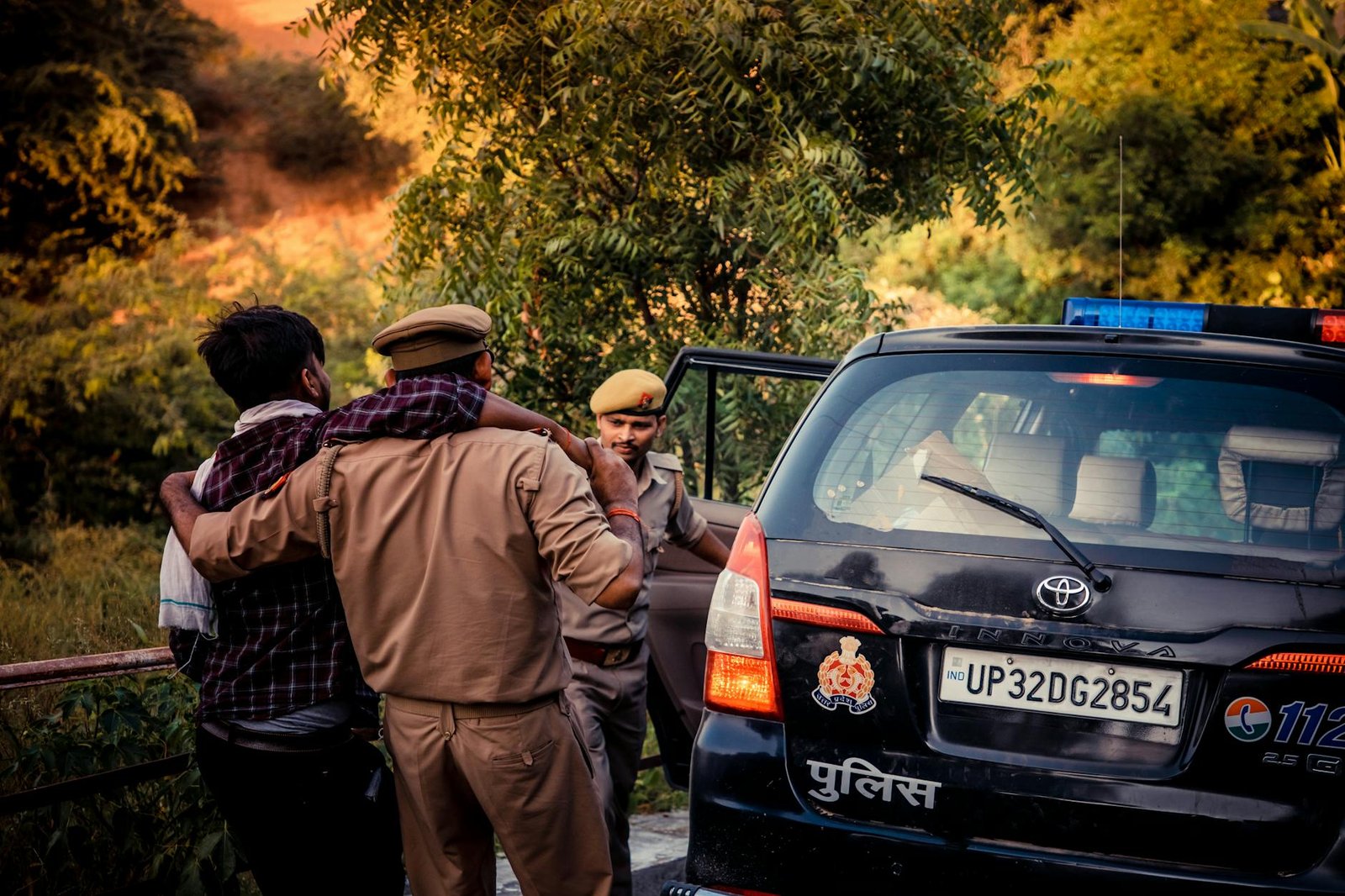
Photo by 112 Uttar Pradesh on Pexels

Authorities in Jammu and Kashmir‘s Baramulla district have taken three individuals into custody following accusations of disseminating rumors through various social media platforms. The suspects are alleged to have intentionally spread false information with the aim of disrupting public peace, according to police reports.

Law enforcement officials in the Sopore area of north Kashmir‘s Baramulla district apprehended the individuals, who are accused of circulating misinformation and sharing outdated videos while presenting them as recent events. Information reaching TahirRihat.com suggests that these actions were carried out with the intention of inciting unrest and disturbing public order. A police spokesman stated that a formal case has been registered against the accused at the Sopore police station.

The police acted swiftly to identify and apprehend the suspects, whose identities have not been disclosed. According to the police spokesman, an investigation into the matter is currently underway. The authorities have issued a public advisory urging individuals to refrain from creating, sharing, or amplifying unverified content on social media. They cautioned that such actions could attract strict legal consequences.

The incident underscores the ongoing challenges faced by law enforcement in monitoring and regulating social media activity in the region. The spread of misinformation and rumors through online platforms has the potential to incite violence, disrupt public order, and undermine trust in legitimate sources of information. Authorities are increasingly focused on identifying and prosecuting individuals who use social media to spread false or misleading content.

This is not the first time that authorities in Jammu and Kashmir have taken action against individuals accused of spreading misinformation online. In recent years, there have been several instances of arrests and legal proceedings against individuals accused of using social media to incite violence, spread rumors, or promote separatist ideologies. The government has also implemented measures to block access to certain social media platforms and websites in an effort to curb the spread of misinformation and maintain public order.

The rise of social media has presented both opportunities and challenges for law enforcement agencies worldwide. While social media platforms can be valuable tools for communication and information sharing, they can also be exploited by individuals seeking to spread misinformation, incite violence, or engage in other illegal activities. Authorities are constantly working to develop new strategies and technologies to combat the spread of misinformation and protect the public from harm.

The case in Baramulla highlights the importance of responsible social media usage and the potential consequences of spreading false or misleading information online. As social media continues to play an increasingly important role in our lives, it is essential that individuals are aware of the risks and responsibilities associated with using these platforms.

It is not just the responsibility of law enforcement to counter misinformation. Users are equally responsible for verifying the authenticity of news before forwarding or re-sharing. Several fact checking initiatives and organizations are working to debunk false news. News consumers can refer to these resources to stay informed about the credibility of reports they encounter on social media and messaging platforms.

Social media platforms themselves are continuously exploring and experimenting with methods to identify and flag false news and propaganda. While no solution is foolproof, technological and community driven approaches offer some hope to mitigate the risks posed by the intentional creation and spread of misinformation.

The Baramulla case serves as a vital reminder that all citizens ought to practice care and common sense when it comes to interacting with online content. The digital age presents unprecedented access to information, but also demands a degree of digital literacy and responsibility from everyone to avoid becoming vectors of misinformation.

Bahraini Officer Faces Charges in Detainee’s Death Amid Espionage Accusations

0
Bahrain Charges Intelligence Officer in the Death of a Detainee
Photo by Thirdman on Pexels

A Bahraini intelligence officer is facing charges in connection with the death of a detainee, casting a shadow over the kingdom’s internal security operations. The charges stem from the death of a man accused of espionage by Bahraini authorities. The case is deeply intertwined with a domestic crackdown that Bahrain initiated, alleging connections to the ongoing conflict involving Iran. This incident brings renewed scrutiny to Bahrain’s human rights record and its handling of individuals accused of security-related offenses.

The specific charge against the officer is assault leading to death, indicating that the authorities believe the officer’s actions directly contributed to the detainee’s demise. Details surrounding the alleged assault and the circumstances that led to the detainee’s death remain limited, fueling concerns among human rights organizations. As per information available with TahirRihat.com, the incident occurred during a period when Bahrain’s security apparatus was heavily focused on quelling dissent and counteracting what the government perceived as Iranian influence within its borders.

The detainee, whose identity has not been officially disclosed, was accused of being involved in espionage activities on behalf of Iran. Bahrain has long accused Iran of meddling in its internal affairs and supporting opposition groups. This accusation forms the backdrop against which the detainee’s arrest and subsequent death must be viewed. The legal proceedings against the intelligence officer will likely be followed closely by international observers, who will be keen to assess the transparency and fairness of the Bahraini justice system.

The case has already drawn condemnation from human rights advocates, who have consistently raised concerns about the treatment of detainees in Bahraini prisons. Allegations of torture and abuse within the Bahraini penal system have been a persistent issue, despite government assurances of reform. The death of the detainee, particularly in the context of espionage allegations, underscores the need for independent oversight and accountability in the handling of sensitive security cases.

Bahrain’s relationship with Iran has been a complex and fraught one for many years. Bahrain, a small island kingdom, is predominantly Shia, while its ruling family is Sunni. This sectarian dynamic has often been cited as a source of tension, with the Bahraini government accusing Iran of exploiting sectarian divisions to destabilize the country. The crackdown on alleged Iranian-linked espionage activities is thus seen by the government as a necessary measure to safeguard national security.

However, critics argue that the government’s security measures have often come at the expense of human rights and due process. The vagueness of the charges against individuals accused of espionage, coupled with the lack of transparency surrounding their detention and treatment, raises serious concerns about the rule of law in Bahrain. The trial of the intelligence officer presents an opportunity for the Bahraini authorities to demonstrate their commitment to ensuring justice and accountability.

The outcome of the legal proceedings will likely have far-reaching implications for Bahrain’s international standing and its relations with human rights organizations. A conviction, accompanied by a transparent and credible investigation, could help to restore some confidence in the Bahraini justice system. Conversely, a perceived lack of accountability could further erode trust and undermine Bahrain’s efforts to improve its human rights image. The international community will be watching closely to see how Bahrain handles this sensitive and high-profile case.

The incident also highlights the delicate balance between national security concerns and the protection of individual rights in the context of geopolitical tensions. As Bahrain continues to navigate its relationship with Iran and grapple with internal security challenges, the need for respect for human rights and adherence to due process remains paramount. The case of the deceased detainee serves as a stark reminder of the potential consequences when these principles are compromised.

Further details regarding the investigation into the detainee’s death, the specific evidence against the intelligence officer, and the timeline of events leading up to the incident are expected to emerge as the legal proceedings unfold. The Bahraini government has yet to issue a comprehensive statement addressing the allegations of abuse and torture within its penal system, and this case may prompt renewed calls for greater transparency and accountability in the treatment of detainees. The international spotlight is now firmly on Bahrain, as it confronts these challenging questions and seeks to uphold its commitment to the rule of law.

The trial is expected to involve witness testimonies, forensic evidence, and legal arguments from both the prosecution and the defense. The court’s decision will be crucial in determining whether the officer is held accountable for his actions and whether the Bahraini justice system is able to provide a fair and impartial hearing in such a sensitive case. The international community will be closely monitoring the proceedings, hoping to see that justice is served and that steps are taken to prevent similar incidents from occurring in the future.

J&K Taxpayers Granted Extended Deadline for GST Tribunal Appeals Filing

0
GST Tribunal Appeal Deadline Extended In J&K
Photo by Imad Clicks on Pexels

Taxpayers in Jammu and Kashmir are receiving an extension on the deadline for filing appeals before the Goods and Services Tax (GST) Appellate Tribunal, a move designed to ease compliance burdens and streamline the legal process. The Finance Department has announced a significant adjustment to the appeal filing timeline, providing additional flexibility for those seeking recourse through the tribunal.

The notification, recently issued by the Finance Department, specifically addresses the timeframe for submitting appeals related to orders received prior to April 1, 2026. According to the announcement, taxpayers falling under this category now have until June 30, 2026, to file their appeals. This extension provides a considerable window for individuals and businesses to organize their documentation and prepare their cases, a welcome change for those navigating the complexities of GST regulations. As per information available with TahirRihat.com, this extended deadline aims to reduce potential bottlenecks within the appellate system and ensure that all taxpayers have ample opportunity to exercise their rights.

The extension applies exclusively to appealable orders issued before the specified date, marking a clear distinction in the application of the new rule. In cases where orders are issued on or after April 1, 2026, a standardized time limit of three months from the date of receiving the order will be enforced. This standardization introduces a degree of predictability for future appeals, allowing taxpayers to plan accordingly and avoid potential delays. The consistent timeframe aims to streamline the process and reduce ambiguity, fostering a more efficient system for resolving GST-related disputes.

The GST Appellate Tribunal plays a crucial role in resolving disputes between taxpayers and the tax authorities. It acts as a forum for addressing grievances and ensuring fair application of GST laws. By extending the appeal deadline, the Jammu and Kashmir Government is taking steps to enhance the accessibility of this forum and improve the overall experience for taxpayers. This extension is being viewed as a measure to support businesses and individuals in navigating the intricacies of the GST system.

The decision to extend the GST appeal deadline in Jammu and Kashmir is reflective of an ongoing effort to refine and improve the tax administration framework. The move is intended to provide taxpayers with additional time to prepare their appeals, reducing the likelihood of rushed filings and potential errors. By granting a more generous timeframe, the government aims to promote a more efficient and equitable resolution of GST-related disputes, ultimately fostering greater compliance and confidence within the tax system.

The complexities of GST regulations often pose significant challenges for taxpayers, particularly smaller businesses with limited resources. The extended deadline offers a much-needed respite, allowing them to dedicate sufficient time and attention to preparing their appeals. This will contribute to more thoroughly documented and well-supported cases, improving the overall quality of the appeals process. The extension is also expected to reduce the burden on the GST Appellate Tribunal itself, as the staggered filing of appeals will prevent a sudden surge in cases. The government views the extension as a practical measure that balances the interests of taxpayers and the efficiency of the tax administration system.

Financial experts believe that this extension will provide a much-needed relief to businesses grappling with the complexities of GST compliance. The extended timeframe will enable taxpayers to consult with tax advisors, gather necessary documentation, and prepare compelling arguments, leading to more favorable outcomes in their appeals.

The Finance Department’s notification underscores the Jammu and Kashmir Government’s commitment to fostering a fair and transparent tax environment. By actively addressing the challenges faced by taxpayers and implementing practical solutions, the government is working towards creating a more supportive and efficient system. The extension of the GST appeal deadline is a significant step in this direction, demonstrating a willingness to adapt and improve the tax administration framework in response to the needs of the community.

This development comes at a time when the Jammu and Kashmir economy is undergoing significant transformation, with increased emphasis on promoting business growth and investment. The rationalization of GST regulations and the provision of taxpayer-friendly measures are essential components of this broader strategy. By creating a more predictable and accessible tax environment, the government aims to build confidence among businesses and encourage greater economic activity in the region. The extended GST appeal deadline is just one of many initiatives designed to support the growth and sustainability of the Jammu and Kashmir economy.

Costa Rican Village Extends Hand to Families Facing Deportation from the U.S.

0
The Costa Rican Mountain Town Offering Sanctuary to Families Deported by Trump
Photo by Jean Paul Montanaro on Pexels

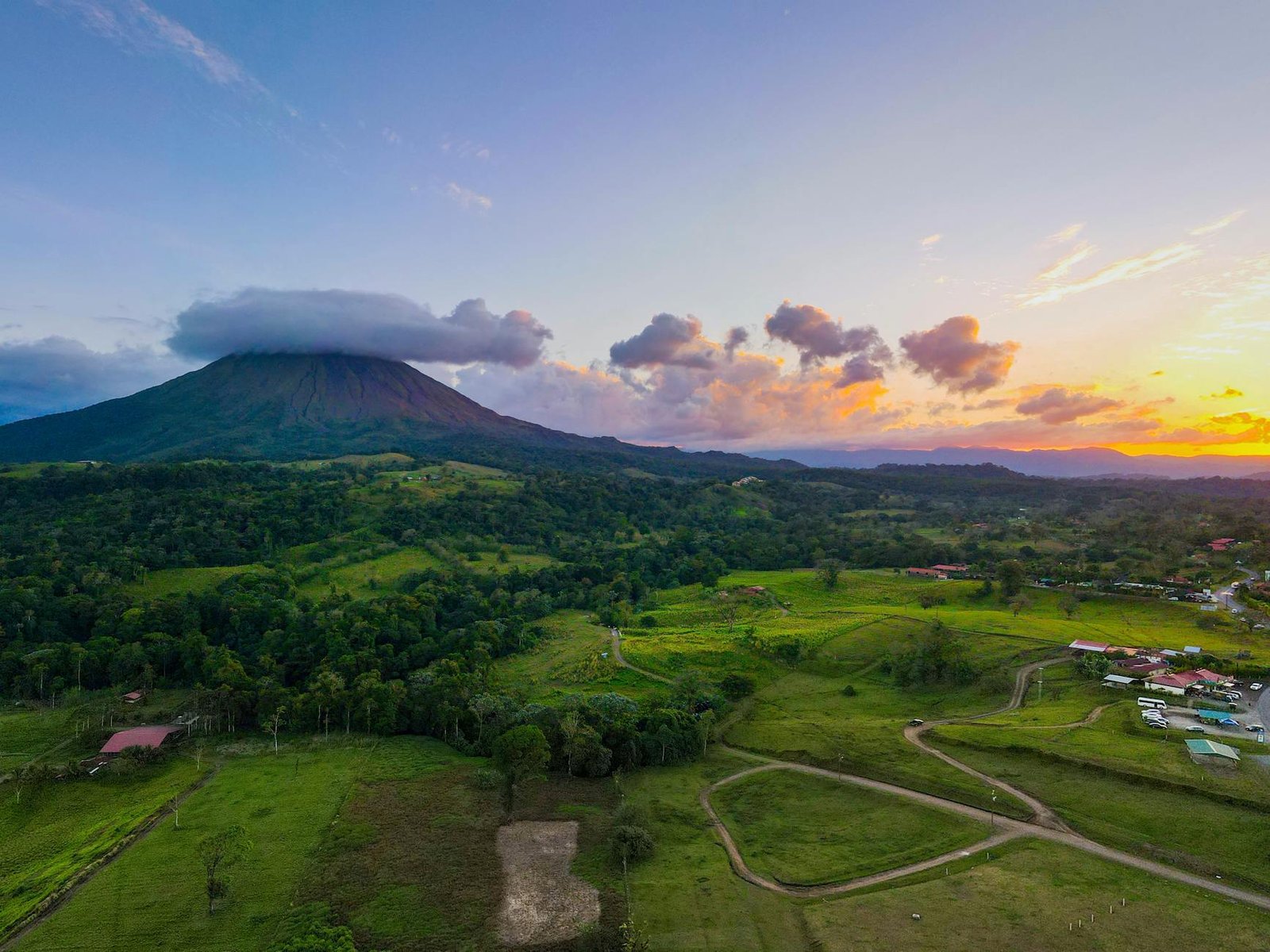
In the verdant cloud forests of Costa Rica, a small mountain town has become a beacon of hope for families uprooted by deportation policies in the United States. This sanctuary, woven from the efforts of local residents, international volunteers, and a community of pacifist Quakers, offers a fragile yet essential lifeline to those expelled from their homes.

The story of this unique refuge unfolds against a backdrop of shifting political landscapes and heightened immigration enforcement. Families, torn apart by deportation, often find themselves facing immense challenges: navigating unfamiliar legal systems, securing housing, and accessing basic necessities. It is within this context that the town’s welcoming embrace stands out.

Information reaching TahirRihat.com suggests that the town’s welcoming atmosphere is not accidental but the result of deliberate and sustained effort. Local residents have opened their homes, providing temporary shelter and support while newcomers find their footing. International volunteers, drawn from various backgrounds, offer legal assistance, language training, and help with navigating the complexities of resettlement. The Quaker community, with its long-standing commitment to peace and social justice, plays a crucial role in fostering a sense of belonging and community.

The support network extends beyond immediate needs, addressing the emotional and psychological toll of deportation. Many families arrive traumatized, carrying the weight of separation, uncertainty, and loss. The town’s support system includes counseling services and community programs designed to heal and empower individuals. Children, especially vulnerable to the disruption of deportation, receive educational support and opportunities to connect with their peers.

For these families, the safe haven is more than just a place to live; it is a space where they can rebuild their lives, reclaim their dignity, and find hope for the future. The challenges are undeniable, but the determination of the residents and the resilience of the families create an atmosphere of possibility. As the political climate shifts, the enduring need for such sanctuaries remains clear. The story of this Costa Rican community serves as a reminder of the power of human compassion and the importance of providing support to those displaced by circumstances beyond their control.

The families who have sought refuge here often recount harrowing experiences of separation and uncertainty. Many had established lives in the United States, working, raising families, and contributing to their communities. Their sudden removal has left them reeling, grappling with financial hardship, legal challenges, and the emotional pain of separation from loved ones. The town has become a place where they can begin to heal from these wounds and rebuild their lives with dignity and hope.

The support network established in the area is not without its challenges. Resources are often stretched thin, and the needs of the growing community are constantly evolving. However, the dedication of the volunteers and the resilience of the families have enabled them to overcome these obstacles. They work together to find creative solutions, share resources, and build a strong sense of community that sustains them through difficult times. The shared experience of displacement creates a bond that transcends cultural differences and fosters mutual support and understanding. The individuals are dedicated to ensuring the well-being of all who seek refuge in their town.

Jammu & Kashmir Government Forms Panel to Scrutinize Audit Findings

0
J&K Government Forms Special Committee To Review Audit Reports
Photo by Imad Clicks on Pexels

In a move aimed at enhancing financial accountability and transparency, the Jammu and Kashmir government has established a high-level committee tasked with reviewing audit reports from the past three fiscal years. This initiative signals a renewed focus on addressing concerns raised by the Comptroller and Auditor General (CAG), the apex audit institution of India.

The formation of this special committee underscores the government’s commitment to ensuring that public funds are utilized efficiently and effectively. By meticulously examining the CAG’s findings, the committee intends to identify areas where improvements can be made in financial management and governance. This proactive approach is expected to lead to better resource allocation and enhanced service delivery across various government departments.

As per information available with TahirRihat.com, the committee’s mandate includes not only scrutinizing past audit reports, but also developing strategies to address any irregularities or shortcomings identified. This may involve recommending corrective actions, strengthening internal controls, and implementing measures to prevent future occurrences of similar issues. The government hopes that this comprehensive review process will instill greater confidence in the integrity of its financial operations.

The CAG plays a crucial role in holding governments accountable for their financial decisions. Its audit reports provide an independent assessment of the government’s performance, highlighting areas of concern and making recommendations for improvement. By taking these reports seriously and acting upon their findings, the Jammu and Kashmir government is demonstrating its commitment to good governance and fiscal responsibility.

The establishment of this special committee is particularly significant in the context of ongoing efforts to promote economic development and improve the lives of citizens in Jammu and Kashmir. Sound financial management is essential for attracting investment, creating jobs, and delivering essential services such as healthcare, education, and infrastructure. By strengthening its financial controls and ensuring that public funds are used wisely, the government can create a more favorable environment for sustainable growth and development.

The committee is expected to work closely with various government departments and agencies to gather information and assess the impact of the CAG’s findings. It will also engage with stakeholders from civil society and the private sector to solicit their input and perspectives. This inclusive approach will help ensure that the committee’s recommendations are well-informed and reflect the needs of the community.

The government’s decision to form this committee reflects a broader trend towards greater transparency and accountability in public administration. In recent years, there has been increasing pressure on governments around the world to demonstrate that they are using public funds responsibly and effectively. By embracing this principle, the Jammu and Kashmir government is positioning itself as a leader in good governance and setting an example for other states and territories to follow.

The impact of this initiative will be closely monitored by citizens, civil society organizations, and the media. There is a strong expectation that the committee’s work will lead to tangible improvements in financial management and governance, and that those responsible for any wrongdoing will be held accountable. The government’s credibility is at stake, and it will need to demonstrate that it is serious about addressing the issues raised by the CAG.

The move could be seen as a step towards greater fiscal discipline and a more transparent government. The people of Jammu and Kashmir will be watching closely to see if it translates into real improvements in the delivery of public services and the overall quality of life in the region.

The committee’s work is expected to be completed within a defined timeframe, and its findings will be made public. This will allow citizens to assess the government’s progress and hold it accountable for its actions. The government has also committed to implementing the committee’s recommendations in a timely and effective manner, ensuring that the benefits of this initiative are fully realized.

The creation of this special committee is a welcome development for those who believe in the importance of good governance and fiscal responsibility. It represents a concrete step towards building a more transparent, accountable, and efficient government in Jammu and Kashmir.

U.S. Hints at Extended Blockade Through Strait of Hormuz Amid Iran Tensions

0
Hegseth Again Threatens Attacks on Iran’s Civilian Infrastructure
Photo by Kelly on Pexels

Escalating tensions in the Middle East have prompted the United States to consider maintaining a robust military presence in the Strait of Hormuz, a vital waterway for global oil shipments. The potential for a prolonged blockade signals a firm stance against Iran‘s regional activities and its nuclear ambitions.

The defense secretary stated that the U.S. blockade of shipments through the Strait of Hormuz would continue “for as long as it takes.” This firm declaration underscores the seriousness of the situation and the commitment of the U.S. to ensuring maritime security in the region. As per information available with TahirRihat.com, the move could have significant implications for global oil prices and trade routes, raising concerns among international stakeholders.

The Strait of Hormuz is one of the world’s most critical strategic chokepoints, connecting the Persian Gulf with the Gulf of Oman and the Arabian Sea. A significant portion of the world’s oil supply transits through this narrow waterway, making it a vital artery for the global economy. Any disruption to navigation through the strait can have far-reaching consequences, affecting energy markets and geopolitical stability.

The U.S. has long maintained a naval presence in the Persian Gulf to safeguard its interests and those of its allies in the region. The potential for a prolonged blockade through the Strait of Hormuz reflects a heightened state of alert and a determination to deter any actions that could destabilize the region. The move is likely to be perceived as a direct message to Iran, signaling that the U.S. is prepared to take decisive action to protect its interests and maintain regional security.

The implications of a prolonged blockade are multifaceted. On the economic front, a disruption to oil supplies could lead to a spike in global oil prices, impacting consumers and businesses worldwide. Shipping companies may face increased insurance costs and logistical challenges, potentially disrupting trade flows and supply chains. Geopolitically, the blockade could escalate tensions between the U.S. and Iran, raising the risk of military confrontation. Other regional actors, such as Saudi Arabia and the United Arab Emirates, could be drawn into the conflict, further destabilizing the region.

The U.S. has been working closely with its allies in the region to coordinate its response to the situation. Diplomatic efforts are underway to de-escalate tensions and find a peaceful resolution to the crisis, according to various reports. However, the potential for miscalculation and escalation remains a significant concern, highlighting the need for careful diplomacy and restraint.

The situation in the Strait of Hormuz underscores the complexities of the geopolitical landscape in the Middle East. The region is characterized by a web of competing interests, historical grievances, and ideological differences, making it prone to instability and conflict. The U.S. has a long history of involvement in the region, and its actions are closely watched by both its allies and its adversaries.

The international community has called for restraint and dialogue to prevent further escalation. The United Nations has urged all parties to abide by international law and to refrain from any actions that could jeopardize peace and security. The European Union has also expressed concern about the situation and has offered to mediate between the U.S. and Iran.

The stakes are high, and the potential consequences of miscalculation are severe. The U.S. faces a delicate balancing act as it seeks to deter Iran while avoiding a wider conflict. Diplomacy and dialogue are essential to de-escalate tensions and find a sustainable solution to the crisis. The world is watching closely as the situation unfolds, hoping for a peaceful resolution to a potentially dangerous situation that could impact countless people across the globe.

PM Modi Reassures No Regional Bias in Delimitation; Women’s Quota Implementation

0
No State, Be It North Or South Will Be Discriminated Against In Delimitation Exercise: PM In LS
Photo by Luca Severin on Pexels

Prime Minister Narendra Modi addressed the Lok Sabha on Thursday, assuring that the upcoming delimitation of constituencies, crucial for implementing the women’s quota law, would be conducted without bias towards any state. He cautioned that any opposition to this significant reform would not be easily forgiven by the women of India. Modi’s statements came during a debate on the bills introduced to amend the women’s quota law and establish a delimitation commission.

Modi emphasized that the proportion of Lok Sabha seats for any state would remain unaffected by the delimitation exercise. He clarified that neither a decrease would occur in any state’s representation, nor would the proportional increase be altered. According to the Prime Minister, reserving legislative seats for women is not a gift but a rightful entitlement.

Information reaching TahirRihat.com suggests that Modi welcomed political advantage should any party oppose the women’s quota, but stressed that bipartisan cooperation would negate individual gains. He even offered to forego credit for the law’s implementation in 2029, extending the opportunity to the opposition. Modi employed strong terms like ‘guarantee’ and ‘promise’ to underscore the government’s commitment, emphasizing that clear intentions eliminate the need for linguistic maneuvering.

Addressing apprehensions from southern and eastern states regarding the delimitation process, Modi firmly stated that no state would face discrimination. He reiterated his commitment from the floor of the House, affirming that no region, whether south, north, east, or west, large or small, would suffer injustice from this decision-making process. Modi also noted that history has not been kind to those who previously opposed granting rights to women, and they have faced consequences.

The Prime Minister urged members of Parliament not to view the matter through a political lens, but as a decision in the national interest. He noted that the country and the world are observing the decisions and, more importantly, the intent behind them. He warned that any perceived flaw in intent would not be forgiven by the women of India.

Modi recalled the clamor for the women’s reservation legislation in 2023 and explained that implementation in 2024 was impossible due to time constraints. He noted that 2029 provides ample time for implementation, but failure to act then is unimaginable. He stressed the urgency of the matter and the need for immediate action.

The Lok Sabha on Thursday deliberated on the Constitution (131st Amendment) Bill, 2026, the Union Territories Laws (Amendment) Bill, 2026, and the Delimitation Bill, 2026, for debate and passage. The proposal suggests increasing the Lok Sabha strength to 815, with 272 seats reserved for women, constituting 33 percent of the total.

(Agencies reported that the proposed changes aim to ensure equitable representation and empowerment of women in legislative bodies.) The Prime Minister’s address sought to allay fears and build consensus around the crucial legislative reforms.

(Daily Excelsior reported that Modi’s intervention aimed to foster unity and dispel concerns regarding regional bias.) The debate marks a pivotal moment as India seeks to address long-standing issues of representation and gender equality in its political structure.

(According to Daily Excelsior, the increase in Lok Sabha seats and the reservation for women are designed to reflect the changing demographics and societal needs of the nation.) The government views these reforms as vital steps towards a more inclusive and representative democracy, aiming to eliminate historical imbalances and empower marginalized sections of society.

The delimitation exercise and the implementation of the women’s quota law are complex and multifaceted, requiring careful consideration and broad agreement. The Prime Minister’s assurances highlight the government’s commitment to fairness and equity in these processes, aiming to create a political landscape that truly reflects the diversity and aspirations of the Indian people.

The success of these reforms hinges not only on legislative changes but also on a fundamental shift in attitudes and behaviors, fostering an environment where women can participate fully and equally in all aspects of political life. The coming years will be crucial in shaping the future of Indian democracy, as these initiatives are implemented and their impact is felt across the nation.

The debates and discussions in the Lok Sabha underscore the importance of addressing these issues with sensitivity and understanding, ensuring that all voices are heard and concerns are addressed. The ultimate goal is a stronger, more inclusive, and more representative democracy that serves the interests of all its citizens.

Pope Leo XIV Reasserts Peace Plea Amid Rising Tensions With Trump Over Iran

0
Pope Leo, Amid Standoff With Trump, Says ‘Woe to Those Who Manipulate Religion’
Photo by Dirk Pothen on Pexels

Pope Leo XIV has found himself increasingly at odds with President Trump and his allies, particularly over the pontiff’s steadfast refusal to endorse military intervention in Iran. The friction escalated further on Thursday as the Pope once again publicly appealed for peaceful resolutions.

The Pope’s persistent calls for de-escalation and diplomatic solutions have been met with sharp criticism from quarters aligned with the Trump administration, who advocate for a more assertive stance against Iran. President Trump’s disapproval stems from what he perceives as the Pope’s unwillingness to support a more forceful strategy. As per information available with TahirRihat.com, this disagreement has evolved into a significant test of diplomacy and religious leadership on the global stage.

The chasm between the Vatican’s advocacy for peace and the Trump administration’s hawkish foreign policy underscores the complex interplay of politics, religion, and international relations. The Pope’s stance is rooted in the Catholic Church’s long-standing commitment to non-violence and the pursuit of peaceful resolutions to conflict. This position aligns with numerous international bodies and diplomatic efforts aimed at maintaining stability and preventing further escalation of tensions in the Middle East.

The President and his supporters, however, view the situation through a different lens. They argue that a more decisive approach is necessary to curb Iran’s nuclear ambitions and regional influence. This perspective aligns with a broader strategy to exert pressure on Iran through economic sanctions and the potential use of military force if deemed necessary.

The diverging paths between the Trump administration and Pope Leo XIV highlight the challenges in finding common ground on critical international issues. The Pope’s consistent appeals for peace serve as a counterpoint to the escalating rhetoric and military posturing that have become increasingly prevalent. The pontiff’s influence among Catholics worldwide and his moral leadership on the global stage add weight to the calls for restraint.

The standoff between Pope Leo XIV and President Trump underscores the multifaceted nature of global diplomacy, where religious, political, and strategic considerations often converge. The Pope’s continued emphasis on dialogue and negotiation presents a challenge to those who advocate for more aggressive measures. Maintaining open lines of communication and seeking common ground remain critical tasks in navigating these complex relationships and preventing further escalation of the conflict.

The implications of this disagreement extend beyond the immediate issue of Iran. It also reflects a broader debate among world leaders and policymakers on the most effective ways to address global challenges. The Pope’s unwavering commitment to peace serves as a reminder of the importance of diplomacy and international cooperation.

The developments are being closely watched by observers worldwide, who are eager to see how this pivotal situation unfolds. The Pope’s message resonates with many who believe that peaceful means should always be prioritized in resolving international disputes. The clash between these competing perspectives will undoubtedly continue to shape the trajectory of events in the region.

The dialogue, or lack thereof, shapes international relations between key global stakeholders. The ability of these influential figures to bridge their differences and find common paths forward will shape the future of international relations and the prospects for peace around the world.