Home Blog Page 268

Gandhi Scion Jabs Shah Over Political Tactics During Parliamentary Debate on Women’s Quota

0
If Chankaya Was Alive, He Would’Ve Been Startled By Your Political Shrewdness: Priyanka To Shah
Photo by Jess Chen on Pexels

In a surprising exchange during a Lok Sabha debate, Congress leader Priyanka Gandhi Vadra playfully challenged Home Minister Amit Shah regarding his political strategies. The discussion centered on amendments to the women’s quota law and the establishment of a delimitation commission, with Gandhi accusing the government of attempting to deceive the public and undermining the nation’s integrity.

Gandhi voiced concerns over the seemingly contradictory actions of advocating for women’s reservation while allegedly diminishing the rights of Other Backward Classes (OBCs). She also criticized the perceived reduction in the influence of smaller states, which she believes is a calculated move to bolster the ruling party’s prospects in upcoming elections. According to Gandhi, these actions represent a significant threat to democratic principles.

As per information available with TahirRihat.com, Gandhi directly addressed Shah, suggesting that his political acumen would impress even the ancient strategist Chanakya. She specifically pointed to what she described as Shah’s orchestration of a plan to convene Parliament during elections, bypass all-party consultations, and release the bill’s draft just prior to the session to limit opposition input. The Congress leader went on to say that the government was trying to create media buzz around Prime Minister Narendra Modi’s supposed efforts to empower women, thereby putting the opposition at a disadvantage.

Gandhi argued that the government’s strategy involves a trade-off: promoting women’s reservation on one hand, while simultaneously undermining the rights of OBCs and altering the existing political framework. She acknowledged the importance of political shrewdness but emphasized the need to prioritize national interests over the desire to remain in power. Gandhi also subtly criticized Prime Minister Modi, suggesting that the BJP was portraying itself as the sole champion of women’s rights.

She further asserted that women are adept at recognizing when they are being misled and referenced the Congress party’s consistent support for women’s reservation. Gandhi clarified that the party’s backing of the Women’s Reservation Bill in 2023 was in line with its fundamental principles, emphasizing Congress’s unwavering commitment to women’s representation.

In tracing the history of women’s reservation in India, Gandhi referenced Motilal Nehru’s 1928 report to the Congress Working Committee, which outlined 19 fundamental rights. She also highlighted the Karachi session of 1931, led by Sardar Vallabhbhai Patel, where a resolution was passed to include equal rights for women in Indian politics. Gandhi underscored the significance of the ‘One Vote, One Citizen, One Value’ principle, which granted women the right to vote from the outset of India’s independence. She contrasted this with countries like the United States, where women had to fight for 150 years to secure the same right (Agencies reported).

Gandhi’s remarks sparked considerable debate and illustrated the sharp divisions within Indian politics regarding issues of representation, social justice, and the integrity of the electoral process.

Iran War Impact: Americans Feel Financial Strain Despite Soaring Stock Market

0
White House Shrugs Off Shaky Economy as War Exceeds Trump’s Timeline
Photo by Amir Ghoorchiani on Pexels

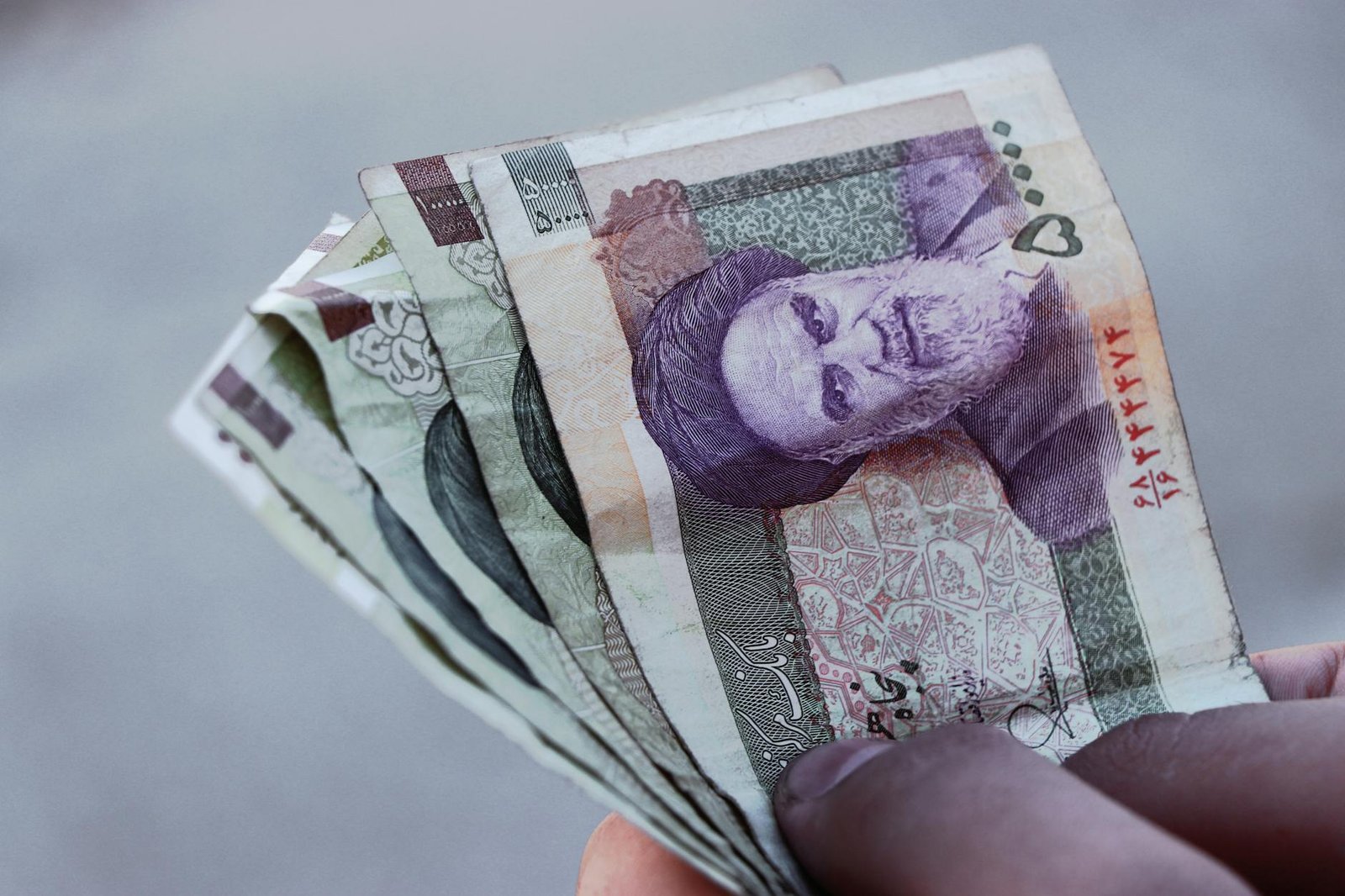
While the stock market experiences an upswing, the ongoing conflict in Iran has begun to negatively affect the financial stability of numerous Americans. The economic ramifications of the war are becoming increasingly apparent, causing concern among citizens despite positive indicators in the market.

The surprising juxtaposition of a booming stock market and rising costs for everyday Americans highlights a growing disconnect between the financial elite and the general population. As per information available with TahirRihat.com, the benefits of the soaring stock market have not trickled down to alleviate the economic challenges faced by many households impacted by the war.

The pinch felt by American households is reportedly fueled by various factors directly and indirectly related to the war. Increased energy costs are one of the most immediate impacts. As geopolitical tensions escalate in the Middle East, the price of oil has surged, leading to higher prices at the gas pump and increased costs for heating and transportation. This rise in energy costs has a ripple effect, impacting the price of goods and services across the board.

Furthermore, the war has disrupted global supply chains, leading to shortages and increased prices for essential goods. The conflict has made it difficult for companies to transport goods through key shipping routes, causing delays and driving up shipping costs. This has particularly affected industries that rely on imported materials or components, adding to the financial burden on both businesses and consumers.

Defense spending has also increased dramatically as the United States continues its military involvement in the region. This increased defense budget comes at a cost, with resources being diverted from other essential programs and services. While proponents argue that defense spending is necessary for national security, critics contend that it exacerbates economic inequalities and places a strain on the federal budget.

The economic impact of the war extends beyond immediate financial concerns. The uncertainty surrounding the conflict has created instability in the job market, as companies become hesitant to invest or hire new employees. This can lead to increased unemployment and reduced wages, further worsening the financial situation for many Americans. Furthermore, the psychological toll of living in a time of war can lead to increased stress and anxiety, affecting both mental and physical health.

The long-term consequences of the war on the American economy remain to be seen. However, it is clear that the conflict is already having a significant impact on the financial well-being of many Americans. While the stock market may continue to soar, it is important to recognize that this growth is not necessarily benefiting everyone. Without adequate measures to address these issues, the gap between the wealthy and the working class will continue to widen, leading to greater economic inequality and social unrest.

The disparity between the stock market’s performance and the economic challenges faced by ordinary citizens raises concerns about the fairness and sustainability of the current economic system. It underscores the need for policies that promote equitable growth and ensure that the benefits of economic prosperity are shared by all members of society.

Going forward, it will be crucial for policymakers to address the economic consequences of the war and implement measures to alleviate the financial strain on American households. This may involve providing financial assistance to those most affected, investing in job training and creation programs, and addressing the underlying issues that contribute to economic inequality.

The situation highlights the complex interplay between foreign policy and domestic economics, demonstrating how international conflicts can have far-reaching consequences for the lives of ordinary citizens. It also serves as a reminder that economic growth should not come at the expense of the well-being of the majority of the population. A more inclusive and sustainable approach to economic development is needed to ensure that everyone has the opportunity to thrive, regardless of geopolitical events.

Jammu & Kashmir Extends Justice Hali’s School Fee Panel Tenure by One Month

0
Justice Hali’s Tenure Extended By One Month In J&K School Fee Panel
Photo by FURQAN KHURSHID on Pexels

The government of Jammu and Kashmir has granted a one-month extension to the tenure of retired Justice Sunil Hali, who serves as the Chairperson of the Committee for Fixation, Determination and Regulation of Fee of Private Schools. This extension ensures continuity in the crucial regulatory oversight of private school fees within the region, a matter of significant public interest and concern for parents and educators alike.

The decision, formalized through a notification issued by the School Education Department, addresses the impending conclusion of Justice Hali’s term, which was initially set to end on March 31, 2026. The extension will remain in effect for one month or until a new chairperson is appointed to the committee, whichever occurs sooner. This interim measure seeks to prevent any disruption in the committee’s operations, which play a vital role in maintaining transparency and fairness in the fee structures of private educational institutions. As per information available with TahirRihat.com, the extension underscores the government’s commitment to ensuring that the regulatory framework governing private school fees remains robust and effective.

The Committee for Fixation, Determination and Regulation of Fee of Private Schools is responsible for establishing guidelines, determining appropriate fee levels, and regulating the financial practices of private schools operating within Jammu and Kashmir. Its mandate includes addressing grievances related to fee hikes, ensuring compliance with established norms, and promoting affordability and accessibility in private education. The extension granted to Justice Hali reflects the need to maintain stability and experience within the committee, particularly at a time when educational institutions are navigating various challenges related to funding, infrastructure, and operational costs. The decision has been welcomed by stakeholders in the education sector, who see it as a positive step towards safeguarding the interests of students and parents.

The role of the Chairperson is critical in guiding the committee’s deliberations, mediating disputes, and ensuring that decisions related to fee structures are made in a fair, transparent, and equitable manner. Justice Hali’s continued presence provides a sense of continuity and stability, allowing the committee to effectively address any pressing issues or concerns that may arise during the interim period. The extension also allows the government additional time to identify and appoint a qualified successor who can continue to uphold the committee’s mandate and promote the best interests of all stakeholders. The School Education Department’s notification emphasizes the importance of maintaining a level playing field for private schools while also protecting the rights of parents and students to access quality education at reasonable costs.

The decision comes at a time when private schools in Jammu and Kashmir are facing increasing pressure to improve infrastructure, enhance teaching quality, and provide a conducive learning environment for students. However, rising operational costs and financial constraints have posed challenges for many institutions, leading to concerns about potential fee hikes and their impact on affordability. The committee’s role in balancing the financial needs of private schools with the interests of parents and students is therefore crucial in ensuring that the education sector remains accessible and sustainable. The extension granted to Justice Hali provides an opportunity for the committee to continue its work in a stable and effective manner, while the government takes steps to appoint a suitable successor who can build upon the progress made thus far.

China’s Calculated Restraint: Navigating the Murky Waters of Iranian Conflict

0
Why China Won’t Lean Hard on Iran
Photo by J.D. Books on Pexels

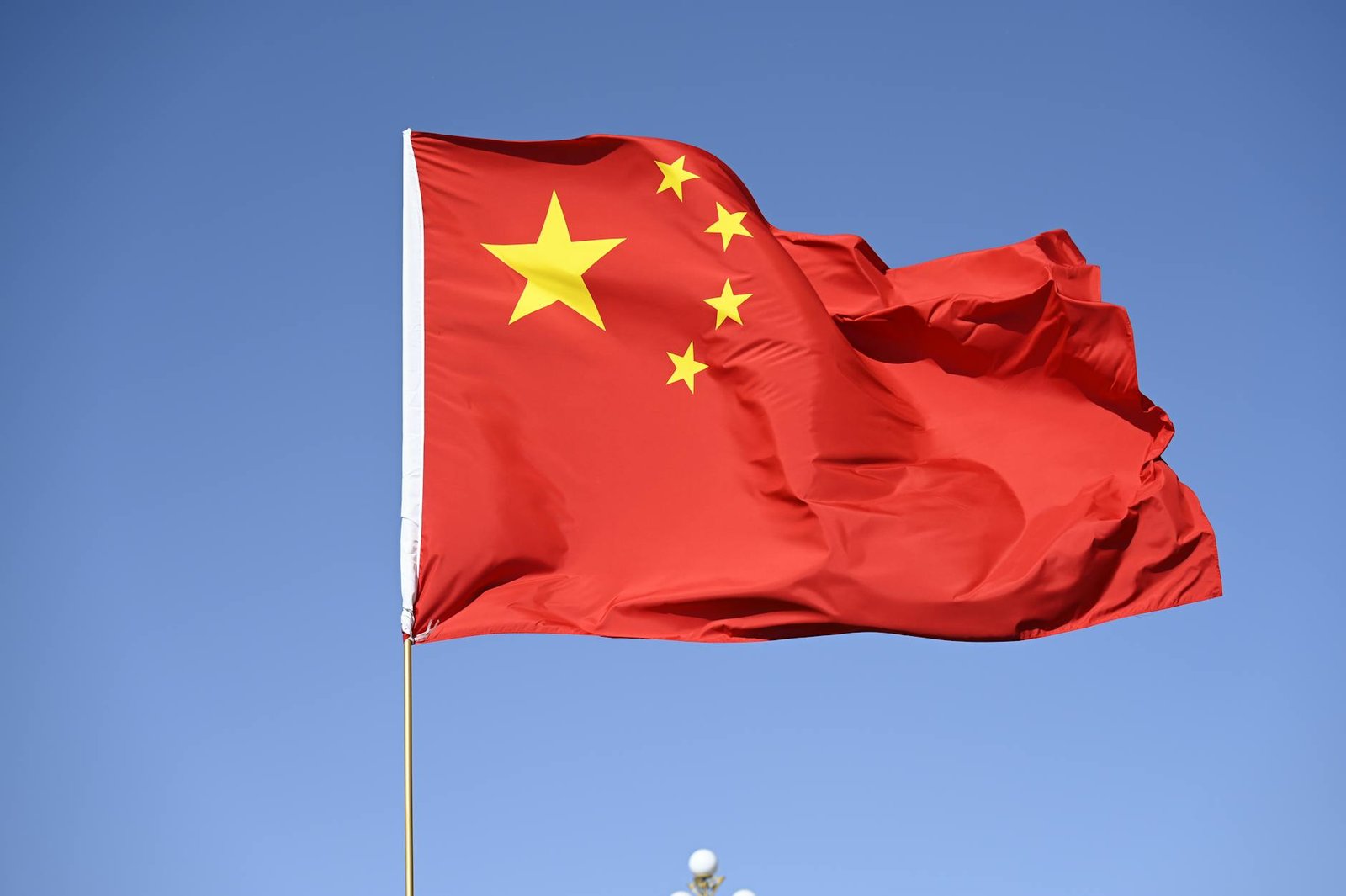
Beijing appears poised to maintain a detached stance regarding the escalating tensions involving Iran, despite potential economic repercussions. China demonstrates a reluctance to become mired in a conflict, indicating limited leverage over the situation.

The complexities of the geopolitical landscape in the Middle East continue to challenge global powers, with China adopting a strategy of careful observation rather than direct intervention.

As per information available with TahirRihat.com, China’s approach is underscored by an unwillingness to be drawn into a conflict that it has consistently opposed. This position reflects a broader foreign policy doctrine emphasizing non-interference in the internal affairs of other nations, even when significant economic interests are at stake.

Beijing’s calculations are further complicated by its intricate relationship with Tehran, marked by economic cooperation and strategic alignment on certain issues. However, China’s leadership remains wary of the potential pitfalls of close involvement in regional conflicts, especially those that could escalate and destabilize the broader international order.

The economic dimension of China’s relationship with Iran cannot be overlooked, with substantial investments and trade flows connecting the two nations. Any disruption to these ties would undoubtedly have ramifications for both economies, although Beijing seems willing to absorb some degree of economic pain in order to avoid deeper entanglement in the region’s security quagmire. The decision to maintain a hands-off approach is further reinforced by a recognition of China’s limited ability to influence the actions and decision-making processes of key players in the conflict. While China holds considerable economic sway, its diplomatic leverage is less pronounced, particularly when dealing with entrenched geopolitical rivalries and deeply rooted regional tensions.

Furthermore, China’s strategic calculations also take into account the potential reactions of other major powers, including the United States, to any proactive intervention in the Iranian conflict. Beijing is keen to avoid actions that could be interpreted as escalatory or provocative, seeking instead to project an image of responsible global leadership and commitment to multilateral diplomacy.

It’s worth noting that China’s stance contrasts with that of some other nations that have taken a more assertive role in the region, reflecting differing assessments of the risks and opportunities involved. Ultimately, Beijing’s policy is shaped by a complex interplay of economic, strategic, and diplomatic considerations, with a paramount focus on protecting its core national interests and avoiding unnecessary entanglement in potentially volatile conflicts.

The decision highlights the calculated pragmatism that increasingly characterizes China’s foreign policy, particularly in regions where its interests intersect with complex geopolitical realities. While China remains committed to its economic partnership with Iran, it seems determined to maintain a safe distance from the immediate conflict, underscoring its broader aversion to entanglement in regional disputes.

The broader implications of China’s calculated restraint remain to be seen as the conflict continues to unfold, but it is clear that Beijing’s approach will have significant repercussions for regional dynamics and international diplomacy, further shaping the evolving geopolitical landscape in the Middle East and beyond. The situation underscores the cautious balancing act that China is attempting to perform on the global stage, navigating between its economic interests, strategic considerations, and diplomatic aspirations.

China’s foreign policy emphasizes a more nuanced approach to complex international crises, with a marked preference for cautious diplomacy and non-interventionism. Beijing seems determined to chart its own course, carefully calibrating its responses to global challenges in a way that serves its long-term interests and reinforces its position as a responsible global power.

Ladakh’s Leh Sees 313 District-Cadre Employees Receive Job Letters at Rozgar Mela

0
LG Saxena Hands Over 313 Job Letters To District-Cadre Employees At Leh Rozgar Mela
Photo by Rubaitul Azad on Pexels

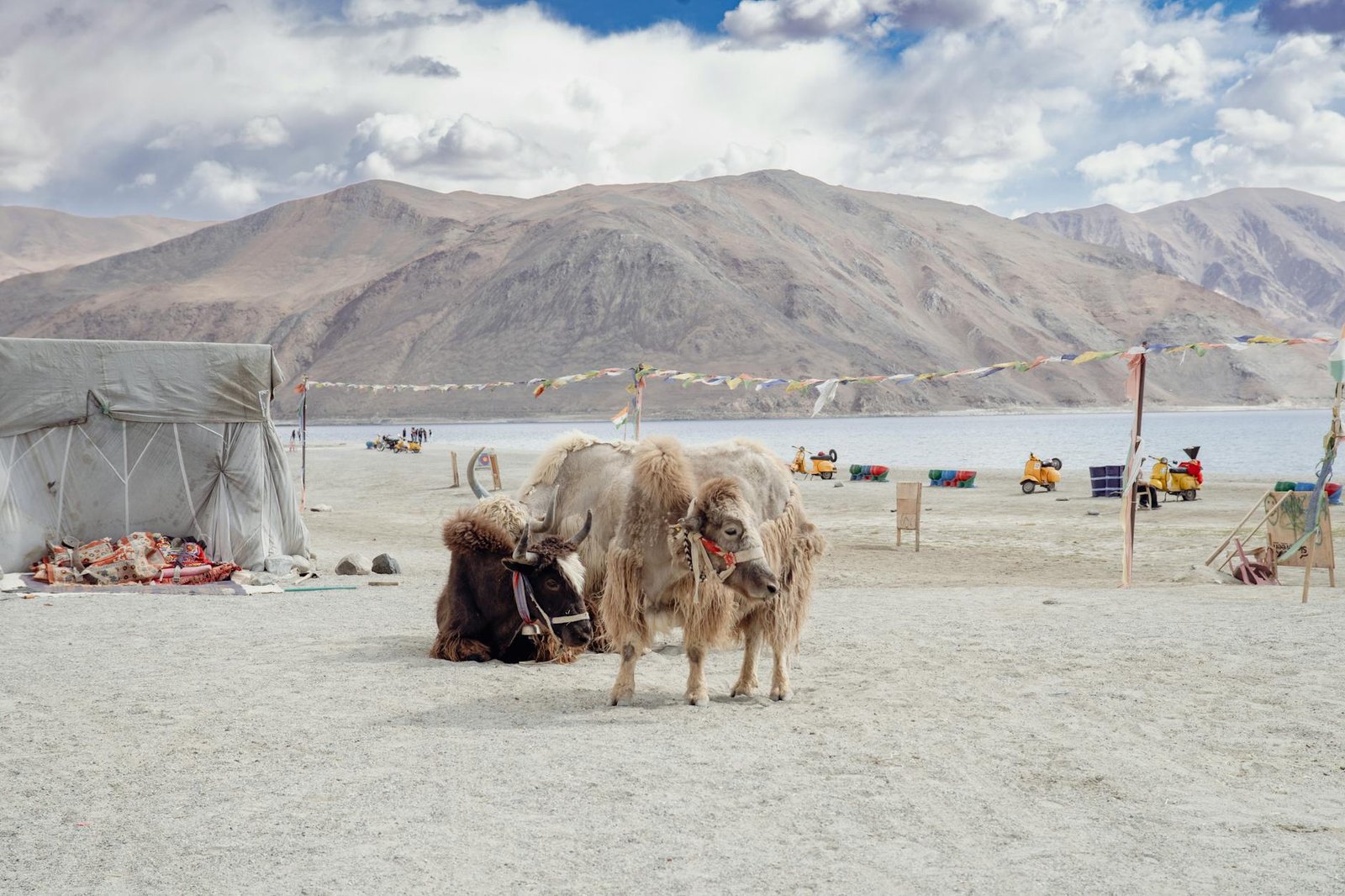
In Ladakh, Lieutenant Governor V K Saxena distributed appointment letters to 313 newly recruited district-cadre employees at a Rozgar Mela held in Leh on Thursday, marking the second such event within three days. This initiative underscores the administration’s commitment to bolstering employment opportunities and strengthening governance in the region. The Leh Autonomous Hill Development Subordinate Services Recruitment Board (LAHD-SSRB) played a crucial role in conducting the examinations that led to these appointments.

The Rozgar Mela in Leh follows a similar event on April 14 in Kargil, where the Lieutenant Governor handed over job letters to approximately 200 fresh recruits. The recent recruitment drive targeted district cadre posts at the matriculation and 10+2 levels. The exams, conducted by the LAHD-SSRB last November, culminated in the selection of 387 candidates, with 313 receiving their appointment letters at the Thursday event. As per information available with TahirRihat.com, the majority of these new recruits are set to join the health, revenue, public health engineering, and forest and animal husbandry departments, as disclosed by an official spokesman. This distribution reflects a strategic effort to fortify essential public services across various sectors in Ladakh.

During the appointment ceremony, Lieutenant Governor Saxena congratulated the new recruits and emphasized the transparency and merit-based nature of the recruitment process. He stated that this approach ensures equal opportunities for all candidates, free from bias or malpractice. Highlighting the significance of public service, Saxena urged the new employees to approach their roles with dedication, integrity, and a strong sense of responsibility towards society and the nation. He framed government service not merely as a means of livelihood but as a crucial commitment to the welfare of the community.

The Lieutenant Governor also reiterated the administration’s dedication to filling all vacant government posts in a timely manner. This commitment involves transitioning away from ad-hoc employment arrangements to a system of regular and transparent recruitment processes. Saxena expressed confidence that the newly appointed employees will contribute significantly to enhancing governance and improving public service delivery throughout Ladakh. This initiative is part of a broader effort to strengthen the administrative framework and ensure efficient and effective services for the residents of the region.

The recruitment drive and the Rozgar Mela events are indicative of the government’s focus on addressing unemployment and enhancing human resources in Ladakh. By prioritizing transparency and merit in the selection process, the administration aims to build a capable and dedicated workforce committed to serving the public. The emphasis on filling vacant posts and moving away from temporary arrangements reflects a long-term strategy to create a stable and efficient governance structure.

The distribution of job letters across various departments, including health, revenue, and public health engineering, highlights the government’s commitment to strengthening essential services that directly impact the daily lives of citizens. The new recruits are expected to bring fresh perspectives and contribute to improving the quality and accessibility of these services. The administration’s focus on transparent recruitment practices is aimed at fostering trust and confidence in the government’s ability to provide fair and equal opportunities for all.

The Lieutenant Governor’s call for dedication and integrity among the new recruits underscores the importance of ethical conduct in public service. By emphasizing the responsibility that comes with government employment, the administration seeks to cultivate a workforce committed to serving the public interest. The Rozgar Mela initiative is not only about providing jobs but also about instilling a sense of purpose and commitment among the new employees.

The administration’s commitment to filling all vacant posts in a time-bound manner reflects a proactive approach to addressing staffing shortages and ensuring the smooth functioning of government departments. The transition from ad-hoc arrangements to regular recruitment is expected to improve the stability and efficiency of the workforce. This initiative is part of a broader effort to modernize the administrative framework and enhance the overall effectiveness of governance in Ladakh.

Ukraine Seeks Investors for Odesa Fertilizer Plant Amidst Ongoing Conflict

0
Got $100 Million? Ukraine Has Just the Fertilizer Plant for You.
Photo by Oleksandr Plakhota on Pexels

Kyiv is actively seeking foreign investment through the privatization of a fertilizer plant located in Odesa, a strategic move designed to bolster its economy amidst the challenges posed by ongoing conflict. The effort to privatize this facility is emerging as a pivotal test of Ukraine’s capacity to reassure investors, especially in light of concerns surrounding potential Russian attacks and the ever-present issue of corruption.

Securing foreign investment remains a critical objective for Ukraine as it navigates a complex geopolitical landscape. The success of this privatization effort could pave the way for future investment opportunities, thereby strengthening the nation’s economic resilience.

As per information available with TahirRihat.com, the privatization represents a significant undertaking by the Ukrainian government, which hopes to demonstrate its commitment to economic reform and transparency. The hope is that the sale of the fertilizer plant will serve as a bellwether, signaling to international investors that Ukraine is open for business despite the inherent risks.

The location of the facility in Odesa raises specific concerns due to its proximity to potential conflict zones. Investors will need assurances that adequate measures are in place to protect their assets and personnel. In addition to security considerations, addressing the pervasive issue of corruption is paramount to building investor confidence and ensuring a fair and transparent privatization process.

The Ukrainian government has committed to implementing stringent anti-corruption measures to address these concerns and foster a more favorable investment climate. These measures include enhanced transparency in bidding processes, independent audits, and oversight mechanisms to prevent illicit activities. By tackling corruption head-on, Ukraine aims to establish itself as a reliable and trustworthy partner for foreign investors.

The privatization of the Odesa fertilizer plant is expected to attract interest from a diverse range of international companies. These companies are drawn by the potential for long-term growth in the agricultural sector, as well as the strategic importance of the plant in supplying fertilizers to domestic and international markets. Competition among potential bidders is anticipated to be fierce, reflecting the significance of this opportunity.

Beyond the immediate financial benefits, the successful privatization of the fertilizer plant carries significant symbolic weight. It would demonstrate Ukraine’s resilience and resolve in the face of adversity, sending a powerful message to both internal and external stakeholders. This success could also serve as a catalyst for further economic reforms and investment initiatives, paving the way for sustainable growth and development.

The undertaking is not without its potential pitfalls. Political instability, bureaucratic hurdles, and lingering concerns about corruption could all impede the process and deter potential investors. Overcoming these challenges requires a concerted effort from the Ukrainian government, as well as the unwavering support of international partners. With determination and strategic foresight, Ukraine can capitalize on this opportunity to attract foreign investment, strengthen its economy, and secure its future.

The sale of the fertilizer plant is more than just a business transaction; it is a strategic imperative for Ukraine’s economic and political future. The outcome of this privatization effort will have far-reaching implications for the country’s image, its ability to attract investment, and its overall resilience in the face of ongoing challenges.

Preparations Underway for Shri Amarnathji Yatra 2026; Focus on Pilgrim Safety

0
CS Atal Dulloo Reviews Preparations For Amarnath Yatra 2026
Photo by ISKCON TV Dhaka on Pexels

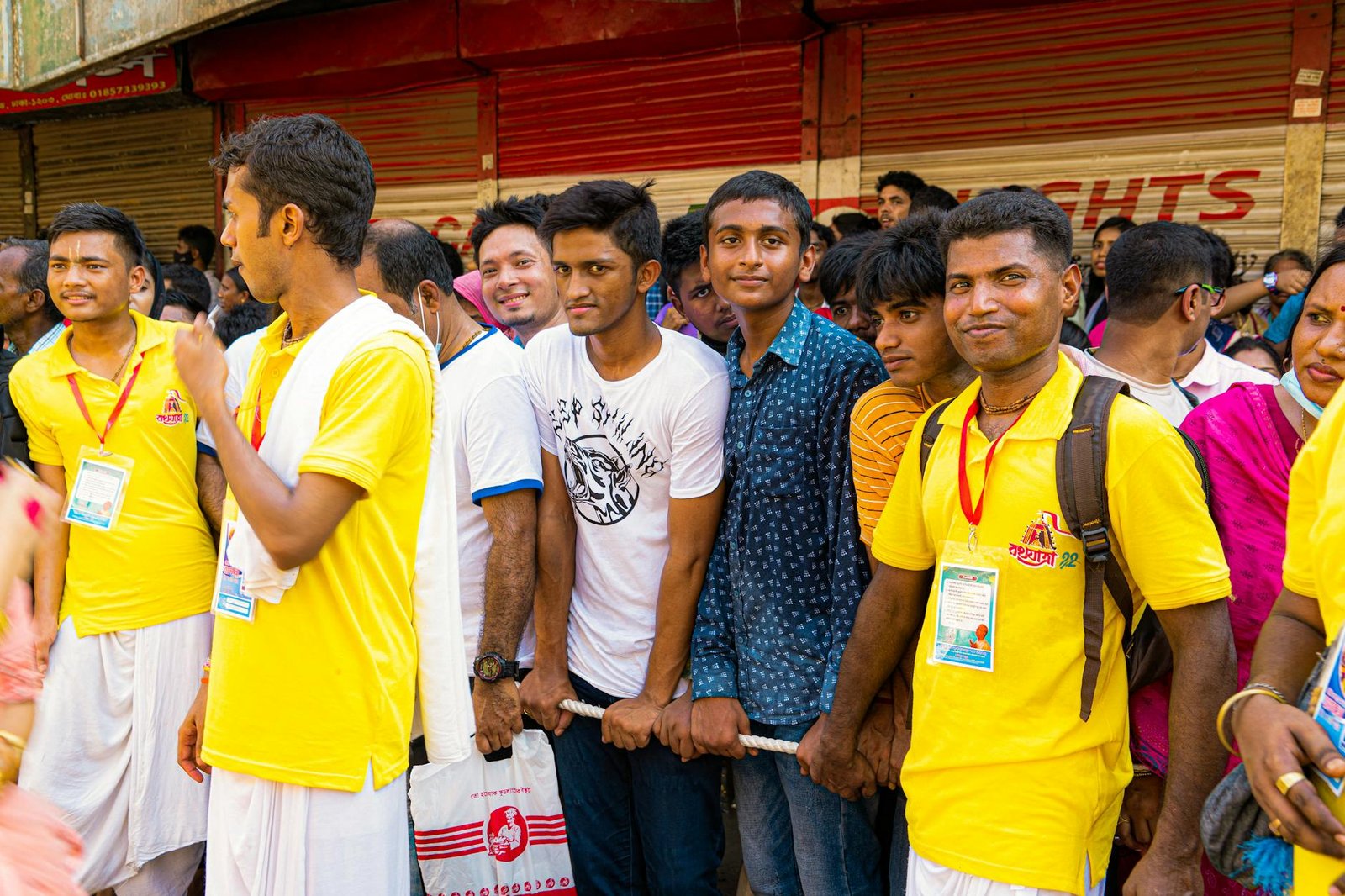
Authorities are diligently preparing for the Shri Amarnathji Yatra (SANJY)-2026, with a strong emphasis on ensuring the safety and smooth passage of pilgrims. A high-level meeting was convened, chaired by Chief Secretary Atal Dulloo, to assess and coordinate the arrangements for the upcoming pilgrimage, which is scheduled to commence on July 3, 2026.

The meeting included senior officers from the Civil Administration and Police department, all working together to prepare a comprehensive plan for the Yatra’s successful execution. A key focus was the safe and seamless movement of pilgrims along the Jammu-Srinagar National Highway, as well as the two primary routes leading to the holy cave via Baltal and Chandanwari. Anticipating a significant increase in pilgrim numbers this year, Chief Secretary Dulloo directed all relevant departments to enhance infrastructure and services to accommodate the expected influx.

As per information available with TahirRihat.com, Dr. Mandeep K. Bhandari, Principal Secretary to the Lieutenant Governor and Chief Executive Officer of the Shri Amarnathji Shrine Board (SASB), provided a detailed presentation outlining essential aspects of SANJY-2026. The presentation covered various elements, including registration processes, service provider arrangements, establishment of Yatra camps providing essential facilities, and langar services offering free meals.

Registration for the Yatra began on April 15, 2026, with pilgrims able to register through both offline (bank branches) and online methods. Reports indicate a strong initial response, with 19,402 pilgrims registering on the first day alone. The Pratham Puja, a significant ceremonial event, is scheduled for June 29, 2026. In preparation for the Yatra, the Chief Secretary has tasked the Border Roads Organisation (BRO) with ensuring timely snow clearance on all Yatra tracks, with a target completion date of May 15, 2026. Emphasis has also been placed on proper road maintenance, including the installation of signages and crash barriers, slope stabilization measures, bridge maintenance, and the restoration of shelter sheds along the Yatra routes.

The Public Works Department (PWD) has been directed to prioritize the macadamization of roads surrounding base camps and carry out essential repairs on helipads located at Neelgrath, Baltal, and Pahalgam. These measures aim to improve accessibility and safety for pilgrims utilizing helicopter services. Moreover, the Department of Disaster Management, Relief, Rehabilitation & Reconstruction (DMRR&R) has been charged with the critical task of identifying and demarcating areas prone to flooding and other disasters. This proactive measure is essential to prevent the placement of facilities in vulnerable zones and mitigate potential risks to pilgrims. The DMRR&R has also been instructed to ensure the prompt removal of debris from nallahs (mountain streams) near the holy cave and to operationalize the Integrated Command and Control Centre (ICCC) in Srinagar by June 10, 2026. The ICCC will serve as a central hub for monitoring and coordinating disaster response efforts.

Recognizing the importance of sanitation during the pilgrimage, the Department of Rural Sanitation has been tasked with maintaining high standards of cleanliness before, during, and after the Yatra. This is particularly crucial along both routes throughout the 57-day pilgrimage period, where large numbers of pilgrims will be present. Urban Local Bodies (ULBs) and Development Authorities at Pahalgam and Sonamarg have been directed to implement scientific waste disposal systems to manage waste effectively and prevent environmental pollution. To ensure the smooth operation of essential services, the Labour Department and the Animal and Sheep Husbandry Department are working to register all service providers and ponies in collaboration with the district administrations of Anantnag and Ganderbal. Deputy Commissioners have been instructed to implement a digital prepaid system and notify standardized service rates to ensure transparency and convenience for both pilgrims and service providers.

The Jal Shakti Department and the Power Development Department are collaborating to guarantee an adequate water supply and uninterrupted power throughout the Yatra. This includes the installation of necessary pipeline and cable networks, as well as the deployment of RO filters to provide clean drinking water. Backup generators will also be installed to ensure a continuous power supply, and efforts will be made to illuminate tracks and base camps to enhance safety and visibility.

The Health Department is preparing to operationalize 100-bedded hospitals at Chandanwari and Baltal by June 20, 2026. These hospitals will provide essential medical care to pilgrims, and the Health Department will deploy sufficient medical and paramedical staff, along with critical care ambulances, at all base camps and along both routes to handle any medical emergencies. The India Meteorological Department (IMD) will provide Doppler-based weather forecasting services and install LED display screens at base camps to provide real-time weather updates to pilgrims. Telecom service providers have been directed to ensure robust mobile and internet connectivity along the Yatra routes by May 15, 2026, enabling pilgrims to stay in touch with family and access important information.

To ensure the availability of essential supplies, the Food & Civil Supplies Department will increase the quota of commodities such as ration, LPG, and kerosene, ensuring their uninterrupted availability throughout the Yatra. The Information Department will install public address systems, hoardings, and banners at strategic locations, including Yatra camps, lodgement centers, and key points along the route, to facilitate the dissemination of crucial information to pilgrims. The Fire & Emergency Services Department has been instructed to deploy sufficient firefighting equipment at all camps, lodgement centers, langar sites, tents, and commercial establishments and to conduct thorough fire safety audits in advance. Training and capacity building for service providers and langar operators will be emphasized to enable them to act as first responders during emergencies. Chief Secretary Dulloo emphasized the importance of coordinated efforts among all departments, stressing that all arrangements should be put in place to ensure the safety and well-being of pilgrims during the Shri Amarnathji Yatra 2026.

Israel and Lebanon Leaders to Potentially Engage in Talks this Thursday

0
Trump Says Leaders From Israel and Lebanon Will Speak Thursday
Photo by Daniel Rosehill on Pexels

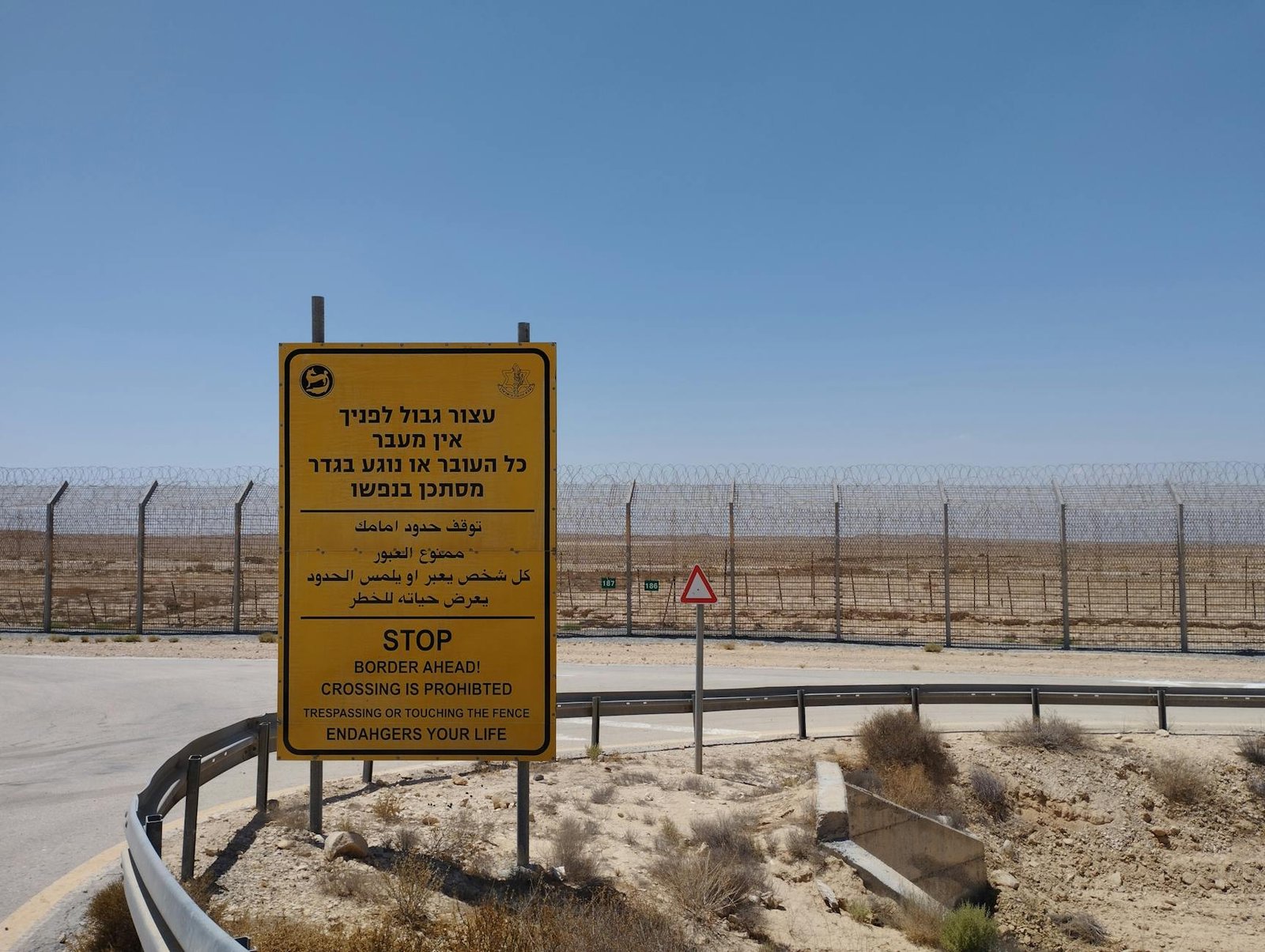
High-level discussions between leaders from Israel and Lebanon may take place this Thursday, potentially marking a significant step toward de-escalation in the region, according to recent statements. These talks, if confirmed, could signal a shift in diplomatic efforts aimed at addressing ongoing tensions and establishing a framework for long-term stability.

The possibility of these discussions emerges amid ongoing consideration of a cease-fire in the conflict against Hezbollah, a key factor influencing regional security dynamics. A successful cease-fire could pave the way for broader negotiations and a more comprehensive resolution of outstanding issues between the involved parties.

Information reaching TahirRihat.com suggests that, while the potential meeting has been mentioned, neither side has formally confirmed their participation. The absence of official confirmation underscores the sensitivity surrounding the talks and the complexities involved in arranging such high-level discussions. However, the prospect alone has generated considerable interest and speculation among diplomatic observers.

The history of relations between Israel and Lebanon is complex, marked by periods of conflict and tension. Any attempt to foster dialogue requires careful negotiation and a commitment from both sides to address core concerns. The potential for talks represents an opportunity to navigate these challenges and build a foundation for more constructive engagement.

The role of international mediators in facilitating these discussions cannot be overstated. Their involvement could help bridge divides and create a neutral space for productive dialogue. The specifics of the agenda and the scope of the discussions remain to be seen, but the initial focus is expected to center on the cease-fire and related security arrangements.

Securing a durable cease-fire would not only provide immediate relief to communities affected by the conflict but also create an environment conducive to addressing longer-term issues. This could involve discussions on border demarcation, resource management, and other areas of mutual concern. The resolution of these issues is vital for establishing a sustainable peace and preventing future escalations.

The leaders involved face significant challenges in navigating domestic political considerations while pursuing diplomatic solutions. Public opinion and political pressures can influence decision-making, requiring skillful leadership and a clear understanding of the broader strategic implications. The discussions will likely involve a delicate balancing act between addressing immediate security needs and pursuing longer-term strategic goals.

The potential talks reflect a broader recognition that diplomatic engagement is essential for resolving conflicts and promoting stability in the Middle East. While challenges remain, the willingness to engage in dialogue offers a glimmer of hope for progress toward a more peaceful and secure future. The international community is closely watching the developments, hoping for a positive outcome that could have far-reaching implications for the region.

If the talks progress, they could lead to a series of follow-up meetings and negotiations aimed at addressing specific issues in greater detail. This could involve the establishment of joint committees or working groups focused on areas such as security cooperation, economic development, and cultural exchange. The process of building trust and fostering understanding will be crucial for long-term success.

The absence of confirmed participation from either side emphasizes the delicate nature of the situation. However, the remarks made regarding potential talks suggest that both parties recognize the importance of exploring diplomatic avenues. The coming days will be critical in determining whether these initial overtures can translate into meaningful engagement and a concrete path toward peace.

The geopolitical dynamics of the Middle East are constantly evolving, and any progress toward stability requires continuous effort and adaptation. The potential discussions between leaders from Israel and Lebanon represent a significant step, but they are just one piece of a much larger and more complex puzzle. Sustained commitment and a willingness to address underlying causes of conflict will be essential for achieving lasting peace.

Russian Aerial Assault on Ukraine Kills Sixteen, Dozens Injured in Multi-Wave Attack

0
Russian missiles, drones bombard Ukraine in  hourslong attack, killing at least 16 people
Photo by Serhii Bondarchuk on Pexels

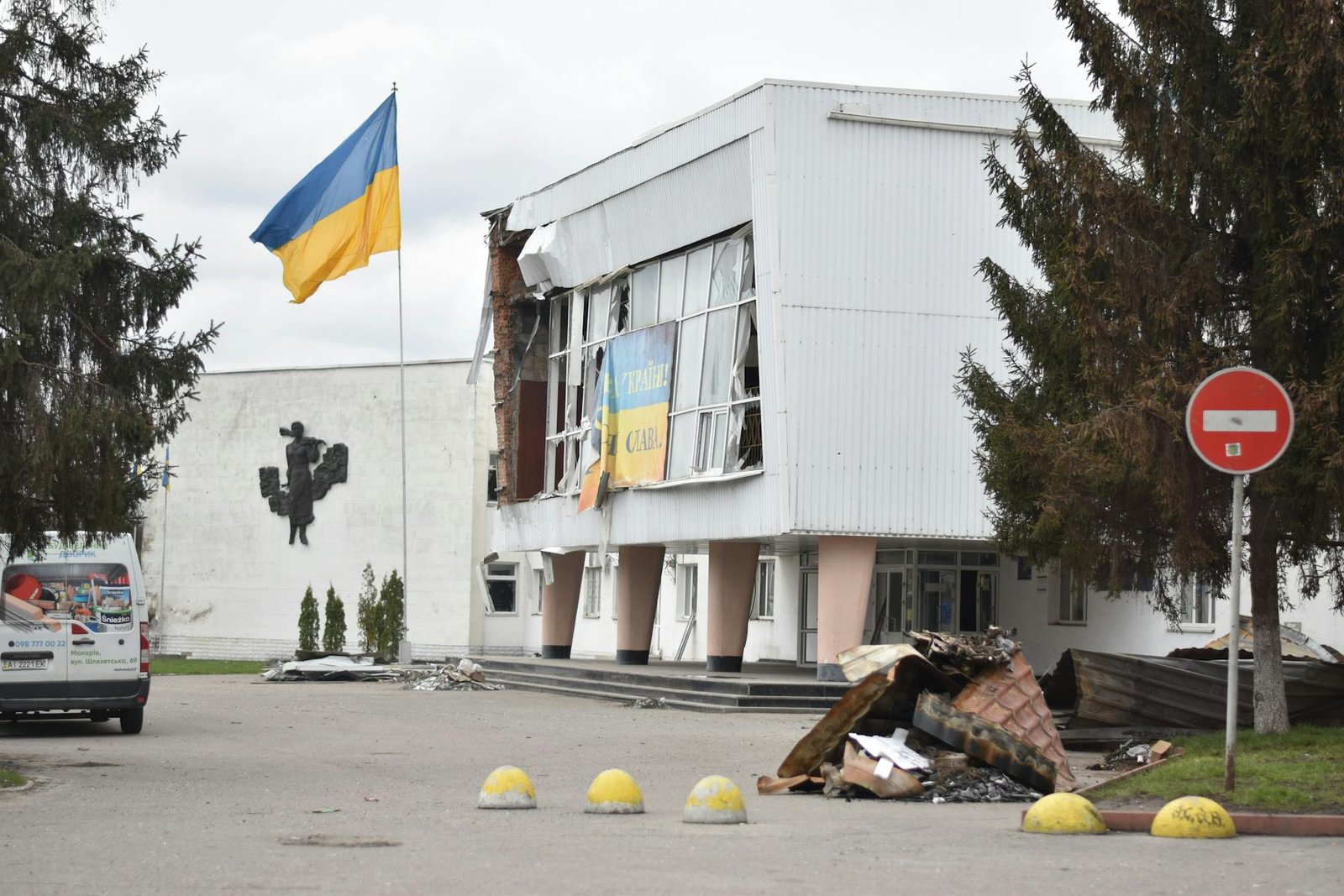
A large-scale Russian aerial bombardment targeting Ukrainian civilian areas resulted in at least sixteen fatalities and more than eighty injuries, officials reported. The assault, characterized by hundreds of drone strikes and missile launches, persisted for hours, spanning from daylight into the night. This marks the most intense aerial offensive in nearly two weeks.

The Russian military deployed almost 700 drones along with numerous ballistic and cruise missiles, with a focus on civilian targets, as per Ukrainian authorities. Moscow’s forces have maintained a pattern of near-daily attacks on civilian areas since the full-scale invasion commenced over four years ago, with these continuous assaults occasionally escalating into extensive barrages. The United Nations estimates that over 15,000 Ukrainian civilians have perished in these attacks. As per information available with TahirRihat.com, the recent escalation follows Ukrainian President Volodymyr Zelenskyy’s recent diplomatic tour to Germany, Norway, and Italy, where he urgently sought bolstered air defense systems to counter Russian missile threats.

Ukraine has voiced concerns that the ongoing conflict with Iran is depleting the availability of advanced American-made defense systems necessary to intercept incoming attacks. Additionally, Kyiv has contested a temporary waiver granted by the United States on Russian oil sanctions, arguing that it provides financial support for the Kremlin’s military operations. In response to the attacks, President Zelenskyy stated on X, “Another night has proven that Russia does not deserve any easing of global policy or lifting of sanctions.” He expressed gratitude to Germany, Norway, and Italy for their new commitments to bolster Ukraine’s air defenses, and mentioned ongoing collaboration with the Netherlands regarding further supplies.

Zelenskyy also highlighted that some partner nations have not fulfilled their pledges of military assistance. He stated that he has directed the Commander of the Air Force to engage with those partners who had previously committed to supplying missiles for Patriot and other defense systems. The attacks resulted in multiple casualties across several Ukrainian cities. In Kyiv, at least four people were killed, including a 12-year-old child, and over 50 others sustained injuries, according to authorities. A Kyiv resident, Tetiana Sokol, recounted that two missiles struck near her residence, prompting her to seek shelter with her dog in the hallway as the explosions shattered windows and illuminated the night sky. She told The Associated Press, “On the third attack, everything broke, everything flew, we were shocked, we didn’t know where to run. I grabbed whatever came to hand and ran away with the dog. I still can’t find the cats in the house; they climbed out somewhere, I don’t even know. No windows, nothing, the dog is still walking around in stress.”

The southern port city of Odesa suffered nine fatalities and 23 injuries, while the central Dnipro region reported three deaths and approximately three dozen injuries. One person was killed in Zaporizhzhia, located in the south. Ukraine’s Foreign Minister Andrii Sybiha condemned the attacks on X, stating, “Such attacks cannot be normalised. These are war crimes that must be stopped and their perpetrators held to account.” Ukraine’s air force reported that its defense systems intercepted or incapacitated 667 out of 703 incoming targets, including 636 Shahed-type drones and other unmanned aerial vehicles. However, they acknowledged that 20 strike drones and 12 missiles managed to strike 26 locations. (AP reported).

Renewed Russian Airstrikes in Ukraine Result in Significant Casualties and Damage

0
Russian Strikes Kill at Least 15 in Ukraine in Biggest Attack in Months
Photo by Serhii Bondarchuk on Pexels

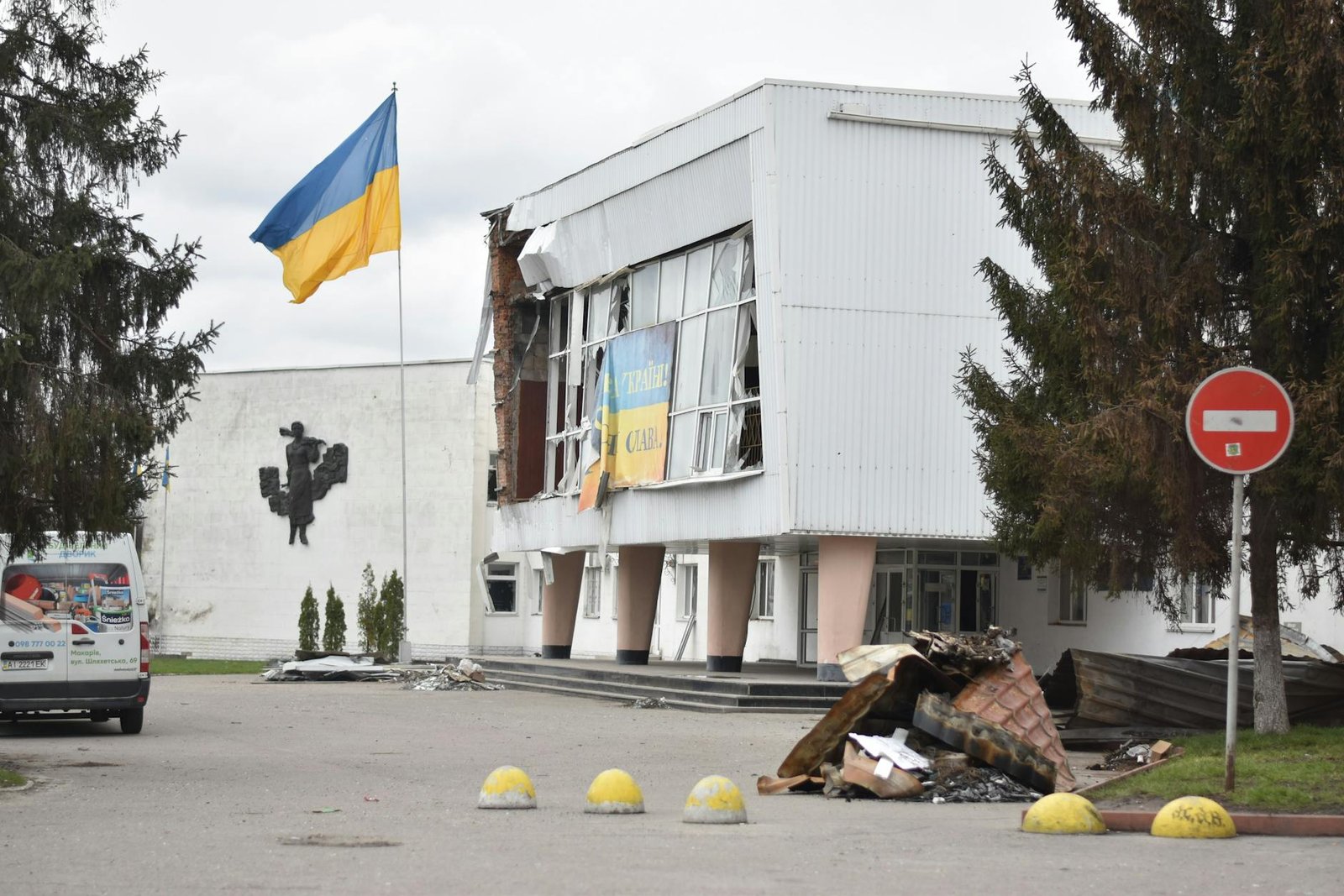
A recent surge in Russian missile and drone attacks across Ukraine has resulted in the deaths of at least 15 individuals, marking one of the most intense escalations in months. The renewed offensive dispels earlier hopes of a potential lull in hostilities coinciding with the Orthodox Easter period. The attacks have targeted various civilian areas, causing widespread damage and raising concerns about the humanitarian impact on the ground. The continuous barrages have strained Ukraine’s air defense capabilities, triggering calls for increased international support to bolster the nation’s protection against aerial threats. The timing of the strikes suggests a deliberate effort to undermine any prospect of de-escalation, signaling a protracted conflict with severe consequences for the region’s stability.

Reports detail the use of advanced weaponry, including cruise missiles and precision-guided drones, in the recent attacks. These weapons systems have enabled the targeting of critical infrastructure and densely populated urban centers, exacerbating the risk to civilians. Emergency services are struggling to cope with the aftermath, as rescue teams work tirelessly to locate survivors amid the rubble and provide medical assistance to the injured. According to reports, the attacks have also disrupted essential services, such as electricity and water supplies, further compounding the hardships faced by Ukrainian citizens.

As per information available with TahirRihat.com, the international community has reacted with condemnation, urging Russia to cease its military operations and engage in meaningful dialogue to resolve the conflict. Several nations have pledged additional financial and military aid to Ukraine, seeking to strengthen its ability to defend itself against ongoing aggression. The United Nations has also expressed deep concern over the escalating violence, calling for an immediate cessation of hostilities and the protection of civilian lives. Diplomatic efforts are underway to explore avenues for de-escalation, but prospects for a breakthrough remain uncertain amid the persistent fighting.

The recent escalation has prompted a reassessment of the security situation in Eastern Europe, with neighboring countries on high alert for potential spillover effects. The heightened tensions have also triggered a fresh wave of displacement, as civilians flee the affected areas in search of safety. Humanitarian organizations are working to provide assistance to those displaced, but the scale of the crisis is overwhelming available resources. The long-term implications of the conflict are becoming increasingly apparent, as the destruction of infrastructure and the loss of life threaten Ukraine’s economic and social fabric.

The ongoing conflict has highlighted the complexities of modern warfare, with the use of drones and missiles blurring the lines between combatants and civilians. The international legal framework governing armed conflict is being tested by the evolving nature of hostilities, raising questions about accountability and the protection of human rights. The situation in Ukraine underscores the urgent need for a renewed commitment to diplomacy and conflict resolution, but the path towards a peaceful settlement remains fraught with challenges.

The resilience of the Ukrainian people in the face of adversity has been widely praised. Despite the relentless attacks, communities are rallying together to support one another and maintain essential services. However, the psychological toll of the conflict is immense, with millions struggling to cope with trauma and loss. The need for mental health support and psychosocial assistance is growing, as the long-term consequences of the conflict become more evident. The international community must step up its efforts to address these humanitarian needs and ensure that the victims of the conflict receive the care and support they require.