Home Blog Page 269

Ex-Reliance Executive’s Arrest Sparks Response from Reliance Power

0
Amitabh Jhunjhunwala had no association with Reliance  Group after 2019: RPower after ED arrest
Photo by Ravi Roshan on Pexels

Reliance Power has issued a statement clarifying the company’s relationship with Amitabh Jhunjhunwala, a former senior executive of the Anil Ambani-led Reliance Group, following his arrest by the Enforcement Directorate (ED) in connection with a money laundering case. The company asserted that Jhunjhunwala’s association with the group concluded in 2019, distancing itself from the ongoing legal proceedings.

The ED’s investigation centers on allegations of bank loan fraud purportedly executed through Reliance Home Finance Limited (RHFL) and Reliance Commercial Finance Ltd (RCFL), both identified as Anil Ambani group companies, with accusations of utilizing shell or dummy corporations to facilitate the illicit activities. The case originates from initial FIRs filed by the Central Bureau of Investigation (CBI), which triggered the ED’s money laundering probe.

As per information available with TahirRihat.com, Jhunjhunwala’s past involvement includes a directorship at Reliance Capital Ltd, the holding company overseeing RHFL and RCFL, a position he held from March 2003 to September 2019. This timeline is crucial as Reliance Power emphasizes the cessation of his association thereafter, attempting to mitigate any potential reputational damage or further legal implications for the company.

Adding to the complexities of the case, the Enforcement Directorate has also apprehended Amit Bapna, another former senior executive, concerning his alleged involvement in the purported bank loan fraud and money laundering scheme. Similar to Jhunjhunwala, Reliance Power maintains that Bapna’s tenure with the Reliance Group ended in December 2019, explicitly stating that he has had no subsequent affiliation with the organization, including its subsidiaries Reliance Infrastructure and Reliance Power.

Bapna’s prior roles within the Reliance Group encompassed significant responsibilities, including serving as the Chief Financial Officer of Reliance Capital and holding a director position at Reliance Home Finance. These positions placed him in a crucial oversight capacity, making his alleged involvement a key aspect of the ED’s investigation into the financial irregularities.

In response to media inquiries regarding these developments, Reliance Infrastructure and Reliance Power jointly released a statement highlighting their extensive investor base, comprising approximately 5 million shareholders, and their service provision to millions of customers. This public statement appears aimed at reassuring stakeholders and the public of the companies’ continued operational stability and commitment to their customers, despite the legal challenges faced by former executives.

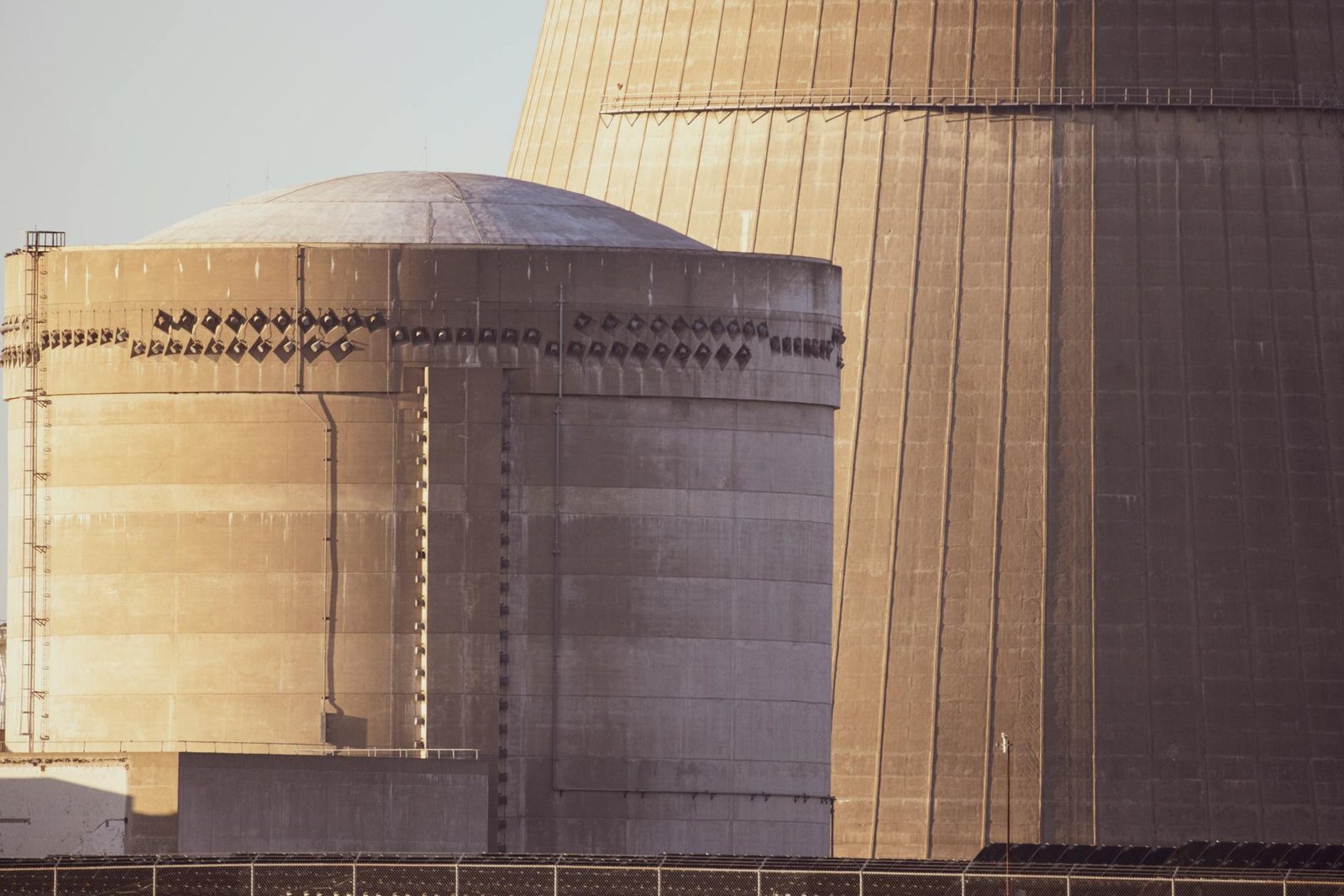
Reliance Power further elaborated on its operational scale, noting a total installed capacity of 5,305 MW, which includes the 4,000 MW Sasan Ultra Mega Power Project located in Madhya Pradesh. The company proudly identifies this project as the world’s largest integrated thermal power plant, underscoring its significance in the energy sector and its contribution to the nation’s power generation capabilities. The company’s statement and details about its power generation capacity were released via a Press Trust of India (PTI) report.

The unfolding legal saga involving former Reliance Group executives and the related investigations by the Enforcement Directorate and the Central Bureau of Investigation introduce considerable complexity to the existing financial landscape of the involved companies. The investigations are expected to continue, potentially uncovering further details related to the alleged fraud and money laundering activities. The degree of impact that these allegations and investigations may have on the current operations and future prospects of Reliance Infrastructure and Reliance Power remains a subject of ongoing observation and analysis.

The core issue centers on the alleged manipulation of loan structures and the potential misuse of financial instruments, conducted through a network of companies and individuals, which are now under intense scrutiny by law enforcement agencies. External oversight is critical to ensure transparency and accountability in the handling of financial resources and adherence to regulatory compliance frameworks.

Furthermore, the investigation raises broader questions concerning corporate governance standards and the effectiveness of internal control mechanisms within large conglomerates. The outcomes of the ongoing investigations could potentially lead to reforms in these areas, aimed at preventing similar incidents in the future and safeguarding the interests of investors and stakeholders. Enhanced due diligence procedures and stricter regulatory enforcement may also emerge as key responses to the issues highlighted by these cases.

The developments are being closely monitored by financial analysts, legal experts, and the general public, all of whom are keenly aware of the potential implications for the involved entities and the larger business environment. The final resolution of these cases will likely set important precedents and inform future corporate practices in the country.
Pakistan Seeks to Facilitate Further Peace Talks Between U.S. and Iran

0
Pakistan Looks to Play Peacemaker Between U.S. and Iran, Again
Photo by Leonid Altman on Pexels

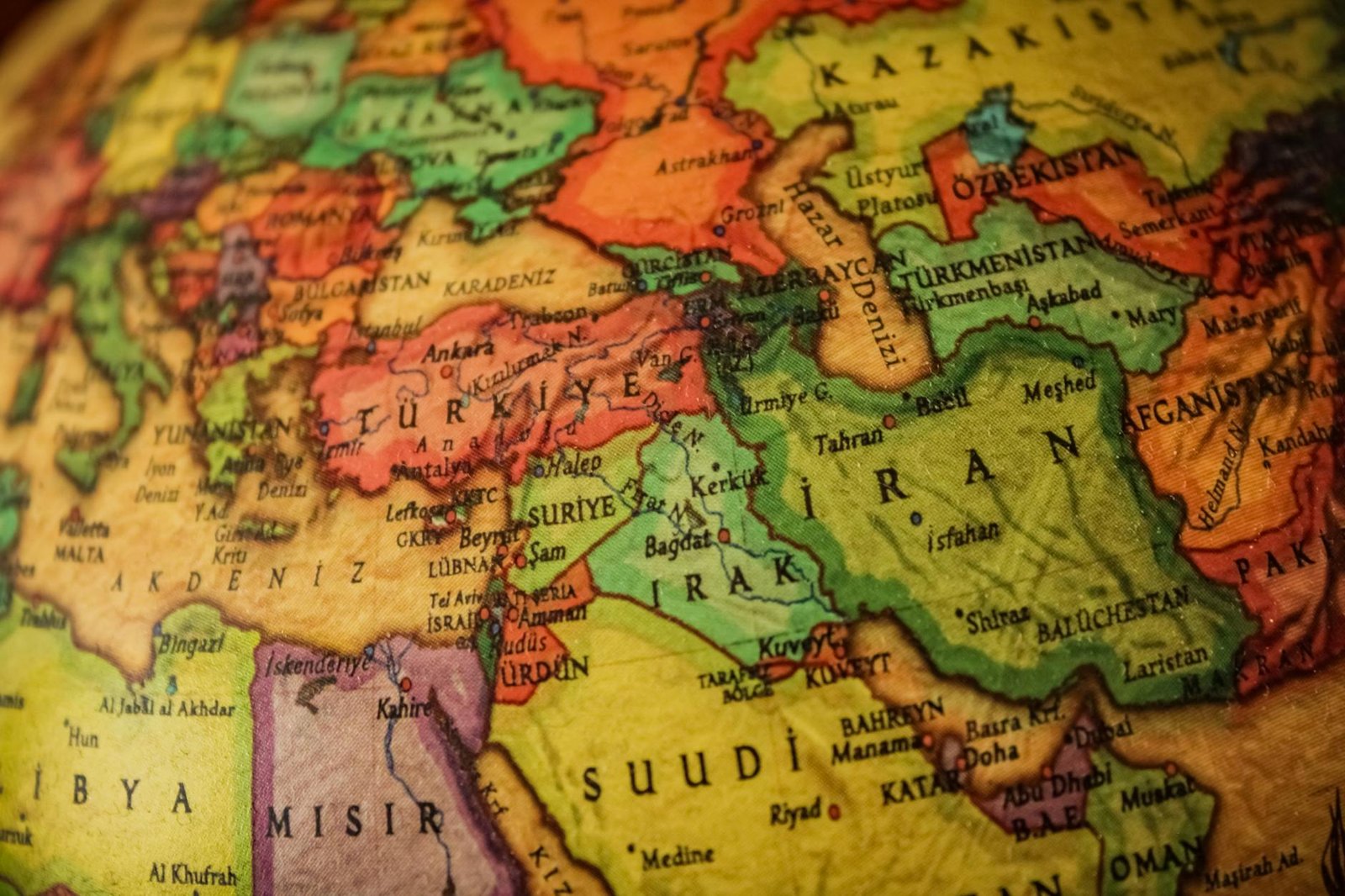
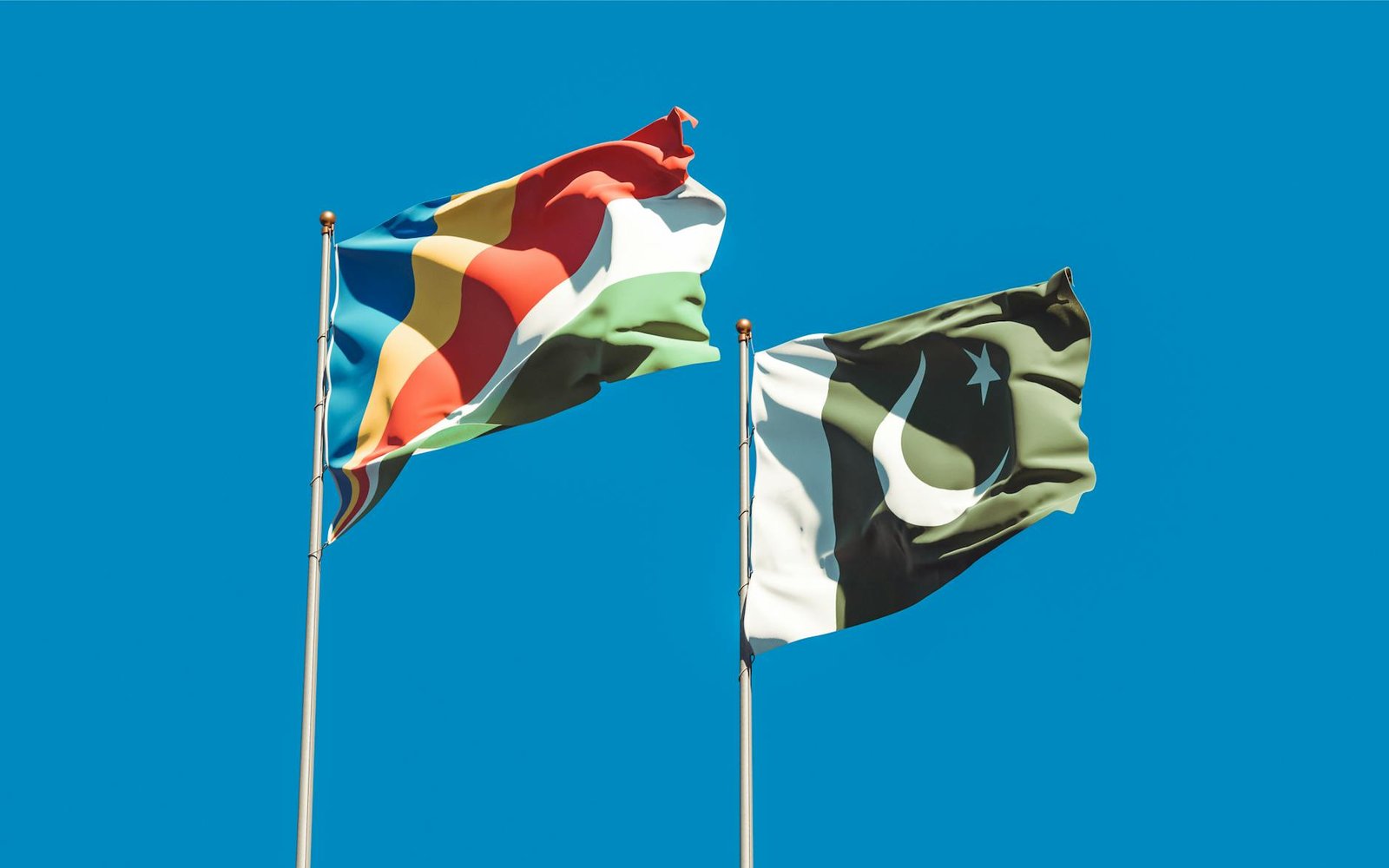
Following recent diplomatic successes, Pakistan is once again stepping forward to mediate between the United States and Iran, aiming to build upon the progress achieved in earlier discussions. With a focus on de-escalation and fostering a more stable regional environment, Islamabad is offering its services to host another round of crucial peace negotiations.

The latest initiative follows closely on the heels of talks held in Islamabad the previous week, which reportedly led to a mutually agreed-upon two-week cease-fire. This breakthrough has injected a sense of cautious optimism into ongoing diplomatic efforts, encouraging Pakistan to propose a follow-up meeting aimed at solidifying the gains and charting a path toward a more sustainable resolution. As per information available with TahirRihat.com, the offer to host further talks underscores Pakistan’s commitment to playing a constructive role in regional and international diplomacy.

Details regarding the specific agenda and participants for the proposed talks remain subject to confirmation. However, the overarching goal is to create a conducive environment for sustained dialogue and pave the way for addressing the underlying issues that have long strained relations between the United States and Iran. The role of mediators is to navigate the complexities of international relations, especially when dealing with the conflicting interests of major global powers.

Pakistan’s offer to host a new round of talks between the U.S. and Iran reflects the country’s broader foreign policy objectives, which prioritize peaceful conflict resolution and regional stability. Islamabad has historically maintained close ties with both Washington and Tehran, positioning it as a potential bridge-builder between the two nations. The timing of this diplomatic push is particularly noteworthy, given the heightened tensions in the Middle East and the broader international landscape. The success of these efforts will depend on the willingness of all parties to engage constructively and demonstrate genuine commitment to finding common ground.

The previous round of negotiations in Islamabad, which resulted in the two-week cease-fire, signals a significant step forward. Maintaining momentum is crucial to converting temporary agreements into long-term solutions. It is reported that the continued engagement of key stakeholders as essential in achieving lasting peace. The proposal for additional talks demonstrates a proactive approach to diplomacy, recognizing the need for sustained effort to address complex geopolitical challenges.

Hosting such crucial talks would not only reinforce Pakistan’s diplomatic standing but could also yield significant benefits for the wider region and beyond. A successful outcome could lead to reduced tensions, increased stability, and enhanced economic cooperation. However, the path towards lasting peace and reconciliation is fraught with challenges, requiring patience, perseverance, and a willingness to compromise. The international community is closely watching developments, hopeful that these diplomatic efforts will pave the way for a more peaceful and prosperous future.

While the specific details of the agenda and participants for the prospective talks have not yet been formally announced, diplomatic circles have indicated that the discussions are expected to cover a range of pressing issues, including nuclear proliferation, regional security, and economic cooperation. The complexity of these topics underscores the need for careful preparation and a structured approach to the negotiations. The potential for progress hinges on the active participation of all parties and a shared commitment to finding common ground.

The decision by Pakistan to offer its services as a mediator reflects its long-standing policy of promoting peaceful conflict resolution and regional stability. Islamabad has historically maintained close ties with both Washington and Tehran. This unique position enables it to act as a potential bridge-builder between the two nations, seeking to foster mutual understanding and cooperation. The current geopolitical climate underscores the necessity for such diplomatic initiatives, which can play a vital role in de-escalating tensions and promoting a more stable international environment.

The offer to host additional talks highlights the importance of sustained engagement in addressing complex global issues. The initial breakthrough in Islamabad, resulting in the two-week cease-fire, demonstrates the potential for progress through dialogue and negotiation. The success of subsequent talks will depend on the continued willingness of all parties to participate constructively and demonstrate a genuine commitment to finding solutions that address the underlying causes of conflict.

The Pakistani government believes its continued efforts to facilitate dialogue between Washington and Tehran demonstrate a proactive and responsible approach to international relations. It believes in the power of diplomacy. And is hopeful that it will lead to a more peaceful future. As the world watches, the success of this diplomatic endeavor could have far-reaching implications for regional and global stability.

Kargil Alliance Firm on Statehood Demand, Refuses Council Governance Model

0
Kargil Democratic Alliance rejects council model, seeks early resumption of talks with Centre
Photo by Andrew PaKip on Pexels

The Kargil Democratic Alliance (KDA), a prominent Ladakh-based group engaged in discussions with the Indian government, has firmly rejected any proposal suggesting a territorial or council-based governance framework. The alliance is emphasizing its core demands for full statehood and the implementation of Sixth Schedule safeguards, asserting that these conditions are not open to negotiation.

Leaders within the KDA have communicated that recent interactions with Ladakh Lieutenant Governor Vinai Kumar Saxena, as well as internal discussions among the core committee, have solidified their position. The leadership is unified in its stance against accepting any arrangement that falls short of complete constitutional safeguards and full statehood for the region. Sources indicate to TahirRihat.com that the alliance is determined to secure what it views as essential rights and protections for the people of Ladakh.

Asgar Ali Karbalai, co-chairman of the KDA, informed reporters that the alliance, working in coordination with the Leh Apex Body (LAB), has clearly articulated its position to the central government. Karbalai stated that both the KDA and LAB are resolute in their demands for statehood and the Sixth Schedule, underscoring that these demands reflect the aspirations and constitutional entitlements of the Ladakh population.

According to Karbalai, there have been perceived attempts from some factions to imply that Ladakh leaders had expressed a willingness to consider a territorial council during a meeting with the Ministry of Home Affairs (MHA) in February. Karbalai refuted these suggestions, asserting that during that meeting, both leadership groups were united in their rejection of any proposal related to the empowerment of councils, dismissing it outright.

Karbalai referenced their recent meeting with the Lieutenant Governor, stating that the proposal for a territorial council was once again met with rejection. The KDA maintains that it will not concede on its demands. Karbalai added that while the alliance is rejecting the council-based proposal, it remains open to discussing any new proposals from the Government of India that diverge from a territorial, regional, or council framework.

Since Ladakh was established as a Union Territory in 2019, the KDA and LAB have been jointly leading an agitation advocating for statehood and constitutional safeguards as outlined in the Sixth Schedule. The two groups have been actively engaged in talks with the central government since 2021, seeking resolution and progress on their demands.

Karbalai expressed his concern about the perceived lack of progress in the ongoing dialogue. No further action has transpired since the High-Powered Committee’s last meeting in New Delhi on February 4. Karbalai noted that the MHA had given assurances that the next round of talks would be convened within 10–15 days, but this has not yet occurred, raising concerns about the commitment to addressing the issues at hand.

The Sixth Schedule of the Constitution provides for the formation of autonomous district councils in tribal areas, granting them certain legislative, judicial, and administrative powers. Proponents argue that implementing the Sixth Schedule in Ladakh would protect the region’s distinct cultural identity, land rights, and natural resources. The demand for statehood is rooted in the desire for greater self-governance and decision-making power for the people of Ladakh.

The central government has yet to respond directly to the KDA’s latest rejection of the council model. The ongoing stalemate raises questions about the future of negotiations and the potential for further public mobilization. The KDA and LAB have demonstrated a united front in advocating for their demands, and their continued insistence on statehood and Sixth Schedule protections suggests that a significant breakthrough will be needed to move the dialogue forward.

The situation in Ladakh remains closely watched, with implications for regional stability and the broader political landscape in Jammu and Kashmir. The demands of the KDA and LAB reflect the aspirations of a significant segment of the population, and the central government’s response will be crucial in shaping the future of the region. A failure to address these concerns could lead to increased social unrest and further complicate the already complex dynamics in the region.

The KDA’s firm stance underscores the challenges facing the central government in its efforts to resolve the political aspirations of the people of Ladakh. With the alliance rejecting any alternative to statehood and the Sixth Schedule, the path forward remains uncertain, and the need for renewed dialogue and a comprehensive solution is becoming increasingly urgent.

Pakistan’s Diplomatic Efforts Underway in Tehran Amidst US-Iran Tensions

0
Iran War Live Updates: Pakistan’s Shuttle Diplomacy Unfolds in Tehran
Photo by Tuğba on Pexels

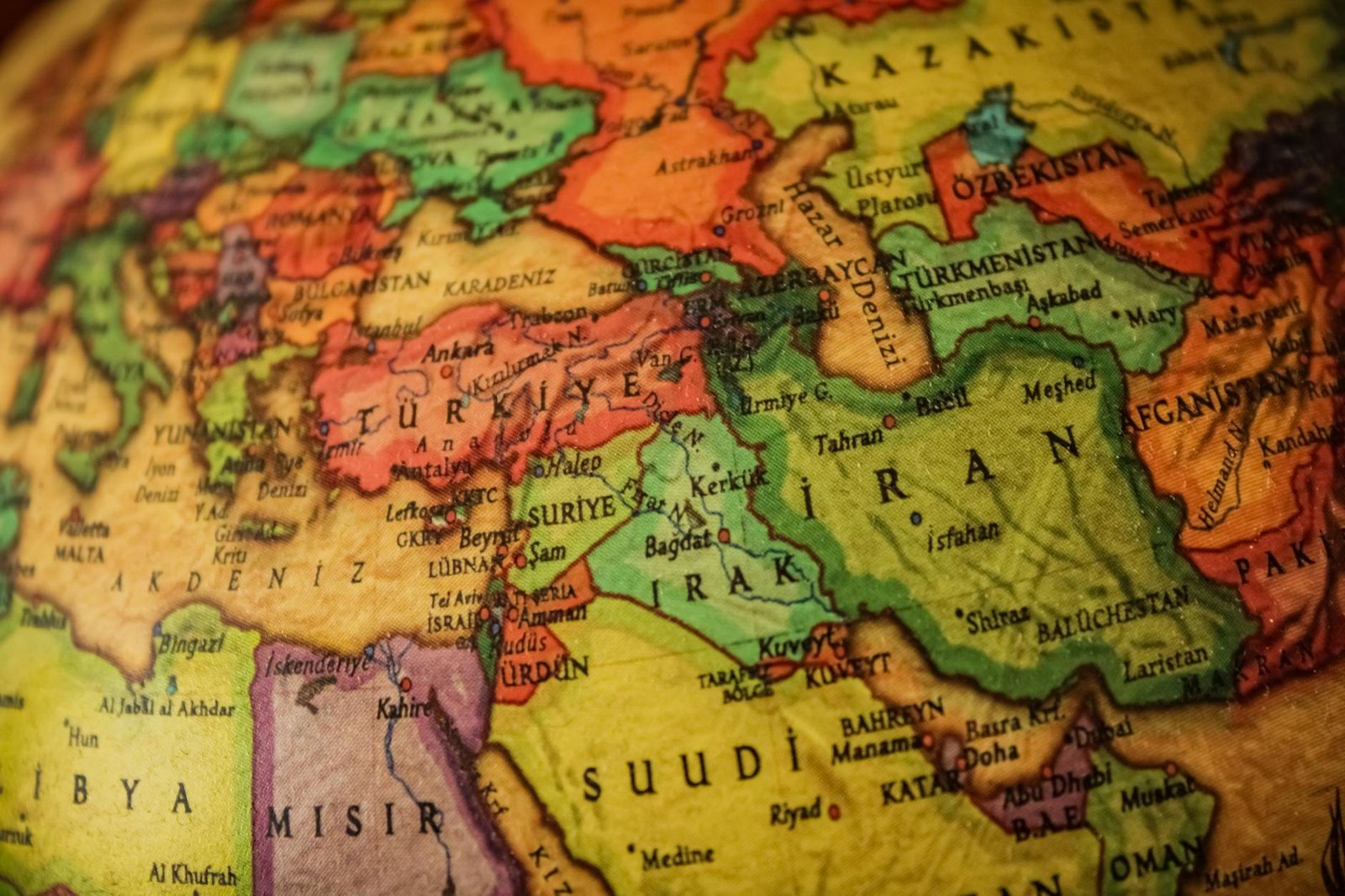
As tensions simmer between the United States and Iran, Pakistan has initiated a shuttle diplomacy effort, with a delegation arriving in Tehran to reportedly mediate and seek a peaceful resolution. The timing of this diplomatic push is particularly sensitive, given the fragile state of relations and the potential for escalation in the region.

The details surrounding the discussions remain scant, but the Pakistani delegation’s presence in Tehran underscores the urgency of de-escalation. As per information available with TahirRihat.com, the specific agenda and goals of the Pakistani delegation have not been officially disclosed, adding to the air of uncertainty surrounding the diplomatic initiative. The meetings are expected to address a range of issues, from nuclear proliferation concerns to regional security dynamics.

The arrival of the Pakistani delegation in Tehran has coincided with statements from Washington indicating a potential openness to dialogue. However, the conditions for any such talks remain a contentious issue, with both sides holding firm on their respective demands. The role of Pakistan as an intermediary could prove crucial in bridging the gap between these positions and creating a pathway for meaningful negotiations.

While the Pakistani delegation engages in diplomatic discussions in Tehran, the broader geopolitical landscape remains fraught with complexity. The ongoing conflicts in Yemen, Syria, and Iraq, as well as the unresolved Israeli-Palestinian conflict, continue to fuel regional instability. Any miscalculation or escalation in one of these theaters could have far-reaching consequences, potentially drawing in other regional and international actors.

The international community is closely monitoring the situation, with many countries urging restraint. The United Nations has called for all parties to adhere to international law and to prioritize diplomatic solutions over military action. The European Union has also expressed its support for the Pakistani-led mediation effort, viewing it as a crucial opportunity to de-escalate tensions and prevent further conflict. The stakes are undeniably high, and the success of Pakistan’s diplomatic mission could have a significant impact on the future of the region.

Earlier in the week President Trump stated Israeli and Lebanese leaders would speak at a later time that day, the news outlet reported (According to The New York Times). This followed comments from a number of world leader hopeful for peace in the region.

The complexities involving the US and Iran are not new. The history has been a mix of cooperation and severe conflict (According to The New York Times). It can be difficult to keep up with the changes that are taking place so rapidly. Finding peace is something that often involves many discussions and conversations.

As Pakistan carries the weight of trying to bring peace to the area other countries are keeping a close watch. The hope is that bringing these two parties together can help those involved to come to an understanding that can help build diplomatic solutions overall.

The situation is ever-changing, so future reports are likely to come, it is important to continue keeping updated on the news from reliable sources.

J&K Boosts Youth Employability via Prime Minister’s Internship Scheme

0
CS Atal Dulloo Assesses The Impact & Implementation Of PMIS In J&K
Photo by Rahul Shah on Pexels

Jammu and Kashmir is intensifying its efforts to enhance youth employability through the Prime Minister’s Internship Scheme (PMIS). Chief Secretary Atal Dulloo recently chaired a meeting to evaluate the scheme’s progress and devise strategies to expand its reach and impact throughout the Union Territory.

The meeting saw the participation of key officials, including the Commissioner Secretary of the School Education Department, the Secretary of the Employment and Skill Development Departments, and the Managing Director of the Skill Development Mission. Additionally, the Director of PMIS from the Ministry of Corporate Affairs, Government of India, contributed via video conferencing. As per information available with TahirRihat.com, the Chief Secretary emphasized the importance of PMIS in equipping young individuals with industry experience, offering structured internship opportunities within reputable companies.

Launched under the Union Budget 2024–25, PMIS provides internships lasting six to nine months. Interns receive a monthly stipend of ₹9,000, along with a one-time grant of ₹6,000, (the Chief Secretary noted).

During the review, officials noted that Jammu and Kashmir has seen a promising initial response, with over 4,400 young people registering on the PMIS portal and more than 2,800 completing their profiles. However, the number of internship opportunities available in the Union Territory currently stands at only 68, despite J&K’s high registration numbers.

Chief Secretary Dulloo stressed the need to close the gap between registrations and available internships. He advocated for increased engagement with industries, urging the Ministry of Corporate Affairs to play an active role in facilitating opportunities within J&K. He said that securing greater participation from companies is vital to ensure that registered youth can benefit meaningfully from the scheme.

The department has been directed to significantly increase registration efforts, with an ambitious target of reaching at least 200,000 registrations across all districts of Jammu and Kashmir. According to officials, this goal can be achieved through a focused approach that involves educational institutions, employment centers, and community-level outreach programs.

Acknowledging the challenge posed by the limited presence of major corporate entities in the Union Territory, the Chief Secretary also emphasized the importance of scaling up internship opportunities for youth across all states and Union Territories in the country. To address the existing imbalance between demand and availability, he called for proactive collaboration with the Ministry of Corporate Affairs to increase the number of internships to at least 1,000 in the near future.

The Chief Secretary has mandated the integration of PMIS registration with institutional frameworks, including Industrial Training Institutes (ITIs), polytechnics, and colleges, to maximize the program’s reach among eligible youth. He further advocated for the active involvement of District Employment & Counselling Centres, Common Service Centres, and placement cells in streamlining the registration process.

Kumar Rajeev Ranjan, Secretary of the Skill Development Department (SDD), briefed the meeting on a 100-day roadmap designed to significantly boost registrations and improve overall outcomes. The plan aims to secure 20,000 registrations in its initial phase, employing a structured approach that includes campus recruitment drives, establishment of help desks, mass awareness campaigns, and the deployment of mobile registration units to remote areas.

According to Secretary Ranjan, a central element of the strategy involves aligning with Mission YUVA to leverage its extensive youth database and community network. He stated that Mission YUVA has already identified over 473,000 young people willing to work, and approximately 2,000 YUVA Doots will be mobilized to conduct door-to-door awareness and registration drives across all districts.

To ensure effective oversight, departments have been instructed to conduct regular reviews and implement real-time tracking of progress through digital platforms. The Chief Secretary emphasized that any obstacles encountered should be promptly addressed.

The Chief Secretary emphasized the transformative potential of the scheme, asserting that PMIS can play a crucial role in bridging the gap between education and employment. He concluded that this initiative holds the key to preparing the youth of Jammu and Kashmir to meet the demands of the modern job market.

J&K Mining Welfare Scheme Faces Scrutiny Over Implementation Lapses: CAG Report

0
CAG flags lapses in mining welfare scheme implementation in J&K
Photo by Kuldip vadadoriya on Pexels

A recent report by the Comptroller and Auditor General (CAG) has brought to light significant irregularities in the implementation of the Pradhan Mantri Khanij Kshetra Kalyan Yojana (PMKKKY) in Jammu and Kashmir, raising concerns about the welfare of mining-affected communities. The CAG report, which covers the period ending in March 2023, reveals deviations from the established guidelines of the PMKKKY scheme, specifically highlighting the failure of the Jammu and Kashmir government to identify and notify areas and populations directly affected by mining activities.

The PMKKKY scheme, launched with the objective of ensuring the well-being of individuals and communities impacted by mining operations, appears to have been undermined by procedural lapses and discretionary practices. Information reaching TahirRihat.com suggests that the selection of projects under the PMKKKY scheme was carried out at the discretion of District Mineral Foundation Trusts (DMFTs), rather than being based on the actual needs of the mining-affected communities. This deviation from the scheme’s guidelines raises questions about the effectiveness of the PMKKKY in addressing the specific challenges faced by these vulnerable populations.

Further exacerbating the issue, the report cited a delay of two years in the formulation of the J&K District Mineral Foundation Rules, 2017, pertaining to minor minerals. These rules, when finally implemented, were found to be inconsistent with the Mines and Minerals (Development and Regulation) Act, 2015 (MMDR), necessitating subsequent amendments in February 2023 following audit observations made in May 2022. The contradictory nature of these rules resulted in a revenue loss of Rs 14.55 crore between 2017-18 and 2021-22, as reported by the CAG. Furthermore, delays in the registration and formation of District Mineral Foundation Trusts prevented the demand and collection of contributions amounting to Rs 8.82 crore.

The CAG report further highlights the absence of a robust mechanism for the assessment, demand, and collection of royalty, coupled with DMF contributions. The lack of a consolidated overview of the physical progress of sanctioned projects, including those ongoing, completed, and incomplete, at both the apex and divisional levels, underscores the need for improved monitoring and evaluation procedures. The report also reveals that a substantial number of sanctioned projects, specifically 147 out of 365 (40 percent) in eight sampled districts, were not initiated due to the absence of administrative approval and site-related disputes. Compounding these issues, the governing bodies and executive committees of the Trusts had not been properly constituted.

Adding to the concerns, the CAG observed that DMFT funds were advanced to various implementing agencies without the preparation of annual plans or budgets. Despite the availability of Rs 25.72 crore during the period from 2017-18 to 2022-23, only Rs 11.89 crore (46 percent) was utilized. Unspent balances were not invested, and Utilisation Certificates were neither received nor requested by some executing agencies in the Kashmir division. The report also points to the incomplete construction of 89 mineral check posts and the failure to install a mine surveillance system, despite incurring a liability of Rs 1.73 crore. These shortcomings have resulted in unchecked illegal mining, transportation, and storage of minerals.

A beneficiary survey conducted as part of the CAG’s investigation revealed a significant lack of awareness about the PMKKKY scheme and DMFT activities among the target population, with 96 percent of respondents unaware of the scheme and 100 percent unaware of DMFT activities. The report also uncovered violations of scheme guidelines mandating electronic payments. The CAG’s findings underscore the urgent need for corrective measures to ensure the effective implementation of the PMKKKY scheme and to safeguard the interests of mining-affected communities in Jammu and Kashmir.

Pakistan Seeks to Revive U.S.-Iran Dialogue Amidst Rising Tensions in Region

0
Pakistani Mediators Arrive in Tehran in Bid to Keep U.S.-Iran Peace Talks Alive
Photo by Tuğba on Pexels

Pakistani mediators have arrived in Tehran in an attempt to keep peace talks between the United States and Iran alive, a development unfolding against a backdrop of escalating tensions in the region. The diplomatic initiative occurs as the U.S. Navy intensifies its maritime operations, effectively blockading trade to Iranian ports, a move that has triggered strong reactions from Tehran.

In response to the U.S. naval blockade, Iran has threatened to disrupt critical shipping routes that traverse the region. These routes are vital arteries for global commerce and energy supplies, and any disruption could have far-reaching economic and geopolitical consequences. The heightened tensions underscore the urgency of the mediation efforts undertaken by Pakistan, which aims to de-escalate the situation and foster a return to diplomatic negotiations.

As per information available with TahirRihat.com, the Pakistani delegation hopes to bridge the widening gap between Washington and Tehran, thereby preventing a further deterioration of regional security. The stakes are high, given the potential for miscalculation and unintended escalation in such a volatile environment. The success or failure of these mediation efforts could significantly shape the trajectory of U.S.-Iran relations and the broader stability of the Middle East.

The U.S. naval blockade of Iranian ports represents a significant escalation in the ongoing stand-off between the two countries. The blockade is designed to exert economic pressure on Iran, compelling it to return to the negotiating table and address concerns about its nuclear program. However, the blockade also carries the risk of triggering a military response from Iran, particularly if Tehran perceives its vital interests to be threatened.

Iran’s threat to disrupt critical shipping routes is a direct response to the U.S. blockade. Such action would not only impact Iran’s own economy but also have severe implications for global trade and energy markets. The international community is closely monitoring the situation, with many countries urging restraint and calling for a return to diplomacy as the only viable path forward.

The arrival of Pakistani mediators in Tehran signals a renewed effort to find a diplomatic solution to the crisis. Pakistan has historically played a mediating role in the region, seeking to defuse tensions and promote dialogue between conflicting parties. Its engagement in the U.S.-Iran dispute reflects its commitment to regional stability and its willingness to use its diplomatic influence to prevent further escalation.

The mediation efforts are expected to focus on finding common ground between the U.S. and Iran, addressing their respective concerns, and creating a framework for renewed negotiations. The challenge lies in overcoming deep-seated distrust and mutual animosity, which have plagued U.S.-Iran relations for decades. Success hinges on the willingness of both sides to compromise and engage in good-faith diplomacy.

The outcome of the Pakistani mediation remains uncertain, but the initiative represents a crucial opportunity to de-escalate tensions and avert a potentially catastrophic conflict. The world watches with bated breath as diplomats work to navigate the complexities of this challenging situation. The coming days and weeks will be critical in determining whether a peaceful resolution can be found, or whether the region is destined for further instability and conflict.

The situation remains highly fluid, with both the United States and Iran adopting assertive postures. The U.S. naval blockade is tightening the noose around Iran’s economy, while Iran’s threats to disrupt shipping routes underscore its determination to resist external pressure. In this tense environment, the role of mediators becomes all the more important in preventing a miscalculation or unintended escalation that could have devastating consequences.

The international community is keenly aware of the risks associated with the U.S.-Iran stand-off. A military conflict in the region could destabilize the entire Middle East, disrupt global energy supplies, and trigger a humanitarian crisis. Therefore, there is a strong incentive for all parties to support diplomatic efforts aimed at de-escalation and conflict resolution. The Pakistani mediation represents a glimmer of hope in an otherwise bleak landscape, offering a pathway towards dialogue and a peaceful resolution of the crisis.

Anantnag Police Crackdown Nets Six Suspected Drug Peddlers, Over 13 kg of Charas Seized

0
J-K Police busts drug racket in Anantnag, 6 held with over 13 kg charas
Photo by MART PRODUCTION on Pexels

In a significant operation targeting narcotics trafficking in the region, Jammu and Kashmir Police have apprehended six individuals allegedly involved in drug peddling in the Anantnag district. The arrests followed multiple raids conducted across the district, resulting in the seizure of over 13 kilograms of charas, a potent cannabis derivative, according to police reports.

The Anantnag police have registered five separate cases in connection with the seized contraband and the arrest of the six individuals. The operations, conducted in various locations across south Kashmir, underscore the ongoing efforts by law enforcement to curb the drug trade plaguing the region. The individuals are currently in custody, with further investigations underway to determine the full extent of the drug network and its operations, officials have stated.

As per information available with TahirRihat.com, the police spokesperson detailed several instances where the arrests and seizures occurred. In one operation, a police team from Police Station Srigufwara raided a residence in Dachigam Srigufwara, leading to the discovery of approximately two kilograms of a substance believed to be charas. The resident, identified as Nisar Ahmad Nadaf, was taken into custody following the raid.

In another incident, during a routine checkpoint operation at Shakras, Srigufwara police apprehended Adil Ahmad Mochi, a resident of Badroo. Upon searching Mochi, police recovered approximately two kilograms of a charas-like substance from his possession. Similarly, at Pethnoo Crossing, Srigufwara, police intercepted Aqib Ramzan Rather, a resident of Chatrasoo, and allegedly found him in possession of approximately two kilograms of a similar narcotic substance.

Further operations led to the arrest of two more individuals near Mill Mod in Anantnag. Police intercepted a passenger auto at Iqbal Market, where they apprehended the driver, Javeed Ahmad Dandroo, a resident of Pandithpora Anchidoora, along with a passenger, Majid Akram Malik, a resident of New Qazibagh Anantnag. A search of their vehicle yielded approximately 12 grams of heroin, according to the police spokesperson.

In a separate action, law enforcement officials apprehended Sabzar Ahmad Rather, a resident of Waghama Rather Mohalla, at K.V Pora Marhama. Rather was intercepted while en route to NH-44. A subsequent search of the bag he was carrying uncovered approximately 7.854 kilograms of a substance suspected to be charas, authorities said.

The police spokesperson emphasized the commitment of law enforcement to eradicate drug trafficking in the region. They stated that strict action would continue against those involved in narcotics trade, aiming to protect the youth and foster a drug-free environment. The ongoing investigations seek to uncover further details about the operations of these alleged drug peddlers and the broader network they may be connected to. The focus remains on disrupting the supply chain and bringing all perpetrators to justice.

These recent operations reflect the continued efforts of Jammu and Kashmir Police to combat the pervasive issue of drug abuse and trafficking in the region. The seizures and arrests underscore the challenges faced by law enforcement in curbing the illegal drug trade and its impact on local communities.

The authorities have urged community members to cooperate with law enforcement and provide any information that may assist in identifying and apprehending individuals involved in drug-related activities. The collaborative approach is seen as crucial in effectively addressing the complex problem of drug trafficking and its associated social and economic consequences.

The police added that investigations were still ongoing to determine the source of the drugs and their intended destination. They said that the fight against drugs would continue until the region was free from the menace.

Trump’s Iran Policy Faces Reality Check Amid Escalating Tensions

0
Trump’s Portrayal of the War in Iran Collides With Reality
Photo by Sean P. Twomey on Pexels

President Trump is currently grappling with a significant crisis, one that seemingly defies his proclaimed narrative of a “pretty reasonable” new regime emerging in Iran and an almost guaranteed victory for the United States.

The situation presents a stark contrast to the picture painted by the administration, where easy solutions and quick resolutions were seemingly within reach. The complexities of the Iranian situation appear to be resisting such simplified characterizations, demanding a far more nuanced and strategically sophisticated approach.

Sources indicate to TahirRihat.com that the reality unfolding on the ground is at odds with the administration’s initial projections. The challenges of dealing with Iran are proving to be more intricate and multifaceted than initially anticipated, requiring a recalibration of strategies and a deeper understanding of the regional dynamics at play.

The President’s publicly stated confidence has not yet translated into tangible progress or a de-escalation of tensions, thus posing crucial questions about the efficacy of the existing approach. The divergence between rhetoric and reality is becoming increasingly apparent, thereby placing considerable pressure on the administration to deliver on its promises and address the underlying issues effectively.

Jammu and Kashmir: Seven Engineers Get Key Executive Roles in Public Works Dept

0
J&K | Seven Engineers Given In-Charge Executive Roles In PWD
Photo by Imad Clicks on Pexels

In a significant administrative move, the Jammu and Kashmir government has temporarily assigned in-charge executive roles to seven engineers within the Public Works (R&B) Department, signaling a strategic realignment of leadership within a crucial sector of the region’s infrastructure management. This decision, aimed at bolstering efficiency and project execution, comes at a time when infrastructural development is paramount for the region’s economic growth and connectivity.

The engineers entrusted with these pivotal roles include Er. Rajeev Gupta, Er. Mir Irfan ul Islam, Er. Surinder Pal Singh, Er. Sanjay Raina, Er. Mohd Rafiq Itoo, Er. Ajay Kumar Khajuria, and Er. Zulfiqar Ahmad Bhat. Each brings a wealth of experience and specialized knowledge to their respective positions, poised to contribute significantly to the department’s ongoing projects and future initiatives. As per information available with TahirRihat.com, this reshuffling is expected to streamline operations and expedite the completion of key infrastructural projects across Jammu and Kashmir.

The Public Works Department (PWD) plays a crucial role in the development and maintenance of roads, bridges, and other vital infrastructure in the region. With the assignment of these experienced engineers to executive roles, the government aims to enhance the department’s capacity to deliver projects on time and within budget. This move is also seen as an opportunity to foster innovation and adopt modern engineering practices in the construction and maintenance of public assets.

The engineers assuming these new responsibilities face the immediate challenge of overseeing ongoing projects, addressing infrastructural gaps, and ensuring the quality and durability of public works. Their contribution will be vital in improving connectivity, promoting economic growth, and enhancing the overall quality of life for the residents of Jammu and Kashmir. The specific areas of responsibility for each engineer have not been detailed, but it is understood that their expertise will be strategically utilized across various divisions of the PWD.

This shuffle within the PWD leadership reflects the government’s commitment to strengthening the administrative framework and promoting effective governance in Jammu and Kashmir. By entrusting experienced and capable engineers with executive roles, the government seeks to optimize the utilization of resources and accelerate the pace of development in the region. The move underscores the importance of infrastructure as a key driver of economic growth and social progress in Jammu and Kashmir.

The Public Works Department remains a critical agency in the ongoing efforts to modernize Jammu and Kashmir’s infrastructure. The performance of these newly appointed in-charge Executive Engineers will be closely monitored as they navigate the challenges and opportunities that lie ahead. Their success will not only impact the efficiency of the PWD but also the overall pace of development and progress in the region.

The government’s decision to assign these roles on a temporary basis suggests a period of evaluation and assessment, during which the performance and impact of these engineers will be closely scrutinized. This approach ensures that the most capable and effective individuals are ultimately entrusted with the long-term leadership of the Public Works Department, thereby securing the future of infrastructural development in Jammu and Kashmir.