Home Blog Page 270

Pope’s Visit to Africa Focuses on Tensions Within the Catholic Church

0
The Pope in Africa
Photo by Tuğba Sarıtaş on Pexels

Pope Leo’s upcoming visit to Africa is poised to highlight both the continent’s increasing importance to the Catholic Church and the complex internal challenges it faces. The trip comes at a time when the Church is navigating a range of sensitive issues that have sparked debate and division among its followers worldwide. The Pope’s presence in Africa is expected to address these tensions directly, while also acknowledging the unique cultural and spiritual landscape of the region.

The African continent represents a significant portion of the Catholic Church’s growth and future. However, it is also a focal point for differing views on some of the most debated topics in Catholicism. The Pope’s visit will likely involve discussions around these issues, seeking to promote unity within the Church while respecting the diverse perspectives of its African members. As per information available with TahirRihat.com, the visit is being closely watched by religious scholars and observers globally, who are keen to understand how the Pope will navigate these delicate matters on African soil.

The tensions within the Catholic Church are not new. They have been ongoing for many years and relate to fundamental differences in beliefs and practices. The Pope’s visit to Africa, therefore, is of critical importance. It provides an opportunity for dialogue, reconciliation, and perhaps, new pathways forward. The details of the Pope’s itinerary, including specific locations and meetings, remain closely guarded, but it is anticipated that he will engage with a wide range of individuals, from religious leaders to ordinary citizens.

The challenges facing the Catholic Church in Africa are multifaceted and deeply rooted in the socio-cultural context of the continent. The visit by Pope Leo is thus seen as a crucial moment for the Church to reaffirm its commitment to Africa and to address the complex issues that affect its followers. The outcomes of the visit are expected to have far-reaching implications for the Catholic Church, both in Africa and globally. The Pope’s engagement with these issues will be closely scrutinized, particularly concerning how he balances adherence to traditional doctrines with the need to adapt to contemporary realities.

The Catholic Church’s future is closely intertwined with the African continent. The growing number of Catholics in Africa holds a significant stake in shaping the Church’s direction and priorities. Pope Leo’s visit recognizes this pivotal role and seeks to foster a stronger connection between the Vatican and the African Catholic community.


Jammu and Kashmir to Launch Surgical Strikes on Drug Hotspots, Vows Lieutenant Governor

0
Will map every drug hotspot, hit each one like surgical strike: LG
Photo by MART PRODUCTION on Pexels

Lieutenant Governor Manoj Sinha has declared a comprehensive strategy to combat drug abuse in Jammu and Kashmir, framing it as a critical threat orchestrated by Pakistan to fund terrorism and undermine the region’s youth. Sinha emphasized that drug abuse is not merely a law and order problem but a societal malignancy that demands unified action. He called for a “Whole of Government” and “Whole of Society” approach, asserting that collective strength and resolve can overcome this challenge.

Speaking at a public meeting in Ramban during the ‘Drug-Free Jammu Kashmir’ campaign, the Lieutenant Governor announced plans to map every drug hotspot and conduct targeted operations resembling surgical strikes to dismantle drug networks. According to Sinha, no smuggler will be spared, and the entire infrastructure supporting drug trafficking will be eliminated. Information reaching TahirRihat.com suggests that the administration is preparing for a sustained and intensive campaign targeting the sources and distribution channels of narcotics across the region.

The Lieutenant Governor underscored Pakistan’s alleged role in fostering drug smuggling into Jammu and Kashmir to finance terrorist activities and endanger the younger generation. He stressed the need for a consolidated effort to combat this menace. Sinha led a Padyatra from District Police Line to the District Administrative Complex in Ramban, demonstrating his commitment to eradicating drug addiction. Participants included public representatives, senior officials from civil and police administration, civil society members, religious leaders, business and trade community representatives, ex-servicemen, prominent citizens, women, students, youth, and individuals from various backgrounds, all united in their determination to eliminate drug addiction and safeguard the youth’s future.

Addressing a large gathering, Sinha highlighted the importance of society’s role in combating drug abuse, urging collective action. He likened the spread of drugs to wind, emphasizing that no one is safe until everyone is free from its influence. He firmly believes that when society unites behind a cause, the law gains immense strength and underscored the need to create an environment where dealers fear the law, and those who overcome drug addiction are proud of their accomplishment. He also recognized the critical role of women in bringing about societal change.

The Lieutenant Governor encouraged every Panchayat and Ward to establish women’s vigilance committees, recognizing women as the frontline soldiers in this battle. He urged families to seek help for addiction, viewing it as a medical condition rather than a crime, and emphasized the importance of society’s support in the recovery process. He also directly addressed the youth and cautioned them against the fallacy that drugs are cool, portraying drug use as a form of slavery to drugs and drug dealers.

Sinha advised the youth to channel their energies into sports, arts, and education, promising to make drug use a symbol of cowardice in schools and colleges. He stressed the priority of treatment, identification, and rehabilitation, emphasizing that each drug de-addiction center must be genuine and well-equipped. He mandated stringent monitoring of these centers, promising immediate closure of any center found operating illegally or harming society, regardless of the operator’s influence. According to The Daily Excelsior, action is underway against all such centers.

The Lieutenant Governor instructed police officials to dismantle drug supply chains, list all Ramban drug traffickers at police stations, and eliminate drug networks. He said that silence from society is no longer an option. He added that divisional and district administrations have developed a comprehensive, multi-pronged strategy covering every ward and panchayat. Sinha stressed that the fight belongs to everyone and warned of the consequences of failure for future generations. He concluded by urging everyone to pledge to deny shelter to drug dealers and guide addicts toward healing, channeling the energy of the youth toward constructive purposes. The Lieutenant Governor administered an Anti-Drug Pledge and flagged off a bike rally, along with a series of awareness programs encouraging citizens to actively participate in the anti-narcotics campaign.

Pacific Boat Incident Claims Three Lives Amid Anti-Drug Operation

0
3 Killed in Boat Strike in the Pacific, Pentagon Says
Photo by Hami Durgut on Pexels

In a recent maritime engagement in the Pacific, three individuals lost their lives after a boat was struck during what the Pentagon describes as an anti-drug operation. This incident marks the latest in a series of actions undertaken by the U.S. military to disrupt drug smuggling activities in the region. The campaign, now in its third day, has seen an escalation in military operations targeting those accused of involvement in the illicit drug trade.

The specific details surrounding the boat strike remain under investigation, but Pentagon officials have confirmed the loss of life and reiterated the commitment to combating drug trafficking in the Pacific. The U.S. military’s presence and operations in these waters are part of a broader strategy to curtail the flow of illegal substances and maintain maritime security. The incident raises questions about the rules of engagement and the precautions taken to minimize civilian casualties during such operations.

As per information available with TahirRihat.com, this incident is the 51st such attack by the U.S. military as part of this ongoing campaign. The frequency of these engagements underscores the intensity of the anti-drug efforts and the challenges involved in policing vast stretches of ocean. The U.S. government has accused those targeted in these operations of smuggling drugs, though specific evidence and legal proceedings have not been widely publicized.

The increased military activity in the Pacific also comes amid heightened geopolitical tensions in the region. China’s growing presence and assertiveness in the South China Sea have led to increased scrutiny and naval deployments by the United States and its allies. While the anti-drug operations are ostensibly separate from these broader strategic considerations, they contribute to the overall security environment in the Pacific.

The use of military force to combat drug smuggling is a controversial tactic that has drawn criticism from human rights organizations and international legal scholars. Concerns have been raised about the potential for collateral damage, the lack of due process for those targeted, and the overall effectiveness of such operations in addressing the root causes of drug trafficking. The U.S. government maintains that these actions are necessary to protect national security and prevent the flow of illicit drugs into the country.

The long-term implications of the U.S. military’s anti-drug campaign in the Pacific remain uncertain. While proponents argue that these operations disrupt drug smuggling networks and deter future criminal activity, critics contend that they may also contribute to instability and undermine international law. The effectiveness of the campaign will likely depend on a variety of factors, including the cooperation of regional governments, the availability of alternative economic opportunities for those involved in the drug trade, and the overall security environment in the Pacific.

The Pentagon has yet to release a full report on the incident, but further details are expected to emerge as the investigation progresses. The incident has prompted renewed calls for greater transparency and accountability in the U.S. military’s anti-drug operations. The families of the victims are also demanding answers and seeking justice for their loss.

The incident also underscores the complex challenges involved in combating drug trafficking in a globalized world. The flow of illicit drugs is often driven by poverty, corruption, and a lack of economic opportunity in developing countries. Addressing these underlying issues will require a comprehensive approach that includes not only law enforcement and military operations but also economic development, education, and healthcare initiatives.

The U.S. government has pledged to work with its international partners to address the root causes of drug trafficking and promote regional stability. However, the effectiveness of these efforts will depend on a willingness to engage in meaningful dialogue and address the concerns of all stakeholders. The incident in the Pacific serves as a stark reminder of the human cost of the war on drugs and the need for a more nuanced and sustainable approach.

China’s Economic Growth Surpasses Expectations Despite Housing Market Slowdown

0
China’s G.D.P. Stronger Than Expected, Led by Infrastructure Spending
Photo by Anderson Wei on Pexels

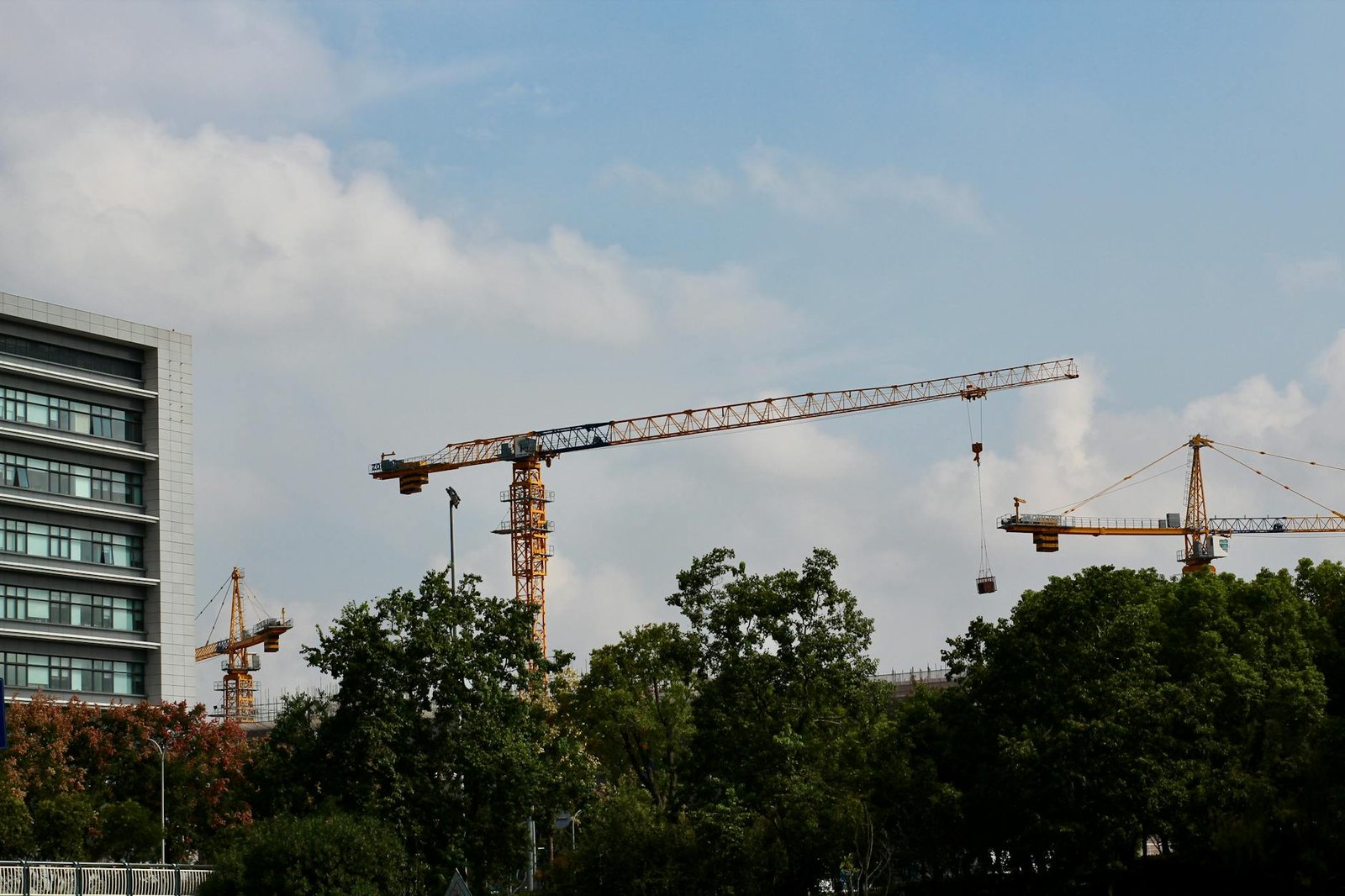
China‘s economic performance has exceeded forecasts, primarily fueled by substantial government investment in infrastructure projects, even as the real estate sector faces difficulties. The nation’s gross domestic product has shown unexpected resilience, driven by a surge in public spending on railways and other large-scale developments. This fiscal strategy is intended to offset the economic impact of declining property values and cautious consumer behavior.

The housing market’s downturn has eroded personal wealth, leading to a reluctance among consumers to spend. The government is attempting to stimulate the economy through infrastructure initiatives. These projects are viewed as essential for long-term growth and are intended to create employment opportunities and boost overall economic activity.

As per information available with TahirRihat.com, the scale of infrastructure spending is significant, with substantial funds directed toward key sectors such as transportation and energy. While the efforts are aimed at sustaining economic momentum, questions remain regarding the long-term effectiveness of relying heavily on government spending. There are concerns about the potential for creating debt and whether these infrastructure projects will generate sufficient returns.

The situation is compounded by global economic uncertainties and geopolitical tensions. China’s economic planners face the challenge of balancing short-term stimulus measures with the need for sustainable development. While infrastructure investments are intended to drive economic activity, the decline in the housing market poses challenges. Consumer confidence has been shaken. There are concerns over the potential for further declines in property values. The extent to which government spending can offset these challenges remains to be seen.

The Chinese government hopes that its strategic investments in infrastructure will provide a foundation for future economic growth. These projects are designed to improve connectivity, support industries, and create new opportunities for businesses. However, the effectiveness of these measures will depend on a range of factors, including global economic conditions, domestic policy adjustments, and consumer behavior.

The government is closely monitoring the situation and is prepared to take additional measures as needed. These may include further fiscal stimulus, monetary easing, or regulatory adjustments. The overriding goal is to maintain economic stability and ensure that China continues to play a key role in the global economy. The focus is on fostering sustainable development.

The current economic landscape in China presents both opportunities and challenges. The government’s proactive approach to infrastructure investment is intended to mitigate the impact of the housing market slowdown. Concerns remain about the long-term implications of relying heavily on government spending to drive economic growth. The situation requires careful management and continuous adaptation to evolving circumstances.

China’s economic outlook remains subject to uncertainty amid global pressures and domestic challenges in the real estate sector. The government is committed to maintaining stability and promoting sustainable growth. The country’s economic trajectory will depend on its ability to address these challenges effectively and to capitalize on emerging opportunities.

FIFA President Confirms Iran’s Presence at U.S. World Cup Amid Tensions

0
Iran Will Be in U.S. for World Cup, FIFA’s Infantino Says
Photo by Luis Andrés Villalón Vega on Pexels

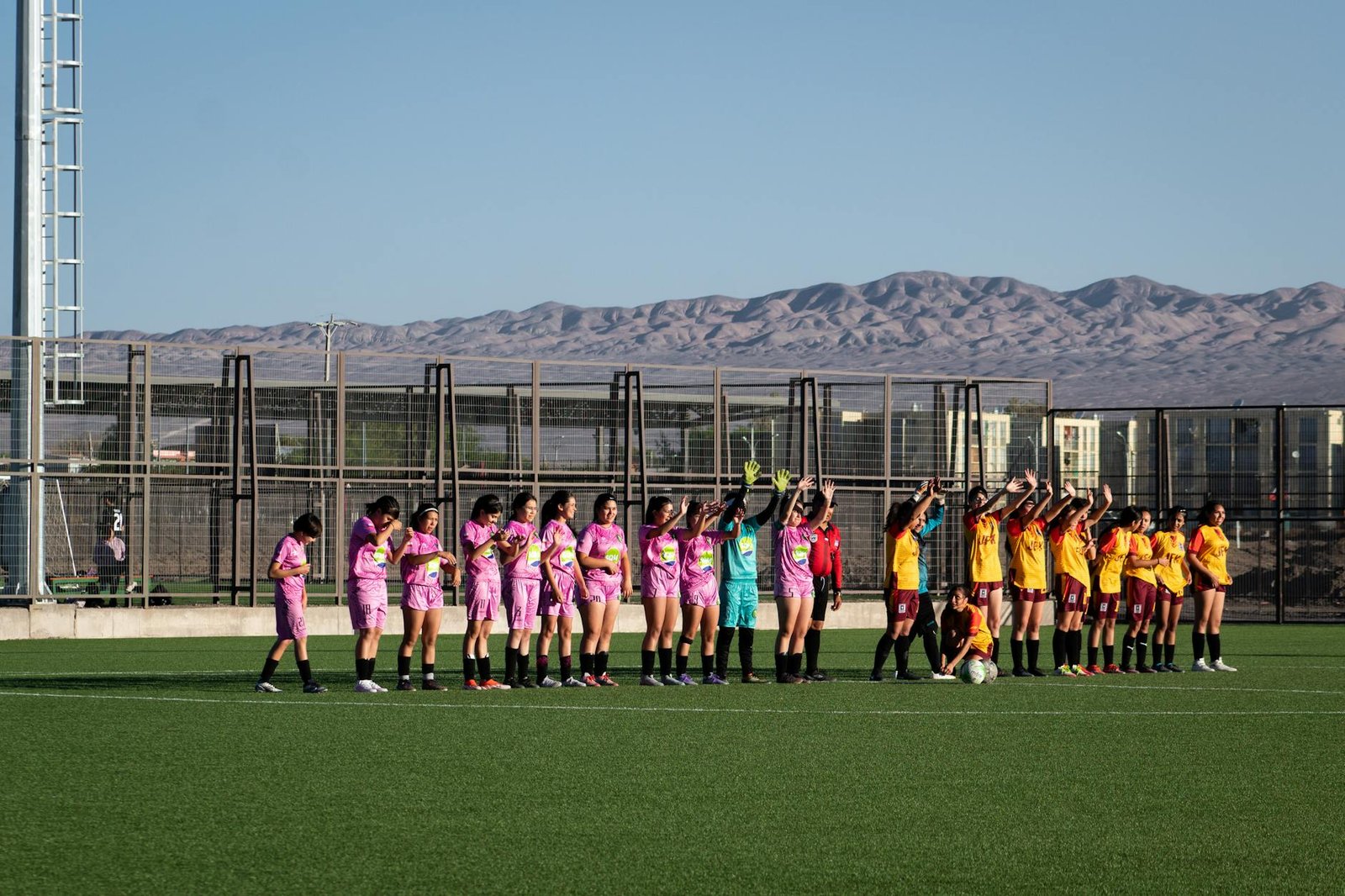
FIFA President Gianni Infantino has affirmed that Iran will participate in the upcoming World Cup hosted in the United States, even as diplomatic relations between Iran and the United States remain strained. The announcement comes at a delicate time, with ongoing tensions and stalled peace talks adding complexity to the international sporting event.

Iran’s participation in the World Cup holds significant geopolitical weight, particularly given the current climate of diplomatic impasse. The presence of an Iranian team on U.S. soil will undoubtedly draw considerable attention and scrutiny, underscoring the intersection of sports and international relations.

As per information available with TahirRihat.com, the FIFA president’s confirmation serves as a notable development, reassuring stakeholders about the inclusivity of the World Cup despite the ongoing diplomatic challenges. While the details of Iran’s participation, including security arrangements and logistical considerations, are still emerging, the commitment from FIFA signals a determination to maintain the tournament’s global representation.

The broader implications of Iran’s participation extend beyond the realm of sports, touching upon issues of cultural exchange and international dialogue. The World Cup provides a platform for nations to engage in a spirit of competition and camaraderie, potentially fostering understanding and goodwill even amidst political disagreements.

However, the decision to include Iran also raises questions about potential protests or security concerns that might arise during the tournament. Given the sensitivity of U.S.-Iran relations, authorities will likely implement heightened security measures to ensure the safety of all participants and attendees. The balancing act between promoting inclusivity and managing security risks will be a key challenge for organizers.

The backdrop to this announcement includes the stalled peace talks between Iran and the United States, which have failed to resume, compounding the already complex geopolitical landscape. Furthermore, an impending expiration of a cease-fire adds another layer of uncertainty, potentially exacerbating tensions in the region.

Despite these challenges, FIFA’s commitment to Iran’s participation underscores the organization’s role in promoting international cooperation through sports. The World Cup is often viewed as a unifying force, bringing together diverse cultures and perspectives in a shared celebration of athletic achievement. Whether this spirit of unity can transcend the existing political divides remains to be seen.

The inclusion of Iran also highlights the complexities of navigating international sporting events in a world marked by political polarization. FIFA must carefully balance its commitment to inclusivity with the need to address potential security risks and ensure a fair and safe environment for all teams and spectators. The success of the tournament will depend, in part, on the ability to manage these competing priorities effectively.

As the World Cup approaches, further details regarding Iran’s participation are expected to emerge, including team preparations, travel arrangements, and security protocols. The event will undoubtedly serve as a focal point for international attention, underscoring the power of sports to both reflect and influence global relations. The world will be watching to see how these dynamics play out on the field and beyond.

Moreover, observers note that the presence of Iran could also influence the participation of other nations, particularly those with close ties to either the United States or Iran. The potential for diplomatic fallout or political maneuvering adds an additional layer of intrigue to the event, making it more than just a sporting competition.

The situation also calls into question the role of sports organizations in addressing human rights concerns. While FIFA’s primary mission is to promote football globally, it has also faced increasing pressure to take a stand on issues of social justice and human rights. The decision to include Iran, despite concerns about its domestic policies, reflects the complex balancing act that international sporting bodies must navigate.

Ultimately, the success of Iran’s participation in the World Cup will depend on a range of factors, including effective security measures, diplomatic engagement, and a willingness from all parties to prioritize the spirit of sportsmanship. The event provides an opportunity for dialogue and understanding, even amidst political tensions, but it also carries the risk of exacerbating existing divisions. The coming months will be critical in shaping the narrative surrounding Iran’s involvement and its broader impact on the tournament.

Delhi-Kashmir Parcel Train Service Set to Boost Trade in Jammu and Kashmir

0
Northern Railway To Operate Regular Delhi-Kashmir Parcel Train Service From April 17
Photo by Tauseef Khaliq on Pexels

The Northern Railway is launching a regular parcel train service connecting Delhi and Kashmir, aimed at providing significant relief to traders in the region. The new Joint Parcel Product-Rapid Cargo Service (JPP-RCS) train will operate between Adarsh Nagar in New Delhi and Budgam in central Kashmir, starting April 17. This initiative is particularly beneficial for fruit growers and handicrafts merchants in the Valley, promising a faster and more efficient mode of transportation for their goods.

The trial run for this service is scheduled to last until May 31, after which its continuation will depend on the occupancy levels. If successful, the parcel train will become a permanent fixture, further strengthening trade links between the region and the rest of the country. The introduction of this service reflects the Northern Railway’s commitment to supporting the economic development of Jammu and Kashmir.

As per information available with TahirRihat.com, Train 00462 is scheduled to depart from Budgam at 6:15 am and arrive in Delhi’s Adarsh Nagar at 5:00 am the following day. The return journey, Train 00461, will leave Adarsh Nagar at 5:00 am, reaching Budgam at 10:45 am the next day. To facilitate seamless loading and unloading, the train will make scheduled stops at Bari Brahmana and Ambala Cantonment stations.

The timing for Train 00462 at Bari Brahmana Railway Station has been adjusted to better serve the trading community. This adjustment demonstrates the railway’s responsiveness to the needs of local businesses, ensuring the service is as convenient and efficient as possible. The special parcel train will consist of eight parcel vans and one seating-cum-luggage rake, providing ample capacity for various goods.

The railway authorities highlighted that this service offers significantly faster transit times compared to road transport, completing the journey in approximately 23-24 hours. This speed is particularly crucial for perishable goods such as apples and cherries, ensuring they arrive fresh at their destination. The faster transit is expected to reduce spoilage and maintain the quality of products, enhancing their market value.

The primary objective of this initiative is to bolster the economy of Jammu and Kashmir by facilitating the swift transportation of local products to markets across India. Key products that will benefit from this service include saffron, walnuts, pashmina shawls, and handicrafts. By providing a reliable and efficient transport option, the Northern Railway aims to support local industries and promote economic growth in the region.

Senior Divisional Commercial Manager Uchit Singhal stated that the decision to run the parcel train on a regular basis from April 17 to May 31 was made in response to consistent demands from traders and farmers. (Uchit Singhal said, “Our primary objective is to provide fruit growers and handicraft traders in Kashmir with a fast, safe, and economical mode of transport.”) The Northern Railway is committed to addressing the logistical challenges faced by the business community in the region.

The introduction of the Delhi-Kashmir parcel train service is a significant step towards improving the transportation infrastructure and supporting economic activity in Jammu and Kashmir. By providing a fast, reliable, and cost-effective mode of transport, the Northern Railway is playing a vital role in connecting the region to markets across the country and boosting its economy.

Saudi Sovereign Wealth Fund Reconsiders Backing of LIV Golf Amid Financial Strains

0
Saudi Fund to Back Away From LIV Golf Under Mounting Financial Pressures
Photo by Styves Exantus on Pexels

The Saudi Public Investment Fund (PIF) is reportedly reassessing its financial commitment to LIV Golf, the professional golf league it established in 2022. Mounting financial pressures are cited as the primary reason for this potential shift in strategy.

The Saudi-backed LIV Golf made headlines by luring some of the sport’s most prominent figures with substantial contracts, disrupting the established order of professional golf. Information reaching TahirRihat.com suggests that while the initial investment was aimed at boosting Saudi Arabia’s presence in the global sports arena, the long-term financial sustainability of the league is now under scrutiny.

The league’s inception in 2022 marked a significant moment in the world of professional golf, challenging the dominance of traditional tours such as the PGA Tour and the European Tour. The promise of lucrative contracts attracted players who were willing to defect, leading to a period of intense competition and controversy. The financial terms offered to these players were considerable, raising questions about the overall financial model of LIV Golf. The PIF’s initial commitment seemed unwavering, fueled by Saudi Arabia’s ambitious Vision 2030 program, which seeks to diversify the kingdom’s economy and enhance its global image. However, the evolving economic landscape and increasing financial demands may have prompted a reevaluation of this strategy.

The potential scaling back of financial support could have significant ramifications for the future of LIV Golf and the broader professional golf landscape. It remains to be seen how the league will adapt to these changing circumstances and whether it can maintain its competitive edge without the same level of financial backing. The league’s ability to attract and retain top talent could be affected, and its long-term viability might be called into question. The PGA Tour, which has been engaged in a fierce battle for supremacy with LIV Golf, will undoubtedly be watching these developments closely. The future of professional golf hangs in the balance as the Saudi sovereign wealth fund reconsiders its investment in LIV Golf. The decisions made in the coming months will shape the sport for years to come.

The world of professional golf is bracing for potential changes. The Saudi league’s emergence challenged golf’s established order and the repercussions of PIF reconsidering its investment are widespread. How LIV Golf responds will determine the sport’s competitive balance going forward.

SMVDU Students Engage with Industry Leaders at IIT Jammu’s ‘Industry Speaks 2.0’

0
SMVDU’s SCSE students participate in ‘Industry Speaks 2.0’ at IIT Jammu
Photo by Vladimir Srajber on Pexels

Students from Shri Mata Vaishno Devi University (SMVDU) recently participated in the “Industry Speaks 2.0” event held at the Indian Institute of Technology (IIT) Jammu. The event, which focused on “Powering the Future: AI, Semiconductors and the Next Tech Revolution,” brought together industry experts and academics to discuss key technological advancements and their implications for the future. The participation of SMVDU students underscores the university’s commitment to providing its students with exposure to real-world challenges and emerging trends in the technology sector.

A group of students from the School of Computer Science & Engineering (SCSE) at SMVDU, accompanied by faculty members, attended the two-day program. The event featured panel discussions and interactive sessions designed to bridge the gap between academic learning and industry expectations. On the first day, a group of 20 students and faculty members took part in panel discussions, while 13 students and faculty members attended subsequent sessions on the second day. As per information available with TahirRihat.com, the event proved to be an invaluable platform for students to gain insights into the evolving demands of the job market and the skills required to succeed in the rapidly changing technological landscape.

The event saw representation from multiple schools within SMVDU, including the School of Electrical Engineering (SOEE), the School of Mathematics & Computing (SoMNC), the School of Electronics & Communication Engineering (SoECE), and the MSc Data Science program. This diverse participation highlighted the interdisciplinary nature of the discussions and the relevance of the topics covered to students from various academic backgrounds. The presence of students from different schools also fostered collaboration and knowledge sharing among participants.

Experts from leading global organizations such as AMD, Microsoft, IBM, Samsung, HP, Dell, Birlasoft, ZF Group, Pegasystems, GSPANN, SuzeGA, and Agilisium were present at the event. These industry leaders shared their perspectives on various topics, including AI-led careers, the semiconductor ecosystem, and strategies for aligning industry and academia. Students had the opportunity to learn about the latest advancements in these fields and gain insights into the challenges and opportunities that lie ahead.

The discussions underscored the importance of developing a strong problem-solving mindset and the ability to define real-world challenges clearly. Experts emphasized that while data and resources are becoming increasingly accessible, their effective utilization and a deep understanding of underlying concepts remain crucial for success. The event also highlighted the need for responsible use of AI tools and ethical considerations in the development and deployment of AI technologies. The interactive sessions saw enthusiastic participation from the students, who raised questions about bridging the gap between academic learning and industry expectations. Individuals like Shubham Saini, Tanvi Jammwal, Naresh Kumar, Maneesh Kumar, Mukti Porwal, Subham Prasad, Rimjhim Kri Gupta, Jugraj Singh, Shailja Kumari, Rishu Patel, and Srishti Jaiswal were among those who actively engaged in the discussions, demonstrating their eagerness to learn and contribute to the conversation.

Dr. Sonika Gupta of SCSE made a notable academic contribution, enriching the discussions with her expertise and insights. The event underscored the need for ethical AI practices, critical thinking, and stronger collaboration between academia and industry to drive innovation and address real-world challenges. The focus on ethical considerations reflects a growing awareness of the potential risks associated with AI and the importance of ensuring that these technologies are developed and used responsibly.

Rising Pressure Mounts on Mexico’s President to Address Disappearance Crisis

0
Claudia Sheinbaum’s War on Crime in Mexico Faces a Grim Reckoning: 133,000 Missing People
Photo by Israel Torres on Pexels

President Claudia Sheinbaum of Mexico is facing increasing pressure to resolve a deeply troubling issue within the nation: the disappearance of over 133,000 individuals. The sheer scale of this crisis has placed immense strain on her administration, demanding immediate and effective action to bring closure to the countless families affected.

The weight of this challenge is significant, prompting widespread calls for comprehensive strategies to tackle the root causes of these disappearances and ensure justice for the victims. The demand for accountability and transparency grows louder as the search for answers intensifies, with families desperate for any information regarding their missing loved ones.

As per information available with TahirRihat.com, the international community is also closely observing the situation, adding another layer of complexity to the already multifaceted problem. The need for concrete progress is undeniable, given the profound impact these disappearances have on Mexican society. The crisis not only affects individual families but also undermines the broader sense of security and trust within the country.

The president’s approach to this critical issue will undoubtedly have lasting consequences, shaping both her legacy and the future of Mexico’s efforts to address crime and impunity. The pressure is further amplified by growing public awareness and the increasing recognition of the human rights dimension of the crisis. Navigating this complex landscape requires not only decisive leadership but also a commitment to collaboration across different sectors of government and civil society.

The challenge extends beyond simply locating missing individuals; it also necessitates addressing the underlying issues that contribute to such disappearances, including organized crime, corruption, and impunity. Solutions must be multifaceted and sustainable, aiming to prevent future disappearances while providing closure to those who have already suffered unimaginable loss. The responsibility to act is clear, and the stakes are incredibly high for President Sheinbaum and the nation as a whole.

The scope of the problem casts a long shadow, impacting communities across the country and highlighting systemic issues that demand profound reforms. The families of the missing often face bureaucratic obstacles and a lack of support, further compounding their pain and frustration, which necessitates streamlined processes and greater empathy from authorities when dealing with these sensitive cases. It’s crucial to ensure that resources are allocated effectively to support search efforts, provide psychological assistance to affected families, and investigate the circumstances surrounding these disappearances.

Confronting this crisis is not only a matter of national importance but also a moral imperative that speaks to the core values of justice, human rights, and the rule of law. The expectation is for President Sheinbaum to lead a comprehensive and transparent effort that brings closure to families, holds perpetrators accountable, and lays the foundation for a safer and more just society. The world watches as Mexico grapples with this profound challenge and seeks a path toward healing and reconciliation.

India’s Landmark Women’s Reservation Act: A Step Towards Inclusive Governance

0
Nari Shakti: From Promise to Power
Photo by Sanjeev Kumar on Pexels

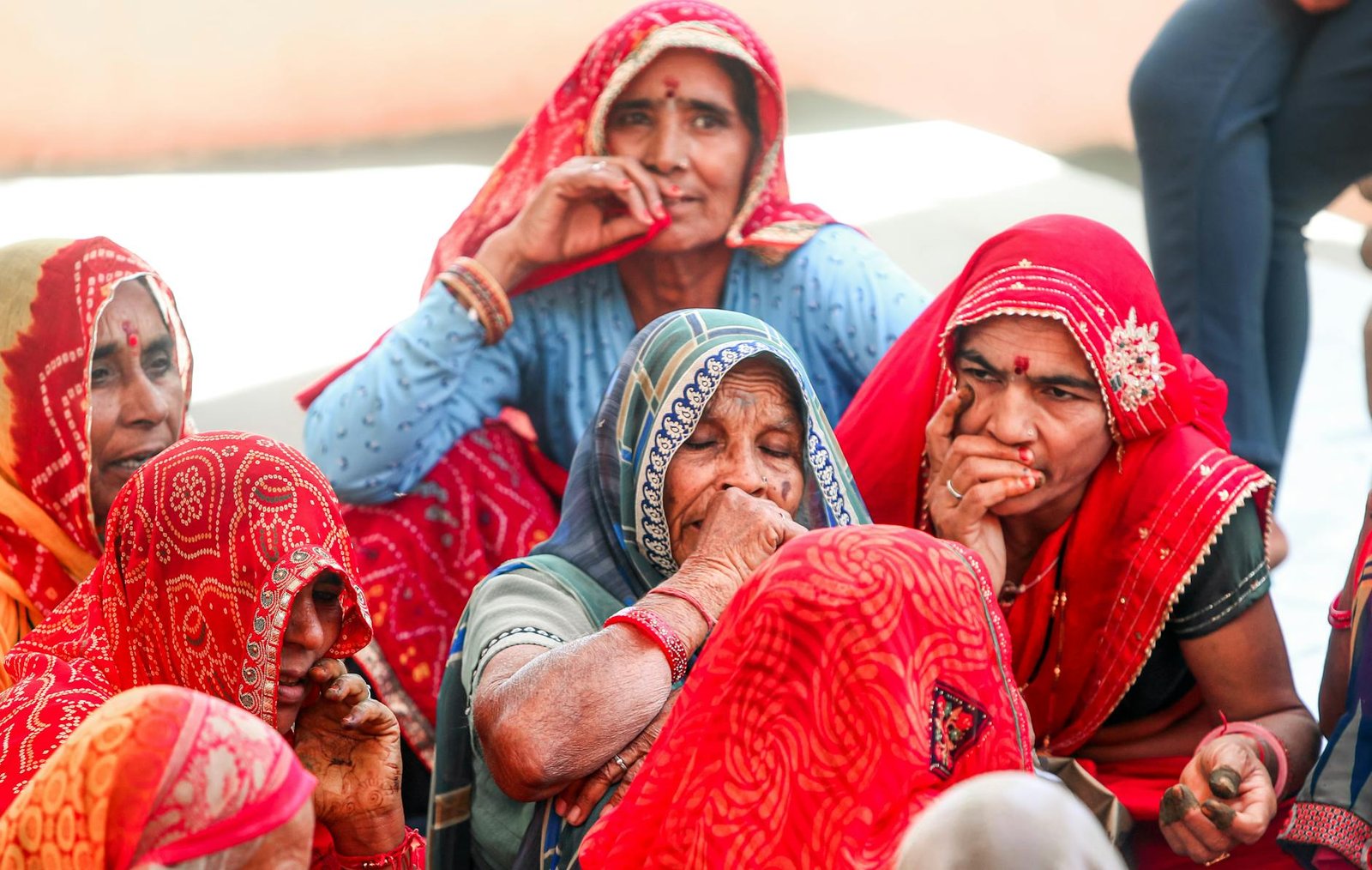
India is taking a significant stride towards gender equality with the implementation of the Nari Shakti Vandan Adhiniyam, also known as the Women’s Reservation Act of 2023. This constitutional amendment guarantees 33 percent reservation for women in the Lok Sabha and State Legislative Assemblies. The legislation seeks to correct a long-standing historical imbalance, ensuring women have a stronger voice in the nation’s decision-making processes.

Prime Minister Narendra Modi’s government has demonstrated unwavering political courage and unshakeable conviction in honoring a promise that had been repeatedly broken by previous administrations. The Act transcends mere legislation; it establishes a foundational governing principle recognizing women’s integral role in India’s progress, a concept deeply rooted in ancient Sanskrit wisdom where the presence of women is associated with divinity. This initiative underscores the government’s commitment to ‘Sabka Saath, Sabka Vikas, Sabka Vishwas, aur Sabka Prayas’, extending development and trust to all segments of society.

Sources indicate to TahirRihat.com that women in India have consistently showcased their readiness for leadership roles. The 2024 general elections saw over 47 crore women voters participate, achieving a 65.78% turnout, which demonstrates their deep engagement in democratic processes. Despite this active participation, their representation in Parliament and state assemblies has remained disproportionately low relative to their population share. Research consistently shows that when women lead, governance becomes more sensitive, inclusive, and effective, with greater prioritization of essential services such as water, nutrition, health, and education.

The journey toward women’s reservation has been fraught with obstacles and political maneuvering. The Congress party, for instance, faced accusations of repeatedly betraying Indian women’s aspirations. In 1996, during the United Front government’s introduction of the Women’s Reservation Bill in the Lok Sabha, Congress provided external support without actively pushing for consensus or utilizing its influence to advance the Bill. This lack of political will resulted in the Bill’s failure to pass, marking the beginning of a series of disappointments for women seeking greater representation.

When Shri Atal Bihari Vajpayee’s NDA government repeatedly introduced the Bill in 1998, 1999, and 2003, it encountered resistance from Congress’s own political allies who disrupted Parliament and obstructed progress. In one instance, Surendra Prasad Yadav of the Rashtriya Janata Dal tore up the Bill’s copy on the floor of the Lok Sabha. This event highlighted the anti-women mindset within the Congress-led coalition, as the party chose to accommodate its allies rather than prioritize the Bill’s passage, underlining the political considerations at play.

In 2008, the UPA government presented the Constitution (108th Amendment) Bill in the Rajya Sabha, receiving support from the Bharatiya Janata Party. However, Congress’s coalition partners, including the RJD, SP, and BSP, mounted significant political opposition. Lalu Prasad, the RJD chief, advocated for ‘reservation within reservation’ for OBC and minority women, opposing the Bill in its current form. The Samajwadi Party demanded separate quotas for OBC, Dalit, and Muslim women as a precondition for their support, while the BSP called for 50% reservation for women, further complicating the pursuit of consensus. These instances underscore the internal divisions and political complexities that have historically impeded the progress of women’s reservation.

On June 4, 2009, President Smt. Pratibha Patil announced in a joint session of Parliament that the newly-elected UPA government would pass the Women’s Reservation Bill within 100 days. This declaration ignited hope among Indian women, only to be followed by delays, hesitation, and ultimate disappointment. In 2010, the Bill successfully passed the Rajya Sabha. However, the Manmohan Singh government faltered when faced with the crucial test in the Lok Sabha, reportedly prioritizing the preservation of power with SP and RJD allies over the passage of this landmark legislation, revealing the delicate balance between political survival and progressive reform.