
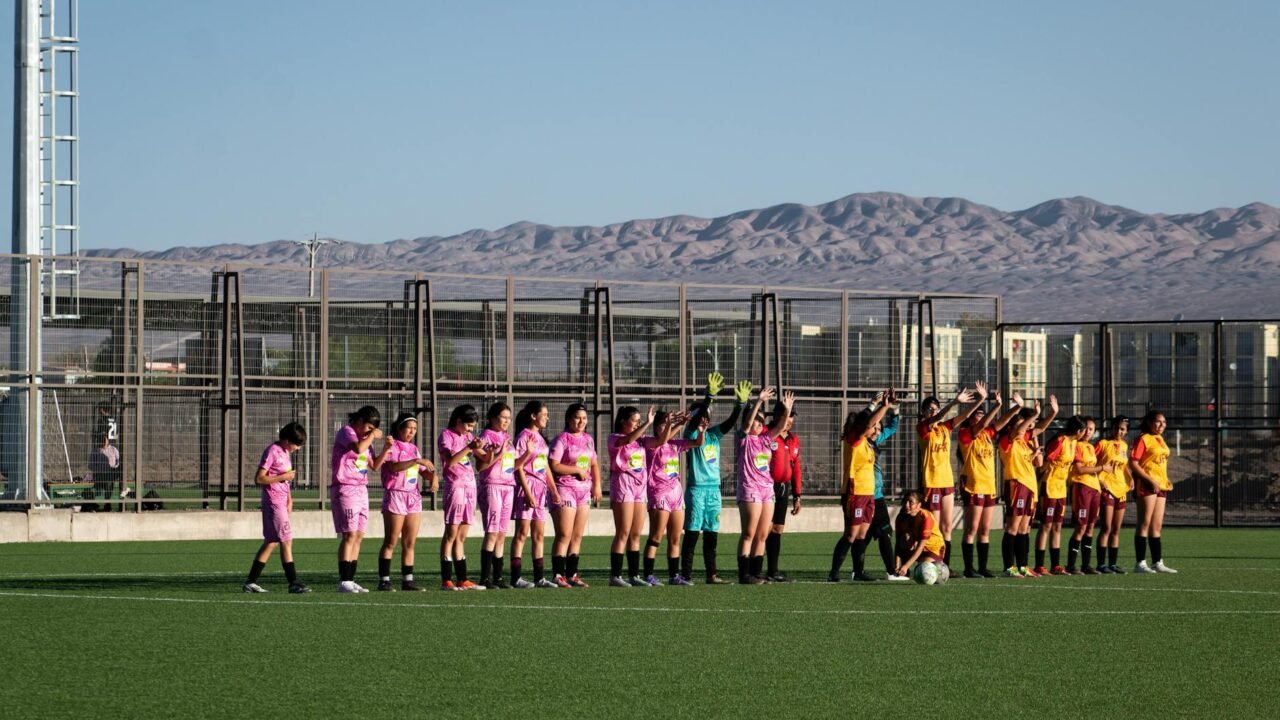
FIFA President Gianni Infantino has affirmed that Iran will participate in the upcoming World Cup hosted in the United States, even as diplomatic relations between Iran and the United States remain strained. The announcement comes at a delicate time, with ongoing tensions and stalled peace talks adding complexity to the international sporting event.
Iran’s participation in the World Cup holds significant geopolitical weight, particularly given the current climate of diplomatic impasse. The presence of an Iranian team on U.S. soil will undoubtedly draw considerable attention and scrutiny, underscoring the intersection of sports and international relations.
As per information available with TahirRihat.com, the FIFA president’s confirmation serves as a notable development, reassuring stakeholders about the inclusivity of the World Cup despite the ongoing diplomatic challenges. While the details of Iran’s participation, including security arrangements and logistical considerations, are still emerging, the commitment from FIFA signals a determination to maintain the tournament’s global representation.
The broader implications of Iran’s participation extend beyond the realm of sports, touching upon issues of cultural exchange and international dialogue. The World Cup provides a platform for nations to engage in a spirit of competition and camaraderie, potentially fostering understanding and goodwill even amidst political disagreements.
However, the decision to include Iran also raises questions about potential protests or security concerns that might arise during the tournament. Given the sensitivity of U.S.-Iran relations, authorities will likely implement heightened security measures to ensure the safety of all participants and attendees. The balancing act between promoting inclusivity and managing security risks will be a key challenge for organizers.
The backdrop to this announcement includes the stalled peace talks between Iran and the United States, which have failed to resume, compounding the already complex geopolitical landscape. Furthermore, an impending expiration of a cease-fire adds another layer of uncertainty, potentially exacerbating tensions in the region.
Despite these challenges, FIFA’s commitment to Iran’s participation underscores the organization’s role in promoting international cooperation through sports. The World Cup is often viewed as a unifying force, bringing together diverse cultures and perspectives in a shared celebration of athletic achievement. Whether this spirit of unity can transcend the existing political divides remains to be seen.
The inclusion of Iran also highlights the complexities of navigating international sporting events in a world marked by political polarization. FIFA must carefully balance its commitment to inclusivity with the need to address potential security risks and ensure a fair and safe environment for all teams and spectators. The success of the tournament will depend, in part, on the ability to manage these competing priorities effectively.
As the World Cup approaches, further details regarding Iran’s participation are expected to emerge, including team preparations, travel arrangements, and security protocols. The event will undoubtedly serve as a focal point for international attention, underscoring the power of sports to both reflect and influence global relations. The world will be watching to see how these dynamics play out on the field and beyond.
Moreover, observers note that the presence of Iran could also influence the participation of other nations, particularly those with close ties to either the United States or Iran. The potential for diplomatic fallout or political maneuvering adds an additional layer of intrigue to the event, making it more than just a sporting competition.
The situation also calls into question the role of sports organizations in addressing human rights concerns. While FIFA’s primary mission is to promote football globally, it has also faced increasing pressure to take a stand on issues of social justice and human rights. The decision to include Iran, despite concerns about its domestic policies, reflects the complex balancing act that international sporting bodies must navigate.
Ultimately, the success of Iran’s participation in the World Cup will depend on a range of factors, including effective security measures, diplomatic engagement, and a willingness from all parties to prioritize the spirit of sportsmanship. The event provides an opportunity for dialogue and understanding, even amidst political tensions, but it also carries the risk of exacerbating existing divisions. The coming months will be critical in shaping the narrative surrounding Iran’s involvement and its broader impact on the tournament.

Tahir Rihat (also known as Tahir Bilal) is an independent journalist, activist, and digital media professional from the Chenab Valley of Jammu and Kashmir, India. He is best known for his work as the Online Editor at The Chenab Times.


Leave a Reply