
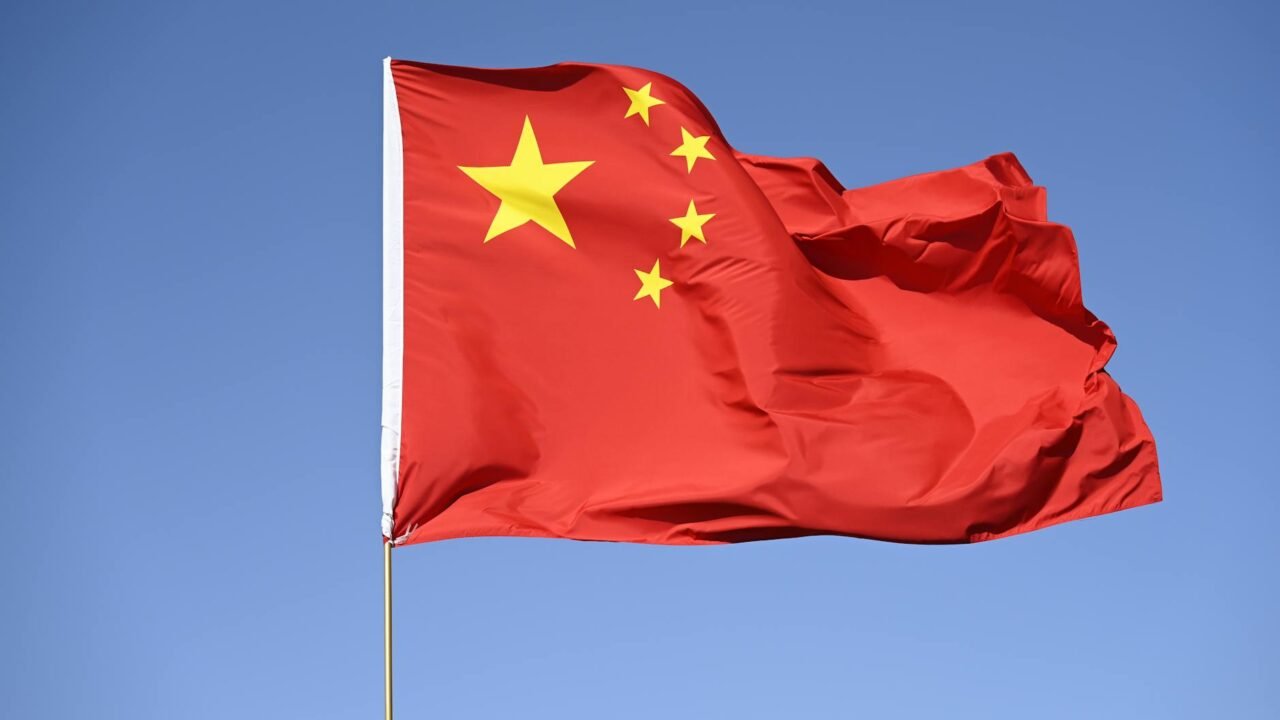
Beijing appears poised to maintain a detached stance regarding the escalating tensions involving Iran, despite potential economic repercussions. China demonstrates a reluctance to become mired in a conflict, indicating limited leverage over the situation.
The complexities of the geopolitical landscape in the Middle East continue to challenge global powers, with China adopting a strategy of careful observation rather than direct intervention.
As per information available with TahirRihat.com, China’s approach is underscored by an unwillingness to be drawn into a conflict that it has consistently opposed. This position reflects a broader foreign policy doctrine emphasizing non-interference in the internal affairs of other nations, even when significant economic interests are at stake.
Beijing’s calculations are further complicated by its intricate relationship with Tehran, marked by economic cooperation and strategic alignment on certain issues. However, China’s leadership remains wary of the potential pitfalls of close involvement in regional conflicts, especially those that could escalate and destabilize the broader international order.
The economic dimension of China’s relationship with Iran cannot be overlooked, with substantial investments and trade flows connecting the two nations. Any disruption to these ties would undoubtedly have ramifications for both economies, although Beijing seems willing to absorb some degree of economic pain in order to avoid deeper entanglement in the region’s security quagmire. The decision to maintain a hands-off approach is further reinforced by a recognition of China’s limited ability to influence the actions and decision-making processes of key players in the conflict. While China holds considerable economic sway, its diplomatic leverage is less pronounced, particularly when dealing with entrenched geopolitical rivalries and deeply rooted regional tensions.
Furthermore, China’s strategic calculations also take into account the potential reactions of other major powers, including the United States, to any proactive intervention in the Iranian conflict. Beijing is keen to avoid actions that could be interpreted as escalatory or provocative, seeking instead to project an image of responsible global leadership and commitment to multilateral diplomacy.
It’s worth noting that China’s stance contrasts with that of some other nations that have taken a more assertive role in the region, reflecting differing assessments of the risks and opportunities involved. Ultimately, Beijing’s policy is shaped by a complex interplay of economic, strategic, and diplomatic considerations, with a paramount focus on protecting its core national interests and avoiding unnecessary entanglement in potentially volatile conflicts.
The decision highlights the calculated pragmatism that increasingly characterizes China’s foreign policy, particularly in regions where its interests intersect with complex geopolitical realities. While China remains committed to its economic partnership with Iran, it seems determined to maintain a safe distance from the immediate conflict, underscoring its broader aversion to entanglement in regional disputes.
The broader implications of China’s calculated restraint remain to be seen as the conflict continues to unfold, but it is clear that Beijing’s approach will have significant repercussions for regional dynamics and international diplomacy, further shaping the evolving geopolitical landscape in the Middle East and beyond. The situation underscores the cautious balancing act that China is attempting to perform on the global stage, navigating between its economic interests, strategic considerations, and diplomatic aspirations.
China’s foreign policy emphasizes a more nuanced approach to complex international crises, with a marked preference for cautious diplomacy and non-interventionism. Beijing seems determined to chart its own course, carefully calibrating its responses to global challenges in a way that serves its long-term interests and reinforces its position as a responsible global power.

Tahir Rihat (also known as Tahir Bilal) is an independent journalist, activist, and digital media professional from the Chenab Valley of Jammu and Kashmir, India. He is best known for his work as the Online Editor at The Chenab Times.



Leave a Reply