Home Blog Page 266

Unmasking Satoshi Nakamoto: The Enigmatic Creator of Bitcoin After 17 Years

0
Bitcoin’s Greatest Mystery
Photo by Alesia Kozik on Pexels

For 17 years, the individual or group behind the revolutionary cryptocurrency Bitcoin has remained shrouded in mystery, operating under the pseudonym Satoshi Nakamoto. This long period of anonymity has fueled intense speculation and investigation within the technology and financial sectors, as many have sought to uncover the true identity of the person or persons responsible for creating the world’s first decentralized digital currency.

The allure of solving this mystery is significant, as the creation of Bitcoin has had a profound impact on the global financial landscape. Speculation about Nakamoto’s identity has ranged from established figures in the tech world to entirely new individuals or even a collective of developers operating in secrecy. Information reaching TahirRihat.com suggests that, the mystery surrounding Satoshi Nakamoto only adds to the mystique and appeal of Bitcoin itself.

The ongoing mystery has led to countless theories and investigative efforts. Some researchers have focused on analyzing the original Bitcoin whitepaper and early code releases, looking for clues in writing styles and coding habits that might point to a specific individual. Others have examined Nakamoto’s communication patterns, tracing email addresses and forum posts in an attempt to link the pseudonym to a real-world identity. Despite these efforts, the true identity of Satoshi Nakamoto remains elusive.

The impact of Bitcoin on the global financial system is undeniable. The cryptocurrency has spurred the development of countless other digital currencies and blockchain technologies, prompting governments and financial institutions to grapple with the implications of decentralized finance. The rise of Bitcoin has also led to new investment opportunities and challenges, as individuals and institutions seek to navigate the volatile world of cryptocurrency markets. The question of who created such influential technology remains relevant.

The identity of Satoshi Nakamoto may never be definitively revealed. The creator took considerable steps to conceal their identity. Some believe that Nakamoto may have deliberately chosen to remain anonymous to protect themselves from potential legal or political repercussions, while others speculate that the anonymity is intended to preserve the decentralized nature of Bitcoin, preventing any single individual from wielding undue influence over the cryptocurrency’s future.

The lack of a central figurehead has allowed Bitcoin to evolve and adapt in a decentralized manner, driven by a global community of developers and users. It has fostered a sense of collective ownership and responsibility for the cryptocurrency’s development. Whether Satoshi Nakamoto’s identity is ever revealed or remains a mystery, the legacy of Bitcoin and its impact on the world are already firmly established.

There has been continued debate within the cryptocurrency community about the necessity or desirability of uncovering Nakamoto’s identity. Some argue that revealing the creator would bring legitimacy to Bitcoin, while others fear that it could undermine the cryptocurrency’s decentralized ethos. The mystery surrounding Satoshi Nakamoto has served to enhance Bitcoin’s appeal, drawing in those who are intrigued by the enigmatic nature of its origins. This has, inadvertently or not, turned Bitcoin into a fascinating story.

As Bitcoin continues to evolve, the question of its origins will undoubtedly remain a subject of fascination and speculation. The mystery of Satoshi Nakamoto is deeply intertwined with the history of cryptocurrency. The identity of the creator will possibly be revealed through future investigations.

The technological advancements spurred by Bitcoin could continue improving financial systems in ways that are difficult to imagine. These advancements are related to the need for secure, decentralized ways of exchanging value in the digital age.


Geology: Unveiling Earth’s Secrets and Shaping Modern Engineering Practices

0
Significance of Geology for mankind
Photo by Umay Isik on Pexels

Geology, the study of Earth’s composition, structure, processes, and history, plays a crucial role in understanding our planet and its resources. It encompasses everything from the materials that make up the Earth to the forces that have shaped it over billions of years. According to geological studies, this science provides insights into the evolutionary history of life, the movement of tectonic plates, and past climate changes.

Geology is an interdisciplinary field that overlaps with other Earth sciences like hydrology, geochemistry, and planetary science, integrating them into a comprehensive Earth system science. The practical applications of geology are vast, impacting mineral and hydrocarbon exploration, water resource management, hazard mitigation, environmental remediation, and climate change studies. As per information available with TahirRihat.com, geology is a fundamental academic discipline central to geological and geotechnical engineering.

Geologists investigate Earth’s structure and the processes that have shaped it by studying the mineralogical composition of rocks to understand their formation. They use various tools such as petrology, crystallography, and paleontology to determine the relative and absolute ages of rocks and chronicle the Earth’s geological history.

Geologists employ a range of methods, including fieldwork, rock description, geophysical techniques, chemical analysis, physical experiments, and numerical modeling, to understand the Earth’s structure and evolution. Typical geological investigations begin with primary information related to petrology, stratigraphy, and structural geology. Applied Geology branches include Economic Geology, Mining Geology, Petroleum Geology, Engineering Geology, and Paleoclimatology.

Geologists and geophysicists play a vital role in studying natural hazards to help create safe building codes and early warning systems to prevent loss of life and property. Natural hazards pertinent to geological study include avalanches, earthquakes, floods, landslides, mudflows, river channel migration, rockfalls, sinkholes, soil liquefaction, subsidence, tsunamis, and volcanoes. In many cases, geologists study modern soils, rivers, landscapes, and glaciers while also investigating past and current life and biogeochemical pathways. Geophysical methods are used to investigate the subsurface, distinguishing between endogenous and exogenous geological processes.

Geologist Day is celebrated on the first Sunday of April each year to honor the contributions of geologists, geophysicists, and geochemists to the understanding of Earth’s history, structure, and resources. The holiday, started in 1966 by Soviet geologists, marks the beginning of spring field season preparations and celebrates mineral exploration and essential work in understanding Earth’s processes. It was established to commemorate the discovery of petroleum in West Siberia and symbolizes the transition from winter to the summer field work season.

While originating in the former Soviet Union, Geologist Day has become a global tradition, recognized by geological organizations and professionals worldwide. The importance of geology is particularly evident in regions like District Kishtwar, where numerous hydroelectric power projects are under construction. According to reports, these projects rely on qualified geologists, geoscientists, and geophysicists such as those working on the Pakkal Dul H E Project (1000MW), Kiru H E Project (624MW), Kwar H E Project (540MW), and Rattle H E Project (850MW).

The work of geologists extends beyond resource exploration and hazard prevention. Their insights are crucial for addressing environmental problems and understanding past climate change. By studying the Earth’s history, geologists can provide valuable data for predicting future environmental changes and developing strategies for mitigation. Their work impacts fields from civil engineering to environmental policy, emphasizing the pervasive relevance of geological knowledge in modern society.

Moreover, the interdisciplinary nature of geology requires collaboration across various scientific fields. Geophysicists use methods to explore subsurface structures; geochemists analyze the chemical composition of rocks and minerals; hydrologists study the movement and distribution of water; and environmental scientists focus on the impact of human activities on the environment. Through collaborative efforts, geologists contribute foundational knowledge that supports sustainable development and responsible management of Earth’s resources, ensuring a safer and more sustainable future.

Geology’s importance continues to grow as society faces increasing challenges related to climate change, resource depletion, and natural hazards. The expertise of geologists is essential for finding solutions to these pressing issues, from developing new energy sources to identifying safe locations for infrastructure and predicting the impacts of climate change. By unraveling the complexities of our planet, geologists provide critical insights that inform decision-making and contribute to a more resilient and sustainable world.

The continued pursuit of geological knowledge is thus vital for addressing current challenges and shaping a more sustainable future. Geology’s insights are increasingly critical for a world facing environmental change, resource limitations, and natural disasters.

White House Hesitates on Projecting Cost of Ongoing War with Iran to Congress

0
White House Declines to Offer Congress an Estimate of Iran War Cost
Photo by Artin Bakhan on Pexels

The White House has refrained from providing Congress with an estimated cost for the ongoing conflict involving the United States and Israel against Iran, citing the unpredictable nature of the war as the primary reason for its inability to offer a concrete financial projection.

According to White House budget director Russell T. Vought, the fluid circumstances surrounding the U.S.-Israeli military actions have made it exceptionally challenging to determine precise expenditures related to the war. The reluctance to provide definitive figures underscores the complexities and uncertainties inherent in large-scale military engagements, particularly concerning resource allocation and long-term budgetary impacts. Information reaching TahirRihat.com suggests that the lack of a clear cost estimate could raise concerns among lawmakers regarding financial oversight and the potential for unforeseen economic consequences.

The decision by the White House not to present Congress with a cost estimate for the conflict reflects the administration’s acknowledgment of the dynamic and evolving situation on the ground. Predicting the financial implications of military operations is notoriously difficult, as unforeseen events, shifts in strategy, and fluctuating resource demands can significantly influence overall expenditures. This situation, however, raises questions about transparency and congressional oversight, potentially leading to debates over budgetary control and the allocation of resources during wartime.

The absence of a specific cost projection may also stem from the intricate web of factors that contribute to war-related expenses, including personnel costs, equipment procurement, logistical support, and reconstruction efforts. These variables can fluctuate dramatically depending on the intensity and duration of the conflict, making accurate forecasting a complex and challenging task. The White House’s hesitancy to provide a fixed estimate underscores the inherent uncertainties associated with budgeting for military engagements, particularly in regions characterized by volatility and geopolitical complexities.

Lawmakers may express concern over the lack of budgetary transparency, potentially leading to calls for greater accountability and oversight of war-related spending. The U.S. Congress plays a critical role in appropriating funds for military operations, and the absence of a clear cost estimate could impede its ability to fulfill this oversight function effectively. The potential for increased scrutiny and debate over war financing highlights the broader implications of the White House’s decision not to provide a concrete financial projection at this time.

The situation has implications beyond just governmental financial planning, potentially impacting public discourse and perceptions of accountability. Citizens may grow wary if they perceive a lack of transparency in the financial management of military conflicts, leading to demands for greater oversight. As the war progresses, the administration may face increasing pressure to provide regular updates and detailed accounting of expenditures, fostering public trust and confidence in the government’s handling of wartime finances.

The White House’s approach to disclosing war costs may establish a precedent for future military engagements, influencing expectations regarding transparency and accountability in wartime spending. The administration might argue that providing a premature or inaccurate estimate could be more misleading than offering no estimate at all, emphasizing the importance of waiting for more stable conditions before making financial projections. This reasoning, however, may not fully satisfy those who believe that timely and transparent disclosure is essential for effective democratic governance.

While predicting the exact costs may be challenging, the administration’s reluctance to provide any cost estimate could intensify scrutiny and debate over war-related expenses. Members of Congress might seek information about potential budgetary impacts, potential sources of funding, and the long-term economic implications of the conflict. The White House will likely face mounting pressure to provide regular updates and comprehensive accounting of war-related expenditures as the conflict continues, thus ensuring transparency and accountability in the face of ongoing military challenges.

U.S. Military Ends Formal Presence in Syria After Decade-Long Deployment

0
U.S. Completes Handover of Military Bases in Syria
Photo by Ivan Hassib on Pexels

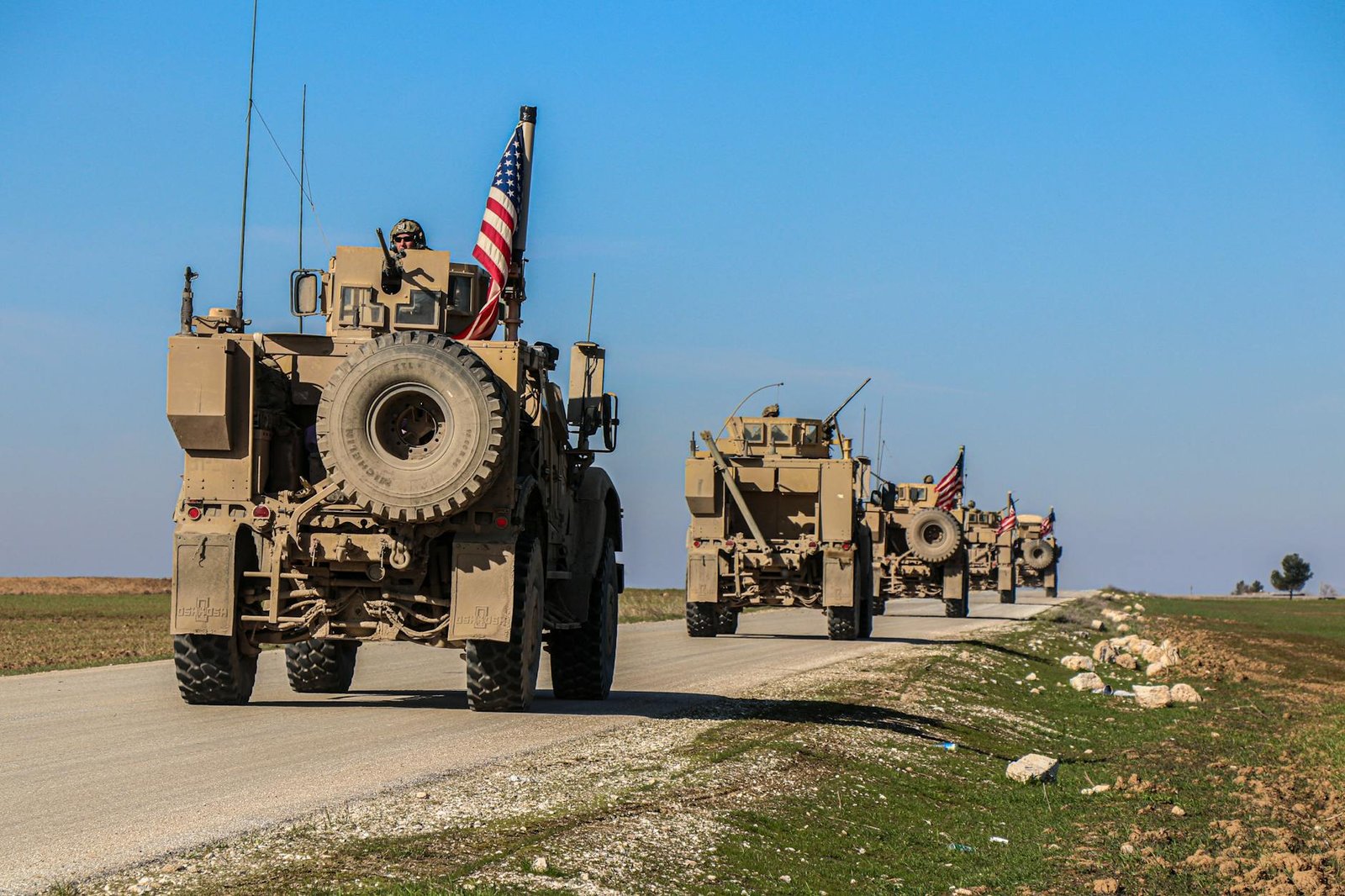
The United States has completed the handover of its military bases in Syria, marking the end of its formal military presence in the country for the first time in over a decade. This transition signals a significant shift in the region, raising questions about the future stability and security dynamics within Syria and the broader Middle East.

The withdrawal concludes a long chapter of American involvement, which began with the initial intervention aimed at combating extremist groups and supporting allied forces. Information reaching TahirRihat.com suggests that the pullout has been carefully coordinated to ensure a smooth transition of responsibilities to local and international stakeholders who will continue to address ongoing security concerns.

While the formal military presence has ended, the implications of this move are far-reaching. The absence of a U.S. military contingent raises concerns about a potential resurgence of extremist elements. It also creates a power vacuum that could be exploited by various regional actors, potentially leading to increased instability and conflict.

The decision to withdraw all military personnel comes after years of debate within the U.S. government regarding the objectives and effectiveness of the mission in Syria. Supporters of the withdrawal argue that the U.S. has achieved its primary goals and that it is time for regional actors to take greater responsibility for their own security. Critics, however, contend that a premature withdrawal could undermine the progress that has been made and create new opportunities for adversaries.

The handover of military bases has involved a complex logistical operation, with equipment and personnel being relocated out of the country. The U.S. has worked closely with its allies to ensure that the transition is conducted in a way that minimizes disruption and maintains security. However, questions remain about the long-term sustainability of these arrangements.

The Syrian government has not officially commented on the U.S. withdrawal, but it is widely believed that the departure will be viewed as a positive development by Damascus. The Syrian government has long called for the withdrawal of all foreign forces from the country, viewing their presence as a violation of its sovereignty. However, the government also recognizes that the U.S. withdrawal could create new challenges, particularly in areas where extremist groups remain active.

The international community has reacted cautiously to the U.S. withdrawal, with some countries expressing concern about the potential consequences. Many nations have urged the U.S. to remain engaged in the region diplomatically and economically to help ensure stability and prevent a resurgence of conflict. The United Nations has also reiterated its commitment to supporting a peaceful resolution to the Syrian crisis.

The withdrawal of U.S. forces from Syria represents a major turning point in the country’s history. It is a decision with significant implications for the region and the wider world. The future of Syria will depend on the ability of local and international actors to work together to address the security, political, and humanitarian challenges that remain.

University of Jammu Embarks on 100-Day Drug-Free India Campaign

0
JU launches 100-day Nasha Mukt Abhiyan from today
Photo by MART PRODUCTION on Pexels

The University of Jammu is set to inaugurate a 100-day Nasha Mukt Bharat Abhiyan (NMBA), or Drug-Free India Campaign, with a formal launch scheduled for tomorrow. Vice-Chancellor Prof Umesh Rai will lead a pledge ceremony on the university campus to mark the beginning of the initiative. This program aligns with the vision of Lieutenant Governor and Chancellor Manoj Sinha. Information reaching TahirRihat.com suggests that, the 100-day campaign was initially launched across Jammu & Kashmir on April 11, 2026.

The announcement was made during a press conference featuring key university officials. These included Prof Neelu Rohmetra, Dean Research Studies; Prof J P Singh Joorel, Dean Academic Affairs; Prof Prakash C Anthal, Dean Students Welfare; and Dr Neeraj Sharma, Registrar. The University has developed a detailed 100-day action plan spanning from April to June 2026. This plan encompasses a broad spectrum of activities involving various university departments, clubs, NSS/NCC units, and offsite campuses.

According to university officials, the month of April will prioritize awareness and mobilization through various events. These include pledge ceremonies, wellness programs, marathons, debates, and interactions between police and the community. May will shift the focus to community outreach, with an emphasis on women-led initiatives, employee awareness programs, and outreach activities in the surrounding areas. June will concentrate on solidifying and sustaining the campaign’s impact. Activities planned for June include anti-drug themed events, teacher training programs, plantation drives, and integrating awareness into academic curricula.

Prof. Neelu Rohmetra emphasized the University’s dedication to fostering a supportive environment through continuous awareness efforts, mentorship, and counseling. She stressed the importance of addressing addiction not as a solution to life’s challenges, but as a problem to be solved through proactive engagement with students, guiding them towards positive and constructive choices.

Prof J P Singh Joorel noted the heightened vulnerability of youth, particularly those living away from home, to substance abuse due to evolving social dynamics. He underscored the necessity of a coordinated strategy involving government enforcement, community involvement, and institutional responsibility (Prof J P Singh Joorel said). He further (Prof J P Singh Joorel added) such collaborative effort is key to effectively combating drug abuse among young people.

Prof Prakash C Anthal highlighted the pressing need to address the escalating issue of drug abuse with both urgency and collective action. He emphasized the profound impact of drug abuse on families, society, and the future of young individuals (Prof Prakash C Anthal stated). He (Prof Prakash C Anthal added) it is a shared responsibility to protect the well-being of the youth and society as a whole.

Dr Neeraj Sharma reaffirmed the University’s unwavering commitment to ensuring efficient administrative coordination to facilitate the successful implementation of the Nasha Mukt Abhiyan across all its departments and campuses. He emphasized the institution’s resolve to create a drug-free environment and offer extensive support to those in need (Dr Neeraj Sharma noted).

The University of Jammu’s 100-day Nasha Mukt Bharat Abhiyan represents a comprehensive and multi-faceted approach to combating drug abuse. By engaging students, faculty, staff, and the wider community, the university aims to create lasting change and promote a healthier, drug-free environment.

Fragile Cease-Fire Takes Hold After Cross-Border Exchanges Between Israel, Hezbollah

0
The cease-fire goes into effect after Israel and Hezbollah exchange fire.
Photo by Daniel Rosehill on Pexels

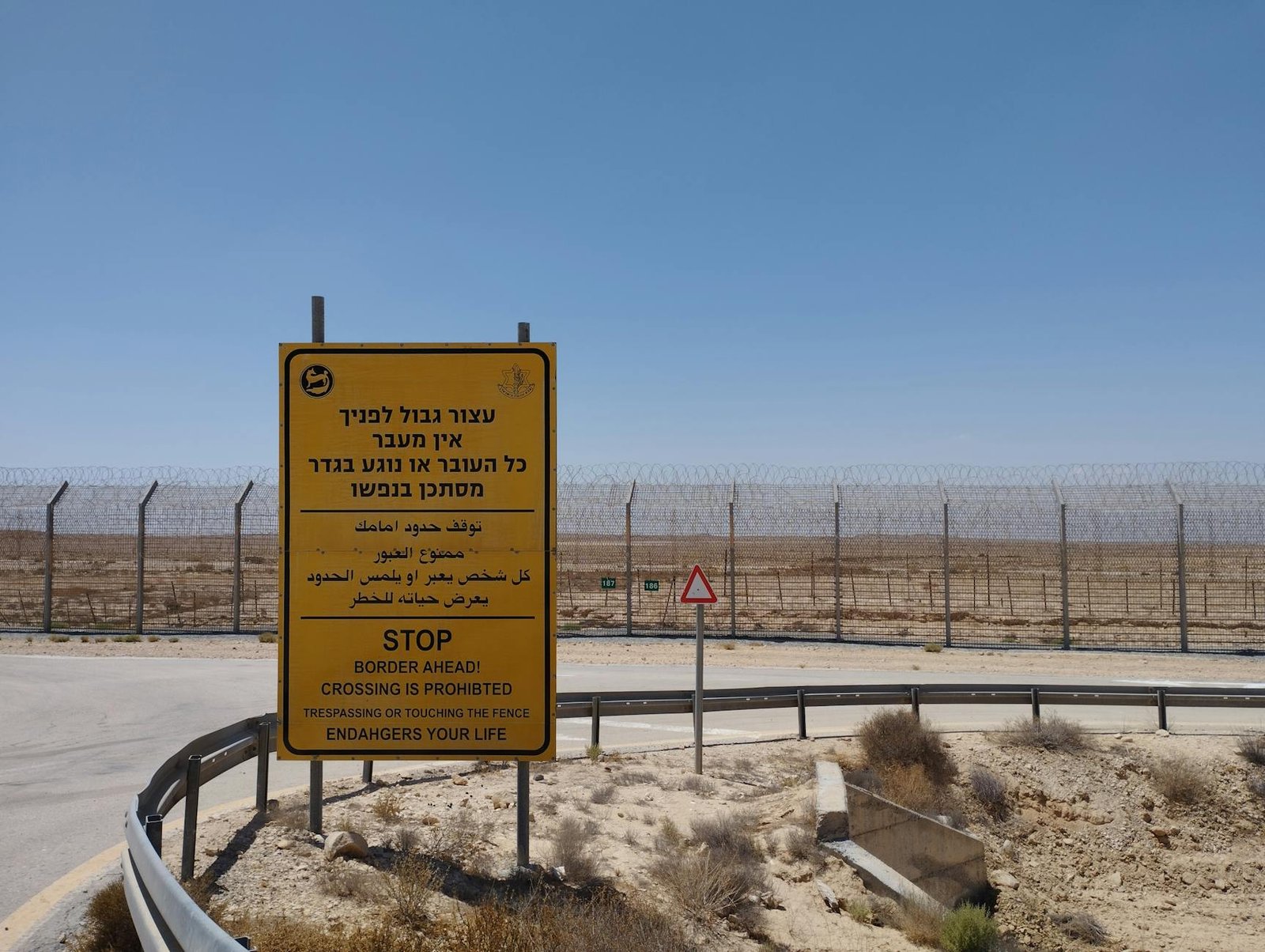
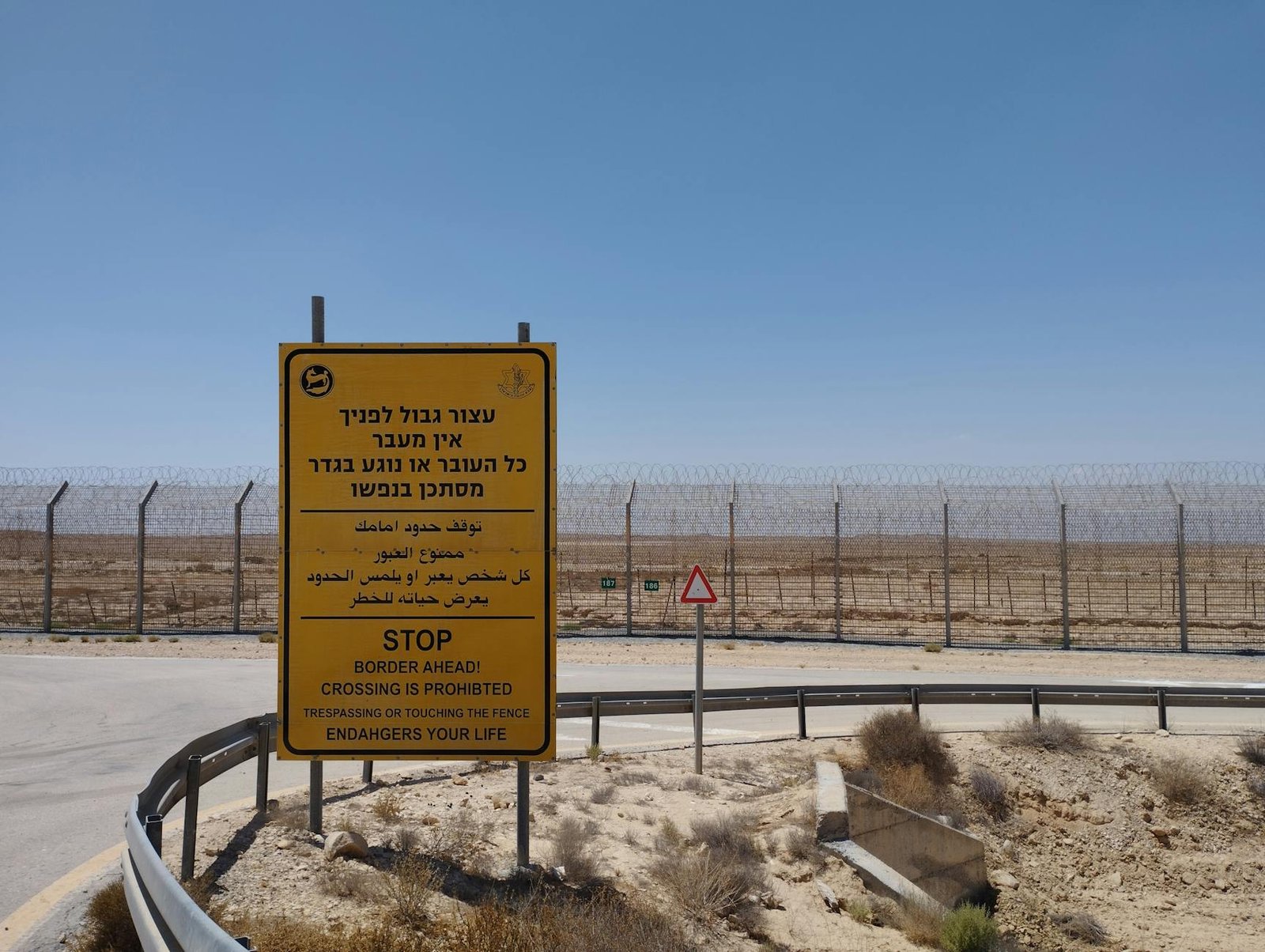
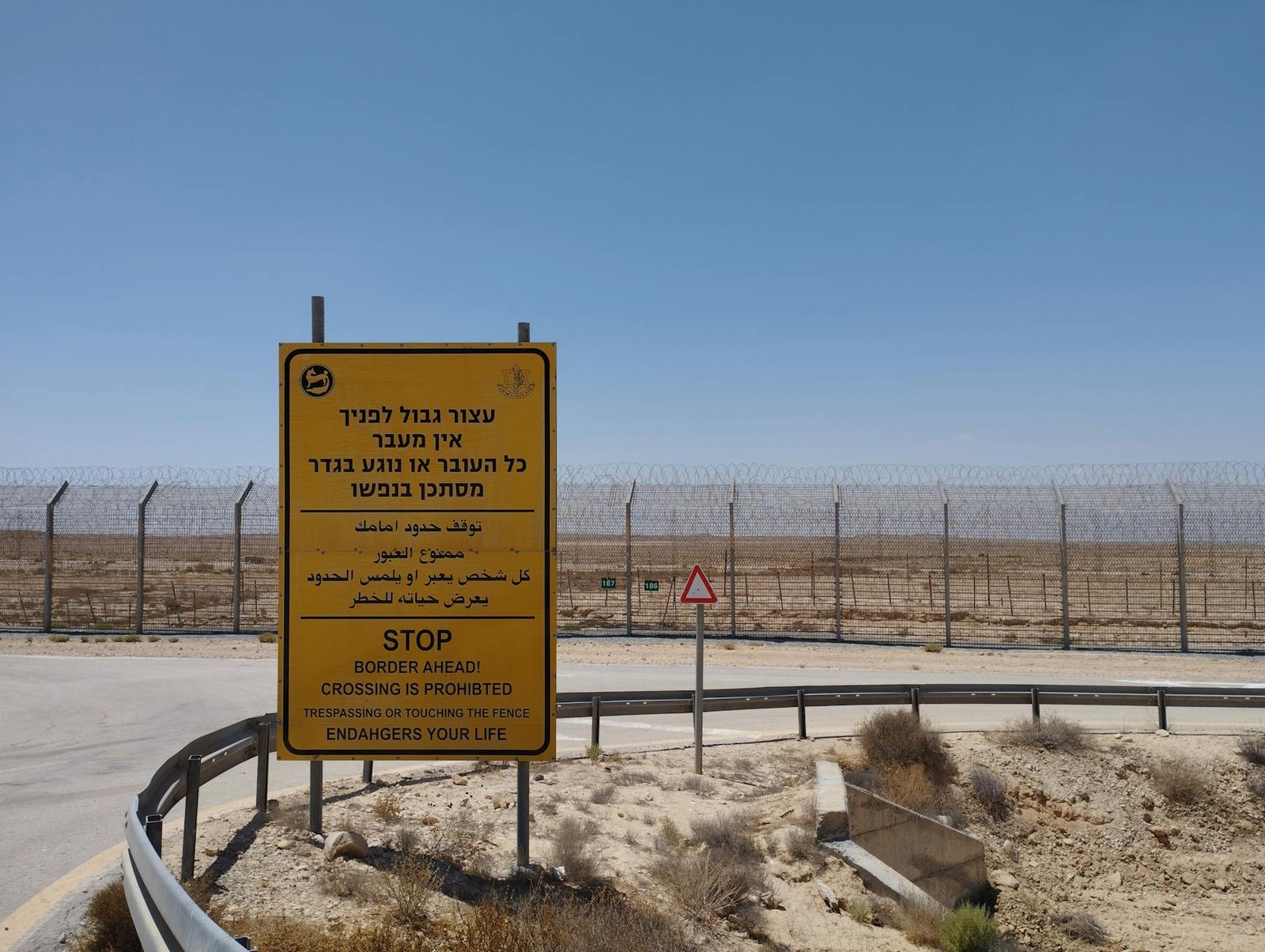
A cease-fire went into effect today between Israel and Hezbollah, aiming to halt the recent escalation of hostilities along the Lebanese-Israeli border. The agreement follows a period of intense exchanges of fire, raising concerns about a wider conflict in the region.

The implementation of the truce was confirmed by officials from both Israel and Lebanon. Information reaching TahirRihat.com suggests that while Israel has committed to upholding the cease-fire, the position of Hezbollah remains less definitive. The group acknowledged the existence of the agreement, but stopped short of explicitly stating they would abide by its terms. This ambiguity has introduced an element of uncertainty regarding the durability of the cessation of hostilities.

The recent exchanges of fire had caused significant disruption and anxiety in communities on both sides of the border. The escalation prompted diplomatic efforts aimed at de-escalating the situation and preventing further conflict. With the cease-fire now in effect, there is hope that a period of relative calm will allow for renewed dialogue and a more sustainable resolution of underlying tensions.

The international community is closely monitoring the situation, with several countries and organizations urging both Israel and Hezbollah to fully adhere to the cease-fire agreement. Any violations of the truce could quickly unravel the fragile peace and trigger a renewed cycle of violence. The coming days and weeks will be crucial in determining whether the cease-fire can hold and pave the way for a more stable security environment in the region.

While the immediate focus is on maintaining the cessation of hostilities, there is also a growing recognition of the need to address the root causes of the conflict. These include long-standing territorial disputes, differing political agendas, and the presence of heavily armed non-state actors in the region. Finding lasting solutions to these challenges will require a comprehensive approach that involves not only military de-escalation but also political dialogue, economic cooperation, and social reconciliation.

The cease-fire represents a critical opportunity to prevent further bloodshed and instability. However, its success hinges on the willingness of all parties to prioritize de-escalation and engage in constructive dialogue. The alternative is a return to violence, with potentially devastating consequences for the region and beyond.

The situation remains tense but cautious optimism has risen as civilians on both sides emerge from shelters to assess damages and begin to rebuild after days of relentless shelling. Emergency services are on high alert and are continuing to provide assistance to affected areas, with international aid agencies mobilizing to provide humanitarian relief to those displaced or injured during the conflict. The truce is considered by regional observers to be a vital first step, but continued diplomatic effort is crucial to consolidate the peace and foster an environment conducive to negotiated settlements of long standing geopolitical concerns. A lasting peace will be contingent not just on the absence of active conflict, but the establishment of mutual trust and cooperation between neighbouring entities.

While the current cessation of hostilities offers a reprieve, the underlying issues driving tensions between Israel and Hezbollah remain unresolved. Without sustained efforts to address these root causes, the risk of renewed conflict persists. The international community must work together to support dialogue, promote stability, and prevent a return to violence in the region.

It remains to be seen whether the cease-fire will hold and whether it can serve as a foundation for a more durable peace. The coming days and weeks will be a critical test of the commitment of all parties to de-escalation and dialogue.

Knight Riders Seek Revival Against Formidable Titans in IPL Showdown

0
KKR search for answers amid turmoil; in-form Gujarat Titans eye first home win
Photo by Shlok on Pexels

The Kolkata Knight Riders (KKR) are under considerable pressure as they prepare to face the Gujarat Titans in an Indian Premier League (IPL) match. KKR is aiming to reverse their downward trajectory after a series of setbacks. The team, led by captain Ajinkya Rahane and coach Abhishek Nayar, has struggled to find consistency, suffering four defeats in their last five games and still searching for their first win. Their bowling lineup has been weakened by injuries to key players like Harshit Rana and Akash Deep, coupled with the release of Mustafizur Rahman due to BCCI (Board of Control for Cricket in India) directives.

The form of their main spin bowlers, Sunil Narine and Varun Chakravarthy, is a significant concern. The Indian spinner Chakravarthy is yet to take a wicket this season. KKR’s challenges have been further complicated by questionable strategic decisions both on and off the field. Leaving out players such as Tim Seifert and Rachin Ravindra has drawn criticism, and their choices after winning the toss have been perplexing. In a rain-affected match against Punjab Kings, Rahane’s decision to bat first surprised many, while against Chennai Super Kings, he chose to bowl first on a pitch that seemed to favor bowlers. As per information available with TahirRihat.com, these decisions have added to the team’s woes, making it difficult for them to gain momentum.

The initial defeat to Mumbai Indians, where they failed to defend a score of 220, set a negative tone for the season, and a significant 65-run loss to Sunrisers Hyderabad at their home ground deepened their struggles. Since then, KKR has appeared to lack clear direction. Much attention has been focused on Cameron Green, who was acquired for a substantial Rs 25.20 crore to fill the void left by Andre Russell. However, the Australian all-rounder has not yet justified his price tag, scoring only 56 runs in five innings and making a limited impact with the ball after being cleared to bowl.

The batting order has also appeared disorganized. Promoting Sunil Narine to open during their chase of 193, while Rahane, known for his high strike rate in the powerplay, was moved to No. 3, proved ineffective as KKR only managed 160/7 against CSK. Furthermore, domestic players like Manish Pandey, Rahul Tripathi, and Sarthak Ranjan remain unused on the bench. KKR needs a significant turnaround and must address their tactical errors. They might draw inspiration from the Mumbai Indians’ comeback in 2015, where they won the title after losing five of their first six matches.

Conversely, the Gujarat Titans are also looking for their first home win, having lost their only game at home to Rajasthan Royals. However, they have since recovered with two morale-boosting wins away from home. Their bowling attack seems well-balanced, with Prasidh Krishna performing effectively in the middle and death overs, and Rashid Khan rediscovering his form. With Shubman Gill and Jos Buttler finding their rhythm, Gujarat Titans enter the contest with greater equilibrium and confidence. (PTI reported that the match is scheduled to start at 7:30 pm).

The Gujarat Titans squad includes Shubman Gill (c), Anuj Rawat, Jos Buttler, Kumar Kushagra, Glenn Phillips, Rashid Khan, Manav Suthar, Nishant Sindhu, Rahul Tewatia, Washington Sundar, Gurnoor Brar, Arshad Khan, Mohammed Siraj, Prasidh Krishna, Kagiso Rabada, Ravisrinivasan Sai Kishore, Ishant Sharma, Ashok Sharma, Jason Holder, Tom Banton, Luke Wood, Sai Sudharsan, M Shahrukh Khan, Jayant Yadav and Kulwant Khejroliya. The Kolkata Knight Riders squad features Ajinkya Rahane (captain), Manish Pandey, Rovman Powell, Angkrish Raghuvanshi, Ramandeep Singh, Rinku Singh, Sunil Narine, Anukul Roy, Vaibhav Arora, Umran Malik, Varun Chakaravarthy, Cameron Green, Matheesha Pathirana, Rahul Tripathi, Tim Seifert, Tejasvi Dahiya, Rachin Ravindra, Akash Deep, Blessing Muzarabani, Navdeep Saini, Prashant Solanki, Finn Allen, Daksh Kamra, Kartik Tyagi, Sarthak Ranjan and Saurabh Dubey.

US Pressure Prompts Netanyahu to Agree on Lebanon Cease-Fire Agreement

0
Forced into a corner by the U.S., Netanyahu agrees to a cease-fire in Lebanon.
Photo by Daniel Rosehill on Pexels

In a significant turn of events, fueled by mounting pressure from the United States, Israeli Prime Minister Benjamin Netanyahu has reportedly agreed to a cease-fire agreement in Lebanon. This development comes after escalating tensions and heightened conflict between Israel and Hezbollah, marking a critical juncture in the region’s stability. The decision to pursue a cease-fire underscores the intricate diplomatic maneuvers underway, with the United States playing a pivotal role in de-escalating the crisis.

The agreement arrives amid growing concerns over the potential for a full-scale war, which could have devastating consequences for both Israel and Lebanon. For weeks, cross-border exchanges of fire have intensified, displacing thousands of people and raising the specter of a broader conflict that could draw in other regional actors. The U.S. administration, keenly aware of the gravity of the situation, has engaged in intensive diplomatic efforts to prevent further escalation. Information reaching TahirRihat.com suggests that these efforts have included direct communication with Prime Minister Netanyahu, emphasizing the urgent need for a peaceful resolution.

According to reports, the U.S. intervention was instrumental in persuading Netanyahu to reconsider his initial stance, which had favored a more aggressive military response to Hezbollah’s provocations. The U.S. has consistently advocated for a diplomatic solution, warning against the risks of a wider war that could destabilize the entire Middle East. Sources indicate that the U.S. made it clear that while it supports Israel’s right to defend itself, it also believes that a sustained military campaign in Lebanon would be counterproductive and could have far-reaching negative implications.

The cease-fire agreement is expected to be implemented in phases, beginning with a cessation of hostilities along the border. Further steps will likely include negotiations on outstanding issues, such as the demarcation of the border and the disarmament of Hezbollah. However, the path towards a lasting peace remains fraught with challenges, as deep-seated distrust and conflicting interests continue to fuel tensions. The role of international mediators, including the United Nations, will be crucial in facilitating dialogue and ensuring that both sides adhere to the terms of the agreement.

The agreement follows a period of intense diplomatic activity, with U.S. envoys shuttling between Israel and Lebanon in an effort to broker a deal. The U.S. has also been working closely with other regional powers, such as Egypt and Jordan, to garner support for a peaceful resolution. These efforts reflect the U.S.’s commitment to maintaining stability in the Middle East and preventing further escalation of the conflict.

The cease-fire agreement has been met with cautious optimism in both Israel and Lebanon. While many welcome the end of the fighting, there are also concerns about the long-term prospects for peace. In Israel, some hard-line politicians have criticized Netanyahu for agreeing to a cease-fire, arguing that it sends a message of weakness to Hezbollah. On the other hand, in Lebanon, there are fears that the agreement may not address the underlying causes of the conflict, such as the presence of Hezbollah’s armed forces along the border.

Despite these challenges, the cease-fire represents a significant step forward in the effort to de-escalate tensions between Israel and Lebanon. It provides an opportunity for both sides to step back from the brink of war and to begin addressing the issues that have fueled the conflict for so long. However, the success of the agreement will depend on the willingness of both sides to engage in good-faith negotiations and to make compromises in order to achieve a lasting peace. The international community, led by the United States, must remain actively engaged in supporting the peace process and ensuring that both sides adhere to their commitments.

The coming days and weeks will be critical in determining whether the cease-fire can hold and whether it can lead to a more comprehensive peace agreement. The challenges are significant, but the potential rewards are even greater. A lasting peace between Israel and Lebanon would not only bring stability to the region but would also create new opportunities for economic development and cooperation.

Kathua’s AMRUT 2.0 Projects Face Scrutiny Amidst Urban Development Push

0
DC inspects progress of AMRUT 2.0 works in Kathua Township
Photo by Yogendra Singh on Pexels

Kathua is currently undergoing a significant phase of urban development, with numerous projects underway under the AMRUT 2.0 scheme. These projects aim to bolster the town’s infrastructure and enhance basic services for its residents, but recent inspections have highlighted the need for stringent quality control and adherence to timelines. Deputy Commissioner Kathua Rajesh Sharma conducted a thorough inspection of the ongoing works across various locations in Kathua town, emphasizing the importance of these projects for the community.

The inspection covered a range of sites, including the Old Sabji Mandi, New Bus Stand, Tara Nagar (Ward No. 13), Kalibari in Upper Shiva Nagar, Lower Shiva Nagar, areas near KK Birla Park, and the waterfront. During the inspection, the Deputy Commissioner assessed the progress of the works and reiterated the need for maintaining quality standards while expediting the pace of construction. The emphasis was placed on completing all projects within the stipulated time frame, ensuring that the public can soon benefit from improved civic amenities. As per information available with TahirRihat.com, the timely delivery of these projects is crucial for the overall urban development of Kathua.

The AMRUT 2.0 scheme holds significant importance for strengthening urban infrastructure in Kathua. The projects being undertaken are crucial for augmenting basic services, including water supply, drainage, and overall urban development. The Deputy Commissioner underscored that these improvements are designed to uplift the standard of living for the town’s residents and contribute to its sustainable growth. The focus is not only on completing the projects but also on ensuring they meet the required quality benchmarks.

In addition to emphasizing quality and timelines, the Deputy Commissioner also stressed the importance of safety measures at all work sites. Executing agencies were directed to take adequate precautions to safeguard both workers and the general public during the construction process. This includes implementing safety protocols, providing necessary safety equipment, and ensuring that work sites are properly secured to prevent accidents. Furthermore, agencies were instructed to minimize inconvenience to residents during the execution of works. This involves proper traffic management, noise reduction measures, and effective communication with the community to keep them informed about the progress of the projects and any potential disruptions.

Ensuring proper restoration of roads and surroundings after completion of works is another key aspect of the Deputy Commissioner’s directives. Executing agencies are responsible for restoring any roads, pavements, or public spaces that may have been affected during construction. This includes repairing any damage, resurfacing roads, and ensuring that the surroundings are left in a clean and orderly condition. By properly restoring the affected areas, agencies can minimize the long-term impact of construction on the community and ensure that the infrastructure improvements are well-integrated into the town’s landscape.

During the inspection, the Deputy Commissioner was accompanied by CPO Ranjeet Thakur, XEN PHE Sumesh Hangloo, and other concerned officers. Their presence signifies the collaborative effort of various departments and agencies in ensuring the successful implementation of the AMRUT 2.0 projects. The collective expertise and oversight of these officials are crucial for addressing any challenges, resolving issues, and maintaining the momentum of the development works. The involvement of multiple stakeholders also underscores the importance of these projects for the entire community and the commitment to their successful completion.

The AMRUT 2.0 scheme focuses on ensuring water security; stormwater drainage and reduction of pollution by promoting the expansion of green spaces and parks form an important component of the scheme. These components contribute towards improving amenities, public convenience and place making that will improve the overall quality of life of the citizens. The Kathua inspection highlights the government’s commitment to improving infrastructure and living standards in urban areas through strategic investments and effective project management. The ongoing projects are expected to bring significant benefits to the residents of Kathua, providing them with improved amenities and a better quality of life.

Israel and Lebanon Forge Agreement on Limited Cease-Fire Along Border

0
Israel and Lebanon Reach Deal on a 10-Day Cease-Fire
Photo by Daniel Rosehill on Pexels

In a significant development that could potentially de-escalate tensions in the Middle East, Israel and Lebanon have reportedly reached an agreement for a 10-day cease-fire along their shared border. This cessation of hostilities between Israeli forces and Hezbollah militants, who are allied with Iran, may pave the way for broader diplomatic efforts. The temporary truce could provide an opportunity for the United States and Iran to make progress toward a comprehensive peace agreement, according to sources familiar with the negotiations.

The agreement, brokered through international mediation, aims to halt all military activities in the border region, providing respite to civilians living in the area who have been caught in the crossfire. As per information available with TahirRihat.com, the cease-fire is intended to create a conducive environment for further talks on outstanding issues between Israel and Lebanon, which have been strained for decades.

The recent escalation in violence along the border, marked by frequent exchanges of fire between Israeli troops and Hezbollah fighters, had raised concerns about a wider conflict. The agreement on the cease-fire is expected to reduce the risk of miscalculation and prevent further loss of life. Despite the tentative nature of the agreement, officials are cautiously optimistic that it could lead to more stable and lasting peace in the region.

While the details of the cease-fire agreement remain confidential, it is understood that both sides have committed to refraining from any offensive military action. The agreement also includes provisions for monitoring and verification to ensure compliance. International observers are expected to play a crucial role in this regard, helping to maintain the truce and address any violations that may occur.

The United States has been actively involved in the diplomatic efforts to de-escalate the conflict between Israel and Lebanon. The Biden administration has repeatedly called for restraint on both sides and urged them to find a peaceful resolution to their differences. The cease-fire agreement is seen as a positive step in this direction and could create momentum for further diplomatic engagement.

The potential for a broader peace deal between the U.S. and Iran has been a key factor in the ongoing negotiations. With the cease-fire in place, there is renewed hope that progress can be made on other issues, such as Iran’s nuclear program and its support for regional proxies. However, significant challenges remain, and it is unclear whether a comprehensive agreement can be reached in the near future.

The cease-fire agreement between Israel and Lebanon has been welcomed by the international community, with many countries expressing their support for the ongoing diplomatic efforts. The United Nations has called for all parties to respect the agreement and work toward a lasting peace. The stakes are high, and the future of the region depends on the willingness of all sides to engage in constructive dialogue and find common ground.

Meanwhile, analysts have expressed cautious optimism about the ceasefire. They caution that previous ceasefires have collapsed and that overcoming deeply entrenched differences will require sustained effort. The 10-day window provides an opportunity to build confidence and explore the possibility of longer-term arrangements.

The agreement could have significant implications for regional security, potentially reducing the risk of escalation and creating new opportunities for cooperation. However, many challenges remain, and the path to peace is likely to be long and difficult. The key to success will be maintaining open communication and a commitment to finding sustainable solutions.